Southern Peru grand tour: 2-week itinerary
From Cusco: Machu Picchu Day Trip with Train Tickets
The full southern Peru circuit
Two weeks is enough to cover southern Peru properly — not exhaustively, but with the depth that the region rewards. This itinerary moves from Lima south along the desert coast to Paracas and the Nazca Lines, then inland and upward to Arequipa (the White City, at 2,335 m), into the Colca Canyon for condors at dawn, across the altiplano to Puno and Lake Titicaca, and finally into Cusco and Machu Picchu for the finale.
The direction of travel — coast to mountains — is not arbitrary. It mirrors the altitude gradient: you begin at sea level, spend four days between sea level and 2,335 m, then rise gradually to the altiplano (3,820 m) before entering the Cusco (3,400 m) world. By the time you reach Cusco — day nine — you have been at altitude for four to five days. This is the most physiologically sensible approach to the Andes of any southern Peru circuit.
What this itinerary does not include: the Amazon (requires a separate 3-day extension to Puerto Maldonado — see Cusco and Amazon 7-day itinerary); Rainbow Mountain (can replace or extend the Cusco days — see Rainbow Mountain itinerary); and the Inca Trail or Salkantay treks (require 4–5 days and would displace other elements — see Inca Trail itinerary).
International entry: Most visitors fly into Lima’s Jorge Chávez International Airport (LIM). From there, all onward connections are domestic or overland.
| Route | Lima → Paracas → Arequipa → Colca → Puno → Cusco → Machu Picchu |
| Duration | 14 days / 13 nights |
| Total cost | around $1,970–3,440 per person (mid-range) |
| Max altitude | 4,910 m (Patapampa pass) |
| Best time | May–September (dry, clearer condor flights) |
| Flights needed | Lima–Arequipa, Cusco/Juliaca–Lima |
Day 1: Lima — arrive and settle
Altitude: Sea level
Arrive in Lima, transfer to Miraflores or Barranco. Lima on a short visit is about the food, the Pacific headlands, and the colonial centre. If your flight arrives in time, dinner in Miraflores is an event in itself — this is the city that produced Gastón Acurio and currently holds the highest concentration of high-scoring restaurants in Latin America. Even a simple cevichería in Miraflores (S/50–80 for a full ceviche lunch with leche de tigre and chicha morada) tells you something about Peruvian food culture that no other city can replicate.
Where to stay: Miraflores mid-range hotels (S/280–500 double). The Larcomar cliff area puts you close to the ocean walking path and the best restaurants without the business-district feel of San Isidro.
Day 2: Lima — Paracas by bus
Altitude: Sea level
Morning: the Lima historical city tour covers the Plaza Mayor, the Cathedral catacombs (S/20), and Chinatown (Barrio Chino) in 3–4 hours. The Larco Museum (S/40) in Pueblo Libre — a world-class collection of pre-Columbian gold, textiles, and ceramics — requires a separate half-day and is worth it if Peru’s pre-Inca civilisations interest you.
Early afternoon, take the Cruz del Sur or Oltursa bus from Lima to Paracas (approximately 4 hours, S/60–90). The desert highway south of Lima passes through arid coastal terrain that feels nothing like Andean Peru — sand dunes to the right, Pacific to the left. Arrive in Paracas by early evening. Dinner by the harbour; fresh seafood is the obvious choice.
Where to stay in Paracas: The small port village has a strip of mid-range hotels (S/200–400) near the harbour. The Doubletree Hilton is the luxury option. Two nights here allows the Ballesta Islands and the Paracas National Reserve on day three.
Day 3: Paracas — Ballestas Islands — Nazca Lines overflight
Altitude: Sea level
Morning boat to the Ballestas Islands (S/60–80 for the 2-hour tour from Paracas port). The islands are Peru’s accessible wildlife concentration point: thousands of Humboldt penguins, Peruvian boobies, blue-footed boobies, pelicans, sea lions, and in season, condors from the nearby Andes occasionally riding coastal thermals. No landing is permitted (this protects the nesting), but the motorised skiff circuits around the island groups at close range.
Afternoon, either: (a) Overfly the Nazca Lines from Pisco or Ica airport (light aircraft, 30–45 minute flight, $100–150 USD per person). The lines — the hummingbird, the spider, the condor, the astronaut — are genuinely visible from the air, and genuinely mysterious. Book in advance; available operators include AeroParacas and AeroPisco.
Note: the light aircraft flights are bumpy and not suitable for those with strong air sickness. (b) Drive from Paracas to Ica to visit the Huacachina lagoon oasis and sand dunes — a striking desert landscape with sandboarding and dune buggy tours (S/60–100 per person). The Paracas, Ica, and Huacachina day trip combines these elements efficiently.
Return to Paracas for the night. Or push on to Ica if you prefer a different base for the Nazca overflight on day three.
Day 4: Paracas — Arequipa by flight or bus
Altitude: 2,335 m (Arequipa)
From Paracas, take the bus back to Lima (4 hours) and fly Lima–Arequipa (1 hour, S/180–300); or take a direct overnight bus Lima–Arequipa (approximately 14 hours, S/80–150 in a cama-suite bus). The overnight bus is a legitimate option for budget-conscious travellers — the Cruz del Sur cama service is comfortable — but it consumes most of day four. Flying is faster and is the standard choice on a two-week itinerary.
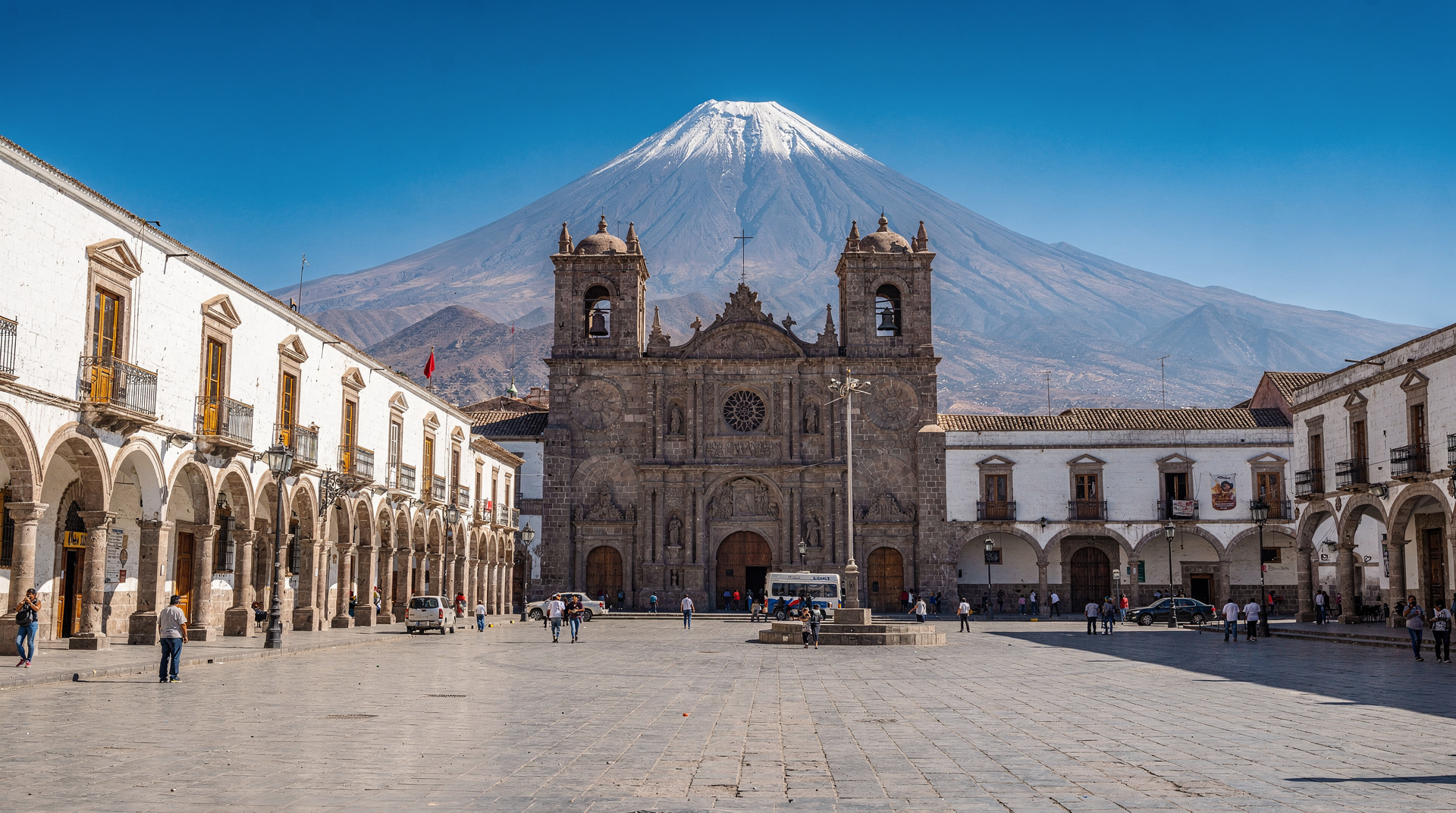
Arequipa is Peru’s second city, built in white volcanic stone (sillar) from the Misti volcano that dominates the horizon behind it. The city sits at 2,335 m — comfortably below Cusco, easy to acclimatise, and genuinely beautiful. The historic centre (UNESCO-listed) centres on the Plaza de Armas, flanked by the Cathedral and the La Compañía Jesuit church. The Santa Catalina Monastery (S/60, open daily, allow 2 hours) is one of the most extraordinary religious complexes in South America — a city within a city, with painted cloisters and four centuries of convent life preserved intact.
Evening: Arequipa’s restaurant scene around the plaza and the San Lázaro neighbourhood offers excellent contemporary Andean-coastal fusion. The local dish is rocoto relleno (stuffed spicy pepper with beef and cheese) — order it.
Day 5: Arequipa — Colca Canyon
Altitude: 2,335 m (Arequipa) to 3,600–4,900 m (road crossing) to 3,270 m (Chivay)
The Colca Canyon is three to four hours by road from Arequipa, passing through high-altitude puna and crossing the Patapampa pass (4,910 m) — the highest point in this itinerary, matched only by Vinicunca later. The road winds through volcanic landscape and Andean wetlands (bofedales) where vicuña and flamingos are commonly spotted.
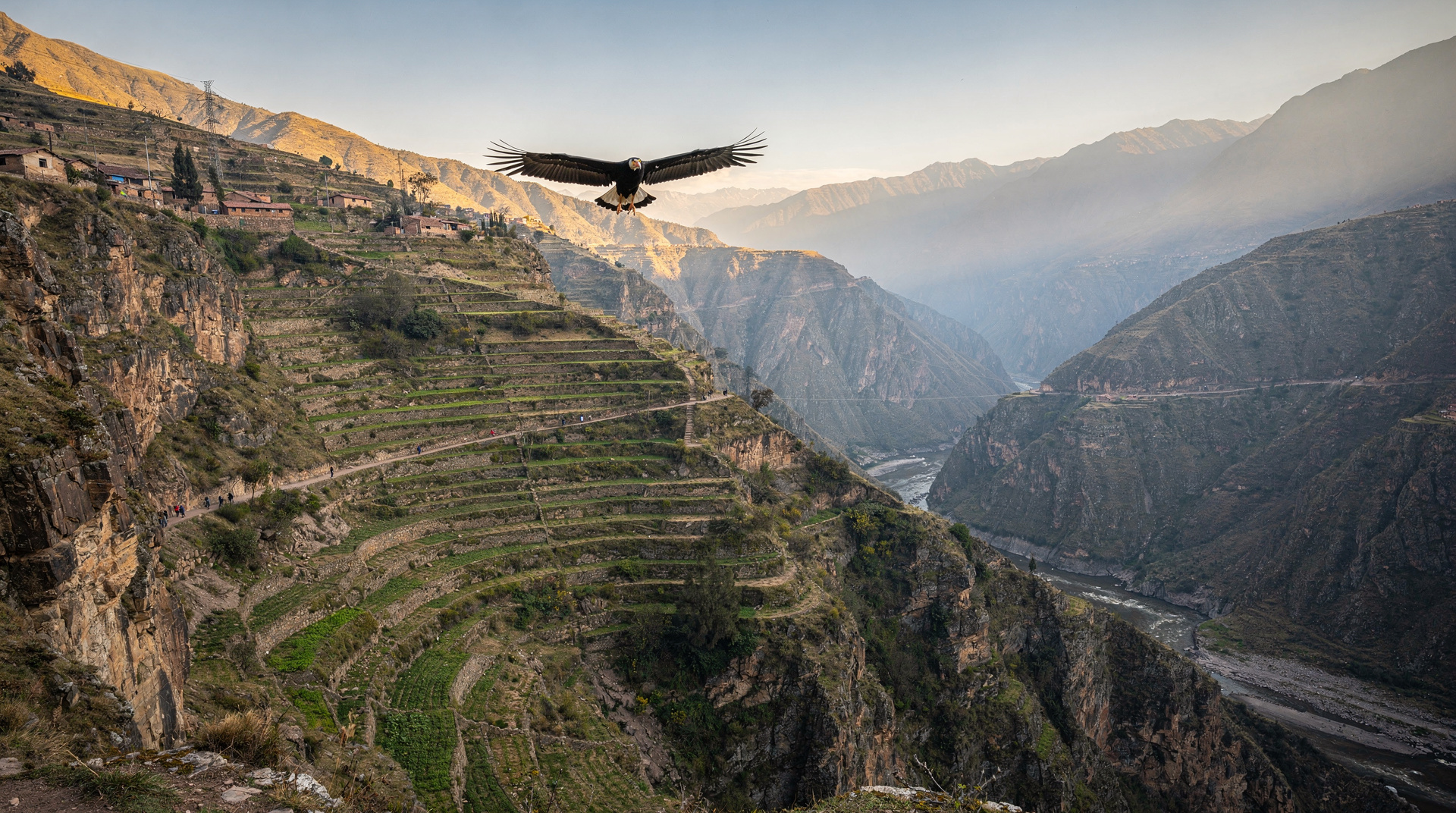
The Colca Canyon 2-day tour covers the two-day structure that makes sense for this site: the first afternoon in Chivay (3,270 m) acclimatising and visiting the local hot springs; the early-morning second day at the Cruz del Cóndor viewpoint for the condor thermal activity. The Cruz del Cóndor is the single-best condor viewing site in Peru — condors (wingspans up to 3.2 m) ride the early morning thermals out of the canyon from around 8–10 a.m. daily.
Where to stay in Chivay: The Colca Lodge (S/600–900, thermal pools) is the standout option. Mid-range options in Chivay run S/200–400. Basic guesthouses around the plaza: S/80–150.
Day 6: Cruz del Cóndor — return to Arequipa — Puno
Altitude range: 3,270 m to 3,820 m (Puno)
Dawn at Cruz del Cóndor (4:30–5 a.m. wake, 6–7 a.m. at the viewpoint). The canyon is 3,400 m deep at this point — deeper than the Grand Canyon by some measurements, though the scale looks different because the walls are farther apart. The condors are reliable in the morning; early arrivals before 9 a.m. see the most thermal activity.
After the condor session, drive from Chivay towards Puno. The road crosses high altiplano and passes through small Andean villages. The Colca 2-day tour typically drops you in Puno by afternoon; alternatively, take a bus from Chivay to Puno independently (S/30–50 shared shuttle, 3–4 hours).
Check into Puno. The city at 3,827 m is higher than Cusco; if you have been at altitude for two days in the canyon area, this should be manageable. Dinner by the Puno lakefront.
Day 7: Lake Titicaca — Uros and Taquile
Altitude: 3,820 m
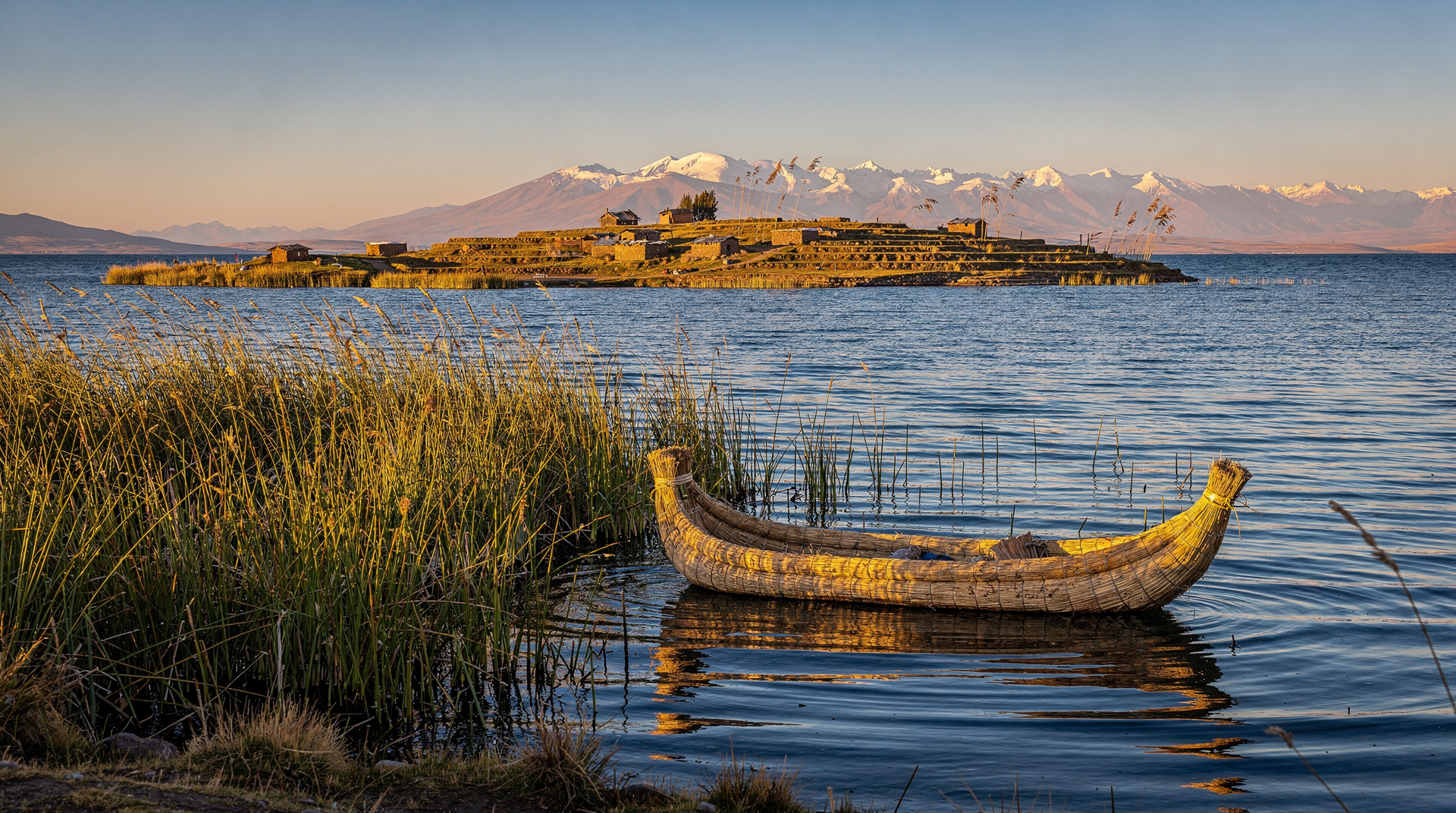
Full-day boat tour from Puno port on the Uros floating islands and Taquile full-day tour. The Uros islands (30–45 minutes from port) are constructed entirely from dried totora reed — the islands float, are renewed as the base decays, and support permanent communities. The craftsmanship and the logic of the construction are remarkable.
Taquile island (3–4 hours from Uros) rises from the lake like a hill. The community here is famous for its textile traditions — the men weave while the women spin, and the quality of the work earned UNESCO heritage status. Lunch at a family restaurant on the island is typically included. The terraced hillside gardens, the pre-Inca ruins at the summit, and the views of the Bolivian Andes visible on the horizon on a clear day make this one of the genuinely moving sites in southern Peru.
Return to Puno by evening.
Day 8: Puno — Cusco (Ruta del Sol bus)
Altitude range: 3,820 m to 3,400 m Travel time: 8–9 hours
The Ruta del Sol tourist bus runs between Puno and Cusco in both directions. Today you take the Puno-to-Cusco direction, with stops at Pukara museum, La Raya pass (4,335 m), Raqchi (Temple of Wiracocha — massive Inca construction), and Andahuaylillas church (the “Sistine Chapel of the Americas,” colonial-era painted interior). Departs Puno around 7–8 a.m., arrives Cusco by 4–5 p.m.
Arrive in Cusco. Check into your hotel. Cusco at 3,400 m will feel slightly lower than Puno after day seven; altitude fatigue may still be present but the worst should be behind you. Light dinner in the historic centre, early bed.
Day 9: Cusco city — Qorikancha, San Blas, Sacsayhuamán
Altitude: 3,400 m
Full day in Cusco. Morning: Qorikancha (check current rates and hours on the official Qorikancha site) and the Cathedral on the Plaza de Armas. The Cathedral’s colonial interior and the Qorikancha’s Inca-to-colonial visible conversion together give the definitive Cusco history lesson. Walk up to San Blas for the artisan quarter and the carved pulpit.
Afternoon: the Sacsayhuamán guide covers Sacsayhuamán, Q’enqo, Puca Pucara and Tambomachay in 3–4 hours with a guide and transport (S/180–280 for a guided tour, or walk independently with the Boleto Turístico, S/70 partial). Sacsayhuamán alone — the scale of the stones, the precision of the fitting, the zigzag design — rewards the full guided afternoon.
Day 10: Sacred Valley — overnight in Ollantaytambo
Altitude: 2,800 m
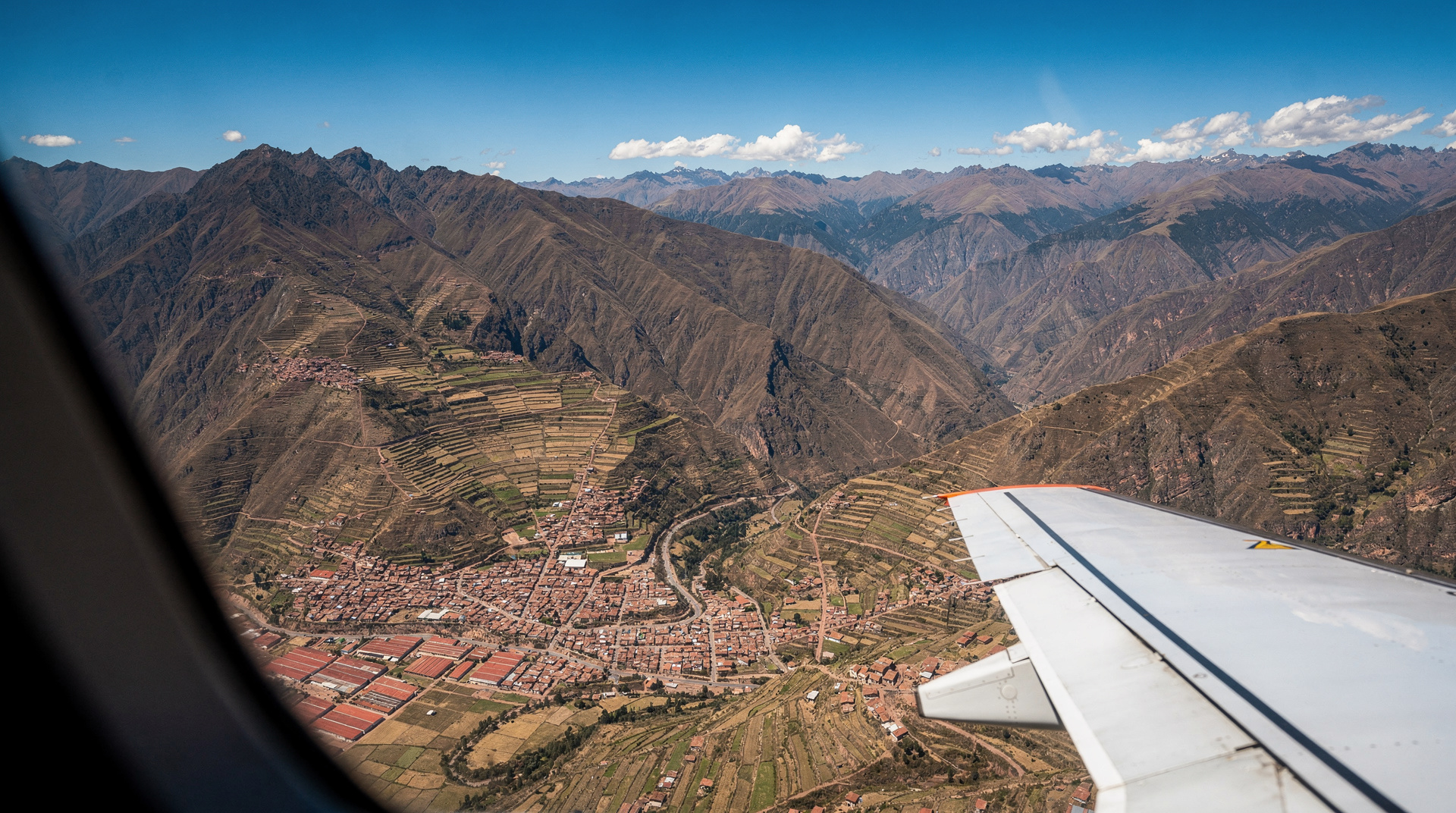
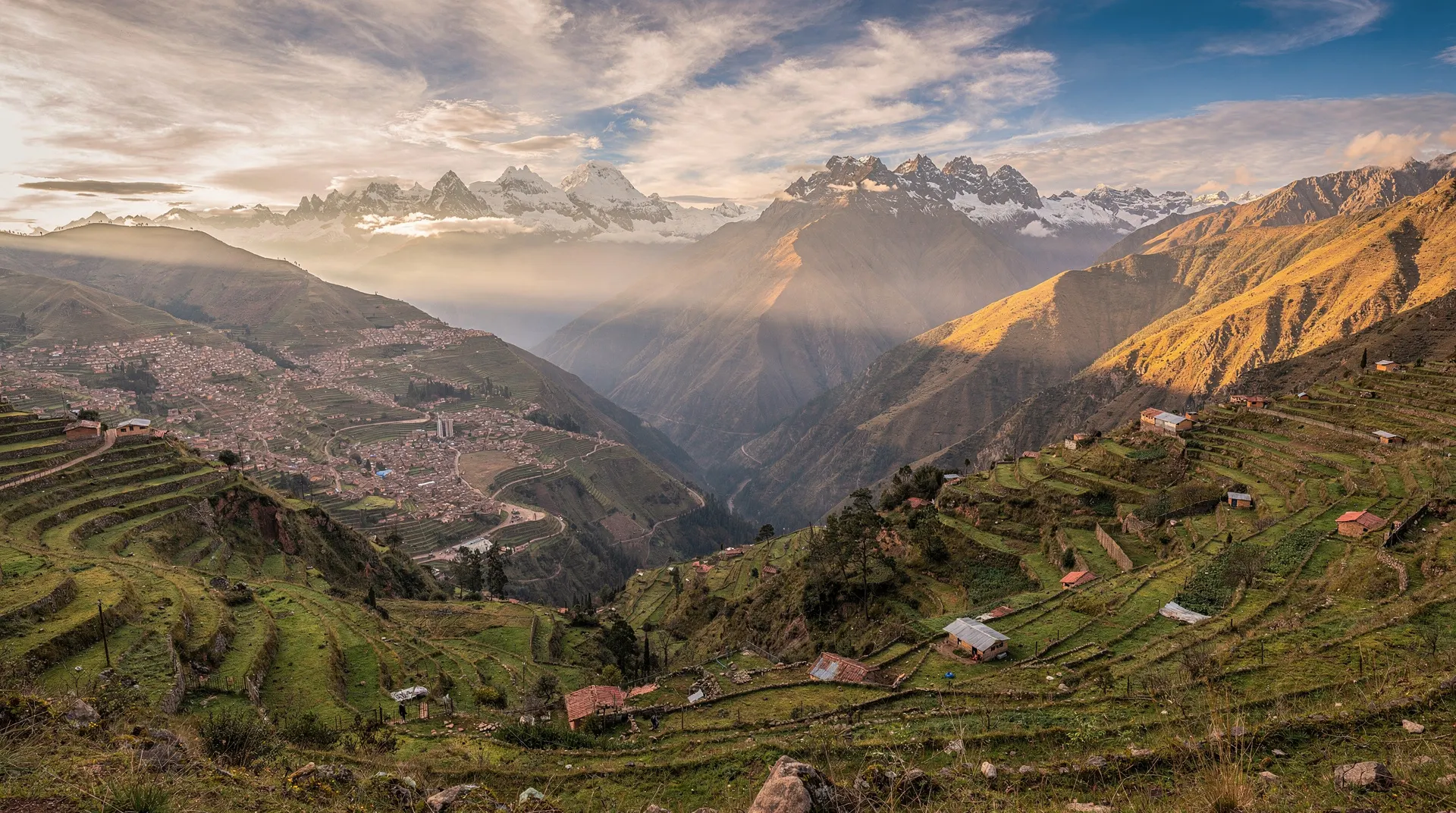
Transfer to the Sacred Valley for a full day. The Sacred Valley full-day tour covers Pisac (ruins and/or market), Maras salt mines, and Moray. These sites are genuinely different from everything seen so far in the itinerary — the circular bowl terraces of Moray, the salt-white cascade of the Maras pans, and the ridgeline ruins of Pisac are distinctively Inca and less visited than Machu Picchu.
Overnight in Ollantaytambo for easy early-morning train access to Machu Picchu on day eleven.
Day 11: Machu Picchu
Altitude: 2,040–2,700 m
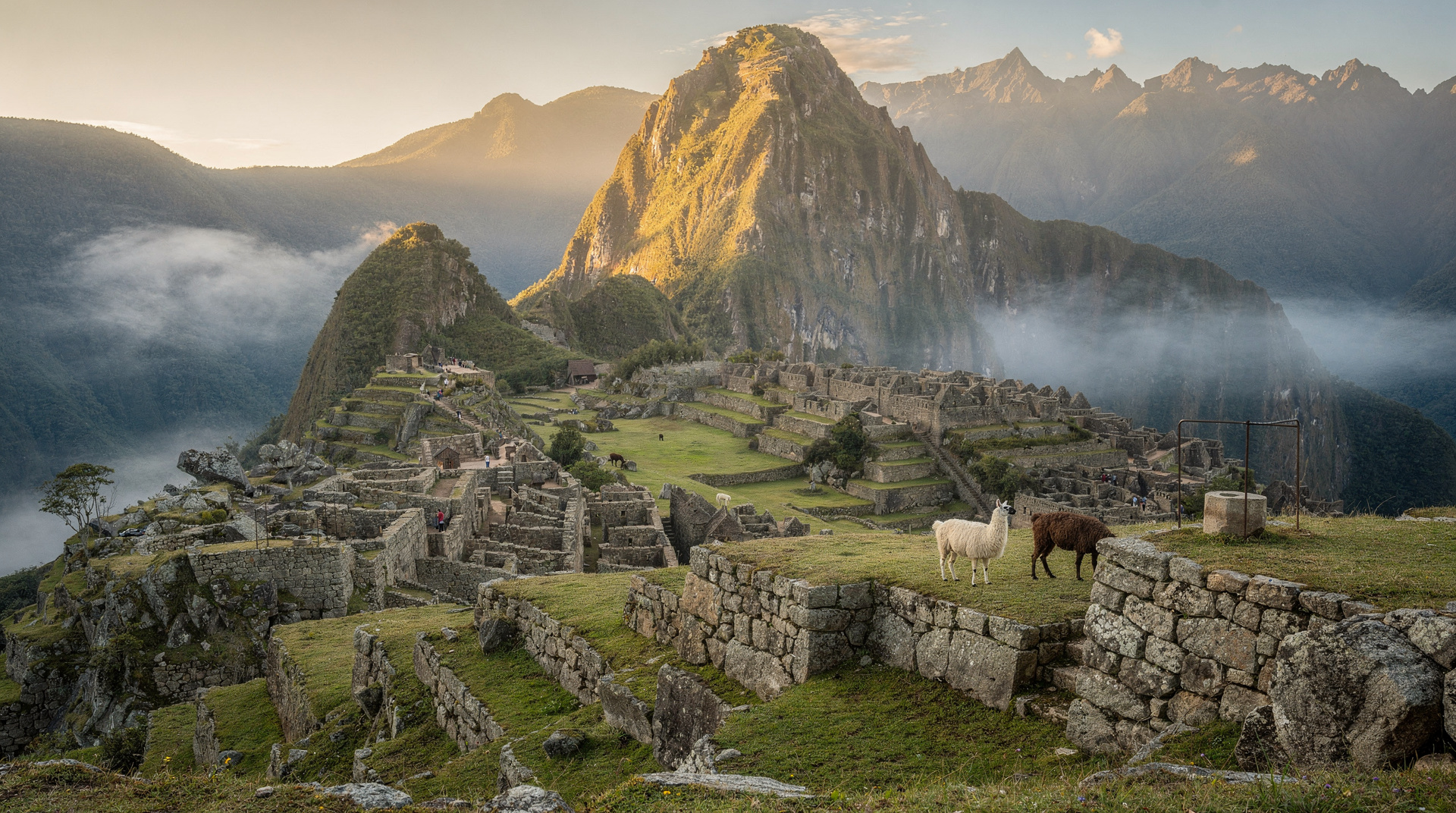
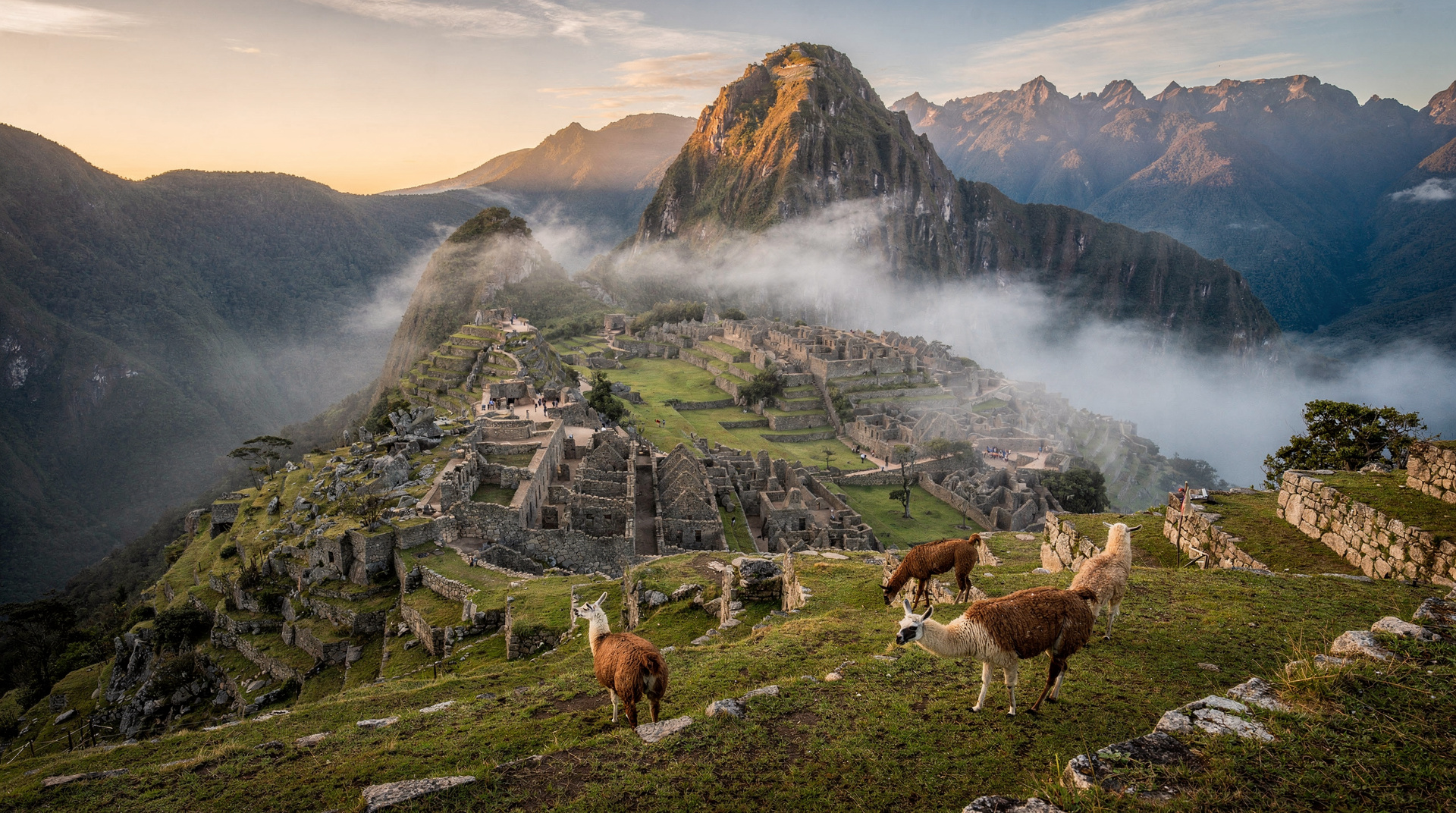
Early train from Ollantaytambo to Aguas Calientes (90 minutes). Bus up to the citadel (S/36 one way). Full day at Machu Picchu — the train and entrance combination covers both. Circuit 2 for the main sector; Circuit 1 if you prefer the agricultural terraces and the classic viewpoint.
Return to Cusco by evening train and connecting bus. Dinner in Cusco — last night in Peru for most travellers on this schedule.
Days 12–13: Cusco extension or early Lima return
Two free days in Cusco allow: Rainbow Mountain day trip (3 a.m. pickup, see Rainbow Mountain complete guide), the Humantay Lake day trip, a cooking class, or a slower second pass through the city’s sites.
Alternatively, fly Cusco–Lima on day twelve for two final nights in Lima before your international departure — Barranco’s bohemian restaurant and bar scene, the Larco Museum, or a final ceviche lunch in Miraflores.
If you’d rather lock in a Machu Picchu ticket type and Cusco pacing before you land, how many days you actually need in Cusco and the different Machu Picchu ticket circuits are both worth reading before day nine, since ticket types sell out weeks ahead in high season.
Day 14: Lima — international departure
Altitude: Sea level
Jorge Chávez Airport requires 2–3 hours before international departures. Taxi from Miraflores: S/50–70. Most long-haul departures from Lima are overnight.
Budget overview (per person, 14 nights)
| Category | Mid-range (USD) |
|---|---|
| Accommodation (13 nights) | $650–1,200 |
| Domestic flights (Lima–AQP + CUZ–LIM) | $180–360 |
| Machu Picchu train + entrance | $110–140 |
| Guided tours (Colca, Titicaca, Ruta del Sol, Sacred Valley) | $250–500 |
| Paracas / Nazca activities | $100–200 |
| Meals (14 days) | $560–840 |
| Local transport, taxis | $120–200 |
| Total per person | $1,970–3,440 |
Key logistics
Flight booking: Book Lima–Arequipa and Cusco–Lima (or Juliaca–Lima) domestic flights when you book your international ticket. High-season availability narrows 8–12 weeks before travel.
Machu Picchu tickets: Book at tuboleto.cultura.pe as early as possible. See avoiding fake Machu Picchu tickets for the most common purchasing errors.
Altitude profile: The altitude climbs and descends across this itinerary — Paracas (sea level), Arequipa (2,335 m), Patapampa pass (4,910 m), Colca (3,270 m), Puno (3,827 m), Cusco (3,400 m), Machu Picchu (2,430 m). Read altitude sickness in Cusco for a complete guide to managing the ascent. The key rule: never fly directly from sea level to a high altitude destination if you can help it; the Lima–Arequipa–Colca–Puno progression in this itinerary is the soundest possible approach to the southern Peru altitudes.
Transport between each leg
This itinerary mixes flights, tourist buses and private transfers, and booking the right one at each stage matters more than it looks. Lima–Arequipa and the return Cusco–Lima (or Juliaca–Lima) legs are domestic flights that should be booked alongside your international ticket — high-season seats narrow fast.
Puno–Cusco is best done on the daytime Ruta del Sol tourist bus rather than the faster but sight-free direct buses, since the stops at Raqchi and Andahuaylillas are genuinely worth the extra hours. If you later need to reverse direction — say, arriving in Cusco first and finishing in Arequipa — Cusco to Arequipa transport options covers the bus, flight and combined routes in both directions.
Safety and staying connected
Southern Peru is one of the country’s safer regions for travellers, but the usual precautions apply in bus terminals, markets and the Lima airport transfer at either end of the trip. Peru travel safety covers realistic risk levels city by city rather than blanket warnings — worth a skim before day one, since Lima and Puno warrant slightly more street awareness than Arequipa or Cusco.
A local SIM (Claro or Movistar, bought at the airport or a city-centre shop) covers data across all the stops on this route, including the more remote legs around Colca and Titicaca where hotel Wi-Fi can be unreliable. Keep small-denomination soles on hand for the smaller towns — Chivay, Andahuaylillas and the Puno lakefront stalls rarely have card machines, and ATMs thin out once you leave the larger cities.
Where this circuit fits in Inca history
Southern Peru’s Inca and pre-Inca sites reward a little background before you arrive, particularly at Raqchi, Sacsayhuamán and Machu Picchu, where the engineering only makes sense once you understand the empire’s scale and organisation. The Inca Empire, explained for travellers is a short, useful primer for the coach ride between Puno and Cusco on day eight, when Raqchi and Andahuaylillas will otherwise be just two more photo stops rather than pieces of a single imperial story that connects the coast, the altiplano and Cusco itself.
Top experiences
Bookable activities with verified prices and instant confirmation on GetYourGuide.