Classic Inca Trail: 4-day trek itinerary
From Cusco: 4-Day Inca Trail Guided Trek to Machu Picchu
The trek that earns Machu Picchu
Arriving at Machu Picchu by train is easy and spectacular. Arriving on foot through the Sun Gate (Inti Punku) at dawn after four days of high-altitude trekking is something else. The classic Inca Trail is a 43-kilometre paved Inca road from kilometre 82 on the Urubamba River to the citadel, passing through cloud forest, puna grassland, and a succession of extraordinary Inca sites — Runkuracay, Sayacmarca, Phuyupatamarca — that the train version never touches.
It is also a regulated, permit-controlled trek with firm daily limits, a mandatory licensed operator, and a February closure. You cannot walk the classic trail independently. You cannot buy a permit at the trailhead. And you cannot leave this planning to the last minute — permits sell out months in advance for the high season (June–August), and April and May often sell out as well. Read all of this before assuming it will be fine.
Permits: The daily limit on the classic 4-day Inca Trail is set by Peru’s Ministry of Culture; the confirmed official figure is 750 visitors per day for the whole Inca trail network, and the places per day are limited. Permits sell out between two and six months in advance depending on the season. Permits are booked through licensed operators only — you cannot purchase them directly. The permit is non-transferable and tied to your passport number. If your name or passport number on the permit differs from your actual document, you will be refused entry at kilometre 82. See Inca Trail permit guide for the full process. Book the classic 4-day trek as far in advance as possible.
February closure: The Inca Trail is closed throughout February for maintenance and ecological recovery. It opens again on 1 March. No exceptions. If your trip falls in February, Salkantay is the primary alternative — see the 5-day Salkantay itinerary and Inca Trail vs Salkantay for a direct comparison.
Fitness: This is a genuinely demanding trek. The second day (Dead Woman’s Pass, 4,215 m) is the hardest single day. If you do not regularly hike with a loaded pack, prepare in the months before arrival. Spending two to three days walking in the Sacred Valley before the trek begins is strongly advisable for acclimatisation.
| Where | Km 82 to Machu Picchu, camping 3 nights along the trail |
| Cost | around $650–1,150 per person including tips |
| Time needed | 4 days trekking + 2–3 days acclimatising beforehand |
| Getting there | Licensed operator transport from Cusco to Km 82 |
| Best time | May–September (dry), closed all of February |
How this compares to the alternatives
Not every Machu Picchu visitor needs the full 4-day trek, and being honest about the alternatives helps you choose correctly. If permits are sold out or the fitness level worries you, the 2-day short Inca Trail covers the most dramatic final section — Winay Wayna and the Sun Gate — without the first two demanding days.
If you want a similarly challenging multi-day trek but with more flexibility on permits, Salkantay reaches a higher pass (4,600 m) over 5 days and does not require booking months ahead. If trekking is not the priority and you simply want to reach the citadel efficiently, the 4-day Cusco and Machu Picchu itinerary by train covers the same destination in far less physical effort.
Day 1: Cusco — Km 82 — Huayllabamba camp
Altitude range: 2,700 m (Km 82) to 3,000 m (Huayllabamba) Distance: approximately 12 km
Depart Cusco early (typically 5–6 a.m.) by private bus with your operator. The drive to Kilometre 82 takes about 2.5 hours via Ollantaytambo. At the trail start, your operator handles the permit checkpoint — present your passport and permit together. Do not lose your permit document; you will need it at each control point along the trail.
The first day is the longest in terms of distance but the lowest in altitude and the most forgiving underfoot. The path follows the Urubamba Valley through Andean dry scrub and lower cloud forest, passing the Inca site of Llactapata (viewpoint of the Machu Picchu complex, visible across the valley) roughly 3 km in.
Camp at Huayllabamba (3,000 m). Your operator provides a full camp — sleeping tents, dining tent, and a cook who will produce three-course meals from equipment the porters have carried ahead of you. This is not glamping, but it is properly organised. Most trekkers are pleasantly surprised by the quality of food on the classic trail.
This evening, spend time talking with your guide about tomorrow’s challenge. Day two is significantly harder. Drink plenty of water and sleep early.
Day 2: Huayllabamba — Dead Woman’s Pass — Pacaymayu camp
Altitude range: 3,000 m to 4,215 m to 3,600 m Distance: approximately 12 km
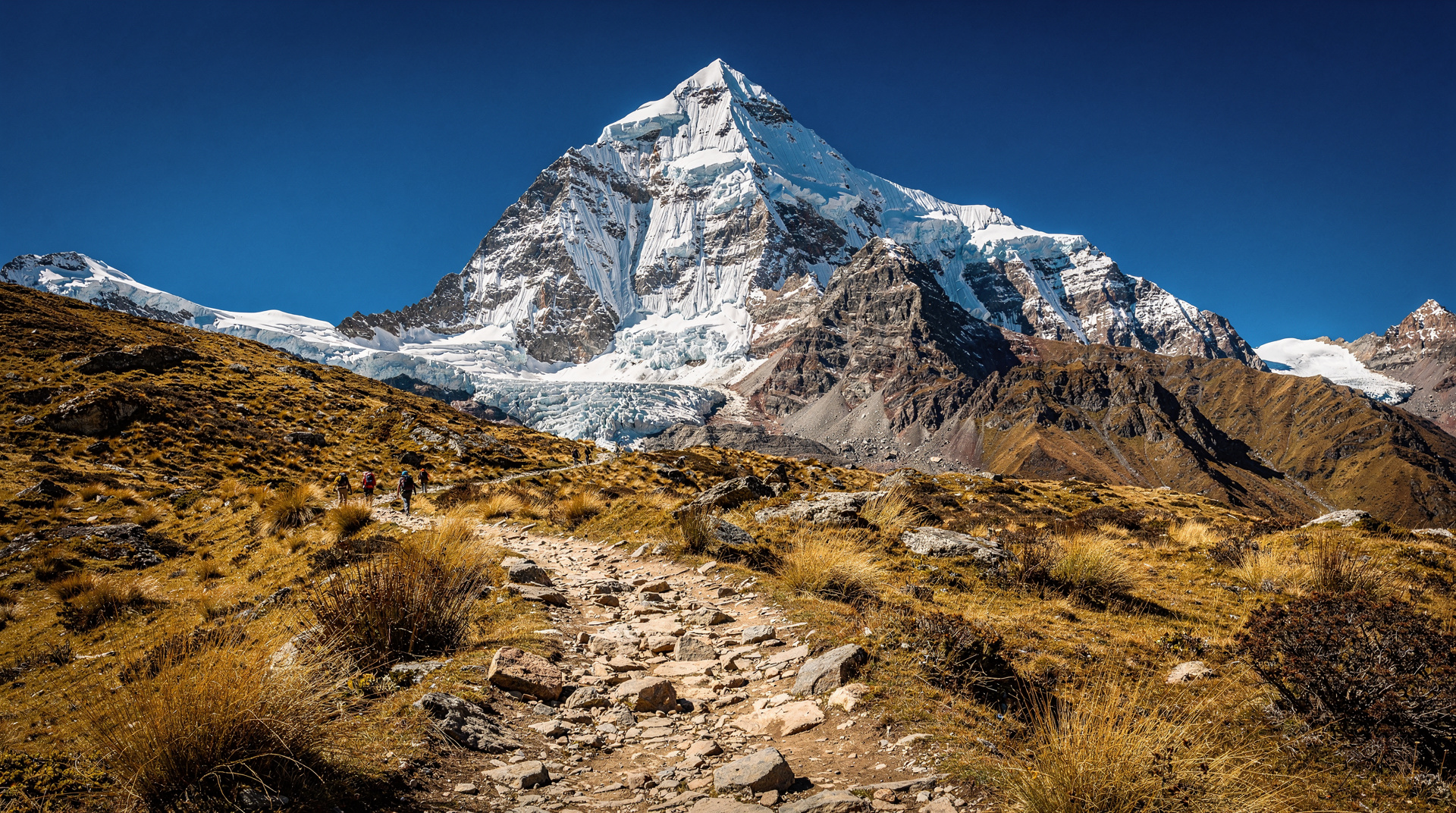
The hardest day. From Huayllabamba, the trail climbs steeply through cloud forest and then puna grassland to Warmiwañusca — Dead Woman’s Pass at 4,215 m. This is the highest point on the classic trail. The climb takes 3–4 hours from camp and is unrelenting. Go slowly. The altitude affects everyone differently; competitive hikers who push hard at altitude often feel worse at the top than those who pace themselves.
From the pass, the views on a clear day span the Urubamba Valley and distant snow-capped peaks. Descend steeply to the Pacaymayu valley (3,600 m), where lunch is served by the camp cook. After lunch, there is an optional side trip to Runkuracay — a circular Inca way station with views back up to the pass. Take it if you have energy.
Continue to the second pass (Runkuracay Pass, 3,976 m) and descend to camp at Chaquicocha or Pacaymayu, depending on your operator’s routing. Dinner, and sleep heavily — your body has worked hard.
Day 3: Cloud forest — Inca ruins — Winay Wayna
Altitude range: 3,600 m to 3,688 m (third pass) descending to 2,650 m Distance: approximately 16 km
Day three is the most scenically varied and the most historically rich. The trail passes through Sayacmarca (unreachable city, perched dramatically on a ridge), through tunnels of cloud forest where orchids grow on the trees, and over the Phuyupatamarca pass (3,688 m) with panoramic views of the Urubamba gorge below.
The descent to the final camp at Winay Wayna (2,650 m) passes the stunning Inca terraced site of the same name — waterfalls, agricultural platforms, and ritual baths integrated into the hillside. This is one of the finest Inca sites on the entire trail and should not be rushed. Most operators schedule 45–60 minutes here.
Camp at Winay Wayna, the last camp before the citadel. The atmosphere on the third night has a distinct anticipatory quality — everyone knows that tomorrow morning they pass through the Sun Gate.
Day 4: Inti Punku — Machu Picchu — return to Cusco
Altitude range: 2,650 m to 2,720 m (Sun Gate) to 2,430 m (citadel) Distance: approximately 3 km to the Sun Gate, then citadel
Wake at 3:30–4 a.m. The park gate at Winay Wayna opens at 5:30 a.m. precisely; there is always a queue. Your guide will navigate the checkpoint. The 45-minute walk from the gate to Inti Punku (the Sun Gate) is in near-darkness; bring a head torch. At the Sun Gate, stop.
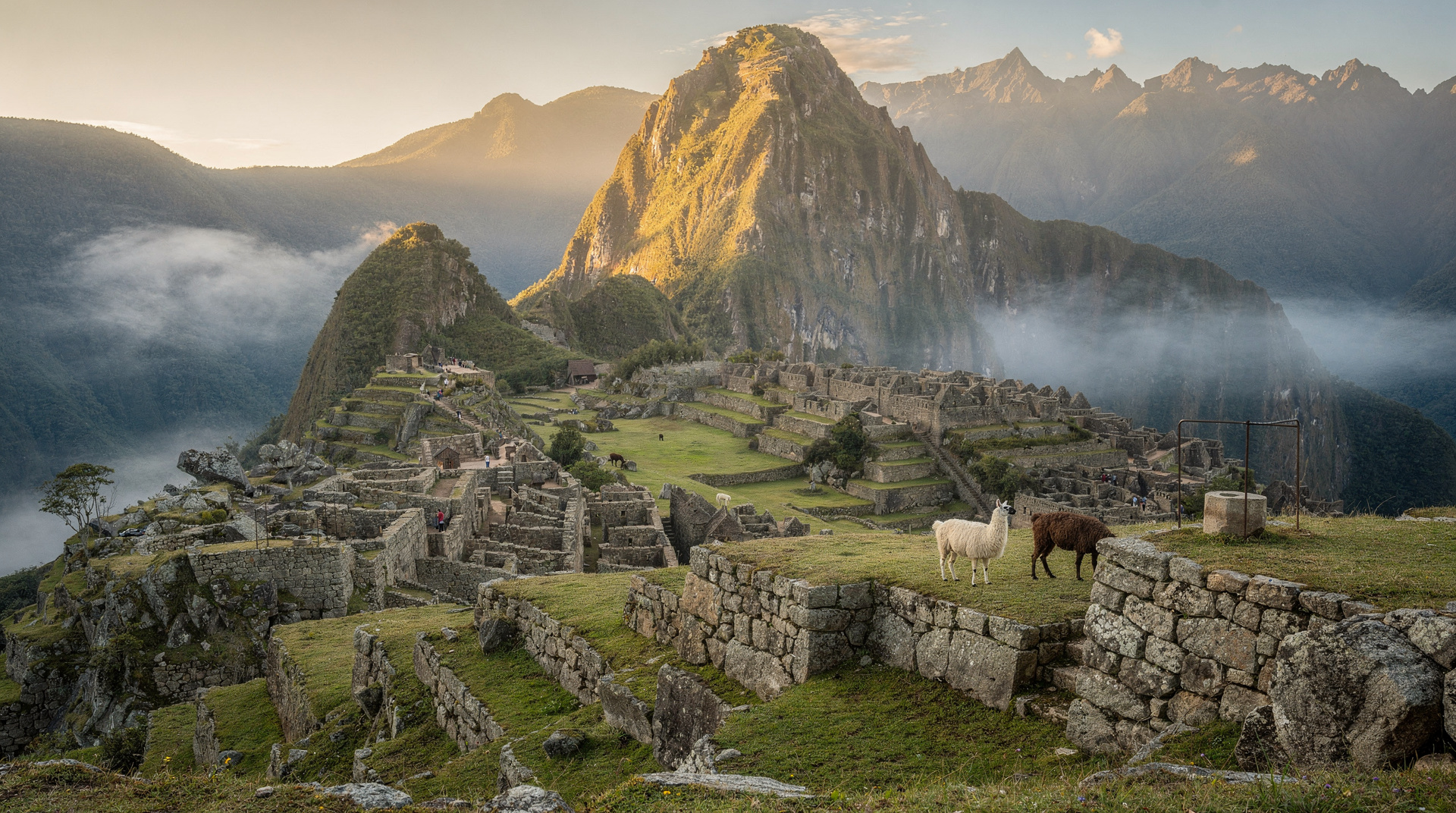
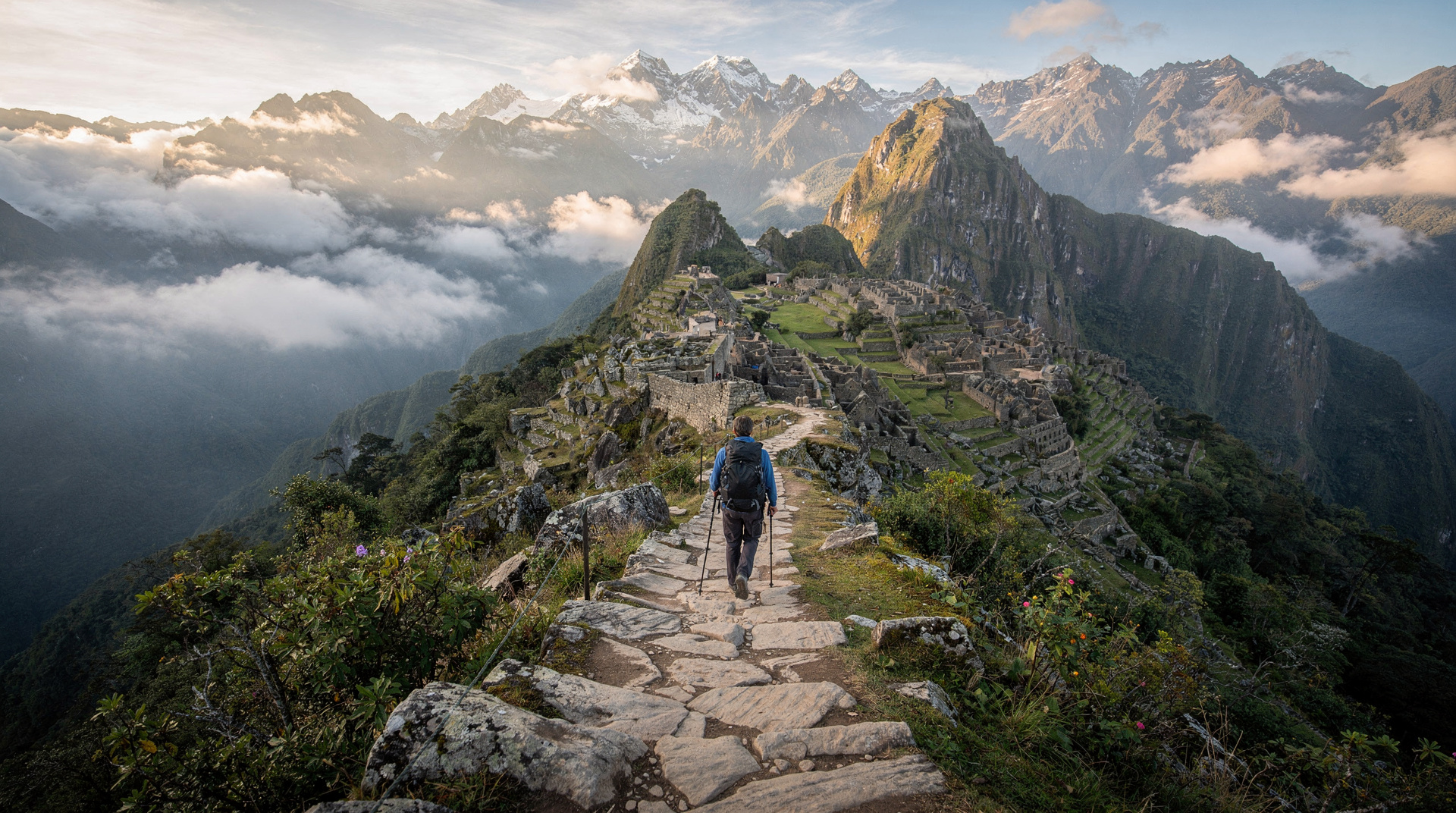
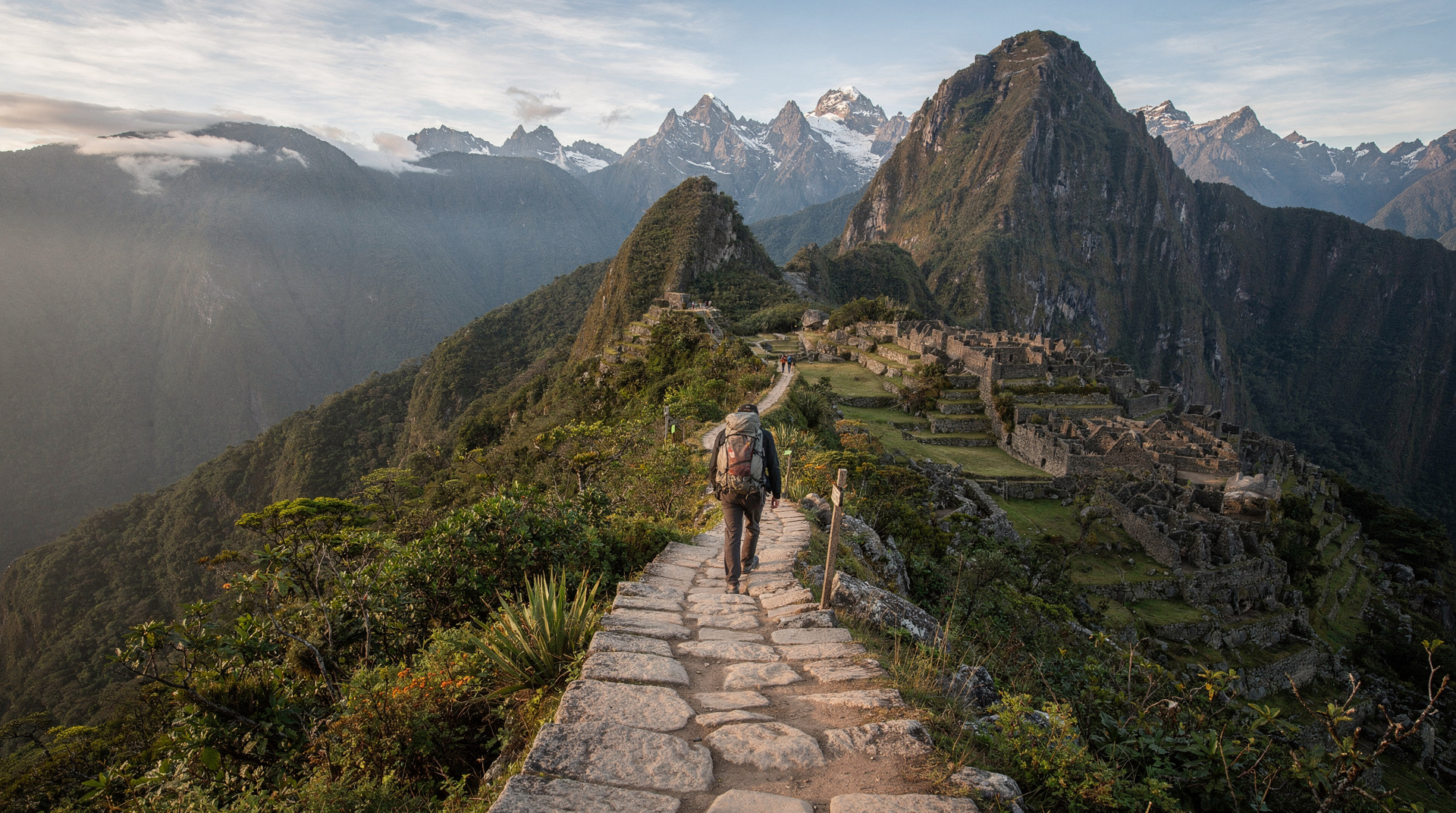
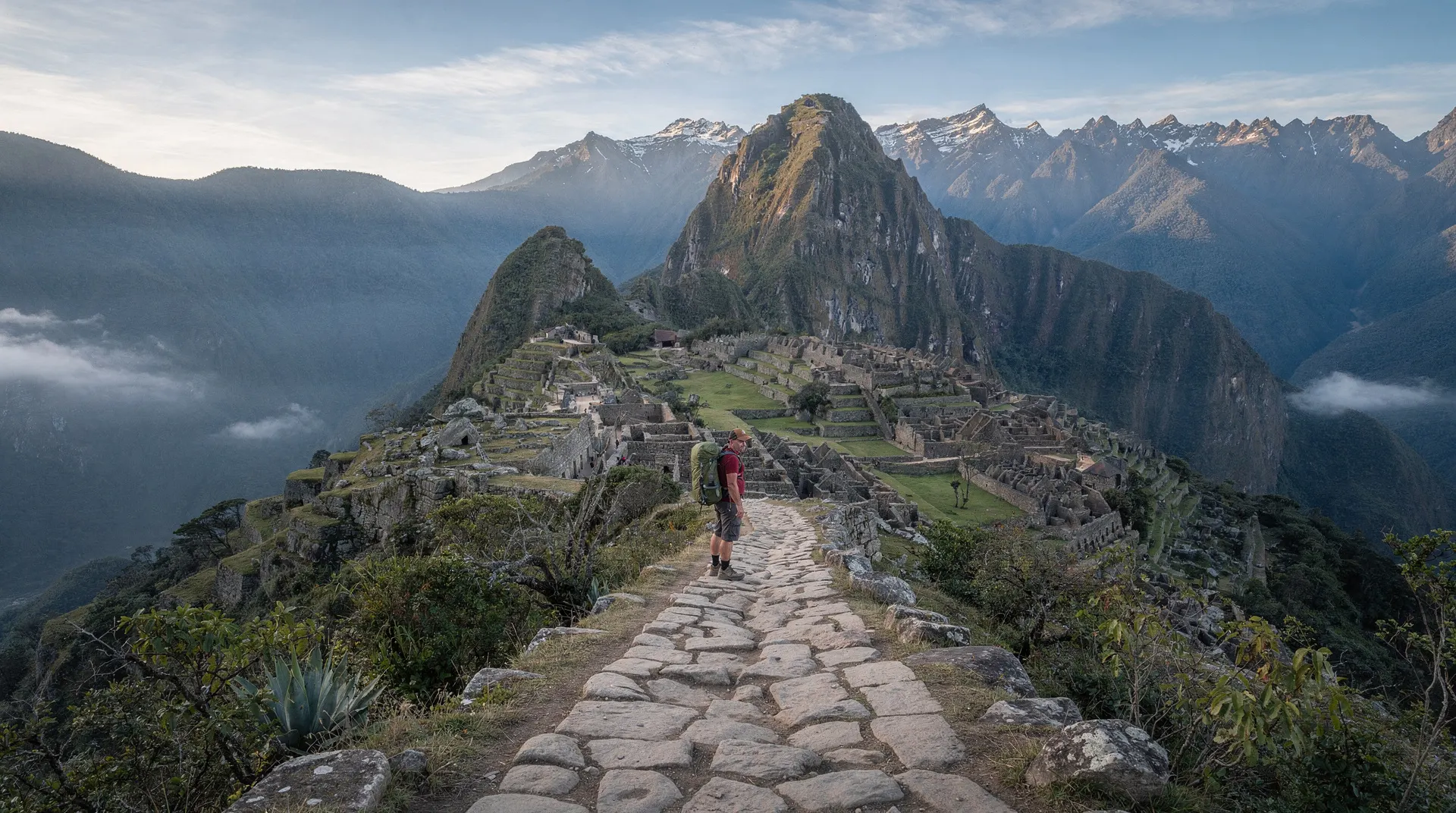
From Inti Punku, Machu Picchu sits below you in the valley, terraces cascading down the ridge, the iconic llama-shaped mountain behind it, often with cloud below the gate and blue sky above. This is the moment the four days have been building towards. It does not disappoint.
Descend to the citadel. Your timed entrance ticket for Machu Picchu is arranged by your operator as part of the trek package — confirm this before departure from Cusco. Inside, your guide will lead you through the main circuit. Allow 2–3 hours in the citadel before descending to Aguas Calientes by bus (S/36 one way) for lunch and your afternoon train back to Ollantaytambo and Cusco. The return drive from Ollantaytambo to Cusco takes about 90 minutes.
Costs and budget
The classic 4-day Inca Trail is not a budget trek. The permit system, licensed operators, mandatory porters, and camp equipment combine to set a floor. Expect to pay:
| Item | Cost (USD) |
|---|---|
| Operator trek package (permit, guide, porters, meals, camp) | $600–1,000 |
| Machu Picchu entrance (included by most operators) | ~$41 (S/152) |
| Aguas Calientes bus (return or one way) | $19 return |
| Train Aguas Calientes–Ollantaytambo | $30–55 one way |
| Tips for porters and cook (strongly expected) | $40–70 |
Budget operators starting at $450 exist; scrutinise porter pay, equipment quality, and guide credentials carefully before booking on price alone. Unlicensed operators on this trail risk permit rejection at the checkpoint.
Group size and pace
Most operators run groups of 8–16 trekkers with a single lead guide and, on larger groups, an assistant guide. Smaller operators sometimes offer private or semi-private departures at a premium, which suits trekkers who want to set their own pace rather than match a group average. On the standard group departure, the guide typically paces the ascent to Dead Woman’s Pass around the slowest comfortable walker rather than the fastest — this is by design, not a flaw, since altitude affects people unpredictably regardless of general fitness. If pace matters a great deal to you, ask your operator directly about group size and whether a private departure is available for your dates.
Essential tips
Packing: The operator carries the camp equipment; your personal pack should be 6–8 kg maximum for the trek. See what to pack for the Inca Trail for a complete kit list with altitude layering advice.
Porters: The porters carry up to 25 kg each and transform the experience from a survival challenge into a genuine journey. Tip them properly — S/60–80 per porter across the four days is the minimum widely accepted standard.
Altitude before the trek: Arrive in Cusco at least 48 hours before the trek starts. Spend those days in the Sacred Valley if possible. Do nothing strenuous on arrival day. Consider the full Sacred Valley day tour on the day before the trek — it covers good altitudes (2,800–3,500 m) and involves gentle walking rather than effort.
The 2-day alternative: If permits for the 4-day are sold out or the fitness level is a concern, the 2-day short Inca Trail starts at kilometre 104 and reaches Winay Wayna and the Sun Gate, covering the most spectacular section without the full four-day commitment. Check availability for your dates with your operator. See short Inca Trail guide for details.
Why the Inca Trail is worth the price
The classic 4-day Inca Trail costs more than the Salkantay, more than a day trip to Machu Picchu, and significantly more than arriving by train with a pre-booked ticket. The question of whether it is worth the additional expense is honest and deserves a direct answer.
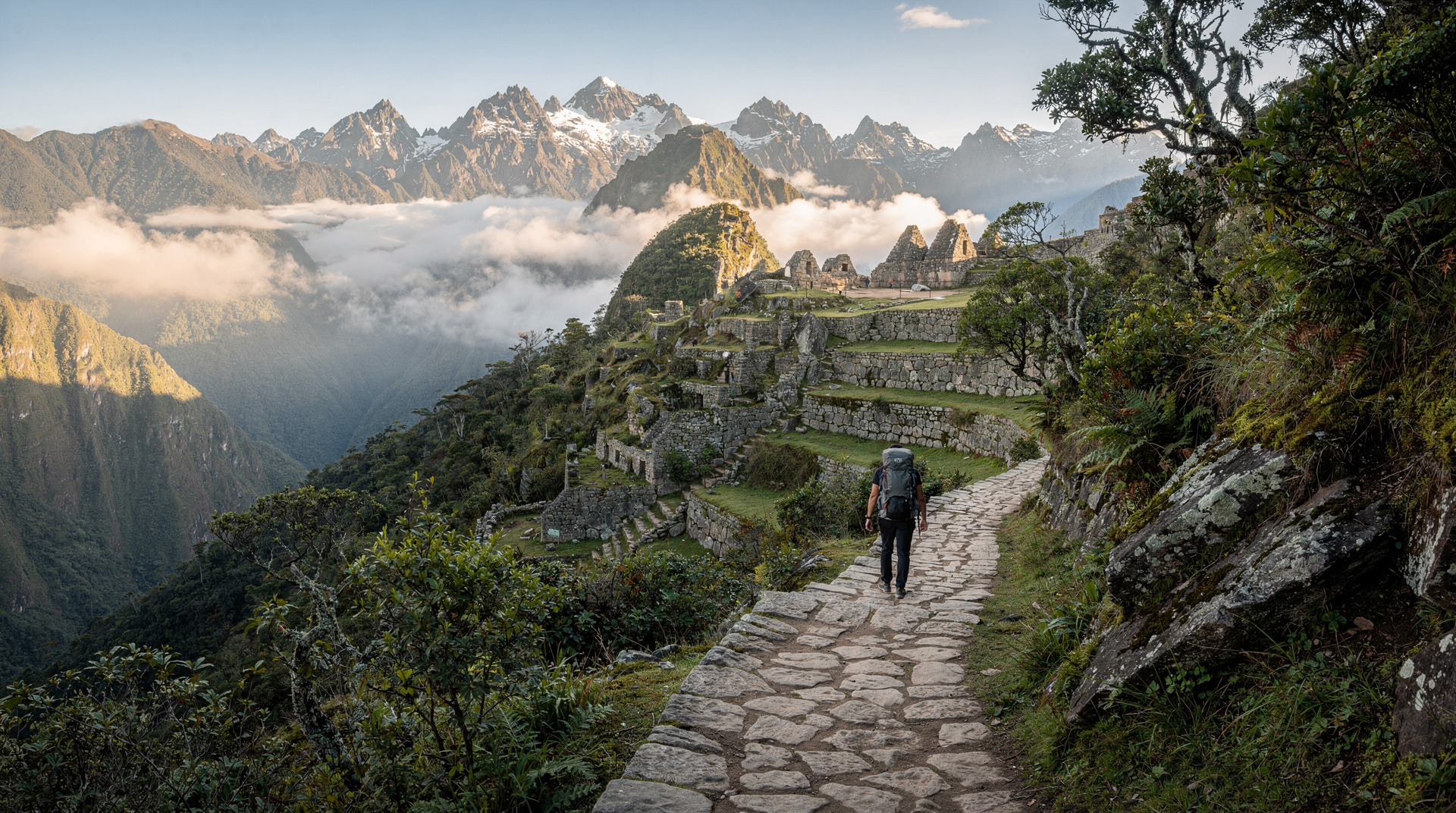
The Inca Trail is worth it for three specific things that no other route provides. The first is the intermediate archaeological sites. Runkuracay, Sayacmarca, and Phuyupatamarca are not accessible except by walking the trail — no road, no alternative path. These sites are not Machu Picchu in scale, but they represent a very different class of Inca construction: way stations, ceremonial outposts, and administrative nodes on the royal road between Cusco and the citadel. Walking between them, on the same paved stone road that Inca runners and officials used six centuries ago, is genuinely different from looking at photographs.
The second is the ecological transition. The Inca Trail crosses multiple ecological zones in four days — Andean dry scrub, puna grassland, cloud forest at multiple levels, and montane rainforest. The plant diversity in the cloud forest sections (days 2–3) is extraordinary; orchids grow on the tree branches, tree ferns fill the gullies, and the path is often canopied by moss-covered cloud forest. No other route to Machu Picchu goes through this range of habitat.
The third is the Sun Gate arrival. Walking through Inti Punku at dawn on day four and seeing Machu Picchu below for the first time, after four days of physical effort that has brought you through altitude and rain and cold and the second pass at 4,215 m — that moment has a different quality than stepping off the bus at the citadel gate. It is not available any other way.
Choosing a licensed operator
All Inca Trail operators must be licensed by Peru’s Ministry of Culture, which issues the permits. The permit quota system means that operators bid for permit allocation; more reputable operators with long track records often have better permit access, particularly in high-demand months. The list of licensed operators is published at the SERNANP website.
What to check when comparing operators: the guide-to-trekker ratio (4:1 maximum is standard; better operators run 6:1 or lower), the weight limit assigned to porters (the legal maximum is 25 kg including the porter’s personal gear; operators who load more than this onto porters are cutting costs at the porters’ expense), and whether your guide is certified at the CENFOTUR national guide level. Ask these questions directly; a reputable operator will answer them without hesitation. See unlicensed tour agencies in Cusco for broader guidance on vetting agencies.
The first day’s weight carried in your own pack affects the entire experience. Most operators allow clients to send a small duffel (up to 7 kg) with the porters while carrying only a daypack personally. Use this — a 7-kg daypack at 4,215 m is demanding enough. Distribute your gear accordingly the night before the trek starts.
Frequently asked questions about Classic Inca Trail
Do I need previous trekking experience for the classic Inca Trail? No, but you do need a reasonable baseline fitness and, ideally, some experience walking multiple consecutive days with a daypack. Dead Woman’s Pass at 4,215 m on day two is the hardest single day most trekkers will have faced; go slowly and let your guide set the pace.
What happens if I cannot get an Inca Trail permit for my dates? Book the 2-day short Inca Trail instead, which covers Winay Wayna and the Sun Gate (check availability with your operator), or choose Salkantay, which does not require an advance permit at all. See Inca Trail vs Salkantay for a full comparison.
Top experiences
Bookable activities with verified prices and instant confirmation on GetYourGuide.