Cusco
Plan your Cusco visit with honest advice on top experiences, altitude acclimatisation, where to stay, and how to reach Machu Picchu from the city.
Cusco: Half-Day City Tour with Sacsayhuaman and Q’enco
Quick facts
- Country
- Peru
- Altitude
- 3,400 m / 11,150 ft
- Currency
- Peruvian sol (S/) — USD widely used
- Best for
- History, Inca ruins, food, Machu Picchu gateway
Why Cusco deserves more than a one-night stopover
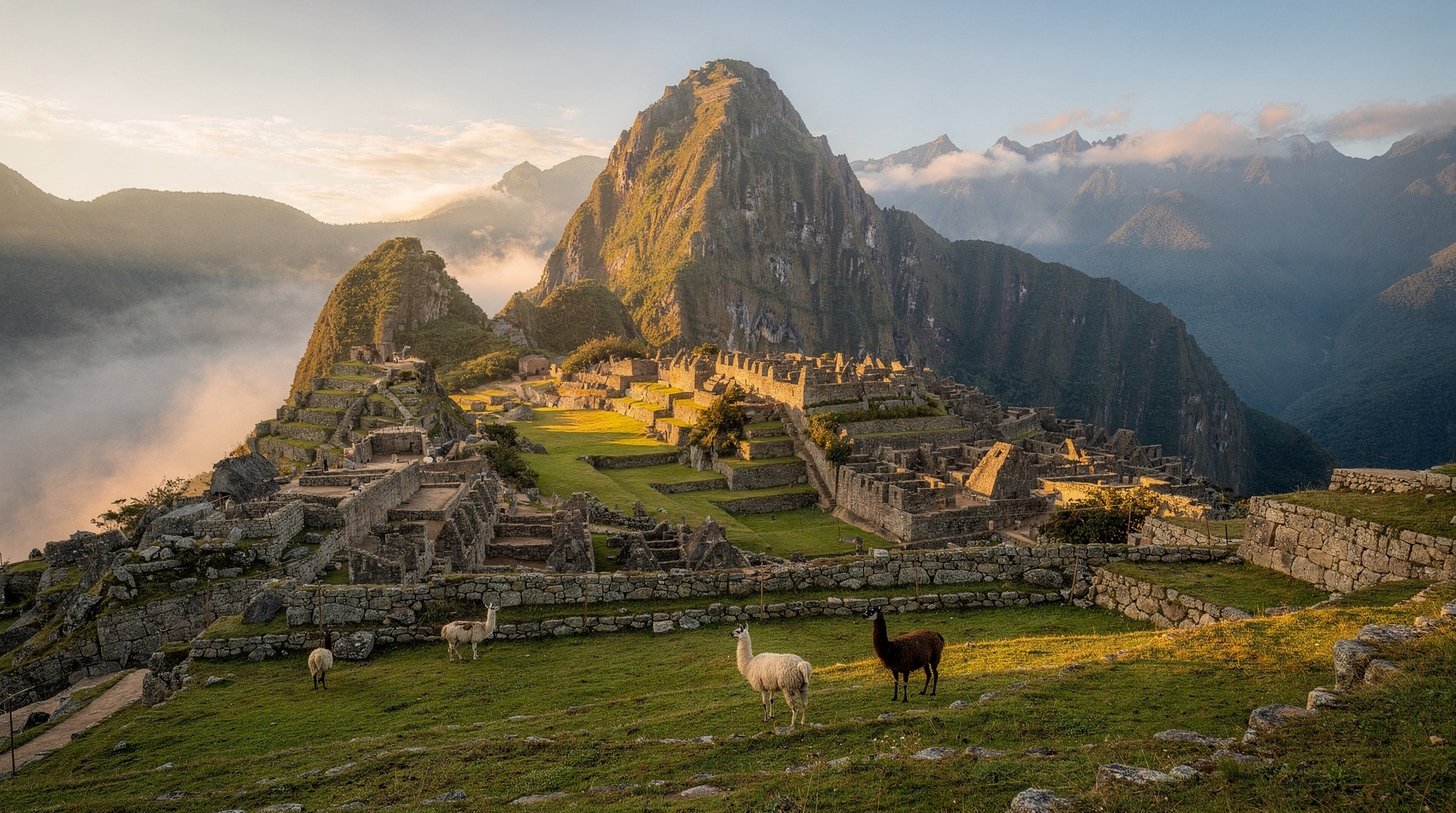
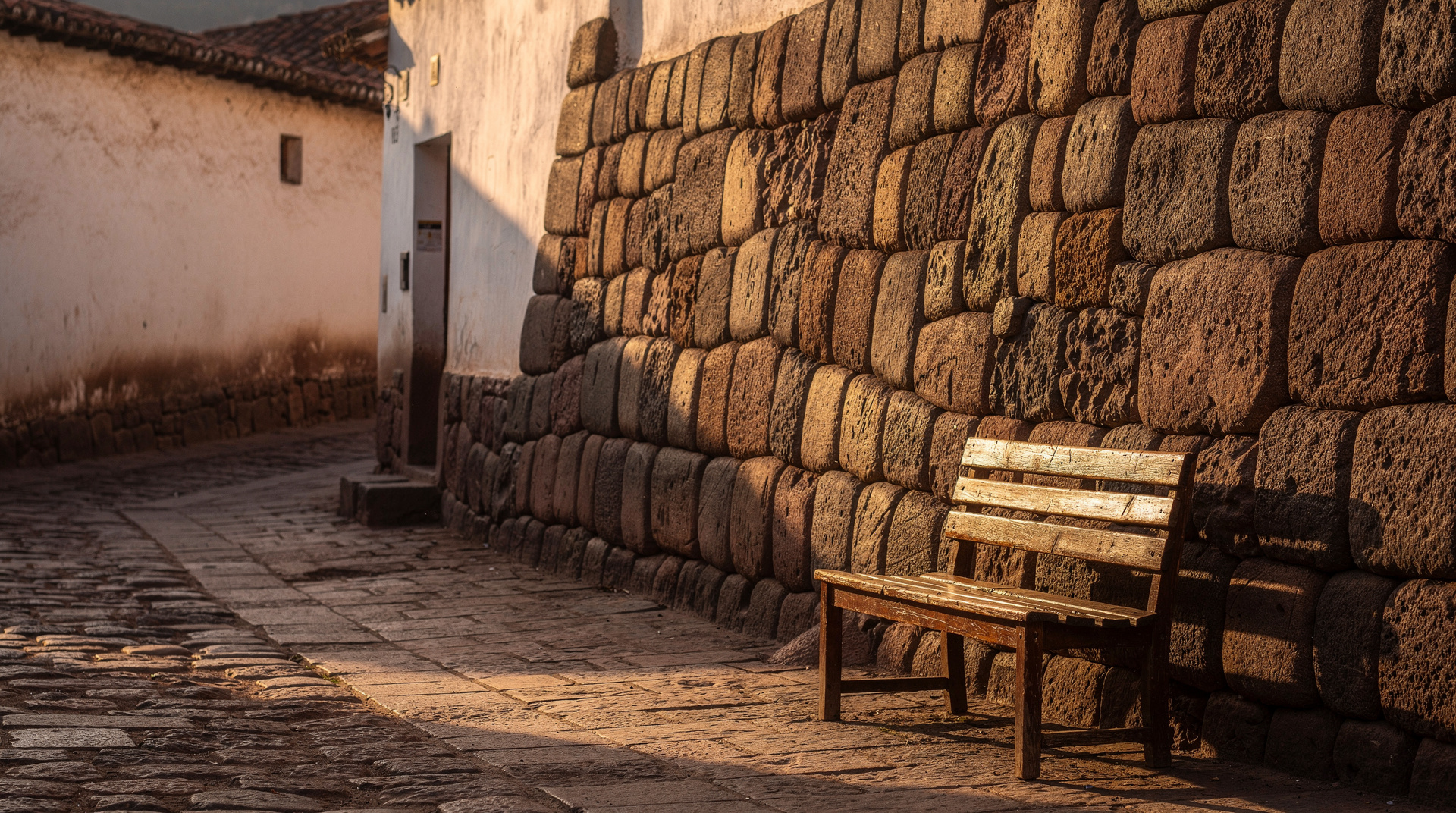
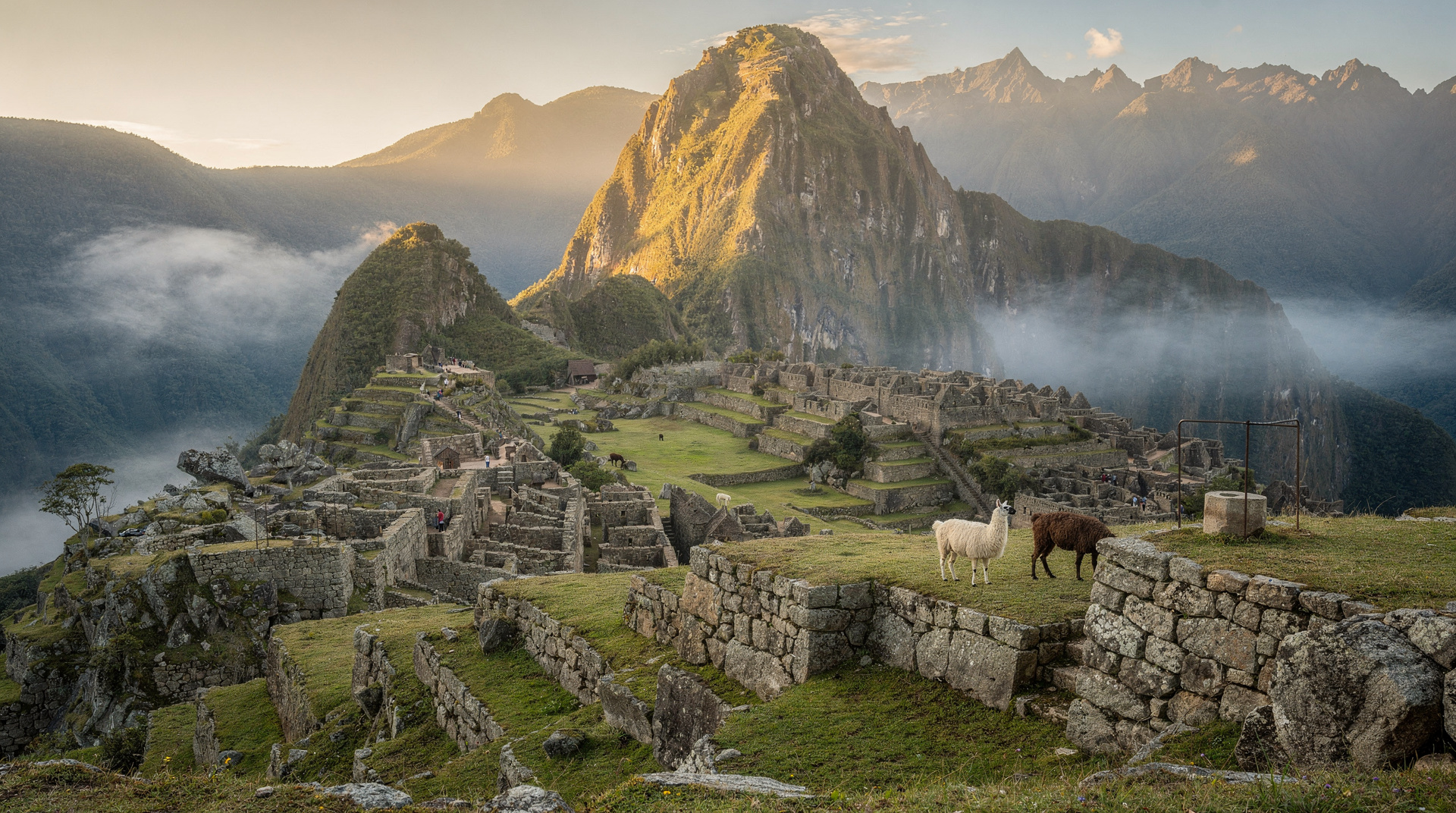
Cusco sits at 3,400 m in the Peruvian Andes and served for centuries as the capital of the Inca Empire — Qusqu, “navel of the world.” Today it is the undisputed gateway to Machu Picchu, but it is far more than a transit hub. Cobbled alleyways, stone walls laid without mortar, baroque churches built directly on Inca foundations, and a food scene that has placed Cusco restaurants among Latin America’s best — the city rewards travellers who slow down and look closely.
Three to four days is the sweet spot. That gives you a morning to recover from altitude, two days to explore the city and nearby sites, and a full day for Machu Picchu. If you have more time, the Sacred Valley and Rainbow Mountain fill extra days naturally.
| Where | Southern Peruvian Andes, 3,400 m |
| Time needed | 3–4 days minimum |
| Getting there | Flights from Lima (~1hr20), buses from Puno/Arequipa |
| Cost level | Moderate, rises sharply in June–August |
| Best time | May–September (dry season); avoid Inti Raymi crowds unless you want them |
Top experiences in Cusco
The historic centre and Plaza de Armas
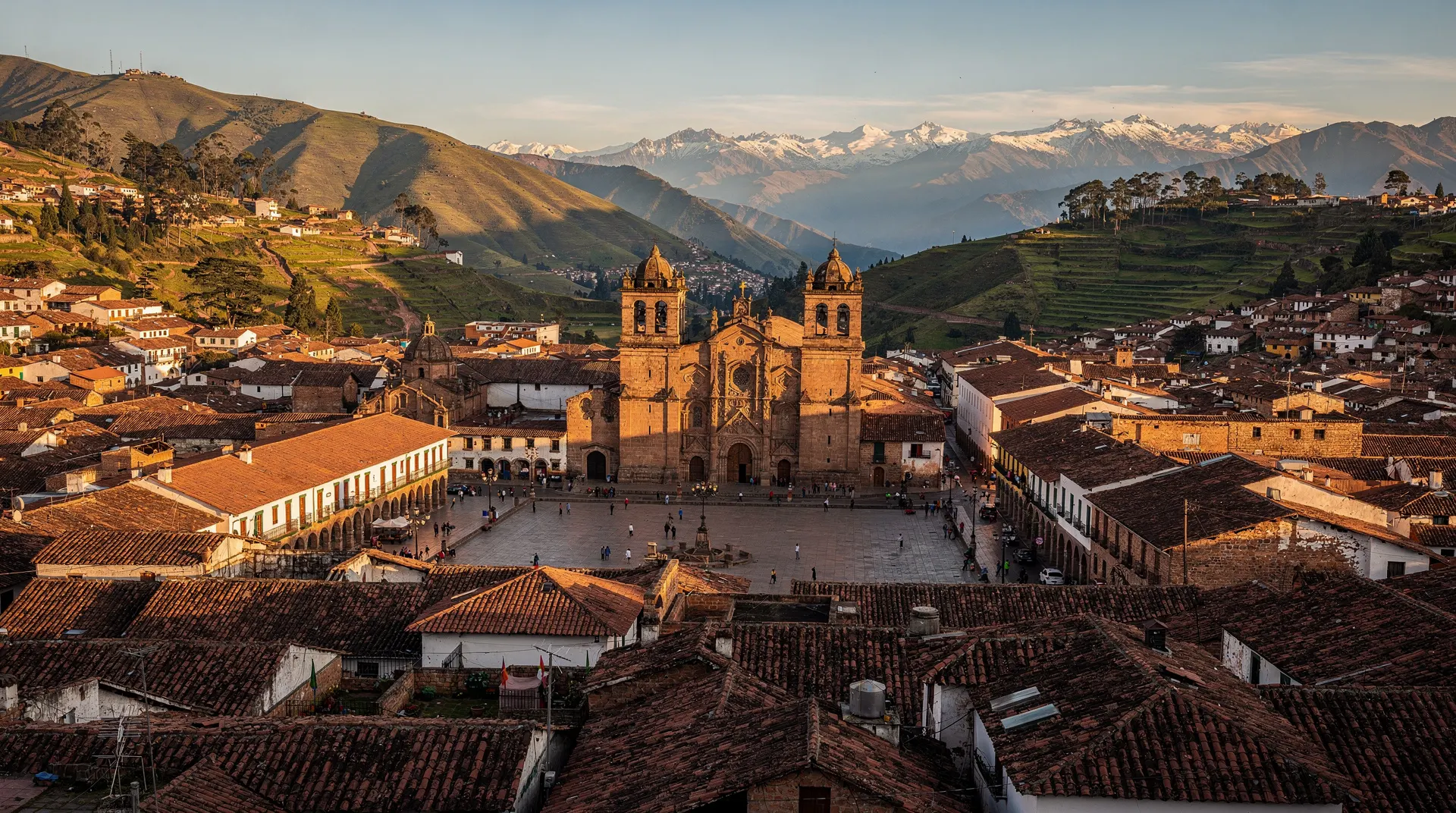
The Plaza de Armas is unavoidable and worth every minute you spend circling it. The Cathedral (admission ~S/25) and La Compañía de Jesús church flank the square. Inside the Cathedral, look for the famous “Last Supper” painting with a guinea pig (cuy) on the table — a detail that says more about cultural adaptation than any guidebook paragraph can. Early mornings before the tourist coaches arrive are when the square feels most alive with locals.
Qorikancha, the Temple of the Sun, is the single most important Inca site within the city. The Spanish built the Convent of Santo Domingo directly on top of it. The contrast between the perfectly fitted Inca stonework below and the colonial construction above is extraordinary and a little uncomfortable — which is precisely why you should see it. Admission is around S/15.
San Blas neighbourhood
Fifteen minutes on foot uphill from the Plaza brings you to San Blas, Cusco’s artisan quarter. The small eponymous church contains one of the most elaborate carved wooden pulpits in the Americas. The surrounding streets — steep, narrow, surfaced in original Inca stone — hold workshops and galleries where weavers, silversmiths and ceramicists still operate. A guided walk through San Blas adds context that solo wandering misses, especially regarding which workshops are genuinely artisan-run versus tourist-facing factories.
Half-day city tour with the main ruins
The four main ruins just outside the city — Sacsayhuamán, Q’enqo, Puca Pucara and Tambomachay — are all covered by the Cusco Boleto Turístico (full circuit ~S/130). Sacsayhuamán alone, with its three zig-zagging terraced walls of monumental limestone blocks, is worth the price. A half-day guided city tour typically covers these four sites with transport, and the guiding makes a real difference at Sacsayhuamán where the scale and construction technique need explanation to fully land.
Cusco’s food scene
Cusco has punched well above its weight gastronomically for the past decade. Central Market (Mercado de San Pedro) is the honest starting point: stalls sell freshly squeezed juice for S/2, anticuchos (grilled beef heart) from S/5, and a dizzying variety of potato cultivars. Taking a market tour and cooking class is one of the most popular half-day activities in the city for good reason — it explains Andean ingredients before you encounter them on restaurant menus. For sit-down meals, the streets around Plazoleta Regocijo hold restaurants that do contemporary Andean cuisine without the sky-high Miraflores-style prices.
Day trips from Cusco
Cusco is the logical base for several major excursions. The obvious choice is Machu Picchu, a full day from the city by train (see how to get to Machu Picchu). A day trip including train, bus and entrance keeps logistics simple. The Sacred Valley is a half-day or full-day excursion that pairs naturally with an Ollantaytambo stop the night before your Machu Picchu train. Rainbow Mountain is a demanding full-day trek starting before dawn.
Cusco neighbourhoods compared
Choosing where to stay shapes your whole trip more than most visitors expect, given how much walking at altitude a Cusco day involves.
| Historic Centre | San Blas | Miraflores/Wanchaq | |
|---|---|---|---|
| Atmosphere | Lively, central, some weekend noise | Quiet, artisan, charming | Quiet, residential, less character |
| Walking to sights | Shortest | Uphill but close | Flattest terrain |
| Price level | Mid to high | Mid, some budget hostels | Mixed, more chain hotels |
| Best for | First-timers wanting everything nearby | Travellers prioritising atmosphere | Those finding altitude/hills genuinely hard |
For a first Cusco visit, the Historic Centre or San Blas both work well; choose Miraflores or Wanchaq mainly if hill-climbing at altitude is a genuine concern, or if you are arriving very late and want an easy transfer from the airport.
How to get to Cusco
By air
Alejandro Velasco Astete International Airport (CUZ) receives direct flights from Lima (1 hour 20 minutes), with several carriers including LATAM, Sky and Avianca operating multiple daily departures. Flights from Lima cost roughly $50–150 return depending on season and how far in advance you book. The airport sits in the city itself; a taxi to the centre takes 15–20 minutes and costs around S/15–25 (agree the price before you get in). Ride-hailing apps InDriver and Cabify operate in Cusco and are often cheaper.
By bus
Long-distance buses connect Cusco with Lima (~21 hours, better avoided except for hardcore budget travellers), Puno (~6–7 hours, ~S/40–80), Arequipa (~10 hours) and other southern Peruvian cities. Cruz del Sur and Oltursa offer comfortable semi-cama and cama services with legitimate safety records. The Ruta del Sol bus to Puno via Andahuaylillas is a scenic, stop-and-go tourist service worth knowing about if you are combining Cusco with Lake Titicaca.
See the full guide to getting to Cusco for all options including the overland routes from Bolivia.
Where to stay in Cusco
Historic centre (Centro Histórico): Walking distance to everything, atmosphere in abundance, but noisy at weekends and the elevation is felt more acutely when you climb back from a bar at midnight. Mid-range boutique hotels in converted colonial mansions — locally called casas — are the most characteristic option in this zone. Rates run from around S/120 (budget guesthouses) to S/600+ (luxury properties like Inkaterra La Casona).
San Blas: Quieter at night than the main square area, slightly higher altitude, genuinely charming. Backpacker hostels and small B&Bs dominate; a few boutique spots offer outstanding valley views.
Miraflores / Wanchaq (flat zone near the airport): Lower altitude perceptually irrelevant at 3,400 m, but the flatter topography is slightly easier when you are acclimatising. More chain hotels and business accommodation. Sensible choice for anyone who finds hill-climbing in thin air genuinely difficult.
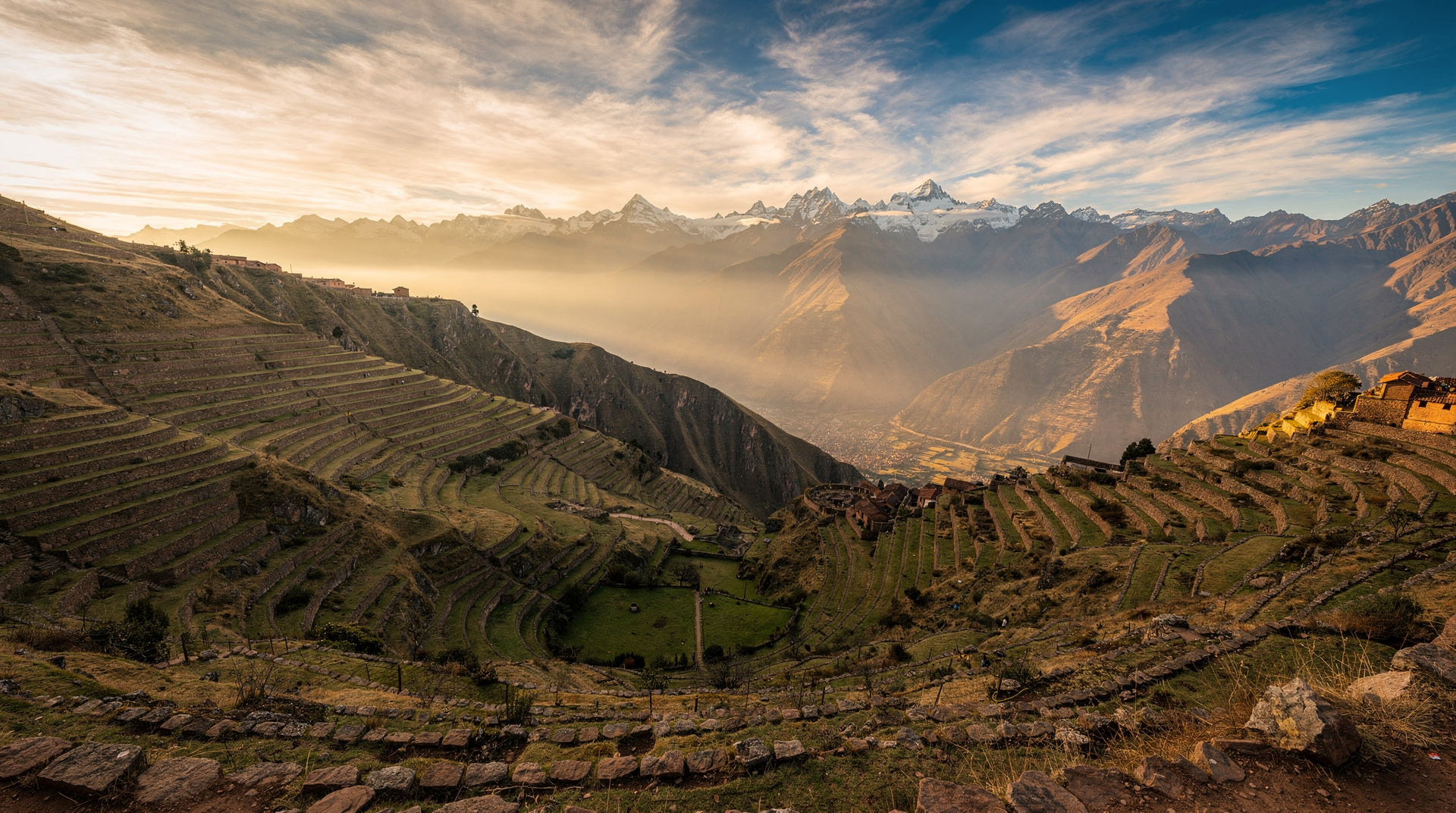
Urubamba (Sacred Valley base): Technically not Cusco, but worth knowing: staying down in the valley at 2,800 m gives you better sleep quality during your first nights. You sacrifice proximity to Cusco’s sights but gain easier breathing. Makes particular sense before trekking or on multi-night itineraries — see the Sacred Valley for valley accommodation options.
Altitude and acclimatisation
This is the section most guides gloss over. At 3,400 m, roughly one in three visitors experiences noticeable altitude sickness symptoms — headache, nausea, shortness of breath on stairs, disrupted sleep. Symptoms typically peak at 12–24 hours after arrival and ease by day two or three for most people.
Practical steps that genuinely help: arrive by midday so you can rest the first afternoon; avoid alcohol on day one; stay well hydrated; eat lightly on arrival day; and do not schedule anything strenuous for your first 24 hours. Coca leaf tea (mate de coca), sold everywhere, is traditional and mildly helpful. Diamox (acetazolamide) at 125 mg twice daily starting the day before arrival reduces symptoms significantly and is available at Cusco pharmacies without prescription, though consulting a doctor beforehand is sensible.
The full altitude sickness and Cusco acclimatisation guide covers medication options, when to go to hospital, and how to structure your first days.
Best time to visit
Dry season (May–September) is the consensus “best” window. Days are reliably sunny, nights are cold (near freezing), the Inca Trail operates normally (except all of February, when it is closed for maintenance), and crowds peak in June–August. The Inti Raymi festival on 24 June draws large numbers and raises accommodation prices sharply in Cusco.
Shoulder months (April and October) offer thinner crowds, lower prices, and mostly dry weather with occasional afternoon showers. Many experienced visitors rate these as the best months.
Rainy season (November–March) brings daily afternoon rain, lush green landscapes, and fewer tourists. Machu Picchu is open year-round but the Inca Trail is at its muddiest and most prone to landslides. Some roads to Rainbow Mountain close temporarily after heavy rain. January–March sees the heaviest rain. Prices drop by 20–30% in this period.
Read the complete best-time advice for specific month-by-month breakdowns.
Practical tips and honest advice
What to skip: The Cusco Planetarium is mediocre. The “Pachapapa” tourist restaurant near San Blas gets mixed reviews and is overpriced for what it delivers. Several agencies near the Plaza de Armas sell “Machu Picchu tours” that are actually just the train booking with a guide who separates from the group at the citadel entrance — check exactly what is included before paying.
Machu Picchu tickets: Book your Machu Picchu entrance well in advance via the official site (tuboleto.cultura.pe) — spots for popular timed circuits sell out weeks ahead in high season. Your ticket must match your passport name exactly. See the full Machu Picchu tickets guide before you try to book.
Money: ATMs dispense soles (S/). The fee per withdrawal is high (S/12–18 per transaction at most machines), so withdraw larger amounts less frequently. Mercado de San Pedro and small local restaurants are cash-only; the tourist-facing restaurants around the Plaza accept cards.
Safety: Cusco’s historic centre is broadly safe for tourists during daylight. Pickpocketing in crowded spots — the market, festival days, bus stops — is the most common problem. Keep phones in front pockets and use a money belt for passports.
Walking at altitude: Even fit travellers find themselves breathing harder on Cusco’s steep cobblestones. Budget extra time for every uphill walk in the first two days. This is normal and temporary.
Evenings in Cusco
The Plaza de Armas at night, both churches illuminated against the dark hillside, is worth building into your schedule deliberately rather than leaving to chance after a long day of sightseeing. Restaurants around the square and up toward San Blas fill from around 7 pm, and several offer live Andean folk music — panpipes and charango — a few nights a week, genuinely atmospheric rather than staged for effect. A pisco sour at altitude affects most visitors faster than it would at sea level; pace accordingly, particularly in your first two nights while still acclimatising.
For a quieter evening, the streets around Plazoleta San Blas are less crowded than the main square and have a handful of small wine bars and cafés with good valley views. Whatever you choose, avoid an ambitious late night on your first evening — a rough night’s sleep at 3,400 m compounds altitude symptoms in a way that is entirely avoidable.
Plan your visit
Three days in Cusco flows naturally like this: arrive and rest on day one, explore the historic centre and San Blas on day two, do the main ruins circuit on the morning of day three before an afternoon departure toward Ollantaytambo for the next day’s Machu Picchu train. Four days allows a dedicated half-day food and market experience and a more leisurely pace.
The 4-day Cusco and Machu Picchu itinerary and the 5-day version map out exactly how to sequence trains, entrance tickets and overnight stops without wasted time. If you have a full week, the 7-day Sacred Valley and Machu Picchu itinerary folds in the valley villages and slows the pace to a more enjoyable rhythm.
Cusco rewards patience. Give it three nights minimum, acclimatise properly, eat well, and it will be one of the most memorable cities you visit in South America.
Top experiences
Bookable activities with verified prices and instant confirmation on GetYourGuide.