Cusco, Machu Picchu & Rainbow Mountain: 5-day itinerary
From Cusco: Machu Picchu Day Trip with Train Tickets
The five-day sweet spot
One extra day over the classic four-day itinerary lets you add Rainbow Mountain — Vinicunca — without sacrificing anything. Five days also gives you a more comfortable acclimatisation window before tackling Rainbow Mountain’s 5,200 m summit, which demands proper preparation. This is the itinerary most returning visitors say they wish they had used first time.
The structural logic is the same as the four-day plan: avoid night one in Cusco by sleeping in the Sacred Valley first, do Machu Picchu early (day two, before your body has fully adjusted to altitude), explore the valley on day three, Cusco city on day four, and finish with Rainbow Mountain on day five before your afternoon or evening departure.
Important planning notes: Book your Machu Picchu entrance at tuboleto.cultura.pe (circuits 1, 2 or 3; see circuits explained) and your train at perurail.com or incarail.com at least two to three weeks ahead in high season. For Rainbow Mountain, the hike begins at around 4,800 m and reaches a ridgeline at 5,200 m — if you are not acclimatised by day five, you will feel it acutely. Two full nights in the valley followed by two nights in Cusco should be sufficient for most visitors, but anyone with a history of altitude sensitivity should consider Diamox (see acclimatisation guide).
| Where | Sacred Valley (2 nights) + Cusco (2 nights) + Rainbow Mountain day trip |
| Cost | around $450–750 mid-range per person, excl. int’l flights |
| Time needed | 5 days for Machu Picchu + Rainbow Mountain together |
| Getting there | Fly into Cusco Airport (CUZ), train to Aguas Calientes for Machu Picchu |
| Best time | May–September for Rainbow Mountain’s clearest colours |
Why this order and not Rainbow Mountain first
Putting Rainbow Mountain on day two, straight after arrival, is the single most common planning mistake for this combination. At 5,200 m it is the highest point most visitors reach on any Cusco trip, and attempting it before your body has adjusted to altitude sharply increases the odds of altitude sickness ruining the hike. This itinerary deliberately saves it for day five — by then you have had four nights of progressive acclimatisation (Sacred Valley, Sacred Valley, Cusco, Cusco), which gives Rainbow Mountain the best possible chance of being enjoyable rather than gruelling. If your schedule genuinely forces an earlier Rainbow Mountain day, add at least one extra rest day beforehand.
Day 1: Arrive — straight to Sacred Valley
Altitude: 2,800 m (valley)
Land at Cusco Airport (CUZ), collect luggage, arrange a taxi or shuttle and head directly into the Sacred Valley, aiming for Ollantaytambo or Urubamba. The drive takes 45–60 minutes. Do not sleep in Cusco tonight; the 600-metre altitude difference matters enormously on your first night.
At 2,800 m the afternoon becomes about gentle orientation rather than sightseeing. Walk around Ollantaytambo’s Inca-street grid, look up at the terraced ruins from the plaza, eat a light meal and drink plenty of water. Avoid alcohol. The valley is strikingly beautiful in afternoon light: terraced hillsides above the Urubamba River, snow-capped peaks in the background. Let the scene do the work; you do not need to climb anything today.
Where to stay: Ollantaytambo — El Albergue (next to the train station, excellent breakfasts), KB Tambo or Apu Lodge. Budget travellers can find decent guesthouses for S/80–120 per night.
Day 2: Machu Picchu by train
Altitude: 2,430 m
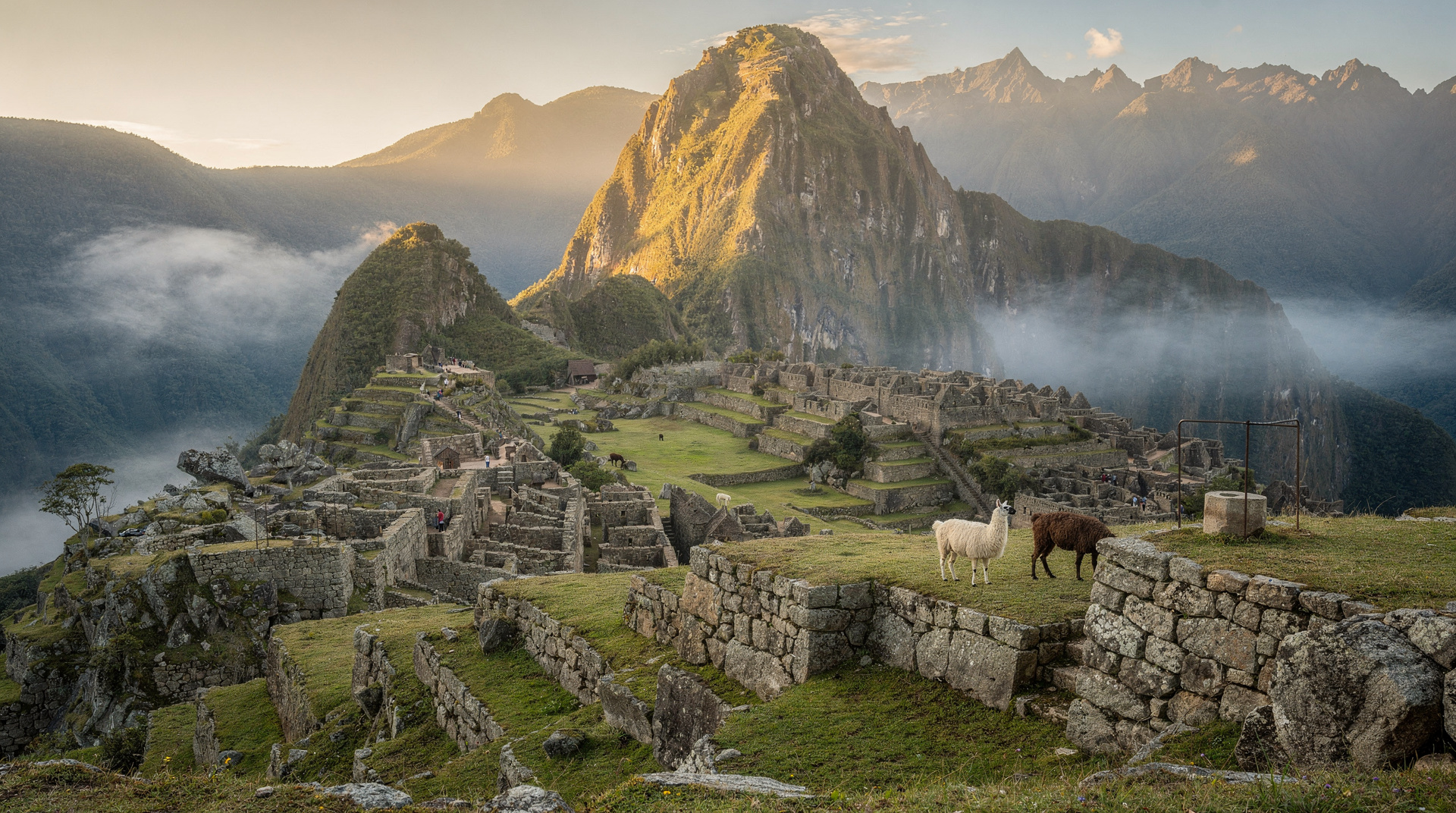
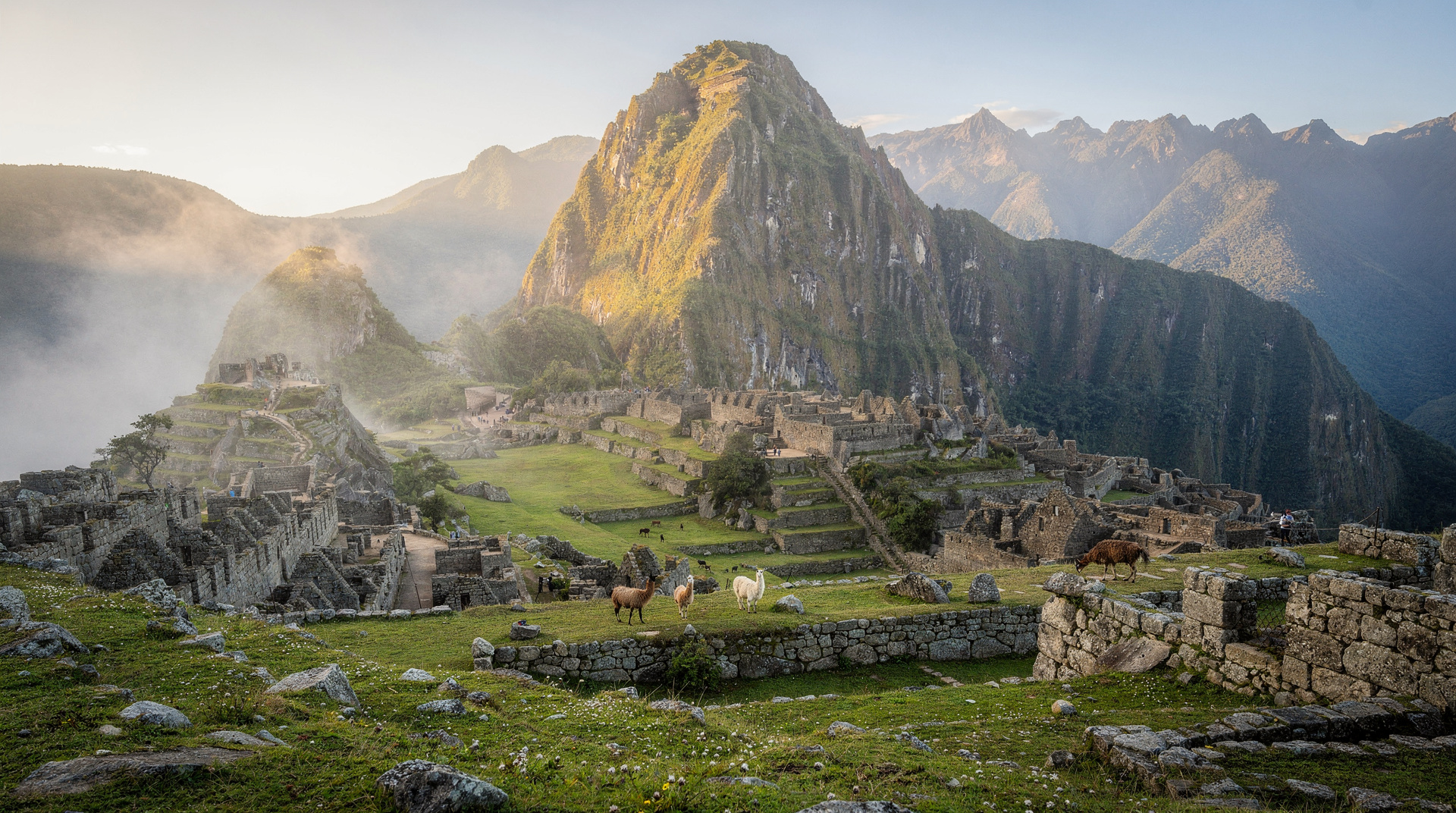
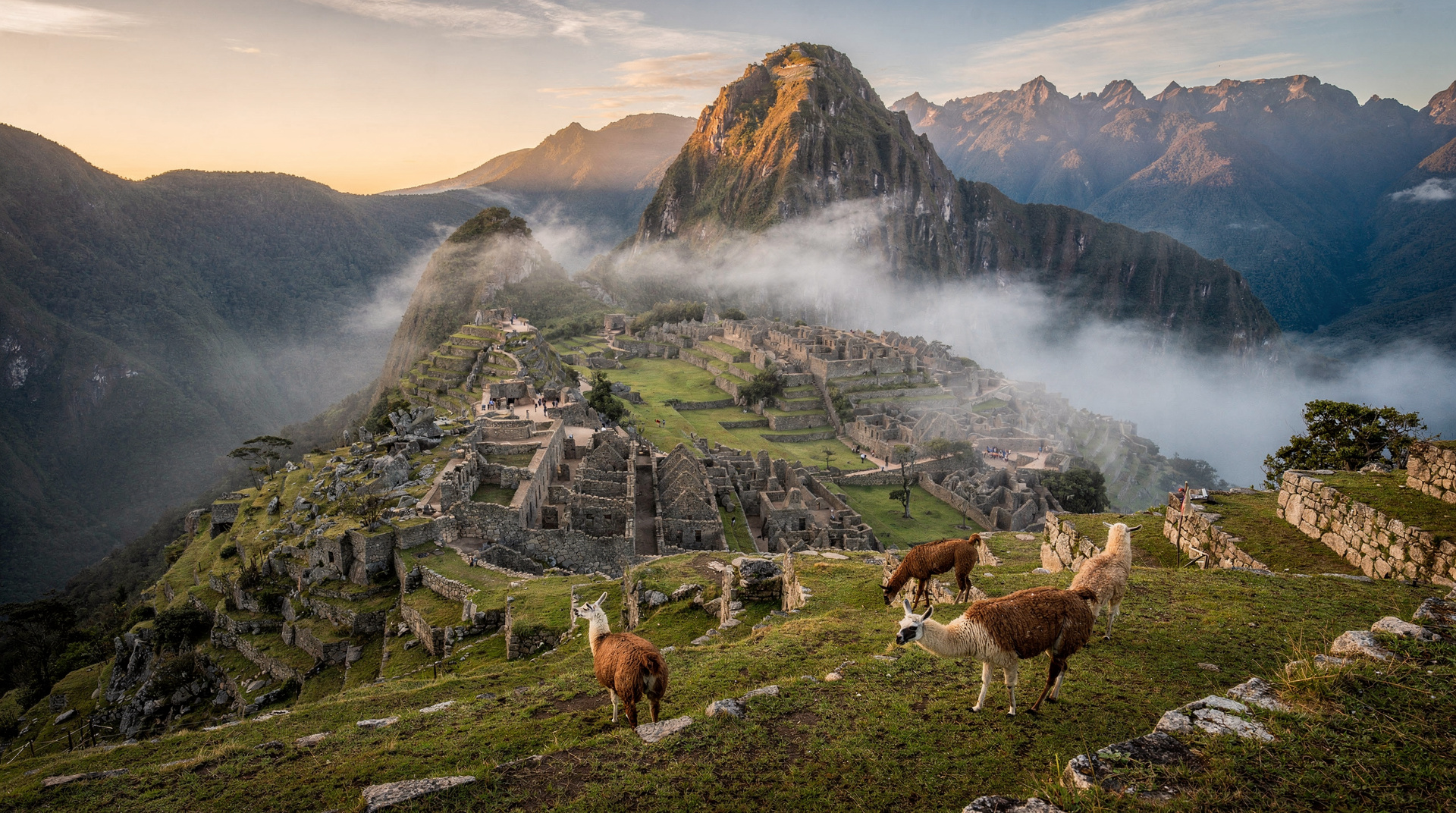
Up at 5 a.m., train to Aguas Calientes (90 minutes from Ollantaytambo), bus to the citadel gate. Use the train and entrance package or book the guided Machu Picchu experience if you want an expert to contextualise what you are seeing. The Inca stonework, the agricultural terraces, the astronomical alignments — they make far more sense with good interpretation.
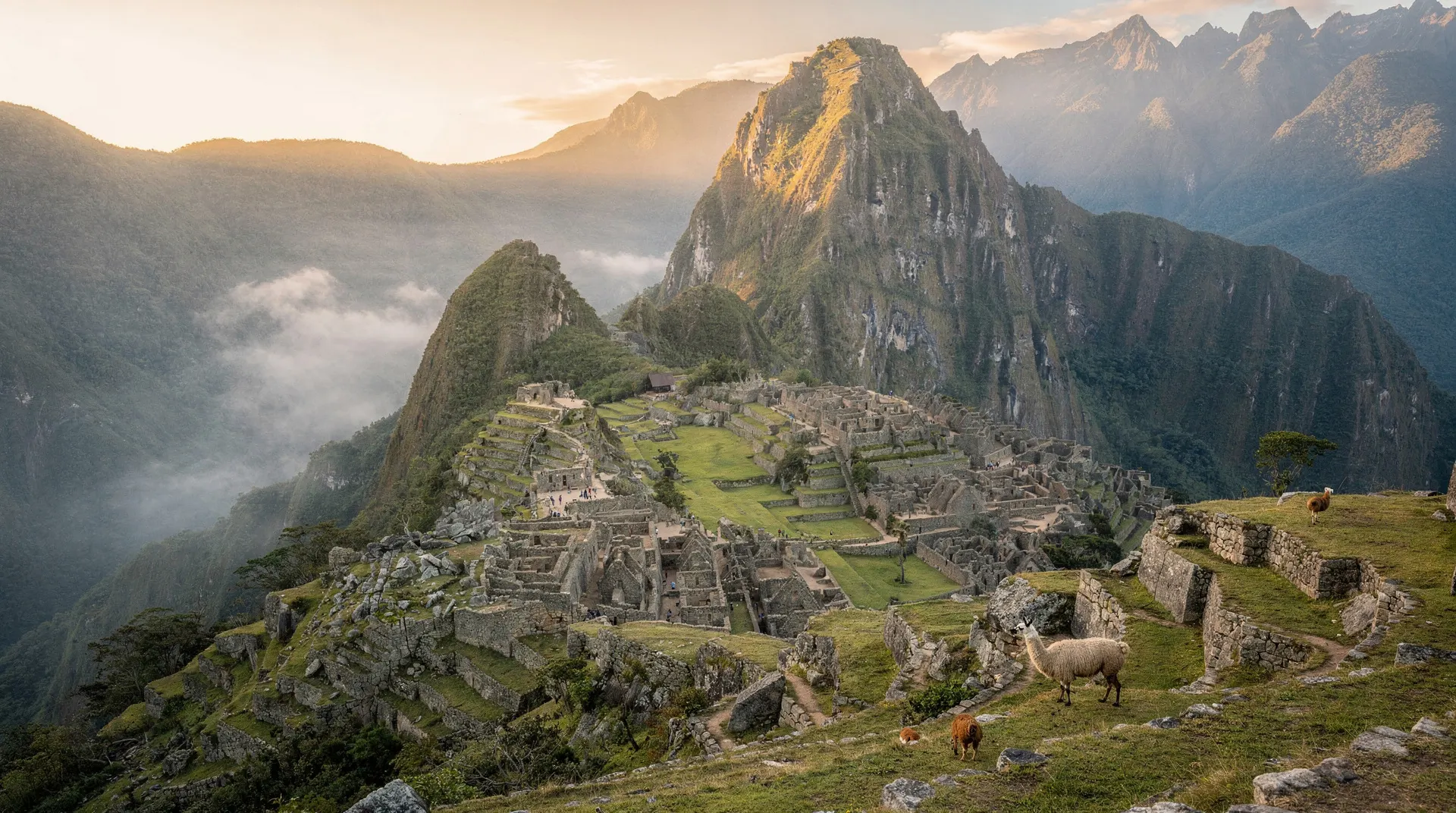
Inside the citadel, follow your assigned circuit. Allow three to four hours. Circuit 2 suits most first-time visitors: the main plaza, the Temple of the Sun, the Intihuatana stone and the classic postcard viewpoint above the ruins. The bus drops you at the Sun Gate level; the iconic view you have seen in every photograph is roughly 10 minutes’ walk from the upper gate.
Lunch in Aguas Calientes before your return train. The town has good-value ceviche and set lunches (S/25–40); skip the tourist-facing restaurants on the main pedestrian street and try the smaller places behind the market. Return to Ollantaytambo by early evening.
Day 3: Sacred Valley — Pisac, Maras, Moray
Altitude: 2,800–3,500 m
Today’s focus is the valley’s highlights, either independently by taxi or on a full-day Sacred Valley tour. The guided option makes logistical sense because it covers the spread-out sites efficiently with transport included.
Pisac in the morning: the market (busiest on Tuesday, Thursday and Sunday) and the Inca ruins on the ridge above the town. The ruins extend further than most visitors realise; the highest section has a solar observatory with sweeping views down the valley. Give it 90 minutes minimum if you climb.
After lunch in Pisac or Urubamba (set menus at local restaurants S/15–25), continue to Moray — the concentric circular terraces are unlike any other Inca site and genuinely puzzling in the best way, whether they were an agricultural laboratory or a ceremonial site remains debated. Then the Maras salt mines: thousands of individual salt pools stepped down a hillside, worked by the same families since before the Inca Empire. Photography is exceptional in afternoon light.
Transfer to Cusco in the late afternoon. Check in, have a quiet dinner. You have now had two nights at 2,800 m and are ready for 3,400 m.
Where to stay in Cusco: Historic centre boutique hotels in the S/200–400 range. If your Rainbow Mountain day is tomorrow, book a hotel that can organise your 3 a.m. pickup reliably — ask explicitly before reserving.
Day 4: Cusco city — Qorikancha, San Blas, Sacsayhuamán
Altitude: 3,400 m
Full city day. Start at Qorikancha (Temple of the Sun; check prices and opening hours on the official Qorikancha website); the Inca stonework here is among the finest in existence, and the colonial Convent of Santo Domingo built directly above it makes for an uncomfortable but essential visual history of the conquest. Then the Plaza de Armas and Cathedral (S/25; the “Last Supper” painting with cuy on the table is not to be missed).
Uphill to San Blas for the artisan quarter: workshops, the extraordinary carved pulpit in the small church, and the best views over the city from the upper lanes. Have lunch up here — smaller local restaurants in San Blas are consistently better value than the plaza-facing tourist spots.
Afternoon: the half-day guided city tour covers Sacsayhuamán, Q’enqo, Puca Pucara and Tambomachay. All are on the Boleto Turístico (S/130 full pass, S/70 partial). Sacsayhuamán’s three zig-zagging limestone walls, containing blocks of up to 125 tonnes, are one of the most physically staggering things in South America.
Have a proper dinner tonight — Rainbow Mountain starts at 3–4 a.m. tomorrow, so tomorrow’s breakfast will be minimal. Carb-load and sleep early.
Boleto Turístico clarification: The full S/130 pass covers 16 sites including Sacsayhuamán, Q’enqo, Puca Pucara and Tambomachay, plus Pisac, Ollantaytambo, Moray, Chinchero and others. If you have already paid separately at Ollantaytambo and Pisac, the partial circuit (S/70) covering just the Cusco-area ruins may be more economical. See Boleto Turístico explained.
Day 5: Rainbow Mountain (Vinicunca)
Altitude: 4,800 m trailhead — 5,200 m summit ridge
Pickup from your hotel at 3–4 a.m. The drive to the trailhead at Cusipata takes roughly three hours, mostly on paved road, passing through the village of Checacupe. Operators provide a packed breakfast en route.
The hike from the trailhead (4,300 m) to the summit viewpoint (5,200 m) is approximately 7 km return and takes two to three hours each way at a moderate pace. The altitude is the challenge, not the technical terrain — the path is clear and well-marked. Horse hire is available at the trailhead for S/70–100 if you need it; there is no shame in using one.
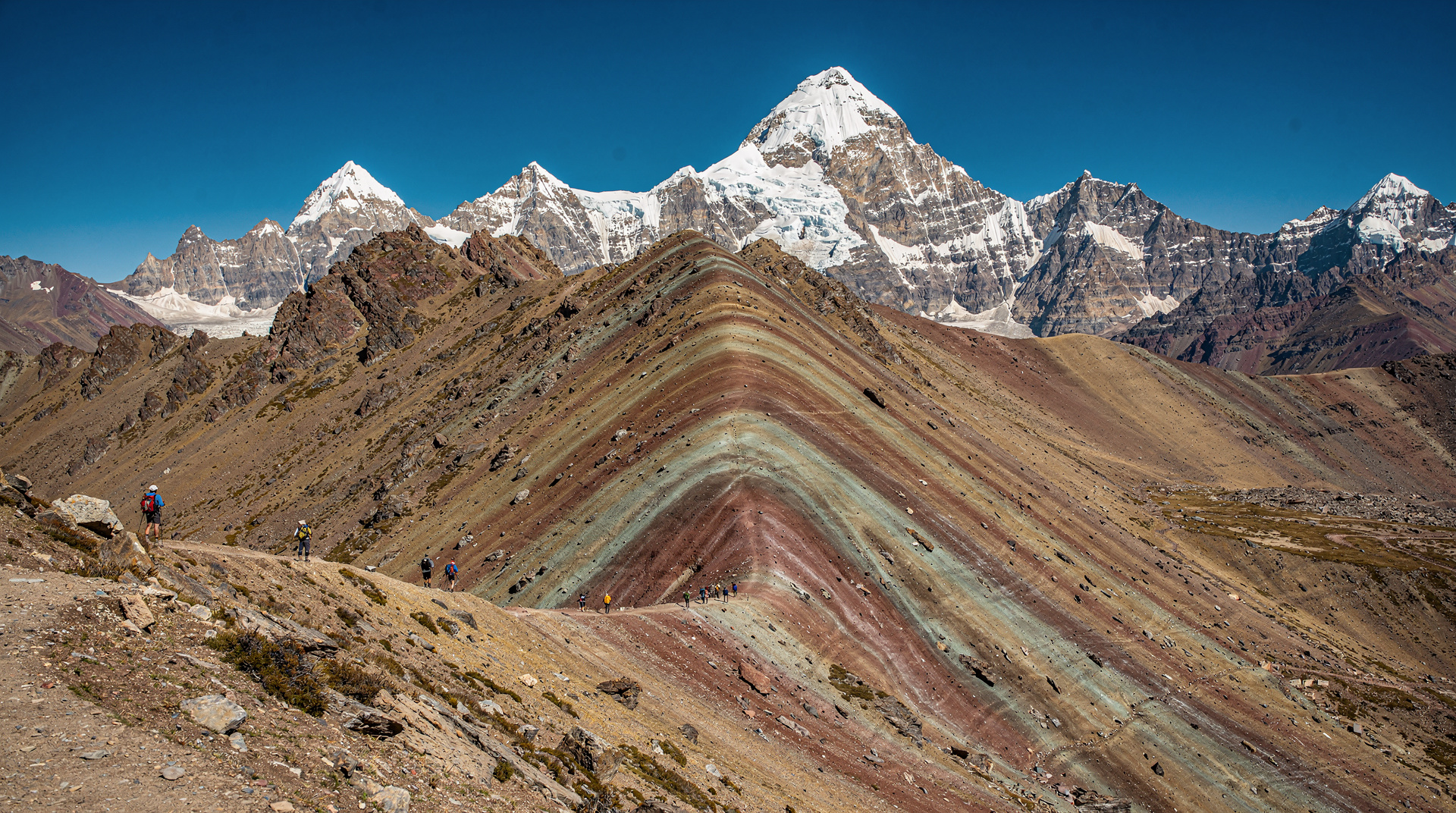
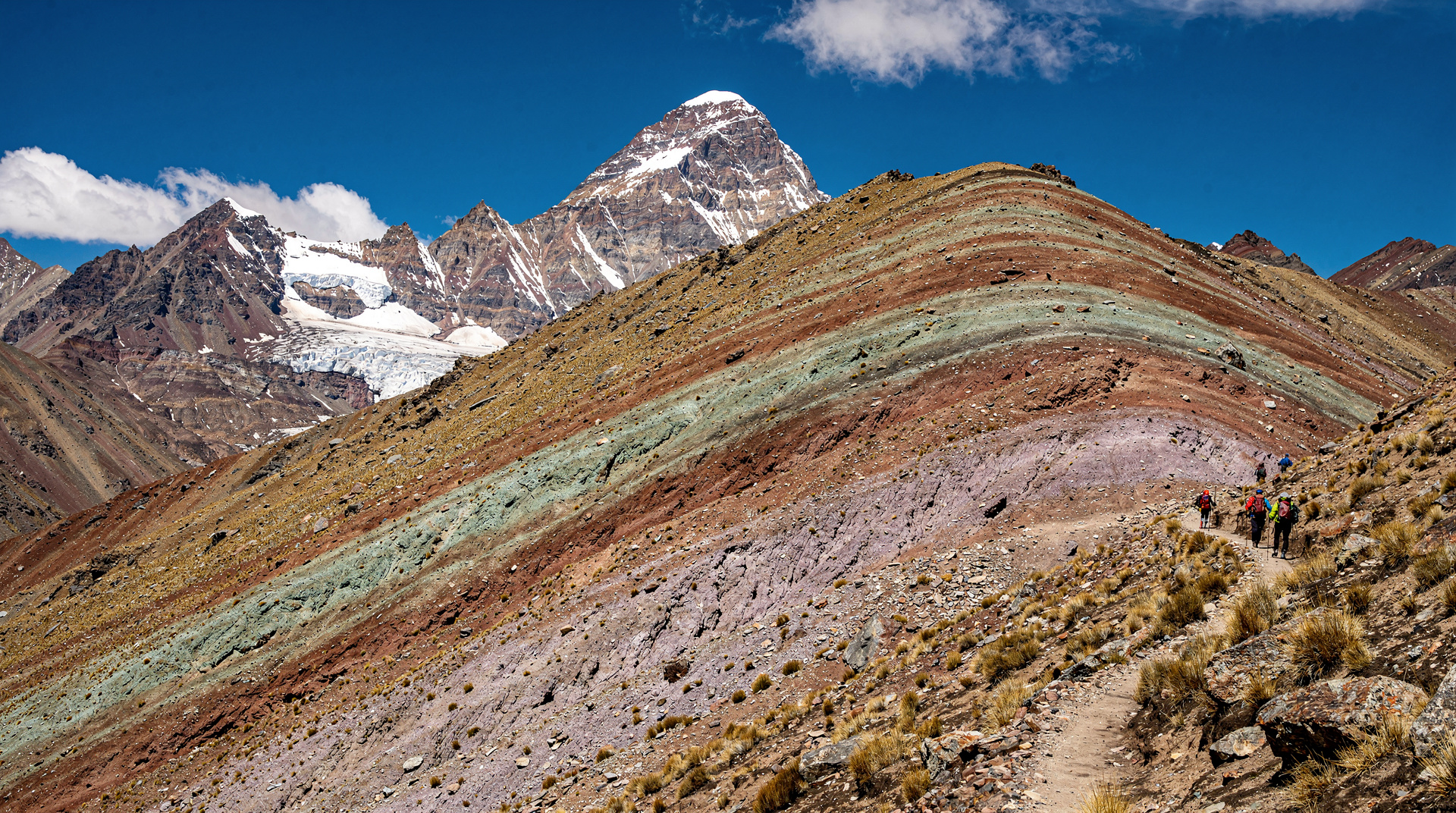
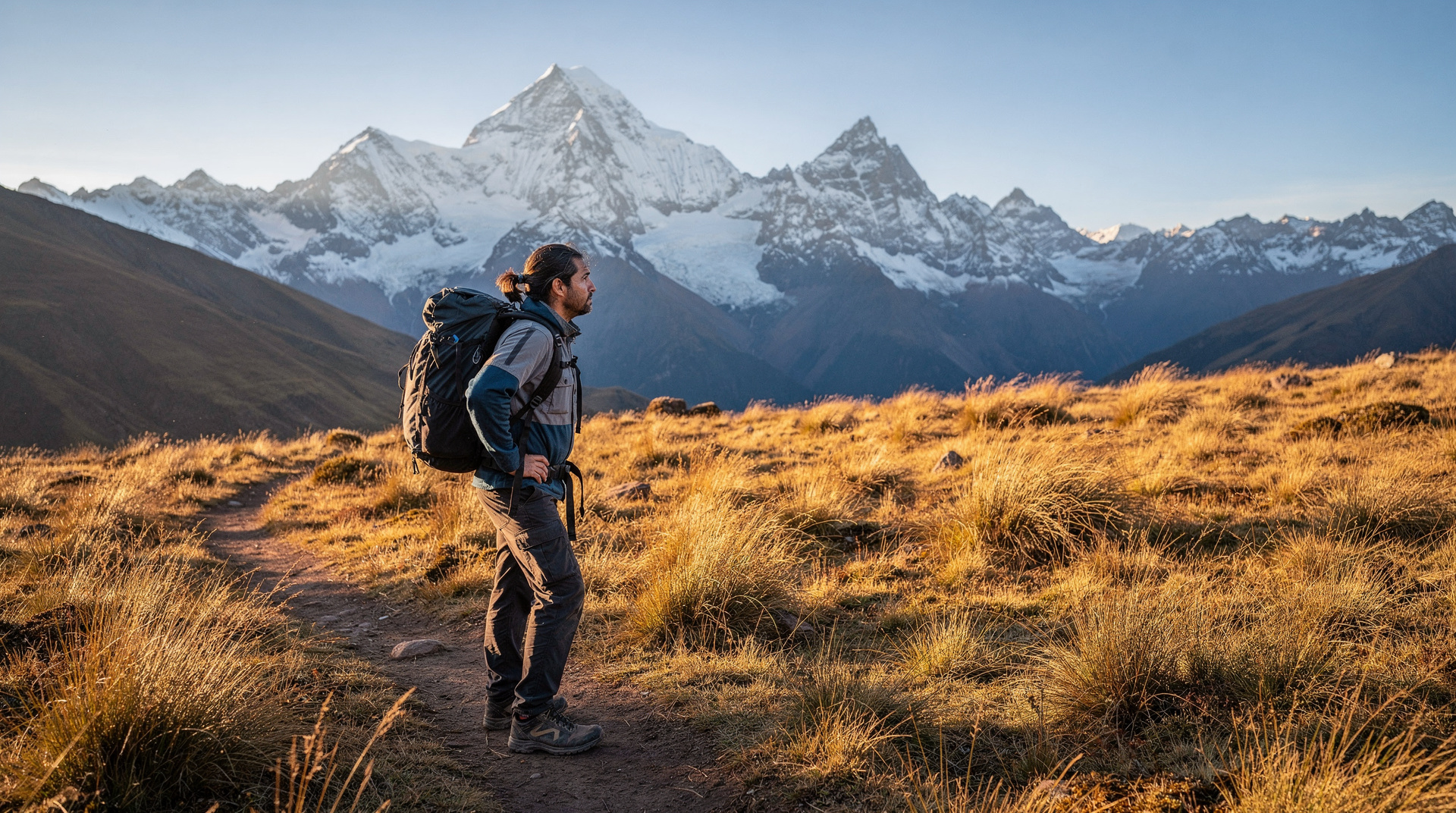
At the summit ridge, the striped mineralogical colouring of Vinicunca — reds, purples, greens and yellows caused by different mineral deposits — is genuinely striking, though the viewing platform has become crowded in high season. Arrive before 10 a.m. for the best light and thinner crowds. The guided Rainbow Mountain day trip is the standard approach; it includes transport, a guide, and typically lunch in the community.
An honest word on Rainbow Mountain: On a clear day, the colours are vivid and the views towards the Ausangate massif are spectacular. On a cloudy or rainy day, the colours are muted and the walk feels punishing for less reward. Check the weather forecast the night before; reputable operators will not cancel automatically, but it is worth asking. If you have altitude sensitivity, consider the Palccoyo alternative — a shorter hike at a lower maximum altitude with four separate coloured ridges and almost no crowds.
Return to Cusco by late afternoon. Most onward flights to Lima depart Cusco in the late afternoon or early evening, giving you just enough time to shower, collect luggage and get to the airport.
If you would rather not plan each day separately, the 5-day Machu Picchu, Rainbow Mountain & Sacred Valley tour packages this exact combination — Sacred Valley, Machu Picchu and Rainbow Mountain — into a single guided booking, worth comparing against building the itinerary yourself.
Budget guide
| Category | Budget (USD) | Mid-range (USD) | Comfort (USD) |
|---|---|---|---|
| Accommodation (4 nights) | $80–140 | $200–360 | $450–700+ |
| Machu Picchu ticket | ~$40 USD | ~$40 USD | ~$40 USD |
| Train (round trip) | ~$60 USD | ~$75 USD | ~$110 USD |
| Bus up to MP | $16 USD | $16 USD | $16 USD |
| Rainbow Mountain tour | ~$25 USD | ~$40 USD | ~$60 USD |
| Guided tours (valley, Cusco) | $0–20 | $50–100 | $120–200 |
| Meals (4 days) | $60–80 | $120–200 | $250–400 |
A realistic five-day spend is $450–750 USD per person at mid-range, excluding international flights. Budget backpackers can cut this to $300–380 USD by eating at markets, skipping guides and using shared transport.
Final tips
Altitude order matters: The sequence in this itinerary — Sacred Valley first, Machu Picchu second, Cusco third, Rainbow Mountain last — is deliberate and important. Reversing it by going to Rainbow Mountain on day two would be unwise for most visitors.
Rainbow Mountain is not suitable if: you have a heart or pulmonary condition, are pregnant, or have not acclimatised for at least three to four days. The altitude at the summit (5,200 m) is not trivial. Read the altitude and Rainbow Mountain guide honestly before committing.
Train booking: Book PeruRail or Inca Rail tickets at least two weeks ahead in June–August. In shoulder season, a week ahead is usually sufficient. Both operators have legitimate websites; do not use third-party resellers who charge 30–50% above the listed price. See trains to Machu Picchu compared for a side-by-side breakdown.
Extending further: If five days still leaves you wanting more, the 7-day comprehensive itinerary adds a full extra day in the Sacred Valley and an overnight in Aguas Calientes for a second Machu Picchu morning, without changing the core acclimatisation logic used here.
Frequently asked questions about Cusco, Machu Picchu & Rainbow Mountain
Is Rainbow Mountain worth the early wake-up after four days of sightseeing? For most travellers, yes — see is Rainbow Mountain worth it for an honest weighing of the effort against the reward. By day five you are also better acclimatised than you would be attempting it earlier in the trip, which meaningfully improves the experience.
What if I only have four days, not five? Drop Rainbow Mountain and use the 4-day itinerary instead, which covers the Sacred Valley, Machu Picchu and Cusco city without the extra high-altitude day. Rainbow Mountain deserves proper acclimatisation, not a rushed add-on.
Top experiences
Bookable activities with verified prices and instant confirmation on GetYourGuide.