Trains to Machu Picchu compared — PeruRail vs Inca Rail, every class
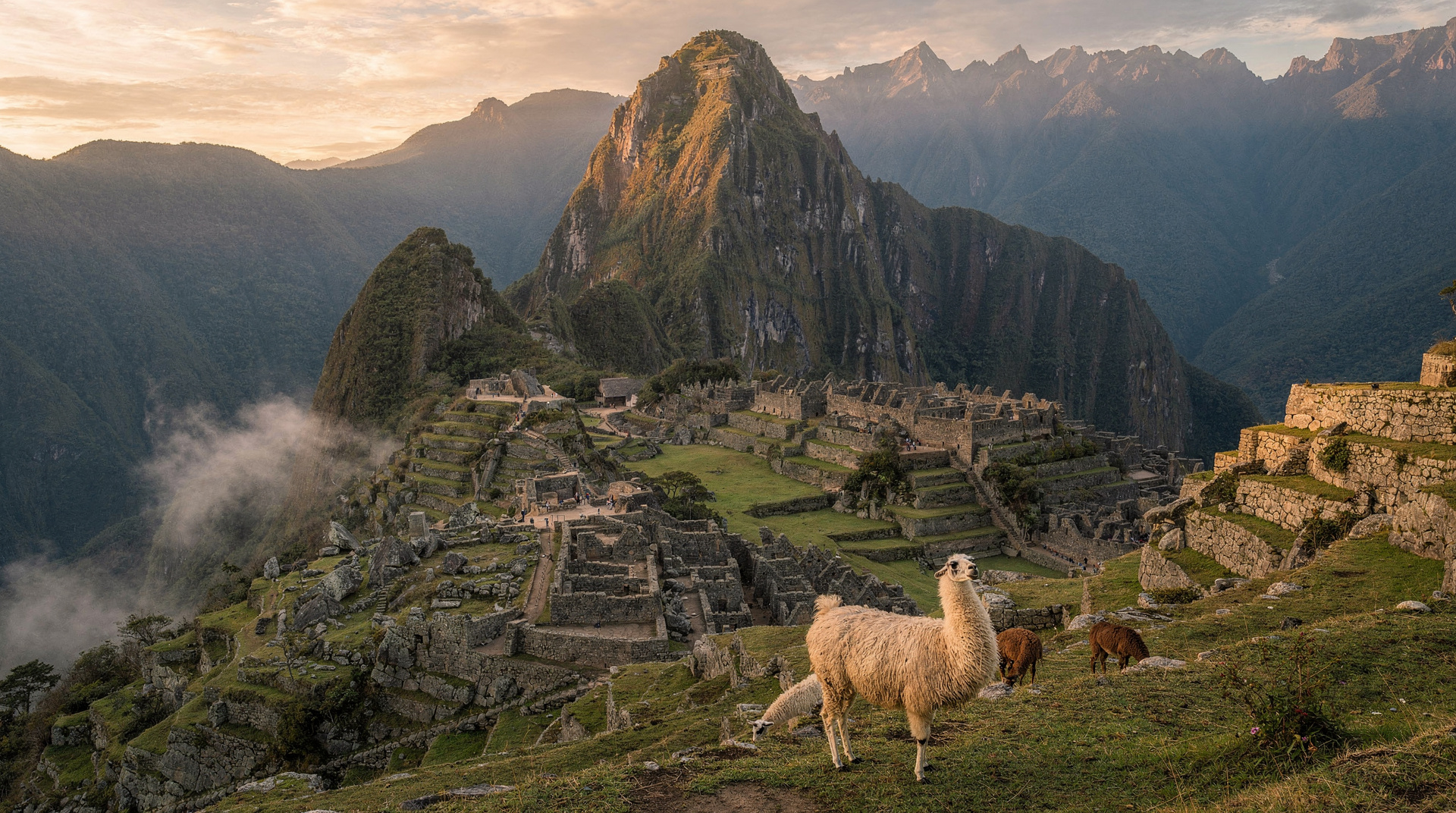
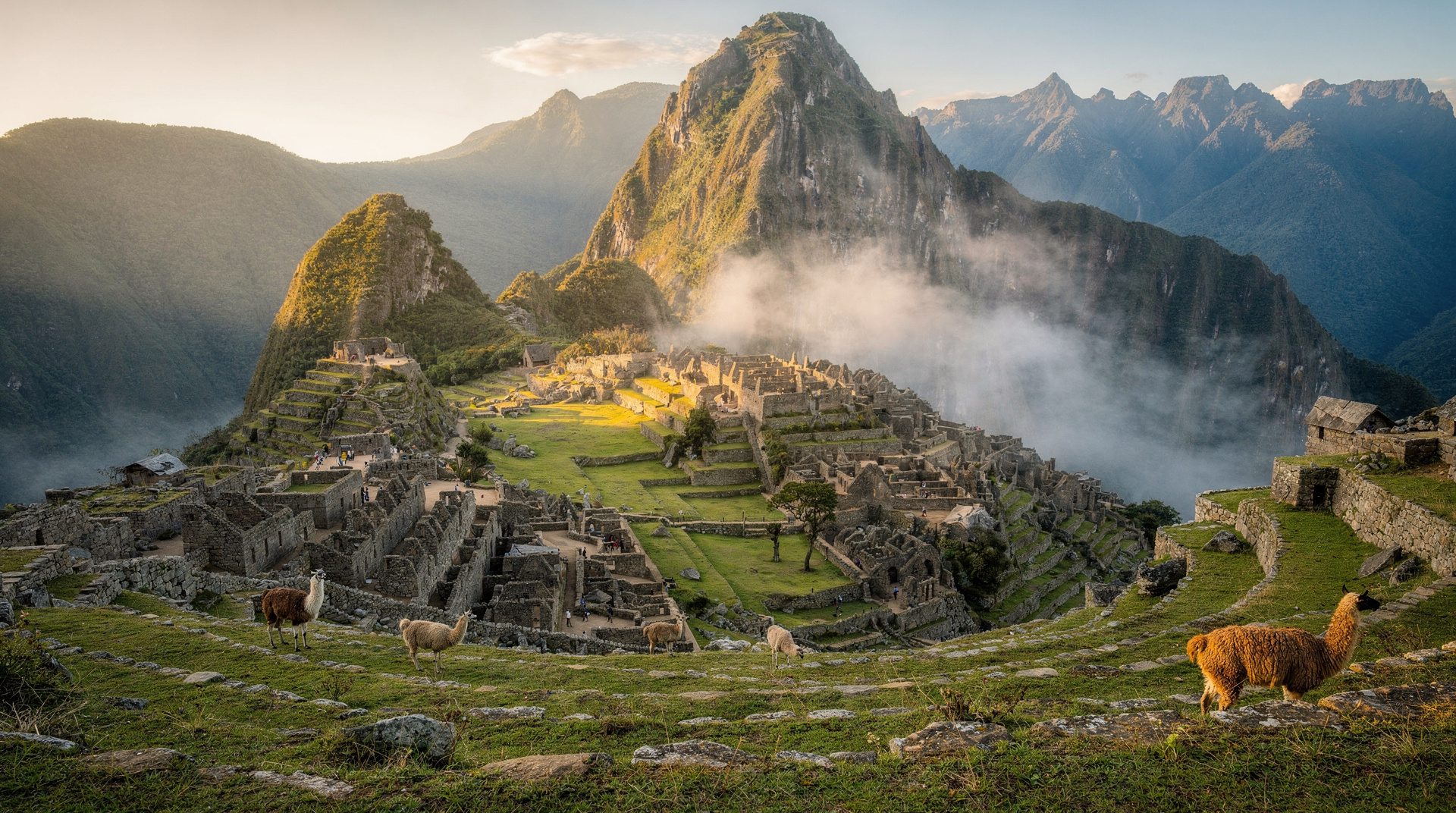
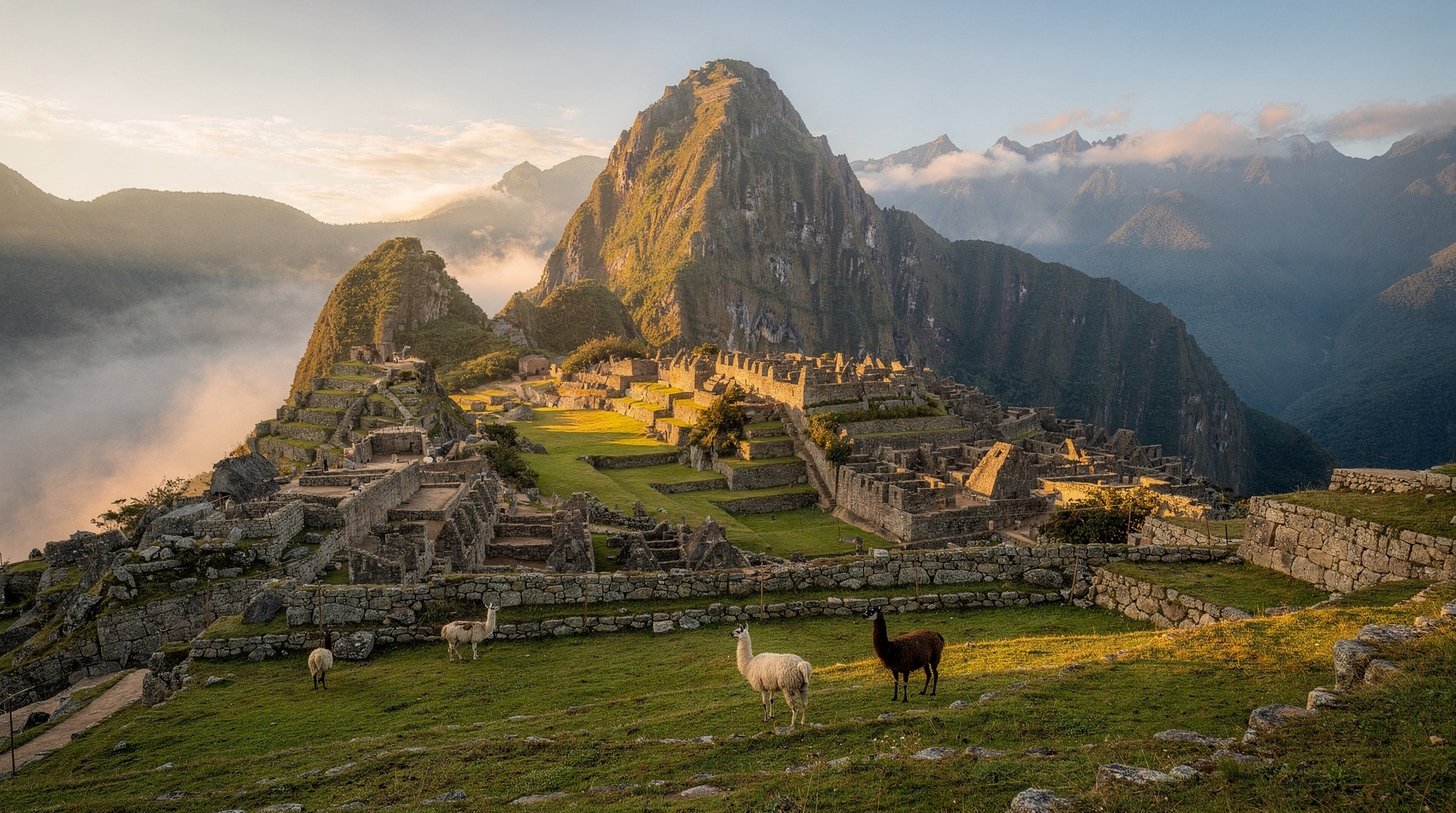
Excursion to Machu Picchu + Huayna Picchu Mountain
Which train should I take to Machu Picchu?
Both PeruRail and Inca Rail are legitimate, reliable operators. PeruRail offers more daily departures and a wider range of classes; Inca Rail has newer premium carriages and slightly fewer options. At the mid-range level, PeruRail Vistadome (panoramic glass roof) and Inca Rail First Class offer comparable experiences at S/335–485 return (approximately $90–130 USD). For budget travellers, PeruRail Expedition or Inca Rail Explorer return fares start around S/225–335 (approximately $60–90 USD). Book directly on the operator websites; third-party resellers add significant markups.
Two operators, one stunning route
The railway from Ollantaytambo to Aguas Calientes is the only practical way into Machu Picchu for visitors not walking a multi-day trek. Two licensed operators compete for this route: PeruRail and Inca Rail. Between them they offer five or six service classes ranging from clean and functional economy to extravagant full-dining experiences. Choosing wisely saves money, improves the journey, and removes the logistical friction of mis-timed bookings.
| Route | Ollantaytambo–Aguas Calientes, ~1.5 hrs |
| Economy | S/205–335 return (~$55–90) |
| Mid-range | S/335–485 return (~$90–130) |
| Luxury | S/1,120–1,680 return (~$300–450) |
| Book ahead | 6–8 weeks in June–August |
The fundamental decision is not which operator but which service class, and whether the premium is justified for you. This guide breaks down every tier, what the price difference actually buys, and how to navigate the booking process without overpaying.
The route itself
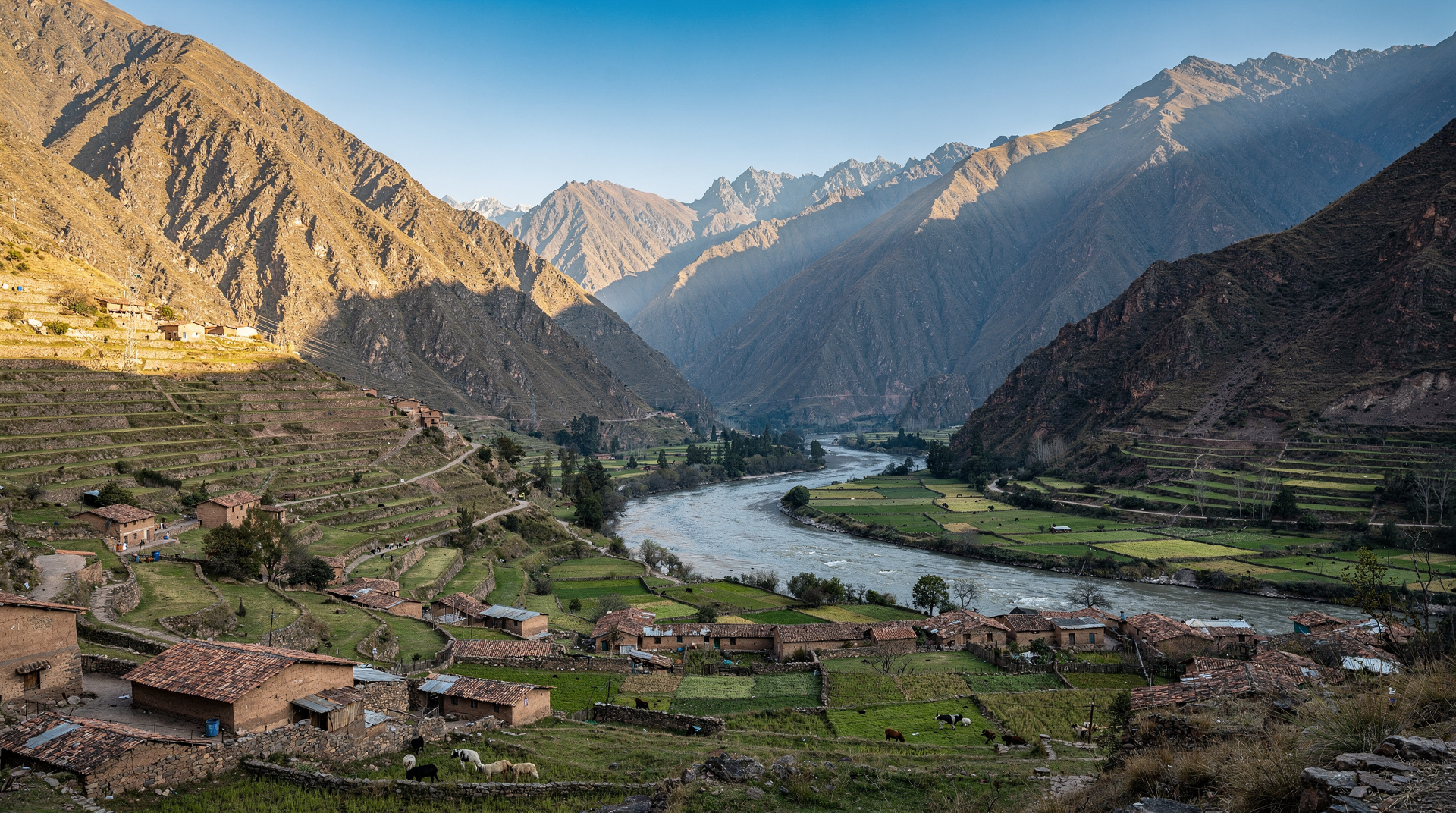
The train journey from Ollantaytambo to Aguas Calientes takes approximately 1 hour 30 minutes. The route begins in the dry Sacred Valley at around 2,800 m and descends into the Urubamba canyon. The first 20 minutes run through open valley terrain with terrace-covered hillsides and a wide sky. Then the canyon walls begin to close in.
The final 30–40 minutes of the journey are through increasingly dense cloud forest — the valley narrowing to a gorge, the Urubamba River running fast and green-brown alongside the track, the walls of the canyon rising steeply above the train. Vegetation changes from Andean scrub to subtropical forest; orchids and bromeliads appear on the rock faces. By the time the train pulls into Aguas Calientes it has threaded its way through one of the more dramatic pieces of landscape in South America.
This scenery is the primary argument for upgrading to panoramic-window carriages. In economy class you see it through standard windows. In Vistadome and equivalent classes, the view extends overhead through the glass ceiling. It is the same canyon, but the visual experience is genuinely different.
PeruRail: services and prices
PeruRail is the established operator, running the highest volume of daily services on this route. It also operates the luxury Hiram Bingham from Poroy/Cusco. All standard class services depart from Ollantaytambo.
Expedition class
PeruRail’s economy service. Padded seats in rows of four, panoramic windows (standard glass, no overhead viewing), a basic snack box included (biscuits, juice, small nibble). The carriage is clean and entirely functional. This is the right choice for budget-conscious travellers who want a reliable seat on the train without spending on extras.
Return price range: approximately S/225–335 (about $60–90 USD). Price varies with demand and lead time — book ahead to access the lower end of this range.
Vistadome
The sweet-spot service for most travellers. Same frequency as Expedition, but carriages have panoramic windows extending across the ceiling in an arched glass panel. Seats are arranged around small tables in groups of four — wider, more comfortable, and with a table surface useful for maps, snacks and cameras. An enhanced snack and beverage service is included. The ceiling glass makes a genuine qualitative difference on the canyon section.
Return price range: approximately S/335–485 (about $90–130 USD).
For most independent travellers, this is the correct choice. The extra S/100–150 over Expedition translates into a noticeably better experience on a route that is worth experiencing rather than just tolerating.
Vistadome Observatory
A premium variant of the Vistadome with wider viewing areas and higher service standards. Available on select departures. An intermediate option between Vistadome and the luxury trains.
Return price range: approximately S/450–560 (about $120–150 USD).
Hiram Bingham (luxury)
PeruRail’s flagship service, named after the American explorer whose 1911 Yale University expedition brought Machu Picchu to international attention. Departs from Poroy station (approximately 20 minutes by taxi from Cusco’s Plaza de Armas) once daily in each direction.
Outbound: cocktails and canapes, live Andean folk music, white-glove service. Return: three-course lunch or dinner with wine in a vintage-styled dining car. Total journey time is approximately 3.5 hours from Poroy — longer than the Ollantaytambo route, and through somewhat less dramatic scenery in the upper section before the canyon.
The Hiram Bingham experience is genuinely excellent for what it is — a luxury dining train that happens to end at one of the world’s great archaeological sites. The price reflects that premium unambiguously.
Return price: approximately S/1,400–1,680 (about $375–450 USD). Includes cocktails, meals and the bus ticket to the citadel on the outbound journey.
Inca Rail: services and prices
Inca Rail is the boutique operator: fewer departures, newer rolling stock in the premium classes, a strong service reputation. Departures from Ollantaytambo only.
The Explorer
Inca Rail’s economy class, comparable to PeruRail Expedition. Clean, comfortable for the 1.5-hour journey, and the least expensive option from this operator.
Return price range: approximately S/205–315 (about $55–85 USD).
First Class
Inca Rail’s mid-range service, broadly comparable to PeruRail Vistadome. Panoramic windows, wider seats, better onboard service. Some First Class carriages are newer than equivalent PeruRail rolling stock — if the aesthetic condition of the carriage matters to you, Inca Rail’s First Class is worth a look. The onboard service attention is well-regarded in traveller reports.
Return price range: approximately S/335–465 (about $90–125 USD).
The 360
Inca Rail’s premium flagship. A glass-dome observation carriage gives near-360-degree views; four-course dining with wine is included; cocktail service, Andean music. Departs once daily from Ollantaytambo, which is the practical advantage over the Hiram Bingham’s Poroy departure — you get the Ollantaytambo-to-Aguas-Calientes route in both directions, which is more scenic than the Poroy section.
Return price: approximately S/1,120–1,560 (about $300–420 USD).
Book train and citadel ticket together through an authorised operator to ensure your train arrival timing and citadel entry slot are coordinated. Mismatches between train arrival and entry time are one of the most common sources of avoidable stress on Machu Picchu day-trip itineraries.
Head-to-head: choosing between the operators
More departure times: PeruRail. With 8–10 daily services versus Inca Rail’s 4–6, PeruRail offers more flexibility to match your specific timetable. If the time slot you need is sold out on one operator, check the other immediately — the schedules are different.
Rolling stock quality: Edge to Inca Rail at equivalent tiers, particularly in the premium classes. The 360’s glass dome is distinctive. At economy level, both operators are equivalent.
Luxury dining train: Both the Hiram Bingham and the 360 are excellent. The 360 uses the more scenic Ollantaytambo departure; the Hiram Bingham has the longer history and stronger brand recognition. For the same experience (dining train, full service, live music), the 360 is arguably better value if available on your dates.
Booking direct: Both perurail.com and incarail.com are reliable booking platforms with English-language interfaces and international card acceptance. Book on these sites. Avoid third-party resellers that appear in search results — the price premium is real and some are not legitimate operations.
The day-trip logistics in brief
If you are day-tripping from Cusco to Machu Picchu, your train timing determines your entire day. The sequence: taxi or colectivo from Cusco to Ollantaytambo (~1.5 hours), train to Aguas Calientes (~1.5 hours), bus up to the citadel gate (S/80 return, approximately $24 RT; ~25 minutes), explore the site, bus back down, train back to Ollantaytambo.
For this to work with adequate time at the site, you need an Ollantaytambo departure around 5:00–6:00 am. This means leaving Cusco by 3:30–4:00 am. The maths is tight but workable. The Machu Picchu day trip guide covers the timing in detail.
If you are staying overnight in Aguas Calientes, the constraints ease considerably. A mid-morning train from Ollantaytambo arrives in Aguas Calientes in time for lunch and the afternoon. You visit the site the following morning at first light, rested and without the 3:00 am alarm.
Booking strategy: avoiding common errors
The time-matching mistake
Booking a train that arrives in Aguas Calientes at 7:30 am and a citadel entry slot for 7:00 am is impossible. Many first-time bookers do this — the train and the citadel ticket are on separate platforms, and the bus from Aguas Calientes to the citadel gate takes a further 25 minutes. When booking, allow at minimum 90 minutes from your scheduled Aguas Calientes train arrival to your citadel entry slot. Two hours is safer.
The return train error
Always book the return train at the same time as the outbound. Afternoon trains from Aguas Calientes in peak season (June–August) sell out. If you assume you will book the return once you arrive in Aguas Calientes, you may find nothing available at a suitable hour and spend the night unexpectedly.
Third-party resellers
Search results for “Machu Picchu train tickets” surface many sites that are not PeruRail or Inca Rail. Some are legitimate agents adding a service fee (5–15%); some are adding 30–50% markups while presenting themselves as official channels; a small number are outright fraudulent. Book at perurail.com and incarail.com directly. If you see a ticket price significantly above what either official site shows, you are looking at a markup. The train ticket scams guide documents the known third-party sites.
What to bring on the train
No special preparation is needed, but a few things make the journey better:
- Camera or phone charged: The cloud-forest section in the final 30–40 minutes before Aguas Calientes is photogenic. Have your device ready.
- Layers: The Sacred Valley at 5:00 am in the dry season is cold (5–10°C). By the time you reach Aguas Calientes the temperature is warmer (15–22°C). Layer accordingly.
- Passport or national ID: Ticket verification on board requires ID matching the booking. Inca Rail in particular is strict about this.
- Snacks: Economy class includes a basic snack box; Vistadome and higher include a service. If you are particular about food, bring additional snacks for the early morning departure.
Connecting the train to your wider Sacred Valley visit
Ollantaytambo is not merely a train station. It is one of the best-preserved Inca towns in the region, with an active fortress, original Inca street grid and excellent food options. If your train departs late morning, arriving in Ollantaytambo 90 minutes early gives you time to climb the fortress and eat at one of the plaza restaurants before boarding.
Many visitors spend a night in Ollantaytambo before their Machu Picchu day — at 2,800 m, it is 600 m lower than Cusco, which eases altitude strain, and the 5:00 am train is a five-minute walk rather than a 1.5-hour pre-dawn drive. The Sacred Valley complete guide covers the logistics of basing in the valley.
Book a guided day trip from Cusco that bundles transport, train, bus and entry — useful for first-time visitors who want every component coordinated without managing separate bookings on multiple platforms.
After the train: the final approach
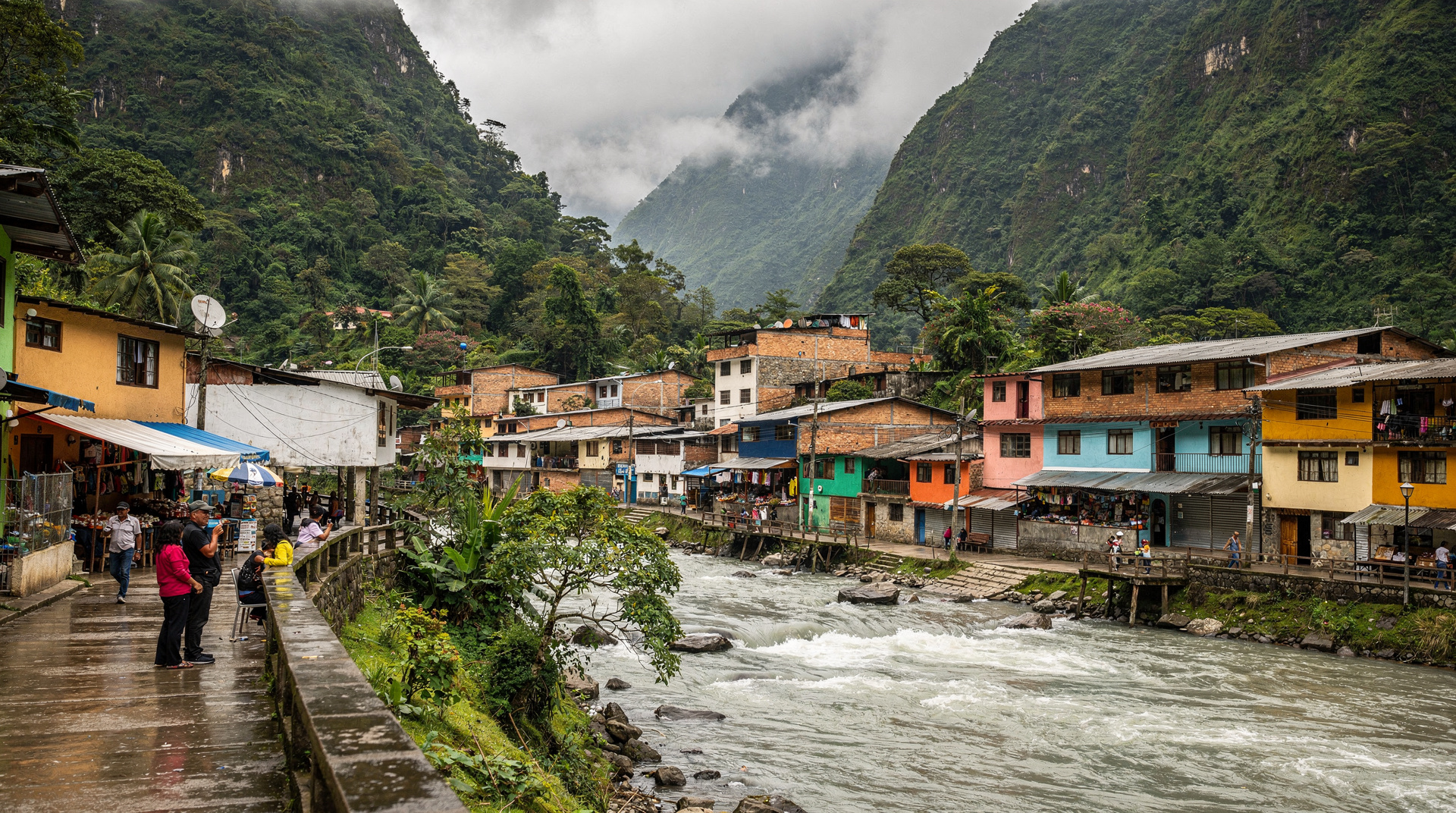
Aguas Calientes station deposits you in the centre of a town that has the feel of a frontier settlement at the base of extraordinary mountains. The bus terminal is a five-minute walk north along the rail tracks. Buses begin at approximately 5:30 am; buy your return bus ticket at the terminal kiosk (S/80 return, approximately $24 RT). In peak season, the bus queue by 5:15 am is already 30–40 people long — this is normal and moves fast.
The full citadel logistics — circuits, timing, what to see and in what order — are in the Machu Picchu complete guide. The Aguas Calientes guide covers the town itself for those staying overnight.
The train to Machu Picchu is not just logistics. It is, in itself, a piece of the experience. Give it the attention it deserves — choose the right carriage, sit by the window, and watch the Sacred Valley give way to cloud forest.
Which class for which traveller
Budget-conscious independent travellers should book Expedition or The Explorer — both are perfectly comfortable for a 1.5-hour journey and the saving over Vistadome or First Class (roughly S/100–150) is meaningful if you are travelling for weeks rather than days. Most independent travellers and couples get the best value from Vistadome or First Class — the overhead glass genuinely changes the experience on this specific canyon route, and the price difference is modest against the overall trip cost.
Families with children benefit from the wider seating and table format of Vistadome or First Class, which makes managing snacks, cameras and restless kids considerably easier than economy’s narrower rows. Couples celebrating an anniversary or honeymoon, or travellers who want the full experience should consider the Hiram Bingham or the 360 — expensive relative to the destination, but a memorable experience in its own right rather than pure transport.
Booking timeline: exactly when to act
For June–August departures, both operators’ inventory for the earliest morning slots (5:00–6:00 am from Ollantaytambo) typically shows meaningful availability drops starting around 8 weeks out, with the most popular Vistadome and First Class morning departures often gone by 5–6 weeks before travel. Shoulder months (April, May, September, October) are more forgiving — 4–5 weeks ahead is usually sufficient for a good seat selection.
Low season (November to mid-December, January to March excluding Christmas and New Year) can often be booked as little as 1–2 weeks ahead, though earlier is still safer if a specific departure time matters to you. Christmas week and Peruvian national holidays (Independence Day in late July, in particular) sell out on a timeline closer to peak season regardless of the calendar month. If your dates fall in one of these windows, treat the booking task as urgent from the moment your Machu Picchu entry ticket is confirmed, rather than leaving it until closer to departure.