Sacred Valley
Explore Pisac, Ollantaytambo, Maras and Moray in Peru's Sacred Valley — the ideal acclimatisation base before Machu Picchu.
Cusco: Pisac, Maras, Moray, Ollantaytambo Small Group Tour
Quick facts
- Country
- Peru
- Altitude
- 2,800–3,000 m / 9,200–9,800 ft
- Currency
- Peruvian sol (S/) — USD widely used
- Best for
- Inca ruins, mountain markets, acclimatisation, train to Machu Picchu
The valley that makes Machu Picchu make sense
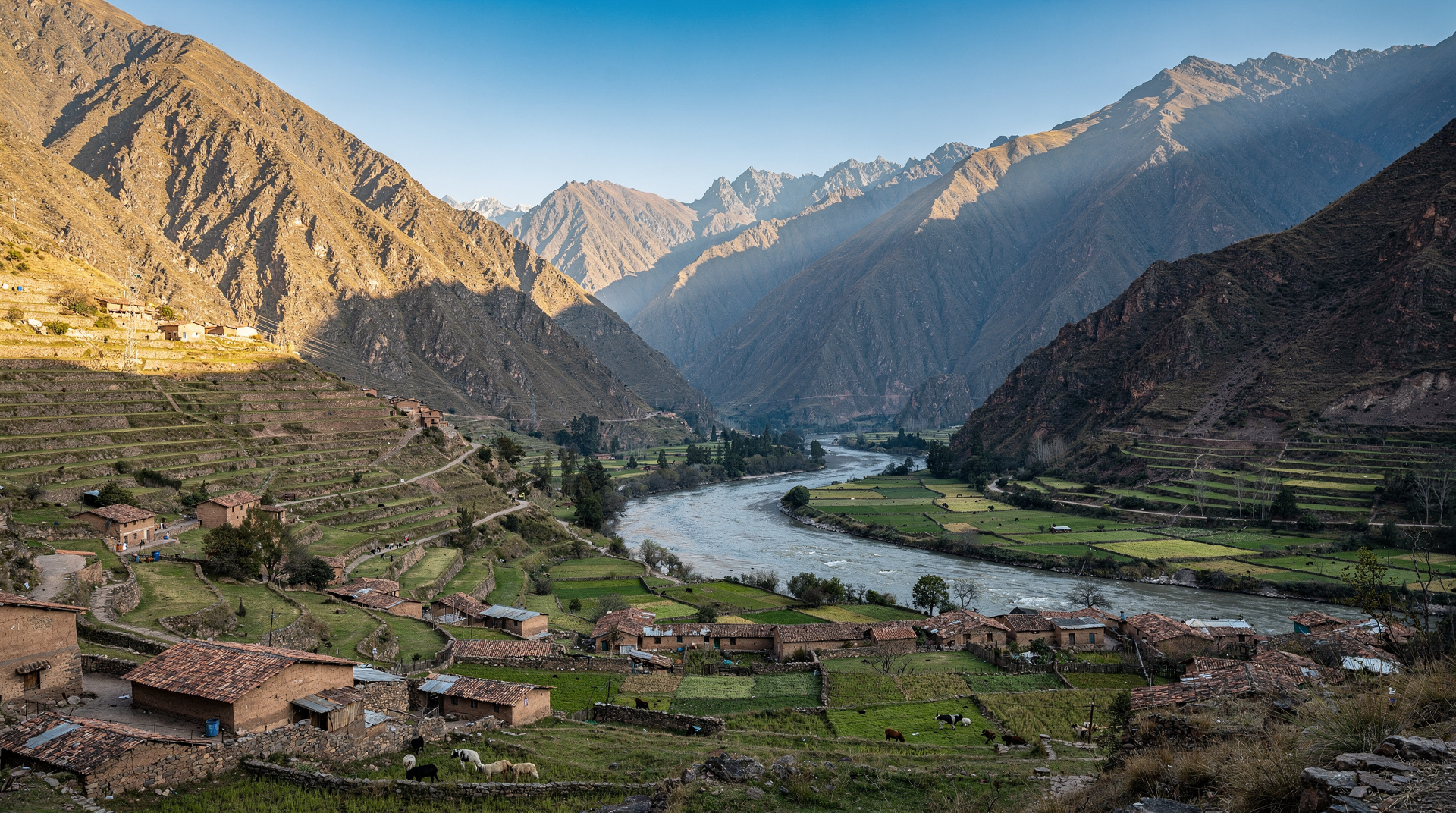
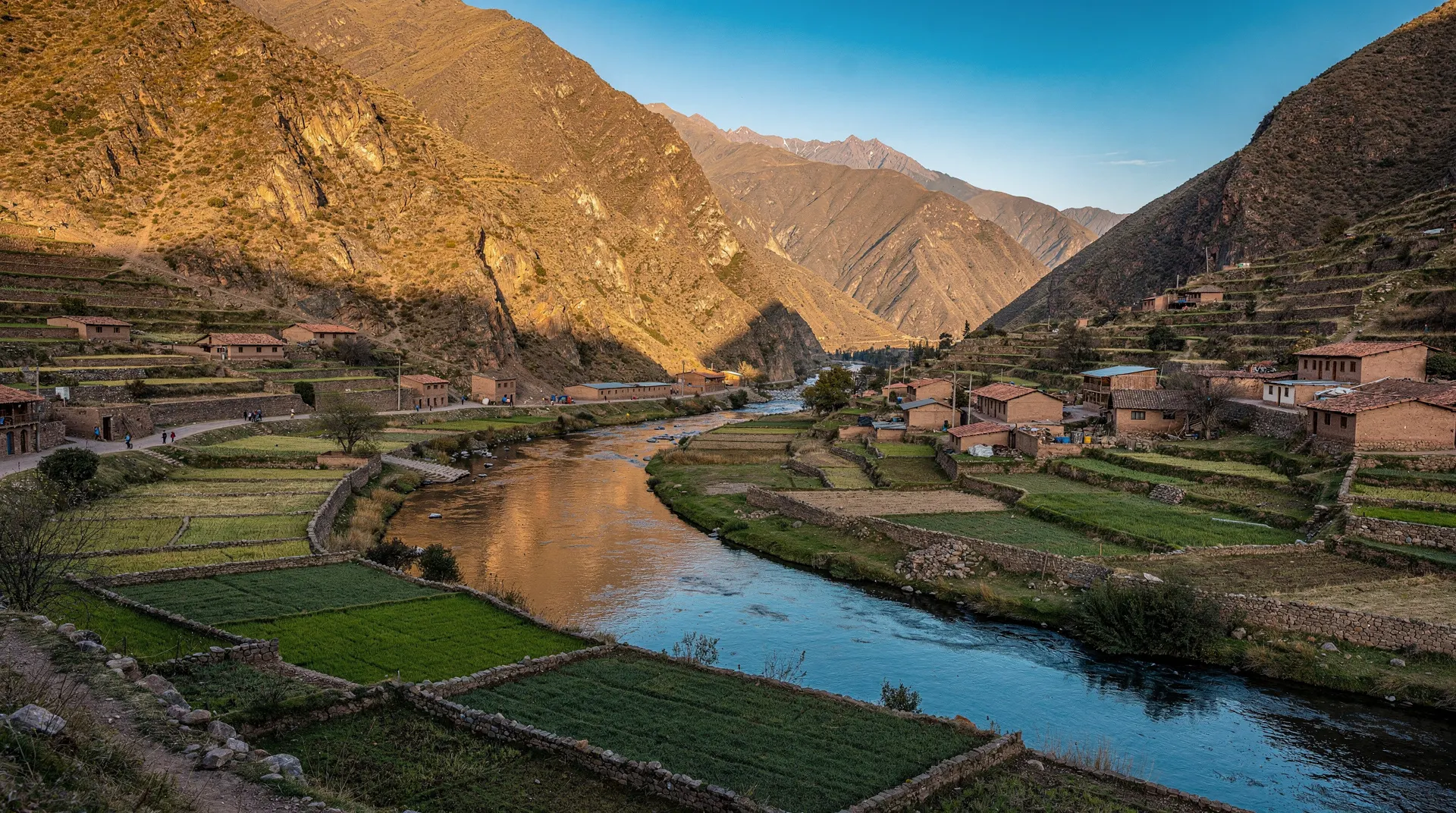
The Urubamba River carves a broad, fertile trench through the Andes between Cusco and Ollantaytambo. The Inca called it Willkamayu — the Sacred River — and for good reason: this valley was the agricultural heartland of the empire, a place of experiment, worship, trade and royal retreat. Today it goes by the name the Sacred Valley, and it deserves at least a full day of your itinerary before you board the train to Machu Picchu.
At an average elevation of 2,800–3,000 m — some 400–600 m lower than Cusco — the valley is perceptibly easier on new arrivals. Breathing is noticeably less effortful, sleep comes more easily, and the temperature is a few degrees warmer. If altitude sickness is a concern (and at these elevations it should be taken seriously), basing yourself in the valley for your first night or two is one of the most practical decisions you can make. The Cusco acclimatisation plan lays out exactly how to sequence the valley stop within your broader itinerary.
But the Sacred Valley is far more than a pleasant place to recover. Pisac’s Sunday market is one of the most authentic craft markets in Peru. The Maras salt pans — thousands of individual pools terraced into a hillside — have been in continuous operation since before the Inca arrived. The Moray agricultural laboratory poses questions that archaeologists are still debating. Ollantaytambo sits inside a living Inca town plan and guards an undefeated fortress above the river. And Chinchero, straddling the plateau above the valley, preserves weaving traditions that trace an unbroken line to the 15th century. You could spend two full days here and leave feeling you had only scratched the surface.
| Where | Urubamba River valley, between Cusco and Ollantaytambo |
| Cost | Boleto Turístico covers Pisac + Ollantaytambo; Maras ~S/10, tours from around S/80–150 |
| Time needed | 1 full day for the highlights, 2 days to go deeper |
| Getting there | Guided tour, collectivo, or private taxi from Cusco |
| Best time | May–September dry season; arrive at Pisac market before 9 am |
Pisac: market town and ridge-top citadel
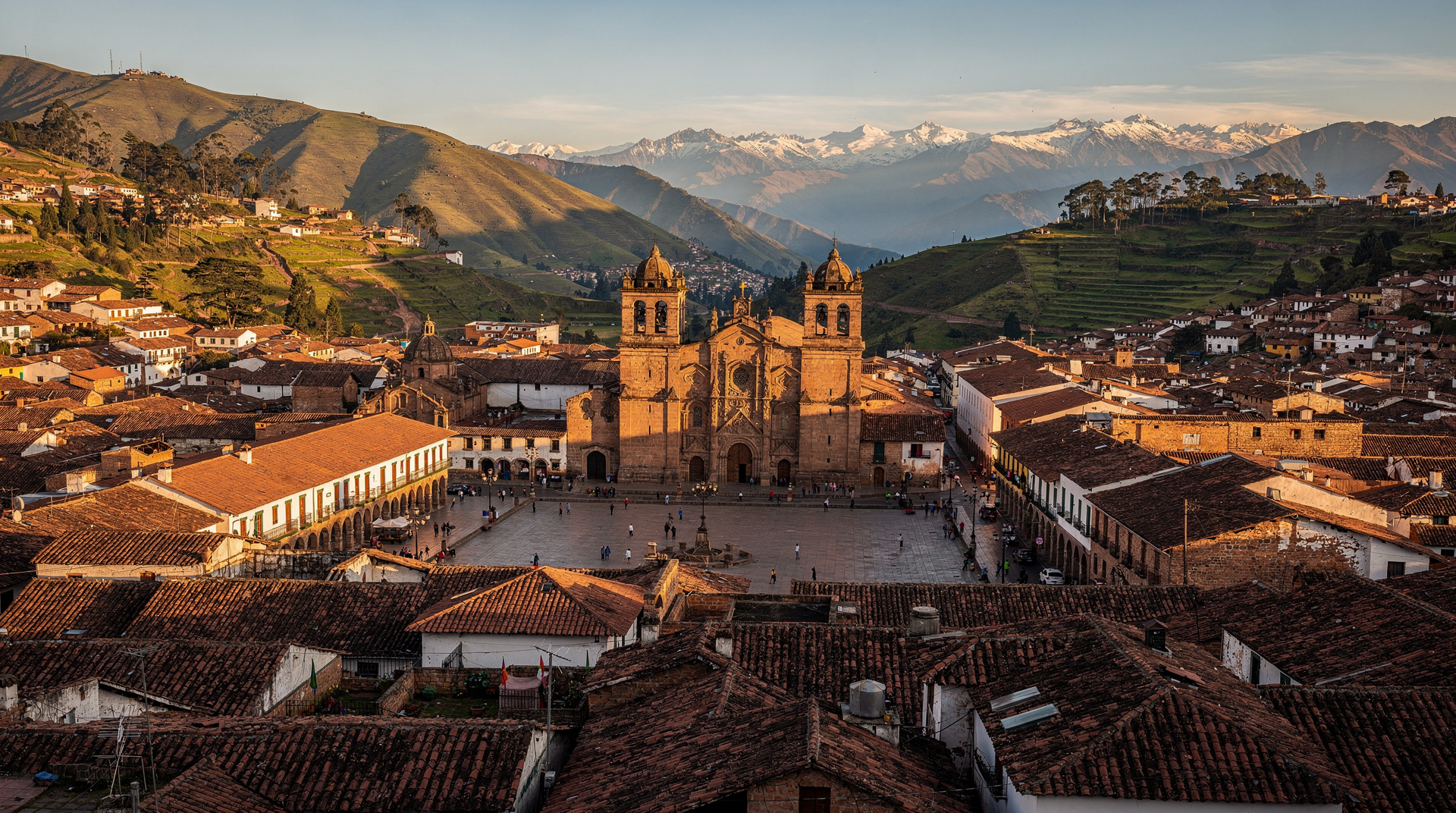
Pisac sits at the eastern end of the valley, 33 km from Cusco, and operates on two levels — literally. The town below holds a daily crafts market in the Plaza de Armas that peaks on Sundays, when Quechua-speaking vendors from surrounding villages bring textiles, ceramics, jewellery and produce. The quality varies, but the atmosphere is genuine and the prices for handwoven items are a fraction of what equivalent pieces cost in Cusco’s tourist shops. Bargaining is expected and good-natured; opening prices are typically 30–50% above where vendors are comfortable settling.
Above the town, a stiff climb or short taxi ride reaches the Pisac Archaeological Complex: a sprawling citadel of temples, military platforms, water channels and burial towers strung along a ridge above the valley. The Intihuatana temple group at the top is the most impressive section, and the views down the valley in both directions are remarkable. Admission is covered by the Cusco Boleto Turístico (~S/130 for the full circuit). Allow two to three hours to walk the full ridge at a comfortable altitude-aware pace.
Chinchero: textiles and a colonial church on an Inca foundation
Chinchero sits above the valley floor at around 3,760 m — higher than Cusco, and perceptibly cooler. The appeal here is twofold. The church, built by the Spanish directly on Inca foundations, retains vivid colonial frescoes alongside Inca stonework that is still clearly visible in the outer walls. The Sunday market, smaller and less tourist-facing than Pisac’s, sells local agricultural produce alongside crafts.
The real draw, though, is the weaving cooperatives. Several women’s collectives in Chinchero give demonstrations of the full textile process from raw alpaca or sheep fleece through to finished cloth — washing, spinning, natural dyeing with plants and minerals, and the intricate backstrap-loom weaving itself. These demonstrations are free with a small purchase expected; they are not staged performances but working sessions. Watching a woman replicate a centuries-old pattern from memory on a waist-strapped loom takes about ten minutes to observe and considerably longer to forget.
Maras salt pans
Several kilometres beyond Chinchero on a dirt road, a hillside has been covered in salt crystallisation pools since at least Inca times. Estimates put the number of individual pans at over three thousand, each roughly the size of a dining table, terraced down a steep slope in a cascade of white and pink. A natural brine spring at the top feeds the whole system. Local families own and operate individual pools, harvesting the salt by hand and raking it into small mounds to dry.
Visiting is straightforward: the site is open daily (admission ~S/10) and the viewing paths run along the edges of the pans. Early morning or late afternoon light makes the salt glow in ways that midday shots cannot capture. The site is small enough to cover in an hour, and it pairs naturally with Moray, just a few kilometres away across the plateau. A guided visit to Maras and Moray combines both sites efficiently with transport from Cusco or the valley, which saves the logistical complication of finding your own way along roads where taxis are scarce.
Moray: the Inca laboratory
Moray is one of the stranger and more thought-provoking sites in the valley. Three sets of concentric circular terraces have been cut into natural depressions in the plateau, the largest dropping roughly 30 m from rim to centre. The depth of the rings creates distinct microclimates at each level — research has found temperature differentials of up to 15°C between the outermost and innermost rings of the main depression.
The most widely accepted interpretation is that Moray served as an agricultural research station where the Inca tested the growth conditions of different crops at different altitude and temperature ranges, effectively compressing multiple climate zones into a single site. Whether or not this is the complete explanation, the site is visually extraordinary and offers a different kind of intellectual engagement from the military and ceremonial sites that dominate most Inca itineraries. Admission is covered by the Boleto Turístico.
Ollantaytambo: the fortress and the train
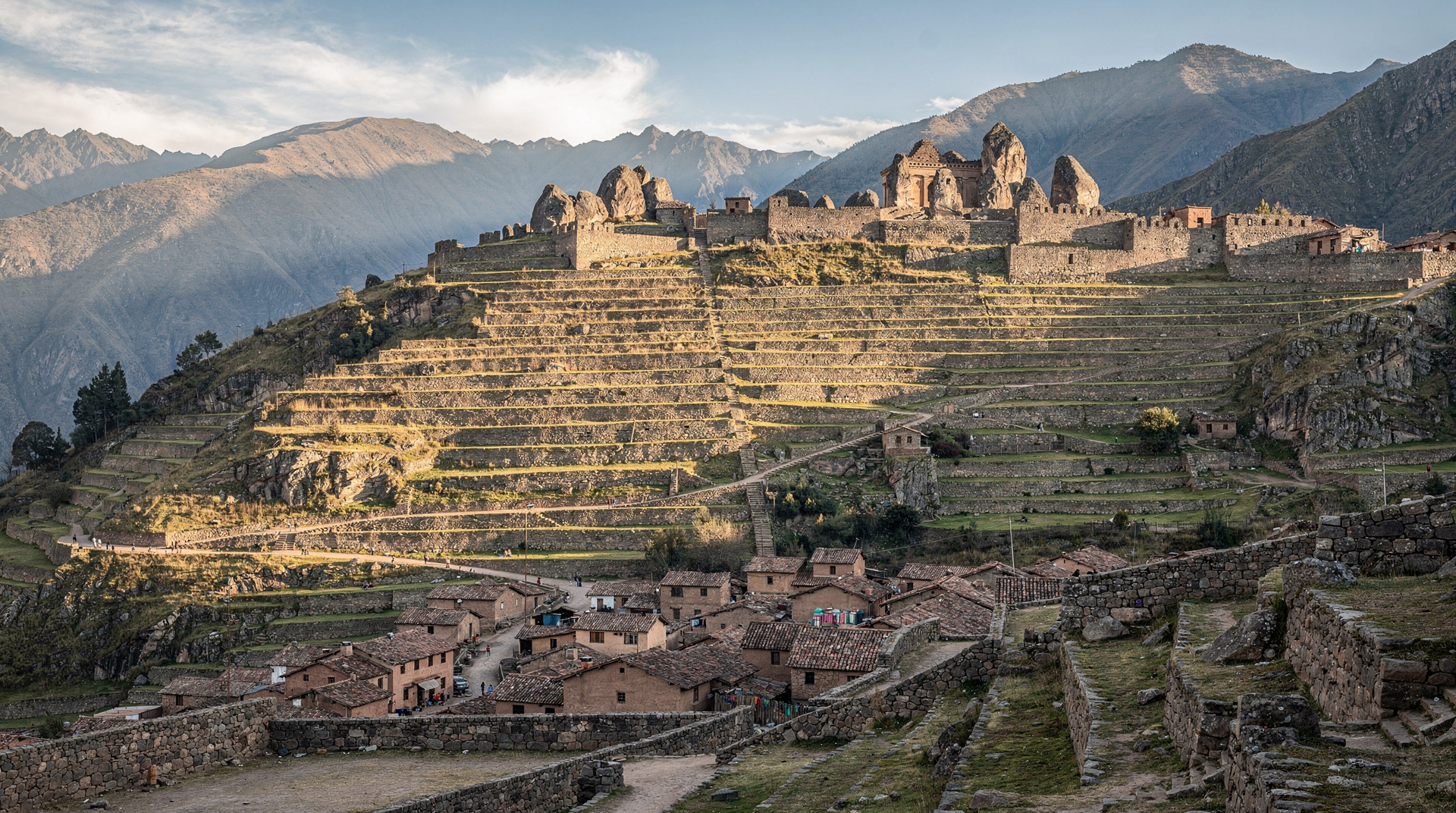
At the western end of the valley, Ollantaytambo marks the point where the Urubamba narrows and the mountains close in. The fortress here is the one Inca stronghold that successfully repelled a Spanish assault — Hernando Pizarro’s force was driven back in 1537, a rare military defeat for the conquistadors in Peru. The Temple of the Sun on the upper platform contains six enormous monolithic pink granite blocks, each weighing around 50 tonnes and transported from a quarry visible across the gorge — a feat of logistics that remains impressive regardless of how familiar you are with Inca engineering.
Below the fortress, the town itself preserves its original Inca street grid. Canchas — rectangular compounds sharing a central courtyard — still function as housing exactly as they did in the 15th century. The living continuity here is unusual among Inca sites.
For most itineraries, Ollantaytambo is also where you board the train to Aguas Calientes for Machu Picchu. The station is a short walk from the town centre, and both PeruRail and Inca Rail services depart from here. Round-trip train tickets from Ollantaytambo to Aguas Calientes cost roughly $60–130 depending on service class and season. Booking several weeks ahead is essential in May–August. The trains to Machu Picchu comparison covers the full range of services, prices and booking platforms.
How to visit the Sacred Valley
Full-day tour from Cusco
The most popular format combines Pisac market, Chinchero, Maras, Moray and Ollantaytambo in a single loop with a guided minibus. This works efficiently but moves fast; you will have 45–90 minutes at each stop. A full-day Sacred Valley group tour typically includes transport and a bilingual guide and represents good value for the logistical convenience alone, given that public transport between these sites is slow and infrequent.
For a more in-depth experience, a private VIP Sacred Valley tour allows you to set the pace and linger at whichever sites interest you most — particularly useful if you want extra time at Moray or the Pisac ruins rather than the market.
Self-guided with collective transport
Collectivos (shared minibuses) run frequently between Cusco and Pisac (~S/5, 45 minutes) from Calle Puputi near the Tullumayu bridge. Onwards to Ollantaytambo from Pisac involves changing at Urubamba (~S/3–4 each leg). Taxis between valley sites run S/20–50 depending on distance. This approach gives flexibility but requires patience and means you will miss Chinchero and Maras unless you hire a private taxi for the cross-plateau loop (~S/80–120 for the Maras-Moray circuit from the valley).
The Pisac-to-Chinchero-to-Maras circuit
The most satisfying sequence starts in Cusco early, reaches Pisac by 8 am for the morning market before coach groups arrive, drives up to Chinchero for the weaving demonstrations and church, continues to Maras and Moray, then drops into Ollantaytambo for the afternoon before returning to Cusco or checking into a valley hotel. A Pisac, Maras and Moray combination tour covers this circuit with guide and transport included.
Sleeping in the valley
Staying overnight in the valley has real practical advantages. At 2,800–3,000 m, your body adjusts more comfortably than at Cusco’s 3,400 m, which translates into better sleep and noticeably less headache on waking. This matters most on your first two nights in the region.
Urubamba town has the widest range of accommodation — budget guesthouses from around S/60, mid-range hotels from S/150, and two luxury ecolodge properties (Explora Valle Sagrado, Hacienda del Valle) at $500+ per night. Ollantaytambo has a strong selection of guesthouses at S/80–200 that put you immediately next to the fortress and the train station. Pisac has several boutique options on the edge of town with valley views.
One night in the valley is worth building into any itinerary of five days or more in the Cusco region. The 7-day Sacred Valley and Machu Picchu itinerary shows how to sequence valley nights, Machu Picchu and Cusco city time without backtracking.
Eating in the valley
Urubamba and Ollantaytambo both have a growing scene of restaurants aimed at travellers passing through, ranging from simple menu-del-dia lunches (soup, main, drink for around S/15–20) to destination restaurants attached to the valley’s luxury lodges. Cuy (guinea pig), a genuinely traditional Andean dish, appears more often on valley menus than in central Cusco, and a handful of restaurants near Urubamba specialise in it if you want to try it away from the more touristy versions in the city.
For a wider view of what to eat and where across the region, the Peruvian food guide and ceviche and Peruvian dishes guide both cover dishes you will encounter throughout the valley and Cusco alike.
Best time to visit
The valley follows the same broad seasonal pattern as the rest of the Cusco region. May–September is dry, sunny and the busiest period; the Pisac Sunday market is particularly lively in June and July. April and October offer nearly comparable weather with thinner crowds. November–March brings rain — often in afternoon downpours rather than all-day drizzle — and significantly lower prices at valley hotels. The salt pans are active year-round; the circular terraces at Moray are arguably more beautiful when the surrounding grass is green in the wet season.
| Season | Months | Weather | Crowds |
|---|---|---|---|
| Dry, peak | May–Sep | Sunny days, cold nights | Busiest — book valley hotels ahead |
| Shoulder | Apr, Oct | Mostly dry, occasional showers | Noticeably thinner |
| Wet | Nov–Mar | Afternoon downpours, greener terraces | Quietest, lowest hotel prices |
The best time to visit Machu Picchu guide covers the broader regional seasonality in detail and is directly applicable to Sacred Valley planning.
Honest tips
The Sunday market at Pisac starts early and peaks by 10 am. By noon the coach groups have arrived and the market feels crowded. Aim to be there by 8–9 am and leave for Chinchero or Moray before the midday crush.
Negotiate transport prices before you get in. Taxis in the valley operate without meters; agree on a price, confirm it is for the whole vehicle (not per person), and settle before departure.
Altitude affects the valley differently. At 3,000 m you will still feel exertion on uphill walks more than at sea level, though much less than in Cusco. Drink more water than you think you need. See the altitude sickness guide for medication options if you are prone to problems.
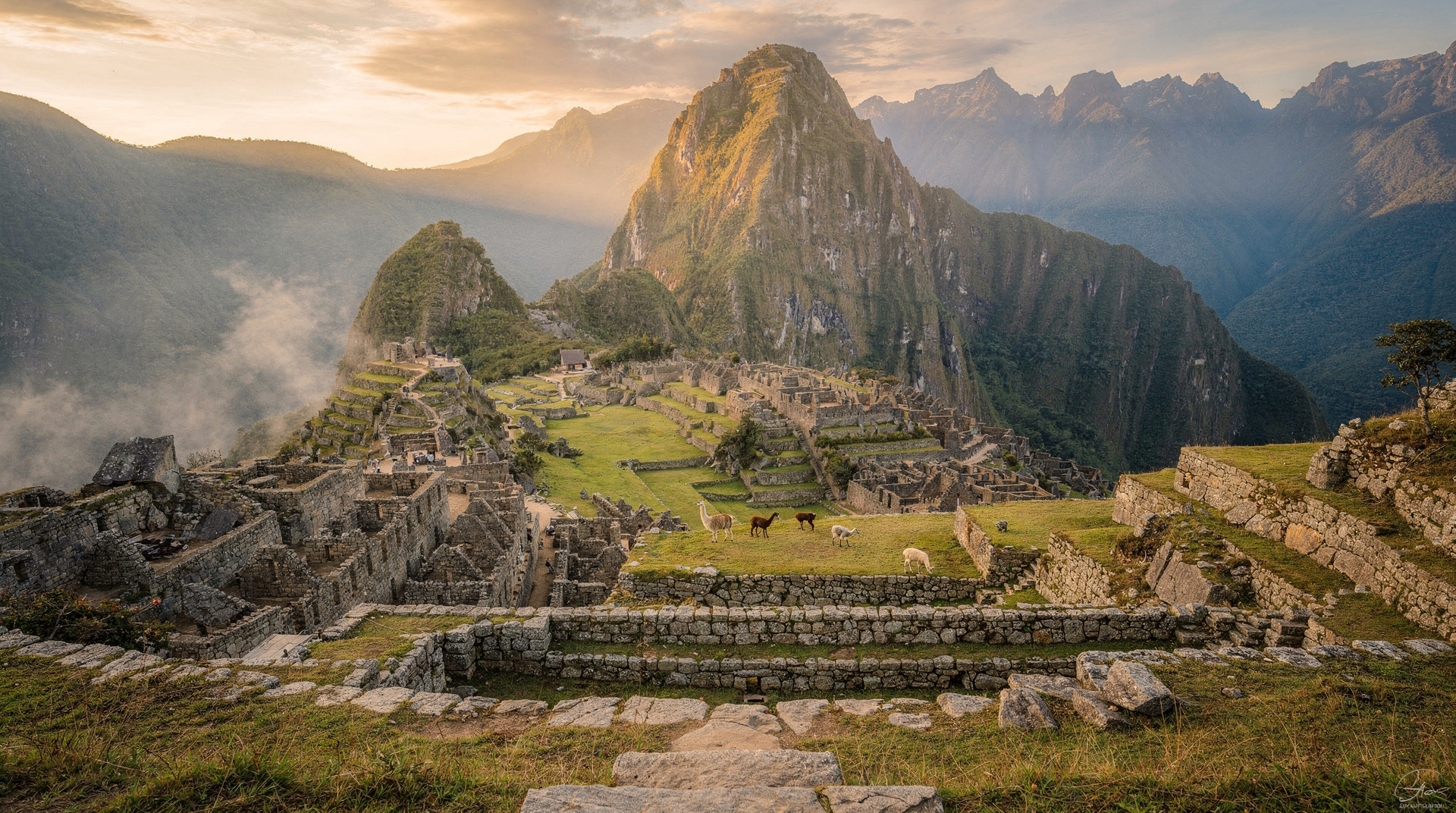
Combine the valley with Ollantaytambo on the day before your Machu Picchu train. Stay in Ollantaytambo that night and board a morning train from there, rather than making an early dash from Cusco. This is calmer, and the morning trains from Ollantaytambo are the ones with the best onward connection times to the citadel. The 4-day Cusco and Machu Picchu itinerary uses exactly this sequence.
A guided experience adds genuine depth at Moray and the Pisac ruins. Both sites are easy to walk around independently but difficult to interpret without context. The engineering logic of Moray’s microclimates and the defensive layering of the Pisac ridge complex are the kind of things that transform a walk into a revelation once someone explains them clearly. The Pisac, Maras and Moray tour includes a bilingual guide throughout.
Families with children generally do well here. The pace is gentler than a trek, the sites involve manageable amounts of walking, and the weaving demonstrations at Chinchero and the salt pans at Maras tend to hold kids’ attention better than a straightforward ruins visit. See the Cusco with kids guide for how the valley fits a family-paced itinerary.
The Sacred Valley is not a warm-up act for Machu Picchu. It is a destination in its own right, with a depth of history, landscape and living culture that rewards every additional hour you give it. If your itinerary currently has you passing through in a morning, consider extending it to a full day. You will not regret it.
Frequently asked questions about Sacred Valley
Is one day enough for the Sacred Valley? One full day covers the highlights (Pisac, Chinchero or Maras/Moray, and Ollantaytambo) on a guided loop, but it moves fast with only 45–90 minutes per stop. Two days, ideally with an overnight in the valley, lets you slow down and gives your body extra time to adjust before higher altitude at Cusco or the trek trailheads.
Should I sleep in the Sacred Valley or in Cusco? For acclimatisation purposes, the valley (2,800–3,000 m) is noticeably easier than Cusco (3,400 m), so sleeping there for your first night or two is a genuinely practical choice, not just a scenic one — see the Cusco acclimatisation plan for how to sequence it.
Top experiences
Bookable activities with verified prices and instant confirmation on GetYourGuide.