Cusco with children: a practical family planning guide
From Cusco: Sacred Valley of the Incas Full-Day Tour
Is Cusco safe to visit with children?
Yes, with careful altitude management. Cusco at 3,400 m requires the same acclimatisation approach for children as for adults — and children under 10 may need longer. Most children aged 8 and over acclimatise well with a proper two-day rest period. Under-5s and very young infants require medical consultation before any trip above 2,500 m. The sites themselves — particularly Machu Picchu (2,430 m), the Sacred Valley (2,800 m) and Sacsayhuamán — are genuinely engaging for older children.
Family travel to Cusco: the honest picture
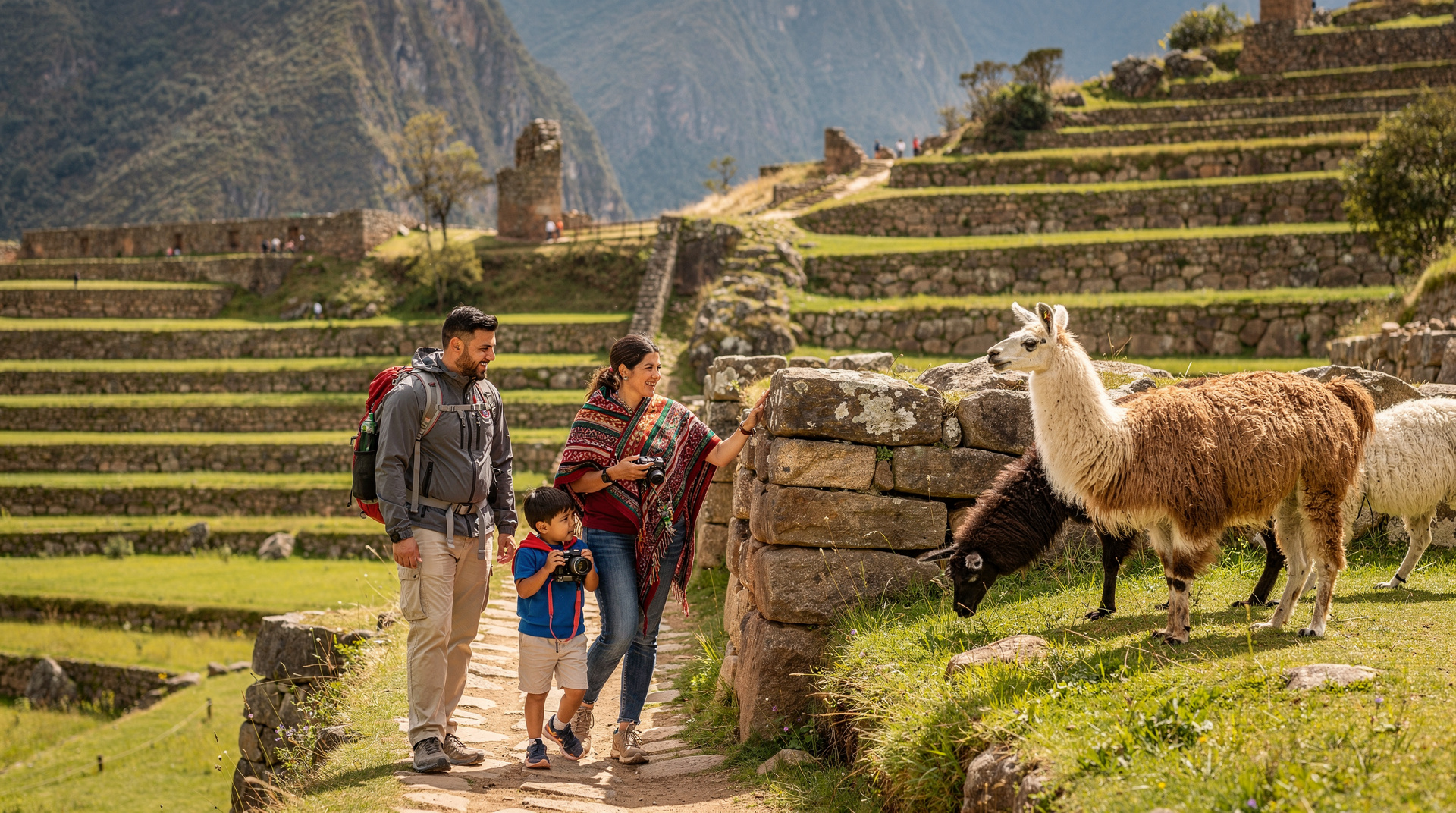
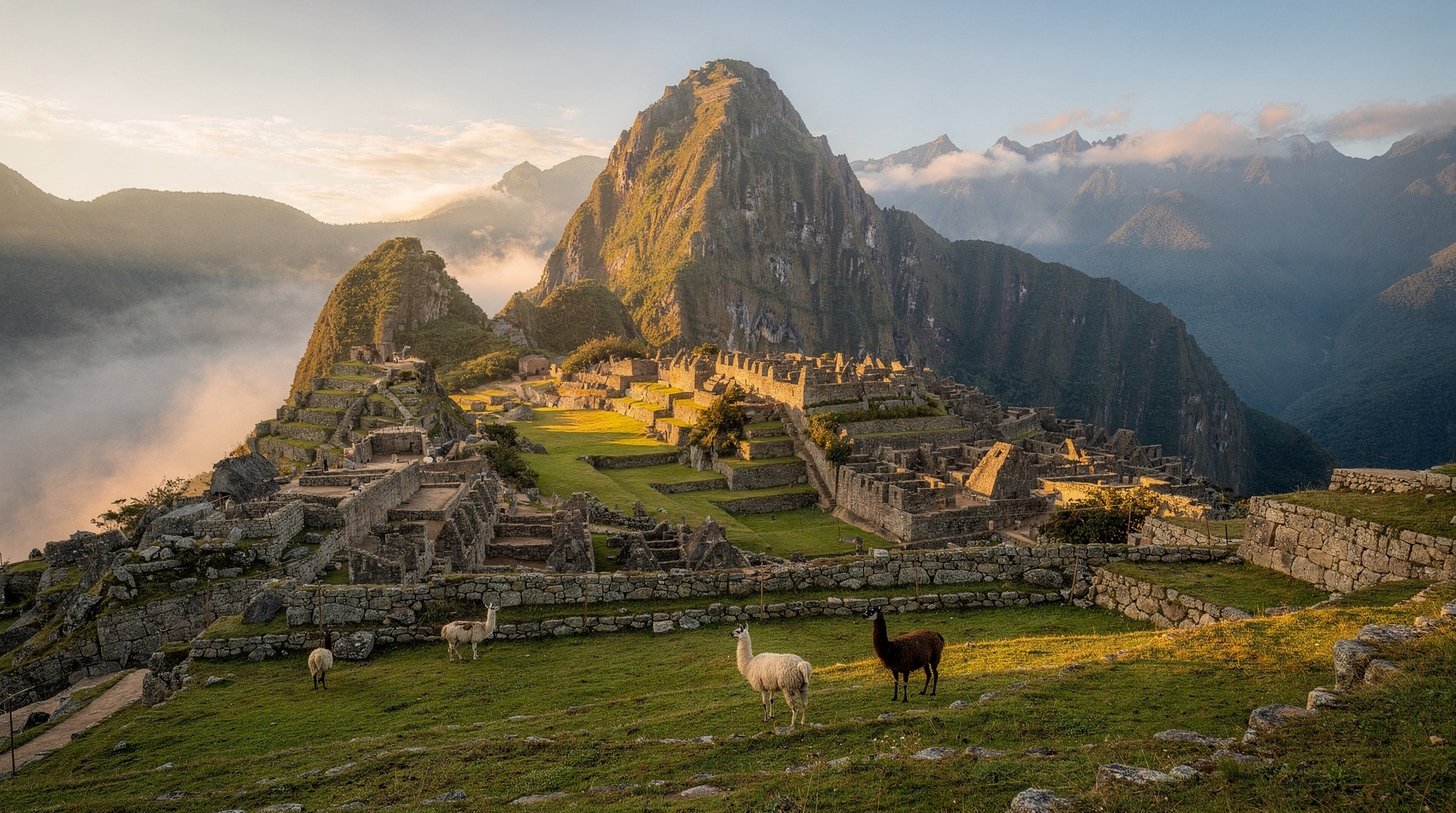
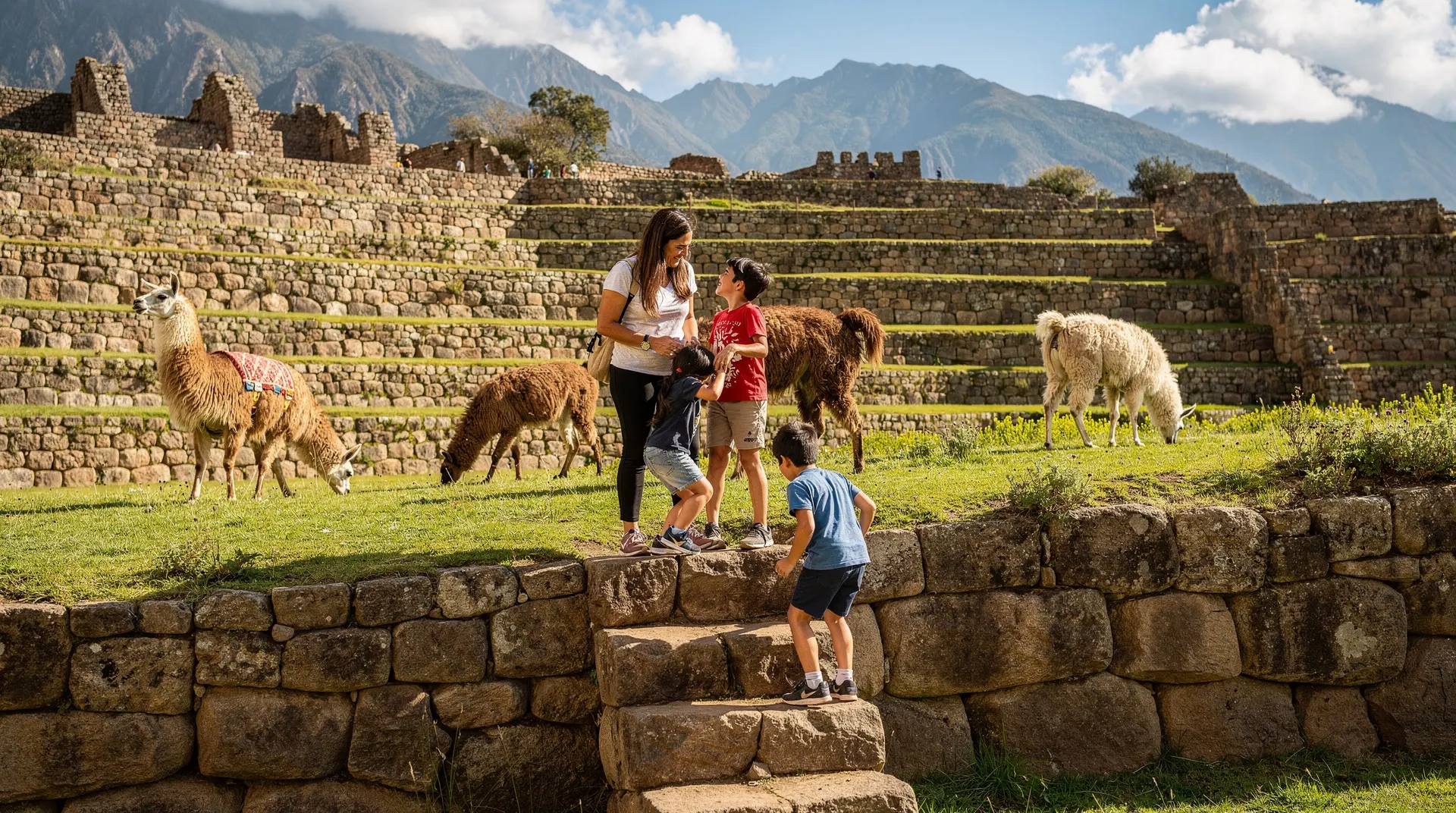
Cusco with children is one of the most rewarding family travel experiences in the Americas — and also one that requires more specific preparation than most destinations. The altitude is the central variable. Get the altitude management right and the region delivers experiences that remain vivid in children’s memories for years: llamas wandering Machu Picchu’s terraces, the scale of Sacsayhuamán’s stone blocks, the colour-saturated textiles at Pisac market. Get it wrong — push too hard too soon, ignore symptoms, underestimate how altitude affects children differently from adults — and the whole trip can unravel into a miserable week of headaches and exhaustion.
This guide is structured around the altitude question, then moves to what actually works for families in terms of sites, timing, and logistics.
| Best age | 8–12 for the smoothest experience |
| Altitude | Cusco 3,400 m; Sacred Valley 2,800 m; Machu Picchu 2,430 m |
| Time needed | 7 days minimum for a relaxed family trip |
| Getting there | Via Lima; allow extra rest day for children |
| Best time | May–September (dry season, most predictable weather) |
The altitude question: by age
Under 5: Travel above 2,500 m with very young children should only happen after consultation with a paediatric travel medicine specialist. Infants and toddlers cannot communicate symptoms, altitude-related hypoxia affects developing brains differently, and the response to developing symptoms (descend quickly) is logistically complex when you are three hours by train from the nearest lower-altitude town. This is not a reason to cancel a trip — it is a reason to get a proper medical opinion rather than relying on general travel advice.
Ages 5–7: Manageable with careful pacing and a longer acclimatisation period. Plan for three full rest days in Cusco or the Sacred Valley before any major excursion. These children typically cannot clearly articulate headache or nausea before it becomes significant; watch behaviour closely (unusual irritability, food refusal, excessive tiredness at unusual times). Keep daily distances very short for the first three days.
Ages 8–12: The sweet spot for Cusco family travel. Children in this range acclimatise reliably with a two-day rest period, can engage with the history at a meaningful level, and have the stamina for well-paced half-day and full-day excursions by days three and four. The Inca history sites — Sacsayhuamán, Ollantaytambo, Machu Picchu — are the kind of places that generate genuine curiosity in this age group.
Teenagers: Handle Cusco as well as most adults. Standard two-day acclimatisation applies. The social aspects of hostel or boutique hotel travel, the challenging terrain, and the dramatic altitude of sites like Rainbow Mountain (though 5,200 m still requires proper acclimatisation and is not suitable until day five or later) tend to be appealing rather than off-putting.
The acclimatisation plan for families
The structure that works for family visits:
Day 1 — Arrival. Transfer to accommodation. Rest. Coca tea if children will accept it (safe for children over 5, though some do not enjoy the taste). A gentle afternoon walk to Plaza de Armas at most — 1–2 hours at very slow pace, no climbs. Early dinner and early bed.
Day 2 — Gentle city. A morning at walking pace in the historic centre: the Cathedral, Qorikancha exterior, Plaza Regocijo. A proper rest period in the afternoon. No climbing to Sacsayhuamán today — the ascent from the city involves 200 m of elevation gain that is genuinely demanding at altitude for children and adults alike.
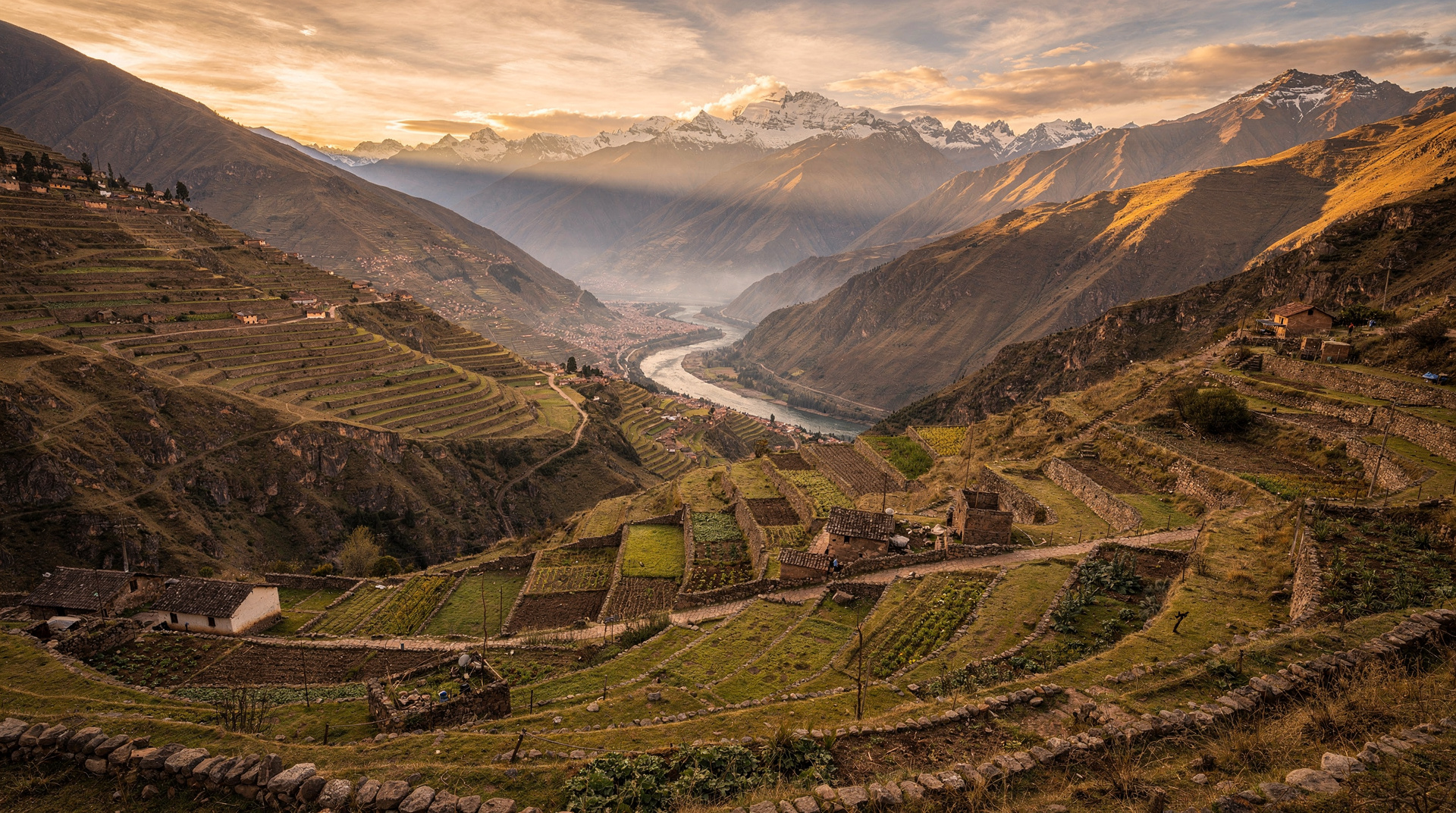
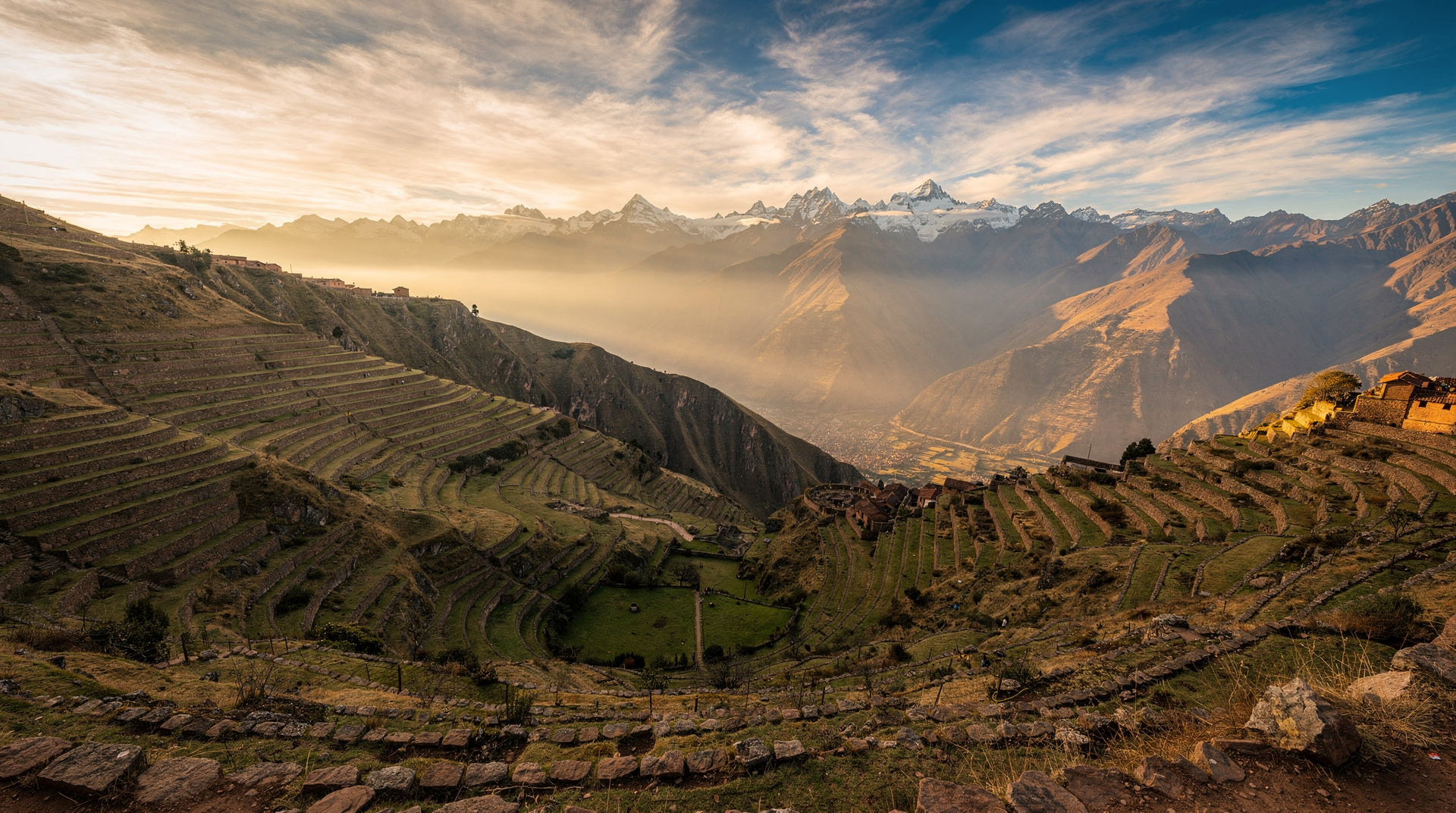
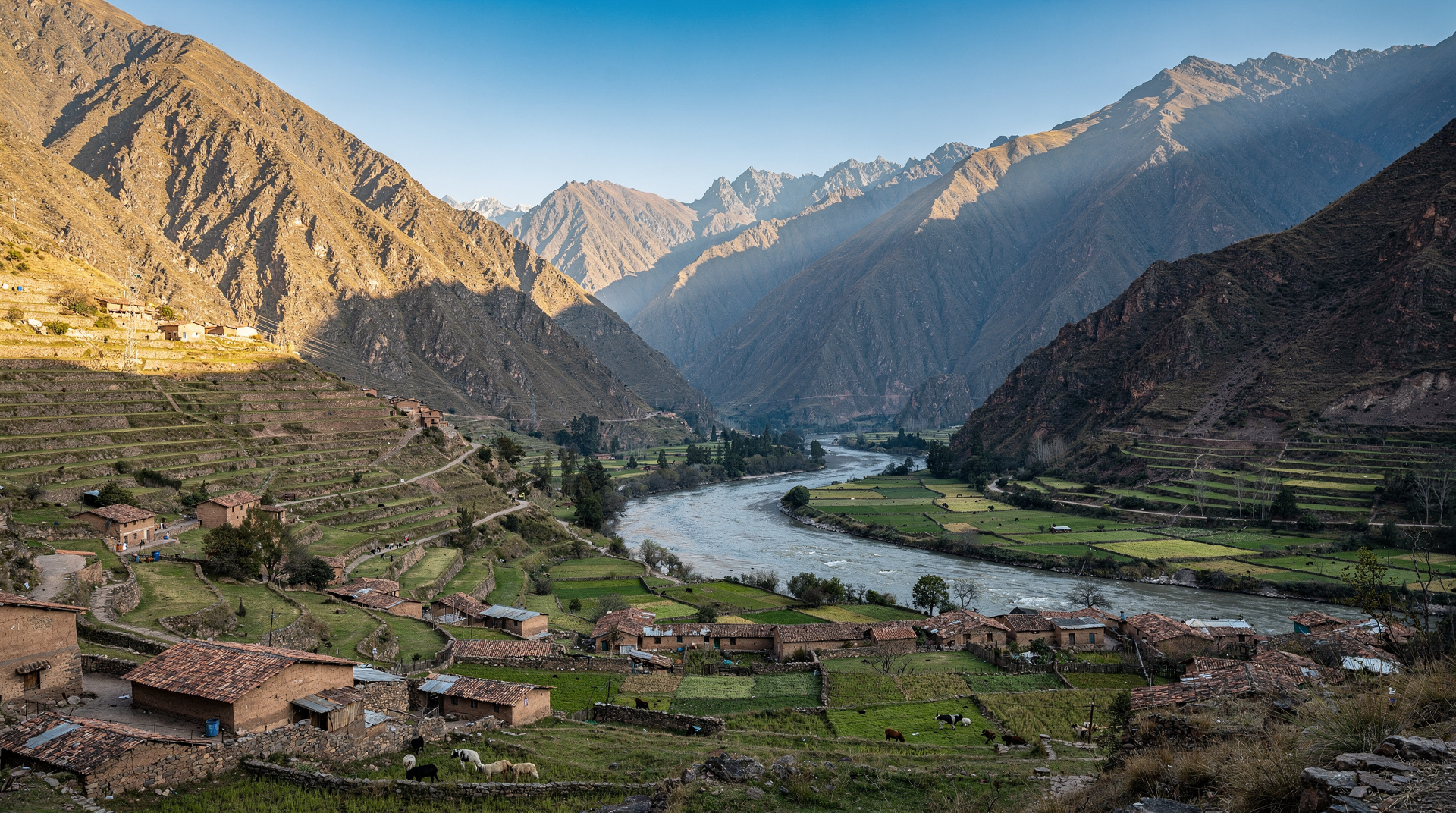
Day 3 — Sacred Valley (recommended over staying in Cusco). The Sacred Valley sits at 2,800–3,000 m — several hundred metres lower than Cusco. A day trip there is actually easier on the body than a third day at 3,400 m, and the valley’s sites are among the most family-friendly in the region. A full-day Sacred Valley tour covering Pisac market, the salt mines at Maras, and Moray gives children a varied and actively engaging day at manageable altitude.
Day 4 — Cusco sites. Now properly acclimatised, Sacsayhuamán is very manageable. Take the taxi up to the entrance rather than walking from the city — the taxi takes 10 minutes and costs S/15–20 ($4.50–6), a worthwhile investment. The open hilltop setting and the enormous fitted stone blocks are consistently described by children as the most impressive thing they see in Cusco.
Day 5 — Machu Picchu. After four days at altitude, children are well-prepared for the lower elevation of the citadel (2,430 m). See the Machu Picchu section below.
Machu Picchu with children: making it work
The citadel itself is excellent for families — the combination of extraordinary archaeology, the open-air setting, and the llamas grazing the terraces reliably delivers what adults often describe as the highlight of the whole trip for their children. The challenge is not the site; it is the logistics.
Stay overnight in Aguas Calientes. A day trip to Machu Picchu from Cusco involves waking children at 3–3:30 am, a 90-minute drive or bus, a 1.5-hour train, a 20-minute bus up to the gate, 3–4 hours at the site, and then the full reversal. This is 14–16 hours for adults; for a family with children under 10, it is near-impossible without significant distress somewhere in the day. Staying one night in Aguas Calientes removes the impossible morning logistics and gives children two chances at the site’s early entry if energy allows.
Book first-entry tickets. The difference in crowd levels between a 6 am entry and a 9 am entry is dramatic. For families, the empty morning site is not just nicer — it means children are not pushed around in crowds, can stop and look at things they find interesting, and the llamas on the terraces are most active in the cool morning.
Plan for 2–3 hours maximum. Very few children under 10 want more than 2–3 hours at an archaeological site, regardless of how impressive it is. Time entry, explore one route of the urban sector (Circuit 2 Clásico, route 2-A, 2 h 30 maximum) with a guide for about 90 minutes, break for snacks (bring everything — there is no food inside the citadel), then another 30–45 minutes at whatever corners most interested your children. Do not attempt the mountain add-ons (Huayna Picchu or Machu Picchu Mountain) with children.
Bring all food and at least 2 litres of water per child. There is no food inside the citadel. The only option is the Sanctuary Lodge at tourist prices (sandwiches from S/60). Hungry children at altitude make the whole experience significantly harder.
Sites that work especially well for children
Sacsayhuamán: The open hilltop setting and the scale of the masonry are immediately arresting for children of all ages who can appreciate size and scale. The fitted stones weigh up to 200 tonnes and fit with no mortar — the engineering question (“how did they do it?”) is one children ask spontaneously and that has no fully satisfying answer, which is itself engaging. Covered by the Boleto Turístico.
Ollantaytambo: The fortress ruins above the town are excellent for children with energy — the steep agricultural terraces can be climbed, the views are dramatic, and the site is active enough to feel like exploration. The town itself has an authentic Inca grid layout and is a pleasant base for an overnight if you want to break the Sacred Valley into two days. The Ollantaytambo guide covers the site in detail.
Pisac market: Colourful, sensory, and full of things to look at and touch (with permission). Children are typically engaged by the alpaca textiles, carved gourds, and ceramic work. Arrive early (before 10 am) before it becomes crowded. The Pisac market guide covers timings.
Maras salt mines: Hundreds of terraced evaporation pools at different stages of crystallisation, turning various shades of white, pink and orange. The scale is dramatic from the viewpoint and the short walk along the edge is well-suited to children with moderate energy. Part of most Sacred Valley tour packages.
The Chocolate Museum (Choco Museo), Cusco: Interactive, educational, and ends in tasting. An excellent option for a quiet afternoon on a rest day.
What to skip with children
Rainbow Mountain (5,200 m): Not appropriate for children. The altitude, 5 km uphill walk at thin air, 3:30 am departure, and 10–12 hour day make this genuinely unsuitable for anyone under 14 who has not done extensive high-altitude trekking before. Even acclimatised adults find it demanding.
Multi-day treks: The Inca Trail and Salkantay involve camping above 4,000 m, long daily walking stages, and no easy exit point. Not suitable for children under 12 unless they are experienced hikers, and still requires careful medical consultation for younger teenagers.
Cathedral interior with young children (first visit): The Cathedral on Plaza de Armas is enormous, dark, and requires quiet behaviour. Worth visiting with older children who can engage with the colonial artwork; less successful with under-8s who find the atmosphere oppressive and the requirement for silence frustrating.
Practical family logistics
Accommodation choice: For families, a private apartment or suite with kitchen access is worth the premium over a hotel room. Being able to prepare simple meals at altitude — particularly for picky eaters or when children’s appetites are suppressed by altitude — is a significant practical advantage. Several serviced apartments are available in the historic centre and San Blas for S/300–500 ($90–150) per night for family-sized units.
Getting around: Within the city, taxis are the practical solution with young children. Agree the fare before getting in; most city journeys cost S/8–15 ($2.50–4.50). The centre is walkable once acclimatised, but with children under 8 the altitude makes inclines genuinely demanding; save walking for flat terrain.
Healthcare access: Cusco has private clinics experienced with altitude-related illness. Clínica Pardo on Avenida de la Cultura is the most frequently recommended by local hotels for tourist medical needs. Travel insurance with coverage for altitude evacuation is strongly recommended for families.
Snacks and hydration: Carry snacks for all excursions — altitude suppresses appetite and children sometimes do not recognise hunger until they are already significantly depleted. High-energy foods (nuts, dried fruit, energy bars) work well. Water consumption should be higher than at sea level: approximately 3–4 litres per day for children over 8.
Sun and cold protection: The UV index at 3,400 m is significantly higher than at sea level even on cool or overcast days, and children’s skin burns faster at altitude than parents often expect. Broad-spectrum sunscreen reapplied every 2 hours, a wide-brimmed hat, and sunglasses are non-negotiable for outdoor sites, even in the cooler months. Combine this with layers for the temperature swing — mornings and evenings drop well below what the midday sun suggests, and a child who is too cold or sunburnt loses interest in a site fast regardless of how impressive it is.
The family itinerary in brief
| Day | Activity | Notes |
|---|---|---|
| 1 | Arrive, rest | Coca tea, early bed |
| 2 | Cusco historic centre | Gentle pace, no climbs |
| 3 | Sacred Valley day trip | Lower altitude, varied sites |
| 4 | Sacsayhuamán + San Pedro Market | By taxi up, walk down if energy allows |
| 5 | Travel to Aguas Calientes | Afternoon at leisure |
| 6 | Machu Picchu | First entry bus, 2–3 hours at site |
| 7 | Return to Cusco | Recovery day |
For the family-friendly day trips guide covering full options beyond the Sacred Valley, including Humantay Lake (appropriate from age 10 with good acclimatisation) and south valley sites, that guide gives the full comparison.
Booking a family-friendly guided day
Independent sightseeing works for confident families, but a guided day is often worth the modest extra cost with children — a good guide paces the visit around the kids rather than a fixed script, answers the “how did they build this?” questions on the spot, and handles logistics like taxis and entry queues so parents are not juggling tickets and a tired child at the same time.
Book a full-day Sacred Valley tour for day three of the itinerary above — it is the single day trip that most consistently gets positive feedback from families, combining lower altitude with the most visually varied set of sites (market, salt pans, circular terraces) in one manageable day.
Choosing accommodation with families in mind
Beyond the kitchen-access point made earlier, consider proximity to flat ground. The historic centre and lower parts of San Blas are more manageable with young children than the steepest San Blas alleys, which involve genuine stair-climbing at altitude. Ask your accommodation directly about the gradient of the walk from the street to reception — a seemingly minor detail that matters considerably with a stroller or a tired 6-year-old on day one.
Making the most of it
A well-planned family trip to Cusco routinely produces the kind of travel experience that children talk about for years. The combination of extraordinary archaeology, dramatic landscape, and genuinely different cultural experience is hard to replicate elsewhere. The altitude requirement is real but manageable with proper planning; the sites are spectacular at any age; and Peru as a country is well-set up for family visitors in terms of food variety, infrastructure, and general safety.
The how many days guide covers overall trip length. The altitude sickness guide covers the medical preparation. And the Machu Picchu complete guide has everything you need for the site visit itself.