Sacsayhuamán
Visit Sacsayhuamán, Cusco's most dramatic Inca fortress. Honest guide to the zigzag walls, Boleto Turístico entry and how to get there.
Cusco: Half-Day City Tour with Sacsayhuaman and Q’enco
Quick facts
- Country
- Peru
- Altitude
- 3,700 m / 12,140 ft
- Currency
- Peruvian sol (S/) — USD widely used
- Best for
- Inca architecture, panoramic views, history, photography
The Inca walls that defy easy explanation
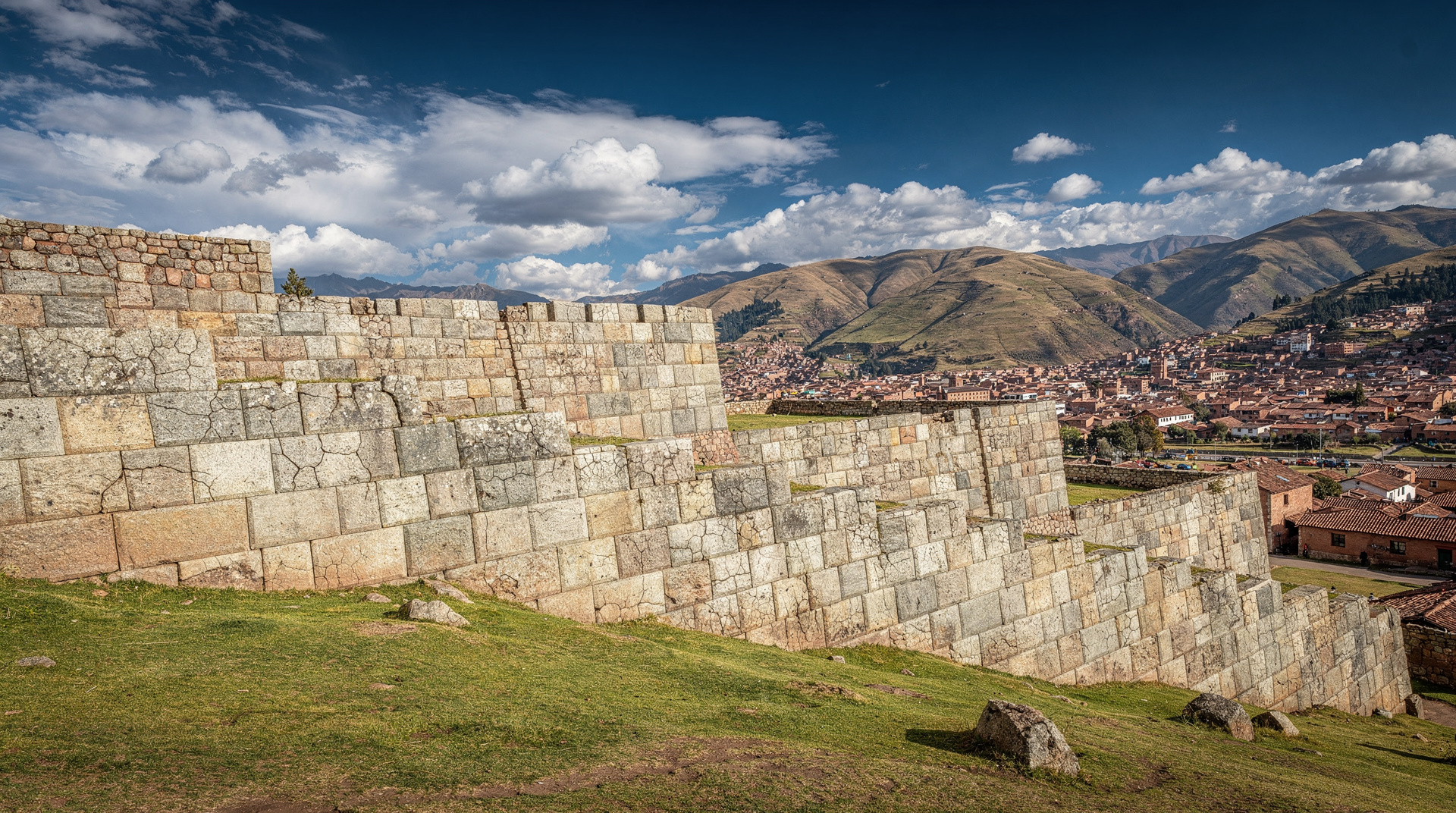
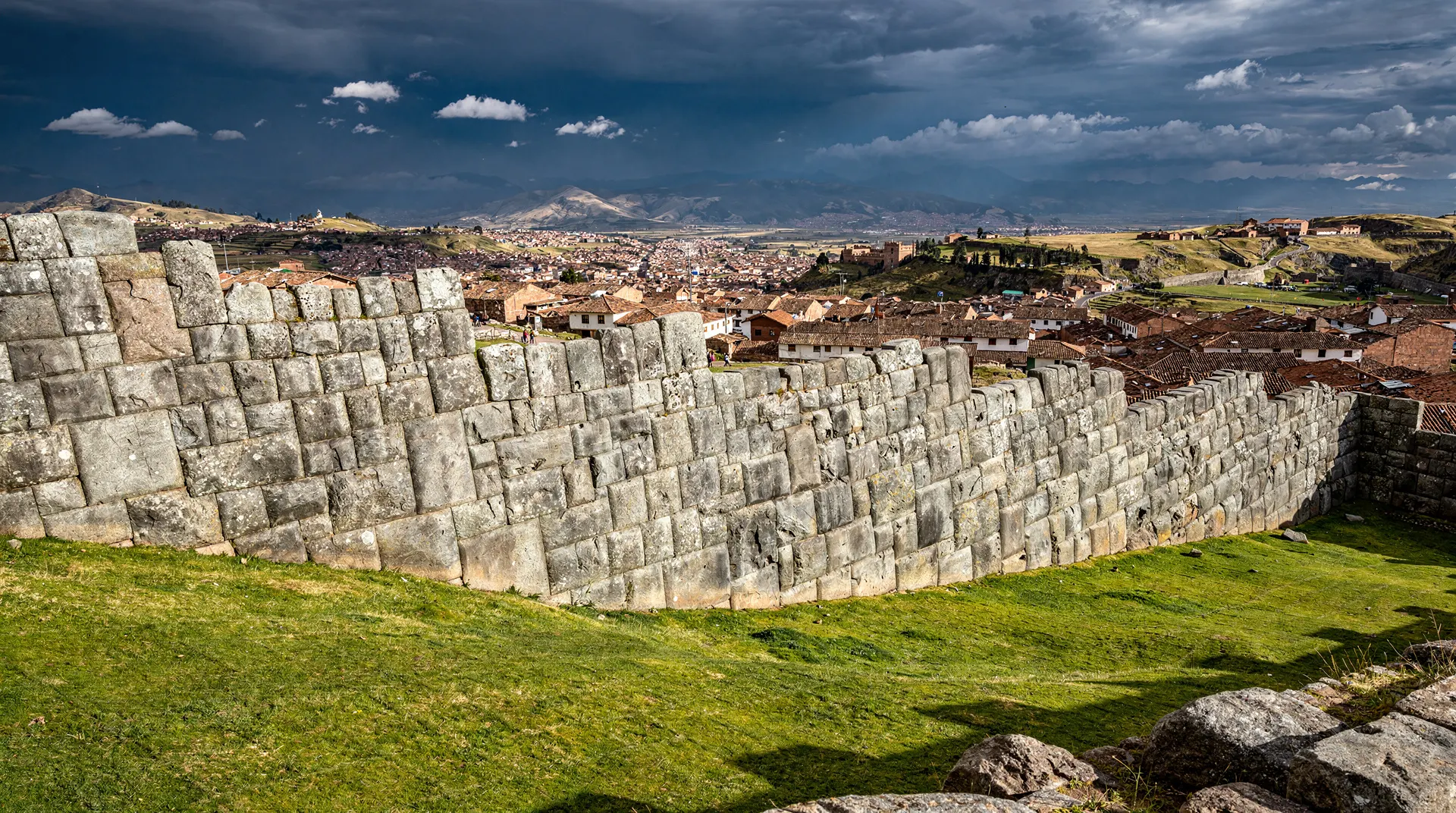
Sacsayhuamán sits 300 m above Cusco on a hill overlooking the city, and its three zig-zagging terraces of limestone blocks are among the most arresting things you will see in Peru. The largest individual stones weigh an estimated 125 tonnes — roughly the weight of twelve double-decker buses — and they were quarried, transported, and fitted without metal tools, wheeled vehicles, or mortar. Spanish chroniclers who saw the site intact in the sixteenth century refused to believe indigenous Peruvians had built it at all, which tells you more about the chroniclers’ prejudices than about the Inca achievement.
Sacsayhuamán is the most dramatic site covered by the Boleto Turístico and the most compelling argument for spending at least a morning on the ruins circuit rather than staying within the city. At 3,700 m, it also sits 300 m higher than the city centre, which means the altitude effects are more pronounced and the effort of climbing the terraces is real. Go prepared.
| Where | 2.5 km north of the Plaza de Armas, above Cusco |
| Cost | Covered by the Boleto Turístico (around S/130 full circuit) |
| Time needed | 1.5–2 hours independently, similar with a guide but far richer |
| Getting there | Taxi (~S/10–15), guided tour, or a steep 30–45 min walk |
| Best time | Clear mornings, day two or three in Cusco for altitude |
The site in context
The construction is thought to have begun under the Inca Pachacuti in the mid-fifteenth century and continued under successive rulers for approximately 70 years. At its completion, the complex functioned as a ceremonial centre, a military garrison, and a storage facility — the “fortress” label applied by Spanish and later commentators reflects one function without capturing the others.
The three terraced walls run roughly east to west across the hillside, with each tier rising above the last. The largest stones are in the lowest terrace and become progressively smaller higher up — not because the builders ran out of ambition, but because the engineering logic demanded the heaviest anchoring at the base. The perimeter of the walls runs to approximately 360 m and the original complex covered a significantly larger area than what survives today.
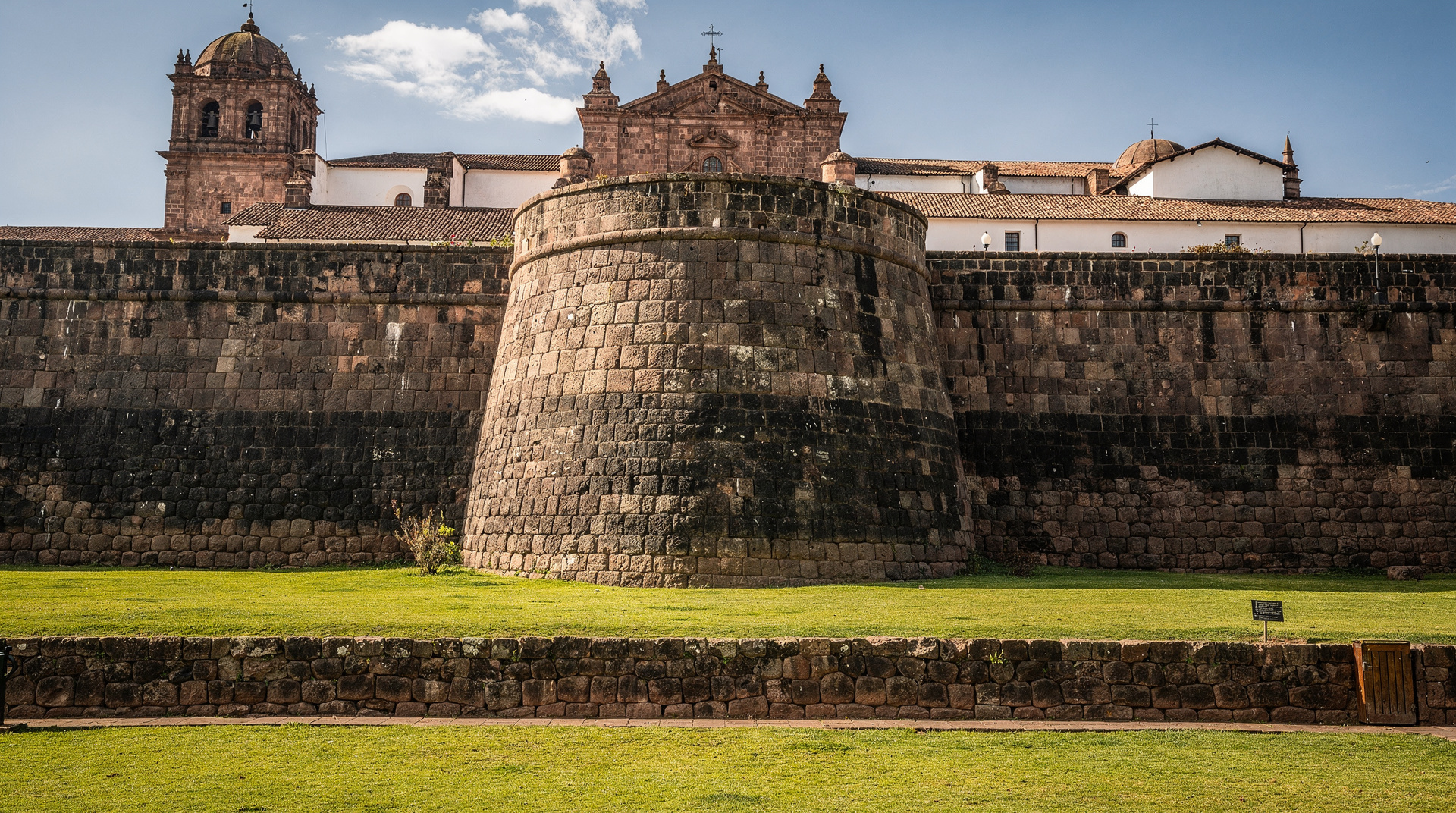
The Spanish dismantled substantial sections of Sacsayhuamán after the conquest, carting the smaller stones downhill to build Cusco’s colonial churches and private houses. The large base stones were too heavy to move efficiently and were left in place. What you see today is, in the most literal sense, what could not be stolen.
For a thorough understanding of how Sacsayhuamán fits into the broader story of Inca expansion and administration, the Inca Empire guide for travellers provides context that most site visits alone cannot deliver.
Walking the terraces
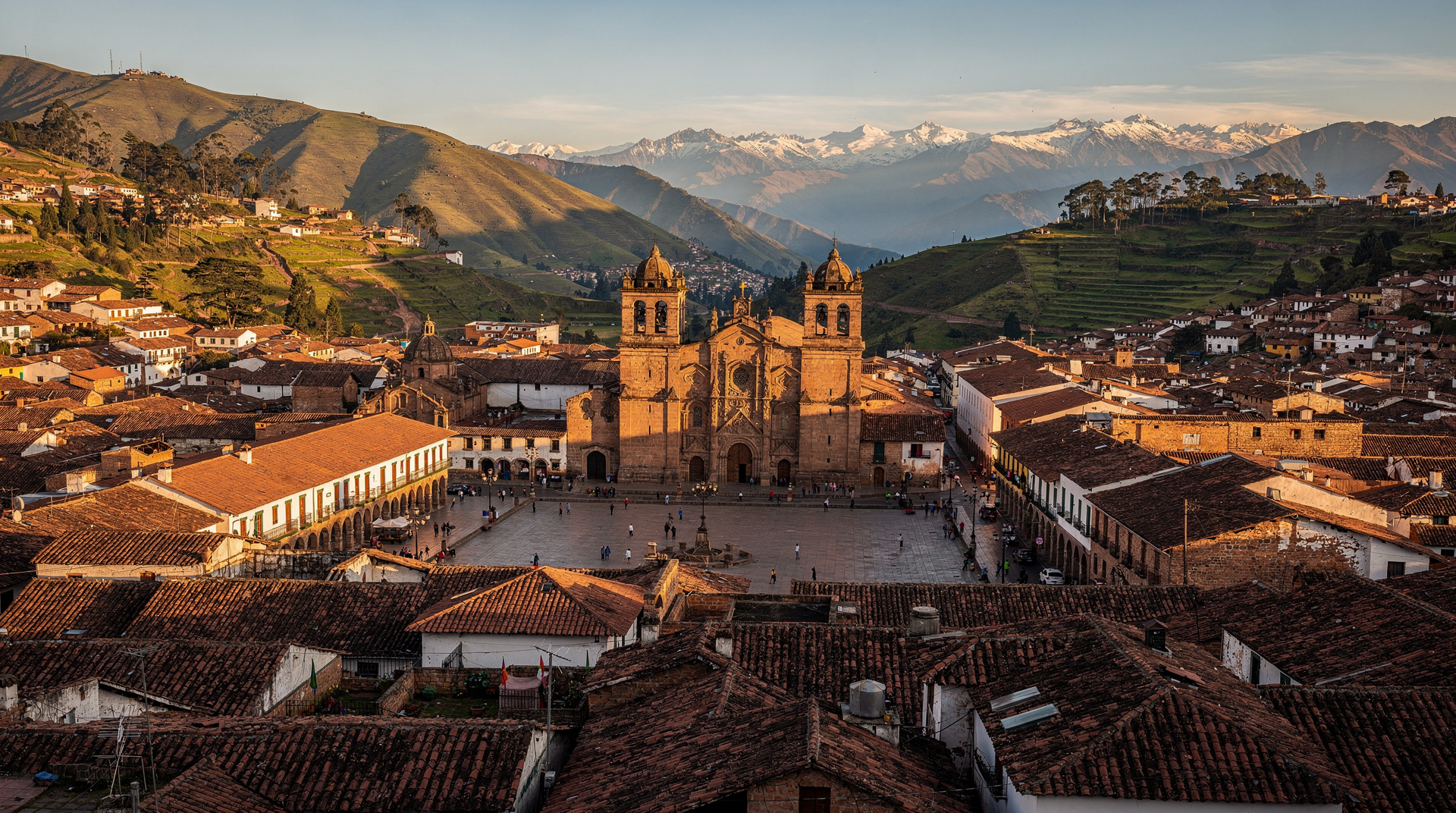
Visiting independently is straightforward once you have the Boleto Turístico (S/130 for the full circuit). The site is open daily from 7 am to 6 pm. From the entrance, a path climbs to the top of the uppermost terrace, which offers the best panoramic view of Cusco spread in the valley below. The city’s cathedral towers and the tile rooflines are visible with clarity on clear mornings; in the rainy season, morning mist in the valley can be equally spectacular, if less photographically convenient.
The open esplanade in front of the walls — the Esplanada de Rodadero — is where the Inti Raymi festival is staged on 24 June each year. On that date, the site is closed to standard Boleto Turístico holders during the ceremony; tickets for the theatrical event itself are sold separately and cost substantially more.
Allow 1.5 to 2 hours on site if you are walking independently and reading the interpretive signs. A guided visit takes roughly the same time but delivers considerably more information. The full guide to Sacsayhuamán goes into the construction techniques, the three wall names, and the best photography positions in detail.
Why a guide makes a difference here
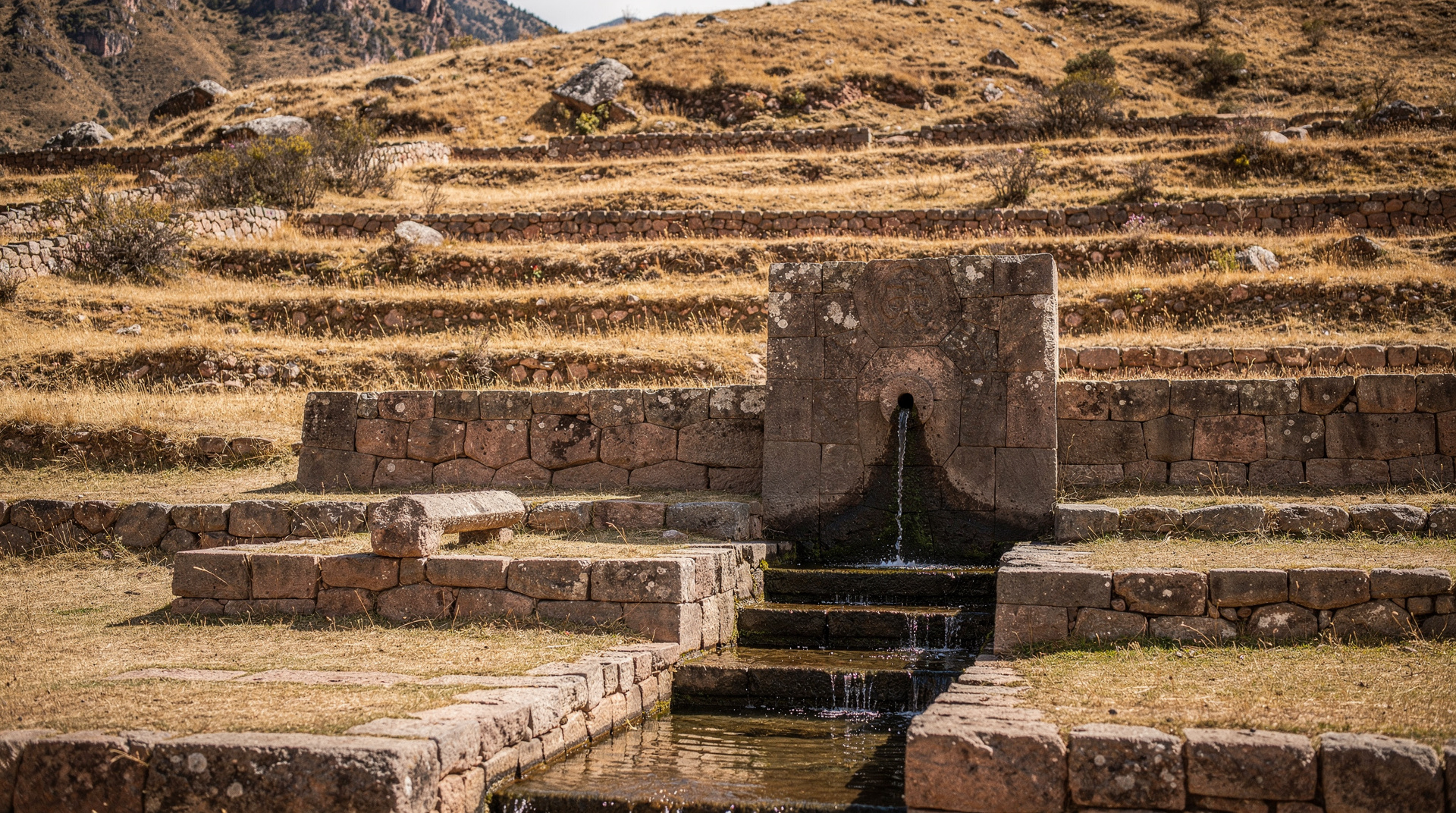
The scale of Sacsayhuamán is immediately apparent to any visitor. What is less apparent without background knowledge: the astronomical alignments of the walls, the function of the carved rock features (thrones, water channels, slides) on the Rodadero, the difference between Inca polygonal masonry and the more regularly coursed ashlar found at Qorikancha, and the extent of what was destroyed.
A half-day guided city tour typically covers Sacsayhuamán along with Q’enqo, Puca Pucará and Tambomachay — all four sites on a single morning with transport included. A guide who explains the astronomical significance of the towers that once stood on the esplanade (demolished by the Spanish, foundations still visible) transforms what could be a pleasant walk among large stones into a comprehensible story about engineering, religion, and empire. The difference in understanding between a guided and unguided visit here is larger than at most sites.
For a tour that specifically focuses on Sacsayhuamán alongside Qorikancha — connecting the most important outlying site with the most important in-city site — a city tour centred on Qorikancha often includes Sacsayhuamán as part of the full-day version.
Sacsayhuamán versus the rest of the ruins circuit
| Site | Focus | Time on site | Crowds |
|---|---|---|---|
| Sacsayhuamán | Scale, engineering, panoramic views | 1.5–2 hrs | Busiest of the four |
| Q’enqo, Tambomachay & Puca Pukara | Ritual carving, sacred water channels, garrison | Half day combined | Noticeably quieter |
| Qorikancha | Religious meaning, colonial contrast | 1–1.5 hrs | Moderate, in-city |
Most visitors do all four ruins-circuit sites (Sacsayhuamán plus the three smaller ones) in a single half-day tour, since they sit along the same road out of the city.
Getting there
Sacsayhuamán is roughly 2.5 km from the Plaza de Armas, reachable on foot in 30–45 minutes by a path that climbs steeply through residential streets north of the city. The walk itself is worthwhile — it passes through a neighbourhood that most tour groups bypass entirely, with views of the city improving steadily as you gain height. On day one in Cusco, however, the climb at altitude is demanding enough that taking a taxi or joining a guided tour with transport is the more sensible default.
Taxis from the Plaza de Armas cost approximately S/10–15 one way; the return trip by taxi is similarly simple to arrange with a driver waiting at the site entrance. Some visitors combine an uphill taxi with a downhill walk back through the Sacsayhuamán neighbourhood to the San Blas quarter, which makes for a pleasant two-hour descent through lanes that are rarely on tourist itineraries.
Altitude: a practical note
Sacsayhuamán is 300 m higher than central Cusco. If you are already managing symptoms at 3,400 m — the standard altitude acclimatisation issues of headache or shortness of breath — the extra elevation will be noticeable. Schedule this visit for your second or third day in Cusco rather than your first. Drink water, move at a pace that keeps your breathing steady, and rest at the top of each terrace before continuing upward. The site’s open esplanade provides shade in the Cusco winter (June–August); in the shoulder months the midday sun at altitude burns quickly even in apparent cloud cover — bring sunscreen and a hat.
The site has a small café at the entrance selling water and snacks at reasonable prices. Do not rely on buying water inside the site itself.
Combining Sacsayhuamán with the ruins circuit
Sacsayhuamán is the most dramatic single site on the outlying ruins circuit, but the three associated sites — Q’enqo, Puca Pucará and Tambomachay — complete the picture of Inca sacred geography around the city. All four are covered by the full Boleto Turístico and are typically visited in a single half-day, usually in the order: Sacsayhuamán first, then continuing by taxi or tour vehicle to Q’enqo, Puca Pucará and Tambomachay before returning to Cusco.
The 4-day Cusco and Machu Picchu itinerary places the ruins circuit on day three, after two days in the city proper. This is the sequence that makes most logistical and physiological sense — arriving acclimatised, with a working knowledge of Inca history from Qorikancha and the historic centre already under your belt, makes the outlying sites easier to interpret.
What honest visitors say
The most common post-visit reaction from travellers who approached Sacsayhuamán with genuine curiosity rather than checklist efficiency is that the scale only becomes fully apparent about twenty minutes in, once you have walked the length of the walls and turned back to look at them from the esplanade. The photographs taken from directly in front of the walls do not communicate the horizontal extent of the zigzag terraces; standing on the esplanade and looking back does.
The second most common observation is that Sacsayhuamán is significantly better on a second visit, for the straightforward reason that you arrive the first time knowing almost nothing and leave knowing just enough to want to look again. If you have more than three days in Cusco and are seriously interested in Inca history, visiting twice — once at the start of your stay for the overall impression, once later when you have read the Sacsayhuamán guide and spent time at Qorikancha — is not at all an extravagant use of time.
The Inti Raymi festival on 24 June, staged at Sacsayhuamán each year, is theatrical rather than authentically ceremonial — it was reconstructed in 1944 and is now a costumed pageant with professional actors and an audience of thousands. It is colourful and entertaining on its own terms, but the site itself, seen without the theatre, is the more powerful experience. If your visit coincides with Inti Raymi week, expect higher prices, sold-out accommodation, and a very different version of Sacsayhuamán from the one described in this guide. Book everything several months in advance if travelling in late June — see the Inti Raymi festival guide for planning specifics.
Frequently asked questions about Sacsayhuamán
Is Sacsayhuamán worth it if I’ve already booked the ruins circuit tour? Yes — it’s typically the first and most dramatic stop on that circuit, not a separate excursion. If your half-day tour already includes Sacsayhuamán, Q’enqo, Puca Pucará and Tambomachay, you’re covered; there’s no need to book it separately.
Can I combine Sacsayhuamán with Qorikancha in one day? Yes, and many visitors do — Sacsayhuamán in the morning while energy and light are best, Qorikancha in the historic centre afterwards. The 4-day Cusco and Machu Picchu itinerary sequences exactly this combination.
Top experiences
Bookable activities with verified prices and instant confirmation on GetYourGuide.