Qorikancha
Visit Qorikancha, the Inca Empire's most sacred temple. Honest guide to the golden walls, the convent on top and whether it's worth your time.
City Tour in Cusco: Qorikancha and Sacsayhuaman
Quick facts
- Country
- Peru
- Altitude
- 3,400 m / 11,150 ft
- Currency
- Peruvian sol (S/) — USD widely used
- Best for
- Inca architecture, colonial history, religious contrast, photography
The place the Spanish couldn’t fully erase
Qorikancha — in Quechua, “golden enclosure” — was the most important temple in the Inca Empire. When the Spanish arrived in Cusco in 1533, they found a complex whose interior walls were lined with over 700 sheets of solid gold, each weighing approximately 2 kg. There was a golden sun disc in the principal chamber that caught the light at specific times of year. There were life-sized golden llamas in the gardens. There was a garden of golden maize plants with golden ears of corn. Francisco Pizarro’s forces stripped all of it within weeks.
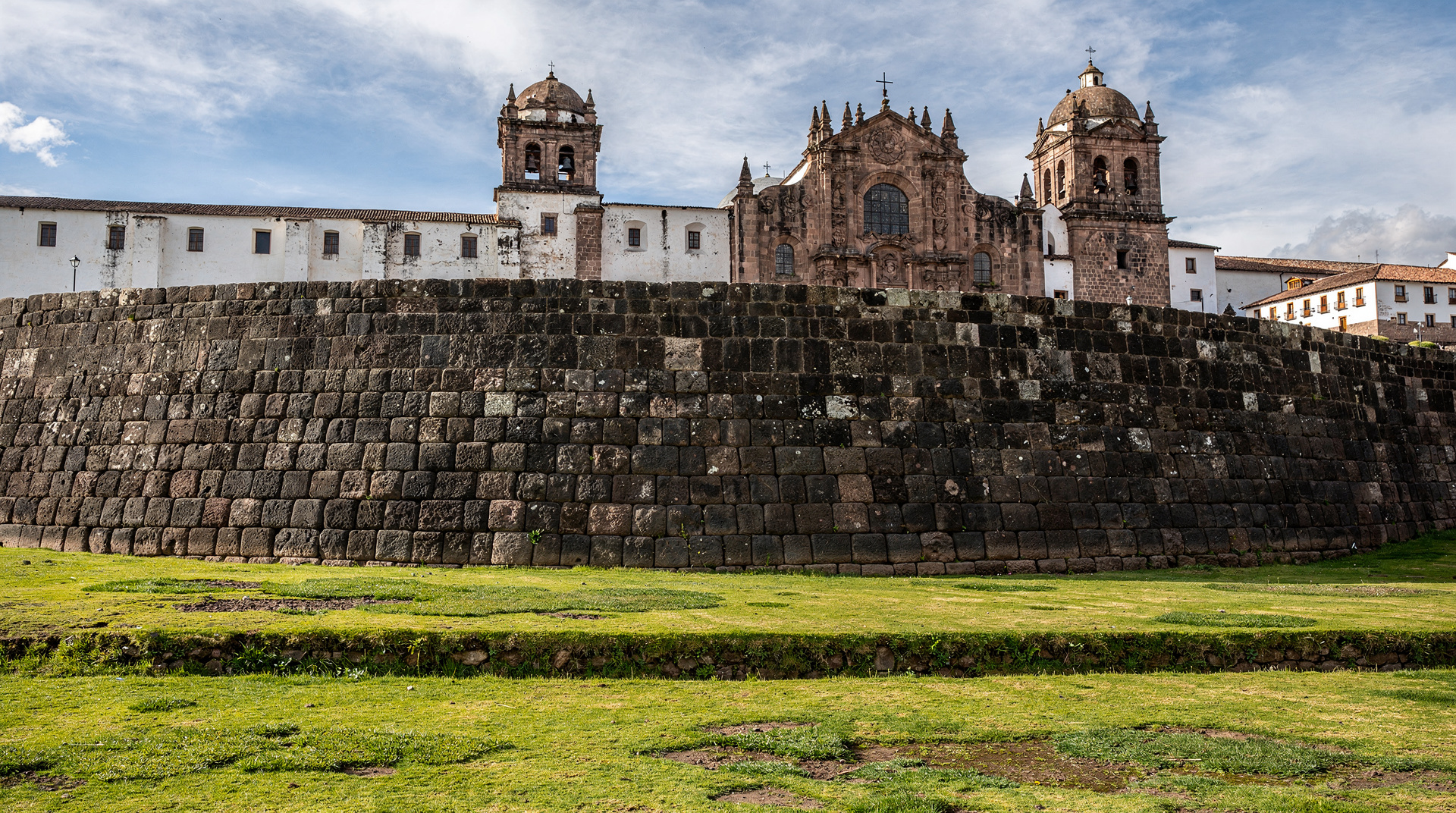
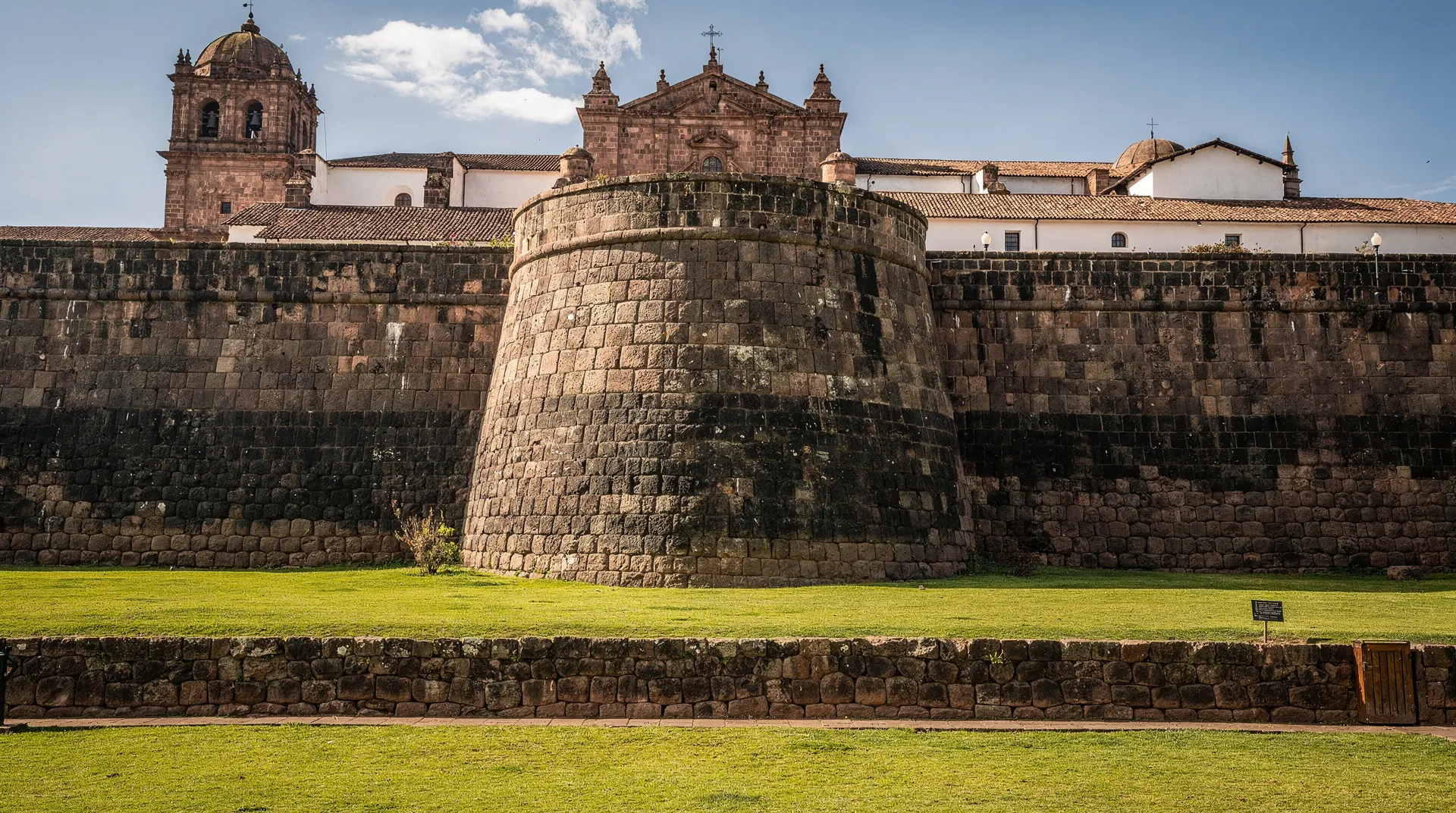
What the Spanish could not easily remove were the walls themselves. Inca stonework — the curved, perfectly interlocking, mortar-free masonry that defines the Qorikancha enclosures — proved resistant to Spanish dismantling efforts. So they built the Convent of Santo Domingo directly on top of the temple, constructing colonial walls on Inca foundations, roofing over Inca chambers, and incorporating the curved outer perimeter of Qorikancha into the base of their own building. This is what you visit today: two architectural systems occupying the same ground, one built on the ruins of the other, neither fully obscuring what came before.
The effect is the most honest illustration of the conquest available anywhere in Cusco.
| Where | Avenida El Sol, historic centre, ~8 min walk from Plaza de Armas |
| Cost | Check the official Qorikancha website for current prices |
| Time needed | 1–1.5 hours for the site itself, 2–3 hours combined with nearby streets |
| Getting there | Walkable from anywhere in central Cusco |
| Best time | Weekday mornings, shortly after the 9 am opening, to avoid tour-group waves |
What survives and what to look for
Entry prices and opening hours are not something we can confirm from an official source, so check the official Qorikancha website before you go. If you hold a Boleto Turístico, see the guide for what it includes. See the full guide to Qorikancha for more visit details.
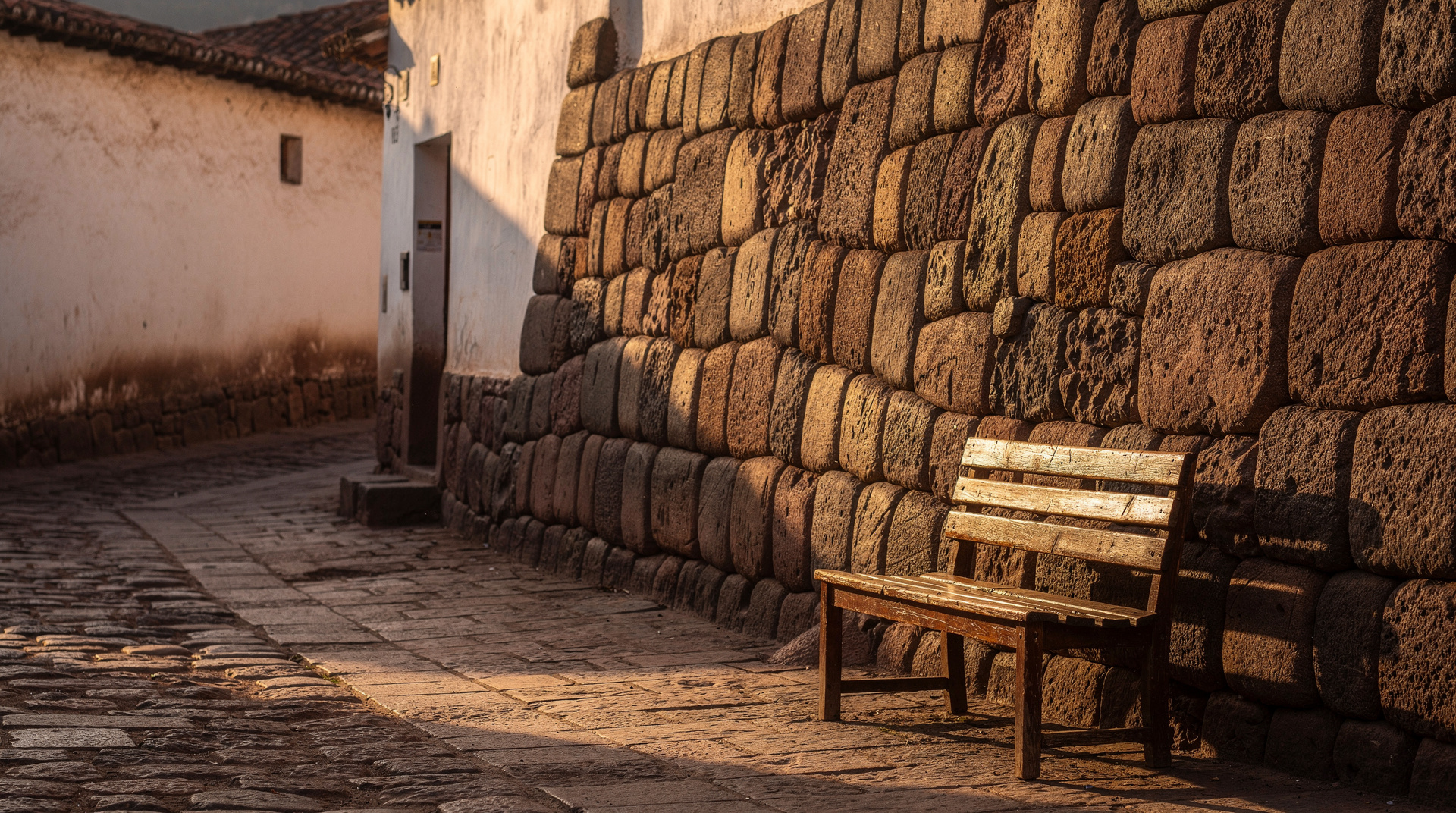
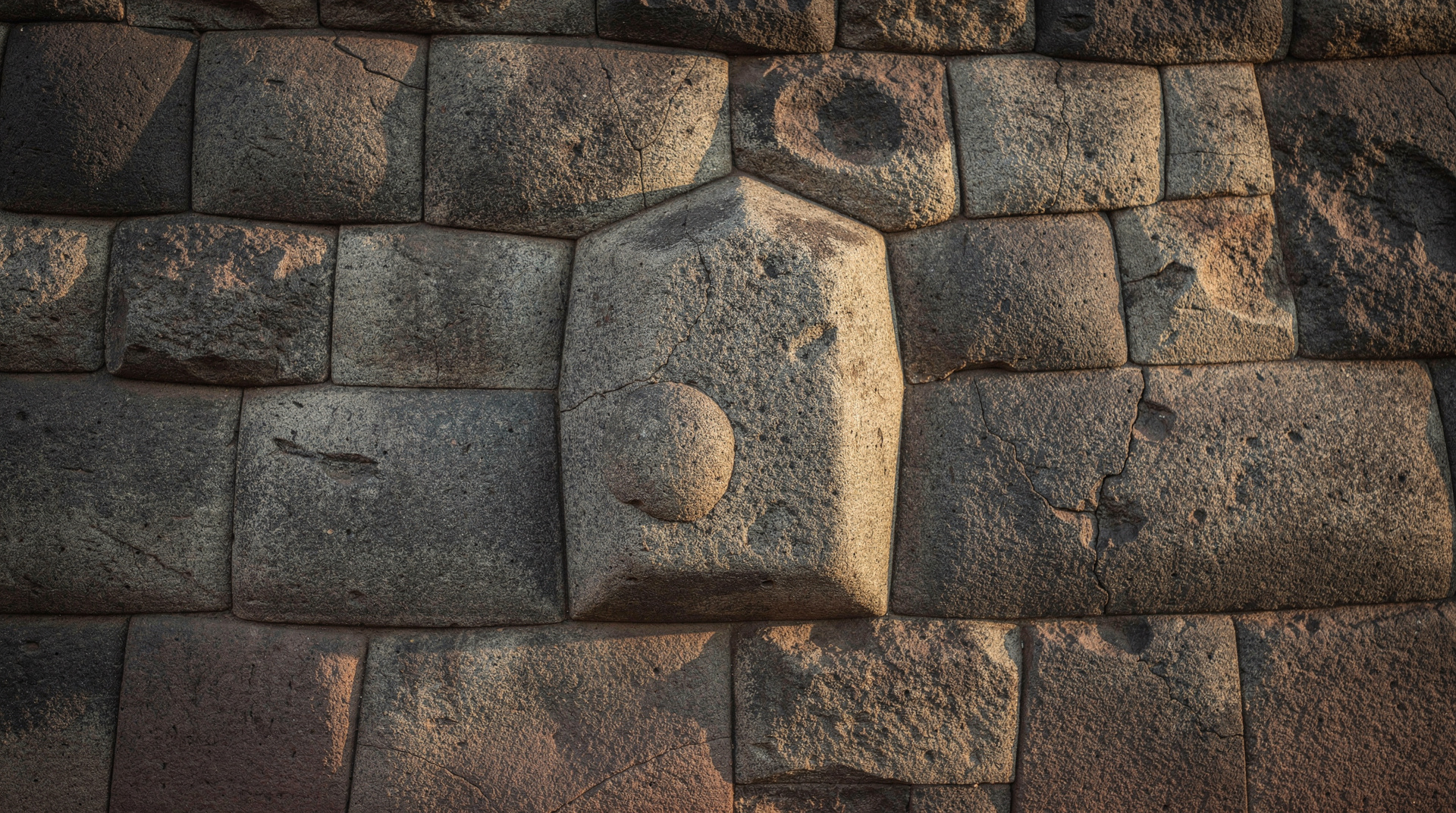
The curved outer retaining wall on Avenida El Sol is visible from the street without admission and is worth examining before you enter. This is the base wall of the original Sun Temple, and the precision of the stonework — joints so tight that a credit card cannot be inserted between blocks — is apparent at pavement level. This is the same technique you see at Sacsayhuamán in the wall base, but here the blocks are smaller and more finely finished.
Inside, the most significant surviving spaces are the six chambers arranged around the central courtyard. These were the ceremonial rooms dedicated to the Sun (Inti), the Moon (Mama Quilla), Venus, Lightning, the Rainbow, and the Pleiades — each celestial body having its own dedicated space in Inca religious practice. The chambers retain their trapezoidal doorways and niched walls (niches held golden idols before 1533), and the Inca stonework is undamaged at floor and lower wall level. Above the Inca stonework, the Spanish colonial construction continues in adobe and whitewashed plaster.
A 1950 earthquake in Cusco caused significant damage to the colonial sections of the convent while the Inca foundations held without movement. The earthquake is the reason you can see the stratigraphic layers so clearly: post-earthquake reconstruction exposed Inca walls that had been plastered over for four centuries.
The religious and cosmological significance
Understanding what Qorikancha was makes the visit considerably richer than the stones alone can communicate. It was not merely a temple in the sense of a building for worship. It was the conceptual centre of the Inca universe: the point from which 41 sacred lines (ceques) radiated outward across the landscape of the Cusco valley, connecting approximately 330 shrines. Everything in the empire was understood as oriented relative to this point.
The golden disc of the sun (Punchao) was not just a decorative object. It contained the ashes and dried hearts of previous Inca rulers, and it was the physical embodiment of the solar deity. When Pizarro’s forces seized Cusco, the Punchao was smuggled out of the city by Inca priests and carried north with the retreating royal court to Vilcabamba. It has never been recovered.
The guide to the Inca Empire for travellers explains the ceque system and the cosmological framework in terms accessible to visitors without archaeology backgrounds, and reading it before visiting Qorikancha significantly improves what you notice on the ground.
Visiting with a guide versus independently
The site has interpretive panels in Spanish and English, and independent visits are perfectly feasible. The panels cover the basics of construction technique, site history, and the post-conquest conversion. They do not cover the ceque system, the astronomical functions of the six chambers, the post-1950 excavation history, or the debate among archaeologists about what sections of the complex remain unexcavated beneath the convent.
A city tour focused on Qorikancha runs half a day and typically pairs the temple with related colonial sites in the historic centre — the Cathedral, Hatunrumiyoc, and often San Blas. This combination gives you the full arc from Inca sacred centre through the colonial transformation to the artisan neighbourhood that developed in the post-conquest city.
A half-day city tour covering the outlying ruins circuit often includes a shorter stop at Qorikancha as part of a broader Cusco introduction. If you plan to devote serious time to Qorikancha specifically, the dedicated tour covering it in depth is the better option.
Qorikancha versus Cusco’s other Inca stonework
Qorikancha is one of three Inca sites most first-time visitors weigh against each other for a limited amount of time in the city. Here’s how they compare:
| Site | Distance from Plaza | Time needed | Best for |
|---|---|---|---|
| Qorikancha | 8 min walk | 1–1.5 hrs | Finest stonework, colonial contrast, indoor on rainy days |
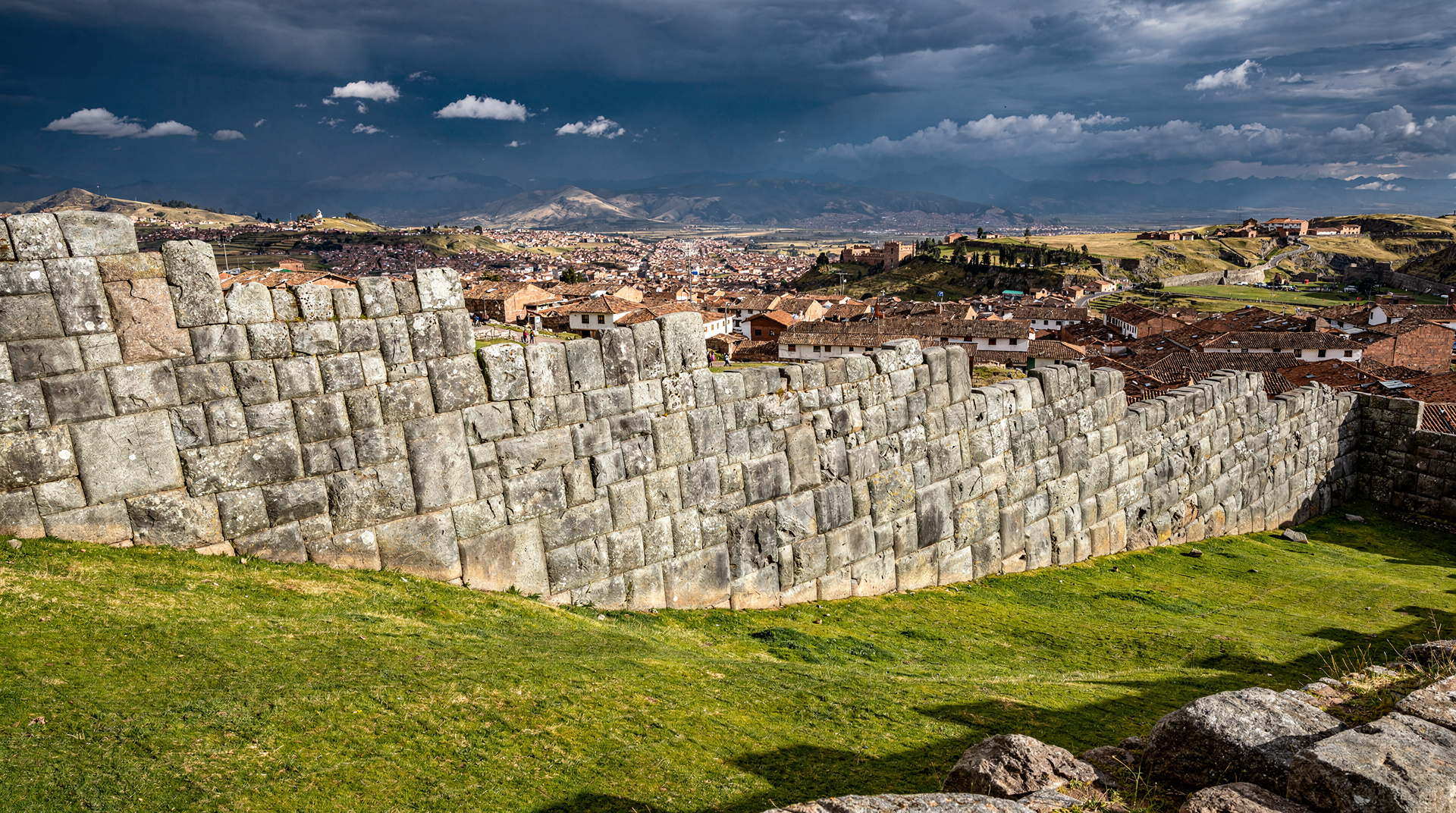
| Sacsayhuamán | 20 min walk or short taxi | 1.5–2 hrs | Scale, zigzag ramparts, views over Cusco |
| Tambomachay, Q’enqo & Puka Pukara | Taxi/tour, ~20–30 min | Half day combined | Water ceremonies, ritual carving, quieter crowds |
If you only have time for one, Qorikancha rewards visitors most interested in the religious and cosmological side of the empire, while Sacsayhuamán suits those who want scale and open-air ramparts. Many visitors combine Qorikancha with a walk up to San Blas in the same morning, since both sit within the compact historic centre.
Combining Qorikancha with other city sites
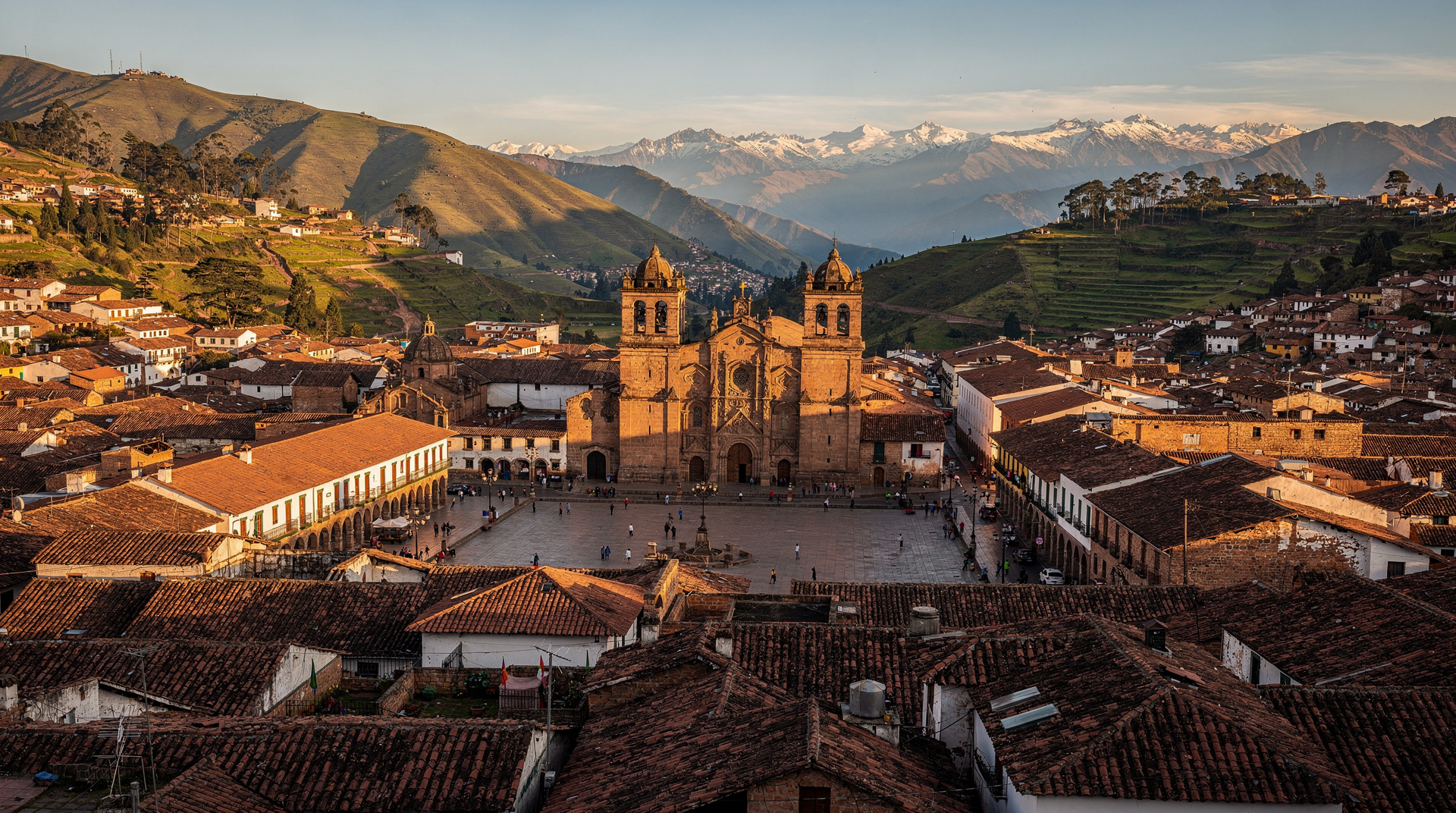
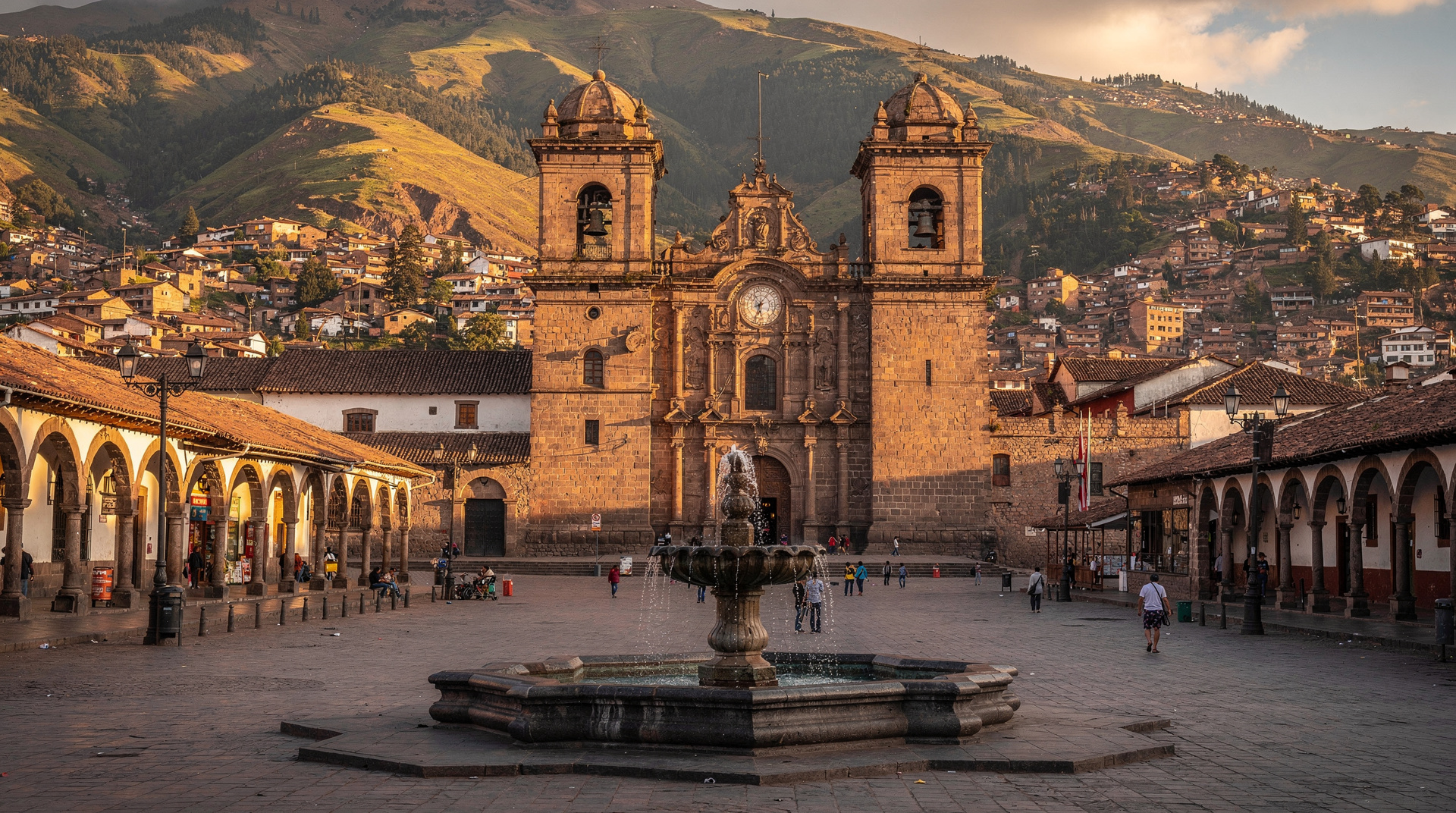
Qorikancha is on Avenida El Sol, roughly eight minutes on foot from the Plaza de Armas. It fits naturally into a morning circuit of the historic centre: start at the Cathedral and walk south along the colonial streets to Qorikancha, then continue up into the San Blas neighbourhood in the afternoon.
The connection between Qorikancha and Sacsayhuamán is thematic as much as logistical. Both sites are exercises in Inca stonework at its finest, and both were systematically looted and partially dismantled by the Spanish. Seeing them together on the same day — Qorikancha in the morning, Sacsayhuamán by taxi in the afternoon — produces the most complete available picture of what the Inca built in the Cusco valley.
The 4-day itinerary for Cusco and Machu Picchu slots this combination into day two: historic centre and Qorikancha in the morning, Sacsayhuamán in the afternoon, before the itinerary moves to the Sacred Valley on day three.
Practical notes
Photography is permitted throughout Qorikancha, though certain sections of the active convent areas are off-limits. The convent cloister (colonial period) is visually interesting in its own right — a contrast with the Inca spaces that is almost absurdly clear once you are standing in the courtyard. The garden area, planted with replicas of the famous golden plants, is a minor attraction that photographs better than it reads on a page.
Cusco at 3,400 m means that even a short walking itinerary between the Plaza and Qorikancha will leave most first-day visitors slightly breathless. Read the altitude sickness guide before your first morning out, and schedule Qorikancha on day two if possible. The site requires a manageable amount of walking on flat ground, making it one of the more accessible Cusco sites for travellers who find the steep cobblestones of San Blas or the terraces of Sacsayhuamán challenging.
Keep cash available for the entrance fee, as card readers at the ticket booth are occasionally offline. The surrounding streets have ATMs on Avenida El Sol within a two-minute walk.
What Qorikancha tells you that no other site does
The standard narrative of the Spanish conquest of Peru focuses on military superiority, disease, and political fragmentation among the Inca themselves. Qorikancha adds a fourth dimension: the deliberate, systematic destruction of the material and spiritual centre of the Inca world. Stripping the gold from these walls was not just looting. It was the erasure of a cosmological system — the physical embodiment of solar religion, royal lineage, and imperial authority — carried out in the space of a few weeks.
Walking through the six chambers today, looking at the trapezoidal niches where the golden idols once stood, understanding that the Punchao — the most sacred object in the Inca world — was carried into the jungle and has never been found, gives the visit a weight that goes beyond admiring good stonework. Qorikancha is where the Inca Empire effectively ended, spiritually speaking, before the military conquest had even concluded.
This is also why the historic centre of Cusco makes most sense after Qorikancha rather than before it. The Cathedral built on Inca foundations, the colonial streets following Inca street plans, the churches funded by melted Inca gold — all of these read differently once you have stood in the stripped chambers of Qorikancha and understood what was taken. The Inca Empire guide provides the historical sequence that ties these sites into a coherent narrative for the trip as a whole.
Frequently asked questions about Qorikancha
Is Qorikancha worth visiting if I’ve already seen Sacsayhuamán? Yes — they show different things. Sacsayhuamán is about scale and open-air ramparts; Qorikancha is about religious meaning and the literal layering of colonial power on top of Inca sacred ground. Seeing both gives a far more complete picture than either alone.
Can I visit Qorikancha without a guide and still understand it? You can walk through independently using the interpretive panels, but the ceque system, the astronomical role of the six chambers and the fate of the Punchao aren’t covered on-site — read the Inca Empire guide beforehand or book the focused city tour to get the fuller story.
Top experiences
Bookable activities with verified prices and instant confirmation on GetYourGuide.