Cusco & Machu Picchu: 4-day itinerary
From Cusco: Machu Picchu Day Trip with Train Tickets
The classic route, done properly
Four days is the minimum that lets you see Cusco and Machu Picchu without feeling rushed or, worse, altitude-sick and exhausted. This itinerary is designed for first-time visitors arriving in Cusco and wanting to cover both the city and the citadel in a logical, acclimatisation-conscious order.
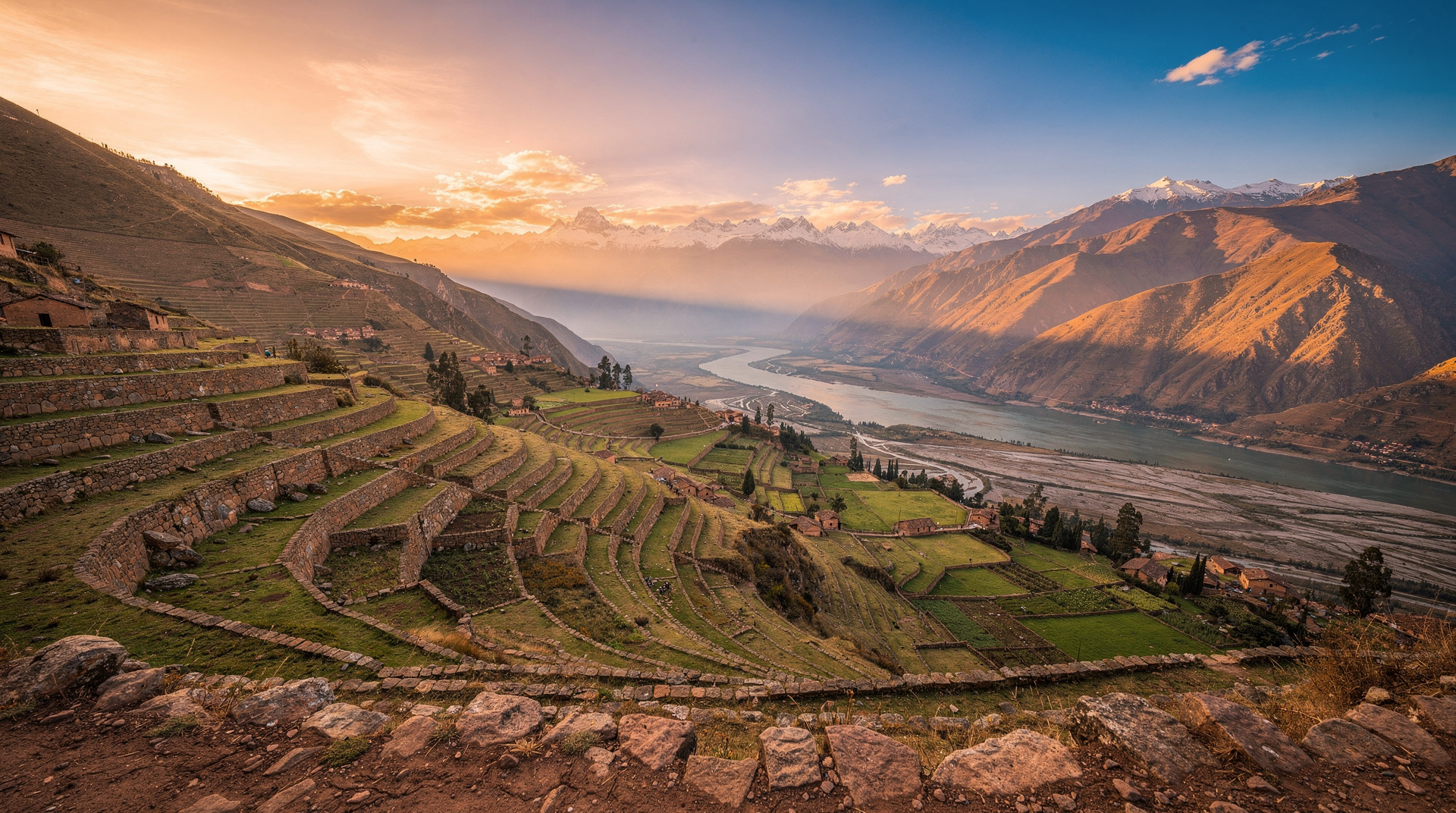
The single most important structural decision in any Cusco itinerary is where you sleep on night one. Most tourists book straight into Cusco (3,400 m) and wonder why they feel dreadful on day two. The smarter approach — and the one built into this plan — is to arrive in Cusco but push straight down into the Sacred Valley (2,800 m) for your first night. The difference of 600 metres is genuinely meaningful when you are flying in from near sea level.
This plan suits travellers with a mid-range budget (S/600–900 per person per day including accommodation, tours and meals, excluding international flights). It avoids any serious physical effort; everything here is walkable or reached by coach or train.
Before you arrive: Book your Machu Picchu entrance ticket via the official portal at tuboleto.cultura.pe at least two to three weeks in advance in high season (June–August). Choose a timed circuit — Circuit 1, 2 or 3 depending on your preference — and ensure the name on the ticket matches your passport exactly. Do not buy from any agency, WhatsApp contact or street vendor. See how to avoid fake Machu Picchu tickets if you are unsure. Book your train from Ollantaytambo to Aguas Calientes at the same time via PeruRail or Inca Rail; round trips cost roughly $60–85 USD per person depending on the service.
| Where | Sacred Valley (1 night) + Aguas Calientes (1 night) + Cusco (2 nights) |
| Cost | around $600–900 mid-range per person, excl. int’l flights |
| Time needed | 4 days minimum for Cusco + Machu Picchu together |
| Getting there | Fly into Cusco Airport (CUZ), train Ollantaytambo–Aguas Calientes |
| Best time | June–August driest, but book Machu Picchu tickets 2–3 weeks ahead |
Why four days is the honest minimum, not three
Three days sounds achievable on paper — one night in the valley, a same-day Machu Picchu dash, one night in Cusco — but it means visiting the citadel while still altitude-impaired and skipping any real time in Cusco itself. The 3-day itinerary deliberately drops Machu Picchu for exactly this reason. Four days is the point where the acclimatisation sequence, the train logistics and a proper look at the city all fit without anyone feeling rushed or unwell. If you can stretch to five days, adding Rainbow Mountain is the next logical step up.
Day 1: Arrive in Cusco — transfer to Sacred Valley
Altitude range: 2,800–3,400 m
Your flight lands at Cusco’s Alejandro Velasco Astete Airport (CUZ). Collect your bags, decline the many offers from unofficial taxi drivers in arrivals, and take one of the authorised airport taxis (S/20–30, agree the price before getting in) or use Cabify. Do not linger in Cusco today — your goal is to reach the Sacred Valley before lunch.
The standard route into the valley takes around 45 minutes by taxi or shuttle via Chinchero or via the main Urubamba road. If you have pre-booked accommodation in Ollantaytambo or Urubamba, your hotel may offer a transfer. Shared tourist shuttles between Cusco and the valley run frequently and cost around S/25–35.
Once in the valley, the afternoon is intentionally light. Walk through Ollantaytambo’s living Inca town — the street grid dates from the 15th century — and look at the terraced fortress from the main plaza without climbing it today. Eat a late lunch at one of the plaza restaurants; lomo saltado (S/25–35) or soup is the right altitude-day meal. Avoid alcohol completely on this first night.
Your sleep at 2,800 m will be measurably better than it would have been in Cusco. Drink plenty of water, try mate de coca if it’s offered, and get an early night — tomorrow’s Machu Picchu train departs before 6 a.m. from Ollantaytambo.
Where to stay: Ollantaytambo has a solid range of mid-range guesthouses (S/150–300 per night). El Albergue, directly beside the train station, is the classic choice. KB Tambo and Apu Lodge are quieter options slightly away from the plaza.
Day 2: Machu Picchu — the main event
Altitude range: 2,430 m (Aguas Calientes) — 2,430–2,700 m (citadel)
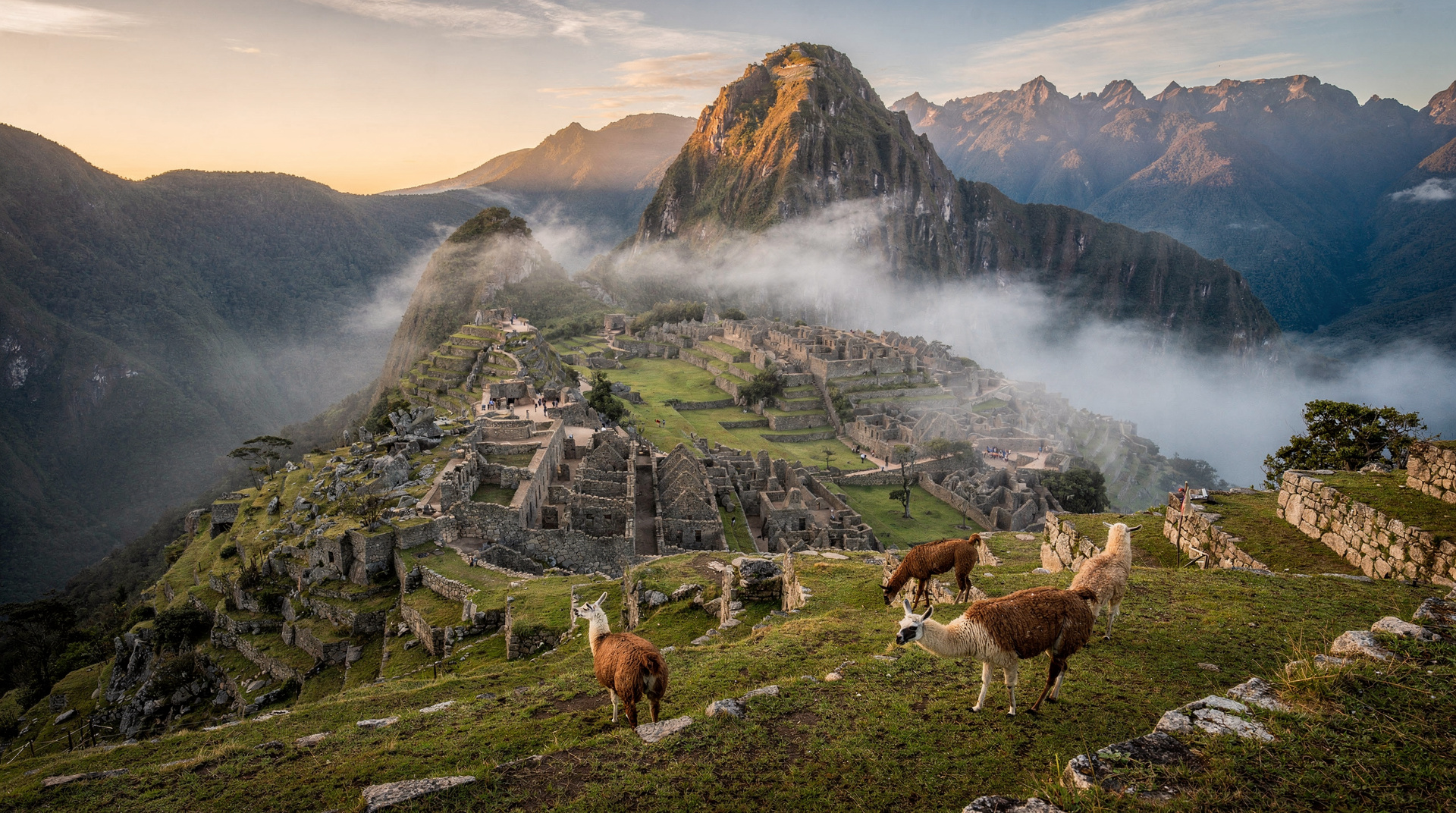
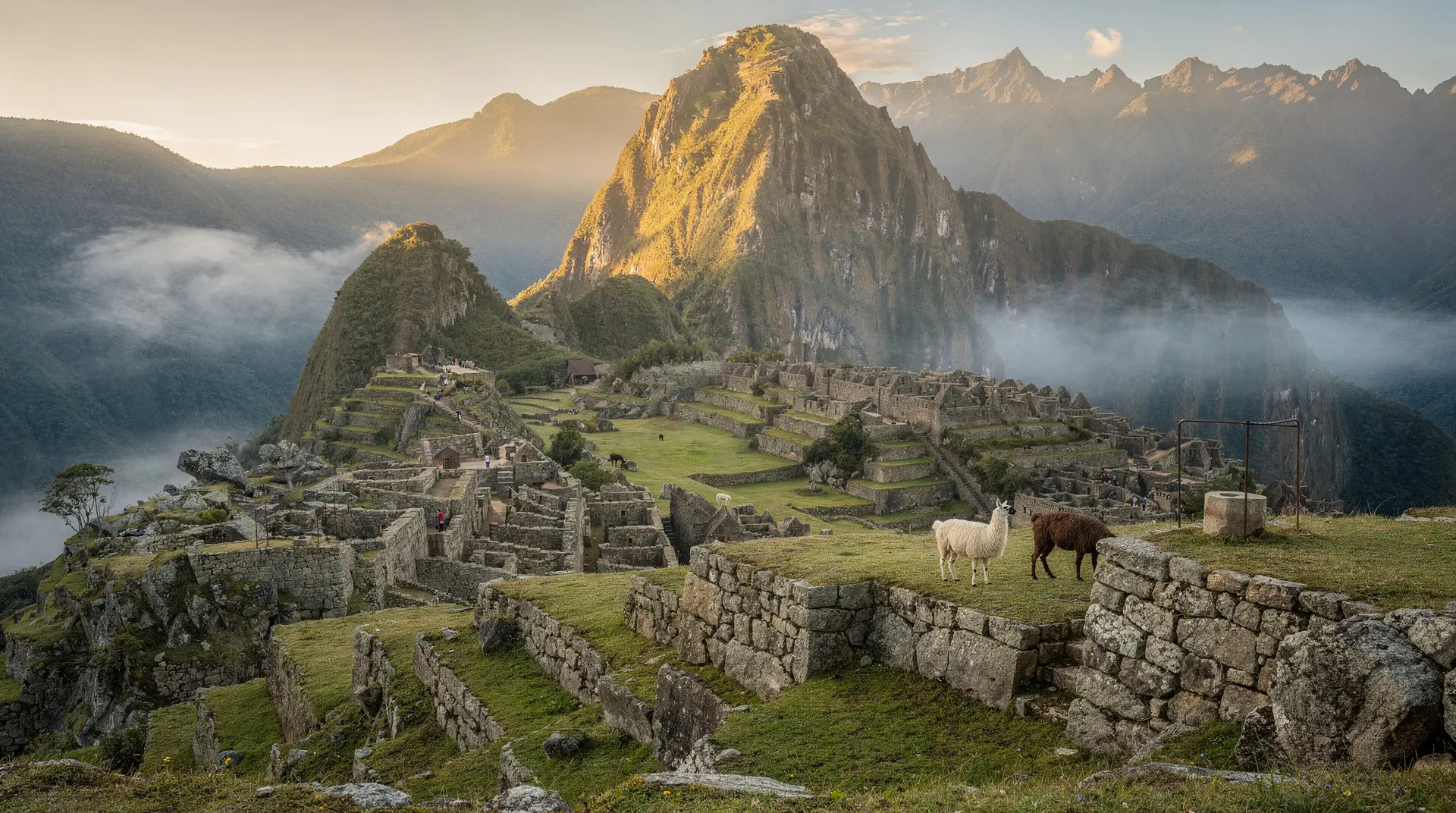
Wake by 5 a.m. It sounds painful but it is the price of the best light and the thinnest morning crowds. Your train from Ollantaytambo to Aguas Calientes (also known as Machu Picchu Pueblo) takes approximately 90 minutes through spectacular cloud-forest gorges. The train and entrance combination is the standard way to arrange the day; alternatively, book the guided experience with a bilingual guide if you want interpretation alongside your visit.
From Aguas Calientes station, the bus to the citadel gate leaves from the road behind the main market (Carretera Hiram Bingham). Buses run continuously from around 5:30 a.m. and cost $16 USD return per person. The ride takes 25–30 minutes. Walking up on the footpath (about 45 minutes, steep) is free and an option for the fit and unrushed.
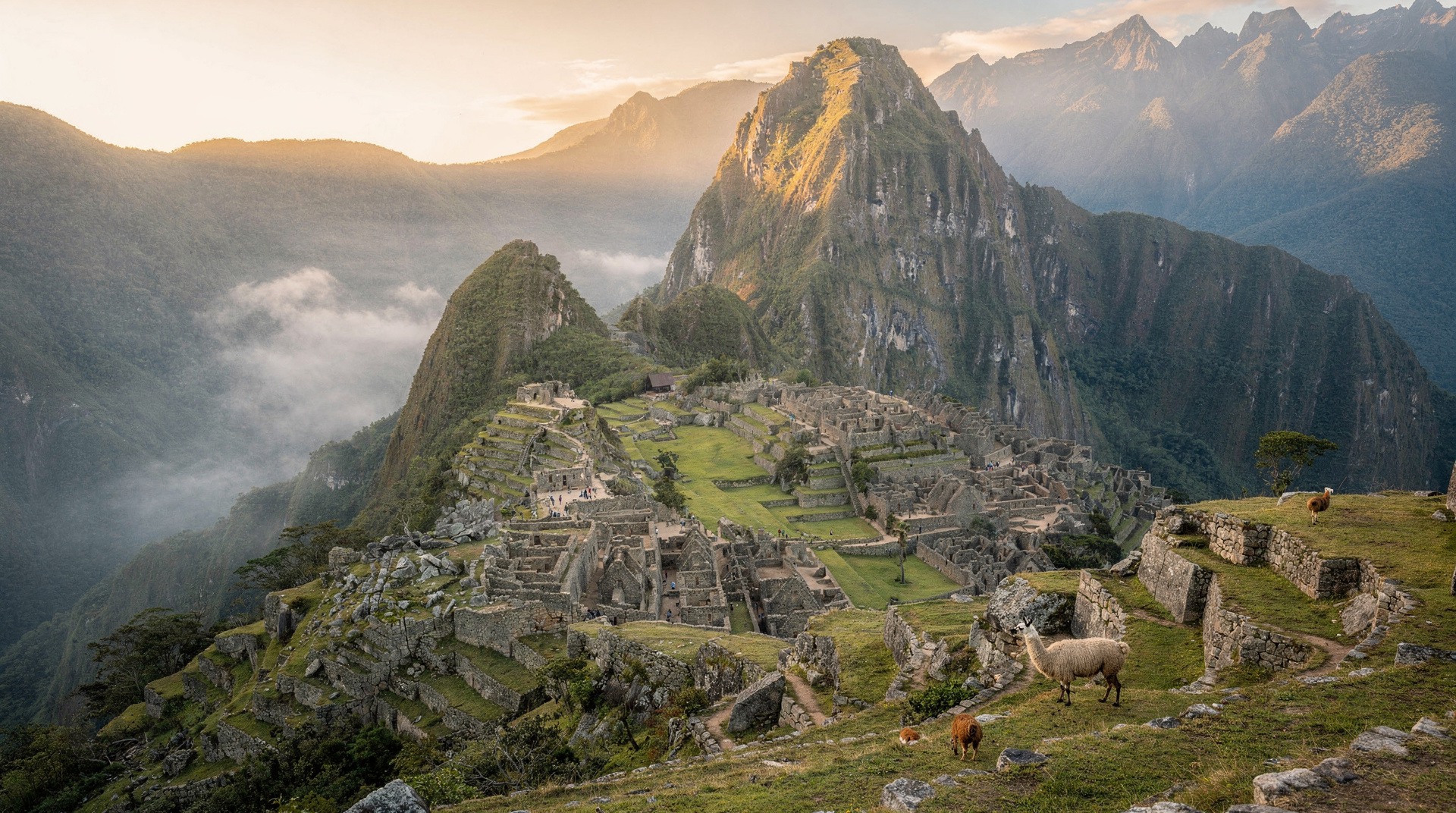
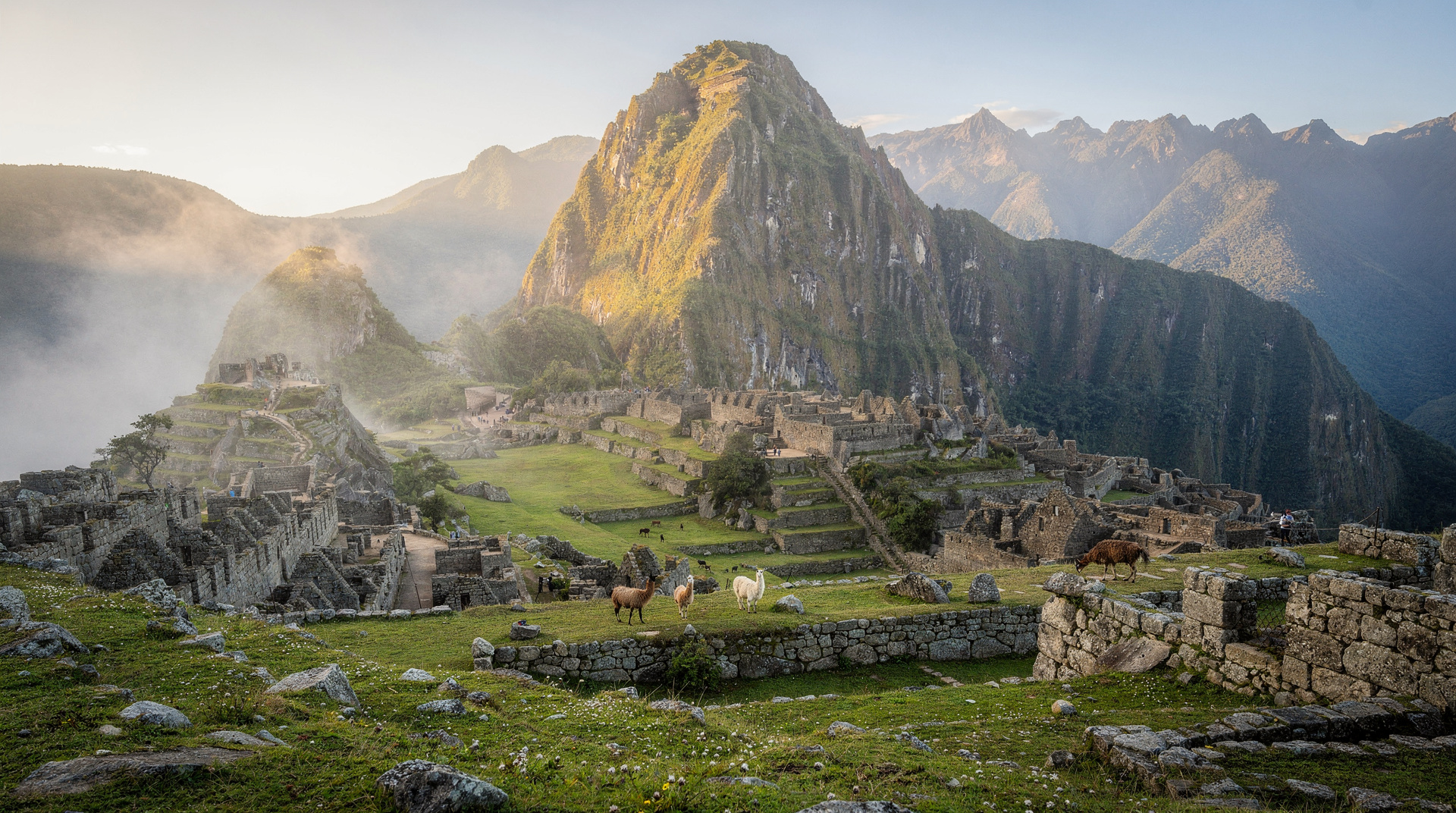
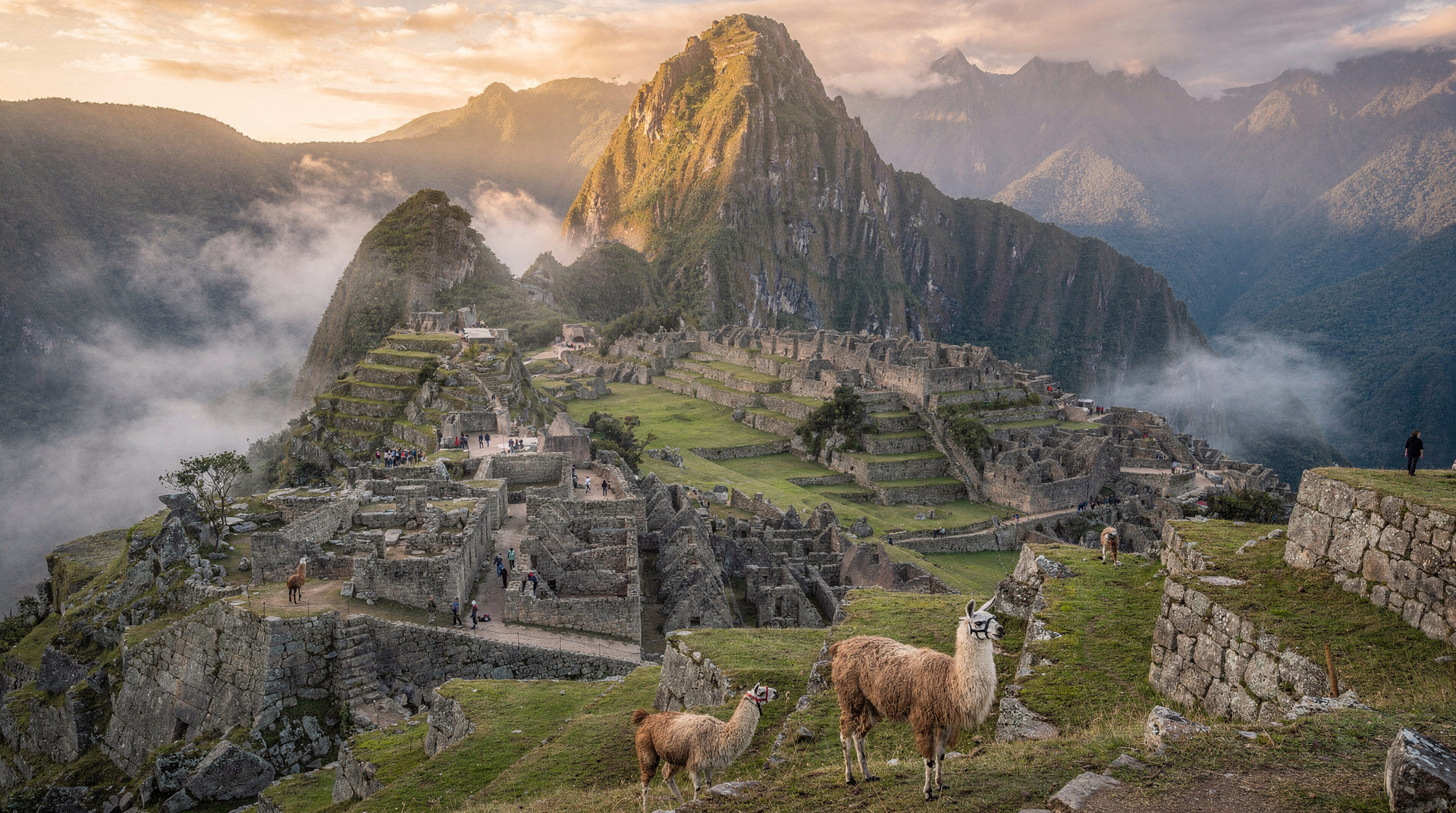
At the citadel, your timed entry ticket governs which section you begin in. There are three circuits, made up of ten routes in total. Circuit 1 (Panorámico) covers the upper parts of the site, such as the upper terrace, and does not enter the urban sector. Circuit 2 (Clásico) is the one that crosses the urban sector, with the Temple of the Sun viewpoint, the Intihuatana pyramid and the main plazas, plus the lower terrace as route 2-B. Circuit 3 (Realeza) offers another route through the urban sector. The Sun Gate (Intipunku) and Inca Bridge are routes 1-C and 1-D within Circuit 1, available in high season only. Routes 1-B, 2-A and 3-B allow a maximum stay of 2 hours 30 minutes. Check the exact routes and options on tuboleto.cultura.pe before you book.
Do not leave Aguas Calientes without lunch — the town is small but has decent restaurants around the main plaza, where set lunches run S/30–50. Return train to Ollantaytambo leaves by early-to-mid afternoon depending on your booking.
Back in Ollantaytambo by evening, have an early dinner and rest. You have done the hard day.
Day 3: Sacred Valley highlights — transfer to Cusco
Altitude range: 2,800–3,500 m
This morning belongs to the Sacred Valley. The Ollantaytambo ruins — the fortress you looked at from below on day one — deserve a proper visit. Climb the terraces for views back over the town and up to the grain stores on the cliffs opposite. The site is covered by the Boleto Turístico partial circuit (S/70) or the full pass (S/130); confirm which sites you plan to visit before buying, as individual tickets are sometimes cheaper for a single-site visit. The ruins are typically quiet in the morning.
Mid-morning, take a taxi or join a full-day Sacred Valley tour to cover Pisac and Maras-Moray. Pisac has two distinct sections: the famous Sunday, Tuesday and Thursday market (artisan goods, avoid the tourist-facing outer ring, head for the fresh produce section) and the Inca ruins above the town on the hillside, which are extensive and less visited than Ollantaytambo.
Moray’s circular agricultural terraces — concentric bowls cut into the earth — are one of the most singular Inca sites in the region and far less crowded than Machu Picchu. The salt mines of Maras are nearby: terraced pools of evaporating salt water cascading down a hillside, operating since Inca times.
By late afternoon, take a shared shuttle or taxi to Cusco (45–60 minutes). Check into your Cusco accommodation. The city will now feel more manageable because you have already spent two nights at altitude — your body has done the hard acclimatisation work. Have a calm dinner in the historic centre and turn in early.
Where to stay in Cusco: The streets around Plaza de Armas and San Blas have the highest concentration of character-filled mid-range options. Expect to pay S/200–450 per night for a decent ensuite room. Inkaterra La Casona is the top-end splurge; Casa Andina Premium and Hotel Monasterio (Marriott) sit in the luxury tier.
Day 4: Cusco city — historic centre, San Blas and Sacsayhuamán
Altitude: 3,400 m
By day four you are acclimatised and can actually enjoy Cusco on its own terms. Start at Qorikancha, the Temple of the Sun (check opening hours and admission on the official Qorikancha site). The Spanish Convent of Santo Domingo sits directly above it, and the visual contrast between the perfectly fitted Inca ashlar blocks and the colonial construction is the most eloquent statement about conquest you will find in the city. Give it 45 minutes.
Walk from Qorikancha up through the historic centre to the Plaza de Armas. The Cathedral (admission ~S/25) is worth an hour; ask about the Last Supper painting. Then continue uphill to San Blas, where the artisan workshops and narrow stone lanes reward slow wandering. The carved pulpit inside the tiny San Blas church is extraordinary.
In the afternoon, the half-day city tour covers Sacsayhuamán, Q’enqo, Puca Pucara and Tambomachay with transport and a guide. Sacsayhuamán’s three zig-zagging limestone walls, built with stones weighing up to 125 tonnes, require a guide to appreciate how they were constructed and why this shape. All four sites are covered by the Boleto Turístico.
In the evening, the San Pedro Market winds down by 6 p.m. but is worth a final pass. Cusco’s restaurant scene concentrates around the streets between Plaza de Armas and Plaza Regocijo; dinner at a mid-range spot serving contemporary Andean cuisine costs S/60–120 per person with a drink.
Before you leave: If your onward flight is early on day five, confirm whether your hotel offers an airport transfer (usually S/30–40) or arrange it the evening before through your accommodation. The airport is 10–15 minutes from the centre.
Budget guide
| Category | Low (S/) | Mid-range (S/) | High (S/) |
|---|---|---|---|
| Accommodation per night | 80–150 | 200–400 | 600+ |
| Machu Picchu ticket | 152 | 152 | 152 |
| Train (round trip) | ~$60 USD | ~$75 USD | ~$110 USD (Vistadome) |
| Aguas Calientes bus (return) | $16 USD | $16 USD | $16 USD |
| Meals per day | 60–90 | 120–200 | 300+ |
| Guided tours | 0 | 200–350 | 500+ |
A realistic mid-range spend across four days (two nights in the valley, two in Cusco) runs roughly $600–900 USD per person, not including international flights. Budget travellers who skip guided tours, eat at market stalls and use shared transport can do it for $350–450 USD.
Tips for a smooth trip
Altitude: If you have flown from near sea level, take Diamox (acetazolamide, 125 mg twice daily) starting 24 hours before arrival. It is available at Cusco pharmacies and reduces symptoms significantly. Read the full acclimatisation guide for the complete picture.
Machu Picchu crowds: Aim to be inside the citadel by 7 a.m. The first two hours are noticeably quieter. Midday is the most crowded window; if you take the first train from Ollantaytambo you will be ahead of the day-trip groups arriving later in the morning.
The Ruta del Sol bus to Puno: If you are combining this itinerary with Lake Titicaca, the tourist bus via Andahuaylillas and Raqchi is a scenic overland alternative to flying — it departs Cusco in the morning and arrives Puno in the afternoon.
Extending this trip: If four days leaves you wanting more, the natural next steps are Rainbow Mountain on a fifth day, a deeper look at the Sacred Valley on the 7-day comprehensive itinerary, or combining Cusco with Lake Titicaca on the 10-day Peru circuit if you have more time and want to see southern Peru’s other highlight.
Scam awareness: Only buy Machu Picchu entrance tickets from tuboleto.cultura.pe. Train tickets from PeruRail (perurail.com) or Inca Rail (incarail.com) only. See unlicensed tour agencies in Cusco for a broader rundown of what to watch for.
Frequently asked questions about Cusco & Machu Picchu
Is four days really enough for Cusco and Machu Picchu? Yes, if you follow the acclimatisation sequence in this itinerary — valley first, Machu Picchu on day two, city on days three and four. Trying to compress it into three days means visiting the citadel while still altitude-impaired; four is the genuine minimum for a comfortable trip.
Should I add Rainbow Mountain to this four-day plan? Only if you can extend to five days. Rainbow Mountain’s 5,200 m summit is demanding, and fitting it into an already full four-day schedule risks altitude sickness and exhaustion. The 5-day itinerary builds it in properly with an extra acclimatisation day.
Circuit choice at a glance
| Circuit | Focus | Best for |
|---|---|---|
| Circuit 1 (Panorámico) | Upper parts of the site, no urban sector; Sun Gate and Inca Bridge in high season | Photographers, first postcard view |
| Circuit 2 (Clásico) | Urban sector: Temple of the Sun viewpoint, Intihuatana, lower terrace (2-B) | Most first-time visitors |
| Circuit 3 (Realeza) | Another route through the urban sector | Travellers wanting a different route |
Top experiences
Bookable activities with verified prices and instant confirmation on GetYourGuide.