Cusco acclimatisation plan: day-by-day schedule for your first week
From Cusco: Sacred Valley of the Incas Full-Day Tour
How do I acclimatise in Cusco?
Arrive in the Sacred Valley (Ollantaytambo, ~2,800 m) for your first night if possible, then Cusco on day two. Rest completely on arrival days, drink 3–4 litres of water daily, avoid alcohol for the first 48 hours, eat lightly, and drink coca tea. Most visitors are fully functional by day three. Save strenuous treks and Rainbow Mountain for day four at the earliest.
Why your acclimatisation schedule matters more than your packing list
Most visitors to Cusco spend weeks agonising over what to pack and approximately four minutes thinking about how they will handle arriving at 3,400 m. The result is predictable: a significant proportion of travellers spend their first one to two days in Peru feeling considerably worse than they expected, and some miss planned activities entirely.
This guide gives you a practical, day-by-day acclimatisation framework. It is not overly cautious — if you follow it, you will still see everything you came to see. But it sequences activities correctly, and that sequencing is the difference between an altitude sickness story and a Cusco story.
| Where to sleep first | Sacred Valley (~2,800 m) if possible, otherwise Cusco (3,400 m) |
| Rest needed | Full rest day 1, light activity day 2, active from day 3–4 |
| Cost of remedies | Coca tea usually free at hotels; sorojchi pills around 10–15 PEN a box |
| Getting to the Sacred Valley | Taxi or shuttle from Cusco airport, around 1.5 hours |
| Best window to book treks | Day 4 onward for Rainbow Mountain; day 4–5 for the Inca Trail or Salkantay |
The core principle: ascend gradually, sleep low
Altitude acclimatisation is governed by one physiological rule: your body adapts to altitude when it has time to do so. The adaptation involves increased breathing rate, changes in blood chemistry, and ultimately higher red blood cell production. None of this happens in hours; it happens over days.
The practical implication is simple: the more gradually you ascend, and the lower you sleep while acclimatising, the easier the process. Jumping off a plane in Cusco and immediately heading to Sacsayhuamán (already uphill from the city) is the fastest route to a miserable first day.
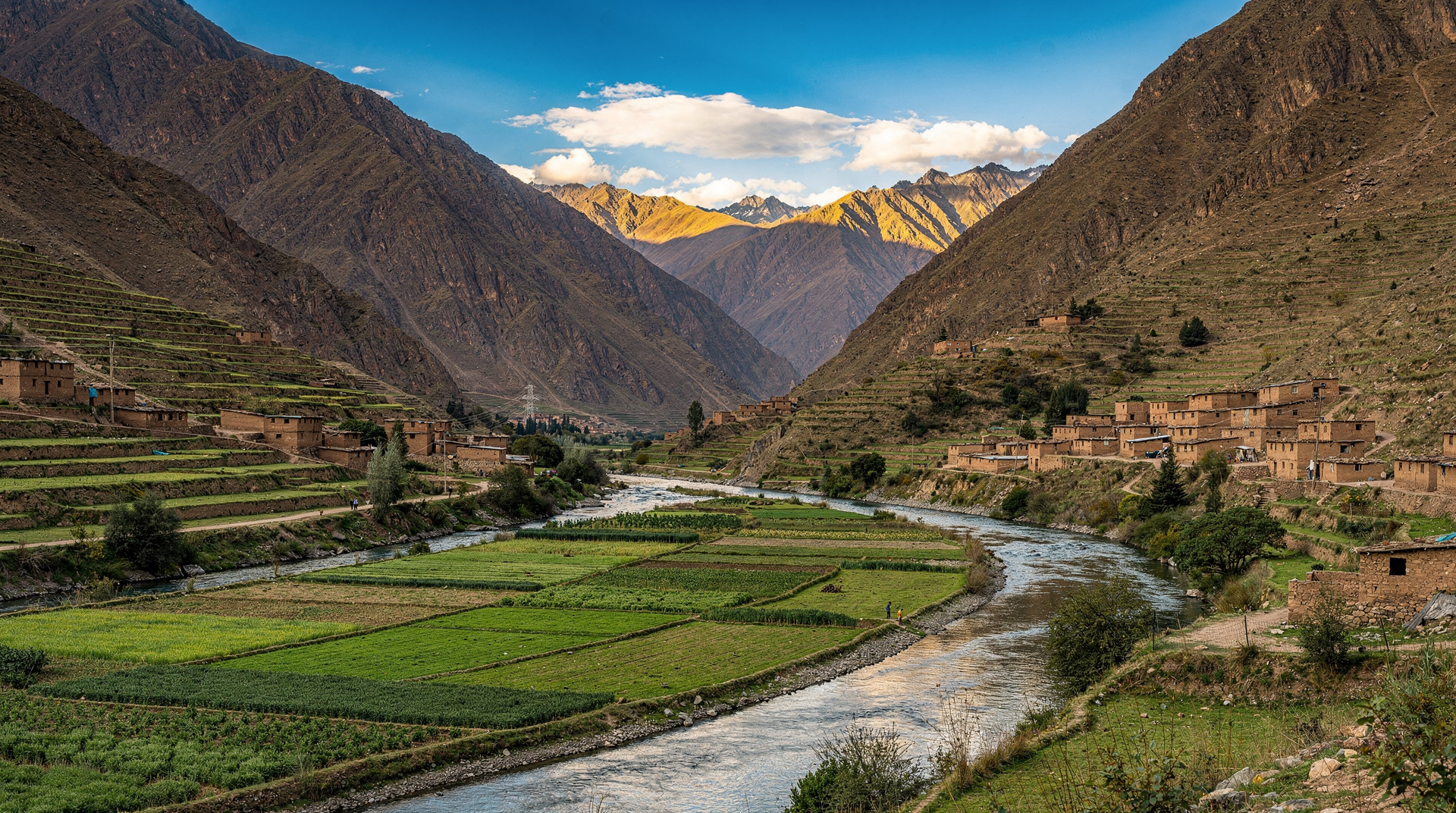
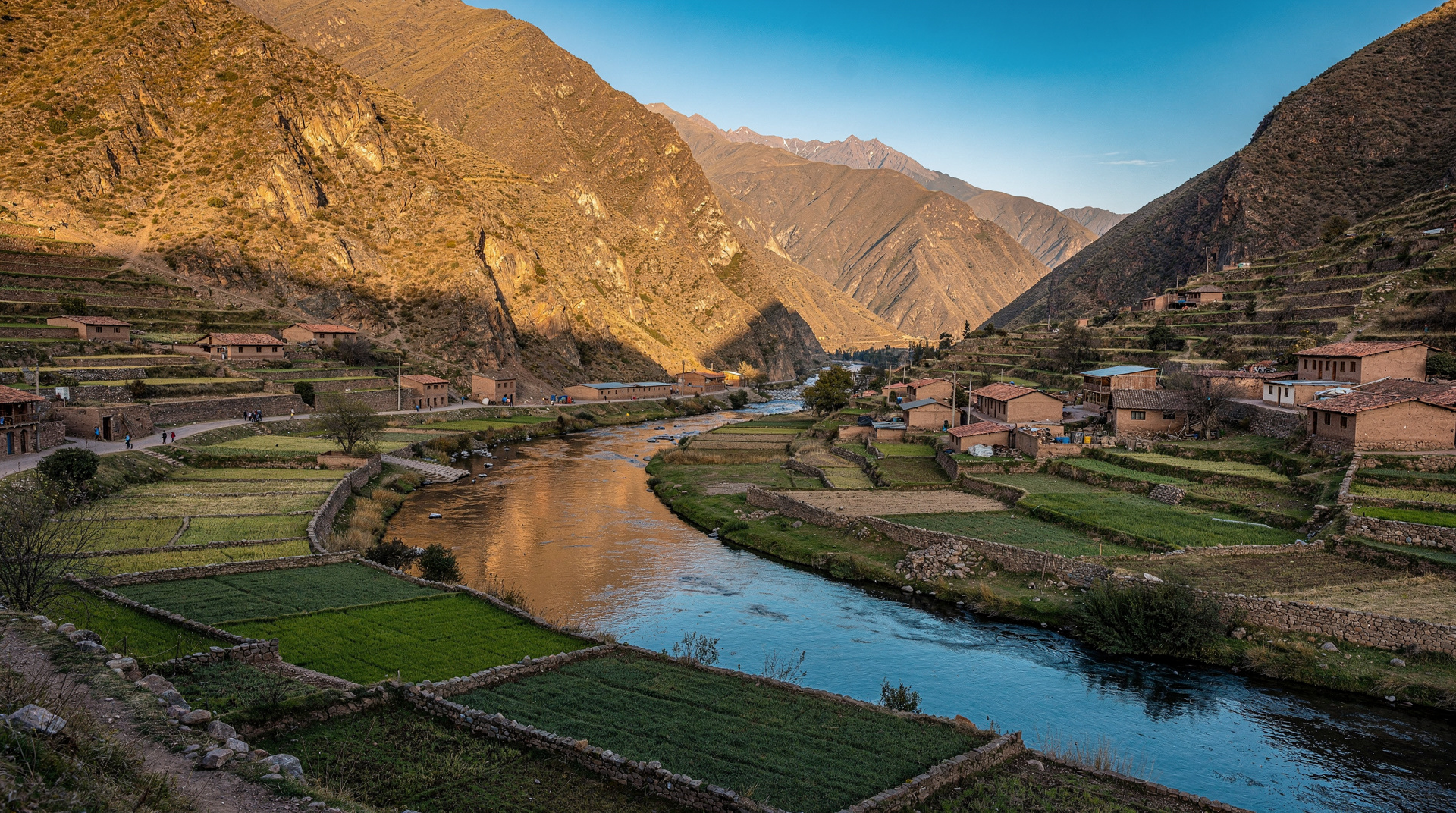
The single most effective strategy available is to spend your first night in the Sacred Valley rather than Cusco — specifically Ollantaytambo at 2,792 m or Urubamba at 2,863 m. You arrive at altitude, but nearly 600 m lower than Cusco. Your body begins adjusting at a gentler gradient. You sleep better. You arrive in Cusco the next day already partly adapted.
Scenario A: The recommended approach (Sacred Valley first)
This is the itinerary structure we recommend for almost every visitor, regardless of whether your priority is Machu Picchu, trekking, or city exploration.
Day 1 — Arrive Sacred Valley (Ollantaytambo or Urubamba, ~2,800 m)
Fly Lima–Cusco in the morning. Take a pre-arranged taxi or shuttle directly to the Sacred Valley — approximately 1.5 hours. Check in to your accommodation in Ollantaytambo or the valley area.
Afternoon: a gentle walk around Ollantaytambo town, the main plaza, the water channels that run along the cobblestone streets. The Inca fortress ruins are worth saving for tomorrow when you feel better. Dinner: soup, light Andean food. Bed by 9 p.m. Water by the bedside — drink if you wake.
Altitude: 2,792 m. Symptoms: possible mild headache. Expected outcome: moderate.
Day 2 — Sacred Valley exploration, transfer to Cusco
Morning: visit Ollantaytambo fortress ruins — genuinely one of the most impressive Inca sites in Peru, and you are acclimatising while exploring. Take the terraces slowly.
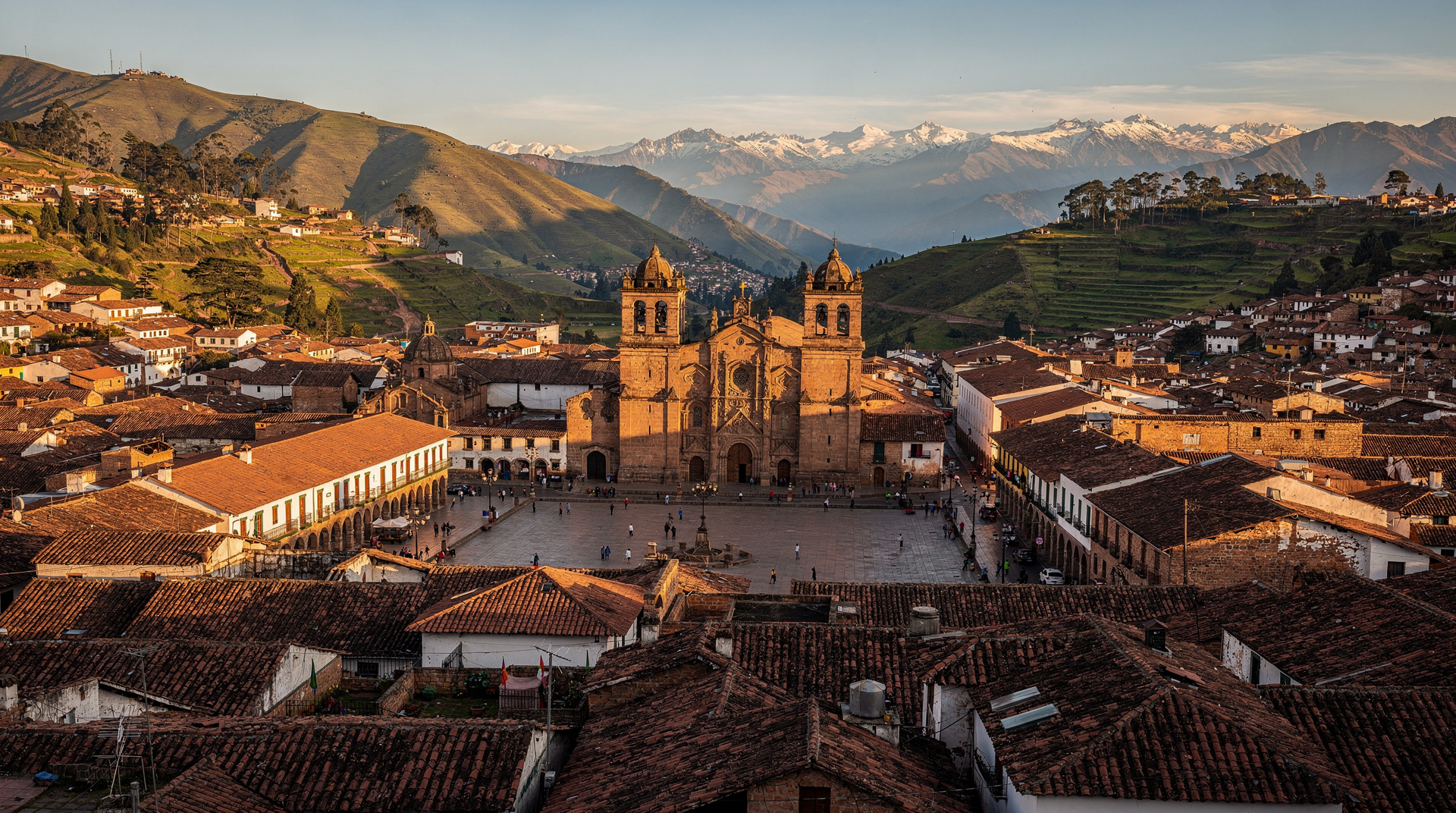
Afternoon: travel to Cusco (taxi, ~1.5 hours). Check in. Rest for the remainder of the afternoon. If you feel fine, a short, flat walk around Plaza de Armas is acceptable. Do not climb to Sacsayhuamán today.
Evening: light dinner, early night.
Altitude: arriving at 3,400 m. Symptoms: possible mild headache on arrival. Expected outcome: most visitors manage this well having already slept one night at altitude.
Day 3 — First full day in Cusco
You are now on your second altitude-adjusted night. Most visitors feel between 70 and 90 per cent of normal. A half-day at a relaxed pace is appropriate: Qorikancha, the historic centre, a market, or a cooking class. These are all relatively flat activities within the city.
Afternoon: optional rest or light further exploration.
Day 4 — Active Cusco day or first day trip
By day four, most visitors are fully acclimatised to 3,400 m. This is the day for Sacsayhuamán (uphill walk above Cusco), for a full Sacred Valley day trip, or for any activity requiring more physical effort.
A full-day Sacred Valley tour on day three or four is actually an excellent choice: you spend the day at 2,700–2,900 m (lower than Cusco), cover Pisac, Maras, Moray, and return to Cusco for the night more acclimatised than when you left.
Day 5 — Machu Picchu or early trek start
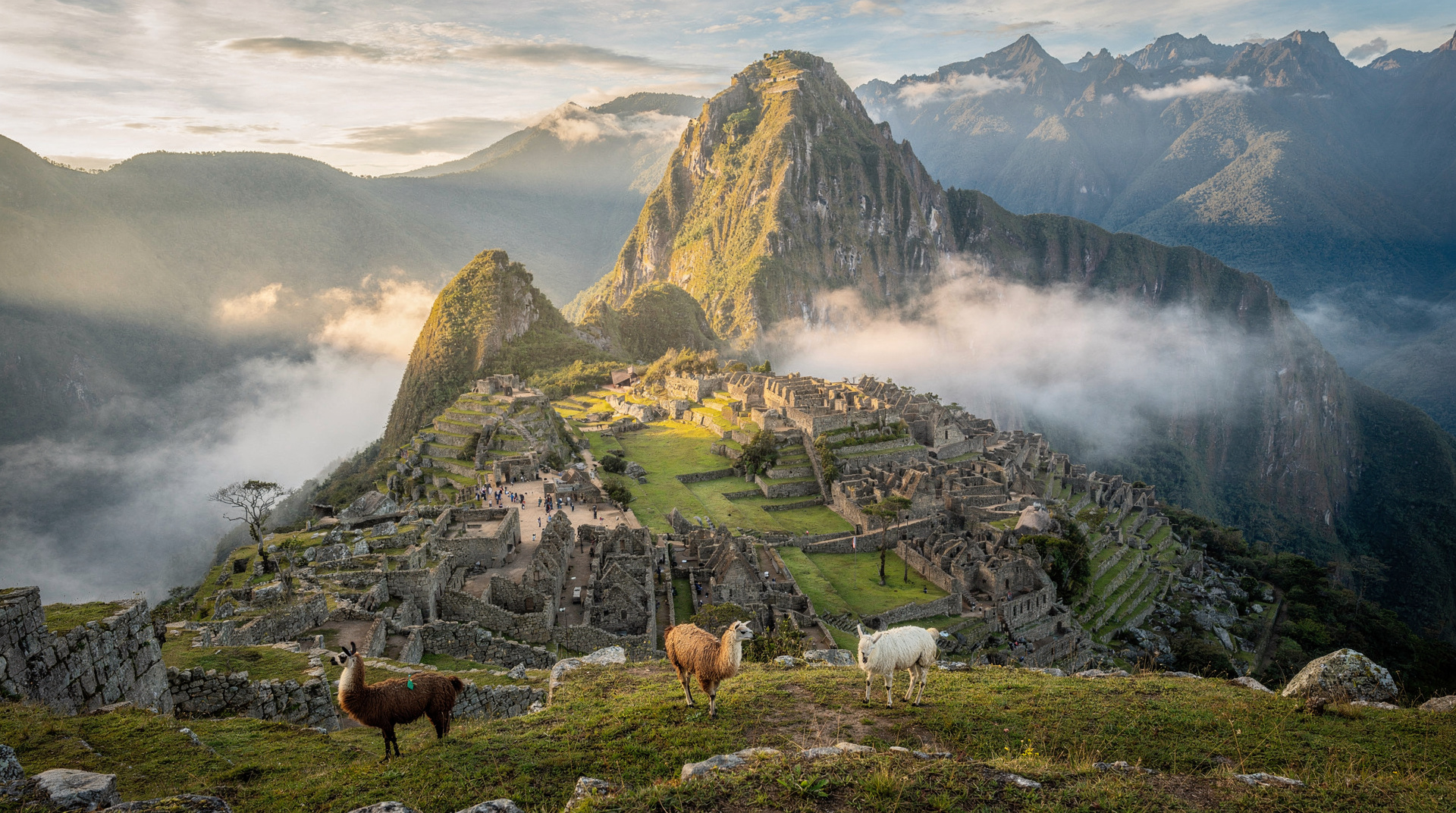
Machu Picchu at 2,430 m sits nearly 1,000 m below Cusco. Most visitors notice the difference: breathing is easier, the headache is gone. Day five is an ideal time for a Machu Picchu day trip or the start of an organised multi-day trek.
A day trip to Machu Picchu by train from Cusco or Ollantaytambo is a comfortable introduction to the site. The train descends through the Urubamba valley — you feel noticeably better with each 100 m you drop.
Scenario B: Flying directly to Cusco
Not everyone has the flexibility to route via Ollantaytambo. Lima–Cusco direct flights are standard and the Sacred Valley detour adds a transfer. Here is the best approach if you land straight in Cusco.
Day 1 — Arrival in Cusco (3,400 m)
Land. Transfer to hotel. This is a non-negotiable rest day. Do nothing that requires exertion. Unpack, drink water, drink coca tea, take a sorojchi pill from Inkafarma if the headache appears. Light soup for dinner — ideally quinoa or vegetable based. In bed by 9 p.m.
The goal for day one is not to see Cusco. The goal is to let your body begin adjusting without interference.
Day 2 — Gentle Cusco exploration
If you feel reasonably well (mild or no headache, no nausea), a flat morning walk is appropriate. Plaza de Armas, Qorikancha, and the artisan streets of San Blas are all relatively flat and short-distance.
If you feel unwell, rest again. This is the day that most Cusco travellers regret rushing. The city will still be there on day three.
Optional strategy for day two: take a day trip to the Sacred Valley — you spend the day at lower altitude and return to sleep in Cusco having further acclimatised. It is a physiologically smart day trip.
Day 3 — Significant recovery for most visitors
By the morning of day three, the majority of visitors feel close to normal. If you feel good, a full active day is now appropriate: Sacsayhuamán, a longer city tour, or a day trip. If you still feel off (headache persistent, nausea present), an additional rest half-day is a better investment than pushing through.
Day 4+ — Full activity
Treks, Rainbow Mountain, and full-day excursions are appropriate. See the section below on specific activity thresholds.
Activity thresholds by day
| Activity | Minimum days before |
|---|---|
| Flat city walking | Day 1 (brief) |
| Machu Picchu day trip (2,430 m) | Day 2 with caution / Day 3 comfortably |
| Sacred Valley day trip (2,700–2,900 m) | Day 2 |
| Sacsayhuamán (uphill walk) | Day 3 |
| Rainbow Mountain (5,200 m) | Day 3 minimum / Day 4 recommended |
| Classic Inca Trail (4,215 m) | Day 4 minimum / Day 5 recommended |
| Salkantay Trek (4,630 m) | Day 4 minimum |
These are practical thresholds for people without pre-existing conditions or a history of severe AMS. If you have had serious altitude sickness before, add an extra rest day to each threshold.
The supplements and remedies that help
Coca tea: Available everywhere in Cusco — drink it freely throughout your first days. Mild alkaloids with genuine vasodilating properties. Safe. The full guide to coca tea and altitude remedies covers what the evidence actually says.
Sorojchi Pills: Over-the-counter at any Inkafarma or Mifarma pharmacy (there are many in central Cusco). Effective at relieving headache. Take as directed on the packet.
Ibuprofen: For headache relief. Standard doses. Do not exceed the label guidance.
Ginkgo biloba: Some evidence for mild AMS prevention when started 1–2 days before arrival. Available in health shops and some pharmacies. Low-risk option worth trying if you are concerned.
Diamox (prescription only): Discuss with your doctor before travelling. Not a casual supplement. The altitude sickness guide covers this in detail.
Sleep quality at altitude
Many visitors are surprised by disturbed sleep in Cusco: vivid or unusual dreams, frequent waking, a sense of not sleeping deeply. This is a normal altitude effect caused by periodic breathing (Cheyne-Stokes respiration) — your breathing becomes irregular during sleep as your body recalibrates its carbon dioxide/oxygen balance.
It normalises in most people after two to three nights. Sleeping tablets that suppress respiratory drive — benzodiazepines especially — worsen this and should be avoided. A mild antihistamine (which doesn’t suppress breathing) may help with sleep, but check with your doctor. The main intervention is time: by night three, most visitors sleep noticeably better.
Special cases: children, older travellers, and medical conditions
Children: Children are not at special risk of severe altitude sickness compared to adults — the physiological response is similar. However, they may be less able to communicate symptoms clearly. Watch for unusual irritability, loss of appetite, and unusual tiredness in young children, which can indicate AMS. Apply the same rest-and-gradual-ascent principles.
Older travellers: Age itself is not a risk factor for AMS in healthy adults. Cardiovascular conditions are relevant — if you have heart or lung disease, discuss altitude exposure with your doctor before the trip. Cusco at 3,400 m is not automatically contraindicated for people with managed cardiovascular conditions, but the pre-travel conversation is important.
Pregnancy: The evidence base for altitude exposure during pregnancy is limited. Many obstetricians advise against extended stays above 3,500 m during pregnancy; a short acclimatised visit at 3,400 m is a different calculation from trekking to 4,600 m. Discuss with your GP or obstetrician.
What your hotel will offer and what it is worth
Most hotels in Cusco provide coca tea on arrival — a genuine welcome gesture that has real physiological backing. Many also offer supplemental oxygen in tanks, which can provide rapid temporary relief if your headache is severe. Supplemental oxygen does not accelerate acclimatisation; it temporarily relieves symptoms while your body continues the slower work of adaptation. Accept it if it helps, but treat it as a bridge rather than a solution.
Some hotels promote “altitude tents” or rooms with slightly elevated oxygen concentrations. The evidence for these in the 3,400 m context is thin. The standard interventions (rest, hydration, coca tea, low-altitude sleeping where possible) are more practical and more thoroughly evidence-based.
Hydration and electrolytes: more than “just drink water”
Altitude increases fluid loss through faster breathing and more frequent urination, so the standard 3–4 litres a day advice is a genuine minimum, not a suggestion to round down from. Plain water alone can leave you flushing out electrolytes faster than you replace them, especially if you are also drinking coca tea and sweating on a Sacred Valley walk. Adding an electrolyte sachet (widely available in Cusco pharmacies) to one or two litres a day, alongside normal meals, helps more than water volume alone. A simple practical check: if your urine is consistently pale and you are urinating regularly, you are hydrating adequately; dark urine or infrequent trips are a signal to drink more, not less.
The Puno complication
If your itinerary includes Puno and Lake Titicaca — at 3,830 m, notably higher than Cusco — plan your sequencing carefully. Travel Cusco–Puno should ideally come after at least three nights in Cusco, not as the first stop. Arriving in Puno before adequate acclimatisation is a common cause of moderate AMS. The altitude is enough higher than Cusco that Cusco-acclimatised visitors sometimes experience a fresh wave of symptoms on arrival.
Understanding the altitude gradient across your full itinerary — not just Cusco in isolation — is the most comprehensive approach to a comfortable southern Peru trip.
The altitude sickness guide covers the full map of altitudes from Lima through to Rainbow Mountain. Read it alongside this plan for the complete picture.
Warning signs that mean stop, don’t push through
Mild AMS symptoms — a dull headache, slight nausea, feeling more tired than usual — are normal on day one or two and respond to rest, water and coca tea. A different category of symptom means stop ascending immediately and consider descending: confusion or unsteady walking (ataxia), a cough producing frothy or pink-tinged sputum, breathlessness at complete rest, or a headache that worsens despite ibuprofen and rest.
These can indicate high-altitude pulmonary or cerebral oedema (HAPE/HACE), both rare at 3,400 m but more plausible above 4,200 m on treks. If any of these appear on a trek, tell your guide immediately — reputable operators carry oxygen and have a descent protocol, and every day on the classic Inca Trail or Salkantay route has an escape point.
Adjusting the plan if you only have three or four days total
Not every itinerary allows a five-day acclimatisation runway. If your entire Cusco stay is three to four days, front-load rest on day one without exception, use day two for the Sacred Valley or flat city sights, and reserve day three (or four) for the one physically demanding activity your trip is built around — usually Machu Picchu or a short trek. Skip Rainbow Mountain on a compressed schedule unless you already have several nights of altitude experience elsewhere in the Andes; at 5,200 m it is the least forgiving activity thresholds table above lists, and it is also the easiest one to postpone to a return trip.
How food and alcohol choices affect the first 48 hours
Heavy meals and alcohol both work against acclimatisation, for different reasons. Alcohol is a respiratory depressant — it slows the increased breathing rate your body needs at altitude, and it dehydrates you, compounding the fluid loss altitude already causes. A day-one or day-two pisco sour, however tempting after the flight, measurably worsens how you feel that evening. Heavy, fatty meals divert blood to digestion at a time your body would rather send it to oxygen transport; soups, quinoa, and simple carbohydrates sit far better. Most travellers find their appetite naturally smaller for the first two days — that’s a normal altitude response, not something to fight.
Frequently asked questions about Cusco acclimatisation plan: day-by-day schedule for your first week
How many days do I need to acclimatise before trekking?
Is it better to acclimatise in Cusco or the Sacred Valley?
Can I visit Machu Picchu on my first full day in Cusco?
What should I absolutely not do on arrival day in Cusco?
Does sleeping at lower altitude really help if you are spending days in Cusco?
What is the Diamox protocol if I choose to use it?
Top experiences
Bookable activities with verified prices and instant confirmation on GetYourGuide.