Sacred Valley day trip from Cusco
From Cusco: Sacred Valley of the Incas Full-Day Tour
How do you do the Sacred Valley as a day trip from Cusco?
A Sacred Valley day trip covers Pisac market and ruins, a lunch stop in Urubamba, and Ollantaytambo fortress, returning to Cusco by evening. Tours cost S/100–180 ($27–50 USD). The valley sits at 2,800–3,000 m, making it the best first excursion after arriving in altitude-heavy Cusco.
The Sacred Valley as your first full day out of Cusco
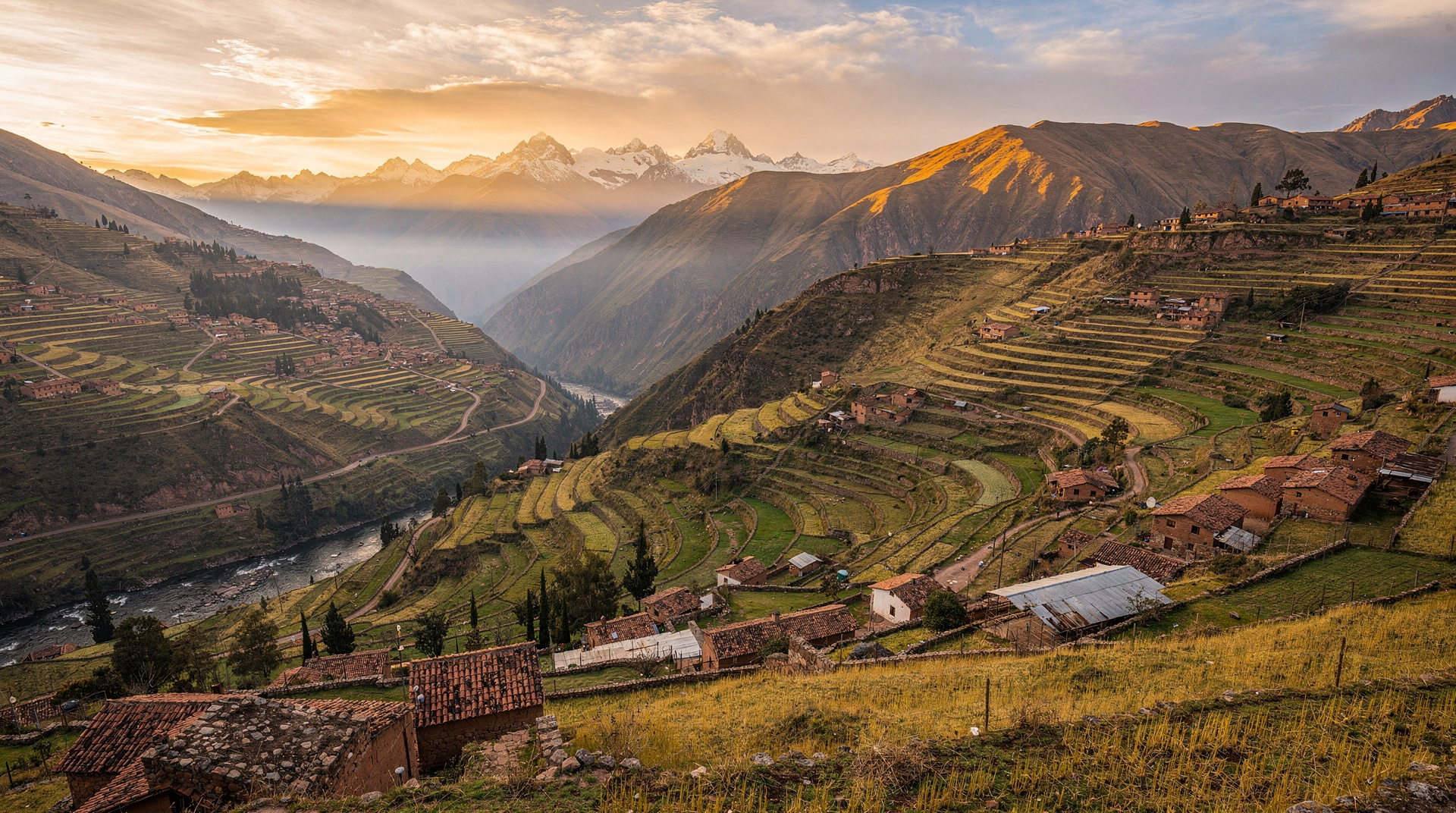
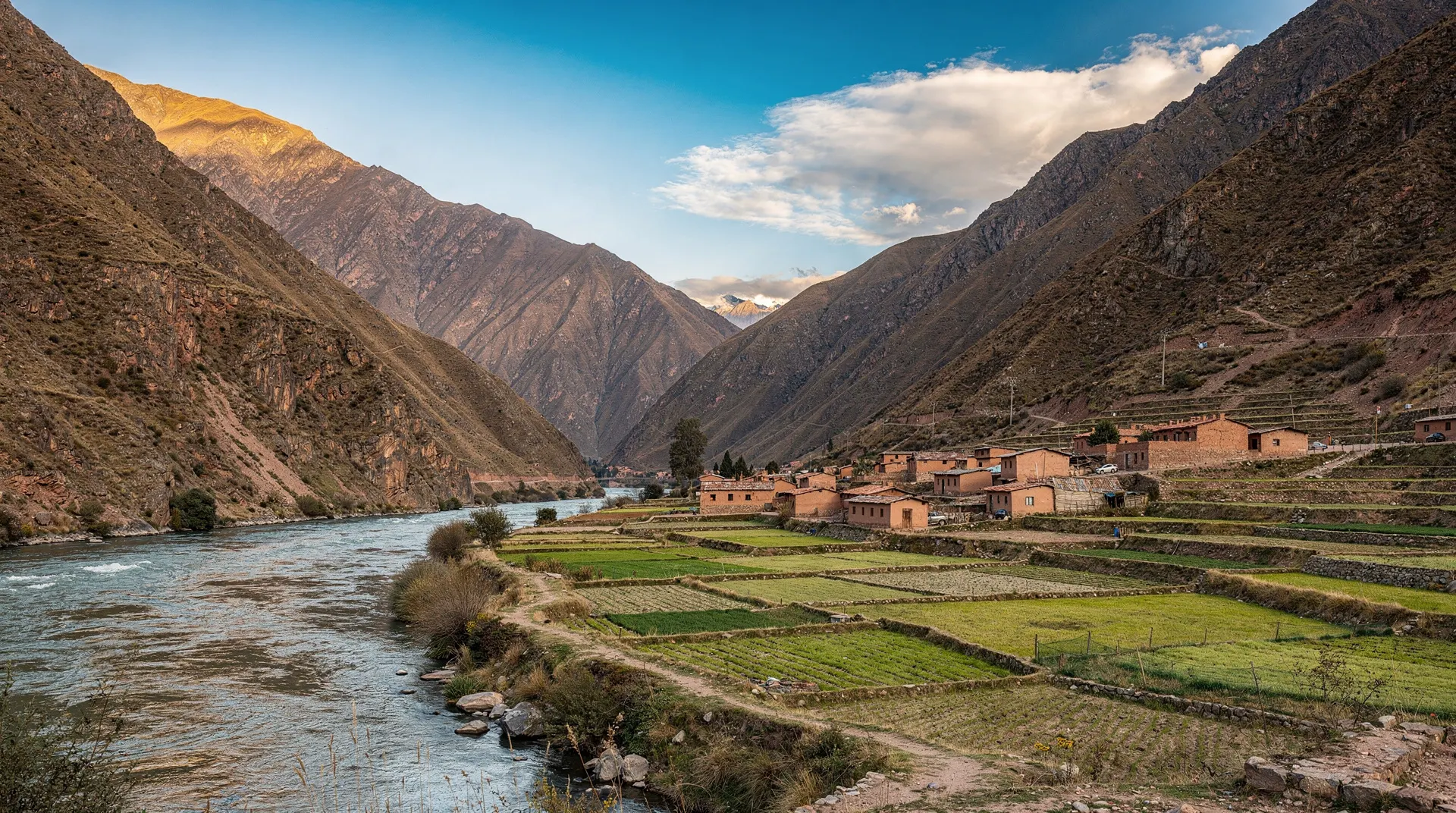
The Sacred Valley is the ideal first excursion after arriving in Cusco, and not just because of the scenery. The valley floor sits at 2,800–3,000 m — 400–600 m lower than Cusco — which means lower altitude, easier breathing, and better sleep if you stay overnight. For acclimatisation purposes alone, a day in the valley is genuinely beneficial before attempting Rainbow Mountain or the longer Inca trekking routes.
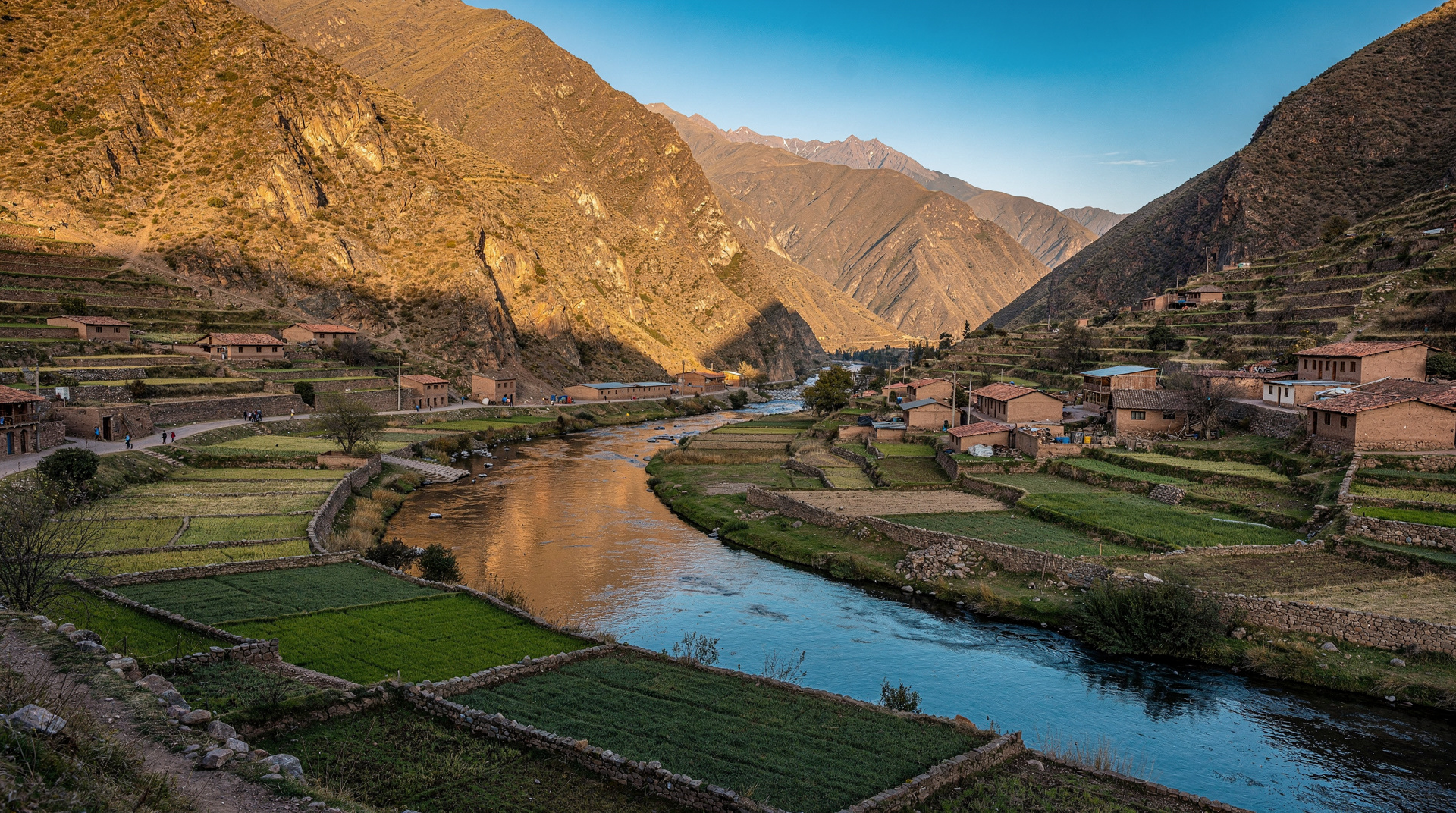
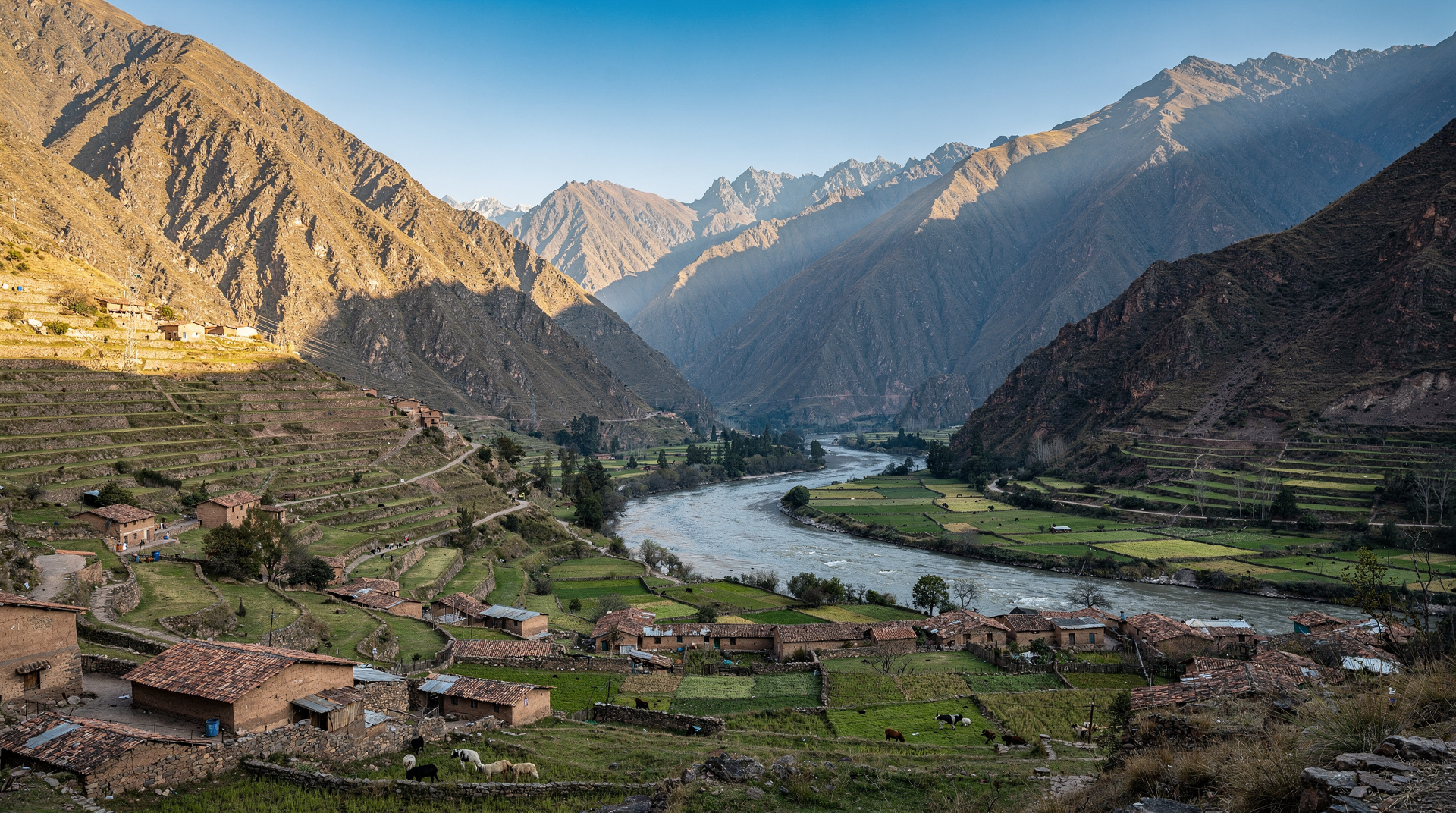
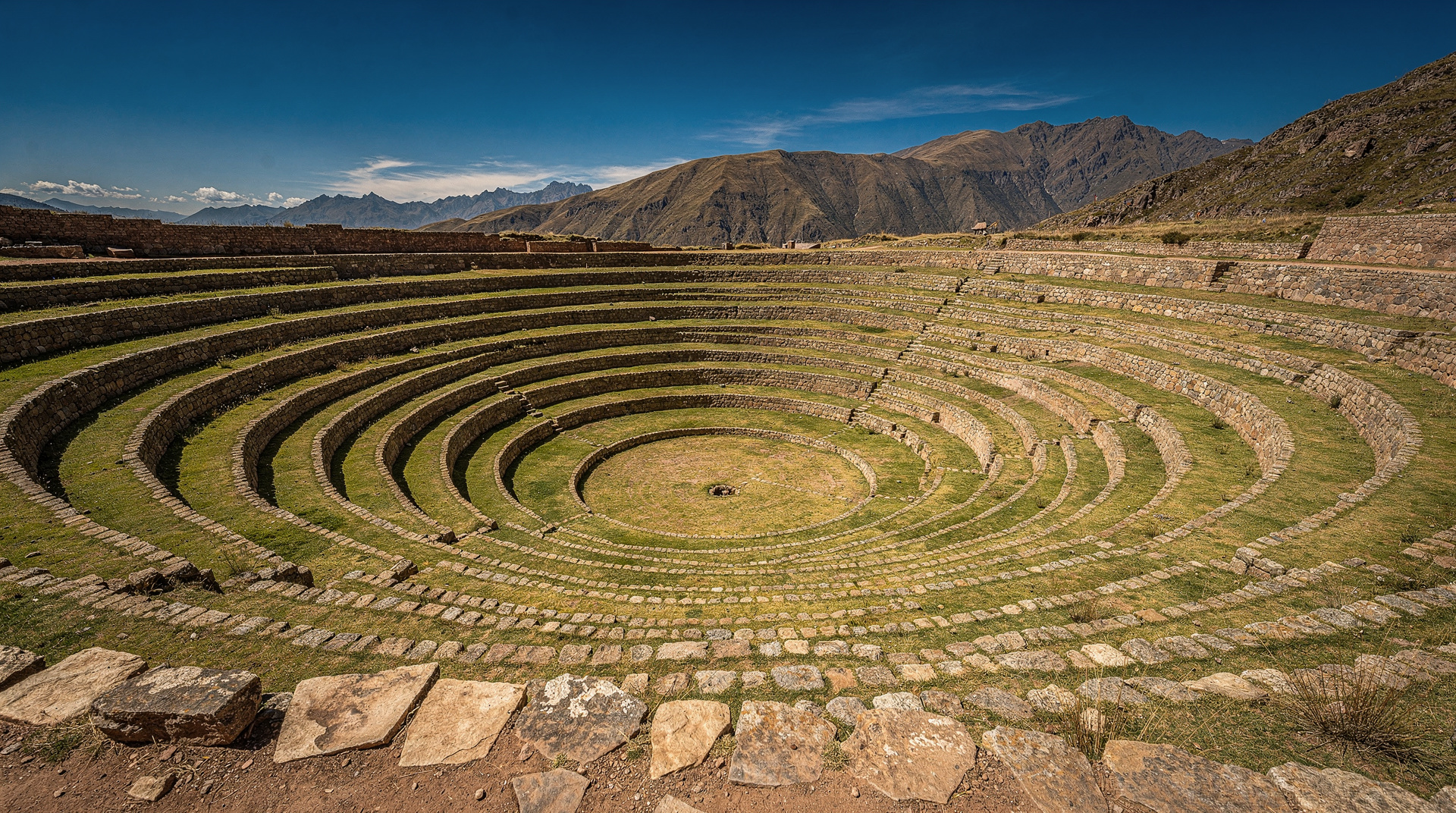
The sights themselves are superb: the market and clifftop ruins of Pisac, the agricultural salt ponds at Maras, the circular terraced experiment at Moray, and most compellingly the Ollantaytambo fortress — one of the most imposing pieces of Inca construction still standing anywhere in the Andes. Add the living villages, the weaving communities of Chinchero, and some of the best casual Andean food outside Cusco city, and you have a full day with ease.
| Where | Pisac, Ollantaytambo, Chinchero (25–72 km from Cusco) |
| Cost | S/100–180 (~$27–50) guided day tour |
| Time needed | Full day, roughly 8–10 hours door to door |
| Getting there | Guided tour, private taxi, or public combi |
| Best time | Tue/Thu/Sun for Pisac market; dry season May–Sept overall |
Getting to the Sacred Valley
The Sacred Valley lies 25 km north of Cusco along the road toward Ollantaytambo. The drive from Cusco’s historic centre to Pisac takes 45–60 minutes; from Pisac to Ollantaytambo is another 45 minutes down the valley.
Guided day tour: The easiest option. A Sacred Valley full-day tour from Cusco includes transport, a local guide, market and ruins visits at Pisac, an included lunch in Urubamba or Pisac town, and a visit to Ollantaytambo. Some operators include Chinchero and Maras salt mines. Cost: S/100–180 ($27–50 USD) per person, including lunch. Entry fees may or may not be included — check before booking.
Private transport: Hire a taxi or private driver from Cusco for the day. Rates run S/200–350 ($55–95 USD) for up to four people and allow you to set your own pace. Recommended for families or those who find group tours rushed.
Public transport (combis): Minibuses run between Cusco (Avenida Grau terminal) and Pisac for around S/3–4 per person. Combis also link Pisac to Urubamba and Urubamba to Ollantaytambo. This is cheap and authentic but requires more planning, and you will not have a guide explaining the ruins.
Pisac: market and ruins
Pisac is usually the first stop on a Sacred Valley day trip. The town hosts a lively artisan market famous for textiles, ceramics and jewellery — Tuesday, Thursday and Sunday see the biggest gatherings, though the market runs daily. Prices are negotiable; starting at around half the asking price is standard.
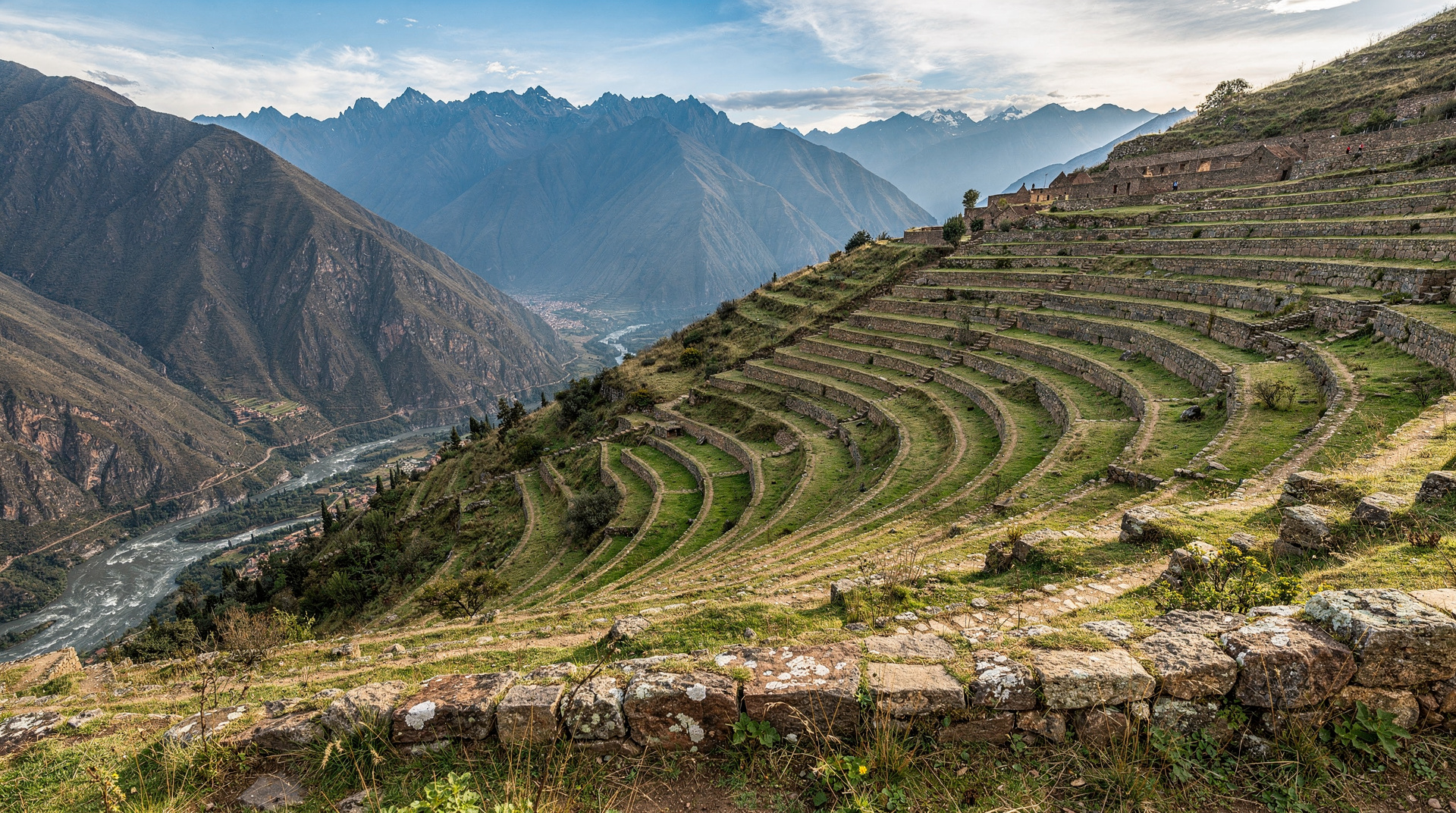
Above the town, the Pisac ruins spread across a high ridge and are among the most extensively terraced Inca sites in the Cusco region. The temples at the top include a remarkable intiwatana (sundial stone) and a residential sector with impeccably fitted stonework. Entry is covered by the Boleto Turístico partial circuit (around S/70) or the full pass (S/130). Allow 1.5–2 hours for the ruins, less if you are short on time.
Urubamba and lunch
Most guided tours include a lunch stop in Urubamba, the central town of the valley. Restaurants here serve the full range of Peruvian Andean food: cuy al horno (roasted guinea pig), lomo saltado, trucha (trout from the Urubamba river), quinoa soup. A set lunch runs S/20–35 per person at local restaurants; tourist-targeted buffet lunches included in some tours can be less inspiring. If your tour gives you free choice of restaurant, walk away from the obvious tourist strip.
Ollantaytambo: the living Inca town
Ollantaytambo is the unmissable anchor of the Sacred Valley day trip. The fortress occupies a steep hillside above the town and is staggering in scale: six enormous terraced platforms lead to a Temple of the Sun built from massive pink granite blocks hauled from a quarry across the valley — visible from the fortress as a scar on the opposite hillside. The hydraulic system, with water channels still flowing, adds to the sense that you are looking at something far ahead of its time.
The town itself is one of the few places in Peru where an Inca street grid — with its original water channels and kancha (residential blocks) — is still inhabited. Walking the alleyways before and after the ruins visit is worth 30 minutes. Entry to the fortress is covered by the Boleto Turístico.
A full Sacred Valley tour covering Pisac, Maras, Moray and Ollantaytambo is available for those wanting all four major sites in one day; this makes for a packed but rewarding itinerary.
Chinchero: weaving and colonial church
Chinchero sits at 3,762 m on the plateau between Cusco and the Sacred Valley. The weaving community here offers one of the most authentic textile demonstrations available to visitors in the region — watching the process from raw fleece through dyeing with natural plants to finished fabric explains why Andean textiles command the prices they do. The 16th-century colonial church, built on Inca foundations, is also worth a look. Most Sacred Valley day tours include Chinchero as a stop on the return to Cusco.
Extending into Maras and Moray
The Maras salt mines and Moray circular terraces lie slightly off the main Sacred Valley road and are either included in extended day tours or done as a standalone half-day trip. If your Sacred Valley day trip does not include Maras and Moray, consider a separate excursion — the salt mines in particular are visually extraordinary. See the Maras and Moray guide for details.
The Boleto Turístico: what you actually need
The Boleto Turístico (tourist ticket) covers multiple sites in and around Cusco and the Sacred Valley. The full ticket (S/130, 16 sites, valid 10 days from the day of purchase) includes Pisac, Chinchero, Moray, Ollantaytambo, and the Cusco city sites. A partial ticket (S/70) covers one circuit only; Circuit III covers the Sacred Valley sites: Pisac, Ollantaytambo, Chinchero and Moray.
For a Sacred Valley day trip, the partial ticket at S/70 is sufficient. The full ticket only makes sense if you also plan to visit Sacsayhuamán and the other Cusco-area sites. There is no single-site ticket. Tickets are sold at the central COSITUC office at Av. El Sol 103 (Galerías Turísticas) in Cusco, daily 7:30 am–6 pm, and at most covered sites.
Children up to 9 years are free, ages 10–17 pay the student ticket with ID, and ages 18–25 with a student card or ISIC pay S/70 as foreigners.
Staying overnight in Ollantaytambo
The Sacred Valley day trip becomes far more efficient when you stay overnight in Ollantaytambo rather than returning to Cusco. Ollantaytambo is the main departure point for Machu Picchu trains, and the first trains leave around 5:30 am. Staying overnight avoids a 4 am drive from Cusco to catch the train, and the town itself is charming and walkable.
Accommodation in Ollantaytambo ranges from basic guesthouses at S/40–80 per night to small boutique hotels at S/200–400. The 4-day Cusco and Machu Picchu itinerary uses exactly this structure.
Costs at a glance
| Item | Cost (S/) | Approx. USD |
|---|---|---|
| Guided group tour (with lunch) | S/100–180 | $27–50 |
| Private vehicle (half-day) | S/200–350 | $55–95 |
| Boleto Turístico full circuit | S/130 | $35 |
| Boleto Turístico partial circuit | S/70 | $19 |
| Combi Cusco–Pisac (per person) | S/3–4 | $1 |
Understanding the Inca stonework
One of the most rewarding aspects of a Sacred Valley day trip — and one that guides can unlock but a map cannot — is understanding how Inca stonework differs from the Spanish colonial construction that overlays it at every major Cusco-region site.
Inca walls are built without mortar. The stones are cut and fitted with such precision that in the best examples — Ollantaytambo’s Temple of the Sun, or the inner walls of Qorikancha in Cusco — a sheet of paper cannot be inserted between them. The joints are deliberately made irregular (no two stones the same shape) to create a self-locking structure that moves with earthquakes rather than cracking. Spanish mortar construction, by contrast, is rigid and has fared far worse over the centuries.
The difference in earthquake resistance was noted by the Spanish themselves: during the 1650 Cusco earthquake that severely damaged colonial buildings, the Inca walls remained largely intact. Modern engineers have confirmed the seismic logic. At Ollantaytambo, looking at the upper terraces with this context in mind changes the experience entirely.
Market craft shopping: what is worth buying
Pisac market is one of the best places in Peru to buy high-quality Andean crafts, textiles and jewellery — but quality varies enormously. A few honest guidelines:
Textiles: Genuine alpaca or baby alpaca fabric is soft, does not pill when rubbed against itself, and carries a warmth-to-weight ratio unmatched by acrylic. Rub a corner of the fabric: real alpaca does not generate static or bobble. A genuine baby alpaca scarf at Pisac costs S/80–200 depending on size and intricacy. Anything priced below S/30 is almost certainly acrylic regardless of what the label says.
Silver jewellery: Cusco region silver from artisan workshops is generally good quality. Ask to see the maker’s mark and hallmarking. Vendor-made pieces with Andean motifs (chakana cross, condor, Inca geometric patterns) are the most characterful.
Ceramics: Hand-painted Cusqueño ceramics with geometric designs are a traditional craft. Heavier and more fragile to transport than textiles, but visually distinctive and hard to find outside Peru.
Negotiation: Market prices are not fixed. Starting at 60–70% of the asking price and reaching a settlement around 75–80% is standard practice. Walking away and being called back is also standard. Do not feel guilty about negotiating; it is expected and the vendor will not sell at a loss.
The Sacred Valley as an acclimatisation strategy
The valley at 2,800–3,000 m is not merely a pleasant day out — it is the single most effective way to acclimatise for the rest of your Cusco trip. Some visitors who are particularly susceptible to altitude choose to base themselves in Urubamba or Ollantaytambo (both in the valley) rather than Cusco for their first two nights, travelling up to Cusco for day visits. The reduced altitude genuinely improves sleep quality and energy levels.
The Sacred Valley vs Cusco as a base guide gives a thorough assessment of whether valley basing makes sense for your specific trip. For most visitors staying 4+ days, Cusco is the right base; for those arriving directly from a low-altitude city with only 3 days total, a valley-first strategy is worth considering.
Practical tips
Go early to Pisac market for the best selection and fewer crowds. Carry soles in small denominations for market purchases. Negotiate politely — vendors expect it and there is no ill feeling in walking away from a price that does not suit you.
At altitude (the valley varies from 2,800 to 3,762 m at Chinchero), carry water and sun protection. You will feel more comfortable than at Cusco, but UV exposure and dehydration remain genuine concerns.
See the complete Sacred Valley guide for deeper coverage of each site, including off-the-beaten-track options like Huchuy Qosqo and the Lares valley.
Families and older travellers
The Sacred Valley day trip is generally an easier day for families and older travellers than most Cusco-area excursions, primarily because of the lower altitude and the absence of any strenuous high-altitude hiking. Pisac’s ruins do require a climb (either on foot or by taxi to the upper entrance), but the walking within the site itself is on relatively even ground compared to something like Rainbow Mountain.
Ollantaytambo’s fortress involves genuinely steep Inca stairways that are fine for most children over about six and for most fit older adults, but worth pacing slowly and taking breaks on. The market stops at Pisac and Chinchero require no physical exertion at all and are often the most enjoyable part of the day for younger children, who generally respond well to the colours, textiles and animals (llamas and alpacas are common at both markets) more than to archaeological explanation.
Choosing which sites to prioritise if time is short
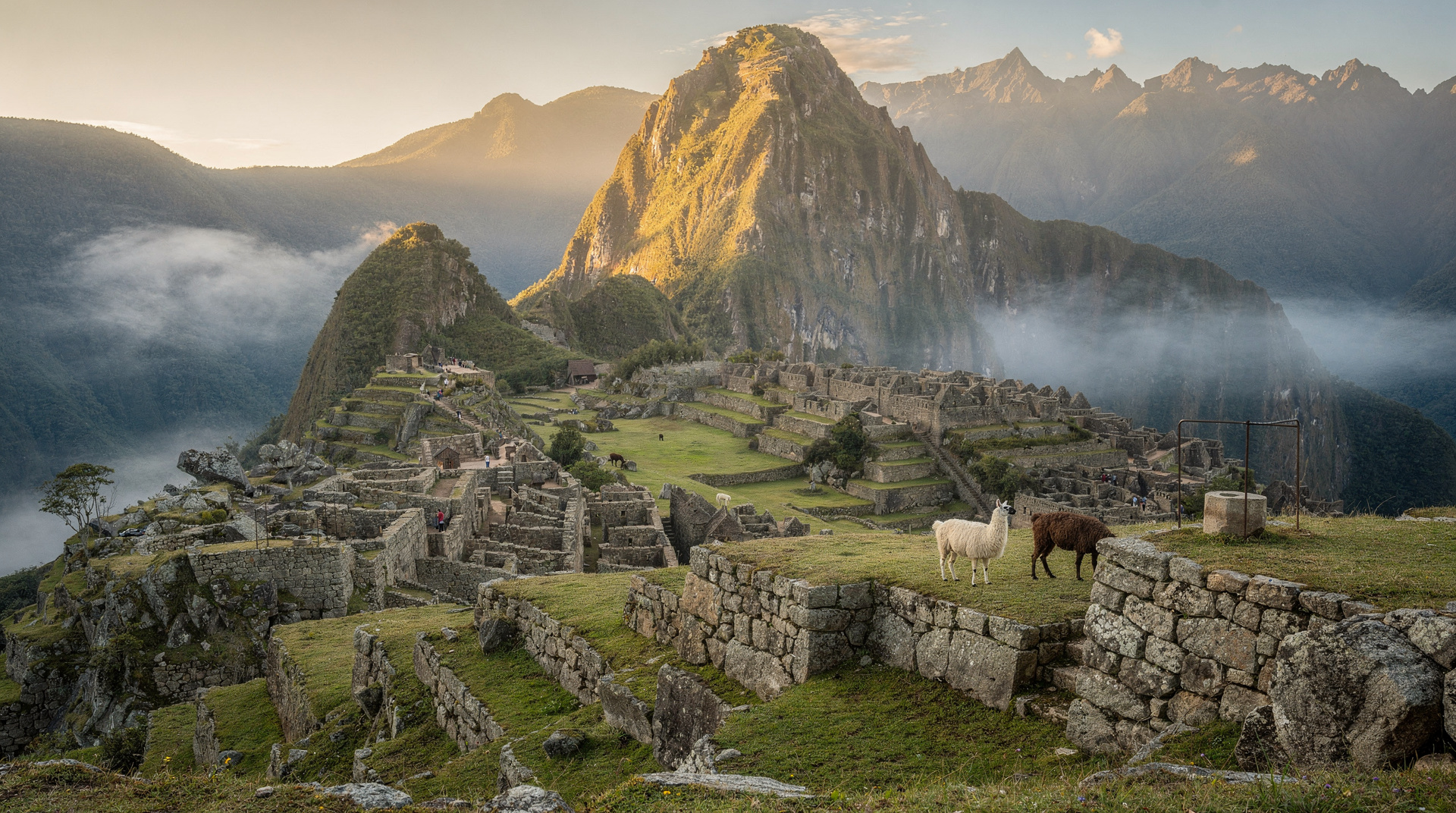
If your day trip genuinely cannot fit all five main sites, prioritise ruthlessly rather than trying to squeeze everything into a rushed schedule that shortchanges each stop. Pisac and Ollantaytambo are the two sites most experienced Cusco guides would keep if forced to choose only two: Pisac for its combination of market and ridge-top ruins in one location, Ollantaytambo for the sheer scale of its Inca stonework and its status as one of the few Spanish military defeats during the conquest.
Maras and Moray, while visually extraordinary, can be treated as a worthwhile separate half-day trip (see the Maras and Moray day trip guide) if your main day trip schedule is already full. Chinchero, while charming, is the easiest of the five to drop if time forces a choice, since its weaving demonstrations and market are broadly similar in character to what is available (in smaller scale) in Cusco’s own San Blas neighbourhood.
Combining with Machu Picchu: the two-day version
Many visitors deliberately structure their Sacred Valley day so that it ends at Ollantaytambo rather than looping back to Cusco, using the town as a springboard to Machu Picchu the following morning. This single adjustment — staying in Ollantaytambo overnight instead of returning to Cusco — removes a very early Cusco departure the next day and instead lets you walk five minutes to the train station for a civilised early train.
If Machu Picchu is anywhere on your itinerary, structuring the Sacred Valley day trip this way rather than as a pure there-and-back excursion from Cusco is close to a strictly better use of the same amount of time and money. The 4-day Cusco and Machu Picchu itinerary is built around exactly this structure.
Frequently asked questions about Sacred Valley day trip from Cusco
What does the Sacred Valley full-day tour include?
Do I need the Boleto Turístico for the Sacred Valley?
Is the Sacred Valley better than a day in Cusco?
Can I do the Sacred Valley day trip on the way to Machu Picchu?
Which day is best for the Pisac market?
Top experiences
Bookable activities with verified prices and instant confirmation on GetYourGuide.