Sacred Valley or Cusco as a base: which is right for you?
From Cusco: Sacred Valley of the Incas Full-Day Tour
Is it better to sleep in the Sacred Valley or Cusco?
For your first one or two nights, the Sacred Valley (2,800–3,000 m) is almost always better. The lower altitude means better sleep and fewer headaches than Cusco (3,400 m). For city sightseeing, restaurants and cultural events, Cusco wins. Most visitors do both: start in the valley to acclimatise, move to Cusco after two nights.
The question everyone asks on day one
Where you sleep in your first 48 hours in the Cusco region determines how comfortable the rest of your trip will be. This is not a trivial planning detail — it is arguably the single most important logistical decision for a first-time visitor to the region. The choice between the Sacred Valley and Cusco as an initial base is not primarily about restaurant quality or hotel room size. It is about altitude, and about whether you want to make the body’s transition from sea-level oxygen to high-altitude thin air as smooth as possible or simply accept a harder first few days.
This guide works through that decision honestly, for different trip lengths and different traveller profiles. It also addresses the hybrid approach that most experienced Peru visitors recommend.
| Sacred Valley altitude | 2,800–3,000 m (Ollantaytambo 2,792 m) |
| Cusco altitude | 3,400 m |
| Best for | First 2 nights, then move to Cusco |
| Accommodation cost | Similar mid-range price, less choice in the valley |
| Ideal trip length | 5+ days for the valley-first sequence |
| Getting between them | Collectivo ~2 hrs/S/10–12, taxi S/70–100 |
The altitude difference matters more than most pre-trip reading implies
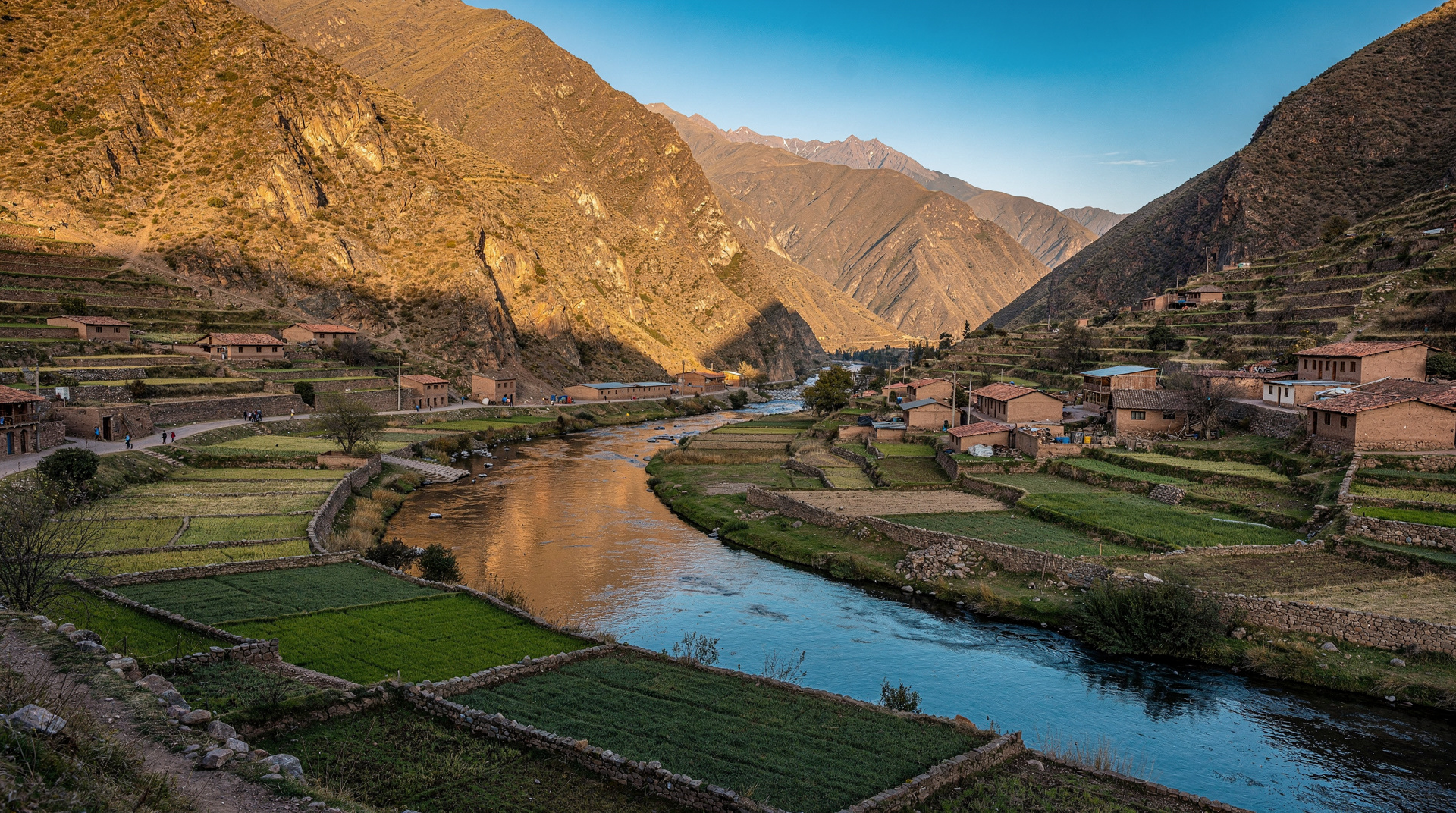
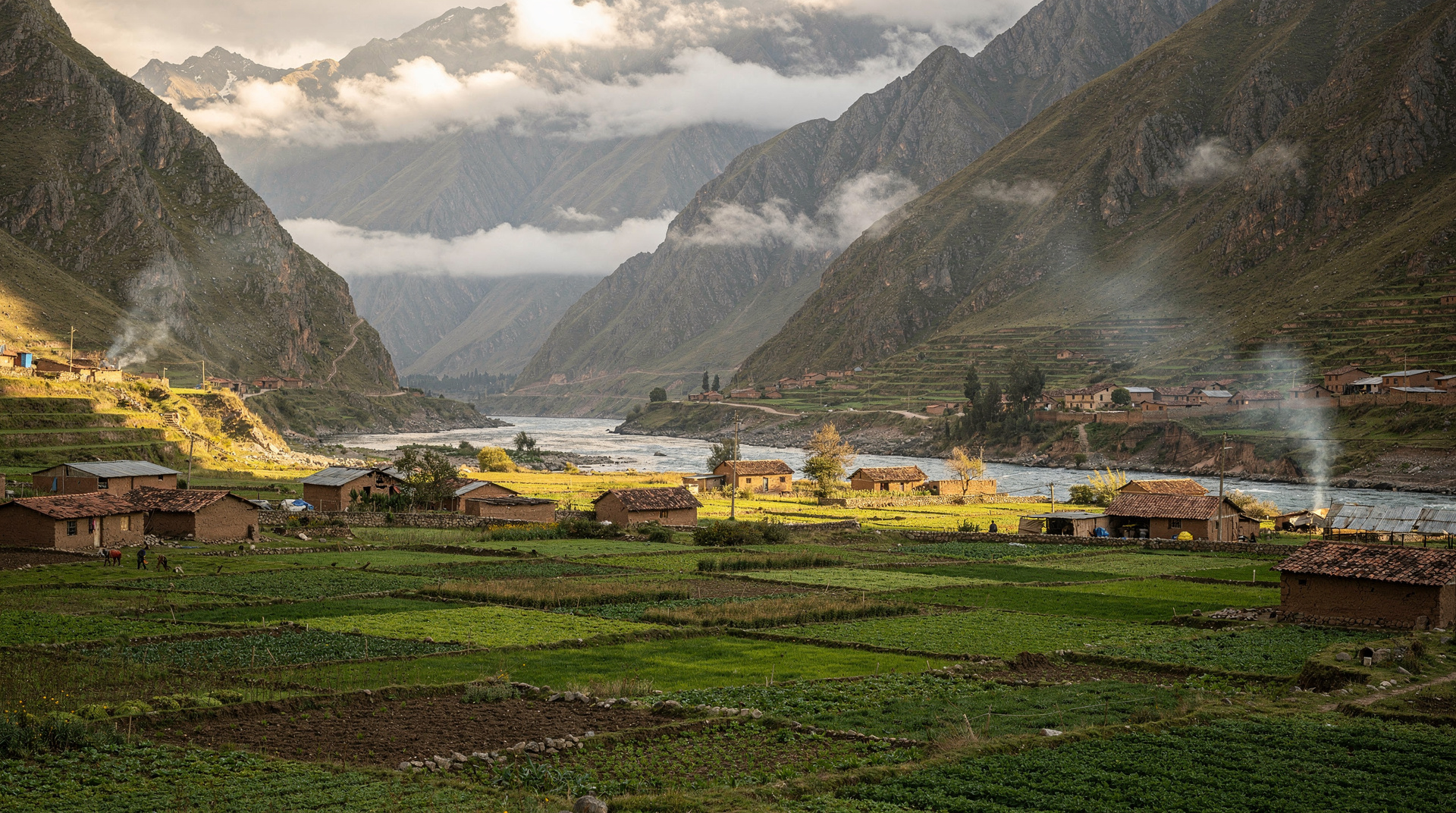
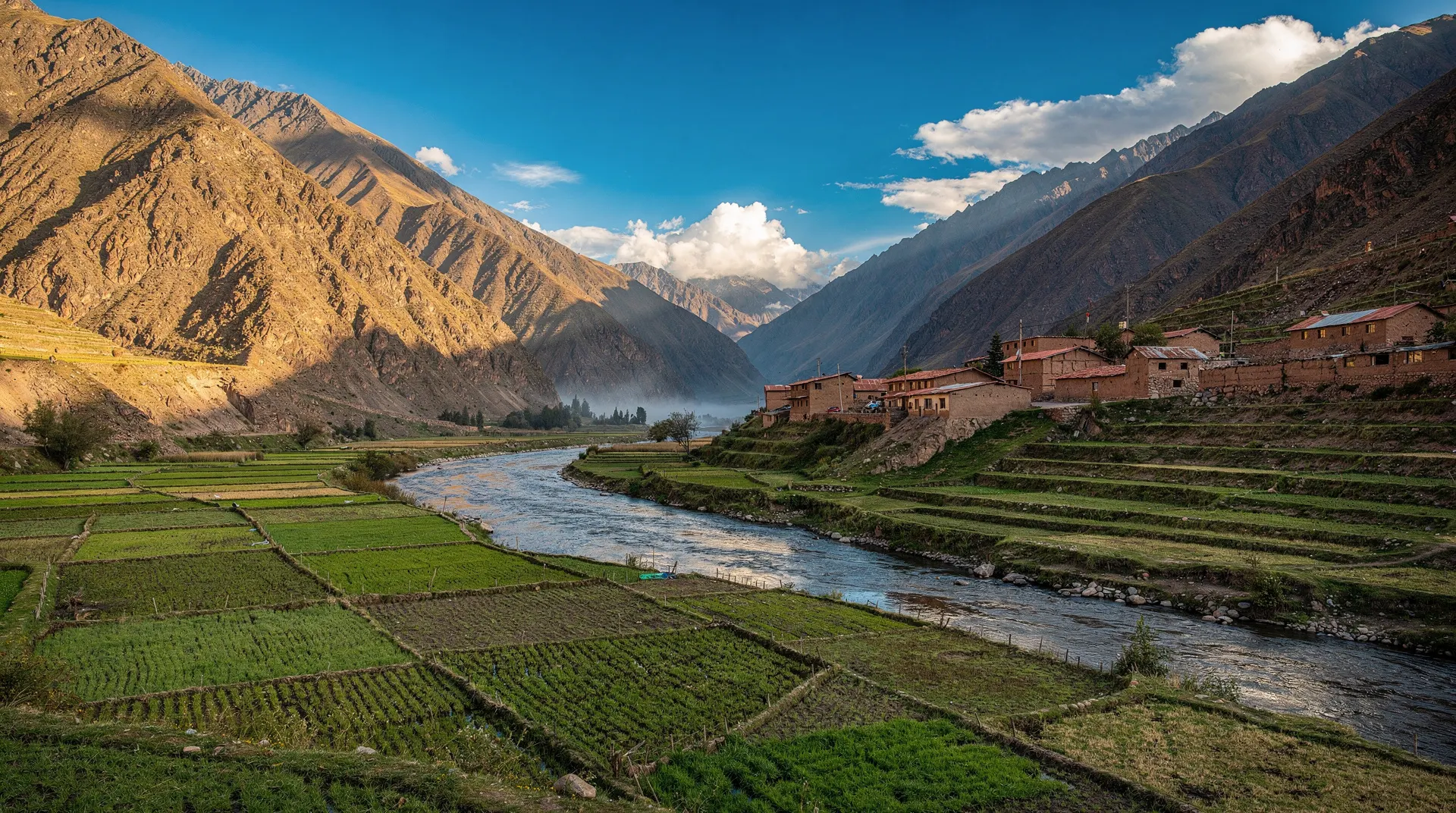
Cusco sits at 3,400 m (11,155 ft). Ollantaytambo is at 2,792 m; Urubamba at approximately 2,870 m; Pisac at 2,950 m. The Sacred Valley floor averages 2,800–3,000 m throughout its length.
A difference of 400–600 m may not look significant on paper. In practice, the effect on a newly arrived visitor is measurable and meaningful. The two primary altitude-sickness mechanisms that affect most visitors at Cusco — disrupted sleep and hypoxic headache — are both dose-dependent on sleeping altitude. Sleeping at 3,000 m rather than 3,400 m does not eliminate the problem, but it reduces its initial severity substantially for most people.
The standard physiological explanation is that your body adjusts to altitude primarily during sleep, when it undergoes what is called the hypoxic ventilatory response — a series of cardiovascular and respiratory adaptations driven by lower blood oxygen saturation. These adaptations proceed more smoothly when the starting altitude is moderate rather than abrupt. The acclimatisation plan explains the process in full; the practical shortcut is that your body finds the transition from sea level to 3,000 m (valley) easier than the transition directly to 3,400 m (Cusco city).
The lived experience: travellers who sleep their first night in Ollantaytambo typically report waking up feeling functional rather than headachy and slow. This is not universal — some people adapt quickly regardless — but it is the majority experience, and there is no downside to taking the gentler gradient.
When the Sacred Valley is the right first base
On a trip of five days or more
If you have enough time to spend your first two nights in the valley and then move to Cusco, the acclimatisation gradient works optimally. You arrive in the region, transfer immediately to the valley (or take the afternoon to rest in Cusco before driving to the valley that evening), sleep two nights at 2,800–3,000 m, and by the time you move to Cusco your blood oxygen levels have adjusted enough that the uphill walk to Sacsayhuamán feels like exercise rather than punishment.
The 7-day Sacred Valley and Machu Picchu itinerary structures the trip exactly this way: valley nights first, Machu Picchu mid-trip, Cusco city at the end when you are fully acclimatised. This sequence consistently produces the smoothest itinerary experience.
If you are altitude-sensitive or have had soroche before
Altitude sickness (soroche in Quechua-influenced Peruvian Spanish) is more common in some individuals than others, but it is not reliably predictable — physical fitness is no protection, and previous good adaptation does not guarantee future adaptation. If you have had soroche before, or if you are travelling with older adults, young children or anyone with cardiovascular or pulmonary history, the valley-first approach is the conservative and sensible choice.
Acetazolamide (Diamox) is the standard preventive medication and is effective when used correctly; consult your GP before travel for prescription and dosage. But medication does not replace altitude — it only blunts the initial response. The valley base still reduces the baseline exposure.
If your Machu Picchu train departs from Ollantaytambo
This is a purely logistical argument that has nothing to do with health. The early morning trains from Ollantaytambo depart from approximately 5:45 am. Catching them from an Ollantaytambo guesthouse requires a 5:15 am alarm and a 10-minute walk to the station. Catching the same trains from Cusco requires leaving the hotel at 3:30–4 am in a pre-booked taxi, driving 72 km in the dark on a mountain road, and arriving at the station in the dark having had less sleep than you needed.
Sleeping in Ollantaytambo the night before your Machu Picchu train is not a romantic suggestion — it is the practical option that produces a better Machu Picchu day. You arrive at the citadel rested rather than sleep-deprived.
If you want to explore the valley without rushing
Basing in the valley and day-tripping to the ruins at your own pace — spending a morning at Pisac, an afternoon at Maras-Moray, a leisurely second day at Ollantaytambo and Chinchero — is substantially more enjoyable than compressing those same sites into a single loop tour. The one-day Sacred Valley itinerary is excellent for a single day visit, but two days based in the valley is better.
A full-day Sacred Valley tour from Cusco works well for the single-day compressed format. Basing in the valley removes the need for a tour entirely and lets you distribute the sites across two relaxed days.
When Cusco is the right base
On a short trip of three days or fewer
The 3-day Cusco itinerary puts you in Cusco from arrival — there is simply not enough time to base in the valley and also cover Qorikancha, the Cathedral, Sacsayhuamán and San Blas. With only three days, accept the altitude challenge. Take acetazolamide if your GP recommends it, rest on arrival afternoon, walk slowly on day one and accept that days two and three will be better than day one.
If Cusco’s restaurant scene and evening life are important
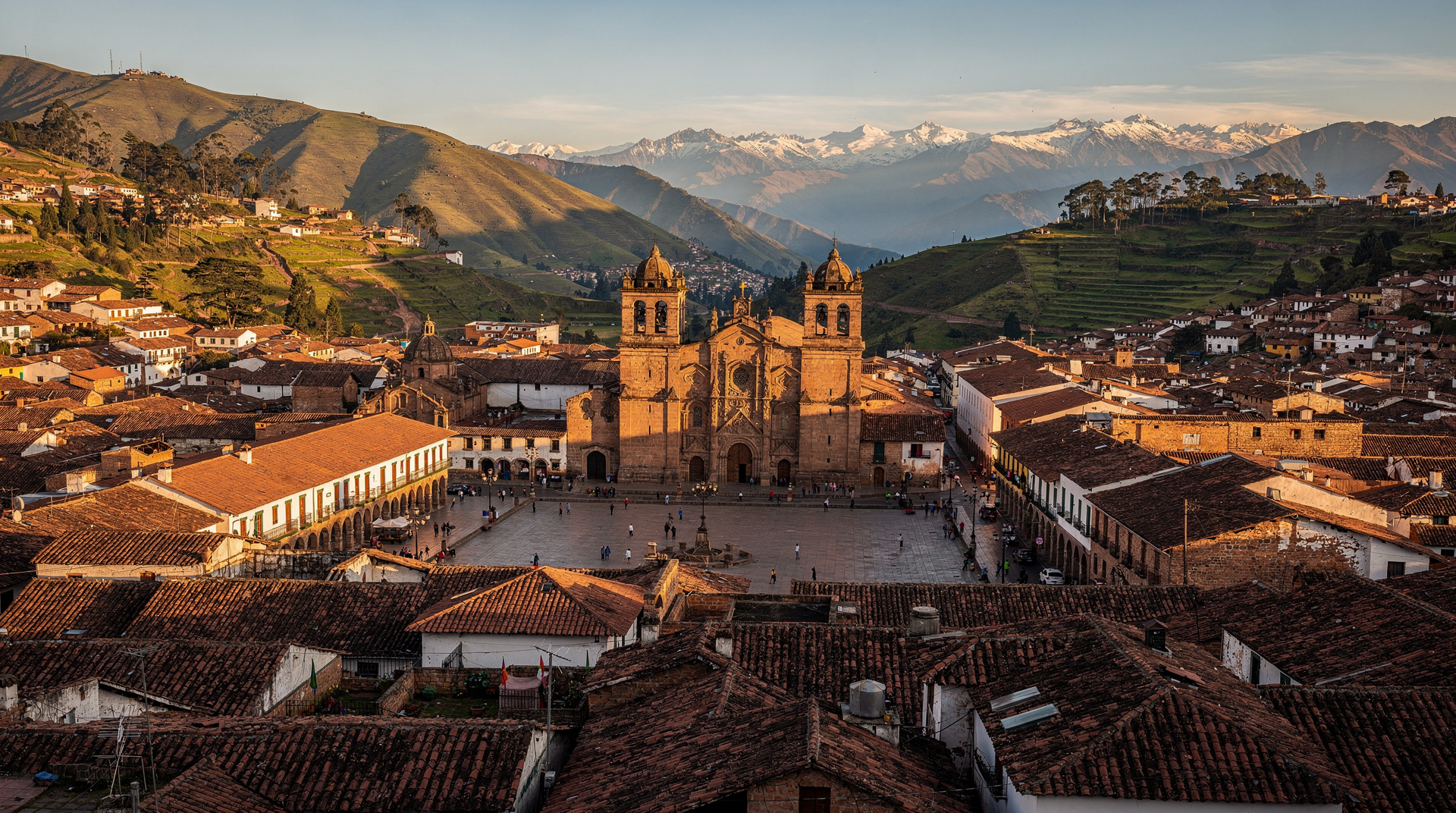
Cusco has one of the best restaurant scenes in South America — Chicha por Gastón Acurio, Cicciolina, MAP Café in the pre-Columbian art museum, dozens of mid-range places serving outstanding contemporary Peruvian food, traditional chicherías, rooftop bars overlooking the Plaza de Armas. Ollantaytambo has pleasant restaurants serving solid Peruvian food. They are not comparable.
If good dinners, evening gallery visits, live music and late-night bars are a significant part of your travel enjoyment, Cusco is the base that delivers. The valley’s evening offer is limited to one or two reliable restaurants and quiet streets by 9 pm.
If you have already acclimatised on a previous visit
Altitude adaptation has persistence over roughly 12–18 months. If you visited Cusco or a similarly high-altitude destination within the past year and adapted without significant problems, the valley-first strategy is less critical. Your body retains some of the cardiovascular adaptations and will readjust faster than on a first visit.
The hybrid approach (the right answer for most trips)
For a trip of five to seven days, the most common and most sensible sequence: arrive in Cusco by air from Lima, transfer immediately to the Sacred Valley (or spend the first afternoon resting at low activity in Cusco and transfer that evening), sleep nights one and two in the valley, move to Cusco for nights three onwards.
This approach means you see all the valley sites — Pisac, Chinchero, Maras, Moray, Ollantaytambo — during your valley days, which are the same sites you would visit on a day trip from Cusco. You lose nothing except one or two nights of Cusco restaurants. You gain noticeably better first-week energy and significantly better first nights of sleep.
Accommodation comparison
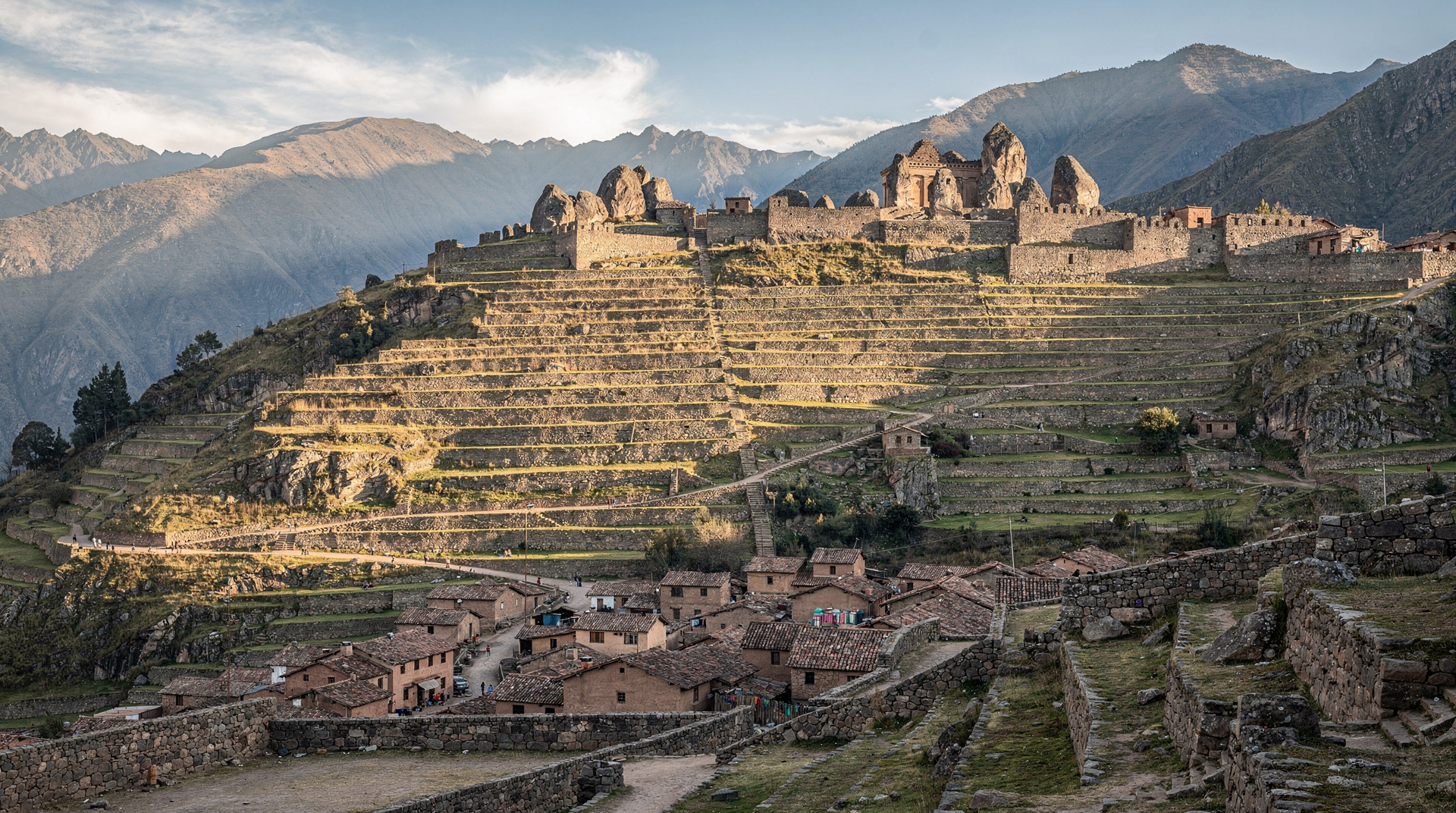
Ollantaytambo: Basic guesthouses S/50–80, mid-range properties S/120–200, boutique hotels S/300–450. Many mid-range options occupy original Inca-period buildings. Location advantage for train access is unbeatable.
Urubamba: The widest accommodation range in the valley. Budget guesthouses S/60–100, mid-range S/150–250, luxury ecolodges (Explora Valle Sagrado) from $500+. Good transport hub for day trips across the valley.
Pisac: Boutique properties from S/100–300 with valley views. Best placed for the eastern valley sites (Pisac ruins, market). Less convenient for Ollantaytambo and the train.
Cusco: Budget hostels S/30–60 per dorm bed, mid-range hotels S/150–350, luxury hotels (Monasterio, Palacio del Inka, Inkaterra) from $300–700 per night. San Blas and the historic centre are the most desirable locations; altitude varies somewhat across the city.
Practical matters: getting between the valley and Cusco
The valley and Cusco are well connected. Collectivos from Calle Puputi in Cusco run to Pisac (~S/5, 45 minutes) throughout the day; onward services to Urubamba and Ollantaytambo run from the Pisac and Urubamba collectivo stands. Total journey from Cusco to Ollantaytambo by shared collectivo: approximately 2 hours and S/10–12.
Private taxis from Cusco to Ollantaytambo cost S/70–100, taking 1.5–2 hours. For families, groups or travellers with luggage, the taxi is worth the premium over the collectivo change-at-Urubamba option.
If you are based in the valley and want to day-trip to Cusco city sites — Qorikancha, the Cathedral, the San Blas neighbourhood, Sacsayhuamán — take a collectivo or taxi from your valley base to Cusco, spend the day in the city, and return in the afternoon. The round trip adds 3–4 hours of travel, which is why this works better for a dedicated Cusco city day than for multiple short city excursions.
A note on altitude within the valley
Not all valley accommodation sits at the optimal altitude for acclimatisation purposes. Ollantaytambo at 2,792 m and Urubamba at 2,870 m are the two lowest options in the valley and the best choices for a first night. Pisac at 2,950 m is slightly higher but still significantly below Cusco. Chinchero on the plateau at 3,760 m is actually higher than Cusco and should not be used as an acclimatisation base — it is a day-visit stop, not an overnight option for altitude management.
For the altitude-management logic to work, sleep in the valley floor towns: Ollantaytambo first for its combination of low altitude and train-station convenience, or Urubamba for its wider accommodation range.
Medical travellers and the valley advantage
Two groups of travellers benefit more than average from the valley-first approach. Older adults — particularly those over 60 — respond to altitude more unpredictably than younger travellers and tend to have longer initial adjustment periods. Sleeping at 2,800 m before moving to 3,400 m gives the cardiovascular system an extra one or two nights of graduated adjustment that can make a significant difference to comfort.
Travellers with any cardiac or pulmonary history should discuss altitude travel with their GP before departure, regardless of where they sleep. The baseline recommendation for such travellers is typically to maximise the time at lower altitude before moving to Cusco elevation, which is precisely what the valley-first sequence provides. Acetazolamide (Diamox) can be prescribed as a prophylactic; it does not replace altitude but it blunts the initial physiological response and reduces the severity of early-adjustment symptoms.
For young children (under 5), altitude sensitivity is less predictable than for adults. The standard paediatric guidance is to avoid taking young children to altitudes above 3,000 m without medical advice — which means Cusco (3,400 m) is above the comfortable threshold for some young children, while the valley floor (2,800–3,000 m) is borderline acceptable. If you are travelling with very young children, the valley is the right base and Cusco should be a day-trip destination rather than the overnight choice.
Getting from Lima to the Sacred Valley directly
Most international visitors arrive in Peru via Lima (LIM), which sits at sea level. The standard routing to the Cusco region involves a Lima–Cusco flight (approximately 1 hour 15 minutes), followed by immediate transfer to the Sacred Valley without spending a night in Cusco first.
This is the optimal altitude management sequence if your schedule allows it. The Lima–Cusco flight lands at Alejandro Velasco Astete Airport at 3,400 m. Catching a taxi or transfer directly to the Sacred Valley rather than checking into a Cusco hotel means your first night at altitude is at 2,800–2,900 m rather than 3,400 m. The flight connection is straightforward and taxis from Cusco airport to Ollantaytambo cost S/70–100, taking approximately 1.5–2 hours.
Flights from Lima to Cusco depart primarily in the morning (LATAM and Sky Airline both operate morning services). An 8–9 am Lima–Cusco flight lands in Cusco by 10–10:30 am, allowing you to be in Ollantaytambo before noon — in time for lunch at a valley restaurant before an afternoon walk through the fortress and town. This is one of the most sensible possible first days in the region.
The decision tree
The valley versus Cusco question reduces to a simple decision tree:
Do you have 5 or more days? Yes: start in the valley. No: start in Cusco.
Are you altitude-sensitive or travelling with older adults or young children? Yes: start in the valley regardless of trip length. No: follow the day-count rule above.
Does your Machu Picchu train depart from Ollantaytambo? Yes: spend at least the night before the train in Ollantaytambo. This is true for almost all train bookings from the Sacred Valley.
Is good dining and evening entertainment important to you? This is a Cusco point, and it is legitimate — Cusco genuinely has a far better restaurant scene. Factor it into the day allocation: valley first, Cusco for the last part of the trip when the best restaurants matter.
The honest summary
For the majority of first-time visitors to the Cusco region on a trip of five days or more, the sequence is: arrive, transfer to the valley, sleep two nights at altitude-friendly 2,800–3,000 m, see all the main valley sites without rushing, then move to Cusco for city sightseeing while your body is properly acclimatised. The valley’s practical disadvantages — fewer restaurants, less evening life, more travel to reach Cusco sites — are real but minor in comparison to the benefit of arriving in the region with a gentler altitude curve.
The altitude sickness guide explains what to do if you experience symptoms regardless of where you are based. The one-day Sacred Valley itinerary shows how to use valley time efficiently if you have only a single day to allocate.
What this decision costs in practice
Money is rarely the deciding factor between the two bases — mid-range accommodation in Ollantaytambo or Urubamba runs comparably to mid-range Cusco — but the total trip cost shifts slightly depending on the sequence you choose. Basing in the valley for two nights and skipping a Sacred Valley day tour (because you are already there) saves the S/150–250 a full-day Sacred Valley tour from Cusco would otherwise cost, since you can visit Pisac, Chinchero and Ollantaytambo independently by collectivo on your own schedule.
Travellers who prefer a single guided day covering the valley highlights with a driver and narration should look at the private Sacred Valley VIP tour, which works well for either base since it collects from both Cusco and valley hotels.
For a broader planning question — how many days the whole region deserves, not just the first two nights — the how many days in Cusco guide is the natural next read, and the Cusco trip planning guide ties the base decision into the rest of the itinerary, including transport, budget and when to book Machu Picchu tickets.
Families and older travellers: the base decision matters more
For families with young children or older travellers, the base decision carries more weight than for a fit solo traveller who can shrug off a rough first night. A parent managing a cranky, altitude-affected toddler in a Cusco hotel at 3,400 m has a harder 48 hours than the same family sleeping at 2,800 m in Ollantaytambo. The Cusco with kids guide covers this in more depth, but the short version reinforces everything above: if the travelling party includes anyone particularly altitude-sensitive, the valley-first sequence is worth the minor loss of Cusco restaurant access on the first two nights.
Money matters beyond the room rate
Taxi fares and collectivo costs add up quietly on a valley-first itinerary, and it is worth budgeting for them honestly rather than being surprised. Two nights in the valley followed by day-tripping to Cusco once, moving to Cusco on day three, and taking a taxi to the Ollantaytambo train station on your Machu Picchu day realistically adds S/150–250 in local transport that a Cusco-only itinerary would not need.
The Cusco taxi and money guide covers realistic fares for every leg of this kind of routing, including which trips are worth a private taxi versus a shared collectivo. None of this changes the underlying recommendation — the transport cost is modest compared with the comfort and acclimatisation benefit — but it is worth having sol notes ready rather than relying on cards, since most collectivo drivers and many valley guesthouses are cash-only.