How many days in Cusco: honest advice for every itinerary
From Cusco: Machu Picchu Day Trip with Train Tickets
How many days in Cusco?
Four days is the practical minimum to cover acclimatisation, the main city sites, one Sacred Valley day trip, and a Machu Picchu day. Six to seven days is the sweet spot if you want to add Rainbow Mountain or Humantay Lake without feeling rushed. Trekkers need 9–12 days to include the Inca Trail or Salkantay.
The time question every Cusco visitor asks
“How many days do I need?” is the first practical question for almost every visitor to the region. It is also the one where the gap between the answer online and the answer in reality is widest. Many travel sites suggest two or three days for Cusco; experienced travellers who have been there consistently recommend five or more. The discrepancy comes down to one thing: altitude.
| Minimum | 4 days (rest, city, Sacred Valley, Machu Picchu) |
| Sweet spot | 6–7 days (adds Rainbow Mountain or Humantay Lake) |
| Trekker itinerary | 9–12 days (Inca Trail or Salkantay) |
| Non-negotiable | Day 1 is a rest day, not a sightseeing day |
| Extra night cost | Around S/250–350 mid-range hotel |
Cusco sits at 3,400 m above sea level. Your body needs time to adjust before you can enjoy it properly, let alone push yourself on day trips to Rainbow Mountain at 5,200 m. A tight itinerary that ignores this produces a trip that feels permanently exhausted and slightly overwhelming. A well-paced itinerary — one that works with the altitude rather than against it — produces the kind of trip people talk about for years.
This guide lays out honest, experience-based day counts for every type of Cusco trip.
Why acclimatisation is non-negotiable
Most travellers to Cusco fly in from Lima (at sea level) or from lower-altitude cities elsewhere in South America. The transition from sea level to 3,400 m in three hours by air is significant. Your blood oxygen saturation drops, your heart rate rises, and your body starts producing more red blood cells to compensate — a process that takes 48–72 hours to get meaningfully underway.
The symptoms of mild altitude sickness (soroche) are well-documented: headache, fatigue, shortness of breath on stairs, disrupted sleep, and mild nausea. They are not dangerous for most people if treated with rest, hydration and patience. They become a problem when you try to ignore them and push into a full day of walking or a high-altitude excursion on day one.
The altitude sickness guide covers prevention and management in full. The practical message for itinerary planning: day one in Cusco is a rest day, not a sightseeing day. Build it in. You will enjoy every subsequent day more.
Day-by-day breakdown by trip length
Four days: the practical minimum
Four days works for visitors who want Machu Picchu, a taste of the Sacred Valley, and a walk around Cusco’s historic centre.
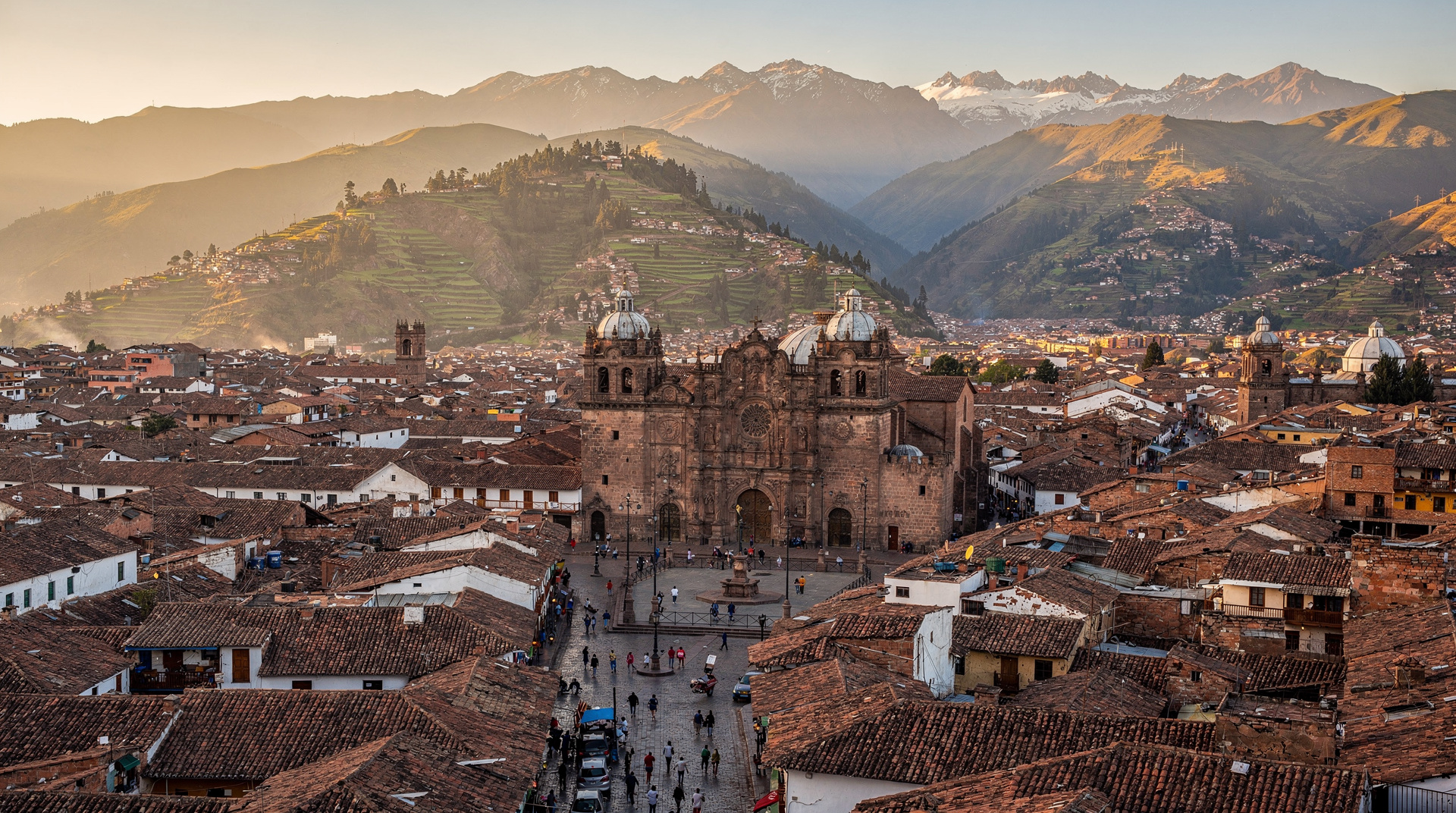
Day 1 — Arrival and acclimatisation. Land, check in, rest. A gentle walk to Plaza de Armas in the afternoon is fine. Avoid alcohol entirely. Drink coca tea if your accommodation provides it. Do not attempt Sacsayhuamán today — the climb from the city is surprisingly demanding at altitude.
Day 2 — Cusco city sites. Qorikancha and the Temple of the Sun, the Cathedral, San Pedro Market, and Sacsayhuamán if you feel up to it. The Boleto Turístico covers several sites and is worth buying if you plan to visit three or more.
Day 3 — Sacred Valley. A full-day tour of the Sacred Valley covering Pisac market and ruins, Maras salt mines and Moray terraces, and Ollantaytambo fortress. The Valley sits at 2,800–3,000 m, slightly lower than Cusco — active but manageable by day three.
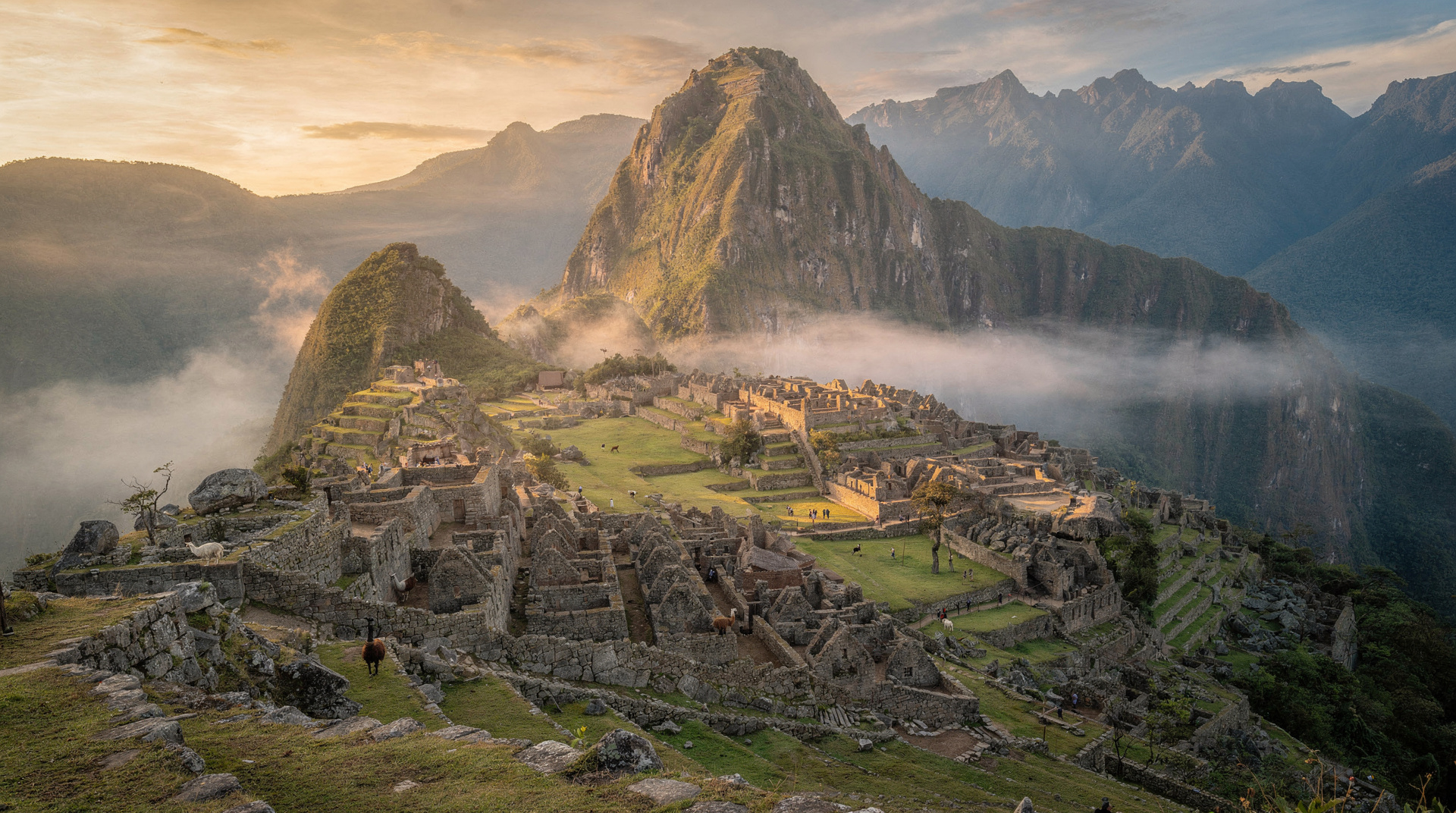
Day 4 — Machu Picchu day trip. An early start (3:30–4 am from Cusco), bus to Ollantaytambo, train to Aguas Calientes, bus up to the citadel at 2,430 m. Time on the site depends on your circuit and route (the main routes through the citadel allow up to 2 h 30), then the return journey in the afternoon. Booking a guided day trip with train, bus and entry included from Cusco handles all the logistics in a single reservation and is worth the premium on a tight itinerary.
Four days is tight. You will enjoy it, but you will also feel that there was more to see.
Six to seven days: the sweet spot
Six days adds breathing room and lets you include at least one more major excursion without feeling rushed.
Days 1–4 follow the same structure as above.
Day 5 — Rainbow Mountain or Humantay Lake. By day five, most travellers are acclimatised enough to handle the altitude of Rainbow Mountain Vinicunca at 5,200 m or Humantay Lake at 4,200 m. Both are full-day excursions departing Cusco at 4–5 am. Rainbow Mountain is the more dramatic but more demanding; Humantay Lake is slightly lower and less crowded. The best day trips guide compares all options.
Day 6 — Slower day in Cusco. Markets, cooking class, San Blas neighbourhood artisan workshops, or a leisurely revisit of whatever you missed. This is also a good recovery day after the altitude exertion of day five.
Day 7 (optional) — Second Machu Picchu day, an overnight in Aguas Calientes, or an early departure. A second day at Machu Picchu — arriving on the first bus and and choosing a different circuit from your first visit (check the options on tuboleto.cultura.pe) — is noticeably different from the first visit and genuinely worthwhile.
Nine to twelve days: the trekker itinerary
If the 4-day Inca Trail is on your list, the structure changes substantially. The Inca Trail closes in February and permits sell out months ahead — timing and booking drive the itinerary more than personal preference.
Days 1–3: Cusco acclimatisation, city sites, Sacred Valley preparation.
Days 4–7: Inca Trail (four days ending at Machu Picchu via the Sun Gate).
Day 8: Return to Cusco from Aguas Calientes, recovery.
Days 9–11: Rainbow Mountain, further city exploration, buffer.
The Salkantay trek replaces days 4–8 above and requires no advance permit — useful if you are planning on shorter notice.
What a rushed itinerary actually feels like
It is worth being specific about what “rushed” means in practice, because the abstract advice to “add a day” is easy to nod along with and then ignore when booking. A three-day itinerary typically means: a persistent low-grade headache through days one and two that never fully resolves before the Machu Picchu day; a 3:30 am wake-up on the one day you most want to feel sharp; and a return journey to Cusco that afternoon leaving you too drained to do anything except collapse at the hotel, with no time left to see the Sacred Valley at all.
Travellers who have done both a rushed and a properly paced Cusco trip consistently describe the difference not as “saw more things” but as “actually felt well enough to enjoy what I saw” — a distinction that matters more at 3,400 m than at almost any other popular travel destination.
How to prioritise if your time is fixed
If you have exactly five days and cannot change that, this is the honest order of priority:
- Acclimatisation day (non-negotiable)
- Machu Picchu (the primary reason most visitors come to the region)
- Sacred Valley full day (Pisac, Maras/Moray, Ollantaytambo — the best supporting act)
- Cusco city sites (Qorikancha, Sacsayhuamán, San Pedro Market)
- Rainbow Mountain or Humantay Lake — only if you feel genuinely acclimatised
The Sacred Valley full-day tour is well-suited to day three: it is active enough to feel worthwhile but conducted at lower altitude than the city, which continues the body’s adjustment process rather than fighting it.
The cost of getting the day count wrong
Visitors who underestimate Cusco’s altitude and try to cram too much into three days consistently report the same outcomes: headaches throughout, poor sleep, feeling like they were behind schedule, and leaving with a sense that they did not actually see things properly. The cost of adding one more day — in time and money — is almost always less than the cost of a compromised experience.
The Peru trip cost guide breaks down daily budgets in detail. An extra night in Cusco at a decent mid-range hotel runs to S/250–350 ($75–105). By the standards of what a Peru trip costs overall, one more day is a sensible investment.
Combining Cusco with the broader Peru circuit
Most international visitors to Cusco are not visiting Peru solely for Cusco. The standard additional destinations are Lima, Arequipa, Colca Canyon, Puno and Lake Titicaca.
The most efficient circuit for a two-week trip: Fly into Lima (1–2 days), fly to Cusco (6–7 days including Machu Picchu), overnight bus to Puno (2 days on Lake Titicaca), then to Arequipa (2 days), then fly home from Arequipa. This route avoids backtracking entirely.
For a one-week trip: Fly Lima → Cusco, spend 5 full days in the region, fly Lima → home. This is the most common structure for shorter holidays and works well if expectations are calibrated — Machu Picchu plus Sacred Valley plus city is a full and satisfying week.
A day trip to Machu Picchu with train and guide included is the most efficient way to handle the logistics on a tight itinerary — one booking covers the most complex moving parts of the trip.
Practical tips for making every day count
Book Machu Picchu tickets and trains before you book flights. This sounds extreme but is not. In dry season (May–September), Machu Picchu entry tickets and trains book out. Fix the Machu Picchu date first, build the rest of the itinerary around it.
Stay in the same accommodation for your whole Cusco period. Switching hotels every two nights in a high-altitude city is draining. Find one place you like and stay put. Neighbourhoods to prioritise: San Blas for character, Historic Centre for convenience, areas near Plaza Regocijo for a quieter base.
Do not fly out the day after Machu Picchu. The return journey from Aguas Calientes to Cusco takes most of a day. Arriving back at 3,400 m after a long day at the citadel is tiring. Give yourself at least one partial day in Cusco before any early-morning flight.
Rethink rushing the Sacred Valley. Many visitors try to combine multiple Sacred Valley stops in a half-day drive to save time. The one-day Sacred Valley itinerary shows how to do it properly — the site at Ollantaytambo alone justifies a slow morning, and Pisac market at 9 am before the crowds is a genuinely different experience from arriving at noon.
Trust the order: city first, altitude extremes last. Every day you spend in Cusco improves your capacity for the next high-altitude excursion. Rainbow Mountain at 5,200 m on day five feels entirely different from day two. Work with the altitude curve, not against it.
Seasonal timing and its effect on day count
The season you visit affects your planning margin rather than the day count itself. In dry season (May–September), the main attraction bookings — Machu Picchu entry, trains, Inca Trail permits — should be made well ahead, especially for the most popular entry times and the mountain routes; check availability on tuboleto.cultura.pe. This means your dates are fixed early and the itinerary is more rigid. If a day goes wrong (altitude, illness, cancelled excursion), you have fewer recovery options.
In rainy season (November–March), the booking pressure is lower for almost everything except peak Christmas and New Year weeks. Day trips can often be booked the night before. Machu Picchu entry is more readily available. This flexibility effectively adds a buffer that dry season visitors have to build in deliberately. If you are travelling in rainy season, you can plan a slightly shorter trip with more confidence that everything will fit together.
Weather variability within a single trip also matters more than many itineraries account for — a single unexpectedly rainy or foggy morning at Machu Picchu or Rainbow Mountain is not catastrophic on a six- or seven-day trip, where there is enough slack to adjust the plan on the fly, but it can genuinely derail the single opportunity available on a strict four-day schedule.
The one firm exception: the Inca Trail closes entirely in February. If the trail is a priority, February is the single month to avoid entirely regardless of any other consideration. The Salkantay trek is permit-free and operates year-round (with harder conditions in deep rainy season), making it the standard alternative for February visitors.
What first-time visitors most often underestimate
Beyond the altitude and the day count, the single most consistent underestimate among first-time Cusco visitors is the time required to absorb the scale of what is here. Machu Picchu is the stated destination for most people — but Ollantaytambo is a genuinely extraordinary archaeological site in its own right, Pisac ruins above the market are extensive and impressive, and Sacsayhuamán is arguably more visually arresting than Machu Picchu in terms of pure engineering scale. A trip that only does Machu Picchu and skips the Sacred Valley leaves the region before seeing half of what it offers.
The day count that allows this broader experience — six to seven days — is the one that reliably produces the most satisfied visitors. Four days does not give this; ten days risks running out of the highest-priority experiences before you have the time to fill. Six days is the Goldilocks answer for most people visiting the region for the first time.
The honest summary
Four days in Cusco is the minimum for a trip that includes Machu Picchu. Six to seven days is the right call for most visitors. Nine or more days if a multi-day trek is on the list. Whatever your total, treat day one as a genuine rest day — it is not wasted time, it is investment in every day that follows.
The Cusco trip planning guide covers every other logistics question, from visas to what to book ahead, in a single reference. The best time to visit guide gives a month-by-month breakdown of conditions to help you fix your travel dates.
Day-count comparison at a glance
| Trip length | Includes | Best for |
|---|---|---|
| 3 days | Machu Picchu + city only, no Sacred Valley | Fixed, unavoidable time limit |
| 4 days | + full Sacred Valley day | Tight but complete first visit |
| 6–7 days | + Rainbow Mountain or Humantay Lake, recovery day | Most first-time visitors |
| 9–12 days | + Inca Trail or Salkantay trek | Trekkers with flexible dates |
| 12–14 days | + Puno/Lake Titicaca and Arequipa | Full southern Peru circuit |
What changes if you are travelling with children or older relatives
The day counts above assume a reasonably fit adult traveller. Families and travellers with older relatives should generally add one day to whichever total they land on — the family-friendly day trips guide explains why the acclimatisation curve matters even more for children, who do not always signal altitude discomfort clearly. Building in an extra buffer day before Rainbow Mountain or Humantay Lake, or skipping them in favour of the gentler south valley day trip, is the honest adjustment for anyone travelling with a wider range of ages and fitness levels in the group.