Humantay Lake
Humantay Lake is a turquoise glacial lake at 4,200 m above Soraypampa. Steep 45–90 min climb, $30–50, genuinely stunning — the honest guide to getting
Humantay Lake Tour from Cusco
Quick facts
- Country
- Peru
- Altitude
- 4,200 m / 13,780 ft
- Currency
- Peruvian sol (S/) — USD widely used
- Best for
- Glacial lake scenery, accessible high-altitude day hiking, Salkantay corridor
A glacial lake that earns every step
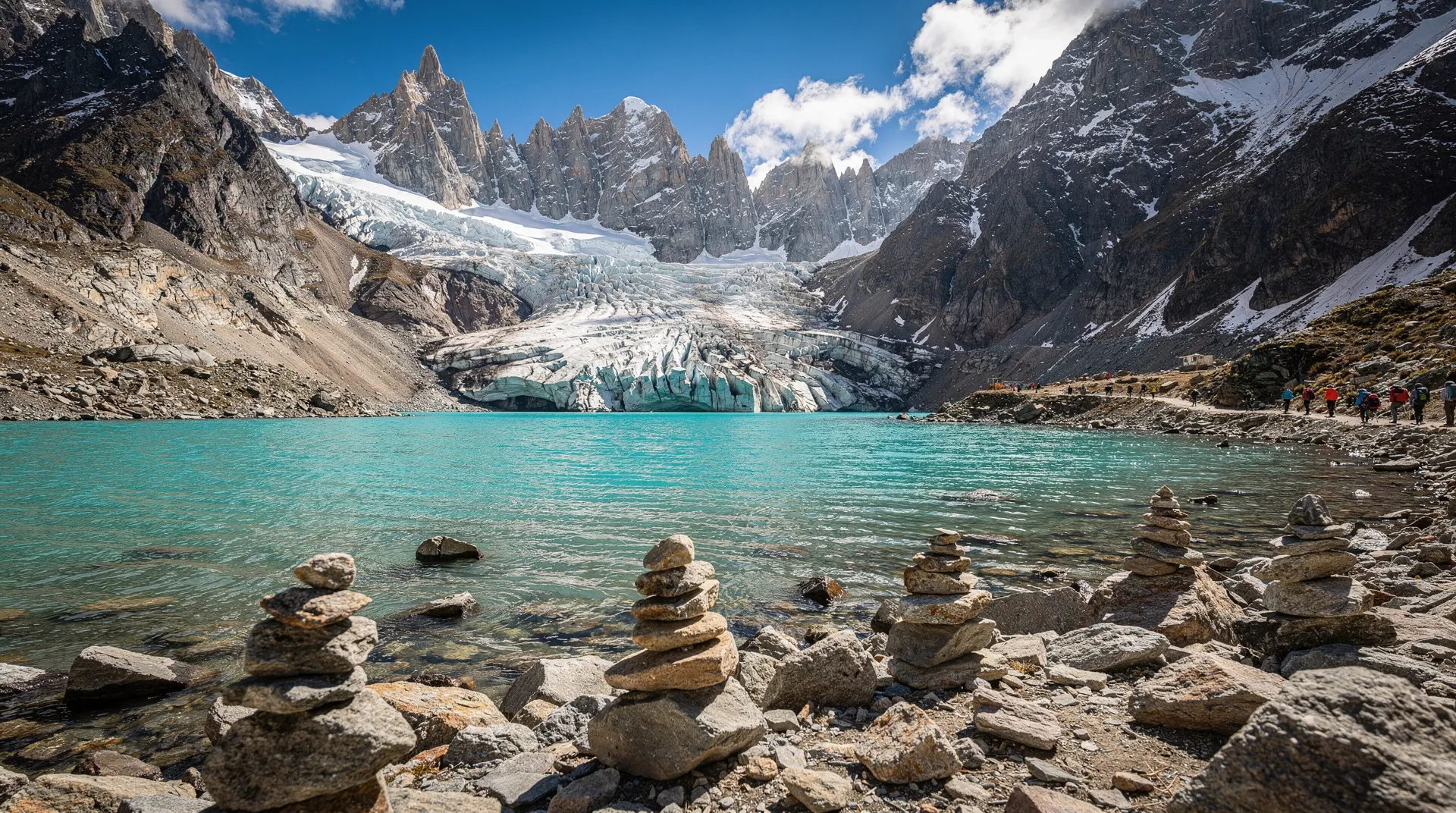
There is a particular kind of high-altitude colour that no photograph fully prepares you for. It occurs in glacial lakes fed by meltwater from snowfields and glaciers, where the suspended glacial flour — fine rock powder ground by the ice — scatters blue wavelengths of light in a way that makes the water appear electric. Humantay Lake, sitting at 4,200 m in a natural amphitheatre beneath the Humantay snowpeak in the Salkantay corridor, is one of the finest examples in Peru.
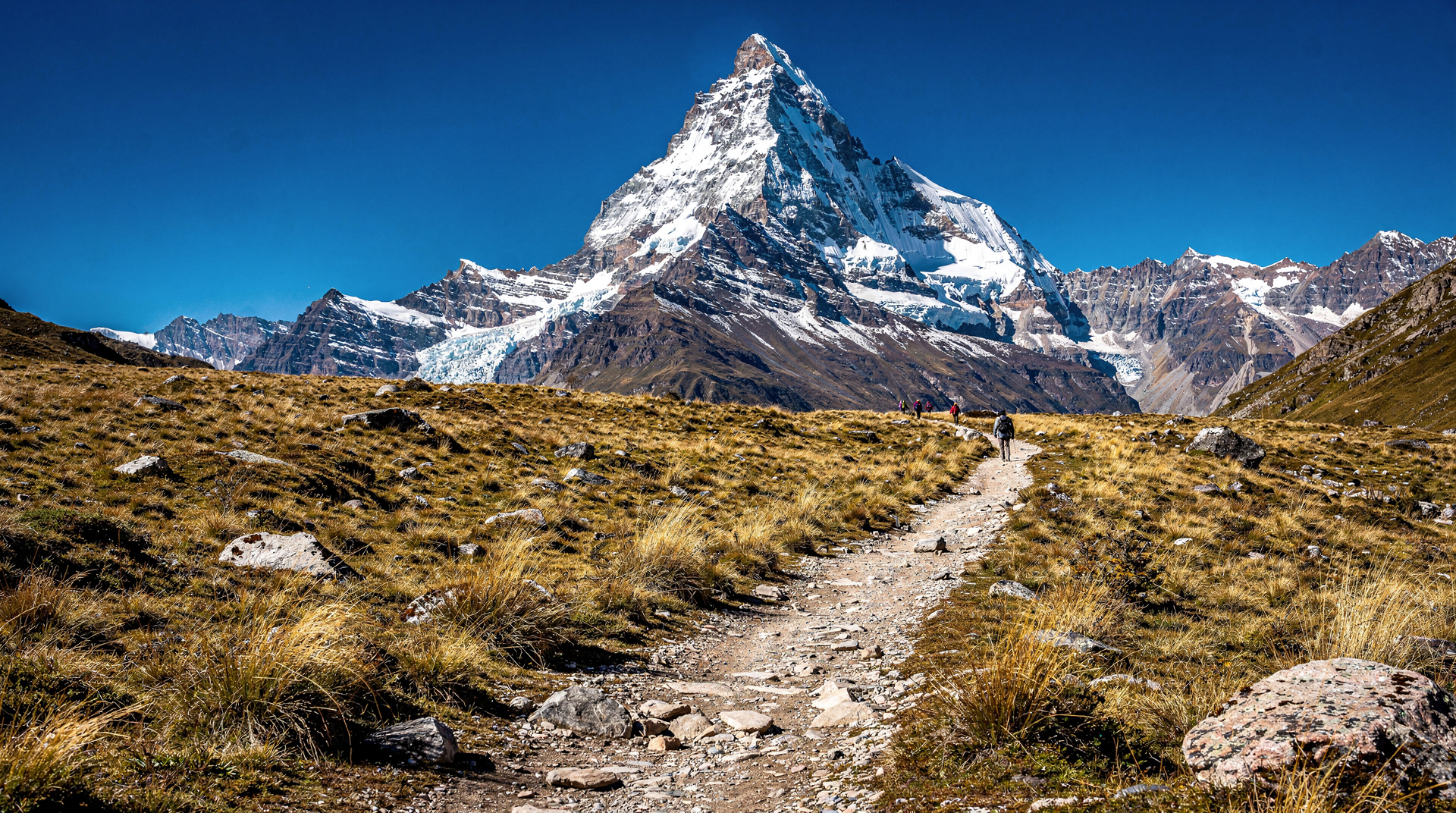
The lake is reached by a steep 45–90-minute climb from the Soraypampa base at around 3,900 m. The path is short, the vertical gain is approximately 300 m, and the reward at the top is immediate and unambiguous. You crest a rocky ridge and there it is: an improbably vivid turquoise lake, rimmed by moraine boulders, with the glacier-capped summit of Humantay (5,473 m) reflected in the surface. Most visitors stand very still for a few minutes before doing anything else.
This guide covers the logistics, the altitude, and where Humantay fits into a broader Cusco itinerary.
| Where | Soraypampa, Salkantay corridor, ~3.5hrs from Cusco |
| Time needed | Full day from Cusco; half-day if already at Soraypampa |
| Cost | Around $30–50 per person for a day tour |
| Altitude | 4,200 m at the lake, 300 m climb from Soraypampa |
| Best time | May–September, mornings before 9 am for quiet and light |
The setting: Soraypampa and the Salkantay corridor
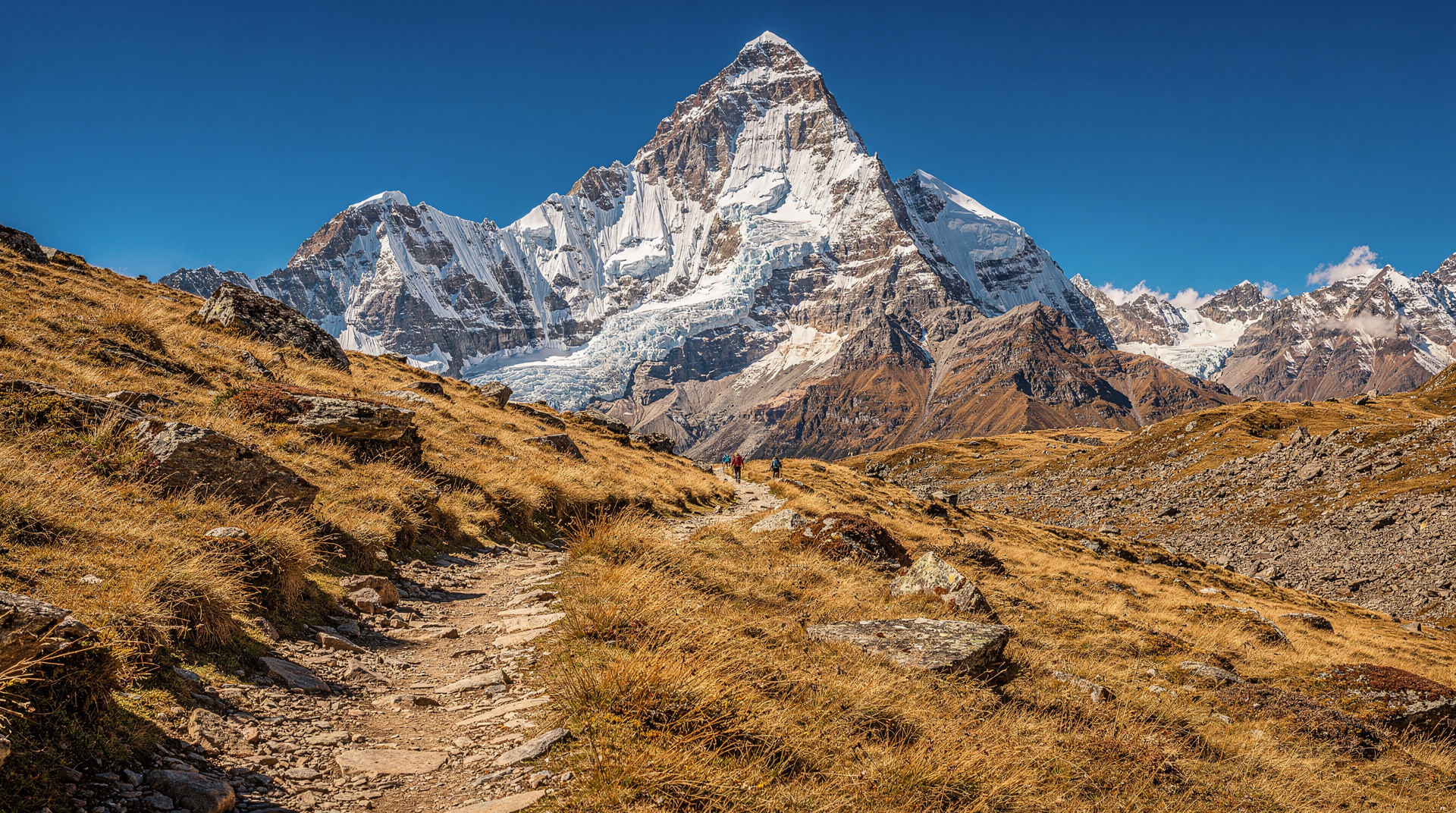
Humantay Lake is not an isolated destination — it sits at the starting end of the Salkantay trek, the most popular alternative route to Machu Picchu. Soraypampa, the high meadow at 3,900 m where the trail begins, is the overnight camp for the first night of most Salkantay multi-day itineraries.
This geography means two things practically. First, the access road is well-maintained (by local standards) and the infrastructure at Soraypampa — basic lodges, camp kitchen, toilet facilities — is more developed than at more remote trailheads. Second, in peak season you will share the trail to Humantay with Salkantay trekkers passing through on their way to the high pass. The lake itself fills up between about 9 am and 1 pm; mornings before 9 and afternoons after 2 pm are noticeably quieter.
The drive from Cusco to Soraypampa is approximately 3–3.5 hours, passing through Mollepata at around 2,800 m before the road climbs into the high Andes. The scenery on the approach is already remarkable — the Vilcabamba mountains close in progressively, and the first views of snow-capped peaks appear on the final switchbacks. Most day-trip operators depart Cusco between 4 and 5 am to reach the trailhead by 7:30–8 am.
The climb: what the gradient actually means
The trail from Soraypampa to Humantay Lake gains approximately 300 m of vertical over about 2 km. On paper, that sounds modest. In practice, at altitudes between 3,900 m and 4,200 m, 300 m of gain on a steep rocky path is a genuinely demanding hour for most visitors who are not full-time hill walkers.
The trail divides into two sections. The lower half winds through highland scrub and meadow on a zigzag path with reasonable gradient. The upper section steepens substantially — there are stretches where the path climbs almost directly up the ridge face on loose rock and compacted earth — before the final approach levels briefly at the lake outlet.
Allow 45 minutes if you are fit and well acclimatised. Allow 90 minutes if you are less fit or are still adjusting to altitude. Do not try to go faster than your breathing permits — at 4,000 m-plus, pushing hard enough to become severely breathless has a real cost to recovery time and enjoyment at the top. Horses are available at Soraypampa for the ascent; the fee is approximately S/50–70 each way. There is no shame in using them.
The descent is considerably gentler on the cardiovascular system, though harder on the knees. Allow 40–60 minutes for the return to Soraypampa.
The altitude: acclimatise first
At 4,200 m, Humantay Lake sits at the threshold where altitude sickness becomes a realistic concern for unacclimatised visitors. It is lower than Rainbow Mountain Vinicunca (5,200 m) and lower than Palccoyo (4,900 m), but it is still 900 m above Machu Picchu and roughly 1,000 m above Cusco’s main square.
The minimum recommendation before attempting this hike is two nights spent at altitude in Cusco or the Sacred Valley. The Cusco acclimatisation plan explains why those first two nights matter physiologically — your body needs time to begin increasing red blood cell production, and that process cannot be rushed by willpower or fitness level. The altitude sickness guide covers the warning signs on the trail: if a headache becomes severe, if walking in a straight line becomes difficult, or if nausea progresses to persistent vomiting, those are signals to descend, not to push on.
Coca tea and altitude confectionery are sold at Soraypampa and at the lake. They can take the edge off a mild headache. They are not a substitute for acclimatisation time.
Day-trippers from Cusco who go on their first or second day frequently reach Soraypampa feeling fine — Cusco’s 3,400 m is already significant altitude — but struggle on the steep upper section of the climb. Scheduling Humantay for day three or four of your trip makes the climb considerably more pleasant.
The lake: what you find at the top
The lake is approximately 400 m long and 200 m wide, held in a natural rock basin by moraine from the Humantay glacier above. Its colour shifts through the day — deepest turquoise in flat morning light, more green-blue in direct midday sun, almost milky in overcast conditions. In clear dry-season weather between May and September, the Humantay snowpeak is reflected cleanly in the upper half of the water.
There is a small Andean ritual site on the lakeshore — a collection of cairns and offerings where local guides conduct brief ceremonies acknowledging Apu Humantay, the mountain deity. Respectful visitors are welcome to observe. Do not remove any of the offering materials or add items that are not traditional.
The lake is enclosed on three sides by ridge and moraine; the open side faces down the valley towards Soraypampa. Walking the moraine rim clockwise adds another 20–30 minutes and offers progressively better views of the glacier face above. The southern end of the moraine gives the best composition for photography — the full snowpeak, the lake surface, and the valley beyond all in the same frame.
A Humantay Lake day tour from Cusco includes transport, a guide, and typically a boxed lunch at the lake. The guide matters here not just for navigation — the trail is clear — but for acclimatisation management on the steep upper section, where an experienced leader will set the right pace automatically.
Humantay within the Salkantay context
Many visitors to Humantay Lake are doing a reconnaissance of the Salkantay corridor before committing to the multi-day trek. They are right to do so. Seeing Soraypampa, walking the first major climb, and getting a sense of the environment at 4,000 m gives a useful baseline for deciding whether a five-day route that tops out at 4,630 m is within reach.
The Salkantay trek guide covers the full five-day route in detail, including the high pass, the cloud forest descent, and the final approach to Machu Picchu. The best treks to Machu Picchu guide positions Salkantay against the Inca Trail and other options for travellers who have not yet decided between them.
If you are doing the Salkantay as a multi-day trip, Humantay Lake is typically visited on the afternoon of day one at Soraypampa — the timing works well because the main trekking groups have moved on, the light is softer, and the lake is largely empty. A 5-day Salkantay trek including Humantay Lake is the standard format and covers this side trip as part of the first day’s activities.
Humantay Lake versus Rainbow Mountain: which day trip first
Both are frequently offered as day trips from Cusco and both involve a demanding climb at altitude, so travellers choosing between them for a single free day often want a direct comparison.
| Humantay Lake | Rainbow Mountain | |
|---|---|---|
| Altitude at top | 4,200 m | 5,200 m |
| Climb time | 45–90 minutes | 60–90 minutes, plus a longer approach walk |
| Landscape | Turquoise glacial lake, snowpeak | Striped mineral mountainside |
| Crowds | Moderate, thins after 1 pm | Heavy, especially 8–10 am |
| Good acclimatisation test for | Salkantay trek | Ausangate or other 5,000 m+ routes |
If you are still acclimatising and unsure how your body handles altitude, Humantay Lake at 4,200 m is the gentler introduction of the two. Rainbow Mountain’s extra 1,000 m makes a real physiological difference, and doing Humantay first — ideally with a rest day in between — gives you useful information about how you are likely to feel at the higher site.
Costs and what they cover
Day tours to Humantay Lake from Cusco range from approximately $30–50 (S/110–190) per person depending on group size and operator. The cheaper end of this range tends to use larger shared vehicles and have bigger group sizes at the lake; the more expensive end uses smaller groups and may include a proper hot lunch at a lodge in Soraypampa. Both are reasonable — the lake experience is the same either way.
Entry to the lake area carries a community fee of approximately S/10–20 (around $3–5), usually included in organised tour prices. If going independently, budget for this separately.
The Humantay Lake hike with local guide is the most straightforward single-day option for travellers based in Cusco who want a high-altitude lake experience without the commitment of a multi-day trek.
Combining Humantay with other Salkantay-corridor stops
If Humantay Lake is your only stop in the Salkantay corridor, consider whether it makes sense to combine the day with a visit to the nearby Salkantay viewpoint at Soraypampa itself, which offers striking views of Nevado Salkantay (6,271 m) without any additional climbing — a worthwhile consolation for travellers whose knees or lungs are not up for the lake ascent that day. Some operators also offer an add-on visit to the hot springs near Santa Teresa on the return leg for travellers doing a longer day, though this extends an already full day considerably and is better suited to those overnighting near Soraypampa rather than doing the round trip from Cusco.
Planning the rest of your trip around Humantay
Humantay works best as one piece of a well-sequenced trip rather than a stand-alone gamble. The Humantay Lake day trip guide walks through the format of the tour day, while the Salkantay versus Inca Trail comparison helps if the lake has made you curious about the longer route. If you are weighing the lake against other high-altitude outings, the Rainbow Mountain complete guide and the Ausangate lakes day trip cover the alternatives in the same spirit.
Because the lake demands a good night’s sleep and an early start, it pairs well with a gentler day before and after. Many travellers slot it in after time in the Sacred Valley, where lower sleeping altitude eases the adjustment, and our Cusco versus Sacred Valley altitude guide explains why that order helps. For a full picture of how the days fit together, the Cusco and Machu Picchu 5-day itinerary and the Salkantay 5-day itinerary show where a lake day can sit, and the packing guide for Cusco lists what to carry for cold, bright mornings at altitude. Travellers who want a first-hand account can read the Humantay Lake day diary.
Practical details
When to go: May–September is optimal — clear skies, stable weather, and the lake’s colour is at its most vivid. April and October are workable shoulder months. November to March is wet season: the trail becomes muddy, cloud frequently sits over the lake, and the snowpeak is often invisible. Some visits in wet season are still rewarding, but the odds are against you.
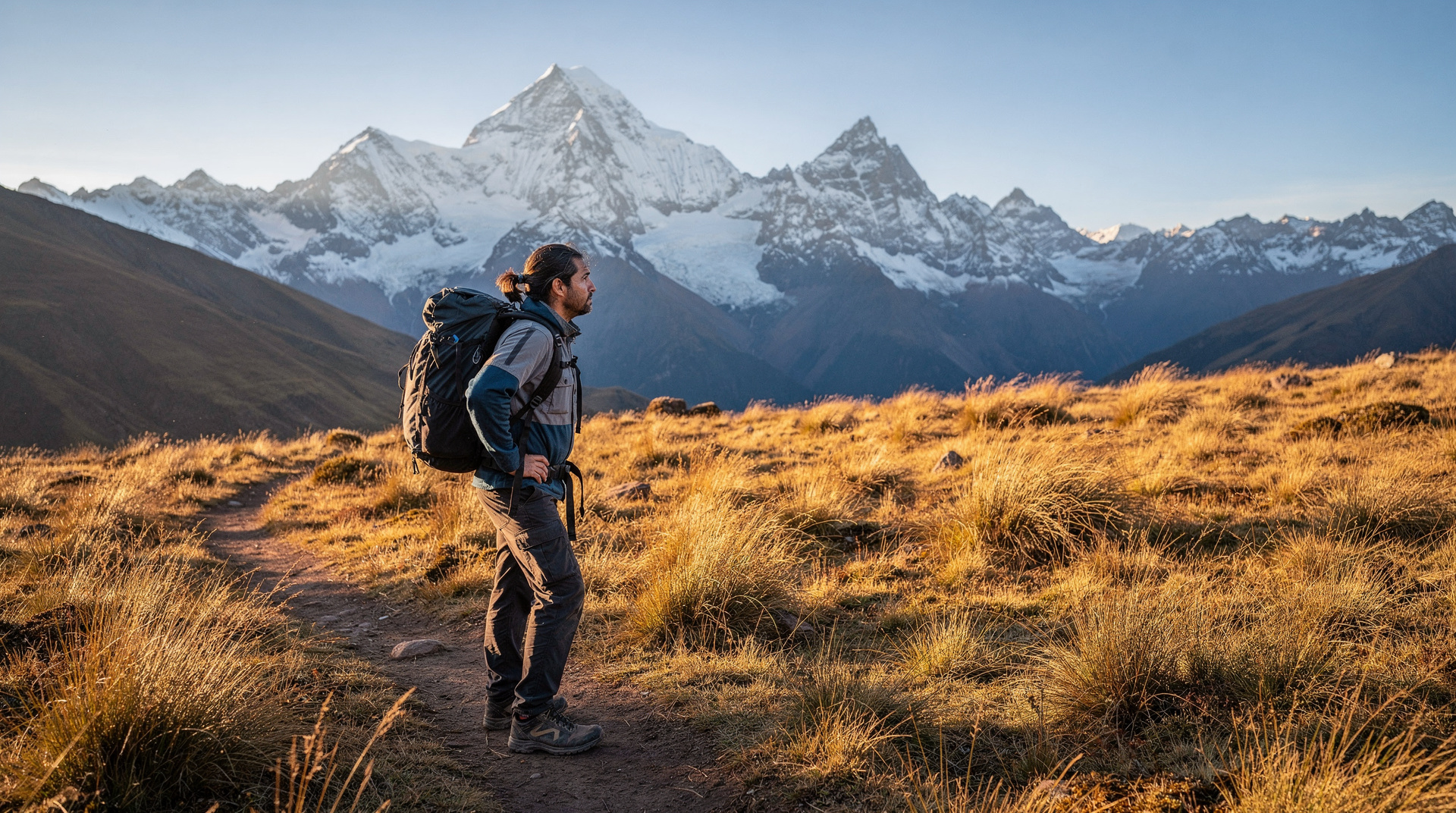
What to bring: Layers for 4–8°C at the lake, waterproof jacket, sunscreen, sunglasses (UV is intense at altitude), at least 2 litres of water, trekking poles if you use them. Gloves are useful for the early morning start. Bring a snack even if lunch is included — you will be hungry on the ascent.
Photography timing: 8–11 am gives the best combination of light angle and calm water (wind picks up in the afternoon and disturbs the surface reflection). If you arrive at the lake before 9 am you will likely have it almost to yourself. By 11 am the main tour groups are present.
Accommodation at Soraypampa: If you want to overnight at the base rather than do a long return day from Cusco, Soraypampa has basic lodge accommodation (stone cabins with blankets, no heating, cold showers) at approximately S/80–120 per person. It makes sense for Salkantay trekkers but is rarely necessary for day visitors.
Humantay Lake is one of those relatively rare cases where the reality exceeds the photographs. At 4,200 m in the Salkantay corridor, with a turquoise lake and a snow peak and a 90-minute climb that separates it from the road — it delivers exactly what high-altitude Peru is supposed to feel like.
Top experiences
Bookable activities with verified prices and instant confirmation on GetYourGuide.