Best treks to Machu Picchu: honest comparison of all five routes
From Cusco: 4-Day Inca Trail Guided Trek to Machu Picchu
What is the best trek to Machu Picchu?
The classic 4-day Inca Trail if Sun Gate arrival and Inca archaeology matter most (requires permits booked months ahead, $650–800). The Salkantay if permits are unavailable or budget is a factor ($350–500, no permit). The short 2-day Inca Trail if time is limited but Sun Gate is the goal. The Lares for cultural immersion. The Inca Jungle for adventure on a tight budget ($200–350).
Five routes, one destination — which one is right for you
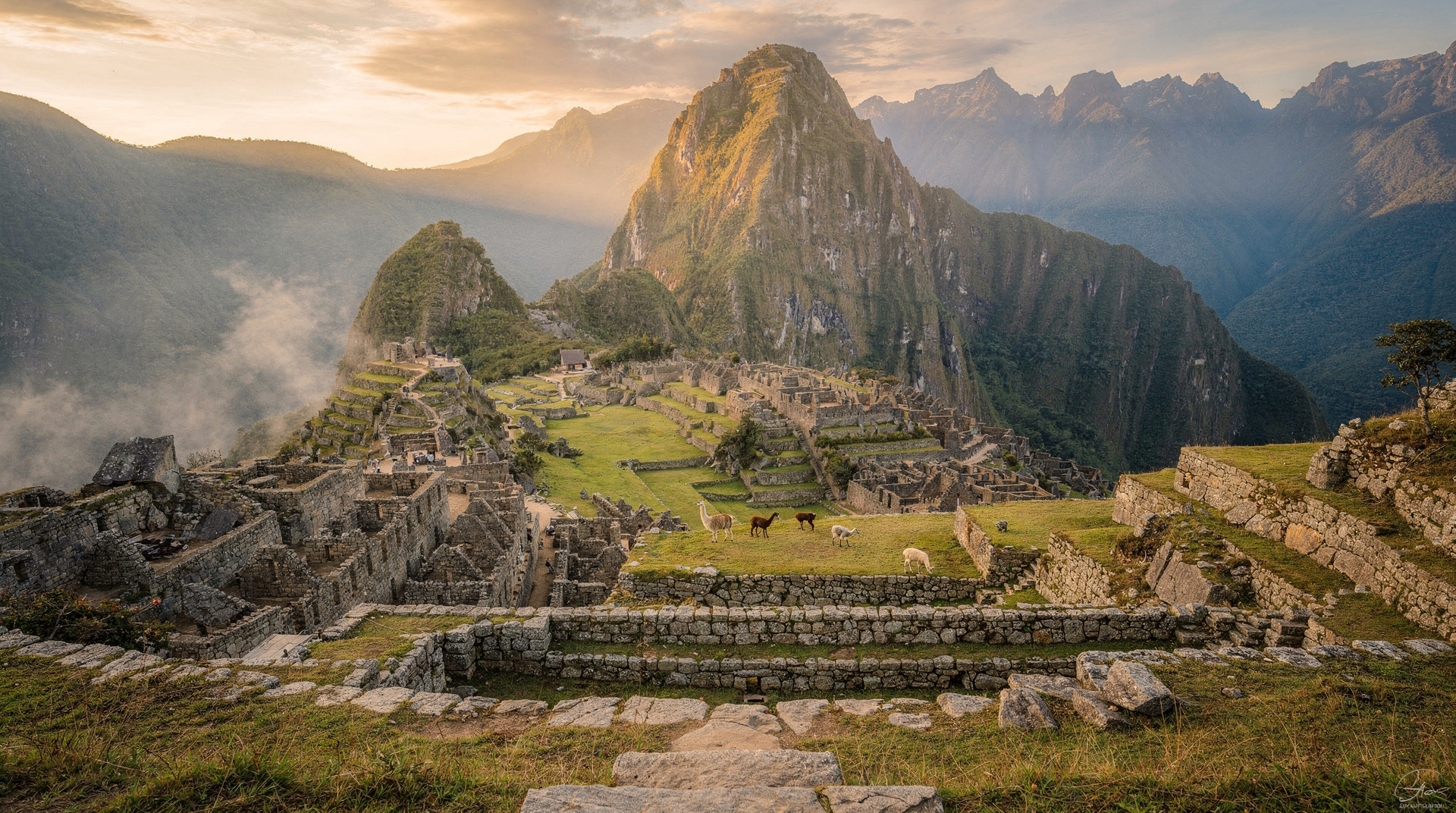
Machu Picchu can be reached by train in three hours from Cusco. There is nothing wrong with that approach — the site is extraordinary regardless of how you arrive. But for travellers who want the trekking experience — the days of walking through the Andes, the high-altitude passes, the arrival earned on foot — the question is not whether to trek but which of the five main trekking routes suits their priorities, fitness level, schedule, and budget.
This guide gives honest assessments of all five: the classic Inca Trail, the Salkantay, the short Inca Trail, the Lares, and the Inca Jungle. Not one answer for everyone — a direct map of which route fits which traveller.
The five routes at a glance
| Route | Duration | Max altitude | Permit | Cost | Sun Gate arrival |
|---|---|---|---|---|---|
| Classic Inca Trail | 4 days | 4,215 m | Yes — book months ahead | $650–800 | Yes |
| Short Inca Trail | 2 days | 2,730 m | Yes | $350–500 | Yes |
| Salkantay | 4–5 days | 4,630 m | No | $350–500 | No |
| Lares | 4–5 days | 4,400–4,700 m | No | $300–450 | No |
| Inca Jungle | 4 days | 4,300 m (bike start) | No | $200–350 | No |
The classic Inca Trail: the benchmark and the permit problem
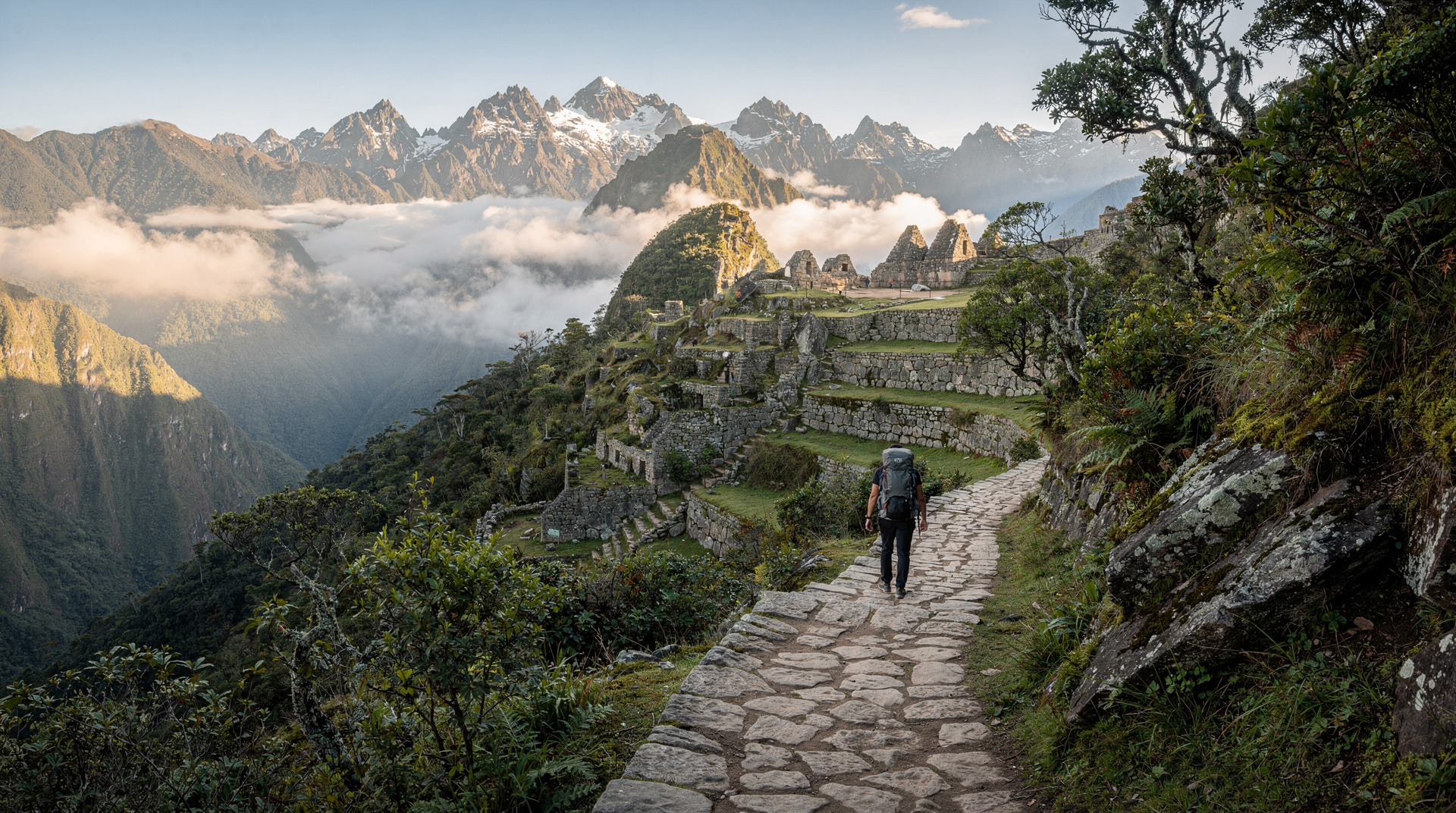
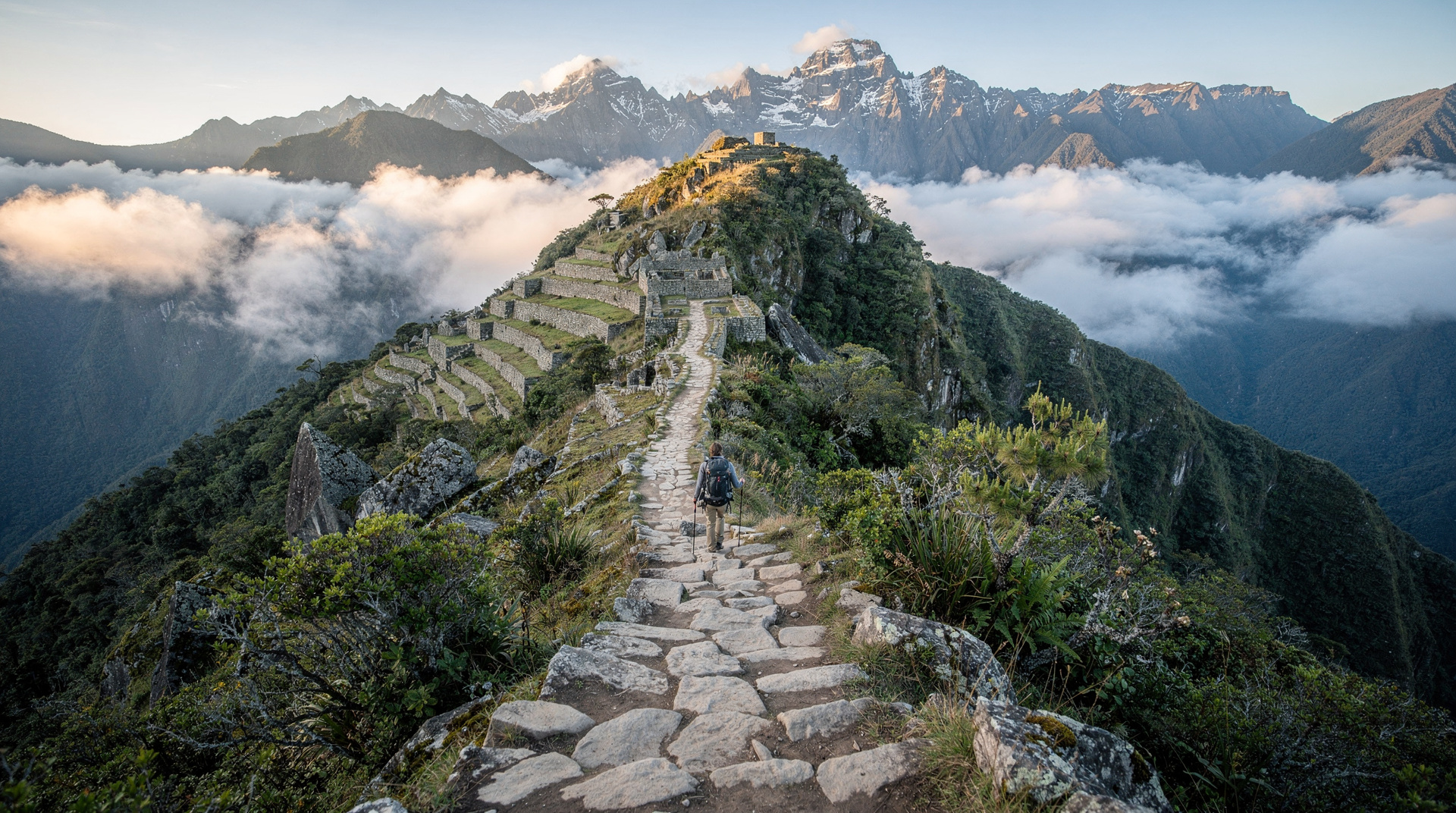
The 4-day classic Inca Trail is the route that defines the Machu Picchu trekking category. It is 43 km through the Andes, crossing three passes, passing six significant Inca archaeological sites, and arriving at Machu Picchu through the Sun Gate on the morning of day four.
Who it’s for: Travellers for whom the Sun Gate arrival is the point. Trekkers interested in the Inca archaeological sites along the route — Sayaqmarka, Phuyupatamarka, Wiñay Wayna — which are the most substantial ruins accessible only by walking the trail. Anyone who can plan and book well in advance.
The permit reality: Government-limited permits (the Ministry of Culture caps daily numbers; 750 visitors per day for the whole Inca trail network, porters and guides included) sell out months in advance for peak season (June–August). Permits are booked through licensed agencies, and sales for the following year open in autumn or early in the year: check the date on the official platform, tuboleto.cultura.pe, or with your operator (the 2026 permits went on sale on 17 November 2025). If your dates fall in June–August and you are reading this in March, assume the permits are gone for popular dates. The full logistics are in the Inca Trail permits guide.
The altitude: Dead Woman’s Pass at 4,215 m on day two is the challenge. A sustained 1,200 m ascent at altitude is harder than the numbers suggest — altitude slows everyone. Three nights of acclimatisation in Cusco before starting is the minimum.
The cost: $650–800 all-inclusive. The high price relative to alternatives reflects the government permit fee ($200–250) and the regulated porter infrastructure. The Inca Trail complete guide covers the route in full detail.
Best time: May–September, with June–August the driest but most crowded. February is entirely closed.
The Salkantay: the best permit-free alternative
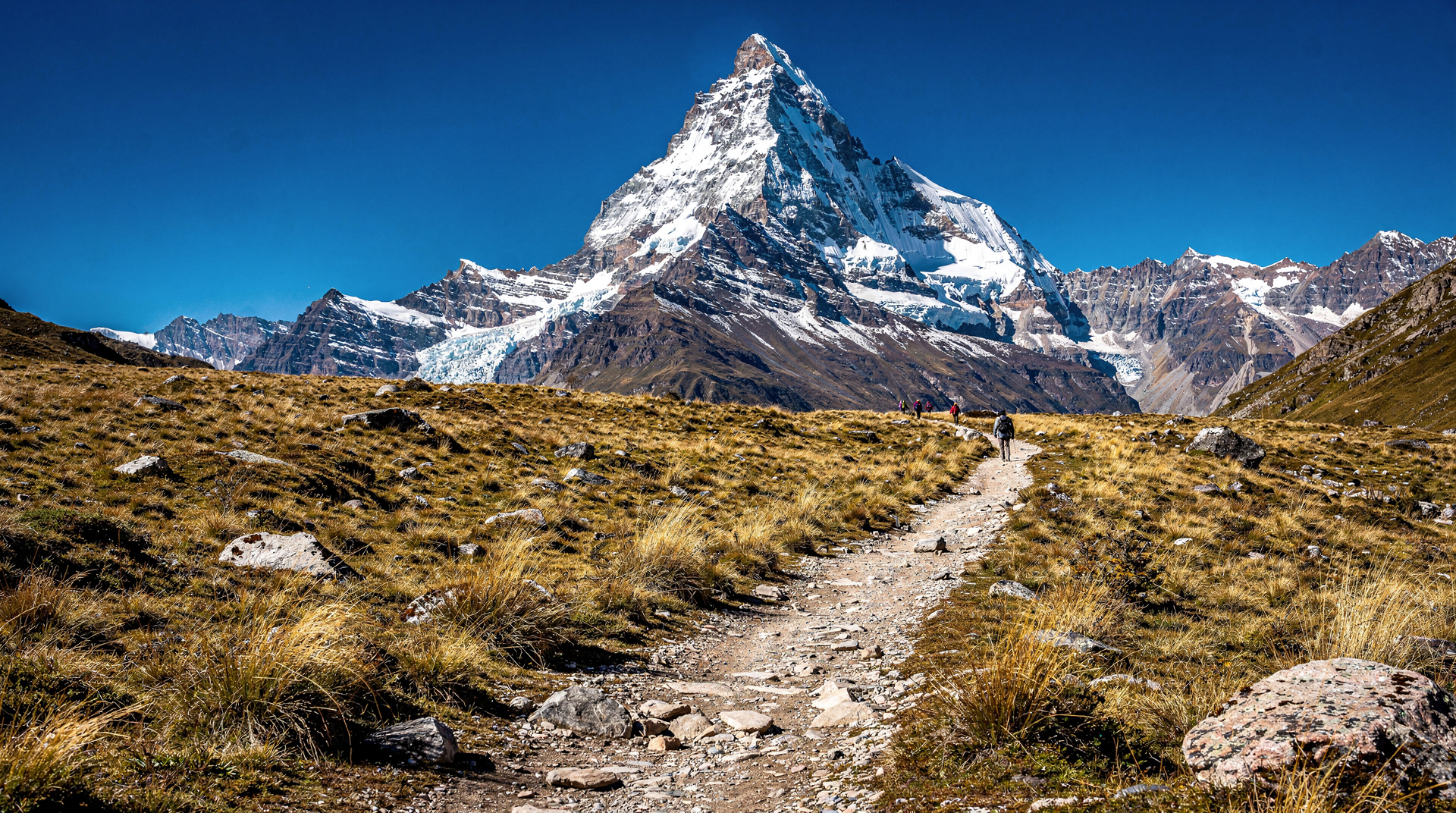
The 5-day Salkantay trek has become the default answer when Inca Trail permits are sold out — and for good reason. It is a serious multi-day Andean trek in its own right, crossing a 4,630 m glacier pass (higher than the Inca Trail’s maximum), descending through three distinct climate zones, and arriving at Machu Picchu after five days.
Who it’s for: Travellers who could not secure Inca Trail permits, those visiting in February when the Inca Trail closes, budget-conscious trekkers who want a demanding multi-day route, and anyone drawn to dramatic glacier-and-high-pass scenery over the Inca Trail’s more archaeological character.
No permit: The Salkantay does not enter the Inca Trail national park zone. No government permit required. Book 1–4 weeks ahead even in peak season.
The altitude: The Salkantay Pass at 4,630 m is harder and more exposed than the Inca Trail’s highest point. Day two involves a sustained 730 m ascent from the high camp to the pass. Four nights of acclimatisation before starting is advisable.
The cost: $350–500 — significantly less than the Inca Trail largely because no $200–250 permit fee applies.
No Sun Gate: The Salkantay ends at Aguas Calientes and approaches Machu Picchu by bus. This is the route’s significant trade-off versus the Inca Trail.
Best time: May–September. Unlike the Inca Trail, does not close in February.
For the full Salkantay route detail, the Salkantay trek guide covers each day.
The short Inca Trail: Sun Gate without the high passes
The 2-day short Inca Trail starts at Km 104 (not the standard Km 82), walks from Chachabamba to Wiñay Wayna to the Sun Gate, and arrives at Machu Picchu on day two’s morning. It requires a permit and reaches a maximum altitude of 2,730 m — significantly lower than the classic route’s 4,215 m.
Who it’s for: Travellers who specifically want the Sun Gate arrival but cannot commit four days or manage 4,215 m altitude. A strong option for families with mixed fitness levels or altitude-sensitive travellers.
The Sun Gate: Yes. This is the key advantage over all other non-Inca Trail routes.
The cost: $350–500 — substantially less than the 4-day classic because of the shorter duration and lower permit fee.
What it skips: Dead Woman’s Pass, the major day-three archaeological sites (Sayaqmarka, Phuyupatamarka), and the multi-day immersion in the high Andes.
For the full 2-day route detail, the short Inca Trail guide covers the logistics and what to expect.
The Lares: community and culture over archaeology
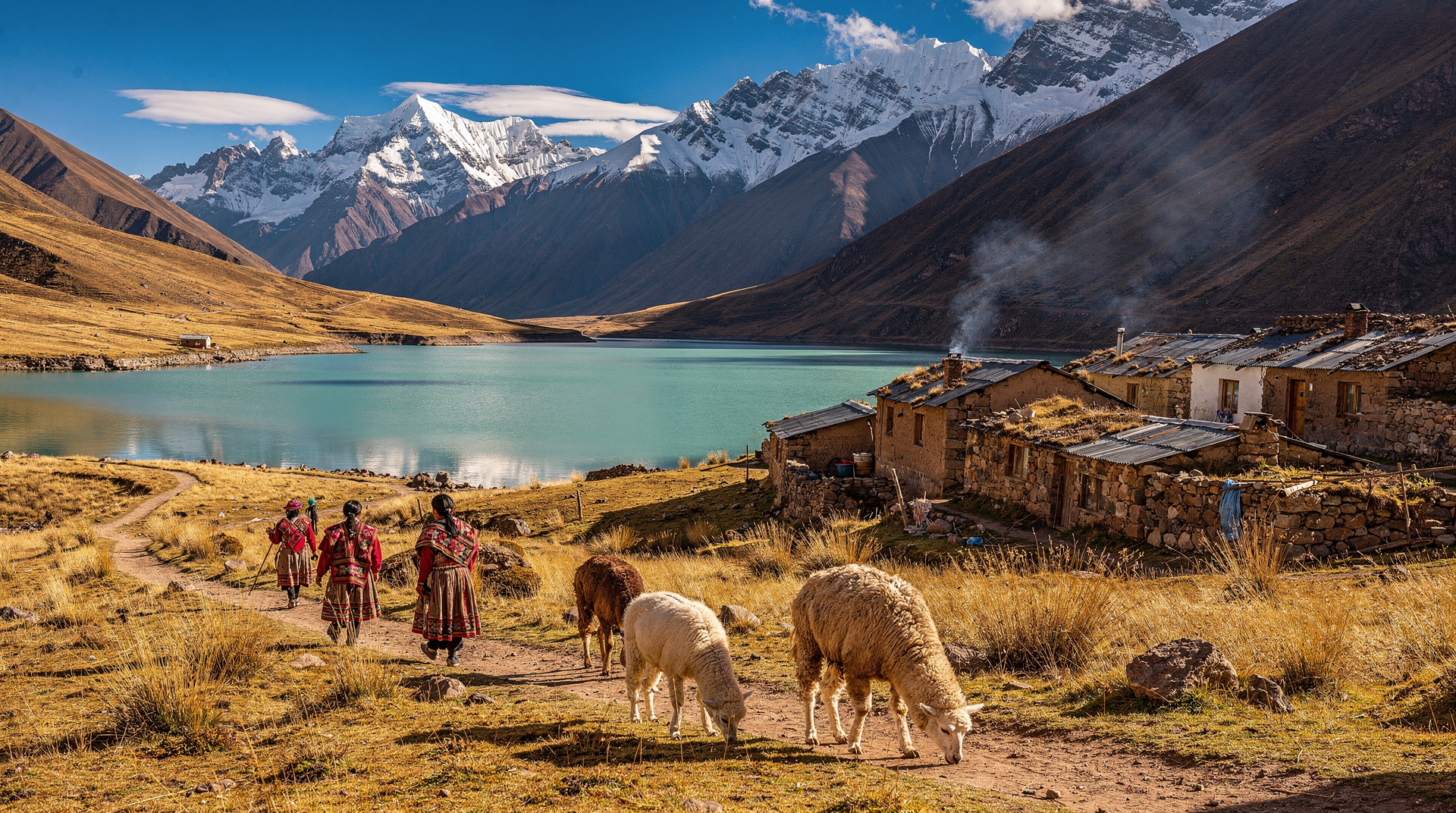
The Lares trek is the culturally distinctive option: a four-day route through the highlands above the Sacred Valley, passing through Quechua weaving communities, crossing high passes at around 4,400–4,700 m, and descending to thermal baths before the train connection to Aguas Calientes.
Who it’s for: Travellers who want meaningful contact with living Andean communities and traditional textile culture. Those for whom the human landscape of the Andes is as important as the archaeological or natural landscape. Also suitable for travellers who find the Inca Trail’s permit logistics off-putting.
No permit: The Lares does not enter the Inca Trail park zone.
The cost: $300–450 — typically the cheapest multi-day option after the Inca Jungle.
No Sun Gate, no Inca Trail archaeology: The Lares connects to Machu Picchu by train from Ollantaytambo. It does not arrive through the Sun Gate and lacks the Inca Trail’s significant archaeological sites.
For the full Lares route detail, the Lares trek guide covers the community visits, hot springs, and day-by-day logistics.
The Inca Jungle: bikes, jungle, and the lowest price
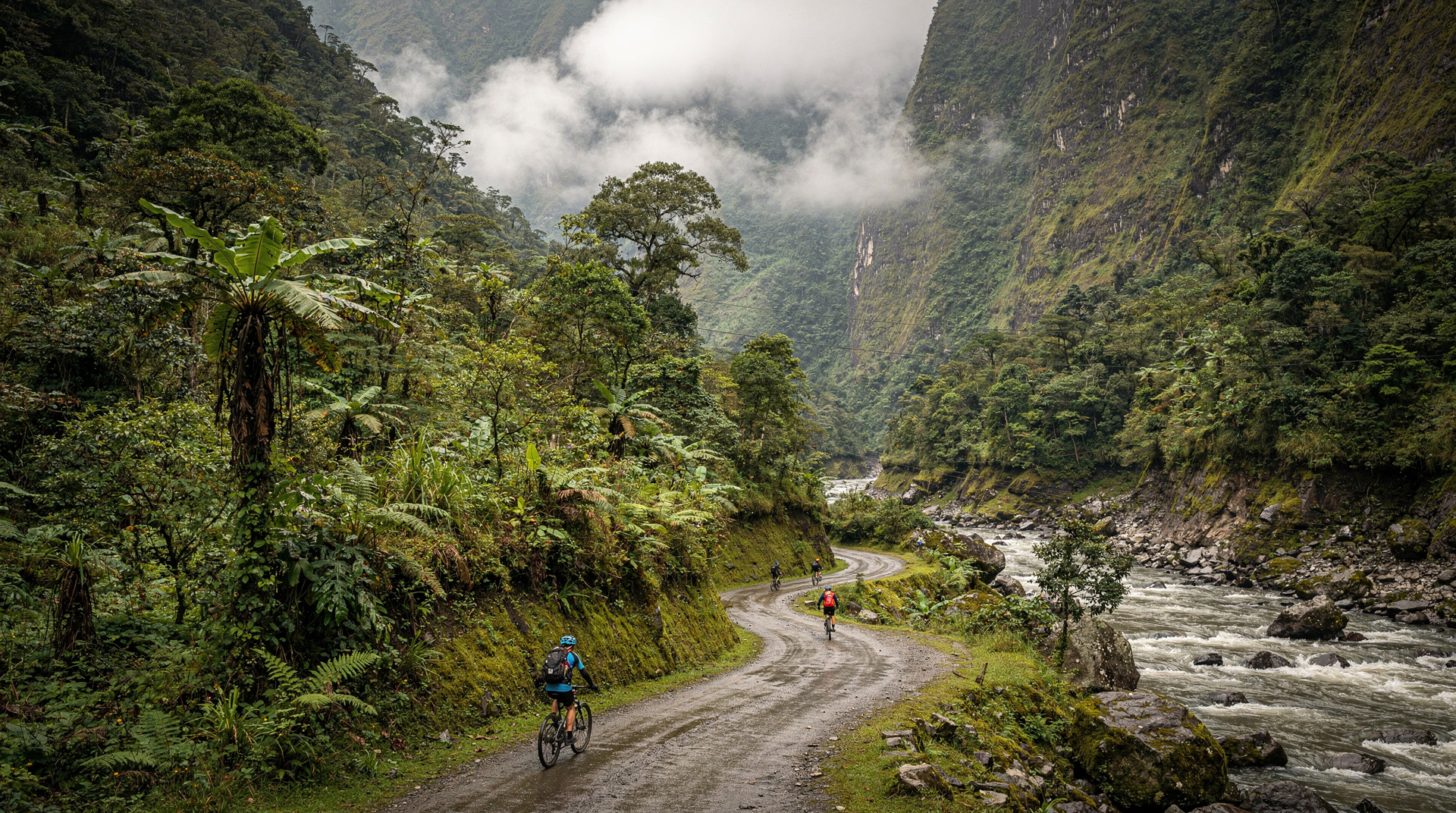
The Inca Jungle trek descends 2,700 m by mountain bike from the 4,300 m Malaga Pass to the lowlands, then walks through cloud forest and jungle to Aguas Calientes and Machu Picchu over four days. At $200–350, it is the cheapest multi-day route.
Who it’s for: Budget travellers, younger groups, adventure-oriented travellers who want mountain biking, zip-lining, and hot springs alongside the walk. People for whom altitude is a concern — most of the Inca Jungle trek is below 2,500 m after the bike descent.
No permit: The route does not use the Inca Trail corridor.
The cost: $200–350 — the lowest of any multi-day route to Machu Picchu.
No Sun Gate, no archaeological sites: The Inca Jungle approaches Machu Picchu from Aguas Calientes via the standard bus route.
For the full Inca Jungle route detail, the Inca Jungle trek guide covers the biking section, day-by-day logistics, and operator selection.
The decision framework
Book the classic Inca Trail if: The Sun Gate arrival is non-negotiable, you can plan months ahead, and you have the budget. Also book if the Inca archaeological sites along the route matter to you.
Book the short Inca Trail if: You want the Sun Gate but have a two-day limit or altitude concerns. Book the Salkantay if: Inca Trail permits are unavailable or you prefer to avoid the advance booking burden. Also the right choice for February travel and if glacier-and-high-pass scenery appeals over archaeology.
Book the Lares if: Cultural engagement with Quechua communities and traditional Andean life is as important as the mountain scenery. Also good if you want a permit-free option with a different character from the Salkantay.
Book the Inca Jungle if: Budget is the primary constraint. Also good if mountain biking and adventure activities are specifically appealing, or if altitude is a real concern.
Frequently asked questions the table does not answer
“I only have two days — which route?”
The short Inca Trail (2 days) is the clear answer if the Sun Gate arrival matters. It starts at Km 104, walks via Wiñay Wayna to the Sun Gate, and arrives at Machu Picchu on the morning of day two. Permit required, so check availability with an operator early. If the Sun Gate does not matter specifically, a day trip to Machu Picchu by train from Cusco is the realistic option.
“I’m travelling in February — which route?”
The Inca Trail and short Inca Trail are both closed 1–28 February without exception. The Salkantay, Lares, and Inca Jungle are all available in February. The Salkantay is the strongest multi-day option; the Inca Jungle is the most budget-friendly and altitude-accessible. The Salkantay trek guide covers the February wet-season conditions on that route.
“I’ve done the Inca Trail — what next?”
For trekkers who have done the Inca Trail and want to go further into the Cusco trekking circuit, the Ausangate circuit is the natural progression — five passes above 4,900 m, Rainbow Mountain on the final day, and a remoteness that makes the Inca Trail feel comparatively crowded. For those interested in the next Inca archaeological site, the Choquequirao trek guide covers the 4-day route to the least-visited major Inca site in Peru.
“How long should I spend in Cusco before trekking?”
At minimum, three nights at altitude (in Cusco at 3,400 m or the Sacred Valley at 2,700–2,900 m) before starting any route with passes above 4,000 m. For the Salkantay and Ausangate, four nights is significantly better. Do not land in Cusco and trek the next morning; it is the most common mistake and the primary cause of altitude sickness on the trail. The Cusco acclimatisation plan gives a specific day-by-day approach.
“What’s the weather like in May versus July?”
May: good weather, less crowded, slightly lower permit competition. Some morning fog on the Inca Trail’s cloud forest sections. Generally the sweet spot for the classic route. July: driest month, clear views, most permit competition, more people on the trail and at Machu Picchu. Both are within dry season and good choices. September is the second-choice sweet spot — June/July crowds are past, weather is still generally dry.
What all five routes have in common
All five routes end at Machu Picchu — one of the world’s most significant archaeological sites, regardless of how you arrive. All require Machu Picchu timed-entry tickets, which are capacity-limited and should be booked in advance even for routes that don’t require permits. Machu Picchu tickets sell out for peak dates; do not assume you can book them on arrival in Cusco.
All five routes require acclimatisation in Cusco or the Sacred Valley before starting. The minimum is three nights; four is better for anything above 4,000 m. The altitude sickness guide covers how to structure those first days in the region and what symptoms to monitor.
All five return to Cusco by train from Aguas Calientes — the same train journey on the same route, regardless of which trail brought you to the end point. The train ride itself is pleasant and takes 3–3.5 hours through the Urubamba valley.
And all five start from the same city: Cusco, at 3,400 m, where the permit booking, the trailhead transport, and the return train all converge. The decision you make now determines which of the five arrivals at Machu Picchu you will have — each one earned in a different way, each one the right answer for a different traveller.
The 4-day classic Inca Trail remains the benchmark. The 5-day Salkantay trek is the strongest alternative for those who cannot or choose not to use it. The right choice for your trip depends on the priorities in the comparison above — and the honest answer is that all five routes deliver one of the world’s most significant archaeological sites at the end of a walk you earned on foot.
Fitness preparation by route difficulty
The five routes demand meaningfully different levels of physical preparation, and matching your training to the actual route (rather than to “trekking in general”) makes a real difference to how much you enjoy the days on the trail. For the classic Inca Trail and Lares, several weeks of regular hill walking or stair-climbing with a loaded daypack (8–10 kg) builds the specific leg strength needed for the sustained ascents to the high passes.
The Salkantay’s higher pass and longer daily distances reward more serious cardiovascular preparation — running, cycling or sustained hiking in the two to three months before the trek. The short Inca Trail and Inca Jungle require less specific preparation given their lower altitude profiles, though general fitness still meaningfully improves the experience on any of the five. None of the five routes requires technical climbing skill; all are walking or, for the Inca Jungle’s opening section, mountain-biking routes rather than technical mountaineering.
Group size and the trekking experience
Group size varies significantly between operators and affects the character of the trek regardless of which route you choose. Larger groups (12–16 trekkers) on the classic Inca Trail are common with budget operators and mean longer waits at bottlenecks like the Sun Gate and a less personal pace; smaller groups (6–10) with mid-range and premium operators move faster and allow more flexibility for photography stops and rest breaks.
On the Salkantay, Lares and Inca Jungle, where permits do not cap total daily numbers the way the Inca Trail’s government system does, group size is purely a function of the operator you choose — worth asking about directly when comparing quotes, since a S/50 price difference between two Salkantay operators sometimes reflects a group of 8 versus a group of 20.
Gear that changes by route
Packing shifts meaningfully between routes. The classic and short Inca Trail require standard cold-weather trekking gear plus rain protection for the cloud-forest sections near Wiñay Wayna. The Salkantay and Lares need warmer layers still — nights near the 4,630 m and 4,700 m passes drop well below freezing, and a proper sleeping bag rated to at least -10°C matters more than on the Inca Trail’s slightly lower camps.
The Inca Jungle needs the least cold-weather gear but requires closed shoes suitable for mountain biking and a dry bag for the jungle sections, where humidity and occasional rain are the norm regardless of season. The Inca Trail packing guide and the general Cusco packing guide both cover the details.
When to book each route relative to your travel date
The five routes have very different booking horizons, and mismatching your planning timeline to the route you want is the single most common reason travellers end up disappointed. For the classic Inca Trail in June–August, six months ahead is not excessive; four months is the realistic minimum for a reasonable chance at your preferred dates. The short Inca Trail also needs a permit, so book it with as much lead time as you can in peak season. The Salkantay, Lares and Inca Jungle can genuinely be booked two to four weeks out even in July, which is precisely why they function as the fallback when Inca Trail permits are gone.
Booking through an agency vs independently
None of these five routes can be walked fully independently anymore — the Inca Trail requires a licensed operator by law, and while the Salkantay, Lares and Inca Jungle technically allow independent trekking on some sections, nearly everyone books an organised trek for logistics, porters, and safety at altitude. The meaningful choice is which agency and which service tier, not whether to use one. Cheaper operators cut costs on porter welfare, food quality, and guide certification — the unlicensed agencies guide explains what to check before paying a deposit, and it applies to all five routes, not just the Inca Trail.
Top experiences
Bookable activities with verified prices and instant confirmation on GetYourGuide.