What to pack for Cusco: the honest packing list
From Cusco: Vinicunca Rainbow Mountain Day Trip
What should I pack for Cusco?
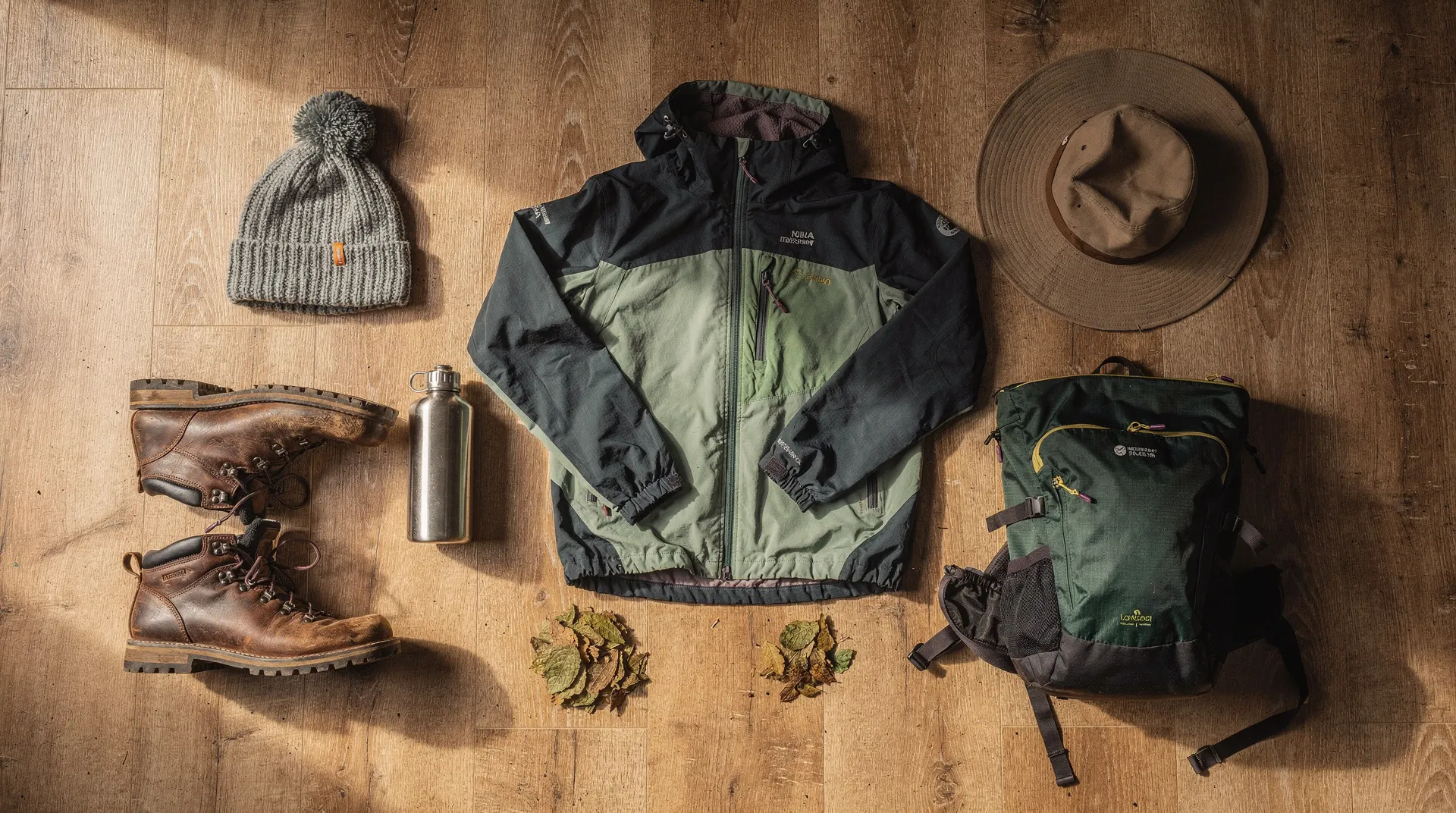
Layers are more important than any single item: Cusco at 3,400 m can swing 15–20°C between midday sun and evening. Essentials are a quality base layer, a fleece, a lightweight waterproof jacket, good walking shoes with ankle support, a sun hat, high-SPF sunscreen, and altitude medication if prescribed. For Machu Picchu, add a daypack and 2 litres of water capacity.
What makes Cusco packing different from most destinations
Cusco is a high-altitude Andean city with a highly variable microclimate, active outdoor excursions to both wet and dry mountain environments, and several specific conditions that make standard packing advice inadequate. The three factors that most influence what you need:
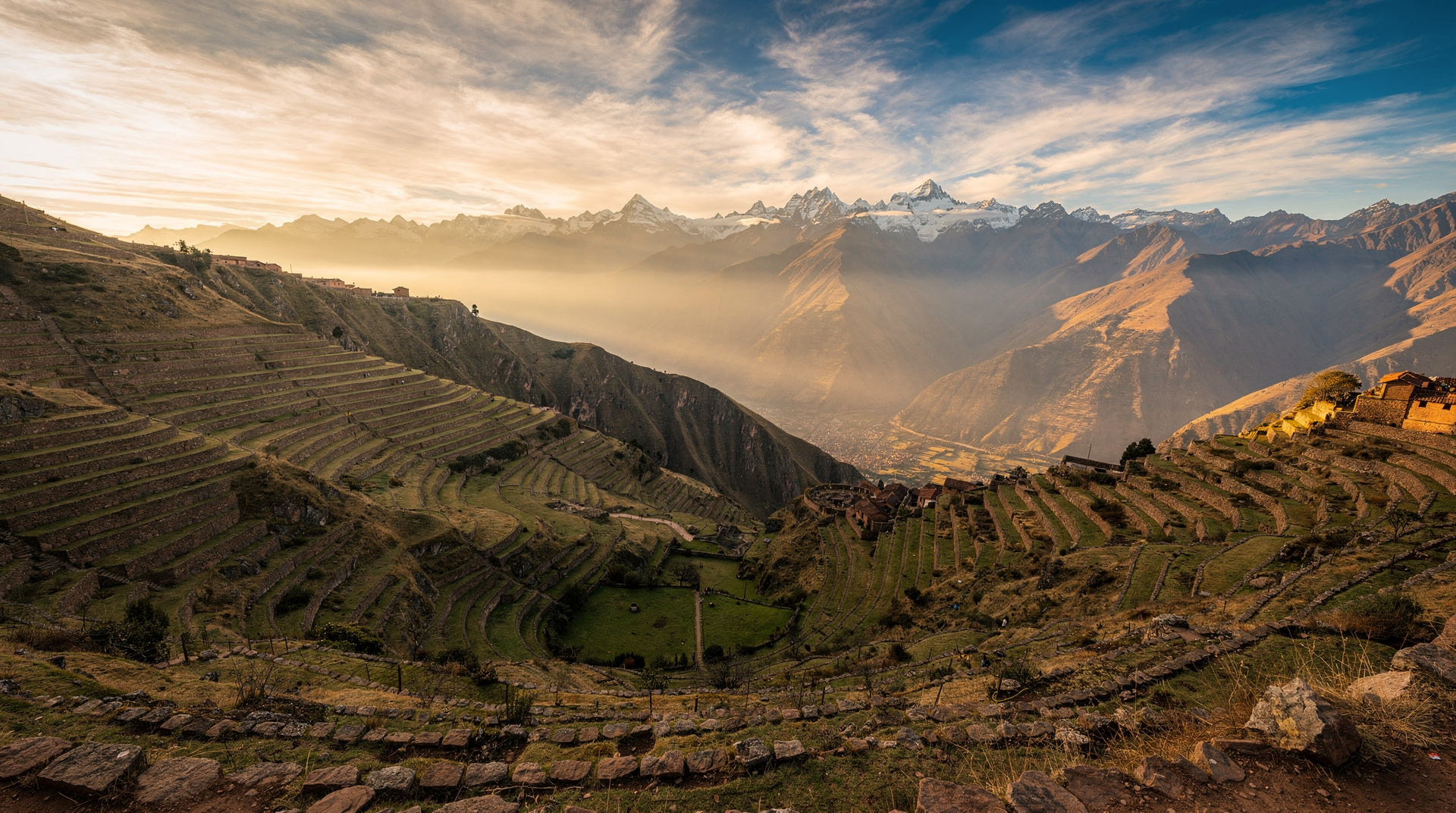
Altitude. At 3,400 m, the air is thinner, UV radiation is significantly higher, and temperatures drop sharply after sunset. Sunburn at altitude happens faster than at sea level even when it does not feel hot; headaches respond well to ibuprofen that you brought with you rather than medication you need to find while ill.
Temperature range. Dry season days can reach 20–22°C in direct sunlight; nights drop to 2–8°C. The effective range you need to dress for in a single day is 15–20°C. Layers that can be added and removed are far more practical than any single heavy item.
Terrain and activity. Even a standard Cusco trip involves cobblestone streets, steep hillside walks to archaeological sites, and at least one day trip involving 5–10 km of walking on uneven terrain. If Rainbow Mountain or Humantay Lake is on the itinerary, you add a high-altitude uphill hike on loose trail. Footwear that handles all of this matters more than almost any other single item.
| Key item | Layers, not one heavy coat |
| Daily swing | 15–20°C between midday sun and evening |
| Footwear | Broken-in hiking shoes with ankle support |
| Buy locally | Alpaca knitwear, trekking poles, ponchos |
| Bring, don’t rely on Cusco for | Prescription medication, technical gear |
The core clothing system
Base layer (2–3): Merino wool or synthetic moisture-wicking fabric. At altitude, cotton base layers that absorb sweat and cool rapidly against the skin are actively uncomfortable and can contribute to cold-related problems. Merino wool is the gold standard — it regulates temperature, manages moisture, and does not smell after multiple wearings, which matters if you are on a multi-day trek or have limited laundry options.
Mid layer (1–2): A fleece or down vest. A 250-weight fleece handles Cusco evenings comfortably. A light down vest is an excellent alternative that packs smaller and adds warmth under a shell without bulk. Evenings in Cusco, Aguas Calientes, and the Sacred Valley require this layer.
Outer shell (1): A lightweight waterproof jacket with sealed seams. In dry season, this is primarily for wind and surprise afternoon cloud; in rainy season it works hard. A packable jacket that fits in a daypack without occupying significant space is worth the investment. Avoid cheap ponchos as your primary waterproofing — they are fine for a brief shower but impractical for a 4-hour rainy day at Machu Picchu.
Warm layer for evenings (1): Cusco evenings are cold. A warm fleece or light down jacket for use when not hiking — dinner, evenings at the accommodation, waiting for transport at 3:30 am for a Machu Picchu day trip — is necessary.
Trousers: Convertible zip-off trousers covering the shorts-to-light-hike-trousers range are practical for most visitors. Jeans are fine for city days but heavy, slow-drying and uncomfortable when wet. Avoid denim for any day involving hiking.
Lightweight dress trousers or smarter item (1): Cusco has genuinely good restaurants and several hotel dining rooms with moderate dress codes. One smarter option is useful.
Underwear and socks: Merino wool socks significantly outperform cotton at altitude — they pad better, manage moisture, and resist odour. Bring more pairs than you think you need; feet work hard in Cusco.
Footwear
Walking shoes or lightweight hiking boots (1 pair): This is the most important single item in your bag. The requirement is: ankle support, grip on uneven surfaces, and waterproofing or rapid drying. A solid pair of mid-height hiking shoes — the kind used for day hikes rather than expedition trekking — works for everything from Sacsayhuamán to Machu Picchu to the Maras salt mines. Break them in for at least 4–6 weeks before the trip.
Casual shoes or light trainers (1 pair): For city evenings, restaurants, and rest days. The combination of one hiking shoe and one casual shoe covers everything. Three pairs of shoes for a 7-day Cusco trip is too many.
Sandals (optional): Some travellers bring sandals for evenings in the hostel or hotel. Fine as a tertiary option; not worth bringing if weight is a concern.
What not to wear at Machu Picchu: Sandals or open-toed shoes are impractical on the site’s uneven stone paths and are sometimes actively prohibited. The paths are frequently wet even in dry season.
Altitude and health essentials
Sunscreen SPF 50+ (and lip balm with SPF): UV radiation at 3,400 m is approximately 40–50% more intense than at sea level. Visitors frequently underestimate this — it does not feel different, but the burn comes faster. Apply before any outdoor activity, reapply after 2 hours or sweating. The same applies even on overcast days.
Ibuprofen or paracetamol: The first-line treatment for altitude headache, which affects the majority of visitors in the first 24–48 hours. Having this with you rather than needing to find a pharmacy while ill is simply practical.
Oral rehydration salts: Altitude increases fluid loss through breathing and reduces the sense of thirst. ORS packets help replace electrolytes lost to dehydration. Useful for the first 3–4 days.
Acetazolamide (Diamox) — if prescribed: Discuss with your GP or travel medicine clinic before travelling. Not appropriate for everyone, but a useful tool for visitors arriving directly from sea level. Available in Cusco pharmacies but requires a prescription in most countries — sort this before departure.
Antidiarrheal medication (loperamide): Traveller’s stomach affects a significant proportion of visitors to Peru. Loperamide (Imodium) is effective and should be in your kit. The usual causes are water (drink only bottled or filtered) and unfamiliar bacteria in food.
General first aid kit: Blister plasters (essential for multi-day walking), antiseptic wipes or cream, bandages, and tweezers. Cusco has pharmacies but assembling a first aid kit in an unfamiliar city while tired is less pleasant than having one already.
Technology and documents
Power adapter: Peru uses type A/B sockets (same as the US and Canada, 220V). European two-pin plugs require an adapter. A multi-socket adapter that handles 100–240V is standard on most modern electronics — check the label on your devices.
Portable battery pack: A full-day excursion to Rainbow Mountain or Machu Picchu involves 8–12 hours away from charging outlets. A 10,000–20,000 mAh battery covers most device needs for a full day.
Offline maps: Download the Cusco region to Maps.me or Google Maps before arriving. Mobile data in Peru is available but connectivity in rural areas and on trails is unreliable. An offline map prevents disorientation.
Copies of your passport: Carry a photocopy or phone photograph of your passport photo page. Machu Picchu tickets are linked to your passport number and the gate may verify ID; having the information accessible on a phone is useful. Keep the original in your hotel safe when possible.
Travel insurance details: Carry the policy number, emergency contact, and claims procedure information separately from your phone. Altitude-related medical evacuation is not cheap; verify your policy covers high-altitude emergencies above 4,500 m if you plan Rainbow Mountain at 5,200 m.
The daypack: what to carry on excursion days
A 20–30 litre daypack handles all Cusco day-trip requirements. What to pack in it:
- Water: minimum 2 litres, ideally 2.5 for high-altitude days
- All food for the day (no food sold inside Machu Picchu or Rainbow Mountain)
- Sunscreen and lip balm
- Waterproof jacket and a warm layer
- Ibuprofen and any daily medication
- Phone, battery pack, camera
- Passport photocopy (original in hotel safe)
- Any purchased site tickets already downloaded
On a Rainbow Mountain day trip, your operator provides transport and a guide; you are responsible for personal gear. The checklist above covers the personal kit — do not rely on the operator for water or sun protection.
What to buy in Cusco instead of bringing
Alpaca knitwear: Quality alpaca jumpers, hats, gloves, and scarves are available throughout Cusco at prices far below comparable quality elsewhere. Baby alpaca items from the shops in San Blas are noticeably softer than market stall equivalents. This is worth buying rather than bringing.
Trekking poles: Available for hire from outdoor shops around the city centre for S/10–20 per day. Not worth the baggage unless you plan an extended multi-day trek.
A simple rain poncho: S/15–25 in any market. Useful for an afternoon Machu Picchu visit in rainy season as a supplement to your jacket, not a replacement.
Coca leaves and coca products: Freely available, not subject to the restrictions on coca internationally, and a legitimate altitude remedy widely used by local people. Coca tea is served at essentially every accommodation in Cusco; candies and lozenges are available at pharmacies.
What not to bother bringing
Formal clothing beyond one smart item: Cusco is not a formal city. One set of smarter clothes for restaurant evenings is sufficient.
A heavy sleeping bag: Hotels and guesthouses in the region provide adequate bedding. Leave the expedition sleeping bag at home unless you are camping independently.
Expensive electronics you cannot afford to lose: The risk of theft from bags, particularly in crowded areas like San Pedro Market, is real. Bring a camera you are comfortable being responsible for in crowds, not necessarily your newest or most expensive.
Large quantities of cash: Cusco has ATMs throughout the tourist centre. Carrying the minimum needed for 2–3 days and replenishing is safer than arriving with all your trip cash.
For multi-day treks: what changes
If the Inca Trail or Salkantay is on your itinerary, the packing requirements are significantly different — the dedicated Inca Trail packing guide covers everything specific to 4-day high-altitude trekking. The key additions: trekking poles, a sleeping bag rated to -5°C or lower (unless your operator provides one), dedicated trek boots with ankle support and waterproofing, and multiple changes of moisture-wicking layers. Most trek operators provide a comprehensive gear list at booking — use it.
Final packing checklist summary
| Category | Items |
|---|---|
| Clothing | Base layers ×3, fleece, waterproof shell, warm evening layer, convertible trousers ×2, smart casual item ×1, moisture-wicking socks ×5 |
| Footwear | Hiking shoes/boots (broken in), casual shoes |
| Altitude health | SPF50+ sunscreen, lip balm, ibuprofen, ORS, altitude meds (if prescribed), antidiarrheal, first aid kit |
| Technology | Power adapter, portable battery, phone, offline maps downloaded |
| Documents | Passport, copy of passport, insurance details, pre-booked tickets |
| Daypack items | 2+ litre water capacity, snacks, waterproof layer, sunscreen |
The altitude sickness guide covers the health preparation in full. The Cusco trip planning guide has every other logistics question. Arrive prepared and the packing will disappear from your mind within 24 hours.
Rainy season adjustments
If visiting in rainy season (November–March), the packing priorities shift somewhat. A waterproof jacket becomes the single most important item rather than an optional extra — afternoon rain on most days is the norm, and at the citadel and open archaeological sites, staying reasonably dry is the difference between an enjoyable afternoon and a miserable one. A small, quick-dry towel is more useful than in dry season. Gaiters are useful for muddy trail approaches in November–January.
What does not change: the layering system, sunscreen (overcast days at altitude still burn), the medical kit, and the footwear. The Rainbow Mountain altitude guide has specific rainy-season gear notes for that trip.
Managing luggage: tips for the Cusco trip structure
Most Cusco trips involve at least one night outside the city — in Aguas Calientes for Machu Picchu, possibly in the Sacred Valley for a multi-day stay. For these excursions, a daypack or small overnight bag rather than your main luggage is the practical approach — most Cusco accommodations hold main luggage while you travel within the region.
For the Machu Picchu overnight specifically: take only what you need for 24–36 hours. Aguas Calientes accommodation is not large; a 20-litre daypack or a small soft bag handles the overnight change of clothes, toiletries, and next day’s site essentials comfortably. Your main bag stays in Cusco.
For multi-day treks, operators specify maximum bag weights (the Inca Trail typically allows 5–7 kg in the porter-carried bag; the rest goes in your daily backpack). Weighing your packed bag before the trek departs is worth doing — overweight bags are a standard point of friction at the trailhead.
One consistent advice from experienced Peru travellers: pack less than you think you need. The laundry infrastructure in Cusco is excellent and inexpensive (S/5–8 per kilo at hostels and laundries near the centre) — clean clothes every two days is cheap and easy, which means the clothing list above is genuinely sufficient for a 10-day trip without the logistical challenge of a large pack.
Packing differently for the Sacred Valley versus Cusco city
Visitors basing themselves partly in the Sacred Valley (Urubamba, Ollantaytambo) rather than only Cusco should adjust slightly. The Sacred Valley sits at 2,800–2,900 m — noticeably lower and warmer than Cusco’s 3,400 m, so evenings there are milder and one fewer heavy layer is usually needed on valley-only days.
The trade-off is more time outdoors at archaeological sites like Pisac and Ollantaytambo, which increases the value of sun protection relative to warm layers. If your itinerary moves between Cusco, the Sacred Valley, and Aguas Calientes (2,000 m, noticeably warmer and more humid), pack for the coldest point (Cusco evenings) and treat everything else as a bonus rather than packing separately for each stop.
Carry-on versus checked luggage for the flight in
Cusco’s airport (or the newer Chinchero international airport, depending on your routing) can experience baggage delays, and altitude sickness medication, one change of clothes, and any prescription medication should travel in your carry-on rather than checked luggage. If checked bags are delayed by a day, having your altitude essentials and a base layer with you means the delay is an inconvenience rather than a problem on your first, most altitude-sensitive day in the city.
Matching your bag to your itinerary
Packing is easier once you know which days of the trip are outdoors. A trip built around how many days you give Cusco and a first-timer itinerary needs far less gear than one that adds a trek. Decide the shape of the trip first, then pack for the hardest day rather than the average one.
If you are mostly city and ruins. Cobblestones, steps and cold evenings are the real challenges. The Cusco archaeological sites guide and the Sacsayhuamán guide both involve long stretches on foot in open sun, so a hat and sunscreen matter more than a heavy jacket. Wandering Qorikancha and the historic center is a comfortable-shoes day, not a hiking-boot day.
If you are adding the Sacred Valley. The Sacred Valley complete guide and the one-day Sacred Valley itinerary describe days with a lot of walking between markets and terraces. A daypack with water, snacks and a light shell is the right kit, and the Maras and Moray day trip adds open, exposed ground where sun protection is again the priority.
If you are heading to Machu Picchu. The Machu Picchu complete guide explains the day in detail; from a packing point of view, the key is a small bag, a waterproof layer and your ticket and passport details ready. If you travel by rail, the Machu Picchu by train guide is worth reading before you decide how much luggage to bring on board, since overnight stays in Aguas Calientes call for a small bag rather than your main suitcase.
If you are doing high-altitude day trips. Rainbow Mountain, Humantay Lake and Ausangate are the days where the quality of your layers, gloves and footwear is tested. The Rainbow Mountain complete guide and the Humantay Lake day trip guide describe what these days feel like, so you can judge how warm you want to be. Cold hands and a wet jacket are the usual complaints, and both are cheap to prevent with a pair of gloves and a decent shell.
Packing for the acclimatization days
Your first days in the city are the ones where your bag matters least and your habits matter most. The Cusco acclimatization plan suggests keeping early days gentle, which means you will spend more time in cafés, plazas and cold evening streets than on trails. Pack a warm evening layer you are happy to wear indoors, because many restaurants and guesthouses are not heated like a typical hotel at home.
The coca tea and altitude remedies guide covers what locals drink and what is worth trying, and the altitude medicine and scams guide explains why you should arrive with a basic kit rather than buying remedies from street sellers. If you are weighing whether to sleep lower first, the Cusco altitude versus Sacred Valley comparison helps you decide, and your packing can then follow the plan: the lower valley needs slightly lighter evening layers than the city.
Small items travellers wish they had brought
None of these will make or break a trip, but they come up again and again in trip reports such as a week in Cusco and the honest account of altitude sickness from a traveller’s side:
- A lightweight scarf or buff, useful against wind, dust and cold mornings
- A reusable water bottle, since you will refill from filtered or bottled water throughout the trip
- A small dry bag or zip bags to keep your passport, tickets and phone dry in sudden rain
- A pen, for the occasional paper form at checkpoints and hotels
- A spare phone cable, because the one you rely on will fail at the worst moment
If you are travelling on a tight budget, the Cusco on a budget guide shows where it makes sense to save, and the Peru trip cost guide helps you see which gear is worth buying at home and which is better bought locally. Families should read the Cusco with kids guide before packing, since children need their own layers, sun protection and snacks, and the same principles apply at a smaller scale. Travellers coming from the rainy-season side of the calendar can also check the Cusco rainy season guide and the dry season guide to fine-tune the shell and sun items.
Where to read next, depending on your trip
Packing is only one piece of the planning, and the right next read depends on what you have booked. If Machu Picchu is the centrepiece, the Machu Picchu complete guide and the Machu Picchu circuits explained page help you understand what the visit involves, and the best time to visit Machu Picchu page tells you which layers to lean on in each season. If you would rather have the logistics handled, a guided Machu Picchu day with the tourist train and entrance ticket keeps your luggage needs to a single daypack, since you return to Cusco the same day.
For a longer walk, the Salkantay trek guide and the Inca Trail complete guide explain how the days unfold, and the Inca Trail versus Salkantay comparison helps you decide which one deserves your trekking gear. Anyone who prefers an organised route can look at a guided multi-day Salkantay trek to Machu Picchu, where the operator’s gear list should be read carefully before you buy anything new.
If you are still shaping the trip, the Cusco acclimatization plan, the Cusco dry season guide and the Cusco rainy season guide all feed back into what goes in your bag, while the Cusco 3-day short itinerary shows how little a short city stay really demands. Readers who want a first-hand account of a longer trek can read the Inca Trail trip report before deciding how much to carry.