Inca Jungle trek guide: bikes, zip lines, and Machu Picchu
From Cusco: Salkantay Route and Machu Picchu – 4D/3N Tour
What is the Inca Jungle trek?
The Inca Jungle trek is a 4-day adventure route from Cusco to Machu Picchu combining mountain biking (downhill from 4,300 m), trekking through cloud forest and jungle, optional zip-lining and white-water rafting, and overnight stays in lowland towns. No permit required. The cheapest multi-day option to Machu Picchu at $200–350.
Machu Picchu by bike, jungle, and zip line
The classic routes to Machu Picchu ask you to arrive on foot from the highlands. The Inca Jungle trek takes a different position: it starts you at 4,300 m and sends you downhill — first by mountain bike, then on foot through the cloud forest and jungle lowlands — to arrive at Aguas Calientes and Machu Picchu after four days of activity that includes nothing of the high-altitude suffering that the Salkantay and Inca Trail are known for.
| Duration | 4 days, 3 nights |
| Cost | Around $200–350 per person |
| Permit | None required |
| Highest point | 4,300 m (Malaga Pass, reached by minibus) |
| Best time | May–September (dry season) for the bike descent |
The Inca Jungle is the budget-friendly adventure option. At $200–350, it is the cheapest multi-day route to Machu Picchu from Cusco. It attracts younger travellers, groups interested in activities beyond walking, and anyone who finds the idea of a cycling descent from a high Andean pass more appealing than the prospect of climbing to 4,215 m or 4,630 m on foot.
This guide covers what the route actually involves, who it suits, and what the honest trade-offs are compared with the more expensive alternatives.
What happens on each day
Day one — Cusco to Santa Maria by mountain bike (4,300 m start to 1,600 m finish)
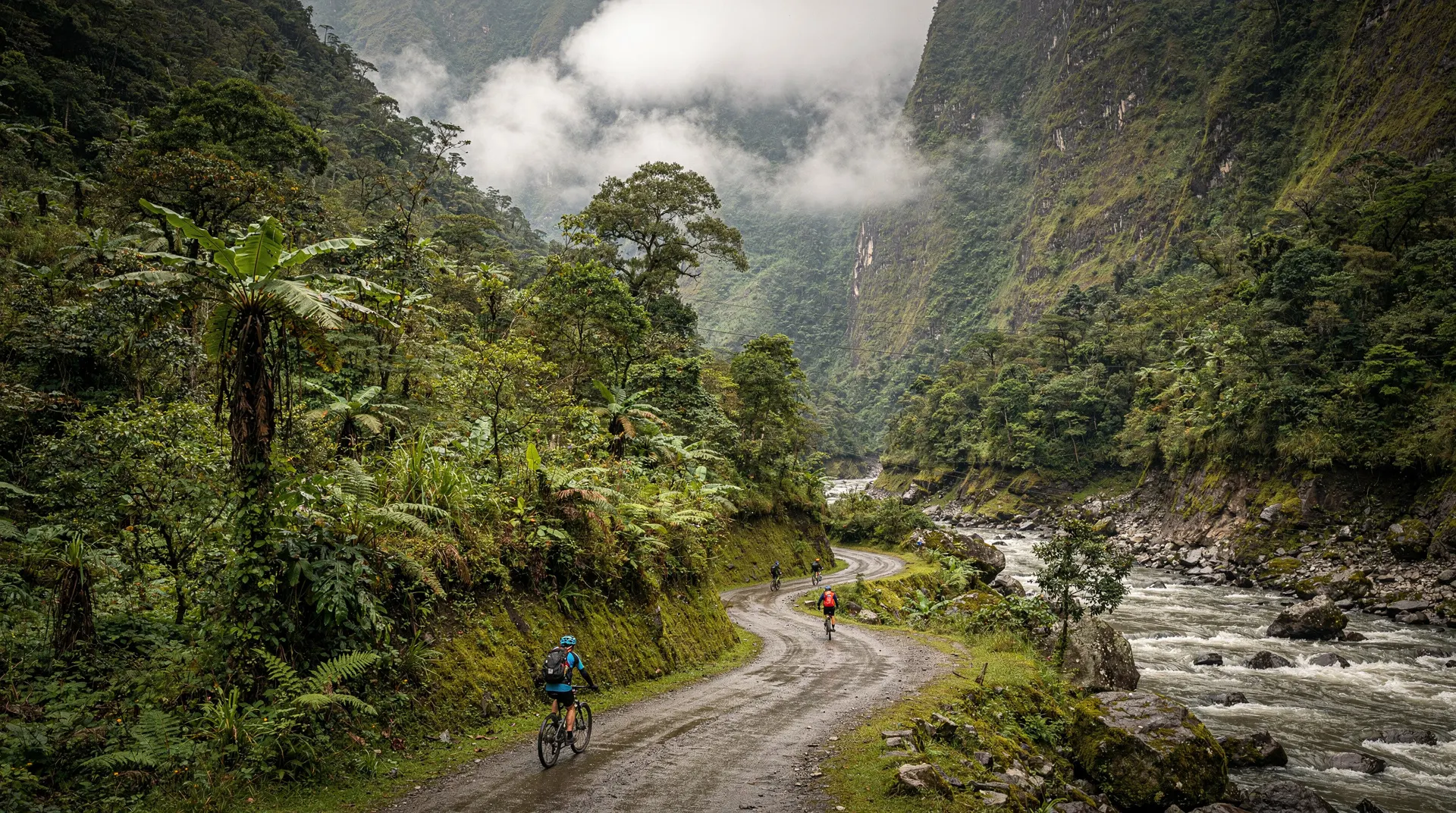
The group departs Cusco by minibus at around 5–6 am and drives to the Malaga Pass at approximately 4,300 m — the highest point on the route and the start of the biking descent. From here, the 65 km downhill covers the full altitudinal drop from the treeless high-altitude puna through cloud forest to the subtropical lowlands around Santa Maria at around 1,600 m.
The descent is almost entirely downhill on an unpaved mountain road. The scenery changes dramatically with every 500 m of altitude loss: from the bare highlands above treeline through increasingly lush cloud forest to the warm, humid vegetation of the Apurimac river valley. The road is used by local vehicles, and most operators pause at designated viewpoints rather than riding continuously.
Bicycle quality varies significantly between operators — higher-priced packages tend to include better equipment. Helmets and basic pads are standard. The road surface is loose and can be muddy in wet season; wet season descents require more confident bike handling.
Total descent: approximately 65 km, 2,700 m drop. Riding time: 4–6 hours depending on stops and pace. End at Santa Maria, overnight.
Day two — Santa Maria to Santa Teresa and zip lines/hot springs (1,500 m)
Day two walks from Santa Maria to Santa Teresa through the lower cloud forest — approximately 5–7 hours on a jungle trail, warm and humid. Some itineraries offer optional zip-lining through the forest canopy at Santa Teresa, which the majority of participants take up. The Santa Teresa hot springs (outdoor thermal pools) are available in the late afternoon and are included in most packages.
The walking on day two is warm and sticky by Cusco standards — temperatures in the cloud forest can reach 25–28°C in the afternoon, very different from the highland cold of the biking start the previous morning. The vegetation is dense, the bird life is active, and the trail follows river valleys rather than ridge lines. It is a pleasant and relatively easy walking day.
Optional white-water rafting on the Urubamba river is available in this section for some itineraries — typically an add-on extra.
Overnight at Santa Teresa.
Day three — Santa Teresa to Hydroelectric and Aguas Calientes (along the railway line)
Day three walks the 10 km railway-line path from the Hydroelectric station to Aguas Calientes — flat, following the Urubamba river with the cloud forest canyon rising on both sides. This is the same approach used by the Salkantay trek on its final day. Most groups take 2–3 hours and arrive in Aguas Calientes by early afternoon.
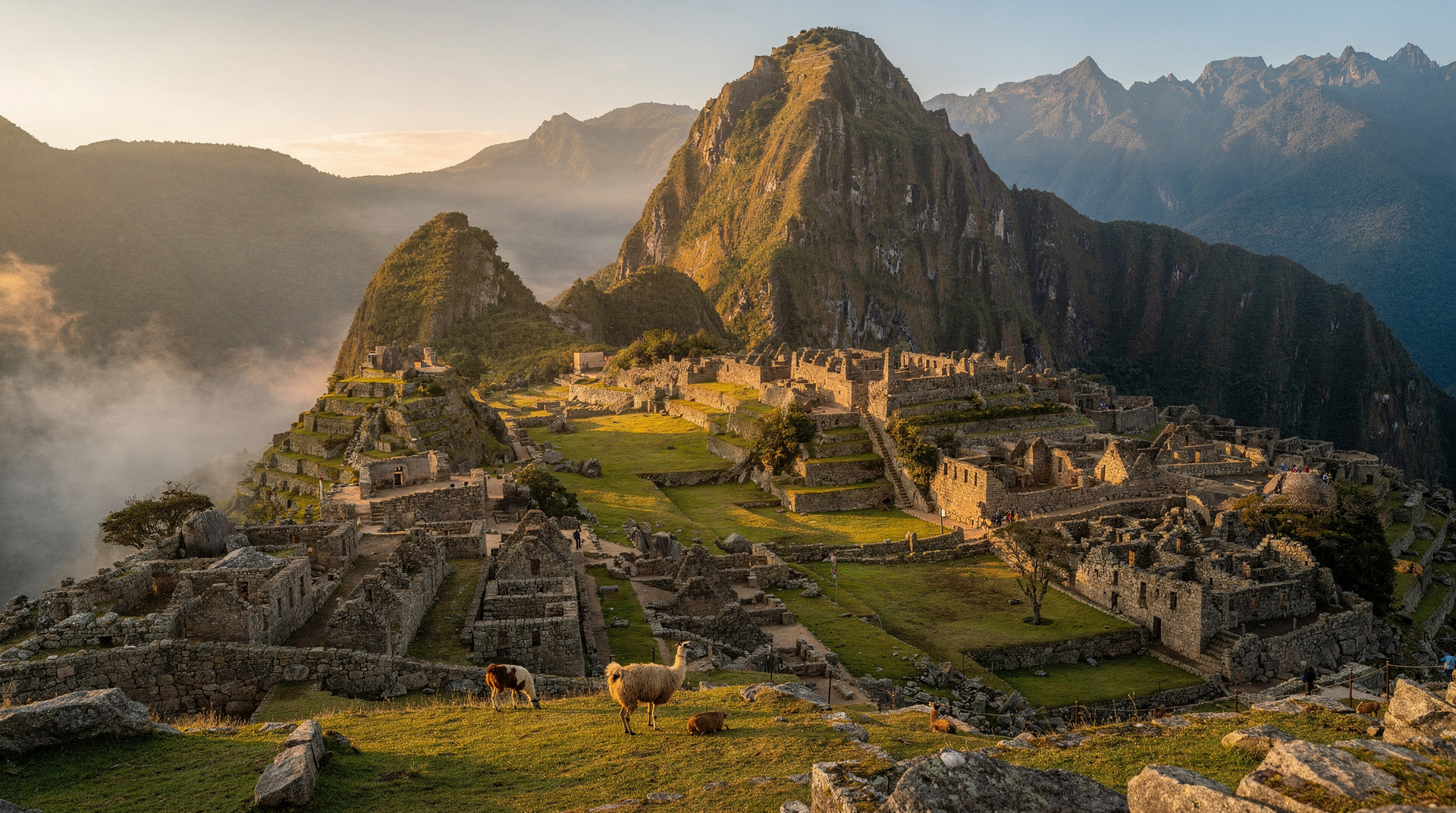
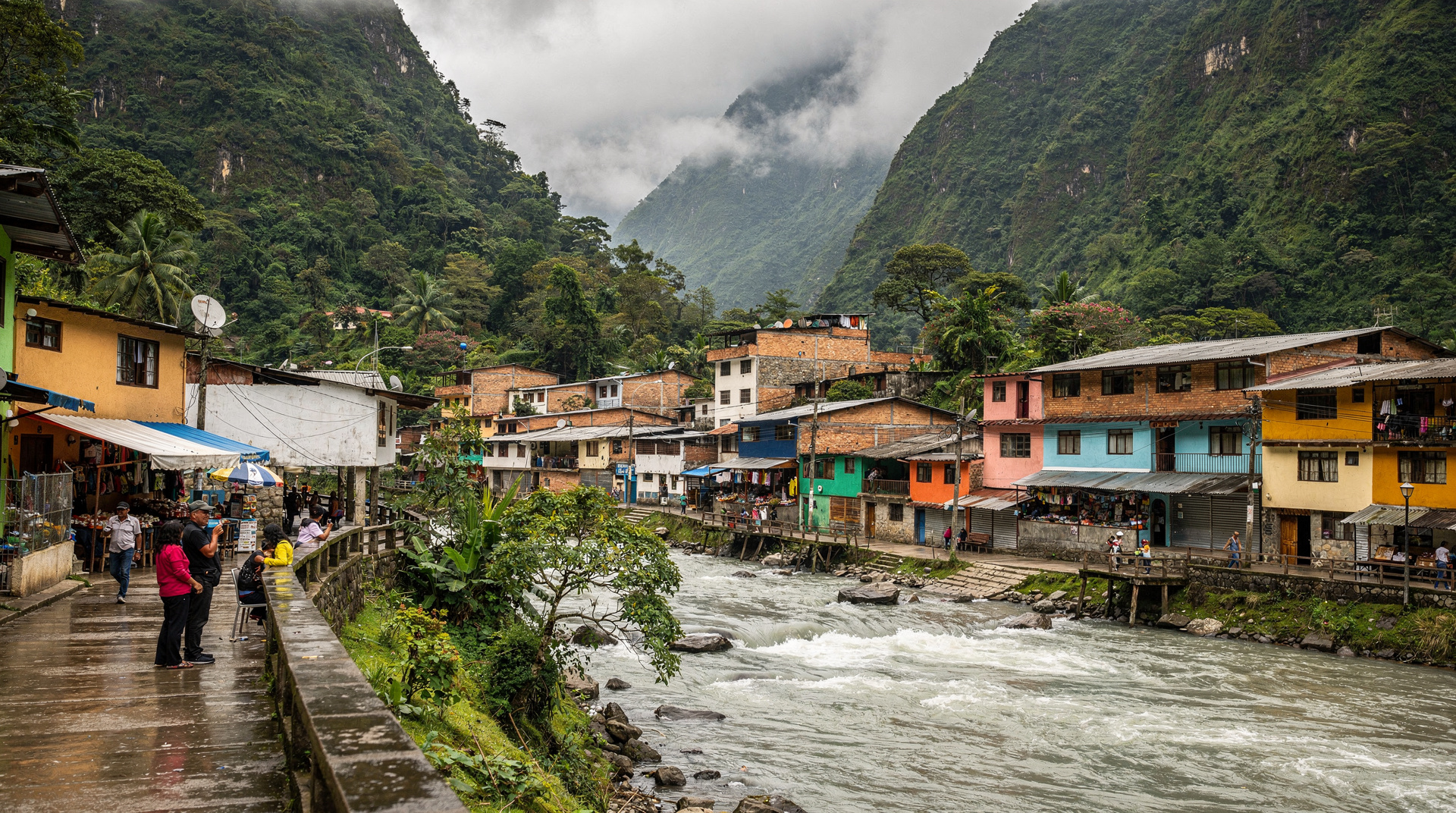
Aguas Calientes is the base town for Machu Picchu — small, tourist-oriented, and built almost entirely around the railway and the nearby site. It is not a particularly pleasant town but it serves its function: showers, a bed, food, and the bus stop for Machu Picchu. Overnight in Aguas Calientes.
Day four — Machu Picchu
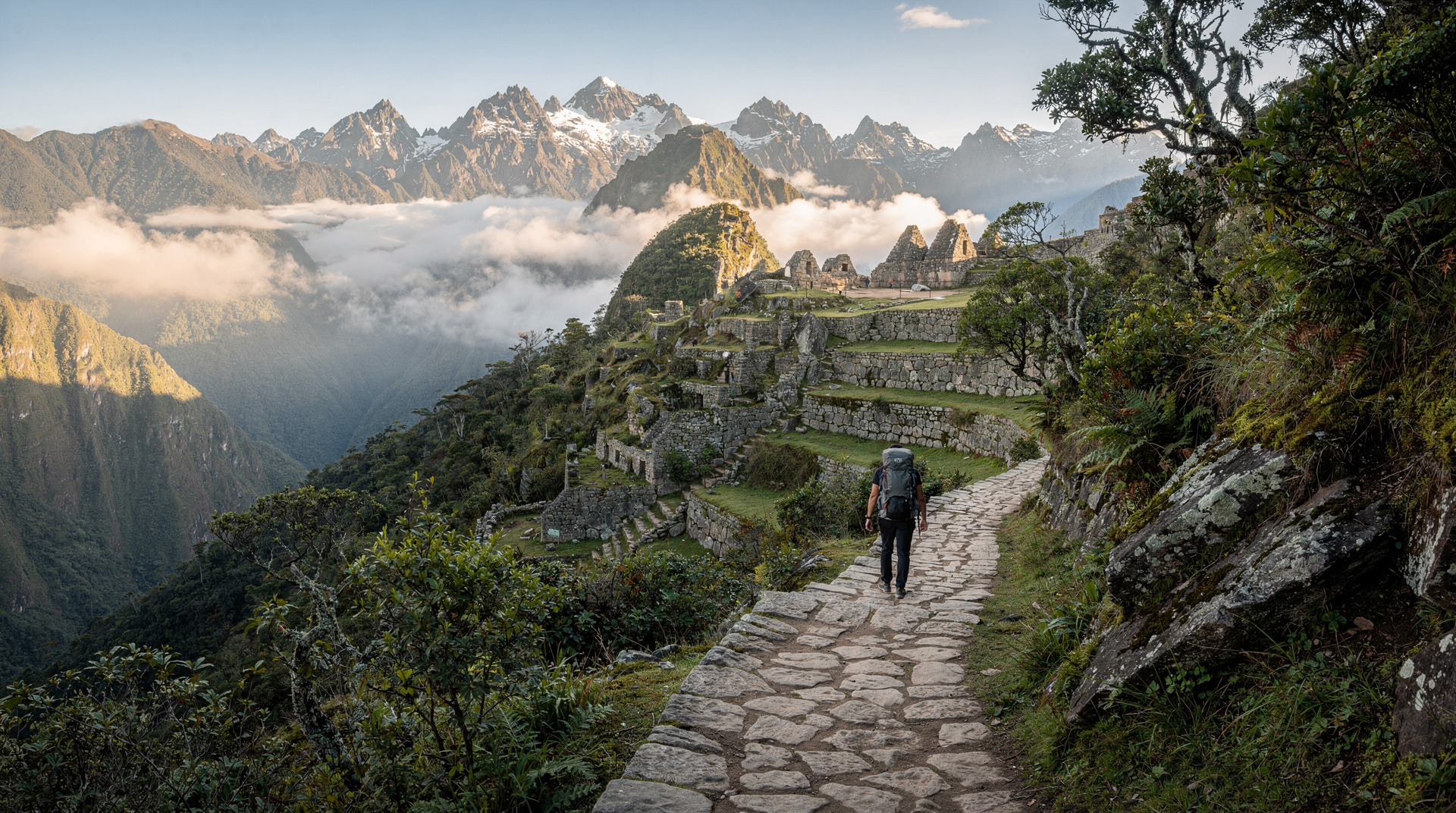
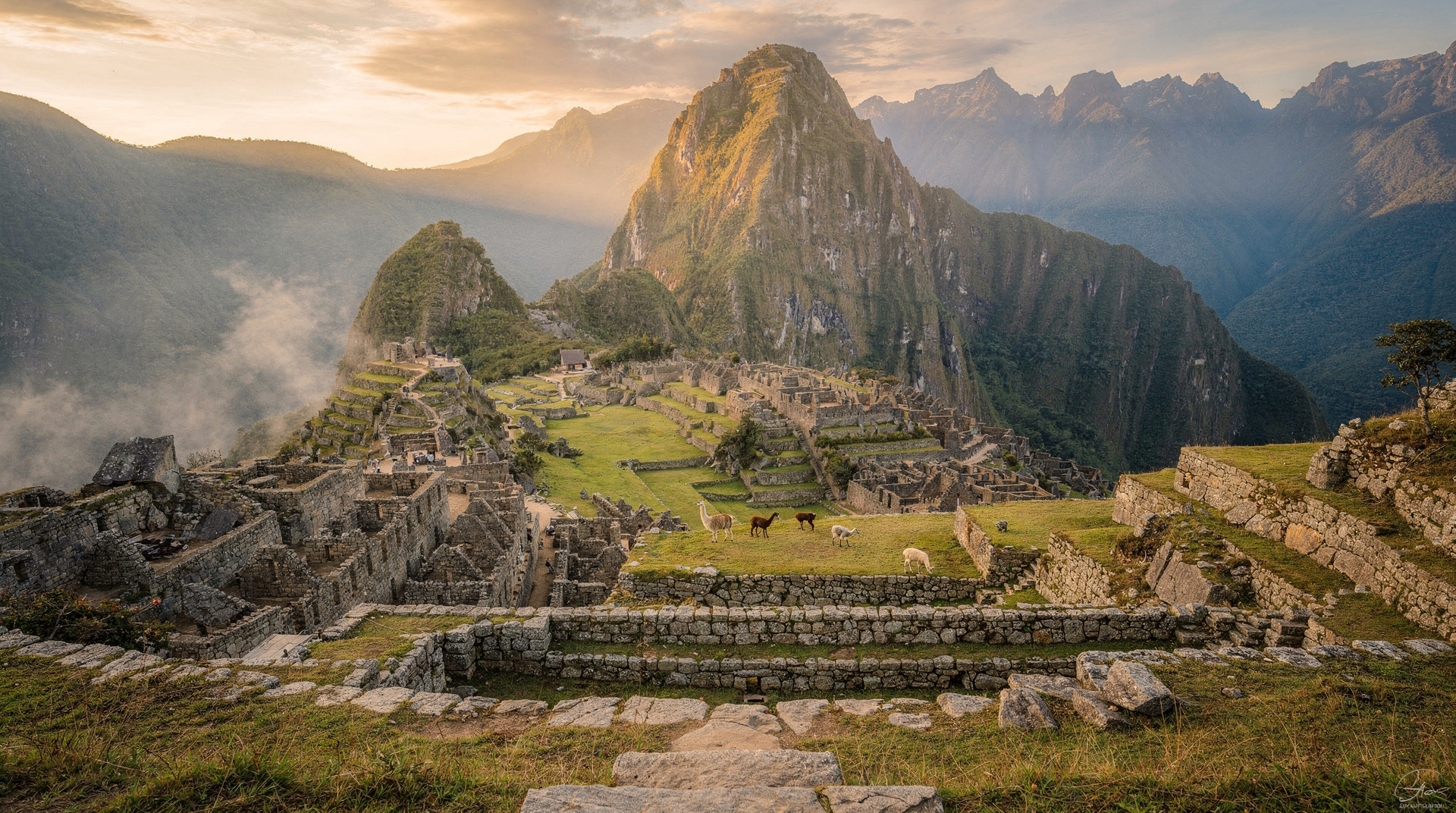
Early bus from Aguas Calientes to Machu Picchu, guided tour of the site. Return to Cusco by afternoon train. Some travellers hike up from Aguas Calientes on foot (the 400-step path takes about 45 minutes) rather than taking the bus.
For those who want to add the Salkantay mountain experience to a similar budget-friendly multi-day framework, the 4-day Salkantay variant offers the high-altitude pass crossing without the cycling component.
How it compares with the Inca Trail and Salkantay
The Inca Jungle trek is not a substitute for either the Inca Trail or the Salkantay in terms of what those routes provide. It is a genuinely different product with different priorities.
What the Inca Jungle does well:
- The mountain biking descent is a distinctive experience unavailable on any other Machu Picchu approach
- Low altitudes for the bulk of the route reduce altitude sickness risk significantly
- The price is lower than any alternative multi-day route
- No permit required, no booking lead time pressure
- Cloud forest and jungle scenery is warmer and more biologically diverse than the high-altitude routes
- Suitable for travellers of moderate fitness who are put off by the altitude demands of the Salkantay or Inca Trail
What the Inca Jungle does not provide:
- The Sun Gate arrival at Machu Picchu — this is absent, as with the Salkantay
- Significant Inca archaeological sites along the route
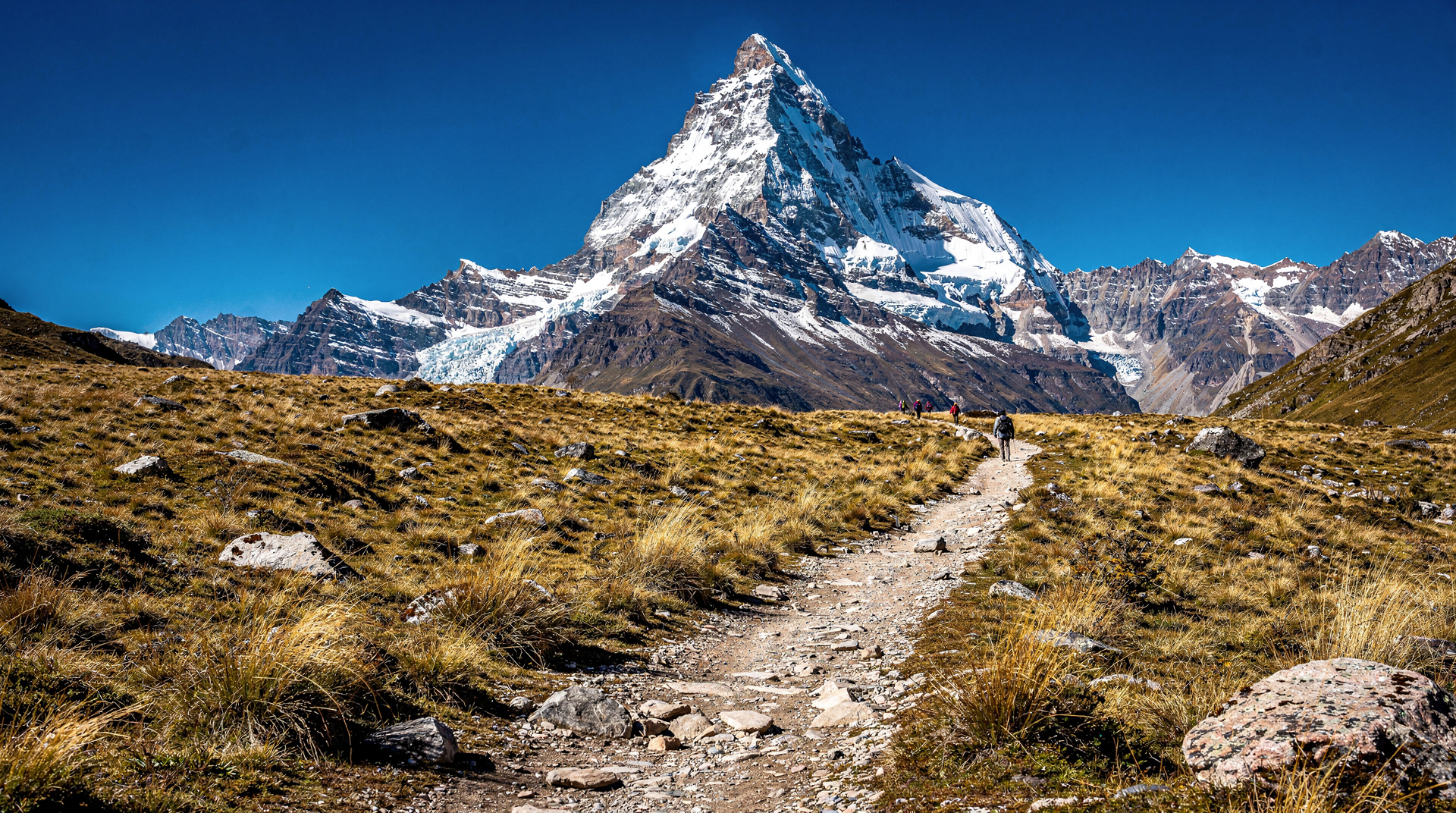
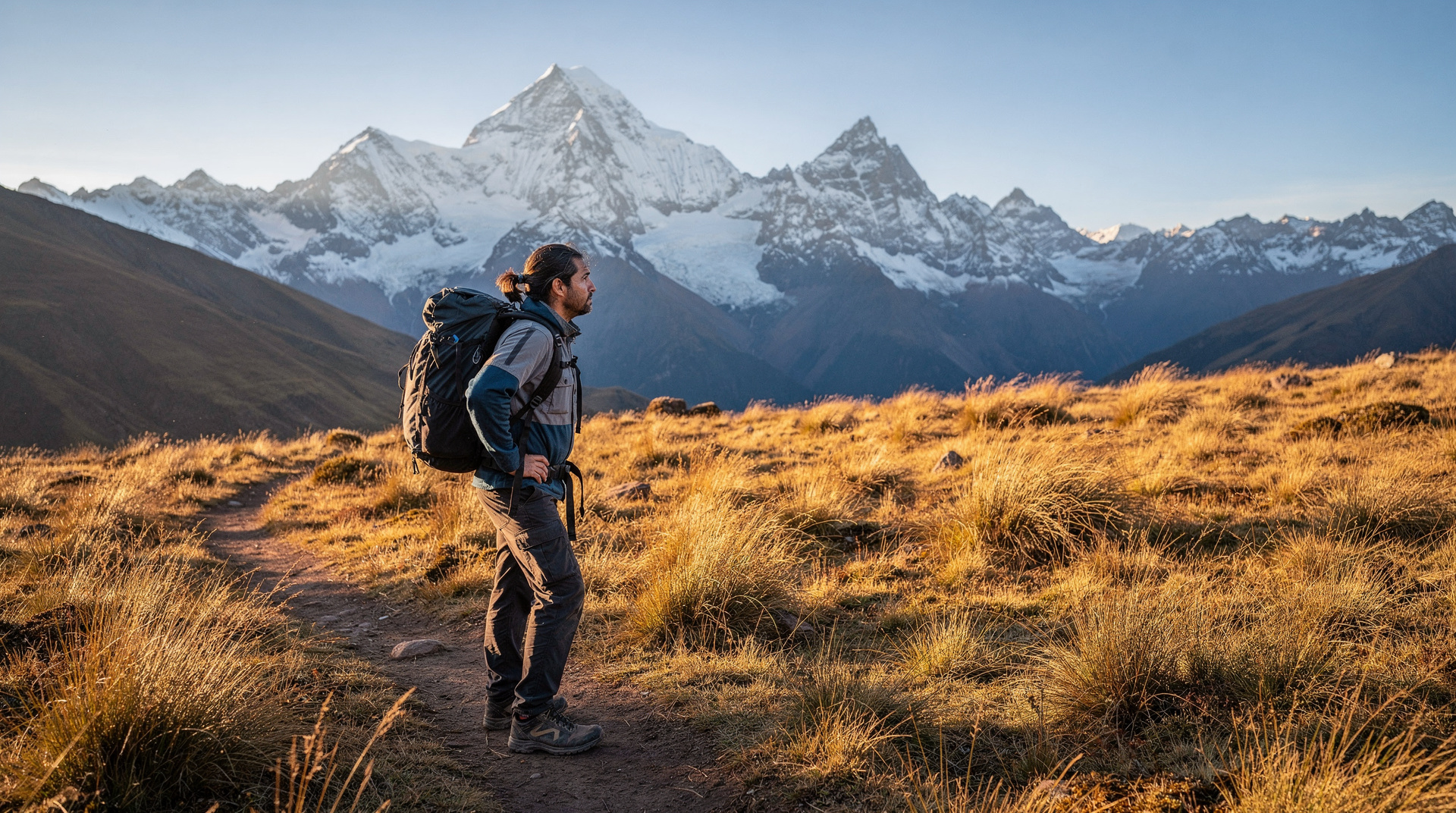
- The high-altitude mountain scenery of the Salkantay or Inca Trail
- The sense of earned arrival that trekkers describe from multi-day high-altitude routes
The best treks to Machu Picchu guide places all five main routes — Inca Trail, Salkantay, Lares, Inca Jungle, and short Inca Trail — on a comparative grid of cost, difficulty, altitude, cultural value, and arrival experience.
Altitude and physical demands
The Inca Jungle route starts at 4,300 m but descends from that point — the Malaga Pass is a starting elevation for the bike descent, not a pass you climb to on foot. The physical challenge of reaching 4,300 m altitude is handled by the minibus.
That said, arriving in Cusco at 3,400 m and immediately boarding a minibus to 4,300 m the next morning without altitude acclimatisation is inadvisable. The standard recommendation — three nights at altitude in Cusco or the Sacred Valley before any physical activity — applies. The altitude sickness guide covers what to watch for at the Malaga Pass start and during the first hours of the descent.
Once below 3,000 m, altitude becomes a non-factor for most people. The majority of the route’s walking time is spent between 1,500 m and 2,500 m. This makes the Inca Jungle the most altitude-accessible of the multi-day routes to Machu Picchu.
Cost breakdown
The Inca Jungle trek typically costs $200–350 per person for a 4-day package:
- Mountain bike hire and protective equipment
- Certified guide
- Accommodation (basic guesthouses in Santa Maria and Santa Teresa)
- Meals
- Transport Cusco to Malaga Pass and return from Aguas Calientes by train
- Zip-lining is sometimes included, sometimes an add-on
The Machu Picchu entry ticket is usually separate — confirm with your operator. Train return from Aguas Calientes to Cusco or Ollantaytambo may or may not be included.
At this price point, the Inca Jungle is approximately half the cost of the Salkantay and less than a third of the Inca Trail. The difference is not only in experience quality but in operational structure — no permit fees, simpler logistics, and a more competitive operator market.
When to go
May–September is the best window — dry season means the biking descent road is firmer and less slippery, the jungle trekking is drier, and the Machu Picchu visit at the end is in peak visibility conditions.
The Inca Jungle route does not close in February (unlike the Inca Trail). In wet season, the biking road can be slippery and muddy, making the descent more challenging and slightly less enjoyable. The jungle walking days, however, are if anything more atmospheric in the wet — cloud forest in the rain is vivid in a way dry conditions cannot match. Travellers comfortable with a wet biking descent and who prioritise the jungle experience will find January–March viable with appropriate expectations.
Booking and operator selection
Unlike the Inca Trail, the Inca Jungle does not require months of advance booking. Booking 1–2 weeks ahead is generally sufficient even in peak season. For June and July, a few weeks’ notice is sensible to secure your preferred dates and operator.
Equipment quality varies significantly between operators at different price points. The bike quality is the most meaningful variable — higher-end packages include hydraulic disc brakes and suspension on better road surfaces. Ask specifically about bike quality, helmet standards, and the guide’s experience on the route before booking.
Reading recent reviews on standard booking platforms is more useful here than for almost any other Cusco trek, precisely because operator quality varies so widely at this price point. Look specifically for comments about bike condition and brake responsiveness rather than general trip satisfaction — a group can have a wonderful social experience on a trip where the bikes were genuinely unsafe, and the two things are worth evaluating separately when choosing an operator.
What to pack for the Inca Jungle
The Inca Jungle’s altitude range — from 4,300 m at the bike start to around 1,500 m in the jungle lowlands — means packing for dramatically different conditions within a single day.
For the bike descent:
- Warm layers: at 4,300 m the Malaga Pass is cold, particularly in early morning. A fleece and a windproof jacket over your normal biking layers are necessary for the start.
- Gloves and a hat: the descent generates wind chill on top of the altitude cold.
- Sunglasses: the upper section has no shade and the UV at 4,300 m is intense.
For the jungle walking sections:
- Lightweight, moisture-wicking clothing. The cloud forest and subtropical sections can reach 28°C in the afternoon.
- Insect repellent: DEET or equivalent. Mosquitoes are present from the lowland sections of day two onwards.
- Lightweight waterproof jacket: afternoon showers are common even in dry season in the cloud forest sections.
Footwear:
- Most operators provide basic mountain bikes with flat pedals; normal trail shoes or light hiking boots are fine for the biking section. Avoid cleats.
- Comfortable walking shoes for the trekking days. The terrain is not as rough as the Inca Trail stone steps, so ankle support is less critical.
General items:
- A dry bag or waterproof liner for your main bag: rain is possible in the jungle sections.
- Sunscreen for the high-altitude start and the exposed agricultural sections.
- Enough cash for tips, optional extras, and meals in Aguas Calientes not covered by the package.
What Aguas Calientes is like
The Inca Jungle, like the Salkantay trek, ends at Aguas Calientes — the base town for Machu Picchu. It is worth having realistic expectations.
Aguas Calientes is a one-industry town: every restaurant, hotel, and market stall exists because of the railway line to Machu Picchu. It is not particularly attractive. The main square has the train station at one end and a small plaza at the other. Food quality in the restaurants ranges from adequate to good. After three days of basic guesthouse accommodation in the cloud forest, the relative comfort of Aguas Calientes feels appropriate.
The town has its own hot springs (different from the Santa Teresa springs you will have visited on day two) — a short walk up from the centre, with outdoor pools and warm mineral water. Worth an evening visit. Entrance costs around S/20 (approximately $5).
The bus to Machu Picchu leaves from the town centre from 5:30 am. Book your bus ticket in advance if your operator has not included it. The first buses are full, and arriving at the site early is worthwhile.
The day trip to Machu Picchu by train is the baseline option for travellers who want the site but cannot commit to any multi-day route. It gives Machu Picchu without the trek — useful to know as the fallback if any multi-day route is unavailable or proves too much.
For those who want more altitude and mountain drama than the Inca Jungle provides, but still want the permit-free flexibility of the Salkantay, the Salkantay trek guide is the natural next read.
Who the Inca Jungle genuinely suits
It is worth being direct about the type of traveller this route rewards, since the marketing around it can blur together experiences that are quite different in character. The Inca Jungle suits travellers who want an active, adventure-sport-flavoured multi-day trip more than a purely contemplative or historically-focused one — the biking descent and optional zip-lining are the emotional centrepiece of the trip, not incidental add-ons. It also genuinely suits budget-conscious travellers and those with limited advance planning time, since the lack of a permit system means it remains bookable at short notice even in July and August when the Inca Trail has been sold out for months.
It suits less well travellers whose primary motivation for a multi-day trek is Inca archaeology and high-altitude mountain scenery — the route passes no major ruins en route and spends comparatively little time above 3,000 m. Travellers in that category are better served by the Salkantay trek or, permits allowing, the Inca Trail itself.
Group size and the social dimension
Inca Jungle groups tend to run larger and skew younger than Salkantay or Inca Trail groups, partly because the lower price point and adventure-sport framing attract a different traveller profile, and partly because operators can run larger biking groups more easily than large trekking groups on narrow mountain trails. This changes the character of the trip noticeably: evenings in Santa Maria and Santa Teresa tend to be more social, with shared meals and a livelier group dynamic than the quieter, more reflective atmosphere typical of Inca Trail campsites. Travellers who specifically want a quieter, more contemplative multi-day experience should factor this into their choice between routes.
Frequently asked questions about Inca Jungle trek guide: bikes, zip lines, and Machu Picchu
Do you need a permit for the Inca Jungle trek?
How fit do you need to be for the Inca Jungle trek?
How much does the Inca Jungle trek cost?
Does the Inca Jungle trek arrive at Machu Picchu via the Sun Gate?
What altitude does the Inca Jungle trek reach?
Is the cycling section safe?
Top experiences
Bookable activities with verified prices and instant confirmation on GetYourGuide.