How much does a Peru trip cost? Honest 2026 budget guide
From Cusco: Machu Picchu Day Trip with Train Tickets
How much does a Peru trip cost?
Budget travellers: $60–90/day plus major attraction entry fees. Mid-range: $120–200/day. Luxury: $350–600+/day. Machu Picchu entry (S/152, ~$45 per circuit) plus train (~$60–130 return) is a fixed cost for almost all visitors regardless of daily budget. A 7-day southern Peru trip — Cusco, Sacred Valley, Machu Picchu — costs approximately $700–1,000 budget, $1,300–2,000 mid-range, or $3,500–5,500 luxury, excluding international flights.
Setting realistic expectations about Peru trip costs
Peru trips fail to budget for two consistent reasons: visitors underestimate the fixed costs of major attractions, or they underestimate how many days they need and run short on time. This guide addresses the first problem with as much specificity as possible for 2026 prices.
The fixed costs — Machu Picchu entry, trains, the Boleto Turístico, organised treks — are genuinely non-negotiable. The daily costs — accommodation, food, local transport, incidental spending — are highly variable and manageable. Understanding which is which is the foundation of an honest trip budget.
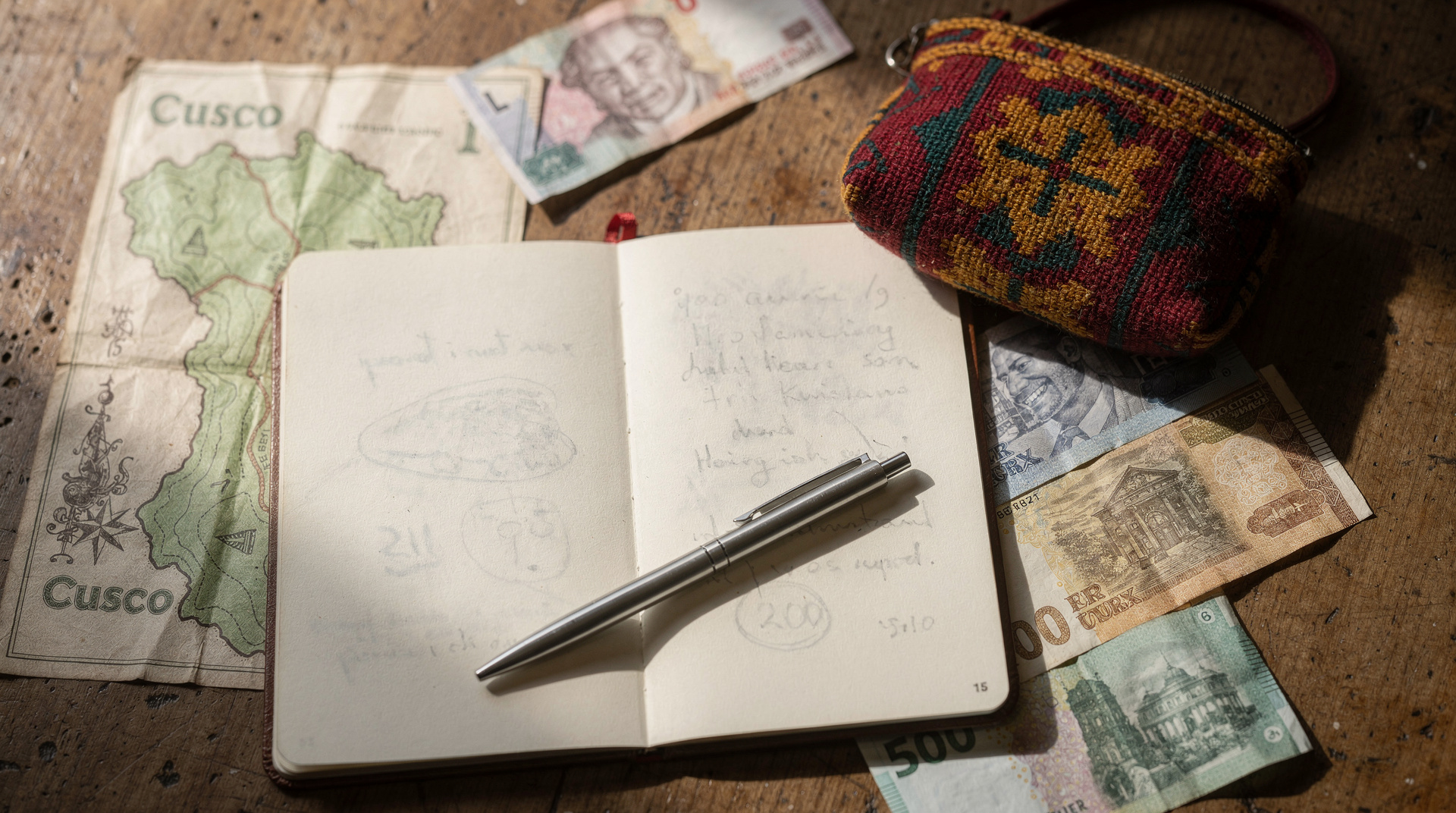
All prices below are in Peruvian soles (PEN, denoted S/) with approximate USD equivalents. The exchange rate used throughout is S/3.35 per USD, current at time of writing; verify on XE.com before your trip.
| Where | Cusco, Sacred Valley, Machu Picchu (core); Arequipa, Puno, Lima (extensions) |
| Cost | $60–90/day budget; $120–200/day mid-range; $350–600+/day luxury |
| Time needed | 7 days minimum for the Cusco/Sacred Valley/Machu Picchu core |
| Getting there | International flight to Lima, then domestic flight or bus to Cusco |
| Best time | May and September for the best cost-to-crowd ratio |
The fixed costs: what you are committed to regardless of daily budget
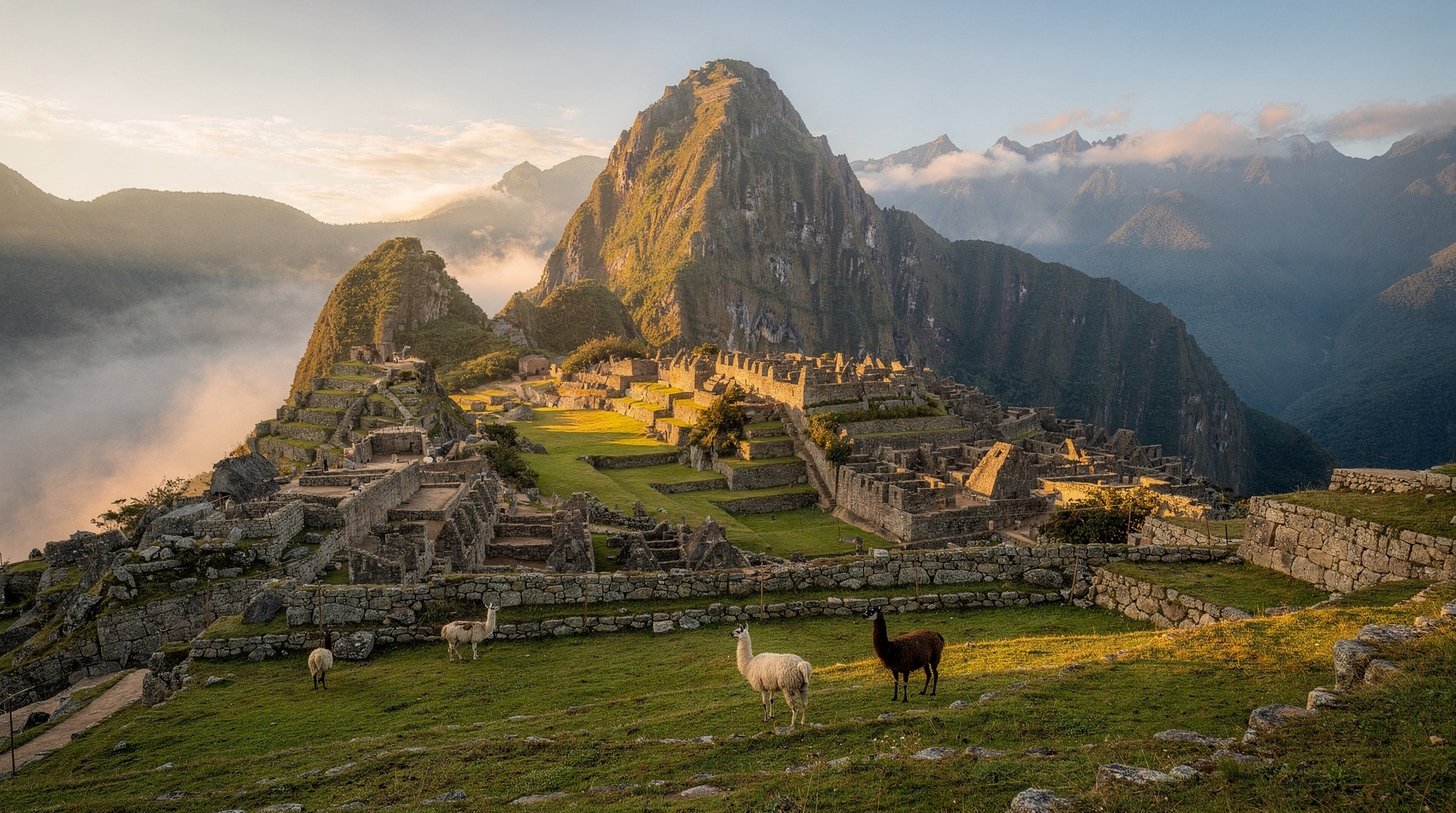
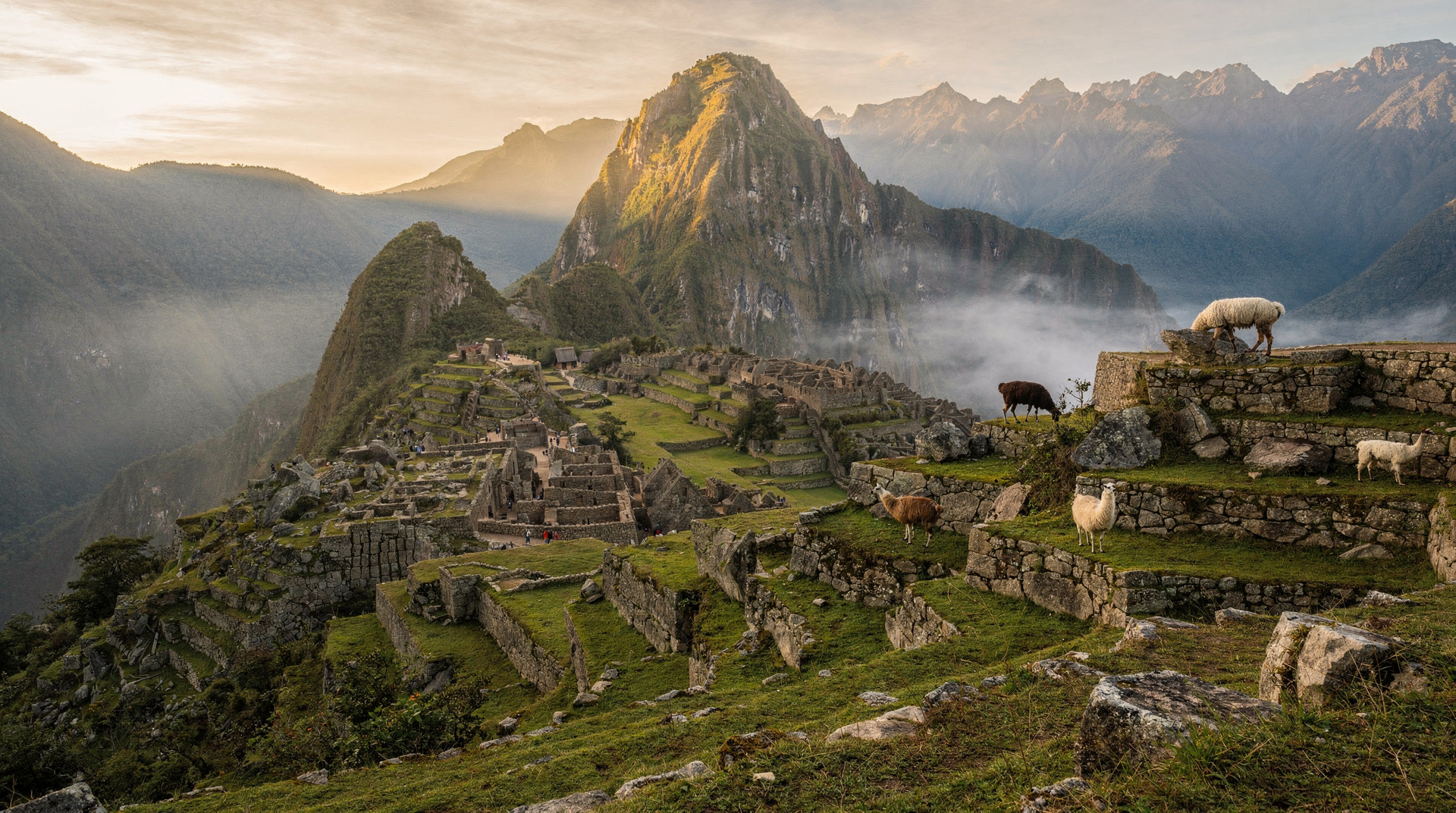
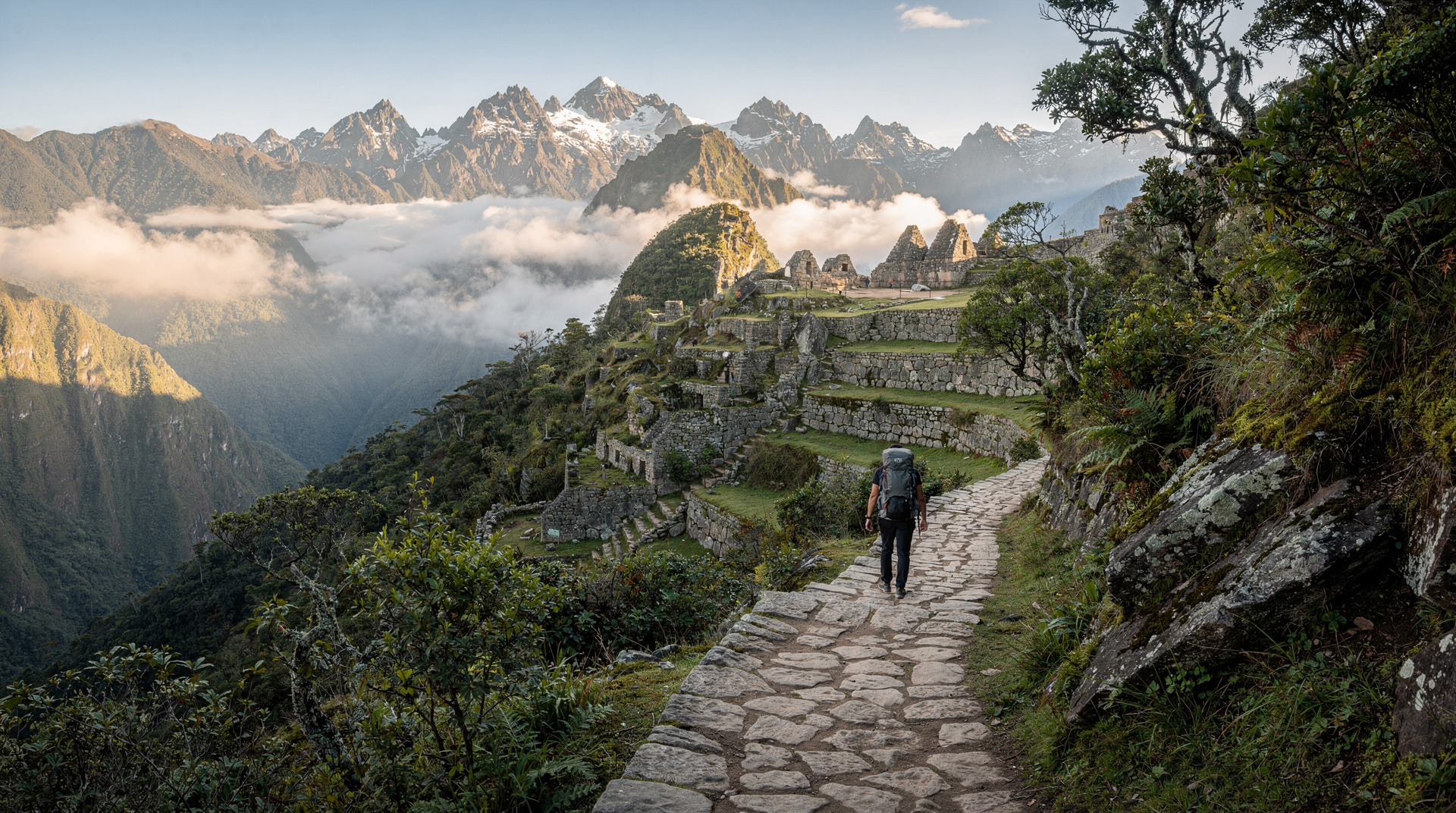
Machu Picchu entry
The Ministry of Culture sets the price. In 2026:
- Adult entry, one circuit: S/152 (~$45)
- Child (8–17): S/77 (~$23)
- Under 8: free (booking still required)
- Huayna Picchu add-on: S/100–120 (~$30–35) per person, daily limit 400
- Machu Picchu Mountain add-on: S/100–120 (~$30–35) per person
There is no legitimate discounted ticket. Fake tickets from street sellers are detected by gate scanners and the entry is refused with no refund. Book exclusively through tuboleto.cultura.pe or an authorised agency. The tickets guide covers the booking process.
Transport to Machu Picchu
By train (standard route):
- Shared colectivo Cusco → Ollantaytambo: S/20–30 (~$6–9) each way
- PeruRail or Inca Rail Ollantaytambo → Aguas Calientes return: S/200–450 (~$60–135) depending on class and booking lead time
- Bus Aguas Calientes → citadel gate return: S/80 (~$24)
- Total transport: approximately S/320–560 (~$95–167)
By Hidroeléctrica (budget route):
- Shared van Cusco → Hidroeléctrica: S/60–90 each way
- 10 km walk to Aguas Calientes: free
- Bus to citadel gate: S/80 round trip
- Total transport: approximately S/200–260 (~$60–78)
- Full detail in the Hidroeléctrica guide
Boleto Turístico (Cusco Tourist Ticket)
- Full circuit (16 sites, 10 days): S/130 (~$39)
- Partial circuit A (8 sites in Cusco city): S/70 (~$21)
- Partial circuit B (8 sites in Sacred Valley): S/70 (~$21)
If you plan to visit Sacsayhuamán, Pisac ruins, Ollantaytambo, Moray, and Chinchero, the full ticket pays for itself against individual entry fees. The tourist ticket guide provides the full breakdown.
Inca Trail permit and package
- Classic 4-day Inca Trail (permit + guide + camping + Machu Picchu entry): $650–800 per person standard, $1,200–1,800 premium
- 2-day Inca Trail (limited permits, camping one night): $350–500
- Salkantay 5-day (no permit required): $400–700 standard, $900–1,400 lodge version
The Inca Trail complete guide covers every option and what is included in the package price.
Daily costs by tier
Budget: S/200–300 ($60–90) per day
This is the daily running cost — accommodation, food, local transport, incidental spending — excluding major attraction entry fees.
Accommodation: Hostel dorm S/35–50 ($10–15); budget private room S/100–150 ($30–45) in Cusco. Cheaper in the Sacred Valley and Arequipa.
Food: Market set lunch S/12–18 ($3.50–5.50); restaurant dinner S/35–55 ($10–17); breakfast S/10–15 ($3–4.50). Daily food total: S/60–90 ($18–27).
Transport: Taxis within Cusco S/8–15 per journey. Colectivos to valley towns S/15–25. Tourist bus to Sacred Valley S/60–80 per trip.
Activities: The free experiences — walking San Blas, Plaza de Armas area, viewpoints over the city — are genuinely among the best in Cusco.
Mid-range: S/400–650 ($120–195) per day
Accommodation: Private room in a good mid-range hotel or guesthouse: S/250–400 ($75–120) per night. Most include breakfast.
Food: Set lunch at a proper restaurant: S/35–50. Dinner at a mid-range restaurant: S/70–100 ($21–30). Daily food: S/150–200 ($45–60).
Guided tours: Half-day guided city tour S/80–120 ($24–36). Sacred Valley full-day with guide and transport: S/180–250 ($54–75).
Activities: All major sites, Boleto Turístico, day trips, cooking class (S/120–180/$36–54).
Luxury: S/1,000–2,000+ ($300–600) per day
Accommodation: Belmond Monasterio or Inkaterra La Casona: $420–700 per night. Premium Sacred Valley properties: $350–600 per night.
Food: High-end dinner at MAP Café or Chicha: S/150–250 ($45–75) per person. Mil Centro tasting menu near Moray: approximately $150 per person.
Guiding: Private licensed guide for full day: S/400–600 ($120–180).
Transport: Private vehicle and driver for Sacred Valley day: S/500–800 ($150–240).
Seven-day itinerary cost comparison
A standard 7-day southern Peru trip (Cusco + Sacred Valley + Machu Picchu) including all fixed costs:
| Category | Budget (S/) | Mid-range (S/) | Luxury (S/) |
|---|---|---|---|
| 7 nights accommodation | 840–1,050 | 1,750–2,800 | 9,800–16,450 |
| Food (7 days) | 500–700 | 1,050–1,400 | 2,100–3,500 |
| Machu Picchu entry | 152 | 152 | 304 (+ Huayna Picchu) |
| Machu Picchu transport | 280–360 | 350–500 | 600–900 |
| Boleto Turístico | 130 | 130 | 130 |
| Sacred Valley tour | 80–120 | 180–250 | 1,200–2,000 (private) |
| City guided tours | 0–80 | 150–250 | 400–600 |
| Local transport | 80–120 | 150–250 | 300–500 |
| Total (PEN) | 2,062–2,712 | 3,912–5,732 | 14,834–24,384 |
| Approx. USD | $615–810 | $1,168–1,711 | $4,428–7,280 |
These figures are per person and exclude international flights, visas (Peru has no tourist visa requirement for most nationalities for stays up to 90 days), and travel insurance.
A day trip to Machu Picchu with train, guide and entry sits at approximately S/600–800 per person and removes the most complex logistics from the Machu Picchu portion of the budget — worth comparing against independent train booking when prices are current.
Extending to the full southern Peru circuit
Many visitors combine Cusco with additional southern Peru destinations. Budget additions per destination:
Arequipa (2–3 days): Budget S/150–250 ($45–75) per day. Overnight bus from Cusco or Puno: S/70–120 ($21–36). Colca Canyon 2-day tour from Arequipa: S/250–400 ($75–120). Total extension budget: approximately $200–350.
Puno and Lake Titicaca (2–3 days): Budget S/150–200 ($45–60) per day. Overnight bus Cusco to Puno: S/70–100 ($21–30). Uros floating islands and Taquile Island full-day tour: S/80–150 ($24–45). Lake Titicaca total extension: approximately $180–280.
Lima (2 days): Budget S/250–400 ($75–120) per day. Flights Cusco → Lima: S/200–400 ($60–120) one way, varies. Total extension: approximately $250–400 including flights.
A 12-day southern Peru grand circuit — Lima, Paracas, Cusco, Sacred Valley, Machu Picchu, Puno, Arequipa — runs approximately $1,500–2,500 per person at mid-range level, excluding international flights.
Where the money goes wrong
Buying fake tours at unrealistically low prices. Any Inca Trail offering under $500 per person for the 4-day trail is not operating legally — the permit costs alone exceed $150 and a licensed guide is legally required. Fake Machu Picchu tickets (sold at a discount on the street) are a direct loss with zero recourse. Both of these patterns are documented risks with real financial consequences.
Not budgeting for altitude rest days. Arriving in Cusco and spending the first day attempting activities adds nothing and risks altitude sickness that can write off 2–3 subsequent days. Budget for day one as a genuine rest day — the cost is a night’s accommodation and meals; the saving is a trip that runs smoothly rather than starts badly.
Currency conversion at airports. Airport exchange rates in Lima and Cusco consistently offer worse rates than city-centre exchange offices (casas de cambio) or ATMs. The practical approach: withdraw the minimum at the airport for immediate needs (taxi, first dinner), then use a city ATM or exchange office thereafter.
Costs that catch visitors by surprise
Beyond the obvious large expenses, several costs routinely catch visitors unprepared:
Sacred Valley transport. The easiest way to do the Sacred Valley is an organised tour at S/80–250 ($24–75) depending on whether it is shared or private. Independent travel is possible by colectivo (S/15–25 to most towns) but requires more time and does not include site access or a guide. Factor this in whichever route you take.
Tips. Tipping is expected and economically meaningful for local guides and trek staff. A daily guide: S/10–20 ($3–6). Full-day Sacred Valley guide: S/15–25 ($4.50–7.50). Inca Trail porter team: $50–80 per person for the group over the trek. This is not optional in the social context of the industry and should be budgeted as a fixed cost.
Altitude medication. Acetazolamide (if not pre-purchased in your home country), ibuprofen, and oral rehydration salts are available in Cusco but at tourist-area markups of 20–40% over standard pharmacy prices. Buying at home is cheaper and ensures you have the right product.
The pre-departure Lima day. If you spend 1–2 nights in Lima, add approximately $70–150 per day at mid-range (Lima is modestly more expensive than Cusco for accommodation and dining). Budget travellers can manage Lima well at $50–80 per day.
Departure tax. Domestic flights in Peru carry a small airport departure tax (usually included in the ticket price). International departure tax from Jorge Chávez Airport in Lima is included in most international tickets but worth checking.
How to reduce costs without compromising the trip
The highest-return reductions for mid-range travellers:
- Travel in May or September rather than July–August: accommodation is 20–30% cheaper, tour prices are marginally lower, and the experience is better due to thinner crowds.
- Eat lunch at the San Pedro Market or neighbourhood restaurants rather than tourist restaurants. The difference across a week adds up to S/400–600 ($120–180).
- Use shared colectivos for Sacred Valley transport rather than private taxis. Same journey, a quarter of the cost.
- Stay one night in Aguas Calientes rather than Sanctuary Lodge. The overnight is important for a good Machu Picchu experience; it does not need to be at the most expensive hotel in Peru.
Tipping: a fixed cost most first-time visitors underestimate
Tipping in Peru’s tourism sector is expected and economically meaningful, not optional in the way it might be treated at home. Budget it as a line item rather than an afterthought:
| Service | Typical tip |
|---|---|
| Half/full-day city or Sacred Valley guide | S/10–25 ($3–7.50) per person |
| Private driver-guide, full day | S/20–40 ($6–12) per person |
| Inca Trail/Salkantay porter and cook team | $50–80 per trekker for the whole trek, pooled |
| Restaurant service (not always included) | 10% if a service charge is not already on the bill |
For a 7-day trip including one multi-day trek, tips alone can add $60–100 per person to the total — worth including in the initial budget rather than discovering on the trail.
Exchange rate and currency practicalities
This guide’s soles-to-dollar conversions use S/3.35 per USD; the actual rate on any given day can move the total trip cost by 5–10% either way, so check XE.com close to departure. Withdrawing soles from ATMs on Plaza de Armas or Avenida del Sol generally gives a rate close to the interbank rate, minus a fixed withdrawal fee of S/15–20 — withdraw larger amounts less frequently to minimise the cumulative fee impact. US dollars in good condition (no tears, not too worn) are widely accepted as a secondary currency, but avoid exchanging money at either Lima or Cusco airports, where rates are consistently worse than city-centre casas de cambio.
The honest summary
Peru sits at a mid-point in global travel costs: not the cheapest, not the most expensive, but with a range of non-negotiable fixed costs for the major attractions that make the total budget higher than the daily running cost suggests. Plan the fixed costs first — Machu Picchu transport and entry, Boleto Turístico, any trek package — then build your daily budget around what remains.
The Cusco on a budget guide gives specific advice for stretching daily spend. The Cusco trip planning guide covers the full logistics picture. And the how many days guide helps ensure you allocate sufficient time to actually enjoy what you have spent.