Cusco on a budget: how to visit well for less
From Cusco: Machu Picchu Day Trip with Train Tickets
How much does Cusco cost per day on a budget?
A genuine budget traveller can manage S/120–200 ($35–60) per day in Cusco for accommodation, food, and local transport, excluding major paid attractions. Add approximately S/152 ($45) per attraction with entry fees. Machu Picchu entry alone is S/152 plus transport; the full day trip via the Hidroeléctrica route costs roughly $90–100 all-in versus $140–180 by train.
Cusco is affordable — if you know where the money goes
The assumption that Peru is automatically cheap breaks down quickly in Cusco if you do not plan carefully. The major attractions — Machu Picchu, Rainbow Mountain, multi-day treks, the Boleto Turístico — have fixed costs that add up regardless of how frugally you manage your daily expenses. A visitor expecting to do everything for the price of Southeast Asia will be surprised.
That said, Cusco is genuinely affordable by the standards of major heritage tourism destinations. Food is cheap, accommodation ranges from excellent to outstanding at backpacker prices, local transport costs very little, and the free experiences — the historic centre, San Blas neighbourhood, outdoor viewpoints, Plaza de Armas — are among the most rewarding in the city.
This guide separates the fixed costs you cannot avoid from the variable costs you can control, then gives you the frameworks to plan an honest budget.
| Daily budget (excl. major sites) | Around S/120–200 (~$35–60) per day |
| Biggest fixed cost | Machu Picchu entry, S/152, plus transport |
| Cheapest sleeping option | Dorm bed S/35–50 in San Blas or the centre |
| Cheapest Machu Picchu route | Hidroeléctrica, around S/340–420 all-in |
| Best-value single day trip | Sacred Valley full-day tour, S/60–100 |
The fixed costs: know what you are committed to
Some costs are essentially fixed regardless of your budget strategy. Planning around them, rather than being surprised by them, is the foundation of a sensible Cusco budget.
Machu Picchu entry: S/152 (~$45) per circuit. This is set by Peru’s Ministry of Culture. Attempting to buy discounted tickets from street touts or unofficial agencies is how visitors end up with fake tickets that the scanners at the gate reject with no refund. There is no legal way to reduce this cost. The tickets guide explains the booking system.
Machu Picchu transport: Minimum S/60–90 each way by shared van to Hidroeléctrica plus S/80 round-trip bus up to the citadel gate. By standard train from Ollantaytambo, round-trip costs S/250–400 ($75–120) depending on class and booking lead time.
Boleto Turístico: S/130 (~$39) for the full circuit, covering 16 sites. If you plan to visit Sacsayhuamán, Pisac ruins, Ollantaytambo, Moray and Chinchero, this is genuinely excellent value. The full explanation is worth reading before you buy.
Inca Trail permit (if applicable): $650–800 per person for the 4-day classic trail, including guide, cook, camping gear and entry fees. This is a non-negotiable industry rate. The Inca Trail complete guide covers what is included.
Daily budget: what S/120–200 per day actually covers
For the portions of your trip not dominated by major attraction entry fees, a budget of S/120–200 ($35–60) per day is realistic and comfortable in Cusco.
Accommodation (budget): S/35–50 for a hostel dorm bed; S/100–150 for a private room in a budget guesthouse. Cusco has one of the best-developed hostel networks in South America, with consistent hot water (important at altitude), decent Wi-Fi and breakfast sometimes included. San Blas and the area around Plaza Regocijo tend to have more characterful budget options than the streets immediately around Plaza de Armas.
Food: A menú del día (set lunch) at the San Pedro Market or a neighbourhood comedor costs S/12–18 ($3.50–5.50) for a three-course meal. Breakfast from a bakery or market: S/8–12. Dinner at a mid-range restaurant: S/35–55 ($10–17). You can eat three good meals a day for S/55–85 ($16–26) if you eat where locals eat rather than on the tourist-facing streets.
Local transport: Taxis within Cusco: S/8–15 ($2.50–4.50) for most journeys; always agree the price before getting in. Shared colectivos to the Sacred Valley leave from Avenida Grau and cost S/15–25 ($4.50–7.50) to most valley towns. The city centre is walkable, though the altitude makes inclines surprisingly tiring.
Free and near-free activities: Walking San Blas is free. The exterior of Qorikancha is free; prices and opening hours for the interior are best checked on the official Qorikancha website, and the visit is worthwhile. The view from above Sacsayhuamán looking back over Cusco is accessible without a Boleto Turístico ticket. The San Pedro Market food stalls and the colonial streets of the historic centre cost nothing to explore.
The cheapest way to do Machu Picchu
The Hidroeléctrica route is the established budget approach and it is genuinely viable for travellers who do not mind a long day and a 10 km walk. Shared vans depart from near the Terminal Terrestre in Cusco at approximately 7–8 am; the journey takes 4–5 hours and costs S/60–90 each way depending on the agency. At Hidroeléctrica, the path to Aguas Calientes follows the river through cloud forest and is essentially flat — most walkers complete it in 2.5–3 hours.
The full breakdown with agency recommendations is in the Hidroeléctrica guide. The honest note: the van road beyond Quillabamba is rough in rainy season and journey times can stretch to 6 hours. In dry season (May–September) it runs more reliably. If your time in Cusco is limited to three or four days, the Hidroeléctrica route can make the schedule very tight; the standard train is worth the premium if you have only one shot at Machu Picchu.
A full Machu Picchu day trip with train, bus and guided entry — when split across a group or booked well in advance — is often comparable in total cost to independent train booking, and removes the complexity of managing three separate reservations.
Budget accommodation: the honest picture
Cusco’s best-value accommodation is genuinely excellent. For S/100–150 ($30–45) per night, a private room in a well-run guesthouse in San Blas typically includes hot water, Wi-Fi and breakfast — basics that improve quality of life significantly at altitude. Dorm beds at reputable hostels (S/35–50) often include the same.
What to avoid: the extremely cheap hostels immediately around the bus terminal area, which tend to be noisy, insecure and offer cold water showers. The extra S/30–40 per night for a place in or near San Blas or the historic centre pays dividends in sleep quality — essential when you are acclimatising. Read recent reviews specifically for hot water reliability and security before booking.
Budget day trips: value comparisons
Sacred Valley full day: S/60–100 ($18–30) by organised shared tour from Cusco, covering Pisac market and ruins, Maras salt mines, Moray, and Ollantaytambo. This is one of the best-value days in the entire region — multiple Inca sites, traditional market, and the most scenic valley in Peru for under $30. The Sacred Valley day trip guide shows what each option covers.
Rainbow Mountain: Organised tours from Cusco run S/60–90 ($18–27) per person for transport and guide. Add S/10 site entry. The challenge is altitude (5,200 m) and the very early departure (3–4 am). Do not attempt this until you are genuinely acclimatised — day five or later. The Rainbow Mountain guide covers the logistics.
Humantay Lake: Tours typically S/65–85 ($19–25), with S/20 site entry. Lower altitude than Rainbow Mountain (4,200 m), shorter walk, less crowded, and often considered more beautiful by visitors who do both. A good option for day five when still building altitude tolerance.
Where budget travellers waste money in Cusco
Airport transfers: Official taxis from Alejandro Velasco Astete Airport to the city centre cost S/25–35 in an authorised taxi. The airport taxi desks inside the arrivals hall quote S/50–80. Walk out to the official taxi rank instead.
Tourist menu inflation: Restaurants with English menus on the main tourist drag around Plaza de Armas charge two to three times as much as identically good restaurants one block away. San Pedro Market set lunches are not a compromise — they are often better.
Altitude medicine markups: Pharmacies near the tourist centre sell acetazolamide (Diamox) and other altitude remedies at significant tourist premiums. Buy any medication from a pharmacy away from the main tourist streets, or from a regular pharmacy in your home country before travelling. See the altitude sickness guide for what is and is not worth buying.
Street agency tours: Agencies selling tours from tables on the street almost always undercut reputable agencies in price but frequently with worse guides, older vehicles, and less reliable inclusions. The price difference on a Rainbow Mountain tour might be S/20 — not worth the downgrade. The Cusco trip planning guide lists the categories of things worth paying full price for.
Free walking tours: worth the tip?
Several agencies in Cusco offer “free” walking tours of the historic centre, operating on a tip-based model similar to those found across South America. These typically run two to three hours, cover the Plaza de Armas, the cathedral exterior, San Blas, and a market stop, with a guide providing historical context along the way. They’re a genuinely good orientation on day two or three once you’re acclimatised, and a fair tip (S/20–40 per person) still comes in well under the cost of a paid city tour.
The trade-off is group size — free tours often run larger groups than paid alternatives, and the depth of interpretation at specific sites like Qorikancha is usually lighter than a dedicated paid tour. They work best as a low-cost first orientation, not a substitute for a proper guided visit to the sites you care most about. Ask at your hostel reception, which usually has current details on departure times and meeting points, since these tours change operators fairly often. Whatever tip you settle on, hand it over discreetly at the end rather than mid-tour — it’s the expected etiquette and keeps the group dynamic comfortable.
Sample three-day budget (excluding Machu Picchu)
This is a realistic three-day budget for a traveller doing the city plus Sacred Valley, staying in a private budget room, eating a mix of market meals and one restaurant dinner per day:
| Item | Est. cost (S/) |
|---|---|
| 3 nights accommodation (private room) | S/360–450 |
| 9 meals (mix of market & restaurant) | S/280–360 |
| Local taxis and colectivos | S/60–80 |
| Boleto Turístico (partial circuit) | S/70–130 |
| Sacred Valley full-day tour | S/80–100 |
| Miscellaneous (coffee, snacks, tips) | S/80–120 |
| Total 3 days | S/930–1,240 (~$280–370) |
Add Machu Picchu day: approximately S/500–650 ($150–195) by train route, S/340–420 ($100–125) by Hidroeléctrica.
Free and low-cost activities that should not be missed
The list of Cusco experiences that cost nothing or close to it is longer and more rewarding than most visitors expect:
Walking San Blas neighbourhood: The steep cobblestone streets above Plaza de Armas leading to the San Blas quarter contain Cusco’s best concentration of artisan workshops, galleries, and small studios. Woodcarvers, weavers, silversmiths, and potters operate from ground-floor workshops with open doors. The neighbourhood is free to walk, requires no ticket, and gives a more authentic sense of the city’s living craft tradition than any museum.
The view from Saqsaywaman hill: You need the Boleto Turístico to enter Sacsayhuamán’s archaeological zone, but the road and viewpoints above it — accessible on foot from the city — give panoramic views over Cusco at no cost. The sunset from this direction, with the city spread below and the hills opposite, is one of the finest urban views in Peru.
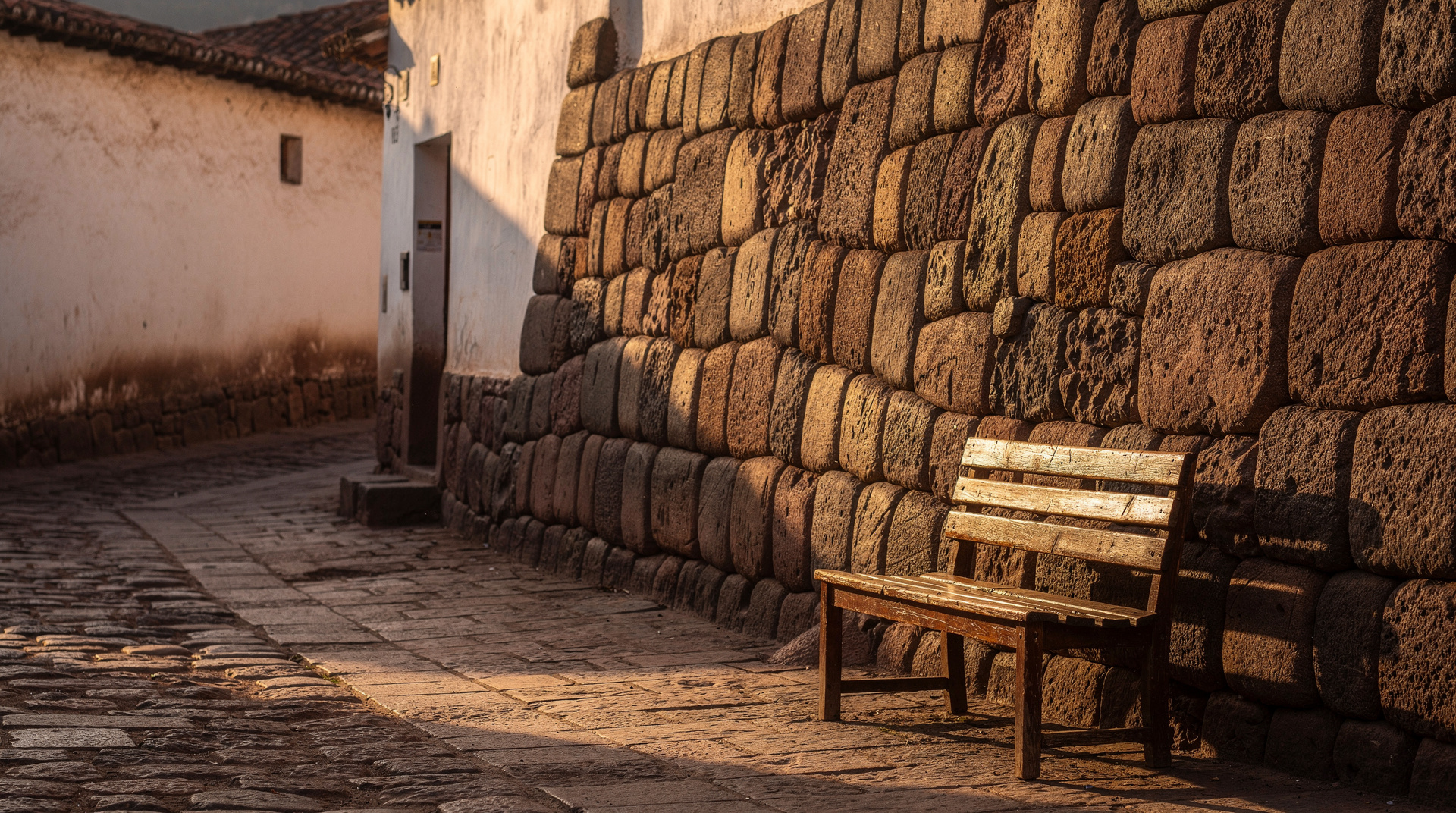
Qorikancha exterior and courtyard: The entrance to the curved Inca foundation walls and the Colonial Santo Domingo church built on them is worth paying for; check current prices and opening hours on the official Qorikancha website. The exterior approach along Calle Loreto, where original Inca walls line both sides of the street, is free. Spending 20 minutes walking this stretch before entering gives context that makes the interior more meaningful.
Cusco’s religious calendar: If your visit coincides with Corpus Christi, Inti Raymi (June 24th), or any of the major Andean festivals, the street celebrations — processions, music, traditional dress — are free to watch from any vantage point. The festivals calendar guide lists the main events by month.
Budget trekking: the Salkantay alternative
For budget travellers who want a multi-day trek without the Inca Trail’s $650–800 price tag, the Salkantay trek is the principal alternative. At $400–700 for the 5-day version (including guide, accommodation, meals, and Machu Picchu entry), it costs roughly 30–40% less than the classic Inca Trail, requires no advance permit, and passes through some of the most dramatic high-altitude scenery in the region — including the 4,638 m Salkantay pass with views of the glacier above.
The 2-day short Inca Trail (approximately $350–500) is a cheaper entry point to Inca Trail trekking, though permits are still required and availability is more limited than the Salkantay. It ends at the Sun Gate and enters Machu Picchu from above — a genuinely satisfying arrival.
Stretching a tight budget further
If the Hidroeléctrica route feels like too much logistics, there is a middle path: a two-day budget tour by car that bundles the road transfer and an overnight in Aguas Calientes hands the coordination to an operator while keeping the overland approach. It suits travellers who want the saving but not the planning. Compare it honestly against your own time: the two-day budget itinerary shows how the days fit together, and the train versus trek comparison helps you decide whether the cheaper route is worth the extra hours on the road.
For those who would rather walk to Machu Picchu than ride, a five-day Salkantay trek with guide and camping included turns your transport and accommodation into a single line item, which can be easier to budget than piecing together vans, hostels and meals. The Inca Trail versus Salkantay guide and the five-day Salkantay itinerary explain what you gain and give up. Check the Inca Trail permits guide first if the classic route tempts you, because permits sell out and cannot be negotiated.
Money is also saved by avoiding mistakes. Read about unlicensed tour agencies in Cusco and the common tourist traps before handing cash to anyone on the street, and use the fake Machu Picchu tickets guide to recognise the scams that cost travellers the most. The guide to where to buy tickets in Cusco shows the legitimate channels.
Eating well is the easiest saving of all. The San Pedro Market food guide and the best restaurants guide help you choose between market counters and sit-down dinners, while the Peruvian food guide explains what to order so you are not paying tourist prices for something ordinary. If your schedule is flexible, the best time to visit Cusco and the rainy season guide show how timing changes crowds and the feel of the trip, and the first-hand budget trip report shows how one traveller managed it in practice. Finally, pack sensibly using the packing guide so you are not buying overpriced gear once you arrive, and plan your first days with the acclimatization plan so a lost day to altitude does not waste a prepaid booking.
The bottom line
Cusco is not a cheap destination by the standards of Southeast Asia, but it is a well-priced one relative to the quality and scale of what you experience. The major costs are fixed; the daily costs are genuinely manageable. Arriving with clear expectations about what each day trip and site entry costs — and with Machu Picchu pre-booked — removes the principal source of budget shock for most visitors.
The Peru trip cost guide covers the full picture including Lima, Arequipa and Lake Titicaca. The how many days guide helps you decide how long your stay should be.
Cutting costs on the Sacred Valley and other day trips
Beyond the organised Sacred Valley tour, independent travel using colectivos (shared minibuses) can cut day-trip costs further for travellers comfortable navigating without a guide. A colectivo from Avenida Grau in Cusco to Pisac costs around S/6–8, to Urubamba S/8–10, and onward connections between valley towns run a similar few soles each leg.
The trade-off is time and flexibility: no guide interpretation, waiting for vehicles to fill before departing, and figuring out the connections between Pisac, Maras-Moray and Ollantaytambo yourself. For a first Sacred Valley visit, the organised tour’s convenience and guide context are usually worth the extra S/20–40; for a second visit or for travellers with more time than money, the colectivo route is a genuine saving.
Money and cash strategy
Peru remains largely cash-based outside hotels and larger restaurants, and this matters for a tight budget: card payment surcharges of 5–10% are common, and small vendors, colectivos and market stalls only take soles cash. Withdraw from ATMs attached to banks (BCP, Interbank, Scotiabank) rather than standalone machines, which often carry higher fees and are more frequently targeted for card skimming. Withdraw larger amounts less often to minimise per-transaction fees, and keep a small reserve of low-denomination notes (S/10s and S/20s) since street vendors and taxis frequently can’t break a S/100 note. The taxi and money tips guide covers denominations and negotiating in more depth.