Cusco Boleto Turístico explained: is it worth it in 2026?
Cusco: Half-Day City Tour with Sacsayhuaman and Q’enco
Is the Cusco Boleto Turístico worth buying?
Yes, if you plan to visit more than two or three of the sites it covers. The full circuit (~S/130) admits you to 16 sites including Sacsayhuamán, Pisac, Ollantaytambo, Moray and Chinchero. For a three-to-five day trip visiting the city ruins and the Sacred Valley, the Boleto pays for itself easily. Buy it at COSITUC (Av. El Sol 103, Cusco) — not at individual sites.
What the Boleto Turístico actually is
The Cusco Boleto Turístico is a multi-entry admission pass covering 16 archaeological sites, museums and cultural attractions in the Cusco region. It is administered by COSITUC — the Cusco regional tourism authority — and has been the primary mechanism for funding site conservation and archaeological management since its introduction in the 1970s. For visitors it functions as a bundled pass valid for 10 days from the day of purchase, with each covered site stamped once on entry.
Understanding what the Boleto Turístico is and is not covers half of what you need to know. The other half is what it does not cover — specifically Machu Picchu and the Maras salt pans — since these exclusions catch many visitors by surprise and generate the most persistent confusion in the Cusco tourist-information ecosystem.
This guide answers the practical questions honestly and works through the value calculation for different itinerary types.
| Where to buy | COSITUC, Av. El Sol 103, Cusco |
| Cost | Full circuit around S/130; partial circuits around S/70 |
| Valid for | 10 days (full) from first use; 1–2 days (partial) |
| Covers | 16 sites — Sacsayhuamán, Pisac, Ollantaytambo, Moray, Chinchero, and more |
| Does not cover | Machu Picchu, Maras salt pans |
What the Boleto Turístico covers
Full Boleto Turístico (~S/130)
The full ticket covers all 16 sites across the Cusco region, grouped into three broad circuits:
Cusco city circuit: Sacsayhuamán (the massive fortress terracing above the city — one of the most impressive Inca constructions surviving and the most visited site covered by the Boleto); Qenqo (a ritual outcrop site with carved channels and underground ceremonial chambers); Puka Pukara (a small Inca administrative and military installation near the road to Pisac); Tambomachay (a beautifully engineered Inca water shrine); the Regional History Museum (housed in the former palace of Admiral Francisco Aldrete Maldonado, with Inca artefacts from the valley); the Popular Art Museum; the Qorikancha Site Museum (not the Qorikancha temple itself — an important distinction detailed below); and the Contemporary Art Museum.
Sacred Valley circuit: Pisac ruins (the extensive ridge-top citadel above the market town); Ollantaytambo fortress (the undefeated Inca stronghold with its six monolithic stone blocks); Chinchero church and archaeological zone; Moray (the concentric circular terracing interpreted as an agricultural research station); Tipon (an extraordinary Inca water-engineering site south of Cusco, often overlooked); Pikillacta (a pre-Inca Wari-culture site near Andahuaylillas, offering a different civilisation’s architecture); and Huaro church (colonial frescoes).
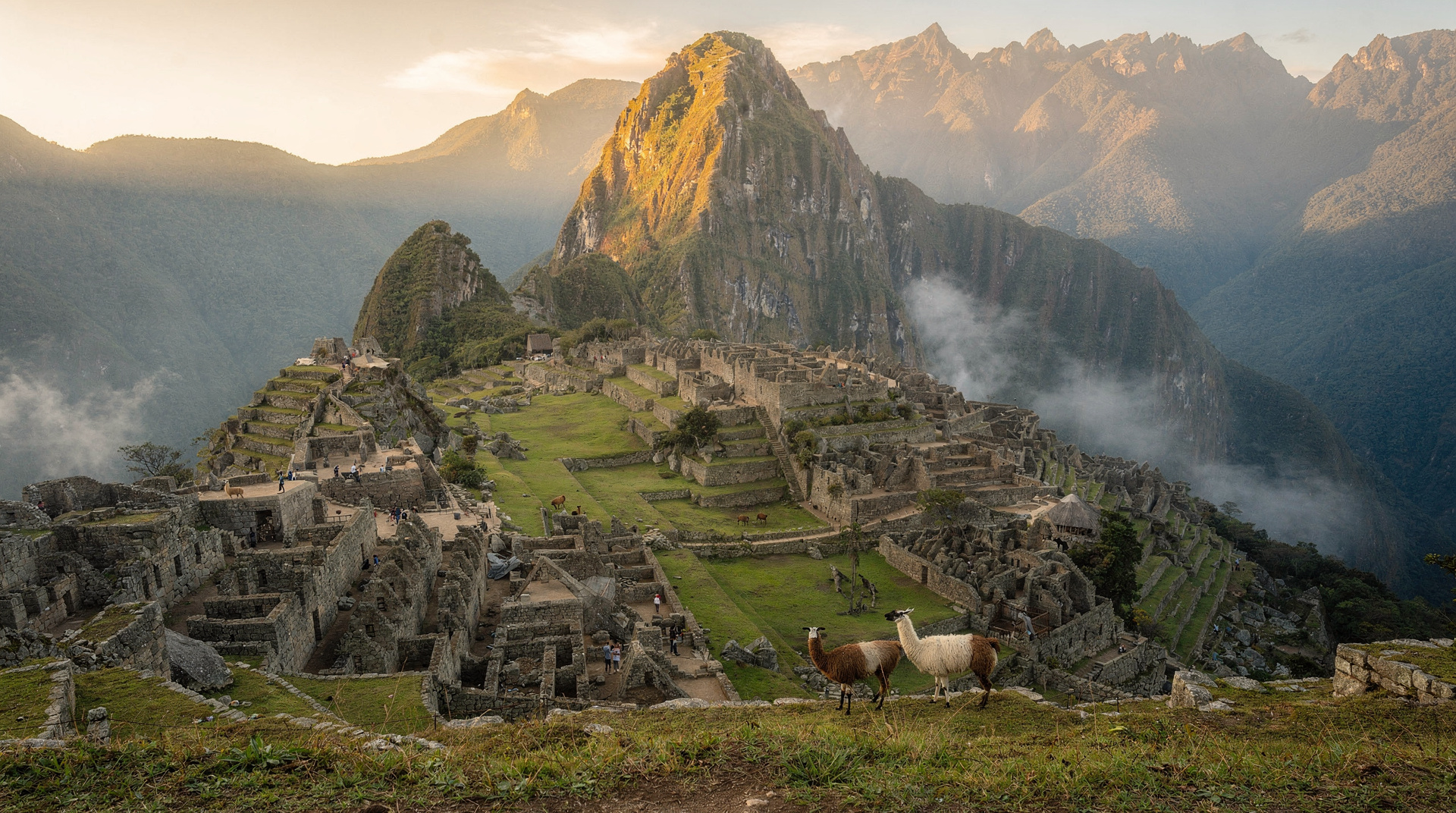
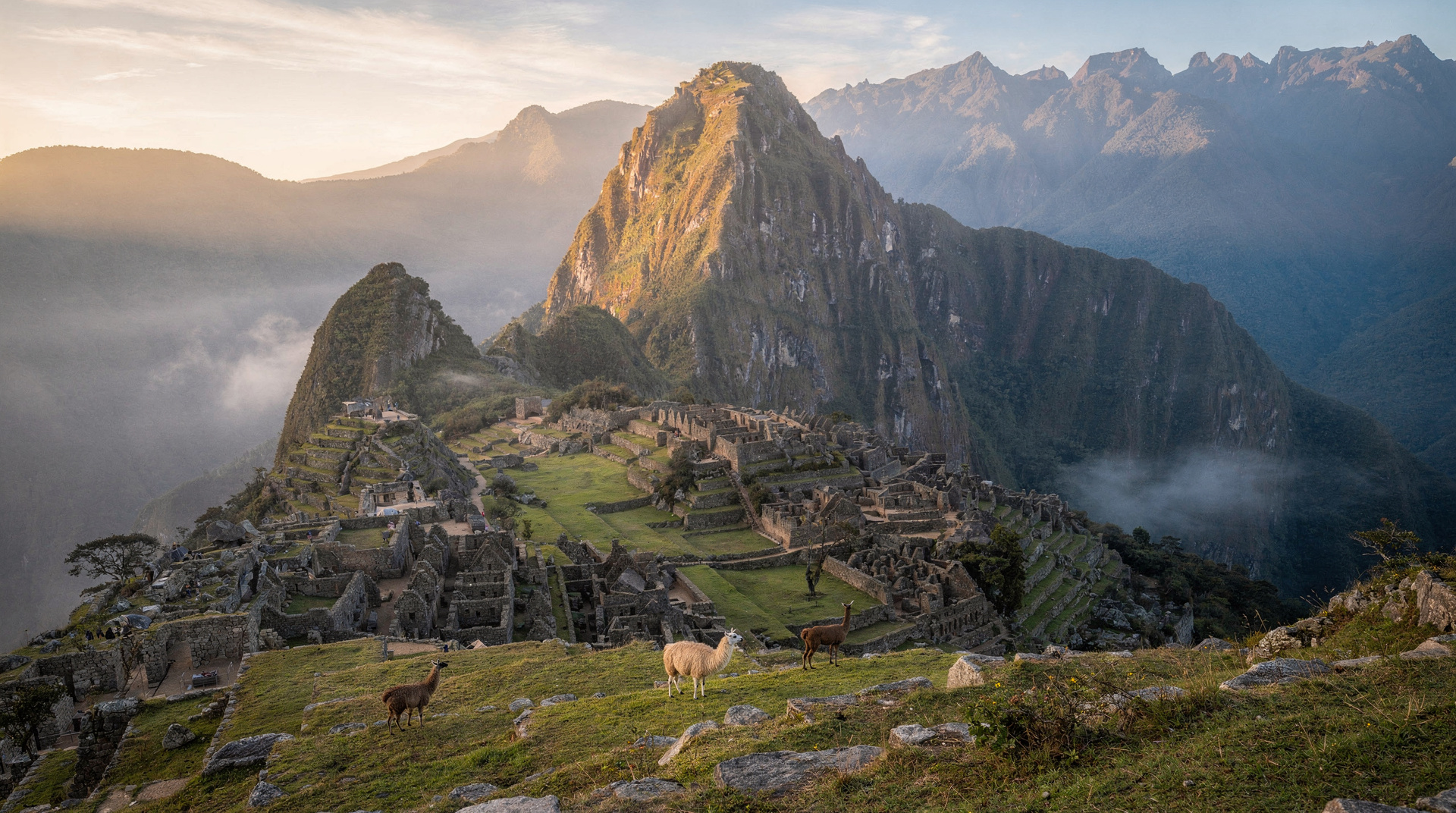
The Boleto does NOT cover: Machu Picchu (completely separate system via tuboleto.cultura.pe); the Maras salt pans (separate ~S/10 cooperative fee); and most museums and private attractions in Cusco city.
Sacred Valley partial circuit (~S/70)
Covers the valley sites only: Pisac, Ollantaytambo, Chinchero, Moray, Tipon and Pikillacta. Valid 2 days.
Cusco city partial circuit (~S/70)
Covers the city-area sites: Sacsayhuamán, Qenqo, Puka Pukara, Tambomachay and the included museums. Valid 2 days.
Is it worth the price? Running the numbers
For a five-day itinerary that includes Cusco city ruins and a Sacred Valley day, compare the Boleto against individual admission:
| Site | Individual admission (approx.) |
|---|---|
| Sacsayhuamán | S/70 |
| Qenqo + Puka Pukara + Tambomachay | S/15–20 each |
| Pisac ruins | S/40 |
| Ollantaytambo | S/40 |
| Chinchero | S/25 |
| Moray | S/25 |
| Regional History Museum | S/10 |
| Total | ~S/240–260 |
Against the full Boleto at S/130, the saving is S/110–130 — the Boleto costs roughly half of individual admissions for this itinerary. Even for a more modest three-site visit (Sacsayhuamán + Pisac + Ollantaytambo), the saving against individual admissions is around S/50.
For visitors planning only the city sites and no valley, the S/70 city partial circuit is better value than the full Boleto unless you specifically plan to visit Tipon and Pikillacta in the south valley.
A worked example for a shorter trip
Consider a traveller with only two full days in Cusco before continuing to Machu Picchu — one city day, one Sacred Valley day. Buying the full Boleto still makes sense here, since both circuits get used within the trip: Sacsayhuamán and Qenqo on day one, Pisac and Ollantaytambo on day two. The saving against paying individual admissions for exactly those four sites is still around S/90–110, even without touching the remaining 12 sites on the ticket. The calculation changes only if one of the two days is dropped entirely — in that case, buy the single relevant partial circuit instead of the full pass.
Where to buy: the only place you need to know
The COSITUC office at Av. El Sol 103 in Cusco is the primary official sales point. Open every day 7:30 am–6 pm. Bring your passport — the ticket is personalised with your name and passport number and cannot be transferred to another person.
Bring cash in Peruvian soles. In peak season (June–August) the queues at COSITUC can be 15–20 minutes; arrive before 9 am or after 4 pm to minimise waiting.
You can also buy the Boleto at the covered sites, such as Sacsayhuamán’s main gate and Ollantaytambo. This is convenient if you arrive at either site without a ticket and the COSITUC office is not accessible. In high season some site ticket windows run out of partial-circuit tickets — COSITUC is the more reliable source for complete stock.
Do not buy from anyone other than COSITUC staff or the official site ticket windows. Counterfeit Boleto Turístico tickets exist and are sold near Sacsayhuamán and Pisac, typically at a slightly lower price than the official rate. They look convincing at a glance but lack the holographic security strip and the passport-number registration that legitimate tickets carry. Using a fake ticket results in being turned away at the site and losing your S/130 with no recourse. See the fake ticket guide for a broader discussion.
How to use the Boleto effectively
Buy it on the morning of your first site day, because the 10 days count from purchase. Queue at COSITUC when it opens at 7:30 am on a busy site day. Keep the ticket with your passport; some site checkers request both simultaneously.
The 10-day window starts the day you buy it. If you buy the Boleto on Monday and use it first at Sacsayhuamán on Tuesday, it still expires ten days after Monday. This is important for itineraries that spread valley and city sites across a week. If you purchase the ticket and do not use it for several days, those days are lost.
The thermal paper fades. Keep the Boleto out of direct sunlight and away from moisture. A thin plastic sleeve works well. Faded tickets cause problems at stamping desks.
Each site admits you once. The stamp confirms entry; a second visit to the same site would require a new ticket. Plan your routing so you visit each site once on the most convenient day.
Using a guided tour alongside the Boleto
The Boleto covers admission but not guide services. An Cusco city half-day guided tour combines Boleto sites (Sacsayhuamán, Qenqo, Tambomachay, Qorikancha) with bilingual guide commentary and transport between sites. For a first visit, having a guide explain the Inca engineering at Sacsayhuamán — the three-tier terracing, the function of the 19 indented towers, the size and weight of the stones, the absence of mortar — transforms a visually impressive but confusing site into a comprehensible piece of Inca urban planning.
Similarly, guide commentary at the Sacred Valley sites (covered under the same Boleto) explains the agricultural engineering of the terracing, the water-management systems at Tambomachay and Tipon, and the ceremonial logic of the Pisac ridge complex in ways that independent visitors frequently miss.
Common purchasing mistakes
Buying the wrong circuit. The full Boleto (S/130) makes sense for any itinerary of five days or more visiting both city and valley sites. For a three-day trip with no valley day, the S/70 city circuit is more appropriate. Do not buy the full Boleto if you only have time to use five or six sites.
Assuming it covers everything. First-time visitors regularly arrive at the Qorikancha temple (the gold temple in Cusco, considered the most important Inca religious structure) expecting to enter on the Boleto. The Qorikancha Site Museum (accessible by a different entrance on the same block) is covered. The temple itself sits inside the Santo Domingo convent on Av. El Sol; check current rates and opening hours on the official Qorikancha site. Many guidebooks and online resources conflate the two — check which entrance you want before arriving.
Waiting until you are at a site. If the COSITUC office is not open when you want to buy (early morning before 7:30 am, or after 6 pm), you may find yourself at a site without a ticket, relying on the site’s own ticket window — which may have queue or stock problems. Buy the Boleto on the morning of your first site visit.
Buying from a tour operator. Some operators in Cusco include the Boleto in a combined tour package at a price 20–40% above the official rate. The COSITUC price (S/130 full, S/70 partial) is the official fixed price with no authorised discounts or markups. If a tour includes the Boleto, ask to see the official ticket itself to verify you received the genuine article.
The Boleto Turístico and Machu Picchu: clearing up the confusion
This question comes up constantly: the Boleto Turístico does not cover Machu Picchu. The Machu Picchu Archaeological Park is administered by the Ministerio de Cultura under a completely separate system. Machu Picchu tickets are purchased at tuboleto.cultura.pe and are tied to a specific date, entry time and circuit. The Machu Picchu ticket types guide and the where to buy tickets guide cover that system in full.
Thinking of the Boleto as covering “Inca sites near Cusco (except Machu Picchu)” is accurate enough to avoid the most common planning mistakes.
Planning the Boleto alongside your itinerary
The Boleto works best when you plan your site sequence before buying. The 10-day validity window is generous for a standard trip, but knowing which circuit you need (full, city partial or valley partial) requires knowing which sites you will actually visit.
If your itinerary is five or more days covering both Cusco city and the Sacred Valley, buy the full Boleto on day one or two. If your itinerary is three days focused only on Cusco city, buy the city partial. If you are arriving from a separate Lima or Arequipa leg with only two days for the Sacred Valley before continuing elsewhere, the valley partial is the right choice.
The sites most worth prioritising for the Boleto value are: Sacsayhuamán (genuinely impressive, individual admission would be S/70), Pisac ruins (requires the uphill walk but rewards it), Ollantaytambo (the best Inca fortress accessible without trekking), and Moray (unusual and thought-provoking). Chinchero and Tambomachay add value but are secondary if time is short.
Using the Boleto at Sacsayhuamán
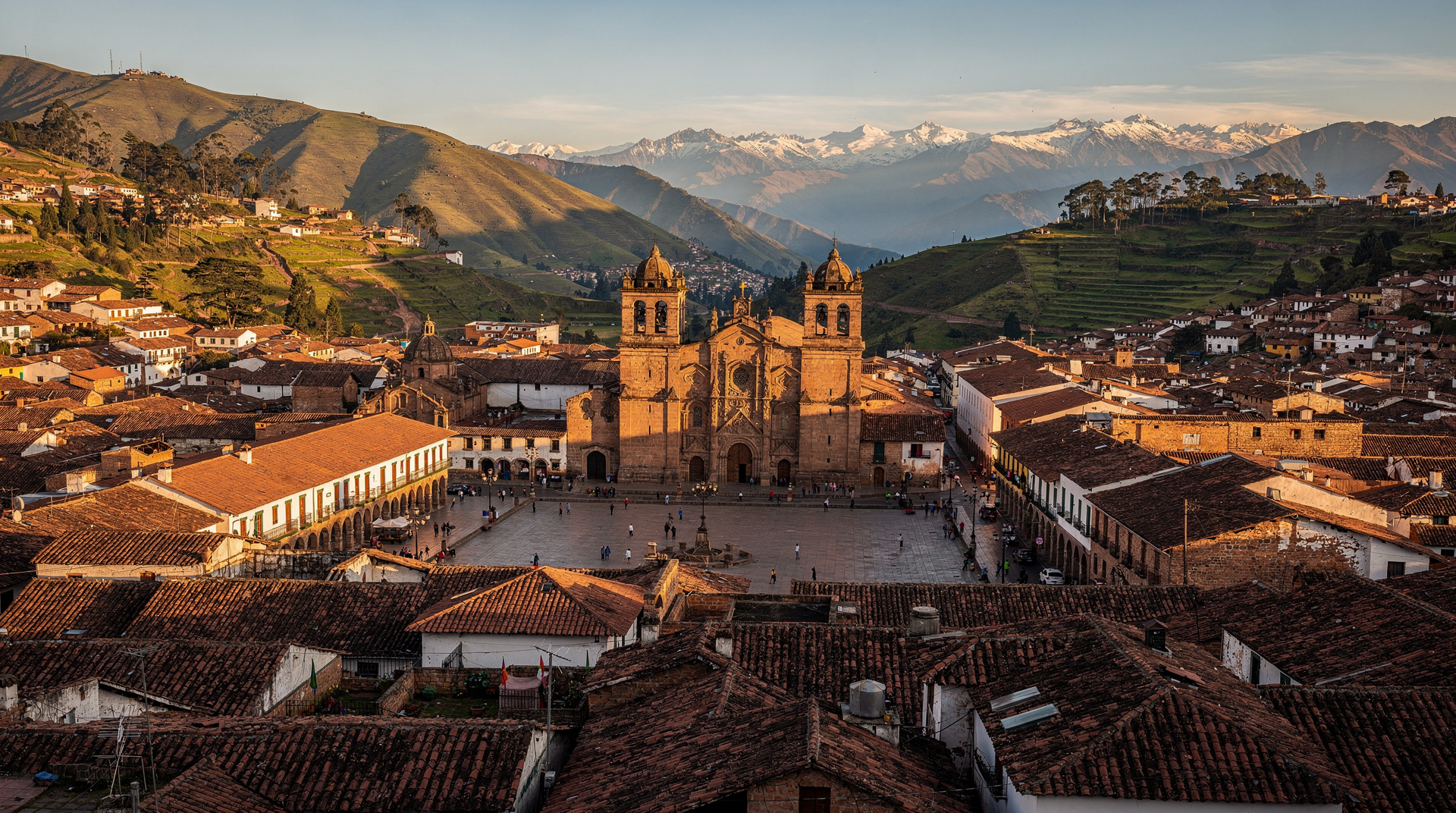
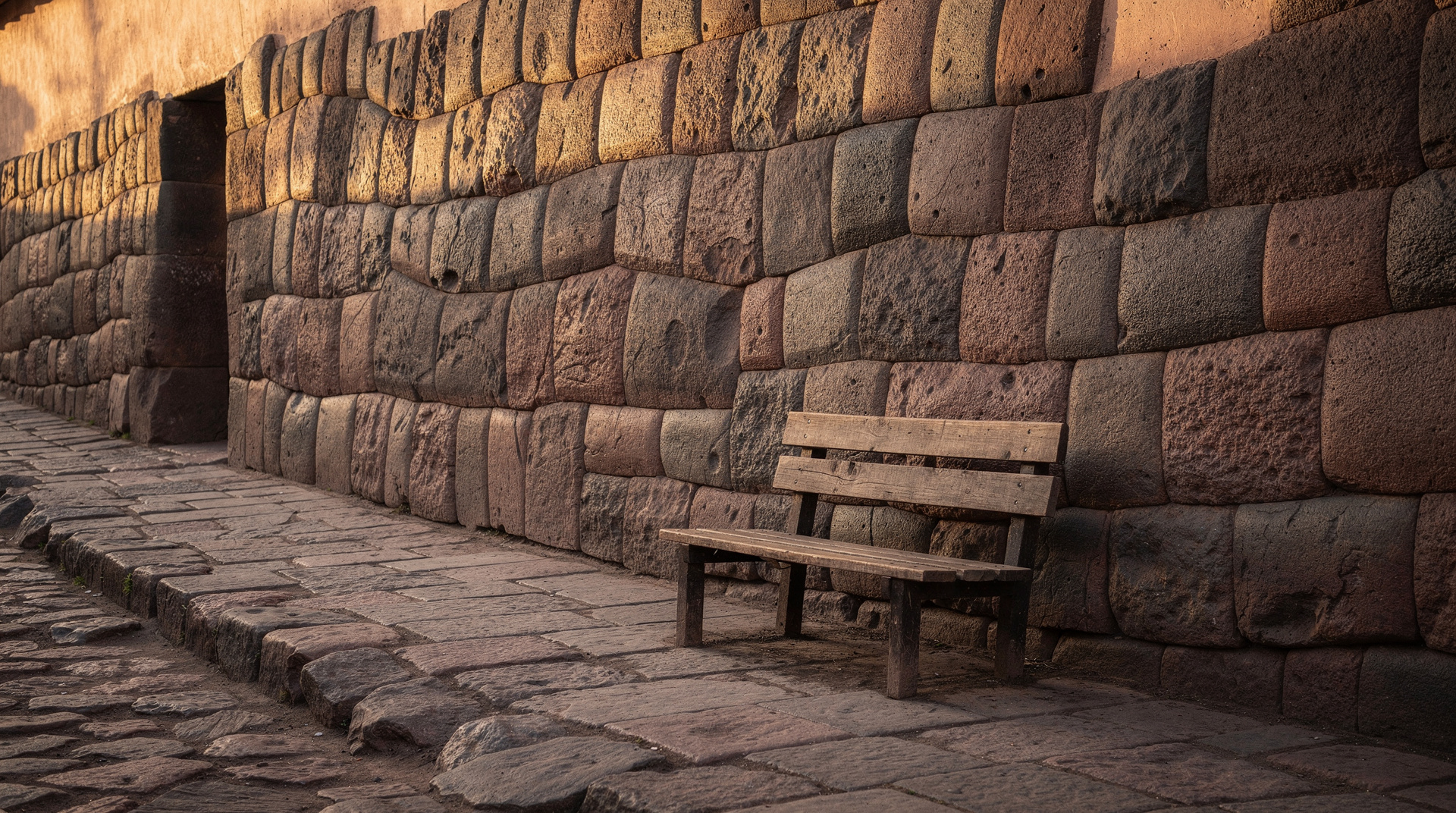
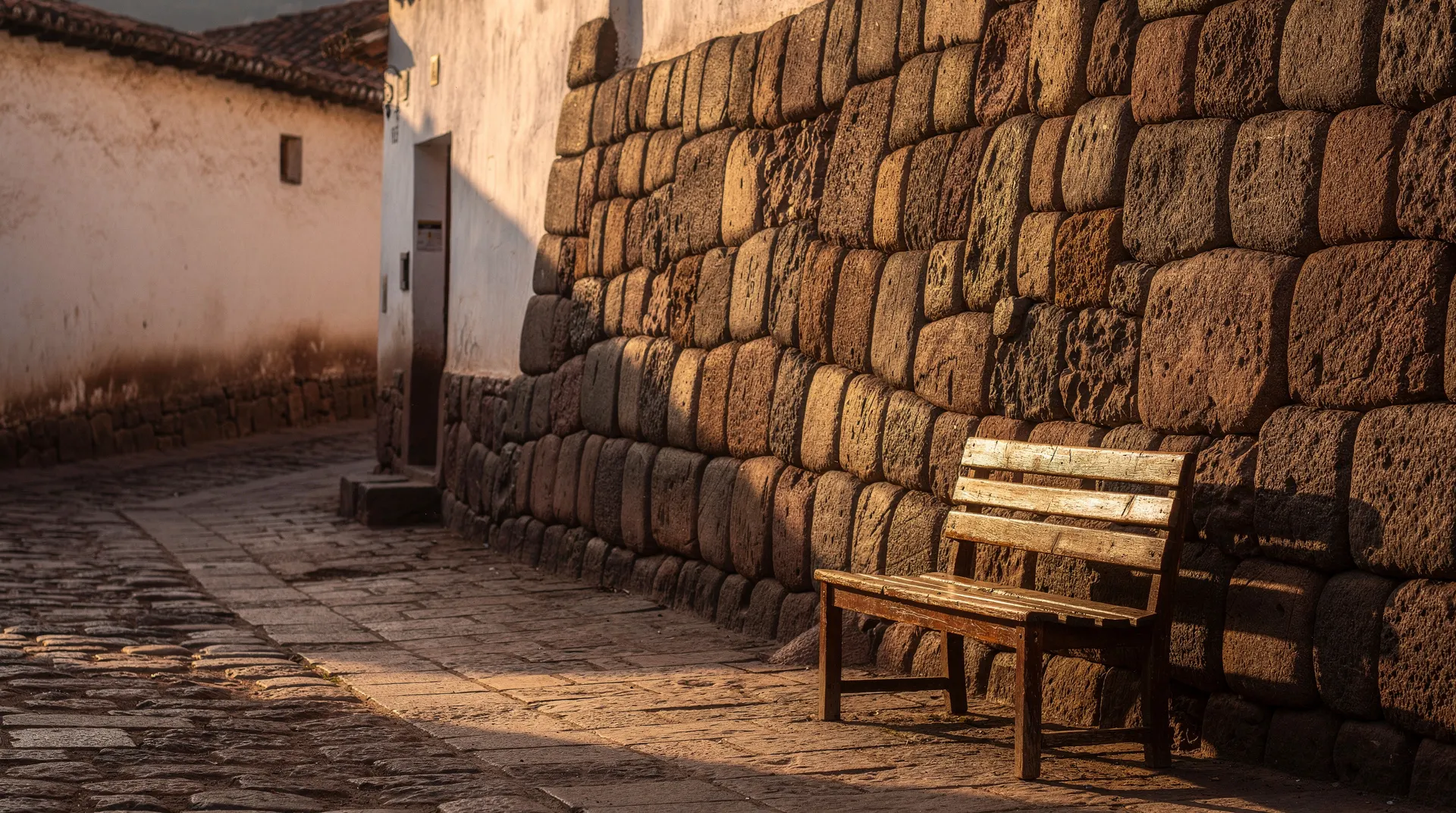
Sacsayhuamán is the most visited site on the Boleto and deserves more time than most visitors give it. The three-tier terracing of the fortress wall — each tier set back from the one below, with the massive polygonal stones of the lowest course weighing up to 120 tonnes — is one of the most ambitious masonry achievements in the world. The site extends over 3 km and includes a broad esplanade used for the modern Inti Raymi festival, a carved stone altar (the Rodadero), and views over the red-tiled rooftops of Cusco that are among the most photographed in Peru.
An Cusco city half-day guided tour includes Sacsayhuamán as its centrepiece and provides the guide commentary that the site needs to be fully understood: the specific engineering techniques used for the polygonal stonework, the question of how blocks weighing over 100 tonnes were moved and fitted, the relationship between the fortress and the broader Inca urban plan of Cusco, and the ceremonial function of the esplanade. The site without a guide is impressive but opaque; with a guide it becomes one of the most intellectually engaging places in the Americas.
The entrance to Sacsayhuamán is approximately 2 km uphill from the Cusco Plaza de Armas (30–40 minutes’ walk) or a short taxi (~S/8–10). Allow at least 2 hours for the site itself.
The sites most visitors skip — and whether they should
Beyond Sacsayhuamán, Pisac, Ollantaytambo and Moray, the Boleto covers several sites that most itineraries omit. Two of them are worth brief consideration:
Tipon sits south-east of Cusco on the road toward Puno, roughly 27 km from the city. It is one of the finest examples of Inca hydraulic engineering anywhere — a hillside terracing complex with a series of precisely channelled water fountains flowing continuously through carved stone channels across multiple terrace levels. The engineering is outstanding and the site receives very few visitors compared to the main valley sites. If you are spending a day driving south from Cusco toward Puno or visiting the south valley, Tipon adds 1.5–2 hours and rewards them fully.
Tambomachay is a small water shrine 8 km north of Cusco on the road to Pisac, typically combined with a visit to Sacsayhuamán, Qenqo and Puka Pukara on the standard “city ruins circuit.” It is a compact site but shows some of the most elegant Inca water engineering on a small scale — channels cut through carved stone delivering water to a series of bath-like basins with a precision that suggests ceremonial rather than purely practical purpose. Include it if you are doing the full city circuit; skip it if you have limited time and have already seen Tipon.
Pikillacta is not Inca at all — it is a Wari-culture site, pre-Inca by 400 years, with a fundamentally different architectural grammar. The Wari used orthogonal planning (regular grid layouts) rather than the Inca’s more organic stone-carving approach; the wall construction is coursed rubble rather than fitted stone. Visiting Pikillacta alongside Inca sites provides a useful architectural comparison that makes both civilisations more intelligible. It is on the road toward Puno south-east of Cusco, near Andahuaylillas.
What happens when the Boleto expires or is lost
If your Boleto expires before you have used all the sites you planned, the remaining entries are simply unused. The ticket cannot be extended. If you lose the ticket, contact the COSITUC office — they have a record of the passport number it was issued to and may be able to reissue, though this is at their discretion and is not guaranteed. Keep a photograph of the ticket (front and back) on your phone as a practical backup.
If your ticket is damaged and unreadable at a site, the site checker will typically contact COSITUC to verify the booking if you have your passport. This process can take time; carry a photograph as a fallback.
Building the Boleto into your itinerary
Most visitors combine the Boleto with a Machu Picchu trip and a Sacred Valley day. If your plan follows the standard pattern — a couple of days in Cusco city, a Sacred Valley day, then Machu Picchu — the Cusco Machu Picchu 4-day itinerary and the Cusco Sacred Valley Machu Picchu 7-day itinerary both sequence the Boleto sites so the 10-day window is used efficiently rather than wasted on days spent purely resting or in transit.
For the Sacred Valley day specifically, the Sacred Valley complete guide and the Pisac market and ruins guide go deeper on what each site involves once you are there with your ticket in hand, and the Ollantaytambo ruins guide covers the logistics of the valley’s most impressive fortress in detail.
Should you hire a guide at each site, or just at Sacsayhuamán?
Some visitors hire a guide only at Sacsayhuamán and walk the remaining sites independently with a guidebook or an audio app. This is a reasonable compromise if budget is tight — Sacsayhuamán benefits the most from commentary because its engineering is genuinely hard to parse unaided, while smaller sites like Qenqo and Puka Pukara are more self-explanatory with a printed information panel. Tipon and Pikillacta, being less visited and less signposted, arguably benefit from a guide more than Sacsayhuamán does, simply because there is less on-site information to fall back on.