Fake Machu Picchu tickets — how to spot them and buy safely
Machu Picchu: Circuit 3 Entry Ticket
How do I avoid fake Machu Picchu tickets?
Buy only through the official government portal tuboleto.cultura.pe or an authorised agency that books through the same system and gives you a QR code confirmation showing your name, passport number, circuit and entry time. Never buy from street touts in Aguas Calientes or Cusco — counterfeit and resold tickets will not scan at the gate and carry no refund.
Why this problem exists
Machu Picchu is one of the most visited heritage sites on earth, with a daily quota of 4,500 visitors (5,600 on peak days, including 19 June to 2 November) in 2026 under a timed-entry system that regularly shows sold out for popular slots weeks in advance. This creates intense demand for tickets that cannot be met through official channels when planning is left late — and that demand is what counterfeit and scalper operations exploit.
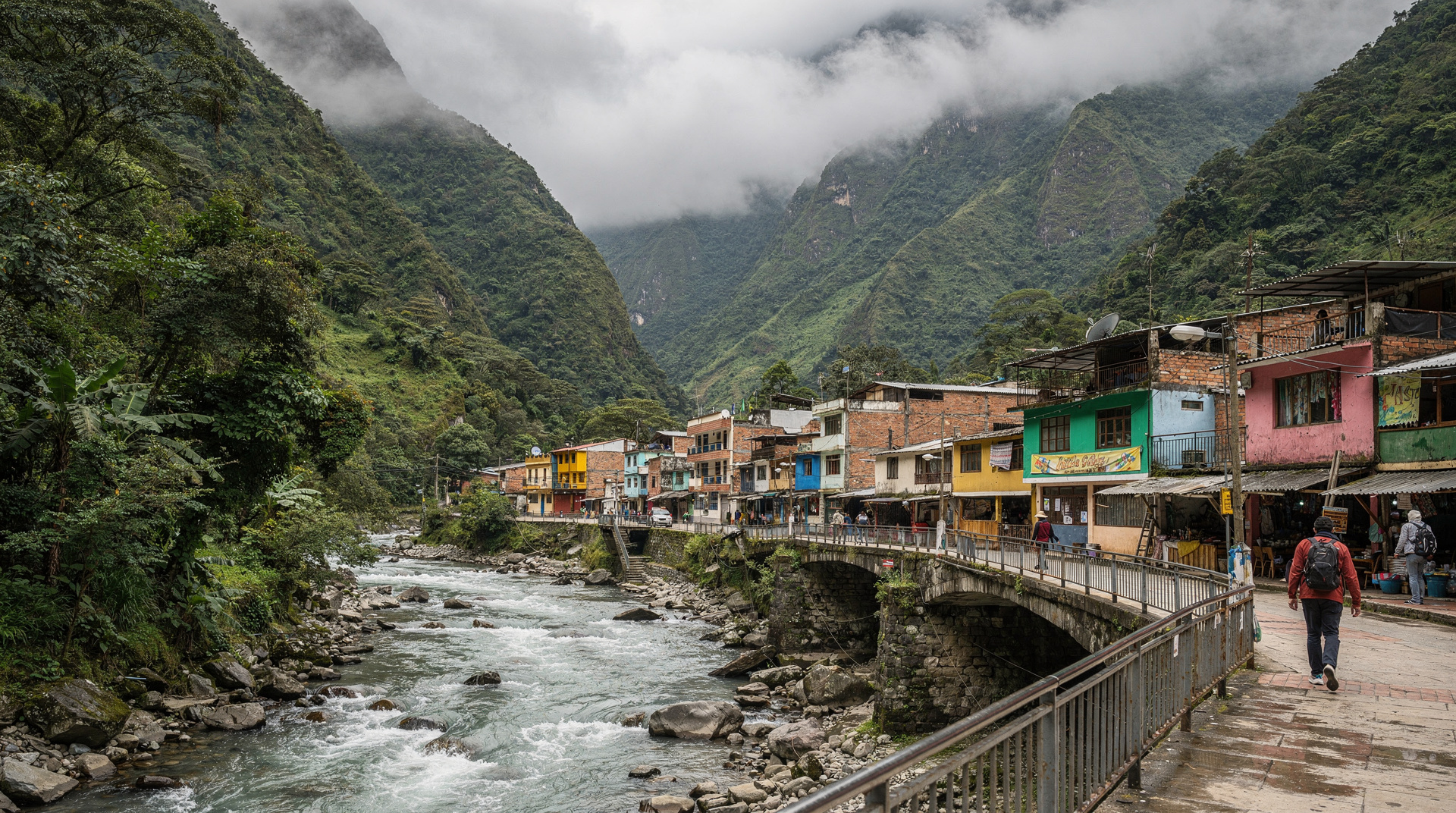
The ticket fraud problem at Machu Picchu is not new, but it has evolved. It began with simple printed fakes in the early 2010s. It now includes sophisticated PDF forgeries with plausible-looking QR codes, real tickets registered to other people’s passports, and well-organised street and online sales operations. The operation in Aguas Calientes near the train station is particularly established — sellers approach visitors off trains claiming to know about last-minute returned tickets for sold-out dates.
Understanding how the legitimate system works makes every fraudulent alternative immediately identifiable. This guide starts there.
| Only legitimate source | tuboleto.cultura.pe or an authorised agency booking through it |
| Cost | Around S/152 adult citadel entry (fixed official price) |
| Where fakes cluster | Aguas Calientes station, Plaza de Armas Cusco, WhatsApp/Facebook |
| Verification | QR code + passport number matched at the gate, no exceptions |
| Best time to book | 6–8 weeks ahead for July–August; 1–2 weeks in rainy season |
How the legitimate ticket system works
Every Machu Picchu ticket is issued through the Peruvian government’s Ministry of Culture portal at tuboleto.cultura.pe. The booking requires your full name as it appears in your passport, your passport number, your nationality, and payment by international card.
On completing a booking, you receive an email confirmation containing a QR code. This code, when scanned at the entrance gate, verifies against the Ministry of Culture database in real time. The scan checks that: the code is genuine (not a copied or forged QR), the entry date matches today, the entry time slot is currently active, and the passport number in the system matches the document being presented.
There is no ticket window at the citadel gate itself, and no official ticket counter at the Aguas Calientes train station, Cusco airport or hotels. The official channels are: the government portal directly, an authorised agency booking through the portal on your behalf, or the Cusco Culture Directorate (DDC Cusco) office in Machu Picchu Pueblo (Aguas Calientes), which sells a limited number of tickets per day in person for entry the following day. That is the complete list.
What counterfeit tickets look like
The forgers have become more sophisticated. Early counterfeits were printed A4 sheets with obvious visual differences from legitimate confirmations. Current fakes are much closer to the real thing. Common features of fraudulent tickets:
QR codes that don’t verify. A QR code on a counterfeit ticket typically encodes a URL that either goes nowhere or redirects to an unofficial site rather than the Ministry of Culture verification system. At the gate, the scan takes longer than usual and returns an error — gate staff see this immediately. Some sophisticated counterfeits encode the QR to look functional on a casual phone scan but fail the gate’s dedicated scanning hardware.
Names that don’t match the buyer’s passport. A subset of scam operations sell real tickets — legitimately purchased via tuboleto.cultura.pe — that are registered to someone else’s passport. They are priced below face value to make the resale attractive. At the gate, the passport verification step catches this: the ticket is valid, but the holder does not match, and entry is denied.
Vague or incorrect booking references. Legitimate confirmations include a reference number specific to the Ministry of Culture booking system. Fakes often use generic alphanumeric strings that do not match the Ministry’s format, or reference numbers that appear on multiple “different” tickets.
Wrong pricing format. Sellers sometimes undercut the official price to create the appearance of a deal. S/152 is the official adult rate. A ticket being sold for S/100 or S/80 is either outdated (old pricing), stolen, or fake. There is no discount ticket market.
Where fakes are sold: the specific locations
Near the train station in Aguas Calientes. This is the highest-density location. Sellers position themselves on the road between the station and the bus stop to Machu Picchu. They target visitors who have just arrived on a train and are heading toward the site. Common scripts include: “My client couldn’t make it today — I have their ticket for today and it’s already paid”; “I work for an agency that had a cancellation, here’s a ticket at a discount”; “Sold-out slot, only one left.”
Around Plaza de Armas in Cusco. Street sellers and some shop-front “agencies” offer packages that include tickets for dates that appear sold out online. Some target visitors from their hotel lobbies after overhearing booking difficulties.
Online — WhatsApp and Facebook. Organised operations use social media, particularly Facebook Marketplace and WhatsApp groups targeting Peru travel communities, to market tickets. The pitch is typically “my client had to cancel, need to sell quickly.” Some use legitimate-sounding agency names and produce realistic-looking PDFs.
Via unofficial booking websites. A significant number of websites with names resembling the official portal exist specifically to intercept visitors. They charge above-market prices and a subset deliver counterfeit documents or nothing at all. The official domain is tuboleto.cultura.pe — any variation on this (machupicchutickets.org, peruofficialtickets.com, and hundreds of similar names) is unofficial.
The verification checklist for any ticket you receive
Whether you bought directly or through an agency, verify these points before you travel to Aguas Calientes:
1. Your name is correctly spelled. Not a paraphrase, not a truncated version — your name exactly as it appears in your passport.
2. Your passport number is correct. This is the most critical check. One digit wrong means denial at the gate. Verify character by character.
3. The entry date is correct. Including the correct year. This sounds obvious but date errors have stranded visitors.
4. The entry time slot is shown. Legitimate tickets specify an exact entry window (e.g., 06:00–07:00 or 10:00–11:00). A ticket without a time slot is incomplete at minimum, fraudulent at worst.
5. The circuit and route are specified. Circuit 1, Circuit 2 or Circuit 3, with the route you chose.
6. The QR code loads correctly. On your own phone, scan the QR code and check that it resolves to a URL on the cultura.pe domain (e.g., patrimonio.cultura.pe or tuboleto.cultura.pe). If it goes anywhere else, or doesn’t load, contact the booking source immediately.
7. The document references the Ministerio de Cultura del Perú. Any legitimate ticket confirmation will clearly show the issuing authority.
Book your Machu Picchu entrance and guided circuit through an authorised operator on GetYourGuide — the booking is made through the official system and the QR confirmation with your passport details is provided directly. This removes the need to navigate the government portal in Spanish and eliminates any question about legitimacy.
What to do if you’ve already bought a suspicious ticket
If you have a ticket you’re not certain about, there are two checks you can run before your travel day:
Verify on tuboleto.cultura.pe. The portal has a booking lookup function where you can enter your reservation details and confirm their status in the Ministry of Culture system. If your booking doesn’t appear, it doesn’t exist.
Contact the agency. If you purchased through a Cusco agency and have doubts, ask them to provide you with the tuboleto.cultura.pe booking reference number and show you the entry in the portal. Any legitimate agency can do this in 10 minutes.
If neither check produces a valid result: consider the ticket potentially worthless and rebook through official channels immediately. Losing the money paid to a scam operation is painful but recoverable. Standing at the Machu Picchu gate at 6 am with a denied ticket on a non-refundable travel day is worse.
How far ahead to book legitimately
Booking timing is the single most important factor in avoiding ticket shortages that create vulnerability to scam offers. The Machu Picchu tickets explained guide covers timing in full. The short version:
For travel in July and August, book your citadel entry 6–8 weeks ahead and your Huayna Picchu add-on 2–3 months ahead — seriously. For June and September, 4–6 weeks for citadel entry. For May and October, 2–4 weeks is usually sufficient. For rainy season (November–April), 1–2 weeks except over Christmas and New Year.
The pressure to buy from unofficial sellers only exists when you’ve left booking too late. Book as soon as your travel dates are confirmed — there is no price advantage to waiting.
Group size matters too: if you are travelling with several people, book everyone’s tickets in the same transaction where possible. Splitting a group across separate bookings increases the chance that entry times end up mismatched, which then creates exactly the kind of last-minute scramble that scam sellers are positioned to exploit.
Coordinating your ticket and train booking
One of the booking mistakes that creates vulnerability is booking tickets and trains in the wrong sequence or too far apart in time. If your train is delayed and you miss your entry slot, the normal recourse is very limited. Build buffer: book a train that arrives in Aguas Calientes at least 1.5–2 hours before your citadel entry slot to allow for delays, bus queuing, and any issues at the gate.
Book your train to Aguas Calientes simultaneously with your citadel ticket booking. The how to get to Machu Picchu guide walks through the full transport coordination in detail.
The Machu Picchu complete guide ties together tickets, trains, circuits, and what to do at the site in a single planning reference. Read both before booking anything.
The access-denial reality in numbers
It is worth being direct about the scale of the fake ticket problem. In peak season (July–August), the Machu Picchu daily quota is up to 5,600 visitors. Entry rejection due to ticket problems — counterfeit tickets, mismatched passport details, wrong date, wrong circuit — happens to a small but significant number of those visitors every day, with the highest concentration around the most-sought morning slots on weekends.
Gate staff cannot and do not make exceptions. The ticket is either valid or it is not. The passport either matches or it does not. There is no “manager to speak to” who can override a failed QR verification at the site entrance. The only resolution path is to rebook through official channels and, if slots remain for a later time on the same day, attempt re-entry. In July or August, those later slots are typically also full.
This is not a theoretical risk. It is documented at scale every peak season, and the sellers know exactly what they are selling — which is why the operations persist year after year.
The agency verification conversation
If you are booking Machu Picchu through a Cusco-based agency rather than directly via tuboleto.cultura.pe, the following conversation resolves most uncertainty:
Ask the agency to show you the booking confirmation from tuboleto.cultura.pe at the time you pay. Not a printout from later — the screen during your booking session, or the confirmation email arriving in real time. This is not an unreasonable request. Any legitimate agency makes this booking through the same portal you would use directly; there is no reason not to show you the source.
A legitimate agency confirmation shows:
- Your name (exactly as in your passport)
- Your passport number
- Entry date
- Circuit and time slot
- A reference number in the Ministry of Culture format
- A QR code
If any of these are absent or the agent cannot produce the source confirmation, do not proceed.
Fake tickets and the wider Cusco scam landscape
Fake Machu Picchu tickets are the highest-stakes version of a broader pattern in Cusco: fake or resold train tickets, marked-up Boleto Turístico sales, and unlicensed tour agencies all rely on the same dynamic — genuine scarcity in peak season creates an opening for sellers who know most visitors have not researched the official channels. The Cusco tourist traps guide covers the full pattern, and the train ticket scams guide covers the parallel fraud on the Ollantaytambo–Aguas Calientes rail route, which is frequently sold alongside fake citadel tickets in the same scripted pitch.
What genuine last-minute availability looks like
Not every late booking is doomed. If you check tuboleto.cultura.pe directly and see real availability for your date — even a less convenient time slot — that is a legitimate option worth taking over anything offered by a street seller. The portal’s availability is the only trustworthy signal; a street seller claiming “sold out everywhere except me” is, without exception, lying or selling something fraudulent. If official channels are genuinely exhausted, the honest fallback is shifting your date by a day or two or considering the Hidroeléctrica budget route, never a street “guarantee.”
A practical summary
The counterfeit ticket problem at Machu Picchu is real and the sellers are experienced. The protection is entirely straightforward: buy only through tuboleto.cultura.pe or an authorised agency that books through the same portal. Verify your confirmation immediately after purchase. Keep your QR code saved offline on your phone. Bring the exact passport you used when booking.
The cusco tourist traps guide covers the broader scam landscape. The where to buy tickets guide explains the official purchase locations in Cusco for the Boleto Turístico and Machu Picchu tickets side by side.
Frequently asked questions about Fake Machu Picchu tickets — how to spot them and buy safely
What does a legitimate Machu Picchu ticket look like?
Can I buy a Machu Picchu ticket from a Cusco agency?
What happens if I arrive at the gate with a fake ticket?
Are there fake tickets on WhatsApp and social media?
Can I change the name on my Machu Picchu ticket if I made an error?
Do ticket prices vary between sellers?
Top experiences
Bookable activities with verified prices and instant confirmation on GetYourGuide.