Cusco tourist traps — what to watch out for in 2026
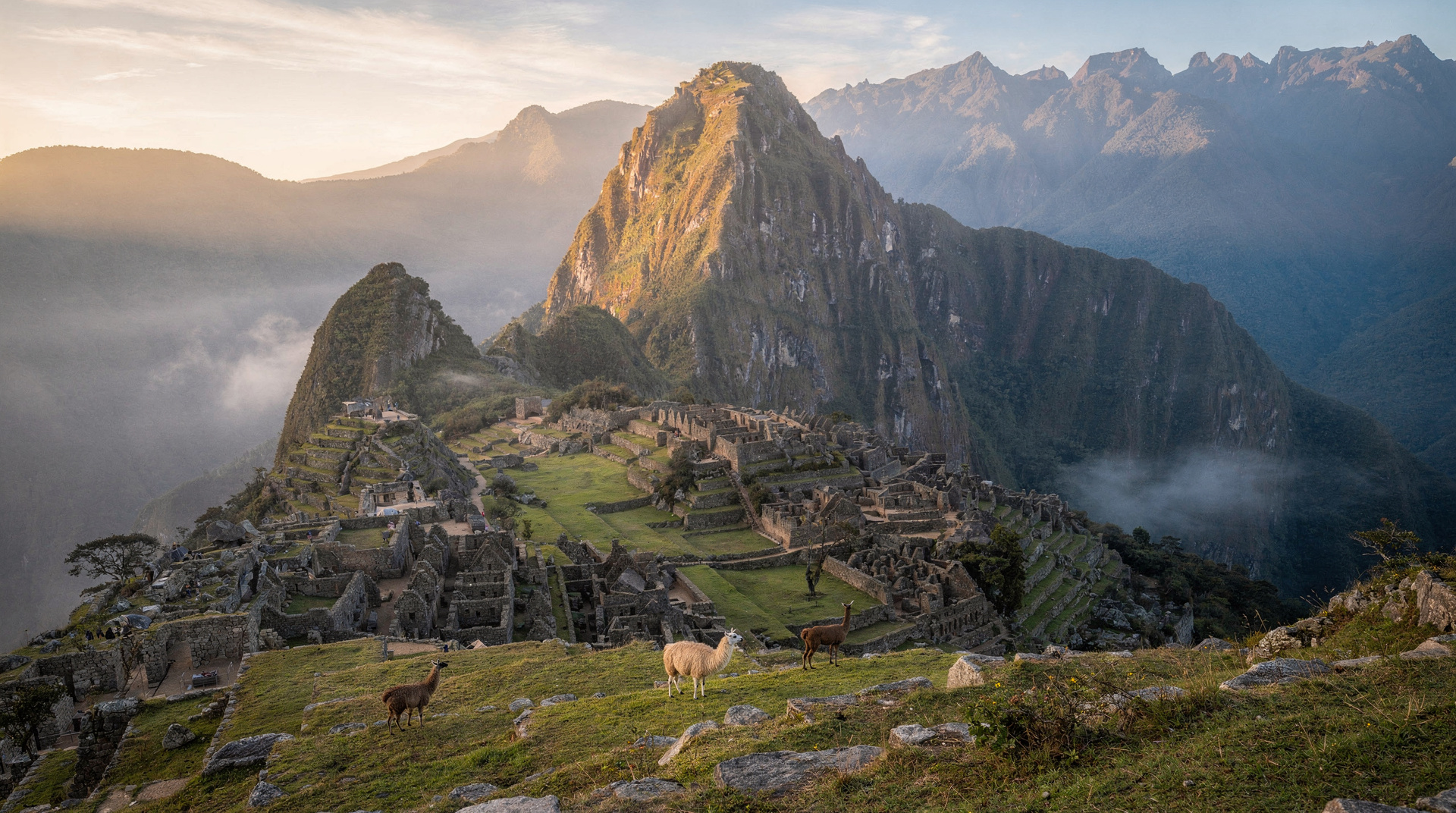
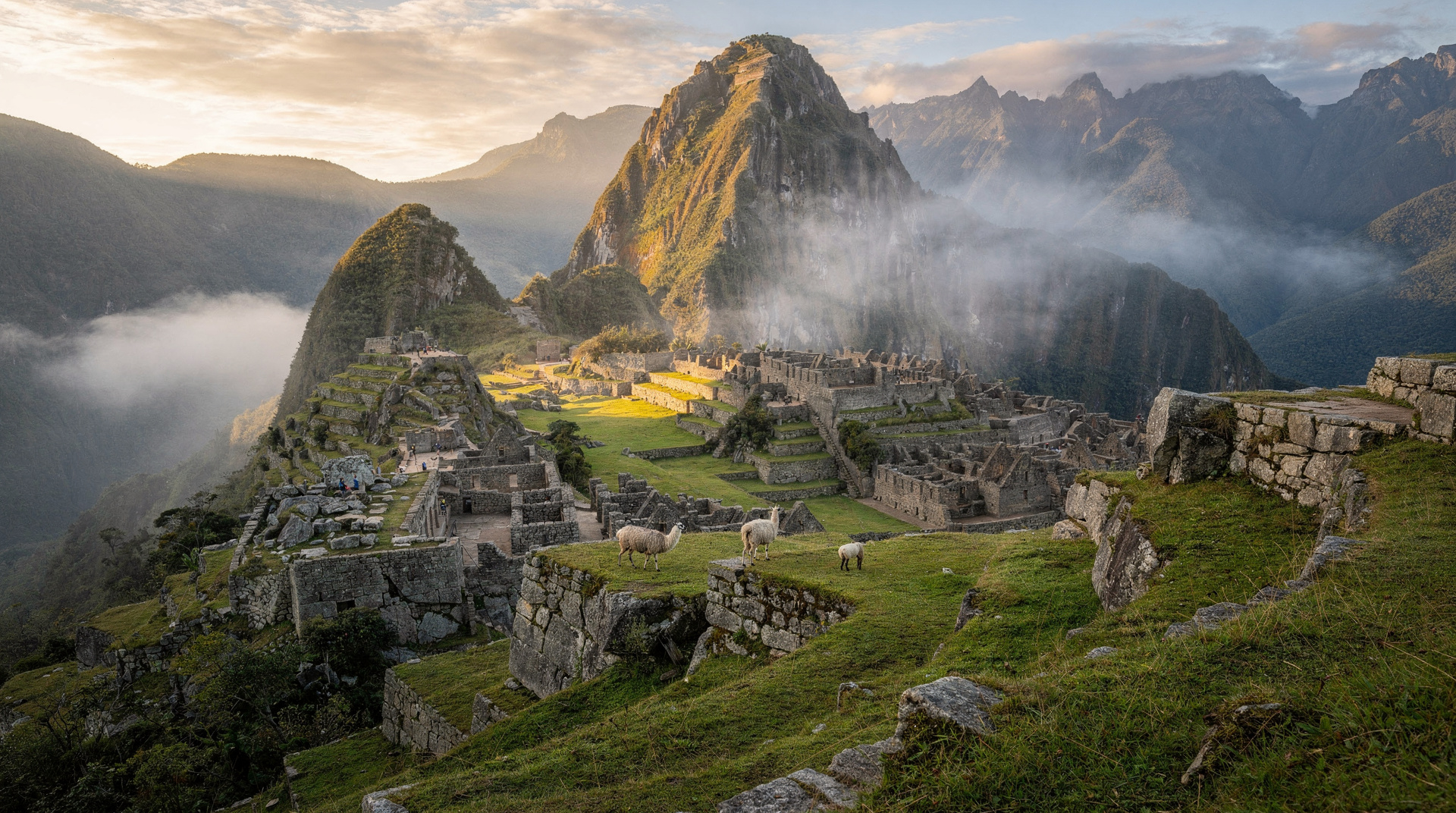
Excursion to Machu Picchu + Huayna Picchu Mountain
What are the main tourist traps in Cusco?
The big ones: fake or resold Machu Picchu tickets near Aguas Calientes and Plaza de Armas, inflated Boleto Turístico prices from unofficial agents, train ticket scalpers charging 2–3× face value, unlicensed tour agencies (roughly 650 of the 810 operating in the region lack valid licences), and altitude 'doctors' near Plaza de Armas pushing overpriced or fake remedies. Each has a simple countermeasure explained in this guide.
The honest overview: Cusco is brilliant, but you need to go in informed
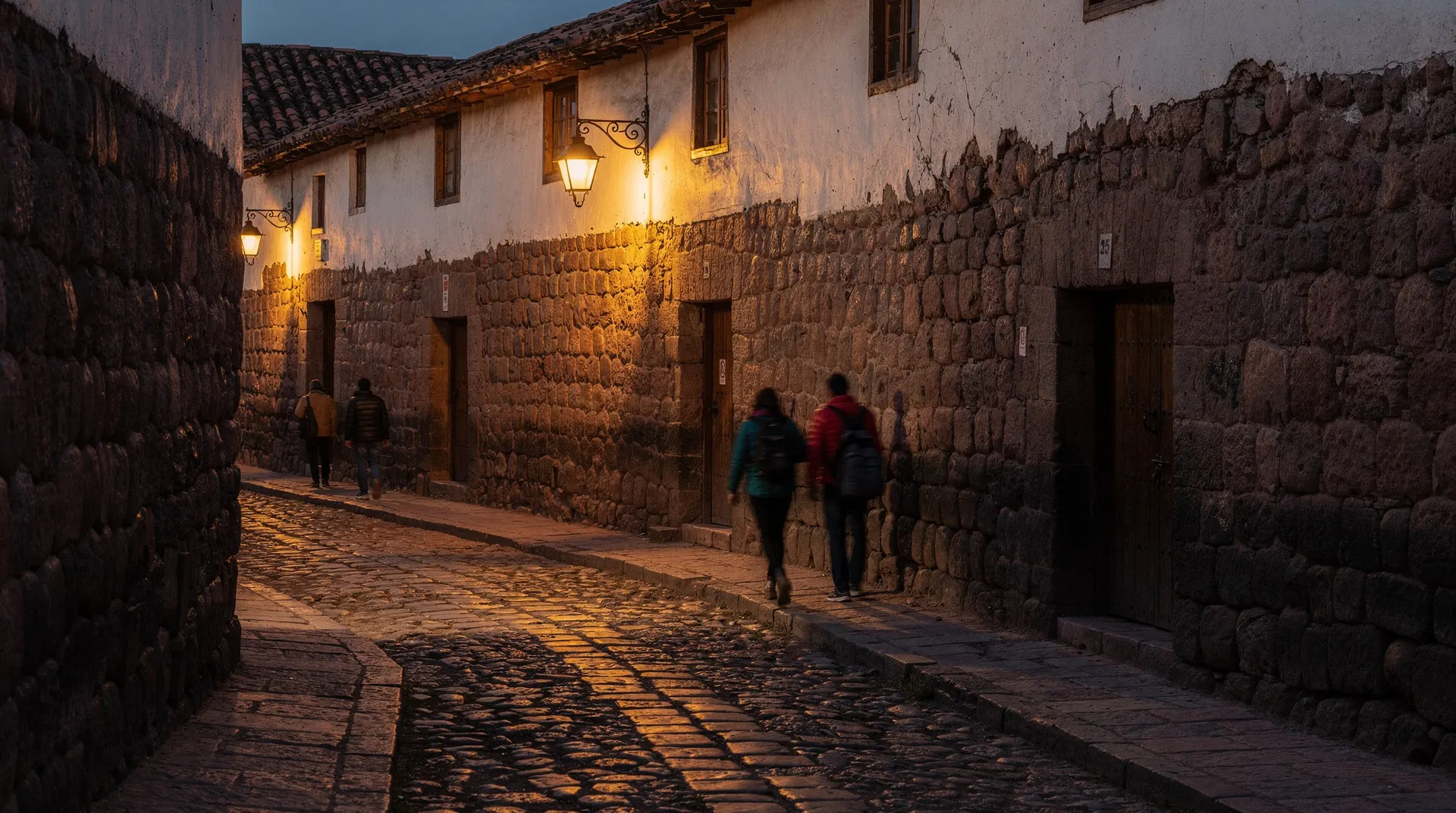
Cusco is one of the most remarkable cities in the Americas. The colonial architecture fused over Inca stonework, the altitude-sharpened light at 3,400 m, the market energy at San Pedro — it is genuinely extraordinary. It is also a city that has handled enormous tourist volumes for several decades, which means a mature ecosystem of traps designed to extract money from visitors who haven’t done their research.
This is not a reason to be anxious. It is a reason to understand the landscape before you arrive. The traps are almost all predictable, they operate in predictable places, and they have straightforward countermeasures. Every scam in this guide can be sidestepped entirely with information you now have.
The honest-planner angle matters here: most Cusco travel sites are written by tour operators who profit from the same booking ecosystem. They are not going to tell you that roughly 650 of the 810 tour agencies operating in the region lack valid licences, or that the man selling “official” Machu Picchu tickets outside the train station in Aguas Calientes is running a fraud operation. This guide does.
| Biggest risk | Fake/resold Machu Picchu tickets and train tickets |
| Where traps cluster | Plaza de Armas, San Blas, Aguas Calientes station, San Pedro market |
| Safe transport | inDrive or Uber app, or a hotel-called radio taxi |
| Safe tickets | tuboleto.cultura.pe, COSITUC, PeruRail/Inca Rail official sites |
| Best time to book | Well ahead in June–August, when scalping and markups peak |
Fake and resold Machu Picchu tickets
This is the highest-stakes trap in Cusco because the consequences — showing up at the site gate at 6 am with a worthless ticket — are expensive and irreversible.
Every legitimate Machu Picchu ticket is issued through the official Peruvian government portal at tuboleto.cultura.pe. Every ticket is linked to a specific passport number and a specific timed entry slot. The ticket is checked at the gate via QR code, and the passport number is verified. A ticket registered to a different passport will not admit you. A counterfeit ticket will not scan.
Sellers near the train station in Aguas Calientes and around Cusco’s Plaza de Armas routinely offer tickets for “sold-out” time slots, “returned” tickets, or packages that include entry at seemingly discounted prices. These are either counterfeit, already-used (and reset-looking), or registered to another person’s passport. None will get you through the gate. There is no legitimate secondary market for Machu Picchu tickets.
A related version of this trap targets travellers who arrive without pre-booked tickets during peak season and panic when told official slots are sold out. That panic is exactly what the street sellers are counting on. If official channels genuinely show no availability for your date, the honest options are shifting your date, choosing a less crowded circuit, or considering the Hidroeléctrica budget route for a different day — never a street “guarantee.”
The countermeasure is simple: only buy via tuboleto.cultura.pe or through an authorised agency that books through the same portal and gives you the actual QR code confirmation with your name and passport number printed on it. The fake Machu Picchu tickets guide explains the full anatomy of these scams and what a legitimate confirmation looks like.
The Boleto Turístico and its unofficial upsellers
The Boleto Turístico (Cusco Tourist Ticket) is a pass covering entry to 16 Inca and colonial sites around Cusco and the Sacred Valley — including Sacsayhuamán, Pisac ruins, Ollantaytambo fortress, Chinchero, Moray, and several others.
The full Boleto Turístico (Circuits I, II and III combined) costs approximately S/130 per adult and is sold through exactly one organisation: COSITUC, located at Av. El Sol 103 in Cusco (central counter, open daily 7:30 am–6 pm), or at most of the covered sites.
The trap: agents near Plaza de Armas, in San Blas, and at some hotel lobbies sell the same pass — or claim to sell it — at markups of S/20–50 per ticket. Some claim the “official” price has increased. Others bundle it with services you don’t need. The price you see at COSITUC is fixed. If an agent quotes more, they are adding a margin. There is no official intermediary surcharge.
The partial-pass option (individual circuits rather than the full pass) is also sold by some agencies with markups. Always compare against the COSITUC posted price first. The Boleto Turístico explained guide covers what each circuit covers, which sites require it, and whether the full pass is worth buying for your particular itinerary.
Train ticket scalpers
Train tickets from Cusco (Poroy station or San Pedro) and from Ollantaytambo to Aguas Calientes — operated by PeruRail and Inca Rail — are the only legitimate motorised route to Machu Picchu from the north. In June, July and August, genuine train tickets sell out weeks in advance.
This creates a scalper ecosystem. Individuals operating around San Pedro market in Cusco and at Poroy station offer train tickets at 2–3× the face-value price. Some provide real tickets at inflated prices. Many provide fraudulent PDFs that look plausible but contain non-functional QR codes — you discover they are worthless when PeruRail or Inca Rail staff scan them at the boarding gate.
The only legitimate purchase routes are the official PeruRail website, the official Inca Rail website, or authorised agencies. Booking your Machu Picchu train through GetYourGuide gives you a vetted operator confirmed through official channels — this removes the need to navigate the direct-booking portals, which can be slow during peak demand.
If direct bookings show sold out, plan alternative dates or consider the Hidroeléctrica route — the car-and-walk option that bypasses the train entirely and costs a fraction of peak-season rail prices. The train ticket scams guide gives the full detail.
Unlicensed tour agencies
MINCETUR, Peru’s tourism ministry, maintains a public register of licensed tour operators. Of approximately 810 agencies advertising tour services in the Cusco region as of 2026, roughly 650 operate without a valid licence.
An unlicensed agency carries several real risks: no liability insurance, no trained guides (licensed guides are required to hold an official credential), and no regulatory recourse if the tour is cancelled, substandard, or a fraud. The cheapest walking tours and multi-day treks advertised on handwritten signs near Plaza de Armas are disproportionately from unlicensed operators.
The practical countermeasure: ask to see the MINCETUR operating licence before paying any agency in person. Agencies on established international booking platforms have been vetted. For organised tours of Cusco city, the Sacred Valley, and Rainbow Mountain, booking through GetYourGuide connects you to operators who have been reviewed by other travellers and operate through a platform with a buyer-protection framework.
The unlicensed agencies guide explains how to check registration status and the specific licence terms to look for.
Altitude “doctors” and overpriced remedies
Altitude sickness (soroche) is real at Cusco’s 3,400 m elevation. First symptoms — headache, fatigue, mild nausea — typically arrive within a few hours of landing. This is predictable, and it is exploited.
A well-established hustle operates near Plaza de Armas and around taxi ranks used by arriving visitors: individuals presenting themselves as doctors or medical representatives approach tired-looking tourists and offer injectable altitude remedies, oxygen sessions, or prescription medications for prices of S/50–150 or more. Some have no medical credentials. The injections occasionally contain nothing verifiable.
The honest altitude treatment protocol is cheap and medically sound: rest for your first 24 hours, drink coca tea (freely available everywhere in Cusco for almost nothing), take sorojchi pills purchased from any Inkafarma or Mifarma pharmacy (these are an over-the-counter combination of analgesic and caffeine used widely by Peruvians and cost about S/3–5 per dose), and consider acetazolamide (Diamox) if prescribed by a real doctor before your trip. Supplemental oxygen is available at pharmacies in small canisters if you genuinely need it.
Street-approach “altitude doctors” are not a legitimate service. Anyone who approaches you unsolicited to offer medical services is not someone to engage with. The altitude medicine scams guide explains this landscape in full, along with what the real remedies are and where to get them.
Taxi and transport traps
Cusco’s historic centre has a significant number of unofficial taxis with no meter, no insurance, and no regulatory accountability. Prices quoted to tourists at arrival — from the airport, from bus terminals, from the train station — are often 2–3× what a legitimate taxi charges.
The practical countermeasure: use the inDrive app (very well established in Cusco) or Uber. Both give you upfront pricing and a registered driver record. If you cannot use either app, ask your accommodation to call a radio taxi from a trusted company — they operate at fixed rates and the driver is known to the hotel. Never accept a taxi approached on the street by someone offering to help you find a ride.
At the airport, there are official taxi ranks immediately outside arrivals. Agree the price in writing (or show you are using a fare-comparison app) before getting in. Legitimate fares from the airport to the historic centre run approximately S/20–35 depending on traffic and time of day. Anyone quoting substantially above this is pricing for a tourist.
Photography touts and unsolicited helpers
A persistent minor trap: individuals in traditional dress near Plaza de Armas, outside Qorikancha, at the entrance to Sacsayhuamán and along tourist streets in San Blas will offer to be photographed with you and then demand payment that was never stated upfront. The amounts requested when payment is demanded can be surprisingly high.
This is not a reason to avoid interaction with local people — it is a reason to establish clearly whether a photograph involves payment before you raise a camera. A simple “¿Cuánto cuesta?” (how much does it cost?) before photographing resolves the ambiguity.
Similarly, individuals at entrances to Inca sites offering to “show you around” or “explain the history” are unlicensed guides. At Sacsayhuamán in particular, these offers come quickly and the person will expect payment for what you thought was a casual conversation. Licensed guides at major sites wear credential badges — ask to see one.
Overpriced airport and terminal transfers
Beyond taxis, the shuttle services at Cusco airport and the bus terminal sometimes operate at tourist-premium prices with no indication this is not the standard rate. Some hostel touts at the bus terminal claim that “the neighbourhood you’re going to is not safe for taxis” — this is rarely true for standard hotel areas — to steer you towards an overpriced private transfer.
Check transfer prices directly with your accommodation before arrival. Most hotels in the historic centre and San Blas will quote an accurate private transfer price, and most are within walking distance of central transport points if your luggage allows.
Rainbow Mountain and trekking-tour traps
The same unlicensed-agency problem shows up sharply around Rainbow Mountain and multi-day treks. Very cheap Rainbow Mountain day trips advertised at half the going rate often cut corners on transport safety, guide training, and emergency oxygen — a real concern given the trek’s 5,036 m altitude.
The Rainbow Mountain complete guide and the is Rainbow Mountain worth it guide cover what a legitimate tour should include. For multi-day treks such as the Inca Trail or Salkantay, permits and guide licensing are non-negotiable — an operator offering an Inca Trail permit “guaranteed” outside the official booking window is not being honest with you.
San Pedro market and souvenir pricing
San Pedro market is genuinely worth visiting, but stalls aimed at tourists (as opposed to the food and household-goods sections used by locals) sometimes quote alpaca-wool prices at multiples of what the same item costs a few stalls over, banking on visitors not comparing. Genuine baby alpaca wool feels notably softer than the acrylic-blend “alpaca” sold at inflated prices with the same label; if in doubt, buy from a shop with a clear price tag rather than a stall offering an opening price to negotiate down from.
Protecting yourself: the three fundamentals
Three things eliminate the vast majority of tourist trap risk in Cusco:
Book tickets and tours through official or vetted channels. The government portals tuboleto.cultura.pe (Machu Picchu), COSITUC Av. El Sol 103 (Boleto Turístico), PeruRail and Inca Rail websites (trains), and the GetYourGuide platform (day tours, Machu Picchu packages) are the legitimate purchase routes. Do not be diverted from these by street approaches.
Use app-based transport. inDrive and Uber are both well-used in Cusco. They eliminate taxi pricing negotiation entirely.
Take a real acclimatisation day. Arriving exhausted and oxygen-deprived makes every other form of confusion and manipulation more likely. Give yourself 24 hours before you start navigating anything complicated. The altitude sickness guide and the acclimatisation plan both explain why, ideally, your first night should be at lower elevation in the Sacred Valley.
Cusco is an extraordinarily rewarding destination. The preparation required to visit it well is genuinely minimal — and most of it is summarised in this guide.