Altitude medicine scams in Cusco — what to avoid and what actually works
Cusco: City Center and San Blas Walking Tour
Are altitude doctor touts in Cusco legitimate?
No. Individuals presenting as altitude doctors or medical representatives near Plaza de Armas and at tourist arrival points are not licensed medical practitioners. They charge S/50–150 or more for injections, oxygen sessions, or medications of unverified quality. The genuine treatment for mild altitude sickness (soroche) is rest, coca tea, and sorojchi pills from Inkafarma or Mifarma pharmacy — total cost under S/10.
Why altitude scams exist in Cusco
Cusco’s airport sits at 3,400 m. Most visitors arrive by direct flight from Lima at sea level, and the altitude difference is felt almost immediately upon landing — before they’ve reached their hotel, before they’ve eaten a meal, before they’ve had time to research anything. The combination of physical discomfort, unfamiliar environment, and zero preparation time makes arriving visitors one of the most exploitable populations in any tourism context.
The altitude tout operation exploits exactly this. It positions people near the arrivals area of Alejandro Velasco Astete airport, near taxi ranks in the city centre, and along the main tourist walking routes near Plaza de Armas. The script is consistent: identify a tourist who looks unwell or confused, present as a “doctor” or “medical representative,” offer a rapid solution (injection, oxygen, prescription medication) for a price.
This guide is the one that operators, hotels, and tour agencies rarely provide clearly because it deflates a support service ecosystem that some of them benefit from. The honest answer is that mild altitude sickness in Cusco does not require a doctor, does not require expensive medication, and does not require anything that costs more than a few soles.
| Where scams happen | Airport arrivals, taxi ranks, near Plaza de Armas |
| What touts charge | S/50–150+ for injections or oxygen sessions |
| Real cost of the genuine fix | Under S/10 (sorojchi pills + coca tea) |
| Where to go instead | Inkafarma or Mifarma pharmacy |
| Real doctor needed if | Confusion, vomiting, breathlessness at rest |
What actually happens to your body at 3,400 m
At Cusco’s elevation, atmospheric pressure is approximately 30% lower than at sea level. Your body receives less oxygen per breath. The physiological response — higher breathing rate, increased heart rate, headache from cerebral blood vessel dilation, fatigue — is normal and nearly universal for visitors arriving from low altitude.
The symptoms typically begin within 2–6 hours of arrival and peak over the first 24–36 hours. For most healthy visitors, they resolve within 48–72 hours as the body adapts — increasing red blood cell production and adjusting breathing patterns. This process is called acclimatisation and it is the only real “treatment” for the normal physiological adjustment to altitude.
During this period, the things that genuinely help are: rest (prioritise this above everything else on your first day), staying hydrated, avoiding alcohol on the first day (it reduces oxygen saturation), eating light meals, and using coca tea or sorojchi pills for symptomatic relief of headache. That is the complete, evidence-based list.
The anatomy of the altitude tout operation
Near Plaza de Armas, near the San Pedro market area, and occasionally in the corridors of popular hostels, individuals present themselves as medical workers. Some wear white coats. Some carry what appear to be medical bags. Common presentations:
The “clinic” referral: The tout suggests you visit their associated “clinic” nearby for an oxygen session and altitude injection. These facilities are sometimes basic operations above shops with minimal medical equipment. The injection contents are often vitamin B12 (legitimately helpful for some people, not specifically for altitude, costs pennies wholesale) or an analgesic. Total charged: S/80–150.
The mobile oxygen offer: Offering oxygen from a portable canister at S/30–60 for a 5-minute session. Small oxygen canisters cost S/20–40 in any pharmacy and are self-administered. There is no medical value to paying a street vendor for the same product at triple the price.
The prescription sale: Offering to sell acetazolamide (Diamox) or other prescription altitude medications without prescription. Setting aside the legal issues, the dosage and quality of medications purchased this way are unverifiable.
The hotel tout: Some operations work through informal hotel staff or through individuals who position themselves in hotel lobbies asking how you are feeling. The script escalates from concern to medical recommendation.
None of these people are licensed medical practitioners. Peru’s MINSA (Ministry of Health) does not certify street-level altitude doctors or mobile oxygen services of this type.
What the genuine treatment protocol looks like
Here is the honest acclimatisation guide that most operators don’t give you because it undercuts their upsell:
Day 1 — arrival day: Rest. Genuinely rest. Do not push a city tour, do not attempt Sacsayhuamán with its uphill approach, do not drink alcohol at dinner. Walk gently around the historic centre, eat a light lunch, take a nap if possible. This is not wasted time — it is the most productive thing you can do for your entire trip.
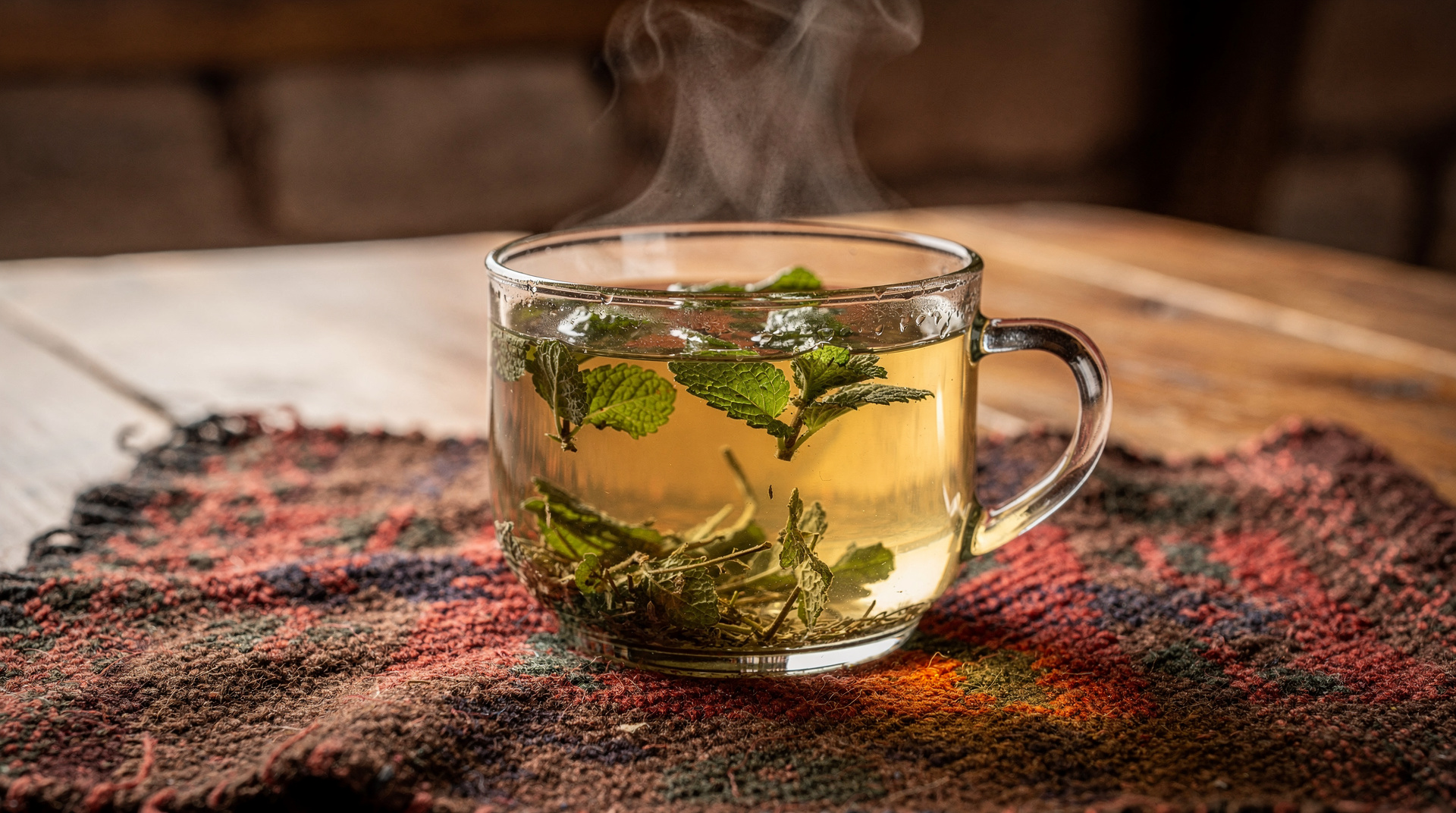
Coca tea: Order it at every café and hotel that serves it. It is the Andean altitude remedy that has been used for centuries and works as a mild symptomatic support. One to two cups on arrival day is useful. It is legal in Peru.
Sorojchi pills: Buy from Inkafarma or Mifarma pharmacy (both chains have central Cusco locations — Mifarma on Av. El Sol, Inkafarma near the historic centre). One dose costs approximately S/3–5. Take as directed if you have a headache. They contain aspirin and caffeine, which address the most common mild symptoms.
Hydration: Drink more water than you normally would. Altitude increases fluid loss through respiration. Two to three litres per day in the first 48 hours is appropriate.
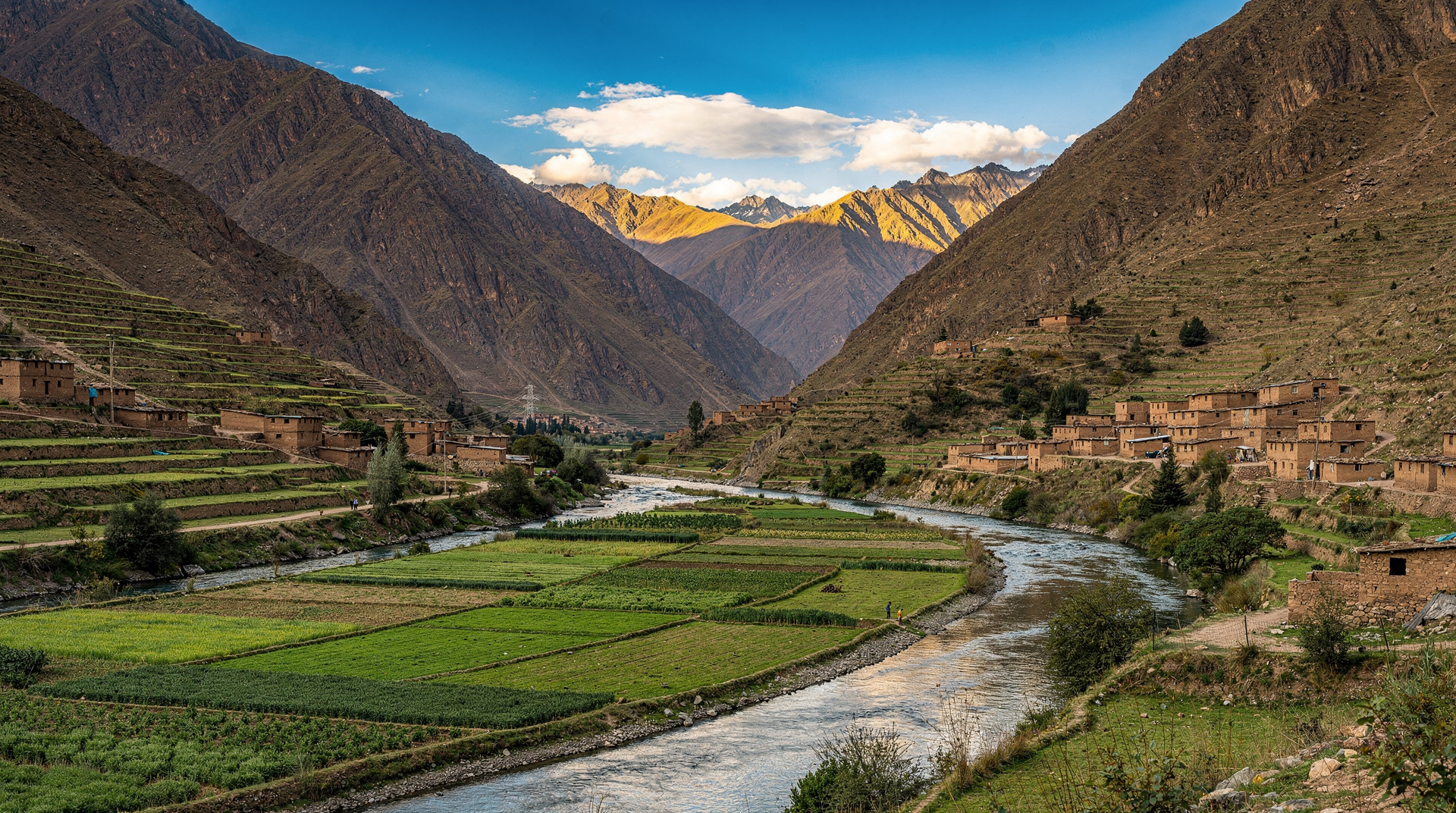
Altitude acclimatisation strategy: The best single strategic choice is to spend your first night in the Sacred Valley rather than Cusco. Ollantaytambo at approximately 2,800 m and Urubamba at 2,900 m give your body a gentler initial altitude exposure before you ascend to Cusco proper. The why sleep in the Sacred Valley first guide explains this strategy in detail. Most operators don’t recommend it because it complicates their Cusco-first itinerary sales.
When altitude symptoms are a real problem
The overwhelming majority of Cusco visitors experience only mild soroche. But serious altitude illness (High Altitude Cerebral Oedema — HACE; or High Altitude Pulmonary Oedema — HAPE) is a genuine medical emergency and requires real medical treatment and descent.
Warning signs that require a genuine doctor, not rest and coca tea:
- Severe persistent headache that does not respond to rest and sorojchi pills after 12 hours
- Vomiting that prevents you from keeping fluids down
- Confusion, difficulty thinking clearly, or loss of coordination (HACE indicator)
- Extreme shortness of breath at rest, not just on exertion (HAPE indicator)
- Wet cough or gurgling sound when breathing (HAPE indicator)
- Chest tightness at rest
If you experience any of these, contact your hotel for a recommendation to a real medical facility. Clinica Pardo at Av. de la Cultura 710 in Cusco is a private clinic familiar with altitude illness and used by many travellers. Hospital Regional de Cusco (public) on Av. de la Cultura is the main public hospital. Neither of these is a street tout — they are registered medical facilities.
Descent is the most effective treatment for serious altitude illness. If symptoms are severe, getting to lower elevation — even 500 m lower to Pisac, or down to the Sacred Valley — provides rapid improvement.
Supplemental oxygen: what is legitimate
Supplemental oxygen does genuinely help with acute altitude symptoms, particularly headache. The legitimate ways to access it in Cusco:
- Small personal oxygen canisters (OxyShot, Altitude, or generic brands) sold at pharmacies and outdoor shops, approximately S/20–40. Self-administered, no prescription required.
- Many mid-range and upmarket hotels in Cusco provide oxygen on request, often at no additional charge or for a small fee. Ask your hotel when you check in if you are concerned.
- The legitimate Clinica Pardo can provide medical-grade supplemental oxygen in a supervised setting if your symptoms genuinely warrant it.
None of these require engaging someone who approaches you on the street.
High-altitude day trips: when the risk genuinely increases
While mild soroche in Cusco is manageable with the protocol above, some day trips from Cusco reach significantly higher elevations where the medical calculus changes.
Vinicunca Rainbow Mountain reaches 5,200 m — 1,800 m above Cusco. At this altitude, visitors who are not fully acclimatised (at least 3 days in Cusco minimum, ideally with time in the Sacred Valley first) can experience more severe symptoms including significant breathlessness at rest, extreme fatigue, and — in a small number of cases — the early signs of HACE or HAPE.
The Rainbow Mountain altitude tips guide covers the specific precautions for these high-altitude day trips. The core recommendation: do not attempt Vinicunca before day 4 of your Cusco stay, and consider Palccoyo (peak 4,900 m) as the more altitude-friendly alternative — the honest Rainbow Mountain comparison explains the trade-offs.
The Ausangate circuit operates at 4,300–4,700 m — more moderate than Vinicunca but still significant. The same 3-day acclimatisation minimum applies.
The economics of the altitude tout
Understanding why the operation persists helps explain why it is so prevalent. The cost of the touts’ inputs is very low: vitamin B12 injections cost S/5–10 wholesale; small oxygen canisters S/15–20. The pitch targets freshly arrived, physically uncomfortable, disoriented visitors who are willing to spend S/80–150 for anything that might help.
The profit margin per transaction is very high. The risk to the tout is effectively zero — there is no licensing requirement they’re violating in a way that leads to enforcement, and the “patient” cannot verify efficacy or return for a refund once they feel better (which they would have anyway). The barrier to entry is a white coat and a confident manner.
This is not Cusco’s most serious scam — fake Machu Picchu tickets or fraudulent train tickets can cost S/400–800 and cause real logistical damage. But the altitude tout operation targets people at their most vulnerable moment, and the remedy is information you now have.
What a legitimate pharmacy interaction looks like
To make the contrast concrete: at Inkafarma or Mifarma, you walk in, ask for sorojchi pills or a portable oxygen canister, pay a marked price displayed at the till (S/3–5 for pills, S/20–40 for oxygen), and receive a receipt. No one approaches you outside to steer you toward a “clinic.” No one asks you to come somewhere private for an injection. The pharmacist does not diagnose you or claim to treat altitude sickness with anything beyond the standard over-the-counter options.
If anyone — regardless of how official they look, badge, white coat, or clipboard included — approaches you unsolicited on the street or at the airport and offers a medical service, the correct response is a firm no and to keep walking. Genuine medical facilities do not solicit patients this way in Peru or anywhere else.
What to tell fellow travellers before they arrive in Cusco
The altitude tout problem could be almost entirely eliminated by one piece of pre-trip information:
Buy sorojchi pills at Inkafarma before you leave the airport area. Rest on arrival day. Drink coca tea. The altitude discomfort peaks in the first 24 hours and resolves in 48–72 hours. Do not let anyone approaching you at the airport or near Plaza de Armas convince you that you need expensive treatment for a normal physiological process.
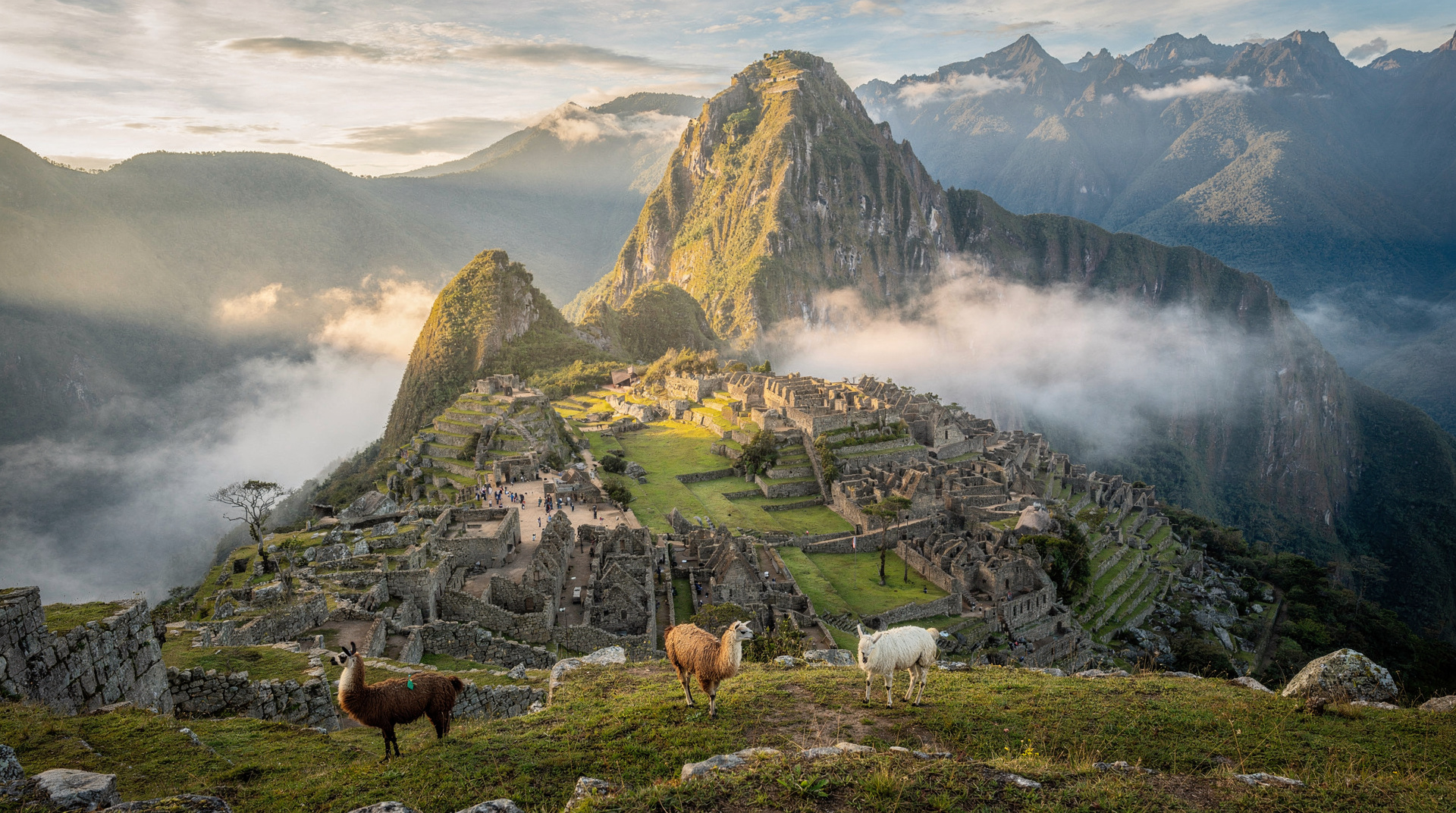
The altitude sickness Cusco guide provides the full medical and practical picture. The acclimatisation plan shows you how to sequence your Cusco itinerary to work with, rather than against, the acclimatisation process. The machu picchu altitude explained guide addresses what happens at Machu Picchu’s 2,430 m — actually lower than Cusco, which surprises many visitors.
Planning your first days around the altitude
The best defence against a tout is a plan that leaves no room for panic. If you know what your first 48 hours look like, an unsolicited offer of “treatment” sounds exactly like what it is. The Cusco trip planning guide helps you decide how long to stay, and how many days in Cusco explains why a rushed schedule is the usual cause of avoidable altitude trouble.
Think about where you sleep before you think about what you pack. The Sacred Valley vs Cusco as a base comparison and the wider Sacred Valley complete guide show how a lower first night changes the whole arc of the trip. If you prefer to fly in and head straight down, the Cusco airport guide and the getting to Cusco guide cover the arrival logistics so you are not improvising while feeling unwell.
Packing matters too: a small kit with water, snacks, your own basic medication and layers keeps the first afternoon calm. The what to pack for Cusco list covers it, and the coca tea and altitude remedies guide goes deeper on the traditional options mentioned above.
Gentle activities once the first day is behind you
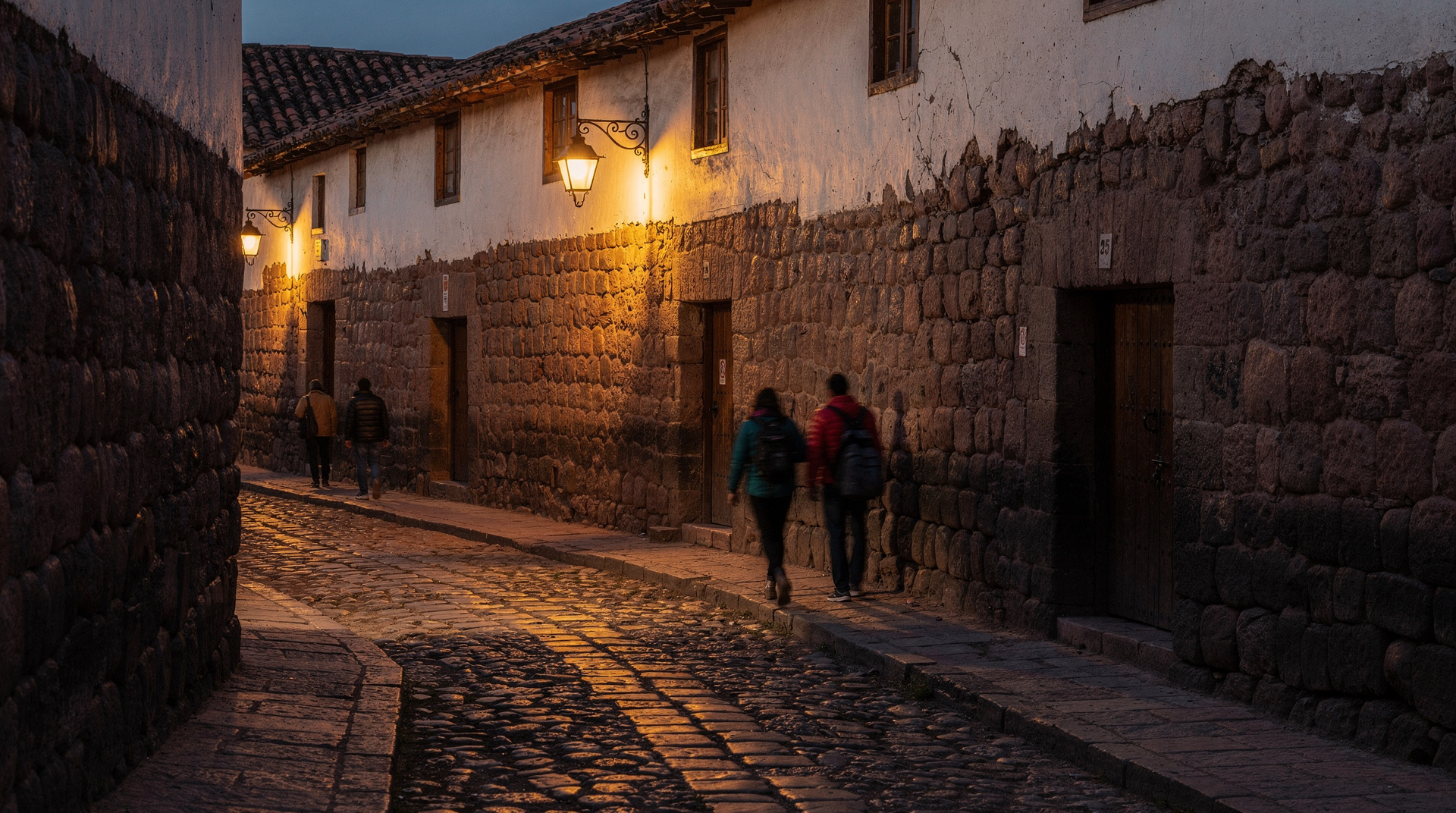
A calm plan is also the best protection against a pitch. Once the worst of the headache has passed, choose activities that let you move slowly and stop whenever you like. A guided stroll through the lanes of San Blas is an easy way to see the city at walking pace, and some travellers book a walking tour of the city centre and San Blas for exactly that reason: a guide sets the tempo and you do not have to navigate steep streets alone while still adjusting.
When you feel ready for a longer outing, the lower elevation of the valley is kinder than staying in town. a full-day tour of the Sacred Valley keeps you below Cusco’s height for much of the day, which many people find easier on the body than another day in the city. The 3-day short Cusco itinerary pairs well with the best day trips from Cusco when deciding what suits your energy.
If Machu Picchu is the reason for your trip, remember that the citadel sits lower than Cusco. Some visitors prefer a day trip by train with the entrance ticket included once they have rested, and the Machu Picchu complete guide explains how to fit it into your schedule. Whatever you book, buy through a registered operator rather than anyone who approaches you in the street.
Other scams that cluster around new arrivals
Altitude touts rarely work alone. The same corners and the same moments of confusion attract other pitches, so it helps to read about them together. The Cusco tourist traps guide maps the broader picture, while unlicensed tour agencies in Cusco explains how to tell a registered operator from a street promoter. For transport, Cusco taxi and money tips tells you how to get from the airport to your hotel without a detour to a “clinic”.
If you are still arranging tickets, the fake Machu Picchu tickets guide and the Peru travel safety guide belong in your reading before you land. None of this should make you suspicious of every local you meet; most people who talk to you in Cusco are simply friendly. The pattern to watch for is narrow: an unsolicited stranger, a medical claim and a quick payment.
For a first-person account of what mild soroche felt like and how it passed, read altitude sickness: my story, and for a calm first visit overall, first time in Cusco is a good companion.