Is Rainbow Mountain worth it? An honest answer for 2026
From Cusco: Vinicunca Rainbow Mountain Day Trip
Is Rainbow Mountain worth visiting?
It depends which one you mean. Vinicunca (the famous one) is genuinely spectacular but overcrowded from June–August, physically demanding at 5,200 m, and often obscured by cloud in rainy season. Palccoyo is less famous, nearly as colourful, 700 m lower in peak elevation, far less crowded, and suitable for most visitors. For most people doing a first trip to Cusco, Palccoyo is actually the better choice — but most operators push Vinicunca because it generates more business.
| Vinicunca altitude | 5,200 m summit, 240 m gain over 5.5 km |
| Palccoyo altitude | around 4,900 m peak, 30–45 min flat walk |
| Best months | May, September (dry, fewer crowds) |
| Cost | day trip around S/70–150 from Cusco |
| Acclimatise | 2–3 days in Cusco before either site |
The question that needs a more honest answer
“Is Rainbow Mountain worth it?” is one of the most-searched Cusco travel questions. The standard answer from most travel sites is an enthusiastic yes, usually accompanied by a booking button. This guide gives the answer that your actual circumstances require — because the honest answer is: it depends on which mountain, which month, your acclimatisation level, and what you’re expecting to see.
The “Rainbow Mountain” phenomenon encompasses at least three distinct sites in the Andes southeast of Cusco: Vinicunca (the famous one, at 5,200 m), Palccoyo (the quieter one, at ~4,900 m peak), and Ausangate (a full-day circuit around the Ausangate massif with natural lakes). Most operators selling “Rainbow Mountain tours” mean Vinicunca exclusively, which is a commercial decision rather than an objective assessment of what suits most travellers.
This guide cuts through that.
Vinicunca: what it actually is
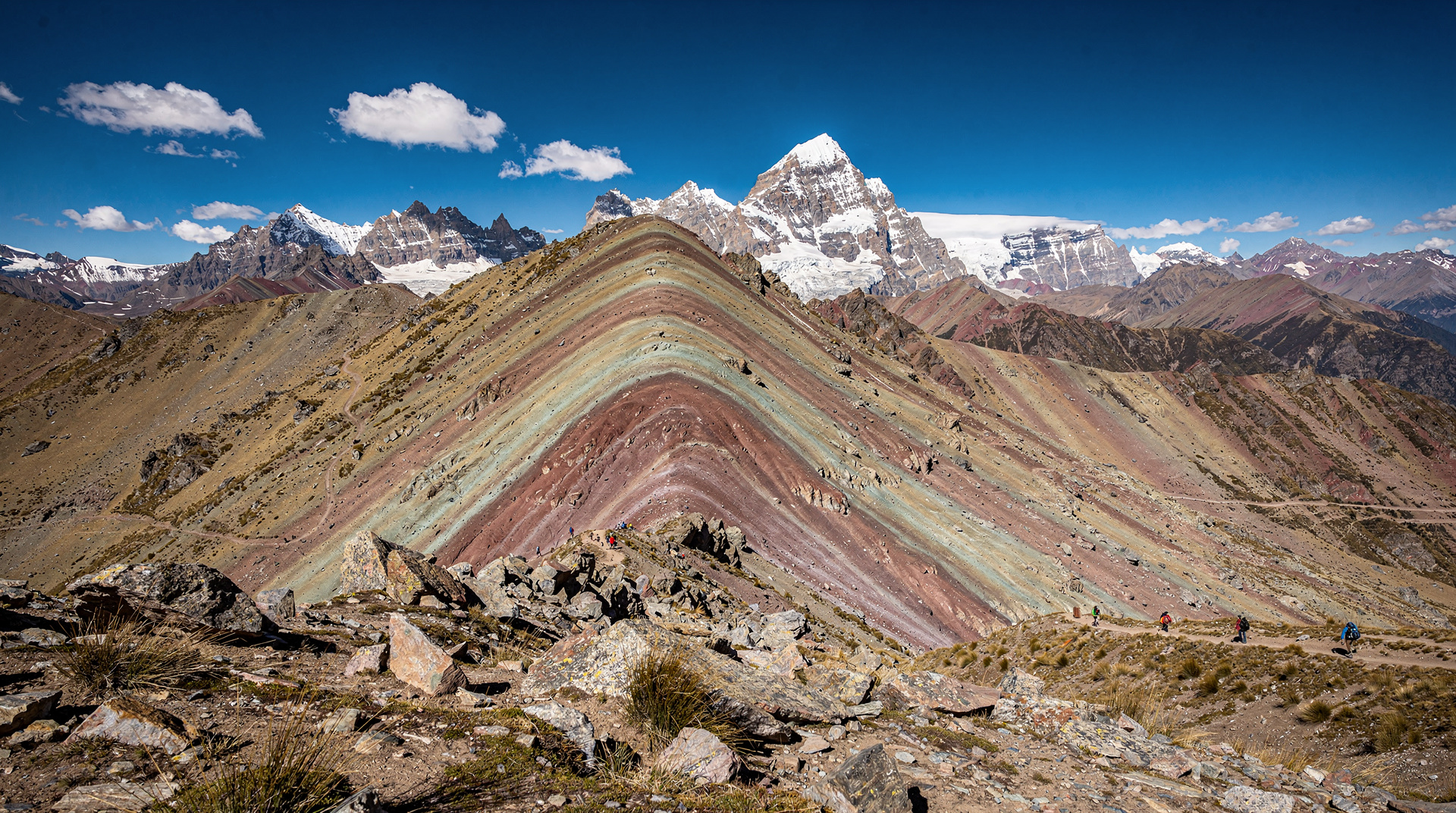
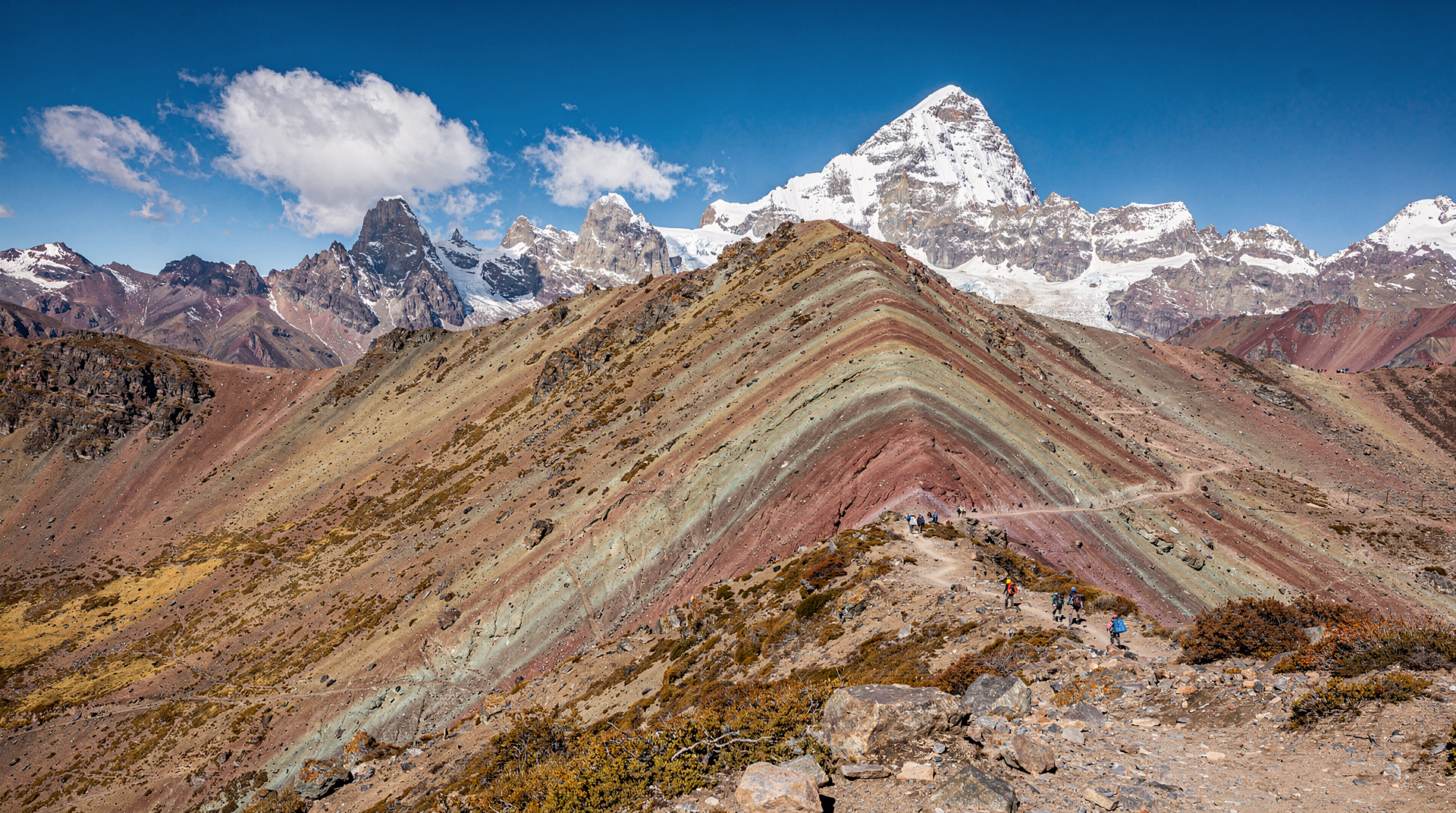
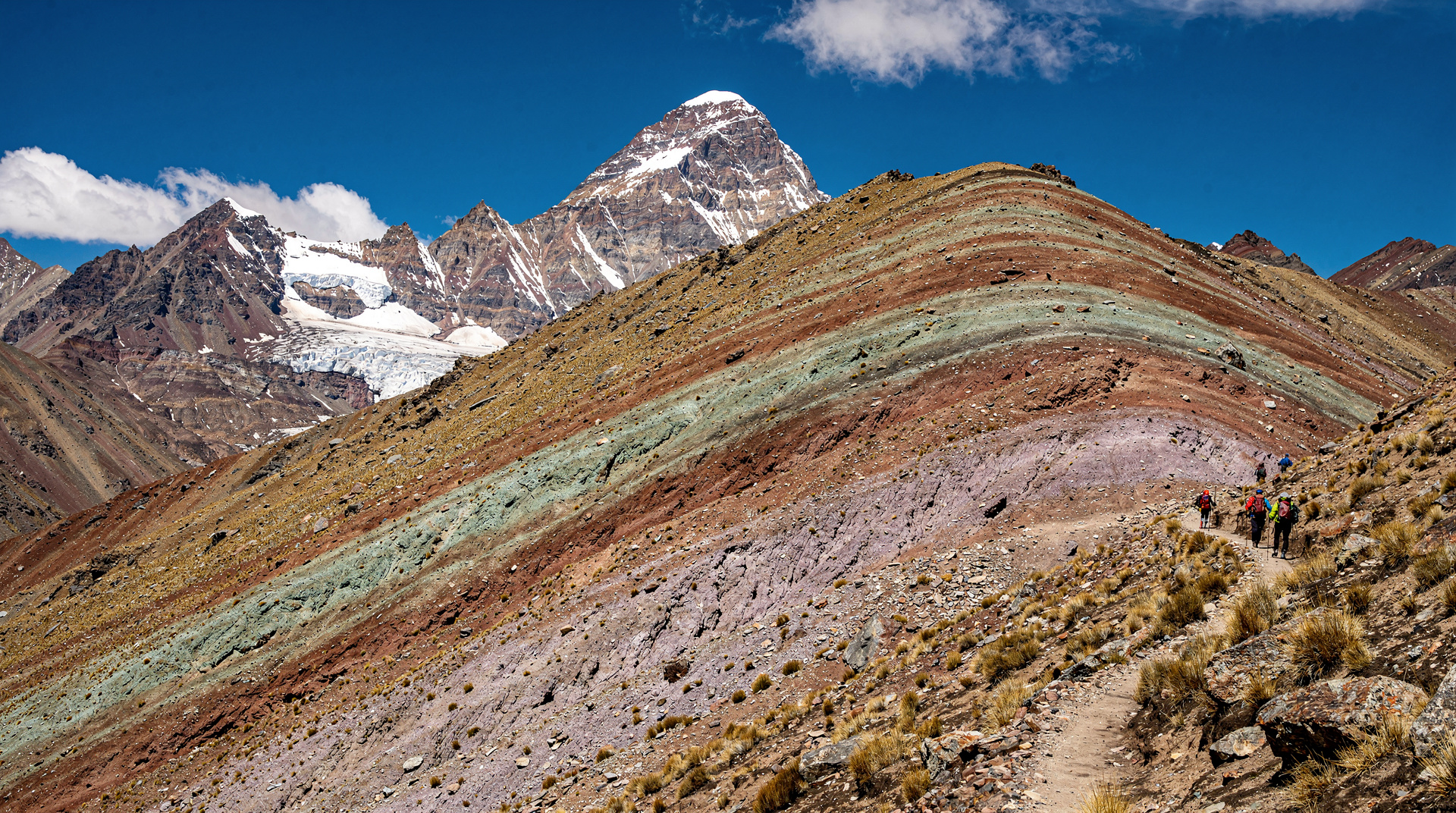
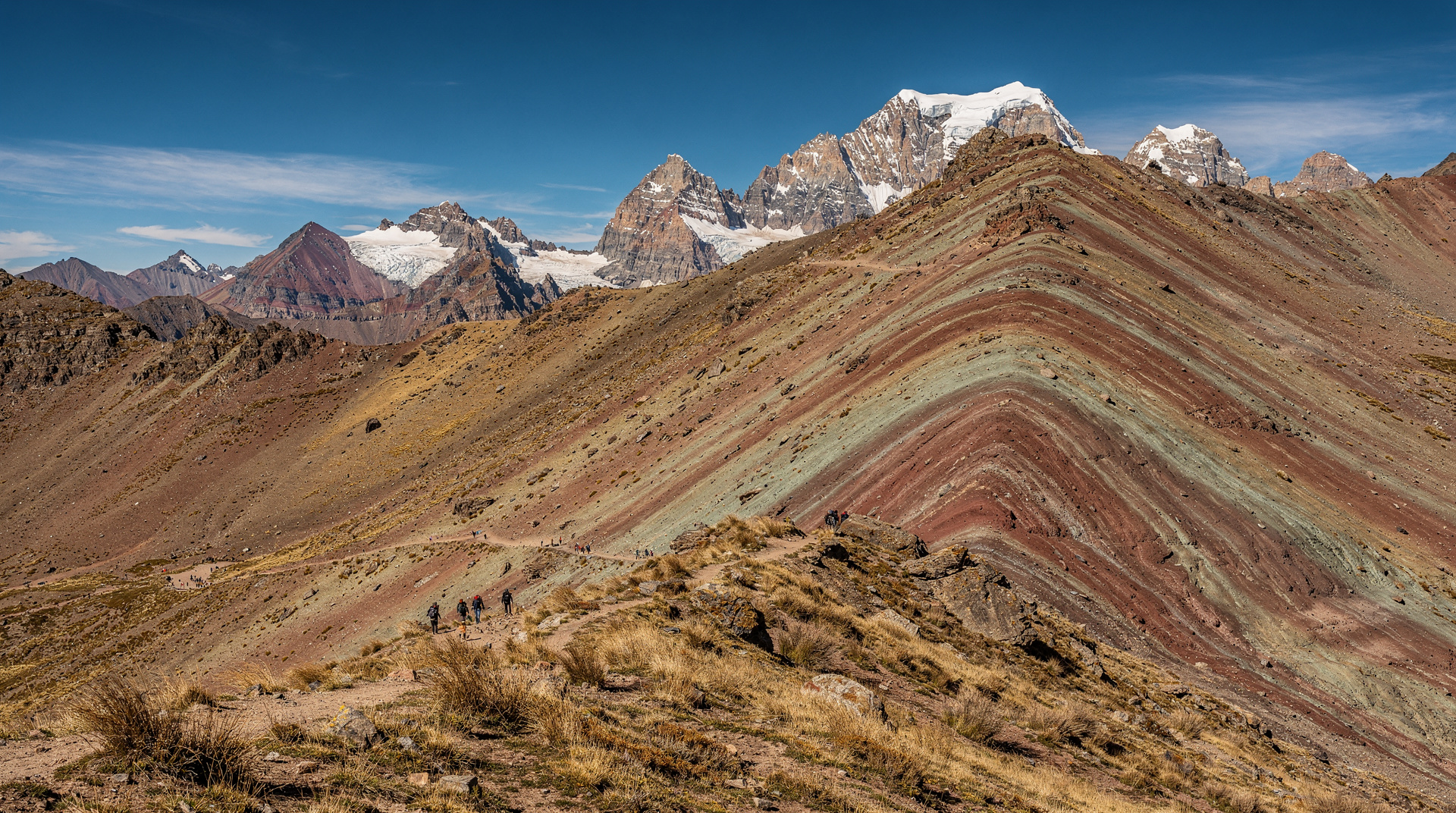
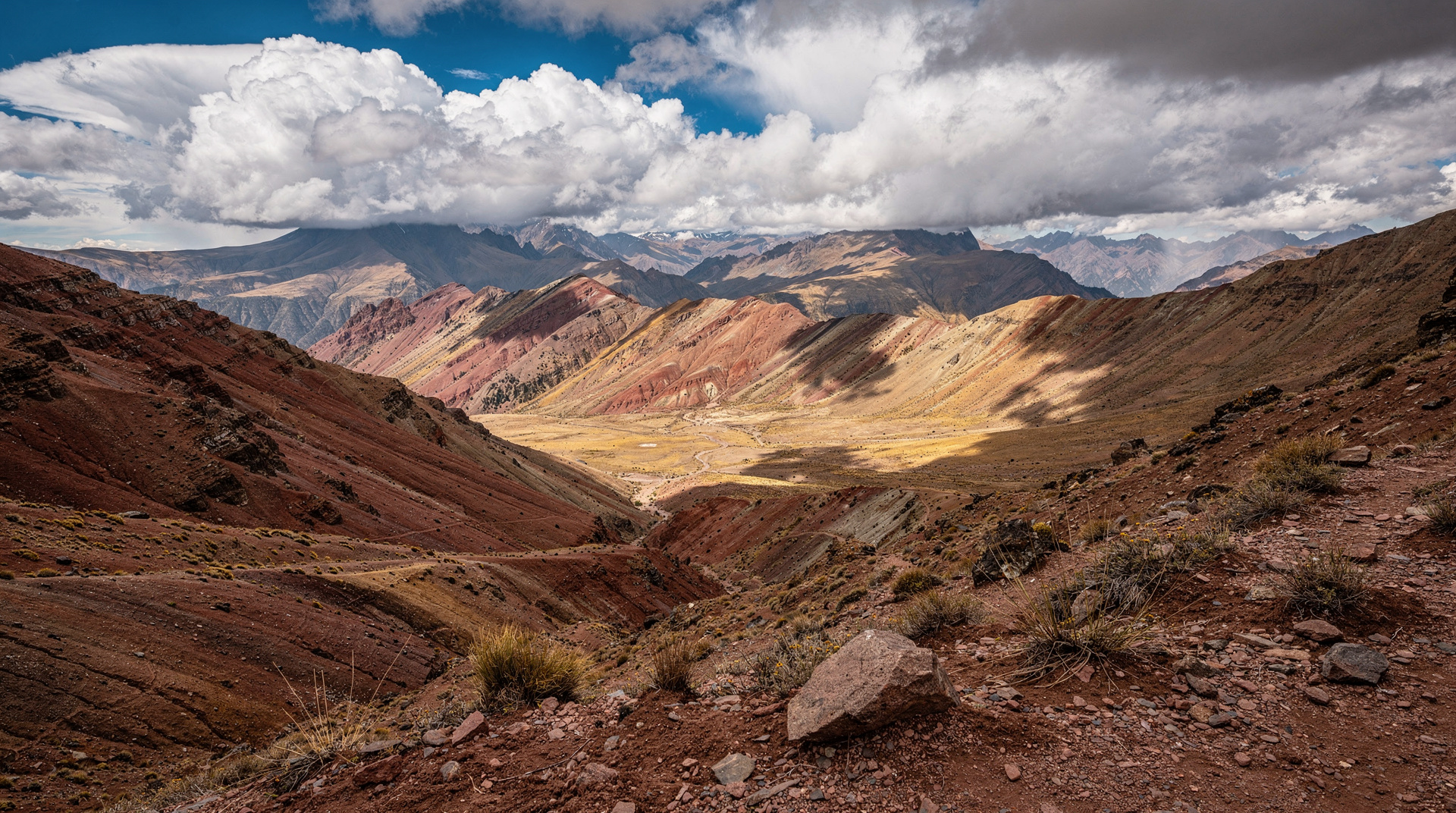
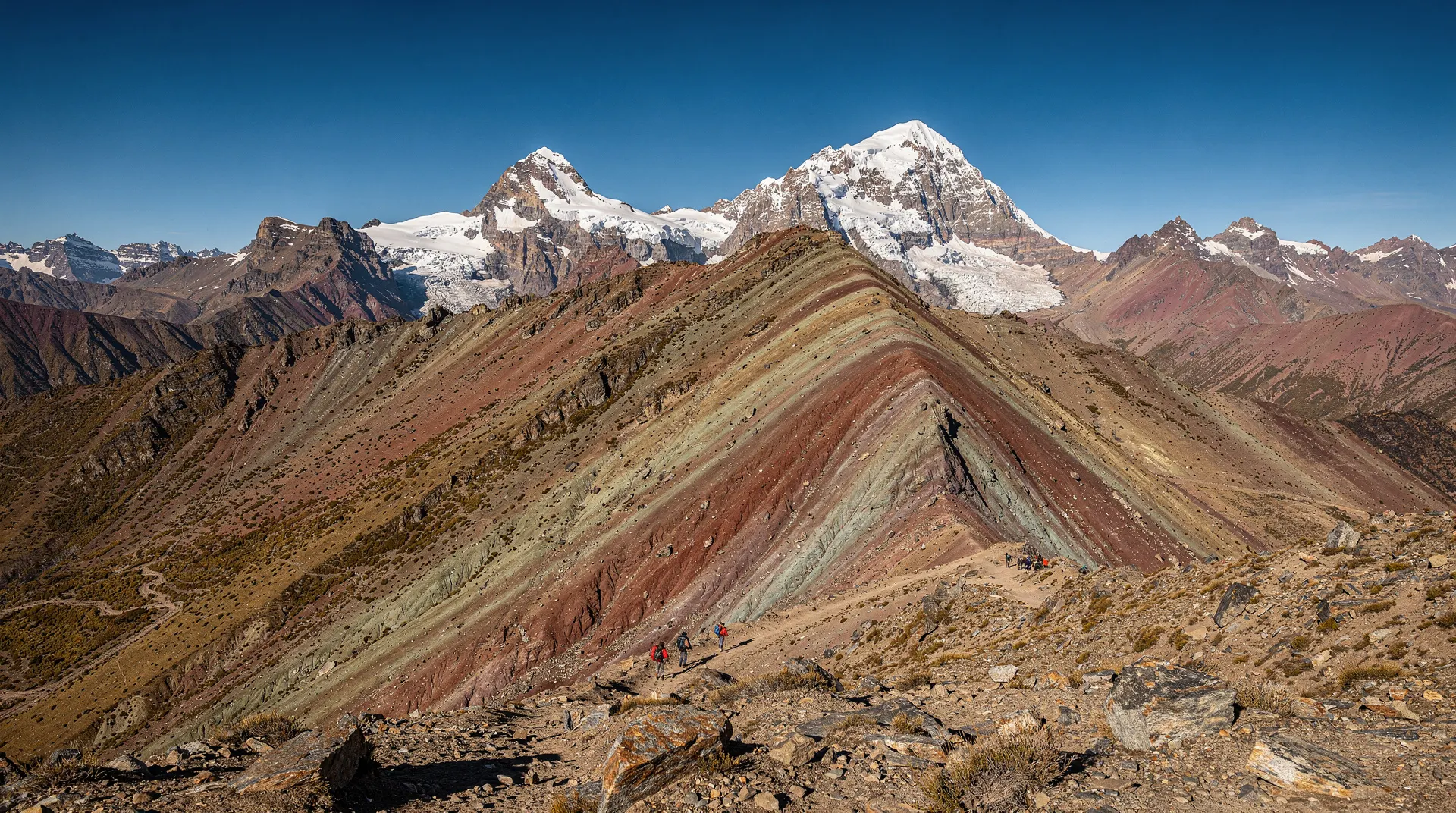
Vinicunca (also written Winicunca) is a mountain approximately 100 km southeast of Cusco whose mineral-striped flanks — red, gold, green, purple, and white bands from different oxidised mineral deposits — produce a landscape that genuinely looks digitally enhanced when photographed on a clear day.
The site became internationally famous around 2015–2016 when improved road access made it accessible as a day trip and Instagram documentation of the colours went viral. Before 2015, it was a relatively obscure local landmark.
The honest reality of a Vinicunca visit in 2026:
The hike from the trailhead (reached by bus or minibus from the tour operator’s meeting point, approximately 3 hours from Cusco) involves 5.5 km with 240 m of elevation gain, reaching a summit at 5,200 m. This is genuinely high. The summit is 1,800 m above Cusco and 2,770 m above sea level. At 5,200 m, the human body is functioning with roughly 52% of sea-level oxygen. Even visitors who acclimatised properly at Cusco for 2 full days will feel effort on the final ascent.
The crowds: In July and August, the most popular tour departure times (4 am from Cusco) place 200–400 visitors on the summit between 9 am and 11 am. The famous photograph requires patience and positioning. Early May and September have significantly fewer visitors — often 40–80 people on the summit at the same time, which changes the experience completely.
Weather: Vinicunca is clearest in May–September (dry season). From November through March, the summit is frequently cloud-covered by mid-morning, and the colours are visually muted by diffuse light even when partly visible. A day-trip to Vinicunca in January or February has roughly a 50% chance of seeing the mountain in full colour.
The verdict on Vinicunca: Yes, it is worth seeing if you go in the dry season, if you have properly acclimatised for 2+ days in Cusco, if you depart early enough to beat the worst crowds, and if you continue to the Red Valley beyond the main viewpoint. The experience is significantly diminished in rainy season, on a crowded July day, or if altitude sickness forces you to turn back early.
Book a Rainbow Mountain (Vinicunca) day trip with an early departure that gets you to the trailhead by 8 am — the first hour on the summit is substantially quieter than mid-morning arrivals.
Palccoyo: the honest recommendation for most visitors
Palccoyo is approximately 70 km from Cusco (somewhat closer than Vinicunca), reaches a peak elevation of around 4,900 m (still high, but 300 m lower than Vinicunca), and offers three coloured ridges rather than one. The walk from the trailhead to the viewpoint is approximately 3 km on relatively flat terrain — 30 to 45 minutes for most visitors.
Why operators don’t push Palccoyo:
- Vinicunca is what customers ask for by name, so operators don’t need to explain it
- Palccoyo is less well-known, which means lower booking volume
- Fewer operators have established Palccoyo tour infrastructure
The honest comparison:
The colours at Palccoyo are genuinely similar in intensity to Vinicunca on a clear day — the mineral composition of the terrain produces comparable striped patterns. The experience difference is primarily the lack of crowds: it is typical to have the Palccoyo ridges nearly to yourself even in peak season.
Palccoyo is meaningfully more accessible for visitors who are sensitive to altitude, older travellers, families with children, or those with less hiking experience. The 4,900 m peak elevation is still high — acclimatisation in Cusco for 2 days remains important — but the shorter, flatter walk removes the most physically demanding element.
Book a Palccoyo full-day tour if you want the rainbow mountain experience with fewer crowds, lower altitude exposure, and a more comfortable hiking experience. Honest recommendation: this is the better choice for first-time visitors unless Vinicunca is a specific bucket-list item.
The Vinicunca vs Palccoyo comparison guide provides a detailed side-by-side, and the Palccoyo guide covers the full Palccoyo experience specifically.
Ausangate: for the serious alpine experience
The third option — the Ausangate 7 Lakes circuit — is a different category of experience. It involves a full day walking around the base of the Ausangate massif (the highest peak in the Cusco region at 6,372 m, though you don’t summit) visiting glacial lakes of various colours. The views are extraordinary — snowcapped peaks, turquoise lakes, wild vicuñas.
Ausangate is more demanding than either Vinicunca or Palccoyo. It is a serious alpine hike with elevation changes up to 4,700 m and distances of 15–20 km depending on the route variant. It is the right choice for experienced trekkers or those who want the least-touristic of the three options. It is not appropriate for casual day-trippers or anyone with altitude sensitivity.
The vinicunca vs palccoyo vs ausangate comparison puts all three side by side with an honest difficulty, crowd, and cost comparison.
The acclimatisation question is not optional
Whichever Rainbow Mountain site you choose, acclimatisation matters. Vinicunca at 5,200 m is particularly unforgiving if you arrive in Cusco and attempt it on day 2. The Rainbow Mountain altitude tips guide is mandatory reading before you book any of these tours.
The recommended protocol: arrive in Cusco at least 3 days before your Rainbow Mountain trip. Spend at least one of those days at lower elevation in the Sacred Valley. Do not attempt a Rainbow Mountain summit before day 4 at the earliest.
Operators do not tell you this as a standard part of their booking process because it means you need more days — which can complicate a tight itinerary. The cusco acclimatisation plan shows how to structure your days properly.
What the tour operators don’t mention about the Vinicunca experience
Several aspects of the Vinicunca day trip are routinely absent from standard tour descriptions:
The trailhead conditions. The Vinicunca trailhead area has grown into a small commercial hub: stalls selling breakfast, coffee, ponchos for rent, and horse hire. On busy mornings in peak season this area is chaotic. Horse touts are persistent. If you arrive without a horse booking and want one, be prepared to negotiate from a position of pressure. If you don’t want a horse, be clear about this early — touts are persistent.
The weather window. The window in which Vinicunca is photographable — fully visible, in direct light, without cloud partially obscuring the stripes — is often narrower than expected. On many days, the mountain is clear from approximately 8 am to 11 am before cloud builds. Groups that depart Cusco at 5 am consistently get better conditions than those departing at 6–7 am. Some operators cut costs by using later departures — verify departure time before booking.
The horse experience. Horses at Vinicunca are a pragmatic solution for visitors who struggle at altitude, not a scenic trail ride. The route to the summit is a single-file trail shared with hikers; the experience is functional rather than enjoyable. If you want horseback riding as an activity, the Sacred Valley horseback routes deliver a far better equestrian experience.
The post-summit reality. The ridgeline at Vinicunca is exposed, cold, and windy even on clear days. Most visitors spend 20–40 minutes at the viewpoint and then turn back. There is no shelter. Bring warm layers regardless of morning temperature at the trailhead.
What to book and when
For Vinicunca: book a Rainbow Mountain day trip with a 4–5 am Cusco departure. Verify the departure time and check reviews specifically mentioning the guide.
For Palccoyo: book a Palccoyo full-day tour — the operator pool is smaller but the quality is generally higher. Palccoyo receives more specialist visitors and fewer budget operators have set up on the route.
For either option, book at least 2 weeks ahead in dry season (May–September). Palccoyo tours have limited daily visitor caps that fill up faster than the larger Vinicunca capacity.
So: is it worth it?
Yes — but choose the right mountain for your circumstances:
- First-time visitor, limited acclimatisation time, any fitness level, any month: Palccoyo
- First-time visitor, 3+ days acclimatised in Cusco, dry season (May–September), reasonably fit: Vinicunca with early departure
- Experienced trekker, fully acclimatised, want the least-touristic option: Ausangate
- Anyone visiting in January–March without specific reason to choose Vinicunca: Palccoyo (more weather-resistant and the experience holds up better in overcast conditions)
The rainbow mountain complete guide covers the full visit in detail. The red valley guide explains the extension beyond Vinicunca that most day-trippers miss.
The ATV option: a different way to visit
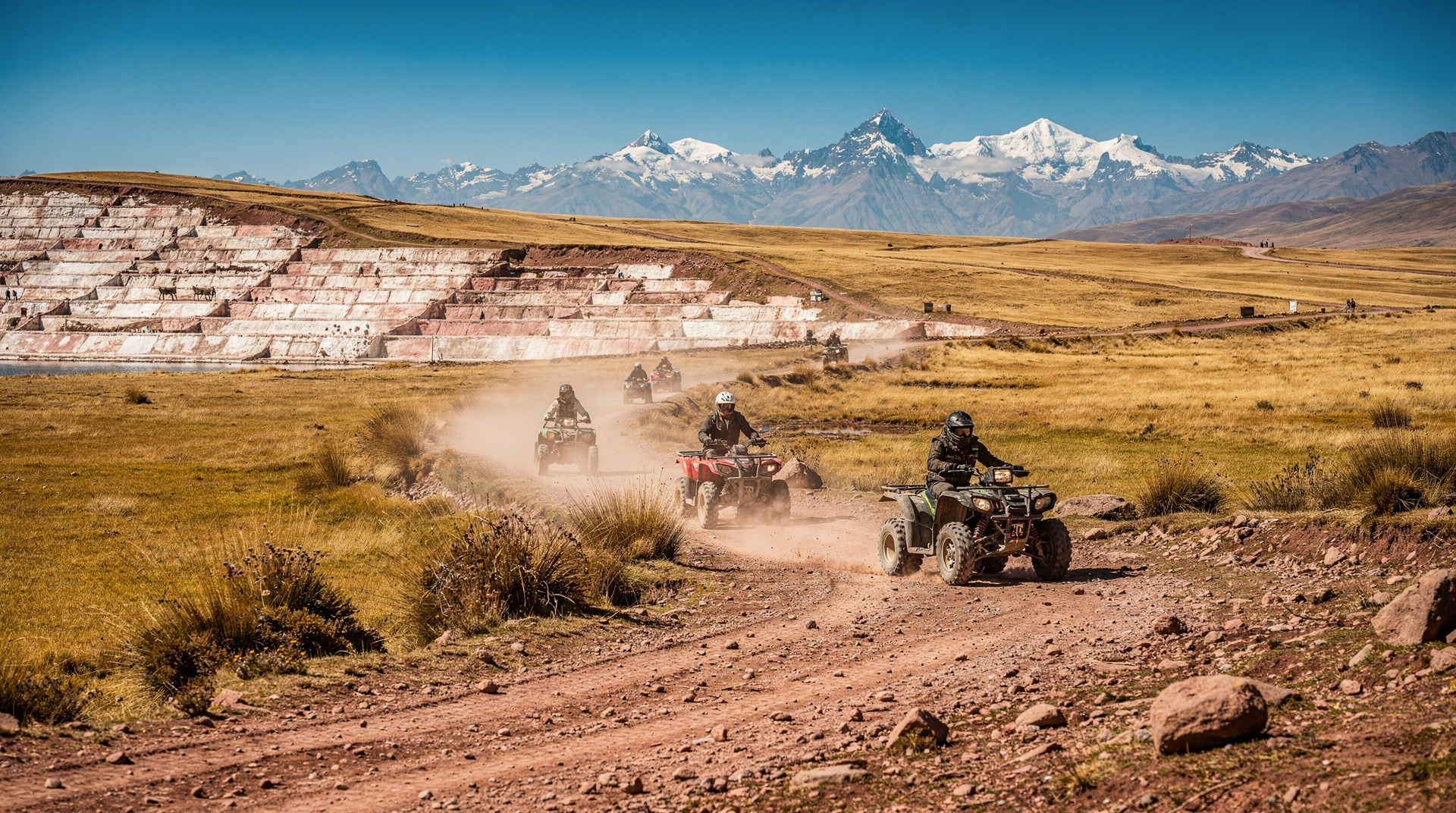
For visitors who want to see the Red Valley or Vinicunca but are concerned about the physical demand of the hike at 5,200 m, ATV (quad bike) tours provide an alternative approach. The ATV Red Valley route reaches the same terrain via a different track, allowing the valley views without the sustained uphill hiking effort.
The ATV tours near Cusco guide explains the two main routes — Red Valley and Ausangate — honestly, including the altitude, terrain, and what the ATV experience is actually like. It is a different kind of experience rather than an easier version of the same one: louder, faster, and with less direct connection to the landscape, but genuinely spectacular on the right morning.
The crowd question in detail
The Vinicunca crowd issue is real but manageable with timing. The problem peaks between 9:30 am and 12:30 pm, when the majority of organised day tours from Cusco deposit their groups at the trailhead. Early departure (4–5 am from Cusco, reaching the trailhead by 7:30 am) puts you on the summit before the main crowd arrives and on your way down as it peaks.
The vinicunca vs palccoyo comparison puts this in perspective: on a typical July day, Vinicunca at 10 am has several hundred people; Palccoyo at the same time has perhaps 30–60. For solo travellers and photography-focused visitors who want a quieter experience, the crowd difference between the two mountains is the strongest argument for Palccoyo regardless of other factors.
Month by month: what to actually expect at Vinicunca
| Month | Weather / colours | Crowds |
|---|---|---|
| May, Sept | Clear, best colour visibility | Moderate — the sweet spot |
| Jun–Aug | Clear but hazier by midday | Heavy, 200–400+ on summit |
| Oct, Apr | Variable, some cloud | Light to moderate |
| Nov–Mar | Frequent cloud, ~50% chance of full view | Light, but colours often muted |
What to wear and bring
Layering matters more at Vinicunca and Palccoyo than almost anywhere else near Cusco, because the trailhead at departure time (often before dawn) is cold, the exertion on the ascent generates real heat, and the exposed summit ridge is cold and windy again regardless of season. A base layer, a mid-layer fleece, and a genuinely windproof outer shell handle the swing better than a single heavy jacket. Sun protection is essential even on cool mornings — UV exposure at 4,900–5,200 m is intense and the mineral-striped slopes offer no shade.
Bring more water than feels necessary (at least 1.5 litres), coca tea or candy if you find it helps with the altitude, and cash in small soles for the trailhead stalls and toilet facilities, which typically charge a small fee. Broken-in hiking boots or sturdy trail shoes matter more than technical mountaineering gear — neither hike is technical, but both are long enough at altitude that comfortable, worn-in footwear changes the experience.
Frequently asked questions about Is Rainbow Mountain worth it? An honest answer for 2026
What time of year is Vinicunca Rainbow Mountain least crowded?
How physically demanding is the Vinicunca hike?
Is Palccoyo Rainbow Mountain as impressive as Vinicunca?
Why do most tour agencies only offer Vinicunca?
What is the Red Valley and is it worth the extra effort?
Top experiences
Bookable activities with verified prices and instant confirmation on GetYourGuide.