Horseback riding near Cusco — routes, costs and honest expectations
From Cusco: Sacred Valley of the Incas Full-Day Tour
What is horseback riding like near Cusco?
Horseback riding near Cusco ranges from short 1–2 hour circuits above the city near Sacsayhuamán (3,400–3,800 m) to full-day rides in the Sacred Valley (2,800–3,200 m). The Sacred Valley offers the most scenic routes — through Inca terracing, along the Urubamba River, between Pisac and Ollantaytambo. No riding experience is required for the guided walk-and-trot circuits. Prices: S/100–160 (~$30–50) for 2-hour city rides, S/250–380 (~$75–115) for full-day Sacred Valley rides.
Horseback riding near Cusco: what to expect
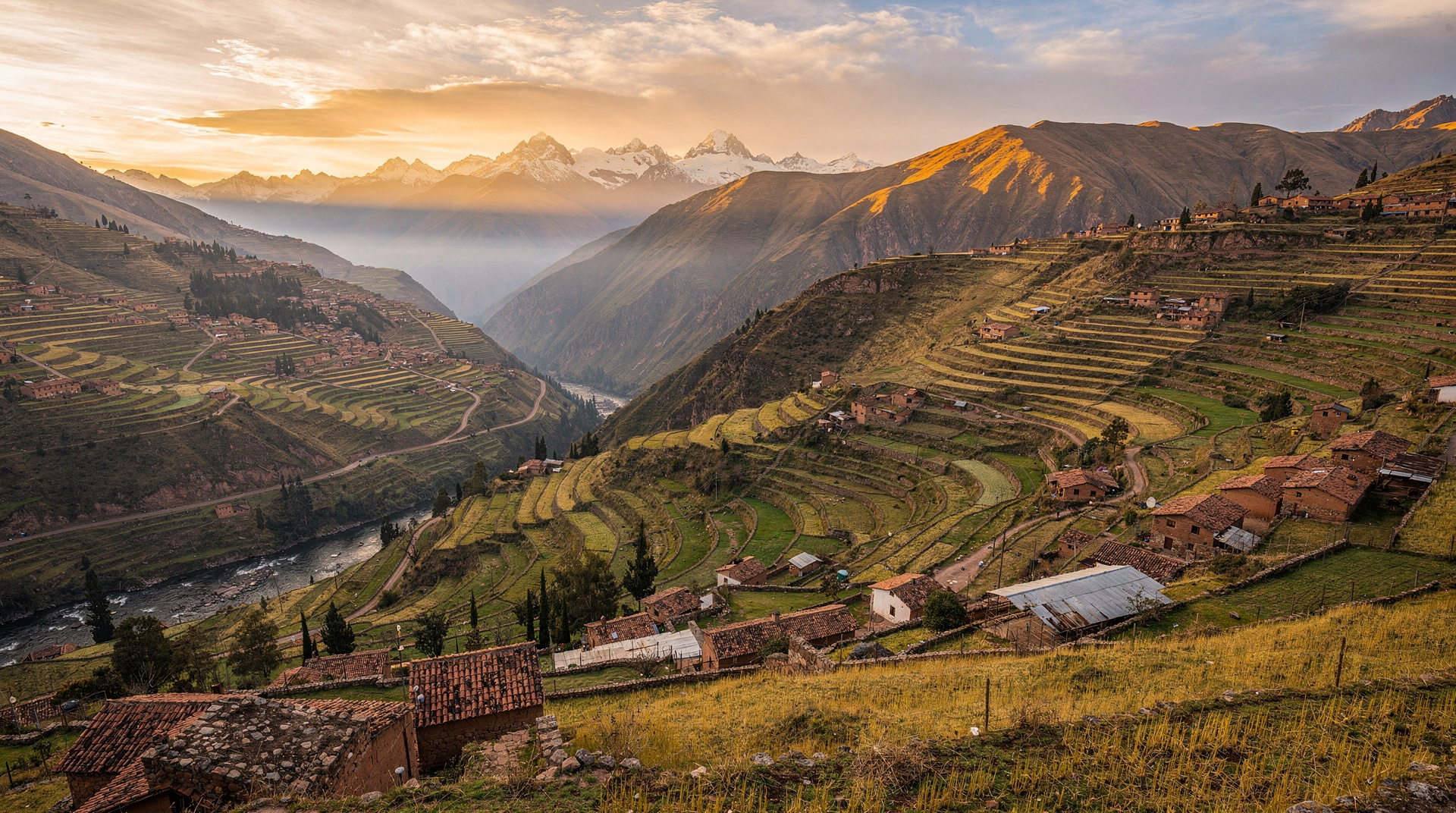
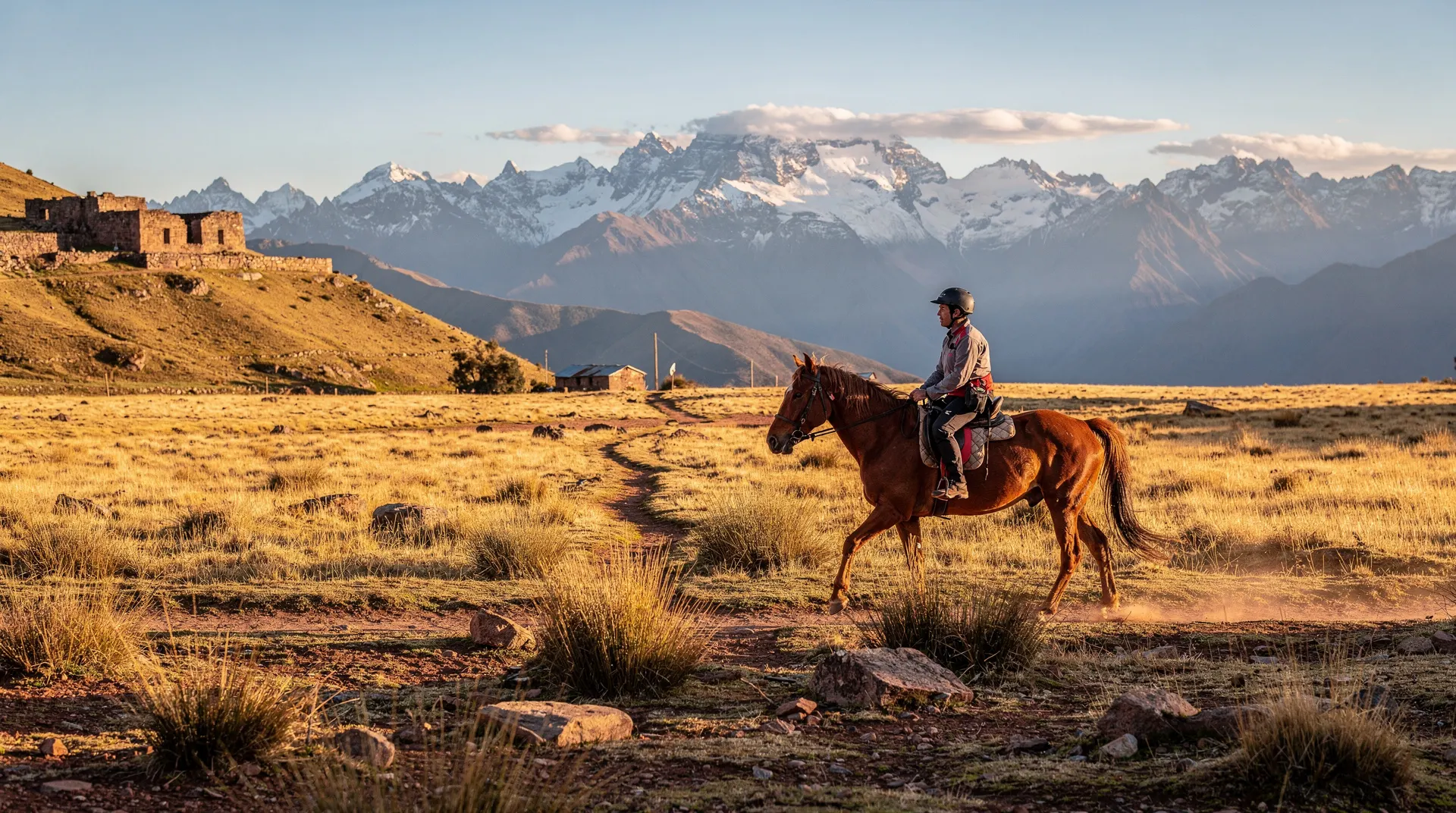
Horseback riding in the Andes near Cusco offers something that most outdoor activities in this region cannot: the pace to look around properly. Hiking the same terrain requires watching your footing; cycling requires technical focus; but a well-behaved horse on a familiar route allows you to absorb the landscape — the snow-streaked peaks, the Inca terracing, the patchwork of potato and quinoa fields that still follow the same contour lines they did 500 years ago.
| Where | Sacsayhuamán circuit (near Cusco) or Sacred Valley (Pisac–Ollantaytambo) |
| Cost | Around S/100–450 depending on route and duration |
| Time needed | 1.5 hours (short circuit) to a full day |
| Experience needed | None for guided walk-and-trot routes |
| Best time | May–September (dry season) for clearer tracks |
The landscape near Sacsayhuamán and through the Sacred Valley is among the most historically resonant horse country in the world. The Inca used the Urubamba Valley for their royal estates precisely because of its agricultural productivity and spectacular setting. Riding through it at walking pace, with a guide explaining what you are passing, makes the history tangible in a way that a bus window cannot.
The honest caveats: horse quality and operator quality in Cusco vary. The altitude makes sun exposure intense and wind chill on open ridgelines sharp. And the most scenic routes require a half-day or full-day commitment to justify the travel from Cusco. This guide covers all of that.
Routes and what they involve
Sacsayhuamán circuit
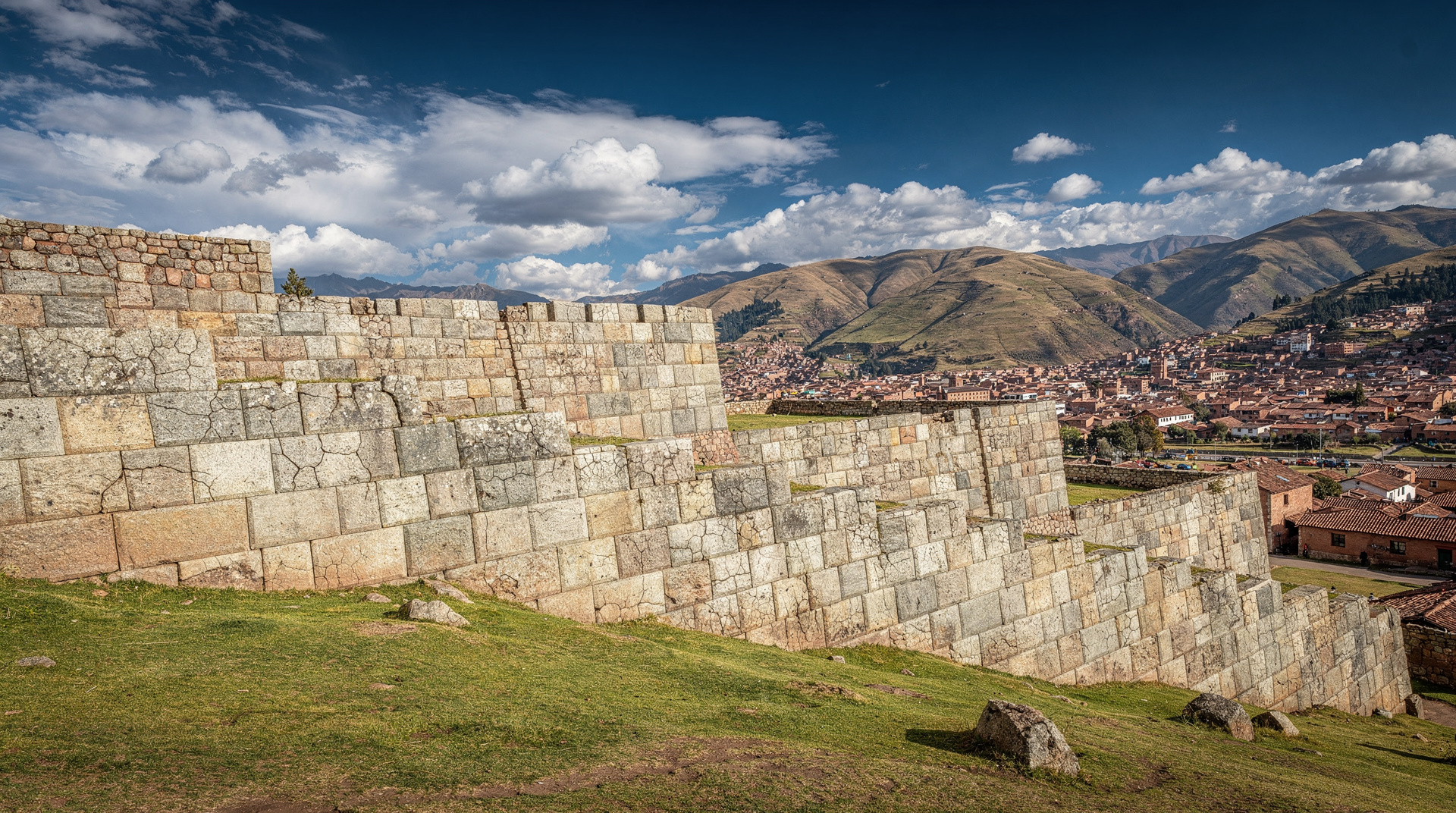
The most convenient from Cusco city — the trailhead is approximately 15–20 minutes from Plaza de Armas by taxi. From the Sacsayhuamán fortress area, operators run circuits that climb to viewpoints at 3,700–3,800 m overlooking the city and the valley, passing through eucalyptus forest and open agricultural land before returning.
Duration: 1.5–2 hours for the short circuit, 3–4 hours for the extended version that loops around the ruins area and down to the Cristo Blanco viewpoint. Altitude range: 3,400–3,800 m. Terrain: mix of gravel tracks, grassy hillside, and some loose stone on the upper sections.
This route is ideal for visitors with limited time or those acclimatising who want a gentle altitude introduction. The view over Cusco from the upper circuit is excellent and rarely seen by visitors who visit Sacsayhuamán on foot (they stay at the ruins level rather than climbing above).
Sacred Valley routes
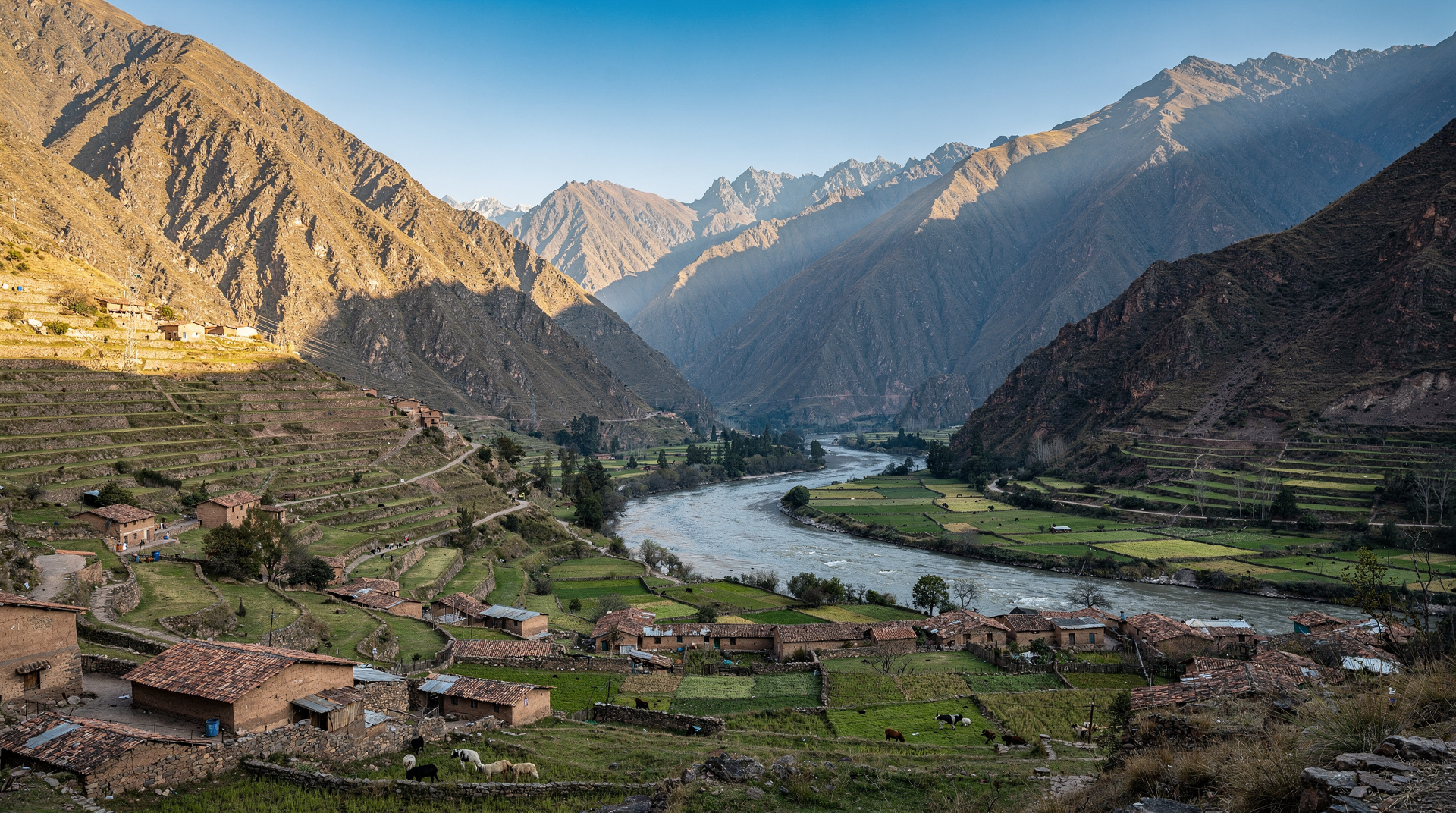
The Sacred Valley offers the most scenic riding in the region. The most commonly offered route runs approximately from above Pisac to Ollantaytambo or vice versa, covering 25–40 km at various paces depending on the group and operator. Elevation on this route varies between 2,800 m on the valley floor and 3,200 m at the higher sections.
The route passes through or near working villages with Quechua-speaking communities, through terraced fields, and along riverside sections of the Urubamba River. Inca ruins are visible at multiple points on the hillsides above. This is genuinely riding through a living agricultural valley that has been farmed and inhabited continuously for over a thousand years.
Full-day Sacred Valley rides include a packed lunch (sometimes taken at a community guesthouse in a valley village — a meal of local staples that is often the most memorable part of the day).
Getting there: Operators either transport you to the Sacred Valley by minibus and ride from there, or base in Urubamba or Ollantaytambo if you’re already staying in the valley.
Chinchero high-puna routes
Above Chinchero at approximately 3,800 m, routes enter the open puna — the treeless high-altitude grassland that covers the Andean plateau. These are more demanding rides in terms of altitude and exposure, but the landscape is dramatic: rolling grass hills, no trees, huge sky, occasional herds of alpacas.
The Chinchero puna routes are less commonly offered by standard day-trip operators and more likely to be arranged through specialist equestrian tour companies in Cusco. They suit visitors with at least basic riding comfort who want something beyond the standard tourist circuit.
Horse welfare: what to look for
The question of horse welfare in Cusco is worth addressing directly. Peru has animal welfare legislation, but enforcement in the tourism sector is inconsistent. Both well-run and poorly-run operations exist.
Signs of a well-treated horse:
- Alert expression and upright posture (not drooping head or listless)
- Appropriate body weight — ribs should not be prominently visible
- Clean, intact coat without significant bald patches from saddle or girth rubbing
- Hooves that are clean and correctly shaped (not severely overgrown or cracked)
- Responsive to gentle rein aids without requiring harsh contact
- Saddle fitted correctly — should not rock side-to-side when the horse moves; should not press directly on the spine
Warning signs:
- Horses with visible sores under saddle or girth
- Horses that are extremely thin (visible hip bones, prominent spine)
- Saddle blankets that are thin, hard, or obviously non-absorbent
- Bits that appear harsh (long-shanked curb bits inappropriately used on sensitive horses)
- Any handler who strikes or shouts at horses repeatedly during normal handling
If you arrive at an operation and the horses show warning signs, you are not obligated to proceed with the tour. Ask for your money back and explain why. Reputable operators are also more likely to maintain standards over time when customers make welfare part of their evaluation.
Equipment: what you should be given
A standard guided horseback tour in Cusco should include:
- A helmet (full equestrian helmet, not a cycling or motorcycle helmet — they fit differently and protect the right zones for a fall from a horse)
- A saddle with stirrups adjusted for your leg length before riding
- A briefing on basic rein aids (stop, turn left, turn right) and how to use the stirrups safely
Some operators also provide chaps or half-chaps if you do not have appropriate footwear. Rubber riding boots are ideal; failing that, any closed-toe shoe with a 1–2 cm heel that prevents the foot from slipping through the stirrup.
Footwear check: Do not ride in flip-flops, open-toe sandals, or trainers with thick lugged soles that might catch in the stirrup if you fall. A foot caught in a stirrup during a fall is one of the most serious risks in recreational riding. This is not precautionary — it is the specific risk that correct footwear mitigates.
Costs in 2026
- 1–2 hour Sacsayhuamán circuit (group): approximately S/100–160 (~$30–50) per person
- Half-day Sacred Valley ride (group): approximately S/200–280 (~$60–85) per person
- Full-day Sacred Valley ride with lunch: approximately S/350–450 (~$105–135) per person
- Private tours: approximately 40–60% more than group prices
Transport from Cusco to Sacred Valley routes is typically included in full-day tours. The Sacsayhuamán circuit starts close enough to the city that you can take a taxi to the operator’s base independently if preferred.
Seasonal conditions
May–September (dry season): Best for all horseback routes — dry tracks, clear visibility, minimal mud. Temperature variation is greater: mornings can be cold (below 10°C at 3,800 m) and midday warm (18–22°C in the valley). Layers are essential.
October–April (rainy season): The Sacred Valley puna routes can be muddy and slippery. The Sacsayhuamán circuit is passable in light rain but unpleasant in heavy downpours. Horses can handle wet terrain better than hikers, but operator pace may be reduced. Some routes are genuinely not suitable in heavy rain.
Altitude preparation
Unlike mountain biking (which is high-effort) or hiking (also high-effort), the physical demand on the rider during horseback touring is relatively low. This makes it one of the more altitude-friendly outdoor activities — suitable slightly earlier in your acclimatisation process.
Still recommended: at least one full rest day in Cusco before attempting the Sacsayhuamán circuit, and two days before the Sacred Valley routes. The sun exposure at altitude on horseback (no shade, extended exposure on open terrain) can cause dehydration and fatigue even with minimal physical effort.
The cusco acclimatization plan gives the full framework. For visitors combining horseback riding with other outdoor activities, the best day trips from Cusco guide offers a structured overview of activity options and relative demands.
The welfare question: how to choose and what to do
Because horse welfare varies significantly between operators, it deserves more than a passing note. The practical approach:
Before booking: Ask the operator directly how many tours the horses do per day and whether horses have rest days. A horse working 7 days a week doing multiple tours is likely being overworked. One or two tours per day with rest days is appropriate. Operators who can answer this clearly are thinking about it; those who can’t give a specific answer are not.
When you arrive: Spend 5 minutes watching the horses before you are introduced to yours. Are they standing quietly and looking around with interest, or are they drooping with exhaustion? A tired horse is a safety issue as well as a welfare one — a horse that lacks energy may stumble on rough terrain.
During the tour: If your horse is limping, or if the saddle appears to be causing sores that you notice during the ride, tell your guide. A responsible guide will stop and assess. This is not being difficult — it is the correct response to a sign that the animal needs attention.
After the tour: Tipping your guide is standard (S/20–30 is appropriate for a half-day, S/30–50 for a full day). For operators who clearly maintain high welfare standards, leaving a positive review that specifically mentions the condition of the horses helps them compete against lower-standard operations for business.
Connecting horseback riding to the broader Sacred Valley experience
The Sacred Valley’s horse riding routes run through communities and terrain that reward slow observation — exactly the pace that horseback travel provides. Small adobe houses with earthen courtyards, women in bright aguayo-woven blankets tending herds of cattle, children from valley communities who have grown up alongside tourists and tourists’ horses for generations.
The Sacred Valley complete guide gives the historical and cultural context that makes these observations meaningful. The chinchero weaving guide explains the textile tradition you’ll see references to throughout the valley — the aguayo shawls and woven bags that appear everywhere are not tourist products but functional objects from a continuous weaving culture. Knowing what you’re looking at transforms a pleasant ride into genuine understanding of a landscape that is still deeply inhabited and still Inca in its agricultural logic.
The one-day Sacred Valley itinerary can be adapted to include a 3-hour horseback segment in the mid-afternoon after the main archaeological sites have been visited — the combination of ruins in the morning and riding in the afternoon uses the valley fully without feeling rushed.
Booking: local versus in advance
Horseback riding in Cusco is one of the more locally arrangeable activities — most licensed agencies in the historic centre and several stables near Sacsayhuamán can accept walk-in bookings the same day or the day before, particularly outside July and August. This works well for the Sacsayhuamán circuit, which requires no advance transport planning. For full-day Sacred Valley rides, especially with a specific date in mind during peak season, booking two to three days ahead is safer — these tours depend on a minibus transfer being arranged and a limited number of well-conditioned horses being available.
If you are already staying in Urubamba or Ollantaytambo, ask at your accommodation for a local stable rather than booking through a Cusco-based agency — this usually costs less since it removes the transport leg from Cusco, and the horses are often better rested since they are not driven back and forth to the city.
Group size also affects both price and experience quality. Groups larger than 6–8 riders on a shared circuit tend to move at the pace of the slowest or least confident rider, which can mean long waits on the trail for more experienced riders and a rushed feeling for beginners trying to keep up. Smaller groups of 2–4, or a private booking, cost more per person but give the guide room to genuinely tailor the pace — worth the premium for a full-day Sacred Valley ride in particular, where the difference between rushing and lingering at a viewpoint changes the day considerably.
Combining horseback riding with other activities
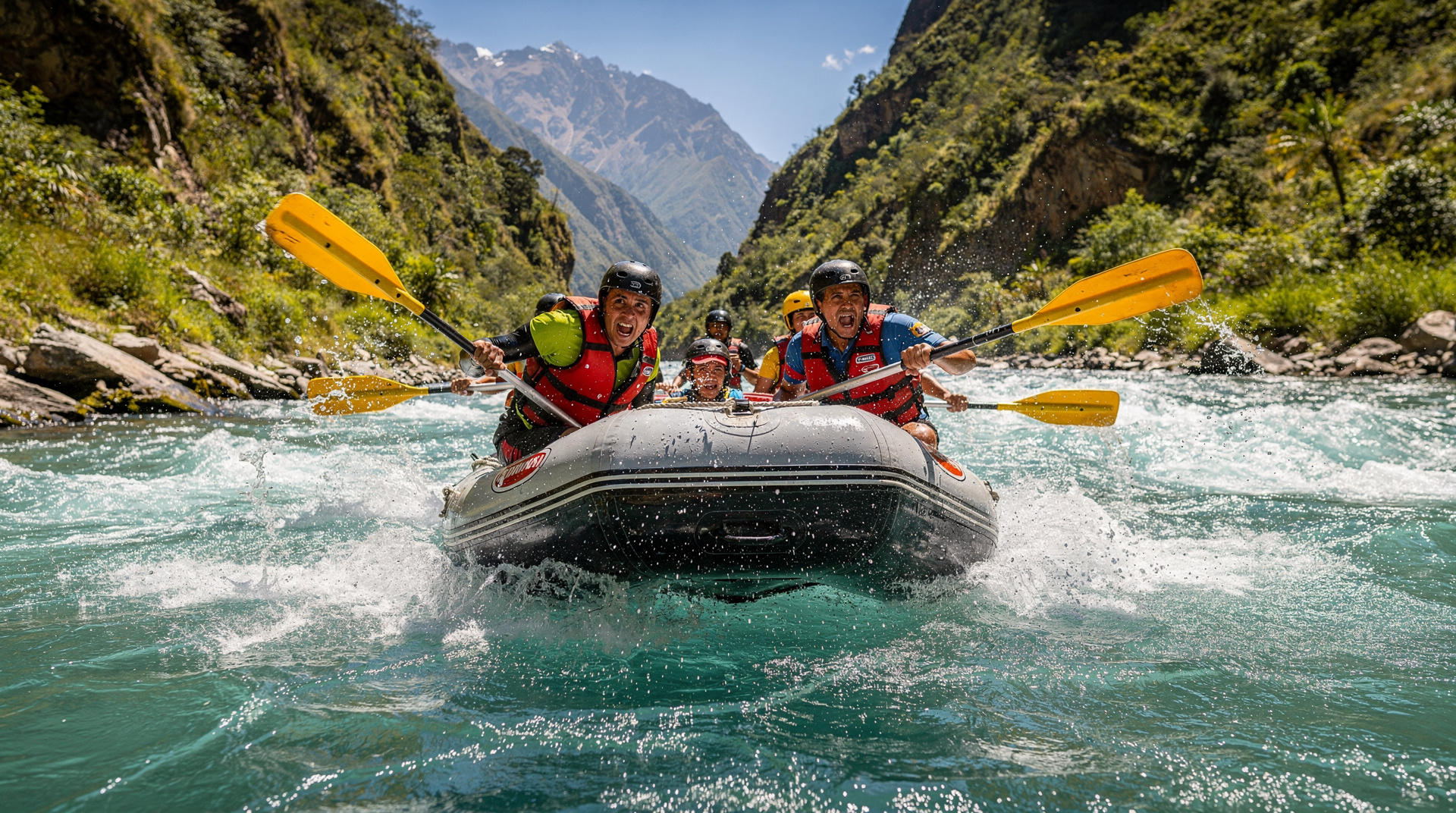
Because the physical demand on the rider is moderate, horseback riding pairs well with other Sacred Valley activities on the same trip without requiring a full recovery day in between. Visitors interested in a broader range of outdoor activity intensities can compare it against mountain biking (considerably higher physical effort, particularly at altitude) and rafting (different muscle groups, minimal altitude concern since river sections sit lower in the valley). For a full comparison of day-trip intensities across the region, the best day trips from Cusco guide is the place to start planning a balanced week.
Planning around your ride
A horseback outing is easiest to enjoy when the rest of the trip is planned around it. The best time to visit Cusco page explains how the seasons shape the whole trip, and the dry season guide and rainy season guide describe what the tracks and weather feel like in each. If your dates fall in wet months, keep the plan flexible so you can swap the ride to a clearer day.
Dress for changing conditions. The what to pack for Cusco list covers layers, sun protection and sensible footwear, all of which matter more on a horse than many visitors expect, since you sit still while the wind and sun do their work.
If altitude is your main worry, read the altitude sickness guide and the page on coca tea and altitude remedies before you book, so you know what symptoms to watch for and when to tell your guide.
Getting to the stables and choosing your base
For the Sacsayhuamán circuit, the Cusco taxi and money tips page helps you agree a fare and carry the right small change for tips. For valley rides, getting around the Sacred Valley explains the transport options if you want to reach a stable independently rather than join a minibus transfer.
Two valley towns make natural bases for a riding day. The Pisac market and ruins guide is useful if you plan to start or end your route near Pisac, while the Ollantaytambo village guide suits those finishing at the other end of the valley. If you would like to add another stop to the same day, the Maras and Moray day trip shows what is nearby.
Riding with family and choosing a trustworthy operator
Families will find more planning help in the Cusco with kids guide and the page on family-friendly day trips from Cusco, which help you judge whether a lead-rope ride suits your children’s patience and comfort in the saddle.
Whatever your group, choose the operator carefully. The guide to unlicensed tour agencies in Cusco explains why a registered business matters, and it pairs naturally with the welfare checks above: a company that treats its paperwork seriously is more likely to treat its animals seriously too.
Pairing a ride with a day of sightseeing
A ride covers the landscape, but not the stone itself. If you want the ruins explained properly, the simplest approach is to keep the saddle for one day and give another to a guided tour. Many visitors choose a full-day guided tour of the Sacred Valley by road for the main sites, then ride on a separate day when the pace can be slow. For a route that also takes in the terraces and salt pans, a small-group tour through Pisac, Maras, Moray and Ollantaytambo pairs well with a quieter riding day, since you will already know what you are looking at from the saddle.
The ruins you glimpse on the hillsides make more sense once you have read about them. The Pisac ruins guide and the Ollantaytambo ruins guide cover the two ends of the usual riding route, while the Moray agricultural terraces and the Maras salt mines guide explain the farming logic you see in the fields around you. The destination pages for Maras and Moray and for Urubamba help you picture where each stretch sits.
Back in the city, the Sacsayhuamán guide and the page on the Qorikancha temple are good companions to the circuit above the fortress, because the viewpoints look straight down on the places those pages describe. If you cannot decide where to sleep, Sacred Valley versus Cusco as a base and Cusco altitude versus the Sacred Valley weigh the trade-offs, and the second one is especially useful if you want to ride soon after arriving.
Other adventure options share the same valley: ziplining in the Sacred Valley and ATV and quad tours suit travellers who want something faster than a walking horse. Those travelling alone will find practical advice in the solo travel guide, and anyone watching costs should read Cusco on a budget before choosing between group and private rides. For general reassurance about conditions on the ground, the Peru travel safety guide is worth a quick read.