Mountain biking around Cusco — routes, rentals and honest advice
Cusco: Pisac, Maras, Moray, Ollantaytambo Small Group Tour
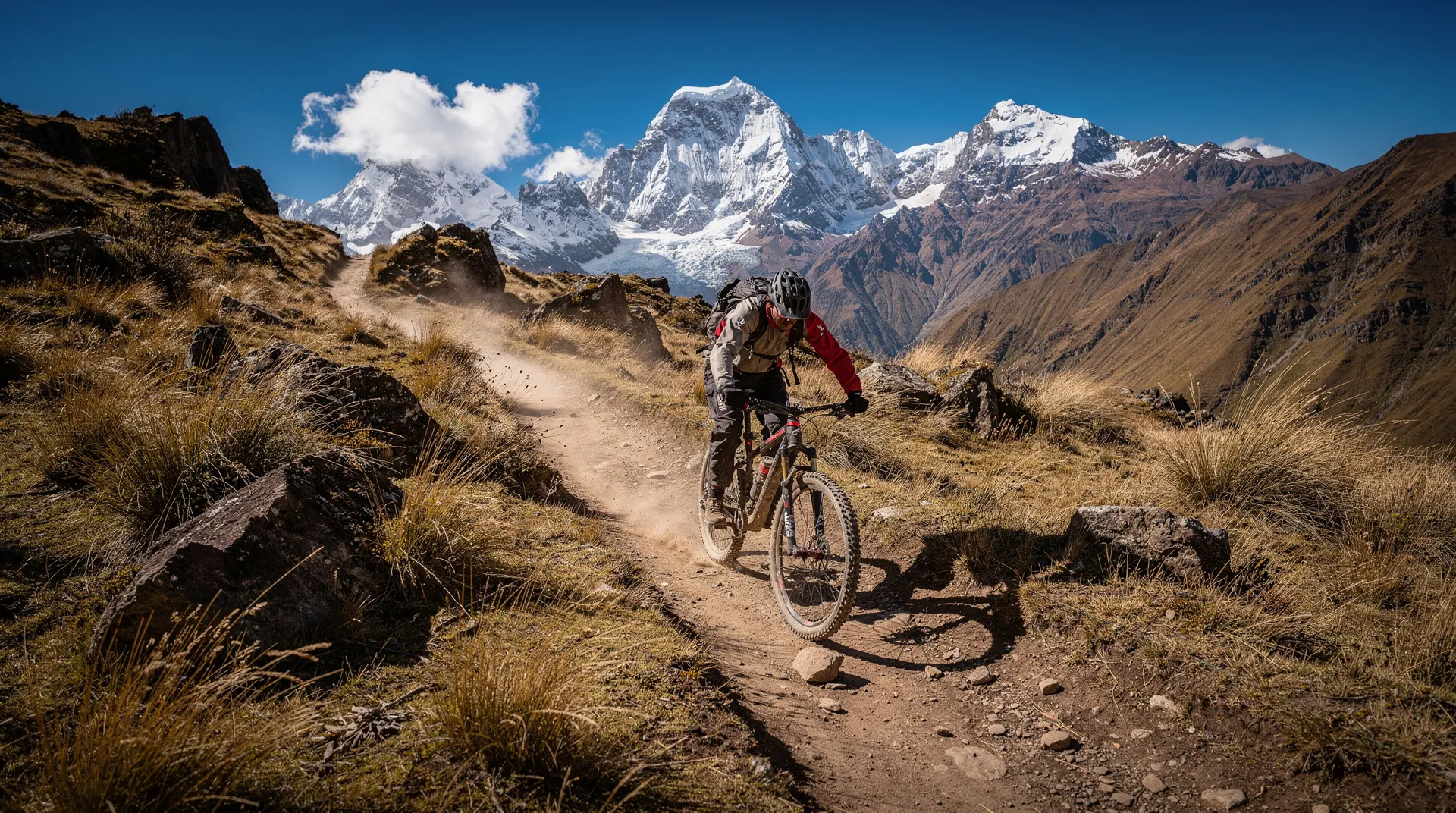
Is mountain biking good near Cusco?
Yes — the altitude and terrain combine to produce some spectacular riding. The most popular route is the Sacred Valley descent from above Chinchero or Maras down to Urubamba (predominantly downhill, 30–40 km, suitable for intermediate riders). More challenging routes include high-altitude singletrack above Cusco city and multi-day routes toward Machu Picchu via the Inca Jungle trek. Full-day guided tours cost approximately S/180–280 (~$55–85) per person including bike and transport.
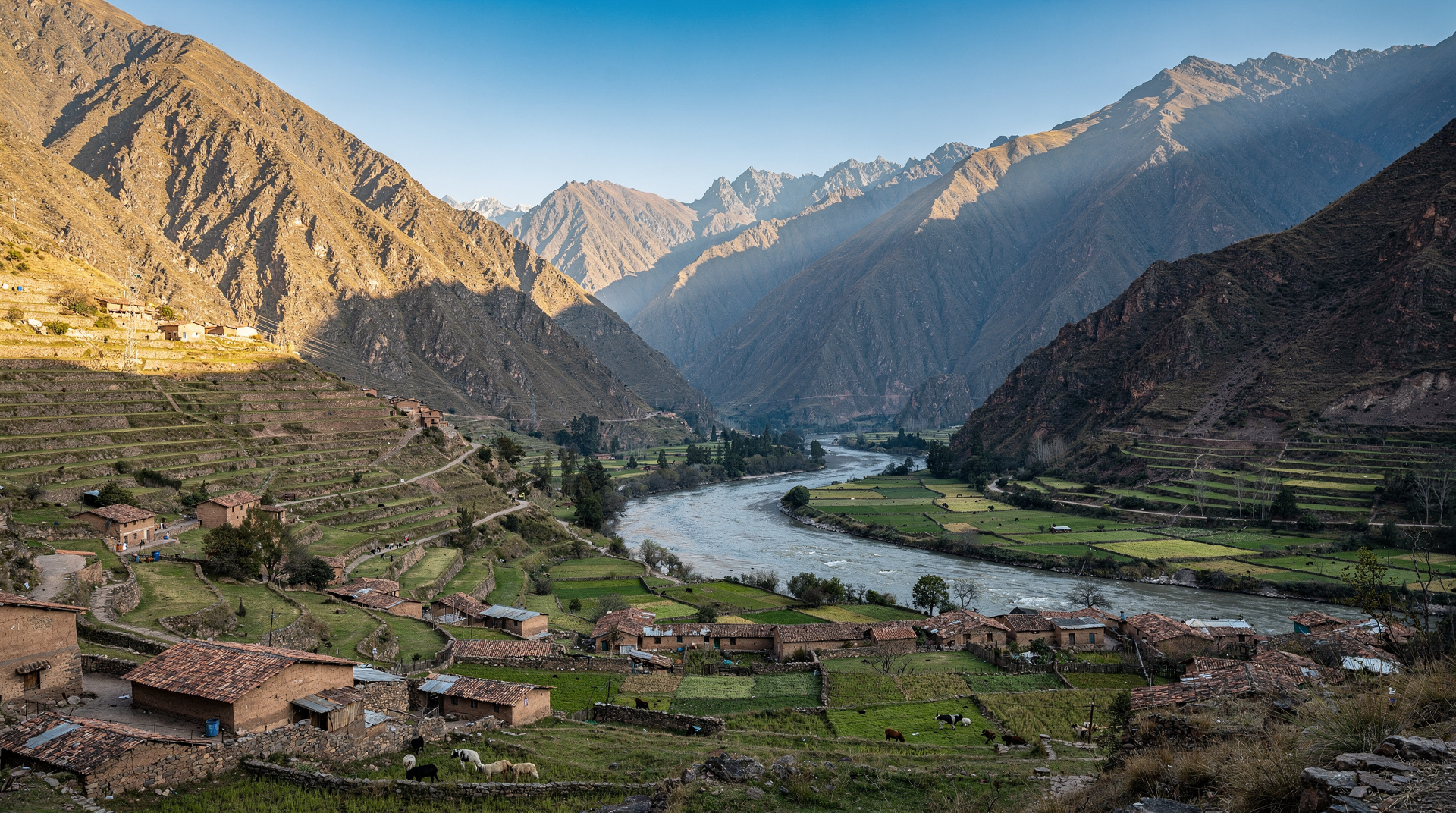
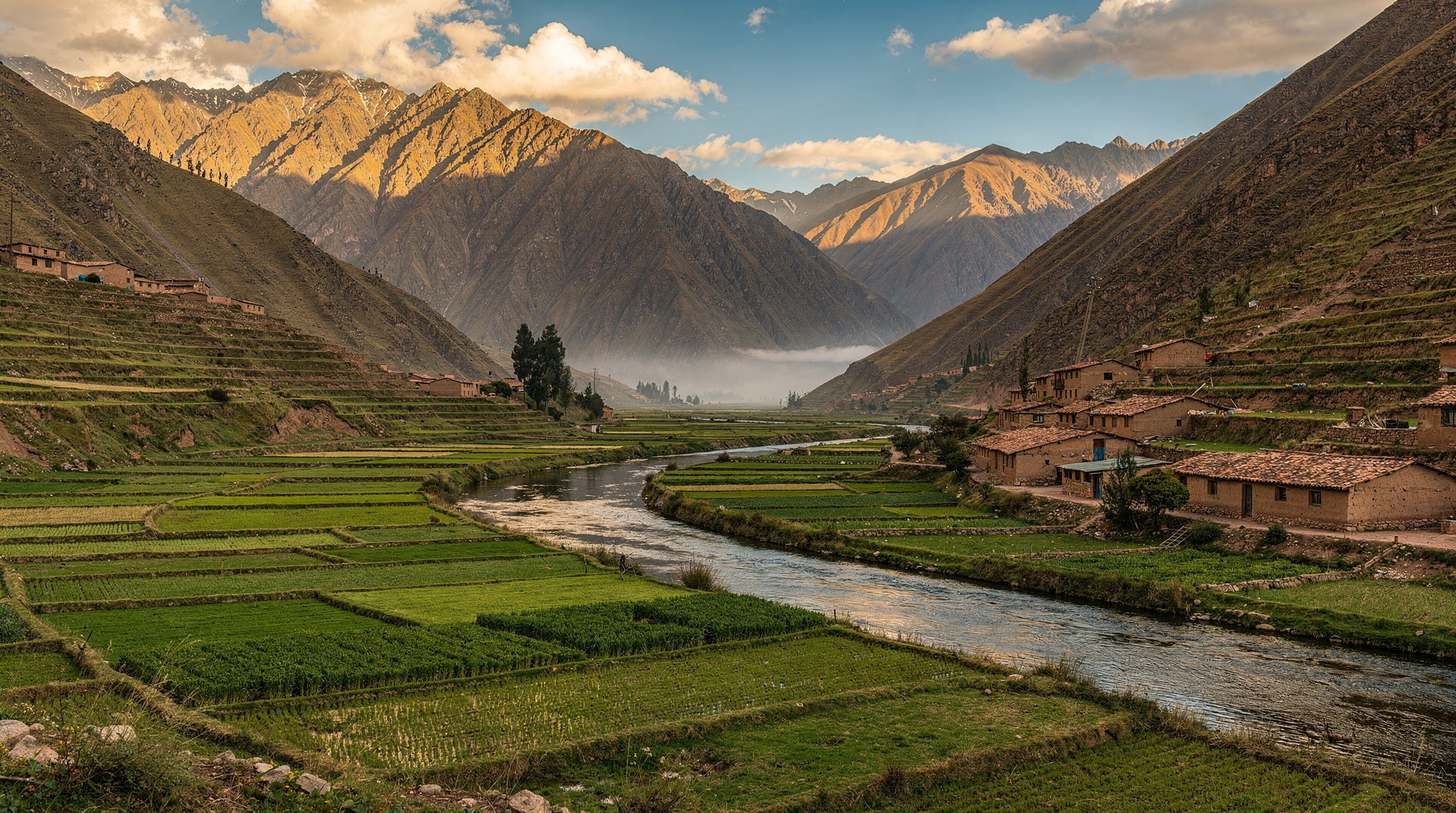
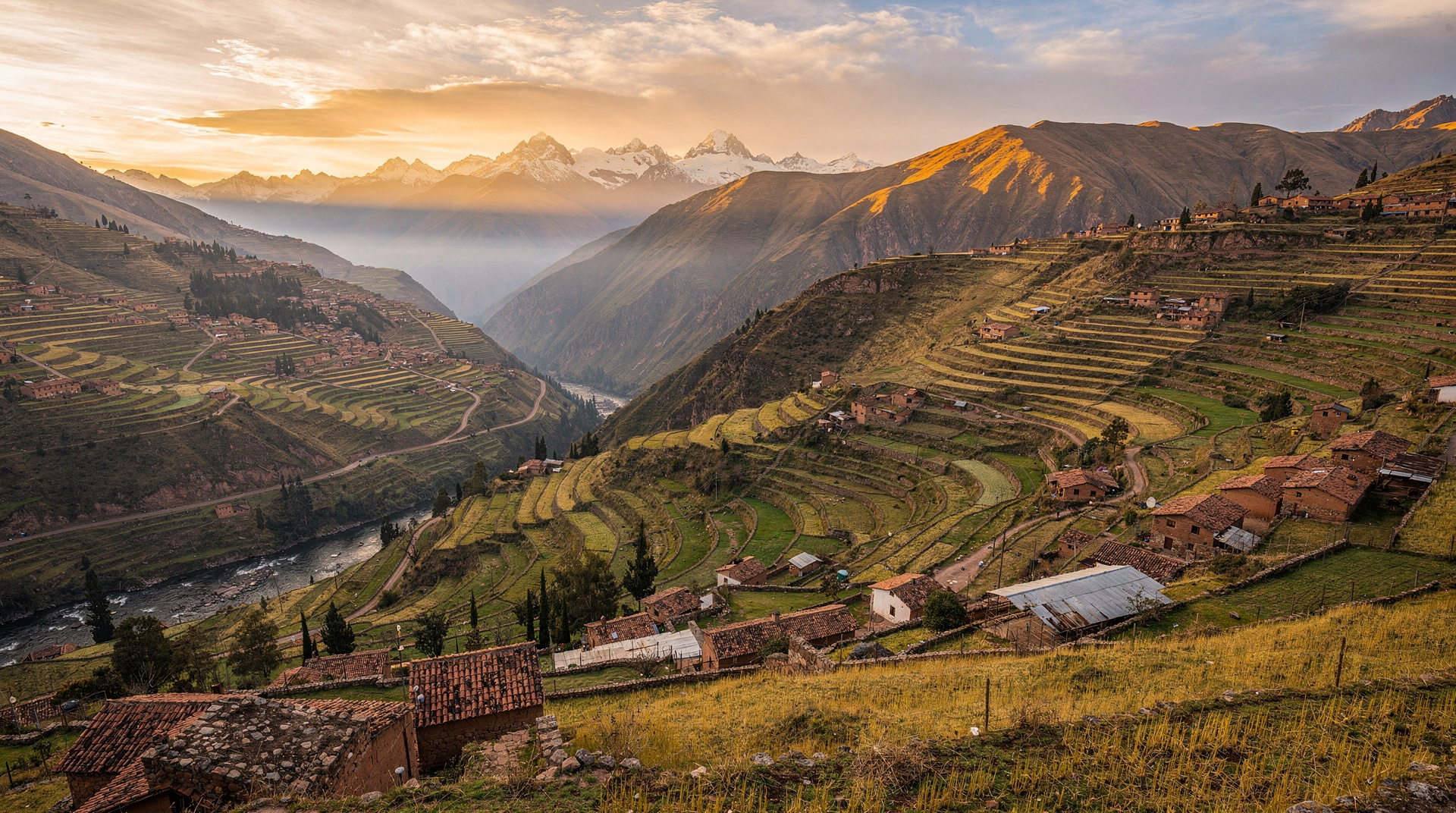
Mountain biking near Cusco: the landscape
| Best route | Sacred Valley descent, Chinchero/Maras to Urubamba |
| Cost | around S/180–280 ($55–85) guided, bike included |
| Best season | May–September (dry season) for stable tracks |
| Level | beginner-to-intermediate for the standard descent |
| When to go | day 3–4 of your Cusco stay, after acclimatising |
Cusco’s altitude and topography create an unusual mountain biking context: the city sits in a bowl at 3,400 m with mountains rising in every direction, and the Sacred Valley drops 400–600 m below over varied terrain across relatively short distances. The combination of altitude starts, long descents, and spectacular Andean scenery makes this a genuinely compelling destination for cyclists — and the routes are accessible enough that serious bike experience is not a prerequisite for the most popular options.
The altitude caveat applies here as it does to every outdoor activity near Cusco: at 3,400 m, your cardiovascular system is working harder than it would for equivalent effort at sea level. Climbing on a mountain bike at altitude — even a few hundred metres of elevation gain — is noticeably more demanding. Descending is less affected. This means that the most enjoyable routes for most visitors are the predominantly descent-focused ones: shuttled to the top, ridden down.
This guide covers the main options honestly — routes, difficulty, quality of rental equipment, costs, and the acclimatisation considerations that make the difference between a great day and an exhausting one.
The main routes
Sacred Valley descent (the most popular option)
The standard Sacred Valley mountain biking day trip follows a route that typically starts above Chinchero or near Maras at approximately 3,700–3,900 m, descending through agricultural terrain and small villages to the valley floor near Urubamba at around 2,900 m. Total descent: 600–900 m depending on start point. Total distance: 30–45 km.
The descent is a mix of unpaved gravel tracks, tamped-earth paths through farming communities, and some paved road sections. Technical difficulty on the standard route is moderate — loose gravel on some switchbacks, ruts from cattle and rainfall, occasional short steep sections. The challenge for most riders is the sustained elevation and the high-altitude start, not the technical bike handling.
Views throughout the descent encompass the Sacred Valley below, the Andean snowfields on clear days, and the patchwork of Inca and colonial agricultural terracing that gives the valley its character. It is genuinely one of the most scenic bike rides in South America.
Best time: May–September (dry season) for stable tracks. October and November are wet enough to make clay sections treacherous. December–March involves regular mud.
Who this suits: confident beginner to intermediate cyclists. Anyone comfortable on a bike for 3–4 hours with basic ability to navigate loose gravel is fine on the standard descent route.
High-altitude singletrack above Cusco
Specialists and more experienced riders can access singletrack routes on the hillsides directly above Cusco at 3,400–4,200 m. These routes involve genuine mountain biking terrain — switchbacks, rooted paths, loose scree sections, and exposure — and require solid technical skill.
The Sacsayhuamán area directly above Cusco is the easiest entry point: trails run from the fortress area down through eucalyptus forest to the city in sections of 10–20 minutes. A longer loop above Sacsayhuamán climbs to 4,200 m before returning.
These routes are best explored with a local guide who knows the current trail condition — paths change with seasonal use and rainfall, and getting lost above 4,000 m in cloud is a real possibility for unfamiliar visitors.
The Inca Jungle trek biking section
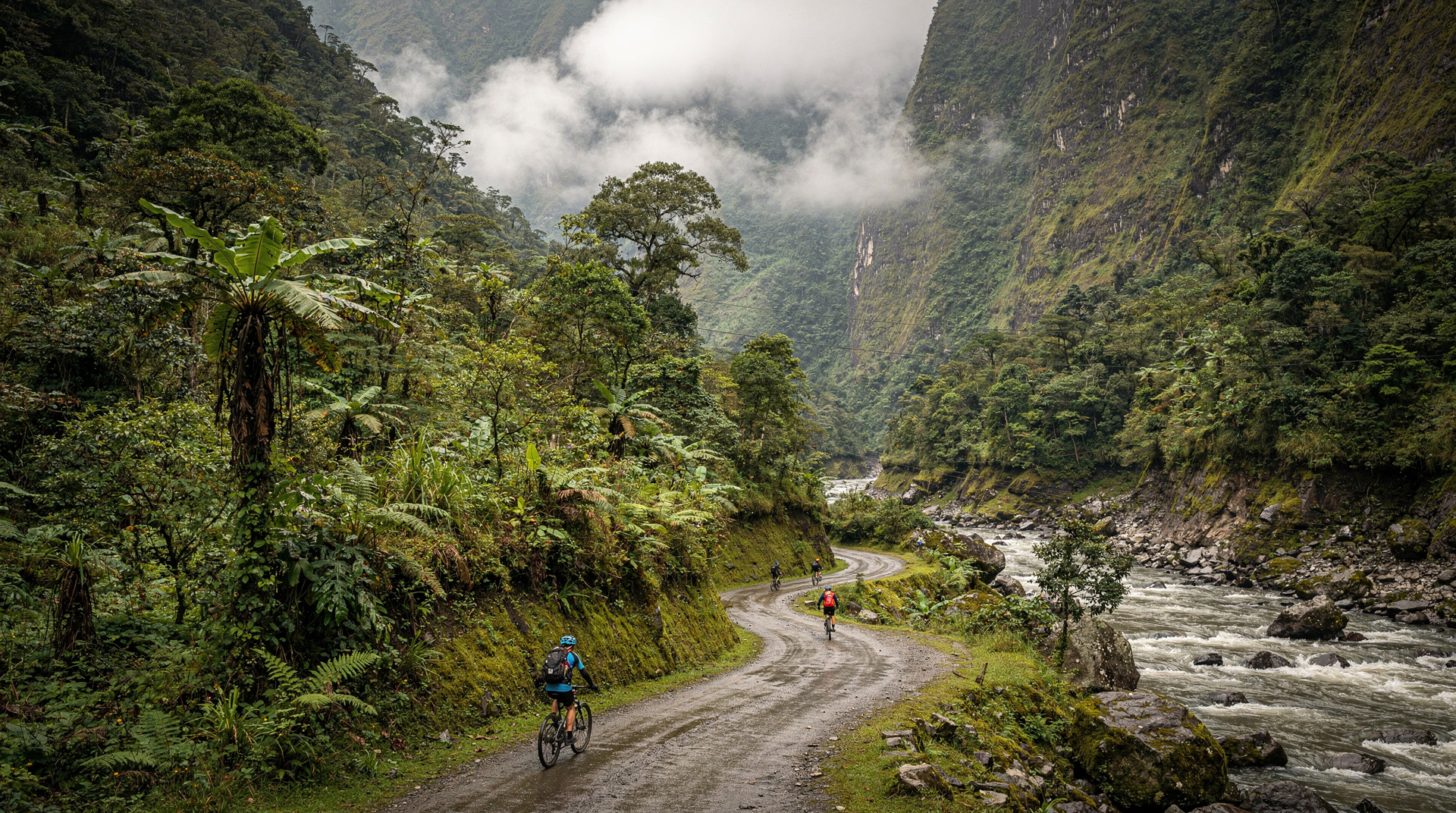
The Inca Jungle trek (4 days, ending at Machu Picchu) includes a celebrated downhill biking section as day one: the route starts at Abra Málaga pass at 4,316 m and descends approximately 40 km through cloud forest to the lowland town of Santa Maria. It is 90% downhill, covering a massive elevation range (4,316 m to 1,500 m), through cloud forest ecosystems that shift from high puna grassland to subtropical jungle.
This section is not technically demanding by mountain biking standards — the road is mostly paved and descends cleanly. Its appeal is the combination of altitude start, the extraordinary ecological transition as you descend, and the visual drama of descending from snowfields to jungle in a single day.
The biking section is typically ridden on hybrid or mountain bikes provided by the trek operator. The inca jungle trek guide covers the full 4-day itinerary.
Rental bike quality: what to look for
The quality difference between Cusco’s bike rental operations is significant. Before accepting any rental bike:
Brakes: Squeeze each brake firmly. The lever should firm up well before it touches the handlebar. Soft or spongy brakes (particularly common on hydraulic systems that have lost fluid, or mechanical systems with slack cables) are genuinely dangerous on steep descents. Ask for brake adjustment or a different bike if brakes feel wrong.
Suspension: On a full-suspension bike, compress the front fork firmly with the front brake applied. It should spring back smoothly and completely. Rear shock: sit on the bike and bounce — it should absorb and rebound cleanly. A fork or shock that doesn’t rebound is either bottomed out or has failed seals and needs service.
Gearing: Check all gears actually engage. On a 1× drivetrain, check you can reach the largest and smallest sprockets without chain skip. On a 2× or 3×, check the front derailleurs shift cleanly. Gear problems become serious when climbing at altitude.
Tyres: Check pressure by squeezing. Mountain bike tyres at correct pressure should not deform significantly under firm thumb pressure. Soft tyres increase rolling resistance and compromise cornering grip.
Helmet fit: The helmet should sit level on your head, 1–2 finger widths above your eyebrows, and not move when you shake your head. A helmet that slides backward or pivots is improperly fitted.
Reputable Cusco operators (there are several established companies running guided bike tours) provide Trek, Giant, or Specialised bikes from the past 3–5 years. Budget operations often have bikes from earlier generations with cable disc brakes and basic suspension. Both can work for the descent routes if maintained — the key is that they are actually maintained.
Costs in 2026
- Guided Sacred Valley descent day trip (bike included): approximately S/180–250 (~$55–75) per person
- High-altitude singletrack guided tour: approximately S/200–280 (~$60–85) per person
- Standalone bike rental (half day, self-guided in Cusco area): approximately S/80–150 depending on bike quality
- Inca Jungle trek biking section (day 1 of 4-day package): included in trek price (~$250–400 for full trek)
For guided day trips, transport from Cusco and the shuttle to the descent start point should be included. Lunch is often included for full-day tours. Verify exactly what the quoted price covers before booking.
Altitude preparation
Do not plan a mountain bike day for your first full day in Cusco. The cardiovascular demand — even on a predominantly downhill route — is notably higher at 3,400–3,900 m than at sea level, and the altitude start for most Sacred Valley routes requires the body to work harder from the first pedal stroke.
Practical recommendation: plan your mountain biking for day 3 or 4 of your Cusco stay. By this point, most visitors have largely acclimatised and can maintain a pace that lets them enjoy the ride rather than focusing entirely on breathing.
The cusco acclimatization plan gives the full acclimatisation sequence. The sacred valley vs cusco base guide is relevant if you are considering basing yourself in the valley and biking from there — the lower altitude (2,800–3,000 m) provides noticeably easier riding conditions.
Combining biking with other activities
Mountain biking from Cusco or the Sacred Valley pairs well with:
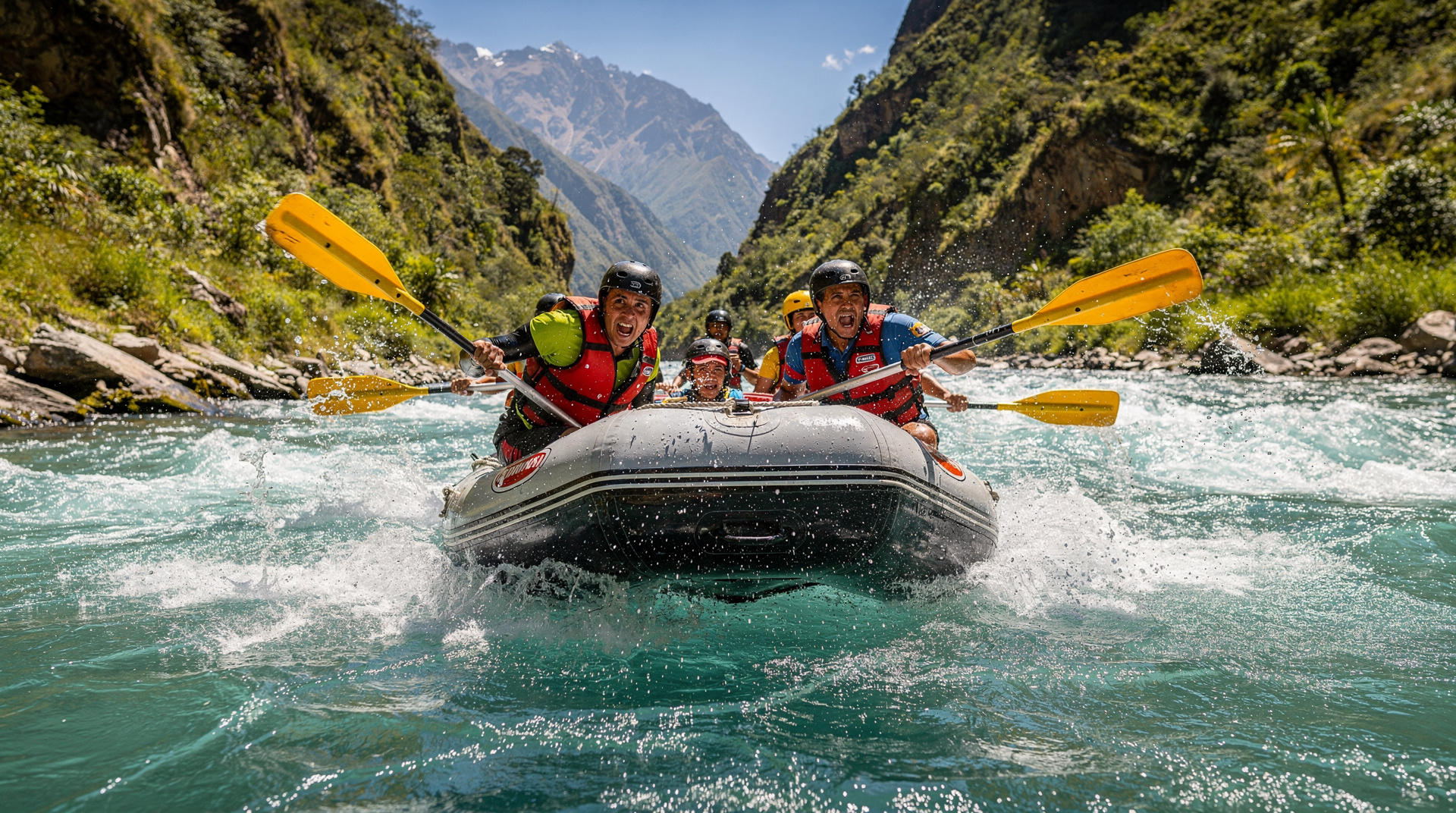
White-water rafting on the Urubamba: A half-day biking descent to the valley followed by an afternoon rafting session is a common combination package. The takeout point for Urubamba rafting near Pisac and the endpoint of Sacred Valley bike routes both arrive near the valley floor within 30–45 minutes of each other.
Ollantaytambo visit: The bike descent can end in Ollantaytambo rather than Urubamba, giving you the afternoon in one of the Sacred Valley’s most rewarding towns — the Ollantaytambo guide explains why staying here rather than returning immediately to Cusco is usually the better plan.
The rafting guide and ziplining guide cover the other adventure activities that combine well in a Sacred Valley active day.
Honest expectations for non-cyclists
Many Sacred Valley descent riders are not regular cyclists. They are travellers who last rode a bike several years ago or whose usual cycling is commuter riding rather than off-road terrain. This is fine for the standard descent route — but managing expectations matters.
The unpaved sections of the Sacred Valley descent include loose gravel switchbacks where braking hard can cause a rear wheel slide. The correct technique is to brake smoothly before corners rather than during them, sit back in the saddle on steep descents to lower the centre of gravity, and not clench the handlebars — relaxed hands absorb vibration better and respond to the trail faster. None of this is difficult; it just helps to hear it before you encounter a loose-gravel hairpin for the first time.
Guides on reputable Sacred Valley tours run briefings that cover these points before you set off. A guide who skips the pre-ride briefing entirely is not setting up the group for a good experience. If no briefing is offered, ask for one.
The best season for different rider profiles
Beginner cyclists: Dry season (May–September). Stable tracks, predictable conditions, better grip on the switchbacks. The reduced physical demand (no fighting through mud) leaves more capacity for enjoying the scenery.
Experienced mountain bikers: The rainy season technically offers more challenging riding conditions — loose mud on the switchbacks, river crossings with higher water, more dynamic terrain. Some experienced riders prefer this. But visibility and photographic conditions are significantly worse.
Families with older children (12+): May–September, morning departures. The Chinchero or Maras starts are more scenic than the standard route and slightly less technically demanding on the first sections.
Protecting your camera and valuables
The dusty, vibrating ride on unpaved Andean tracks is hard on electronics. Use a hydration pack or a proper bike pack rather than a daypack — backpacks shift around on rough terrain and can affect balance. Put your phone in a ziplock bag inside the pack as a dust precaution; Peruvian high-altitude dust is fine and gets everywhere. Camera lenses and dust are a persistent problem on the Cusco downhill routes.
The what to pack for cusco guide covers general luggage considerations for the region.
Choosing an operator: what separates good from mediocre
Cusco has dozens of agencies advertising mountain biking, and quality varies more here than for most Cusco activities because equipment condition is central to safety on descent routes. Ask specifically about bike model and age (anything more than 5–6 years old with heavy daily rental use is a warning sign), whether a mechanic accompanies the group (essential for anything beyond the standard Sacred Valley descent), and group size (more than 10–12 riders per guide makes individual attention and safety checks difficult on technical sections).
Reviews that specifically mention brake quality and guide competence are more useful than generic five-star ratings. A reputable operator will let you test-ride the bike in the car park before departing — take the offer if it is made, and ask for one if it isn’t.
Injuries and what happens if something goes wrong
Falls on the loose-gravel sections of the Sacred Valley descent are the most common minor injury — scrapes and bruises rather than anything serious, provided speeds are kept reasonable on the switchbacks. Reputable tour operators carry a basic first-aid kit and have a support vehicle following the group that can collect an injured rider without ending the trip for everyone else. Confirm before booking that your operator has both. Travel insurance that explicitly covers “adventure activities” or “mountain biking” is worth checking for — some standard travel policies exclude off-road cycling as an named activity, which matters if a fall requires medical evaluation in Cusco or evacuation.
Fitting a bike day into a wider Cusco plan
A bike day works best as a counterweight to the sightseeing days around it. Ruins, museums and markets are mostly slow, upright activities; a descent through the valley is the day you spend moving fast with the wind on your face. If you are building a first trip, the how many days in Cusco guide and the Cusco trip planning guide show where an active day can sit without crowding out the headline sights. The 3-day short itinerary is tight on time, while the Cusco and Sacred Valley itinerary with Machu Picchu leaves room for a ride once you have acclimatised.
Sequence matters. Many travellers put the bike day before the long trek or Machu Picchu day, so legs and lungs are fresh for the biggest effort. Others save it for after, as a lighter reward. Either works; what does not work is stacking it directly after a hard high-altitude outing. The Rainbow Mountain complete guide and the altitude sickness guide are useful reminders of how much a big day at altitude can take out of you.
Other ways to see the same landscapes
Not everyone in a group wants to ride. If some travellers prefer a gentler pace, the same valley can be seen on foot, on horseback or by road. The horseback riding guide covers a slower way through the hills, and the ATV and quad tours guide offers a motorised alternative over similar terrain. The Sacred Valley day trip guide and the getting around the Sacred Valley guide help split a mixed group so riders and non-riders can meet at the end of the day in the valley.
For a quiet recovery afterwards, a stop at Pisac or a slow afternoon in Ollantaytambo suits tired legs well. Readers who like first-hand accounts will enjoy the Sacred Valley slow travel diary, which shows how unhurried time in the valley feels once the adrenaline has faded.
Booking a guided ride
Because equipment condition and guide quality matter so much, it is worth booking a guided descent through a platform that shows operator reviews and lets you read what the day includes before you commit. Compare what each listing says about the bike, the support vehicle and group size, and read recent reviews rather than relying on the headline rating. If you are unsure how to spot a poor agency, the unlicensed tour agencies guide explains what to watch for, and the Cusco tourist traps guide covers other pitfalls on the same theme.
When the group is not all riders
If one person in your party would rather not cycle, a classic Sacred Valley small-group tour covering Pisac, Maras, Moray and Ollantaytambo is an easy way to share the same scenery from a vehicle: a small-group day through Pisac, Maras, Moray and Ollantaytambo lets non-riders see the sites while the cyclists enjoy the descent, and everyone can meet in the valley that evening. Those who want a full overview of the valley in one go may prefer a full-day Sacred Valley tour from Cusco.
For travellers who like the idea of an off-road day but want an engine rather than pedals, a Rainbow Mountain and Red Valley outing on quad bikes is a different kind of adventure. The Red Valley guide and the Rainbow Mountain destination page explain what to expect from that landscape.
Reading the valley before you ride
A little background makes the descent richer. The terraces you pass are part of a long agricultural tradition, and the Moray Inca agricultural terraces guide and the Maras salt mines guide explain two of the best-known sites near the usual start points. If you want to understand who built them, the Inca empire guide for travellers gives the wider story. Anyone planning a bigger loop around the region can compare options in the best day trips from Cusco and the Cusco archaeological sites guide, then check the best time to visit Cusco before fixing dates.