Ziplining in the Sacred Valley — what to expect
Cusco: Pisac, Maras, Moray, Ollantaytambo Small Group Tour
Is ziplining in the Sacred Valley worth it?
Yes, if you choose the right course. The best-established zipline operations near Ollantaytambo and Urubamba offer cable runs of 250–600 m over the valley floor at heights of 100–400 m, with the Inca fortress and Andean peaks as the backdrop. Most courses take 2–3 hours total. Prices run approximately S/120–200 (~$35–60) per person. Altitude (2,800–3,200 m) makes the experience more breathtaking than you'd expect — literally and figuratively.
Ziplining in the Sacred Valley: the honest picture
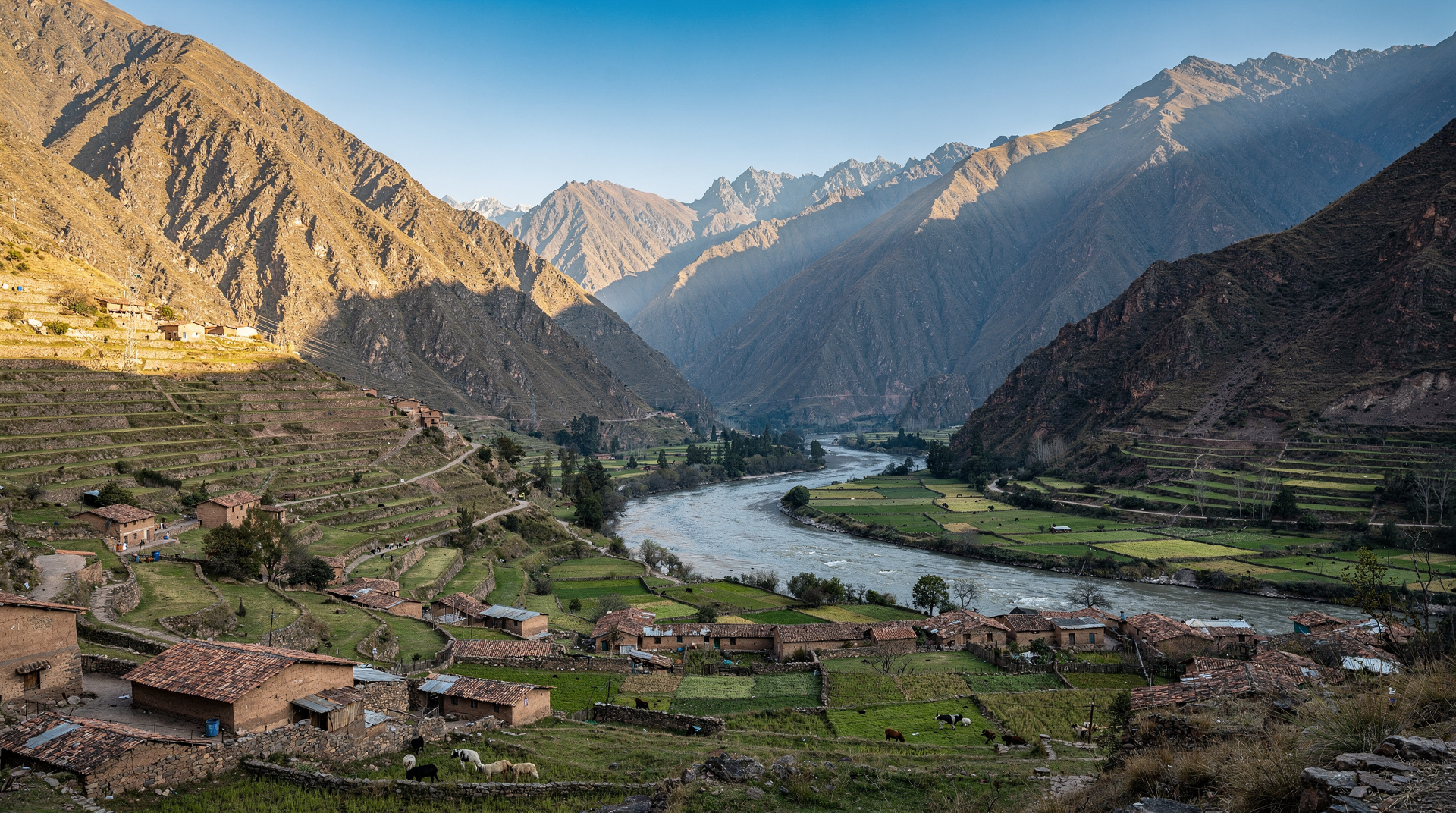
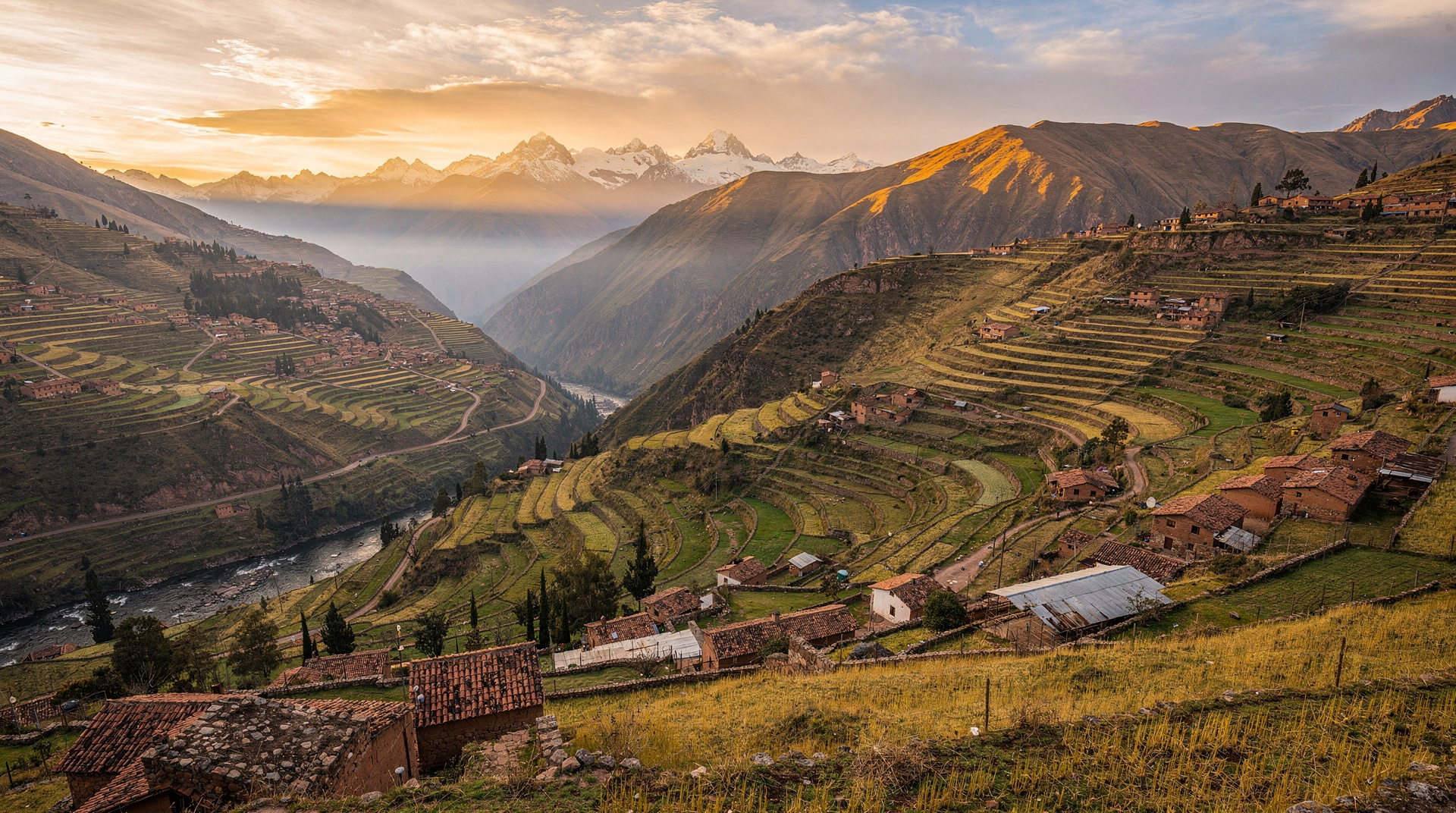
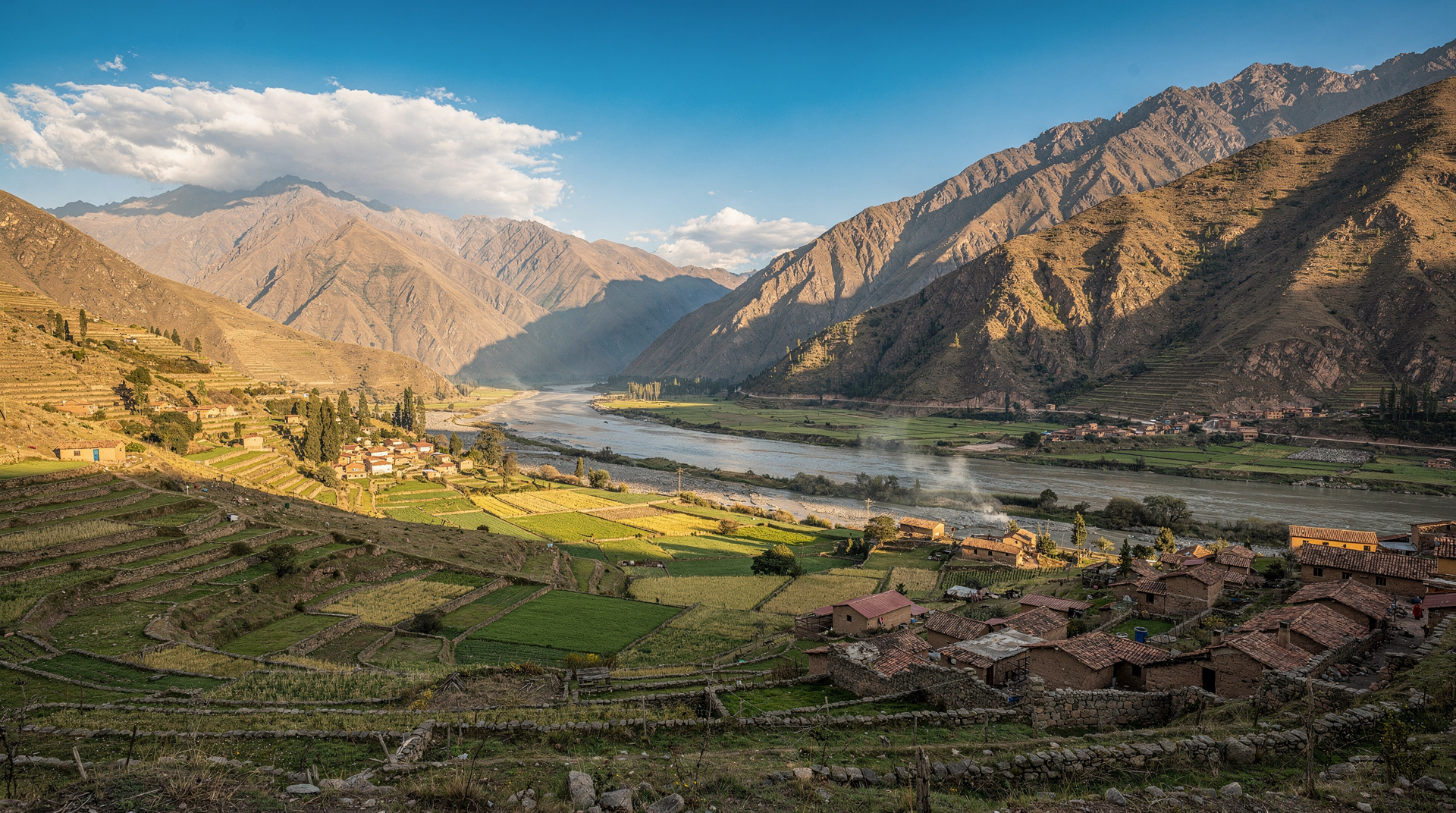
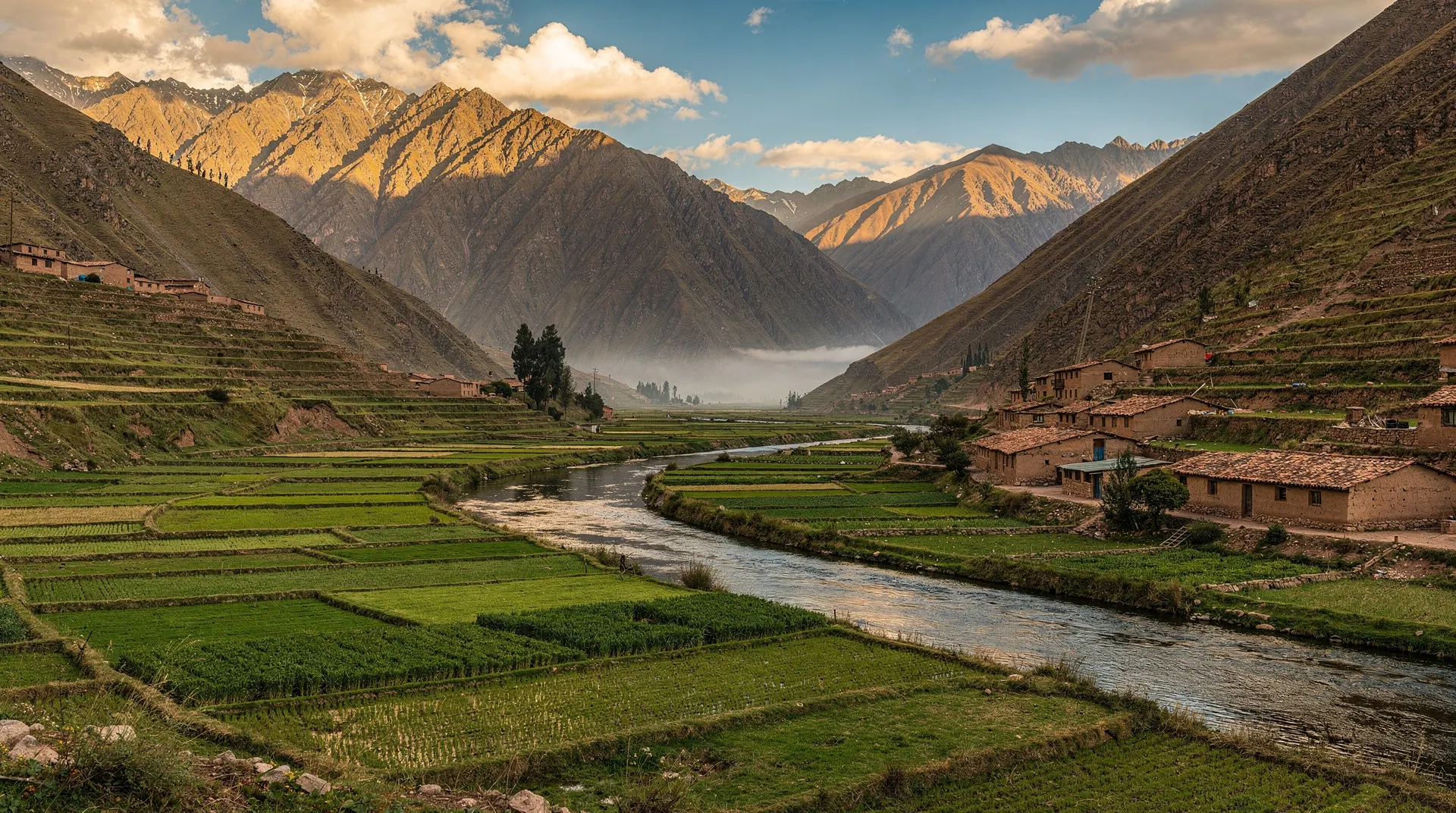
Ziplining in the Sacred Valley is not the adrenaline-focused, high-volume commercial experience you find at resort destinations. The courses that operate near Ollantaytambo and Urubamba are smaller operations, set up primarily to show you the valley from above — 100–400 m above the valley floor, moving at 60–90 km/h on cables that cross the river, the Inca terracing, and the agricultural patchwork that has covered this valley for 500 years.
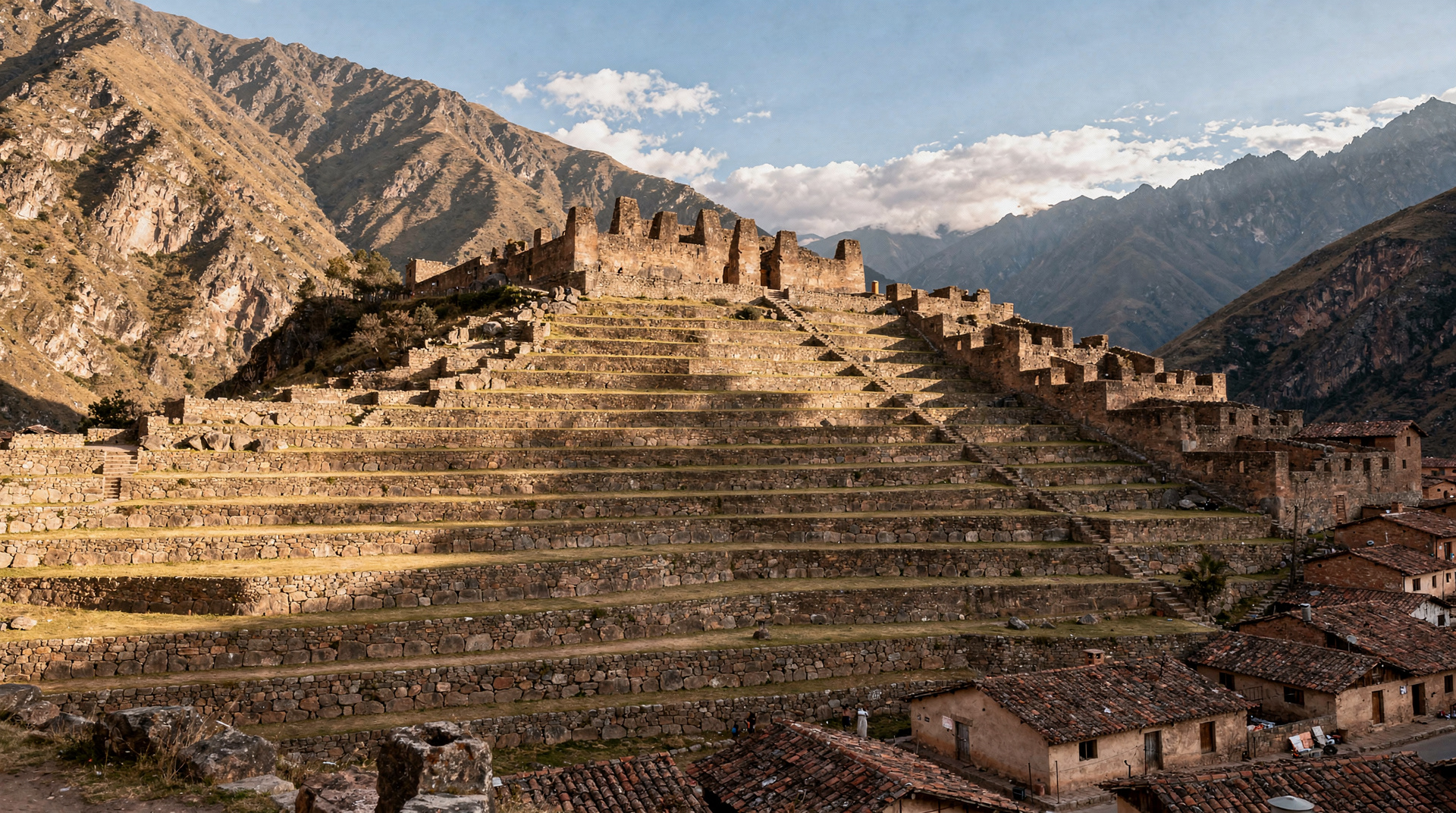
What makes Sacred Valley ziplining distinctive is the setting. There is no comparable context for flying above an active Inca archaeological site with the snow-capped Andes framing the valley. The Ollantaytambo courses in particular position you above the fortress with the town and river visible simultaneously — it is genuinely one of the more spectacular vantage points in the region.
The honest caveats: the courses are not the longest or fastest in Peru (you will find longer cables in the coastal desert near Ica or in the Amazon region). The altitude means the cold at speed is sharper than expected. And the quality of operations varies — this guide will help you identify the reputable ones.
| Where | Ollantaytambo (best) or Urubamba/Huaran area |
| Cost | Around S/120–200 per person, 2–3 hours |
| Altitude | 2,800–3,500 m depending on launch platform |
| Bring | Windproof layer, gloves, secure phone/camera case |
| Check first | Locking carabiner, braking system, staff training |
What to expect from the main courses
Ollantaytambo area
The Ollantaytambo courses are the most visited and the most scenic. Multiple operators run from launch platforms above the town, with cable runs typically ranging from 250 to 500 m and heights of 100–300 m above the valley floor. Some courses include 3–5 separate cable runs; others offer a single long run.
The view from the launch platform — looking down at the Ollantaytambo fortress, the grid of Inca-era streets, the river bend, and the valley stretching toward Cusco — is worth the drive from Cusco even before you launch. The actual zip gives you 20–40 seconds of this view from a position 200+ m in the air.
Getting to the Ollantaytambo courses: most operators arrange transport from Cusco (1.5 hours) or from Ollantaytambo town itself (15 minutes by taxi to the platform access point). Some visitors combine the zipline with an overnight stay in Ollantaytambo — the town is a beautiful base for the Sacred Valley and is worth staying in rather than just passing through.
Urubamba/Huaran area
The courses near Urubamba operate in a slightly different part of the valley — lower elevation (approximately 2,800 m), wider valley floor, more agricultural scenery. Some of these courses have longer total cable lengths but lower individual run heights. They appeal to visitors who are primarily interested in longer time on the cables rather than the most dramatic single viewpoint.
Urubamba is easier to reach on day-trip routes that also include Maras, Moray, or the Pisac market — the zipline fits naturally into a Sacred Valley full-day itinerary.
Pisac area
Shorter cable runs near Pisac town exist and cater primarily to visitors on short day trips who want a quick adventure activity before or after the market. These are typically lower-specification than the Ollantaytambo options — appropriate for a first-time taste but not for visitors specifically seeking the scenic impact.
Safety: what to check before you launch
As with all adventure activities in Peru, the absence of national certification standards means operator quality varies significantly. Specific checks for zipline operations:
Harness and equipment condition. The harness is the most critical item. Check that all buckles click positively and hold when tugged, that the webbing shows no fraying or significant wear, and that the carabiner connecting you to the trolley is a locking type (not a simple snap-clip). A locking carabiner requires a deliberate twist-and-turn to open — it cannot open accidentally. If your connection to the cable uses a non-locking clip, that is a serious concern.
Braking system. Ask how the line is braked. Glove-friction braking (the guide holds a gloved hand against the cable to slow you) works but requires guide skill. Mechanical trolley-mounted brakes are more consistent and preferred. Ask to see the braking system before you commit.
Staff training. Zipline operations should have at least one person trained in high-ropes rescue at each platform — the ability to reach and assist a rider stuck mid-cable. Ask whether staff have completed a high-ropes or zipline operator course.
Rescue protocol. If a rider stops mid-cable, how is the rescue performed? A reputable operator has a clear verbal answer. “Someone goes up to get them” is not sufficient without detail on how.
Insurance. Ask specifically whether the operator carries liability insurance covering injuries during the tour. For any adventure activity in Peru, this is the protection gap that unlicensed operators routinely leave uncovered.
Costs and pricing expectations
Sacred Valley zipline tours in 2026:
- Standalone zipline course (2–3 hours, 3–5 cable runs): approximately S/120–200 (~$35–60) per person
- Combined zipline + lunch package: approximately S/180–250 (~$55–75)
- Adventure combo (zipline + rafting or zipline + biking): approximately S/280–380 (~$85–115)
Half-day tours from Cusco to Ollantaytambo for the zipline only run approximately S/160–220 including transport. Full-day Sacred Valley tours that include zipline, ruins, and lunch can be found for S/220–300.
Price sanity check: a zipline operation with proper equipment, trained staff, insurance, and transport should not be available for S/60. Prices that low almost always indicate equipment that hasn’t been inspected recently or staff without formal training.
Altitude and physical considerations
The Sacred Valley ziplines operate between 2,800 and 3,500 m depending on launch platform elevation. This altitude range is generally well-tolerated by visitors who have spent at least one night in Cusco (3,400 m). The physical demand of ziplining is low — you are essentially hanging in a harness — but the altitude increases heart rate at rest and makes the cold at speed more biting.
Practical preparation: wear layers. The valley floor can be warm in sunshine but the temperature at launch platform elevation and at speed (wind chill) drops noticeably. A windproof jacket worn over your regular clothes, plus gloves, makes the experience significantly more comfortable. Operators typically do not provide extra clothing.
The cusco acclimatization plan covers the broader altitude preparation. For visitors combining Sacred Valley ziplining with other adventure activities in the region, the Sacred Valley complete guide helps structure the day.
Combining activities in the Sacred Valley
The zipline works exceptionally well as a 2–3 hour addition to other Sacred Valley activities:
Zipline + Ollantaytambo ruins: After the cable runs above the town, spend 2 hours exploring the Ollantaytambo fortress on foot — one of the most impressive Inca military complexes in Peru. Same location, afternoon is ideal for the ruins (morning light is on the terraces from 8–10 am; the fortress gets warm afternoon sun).
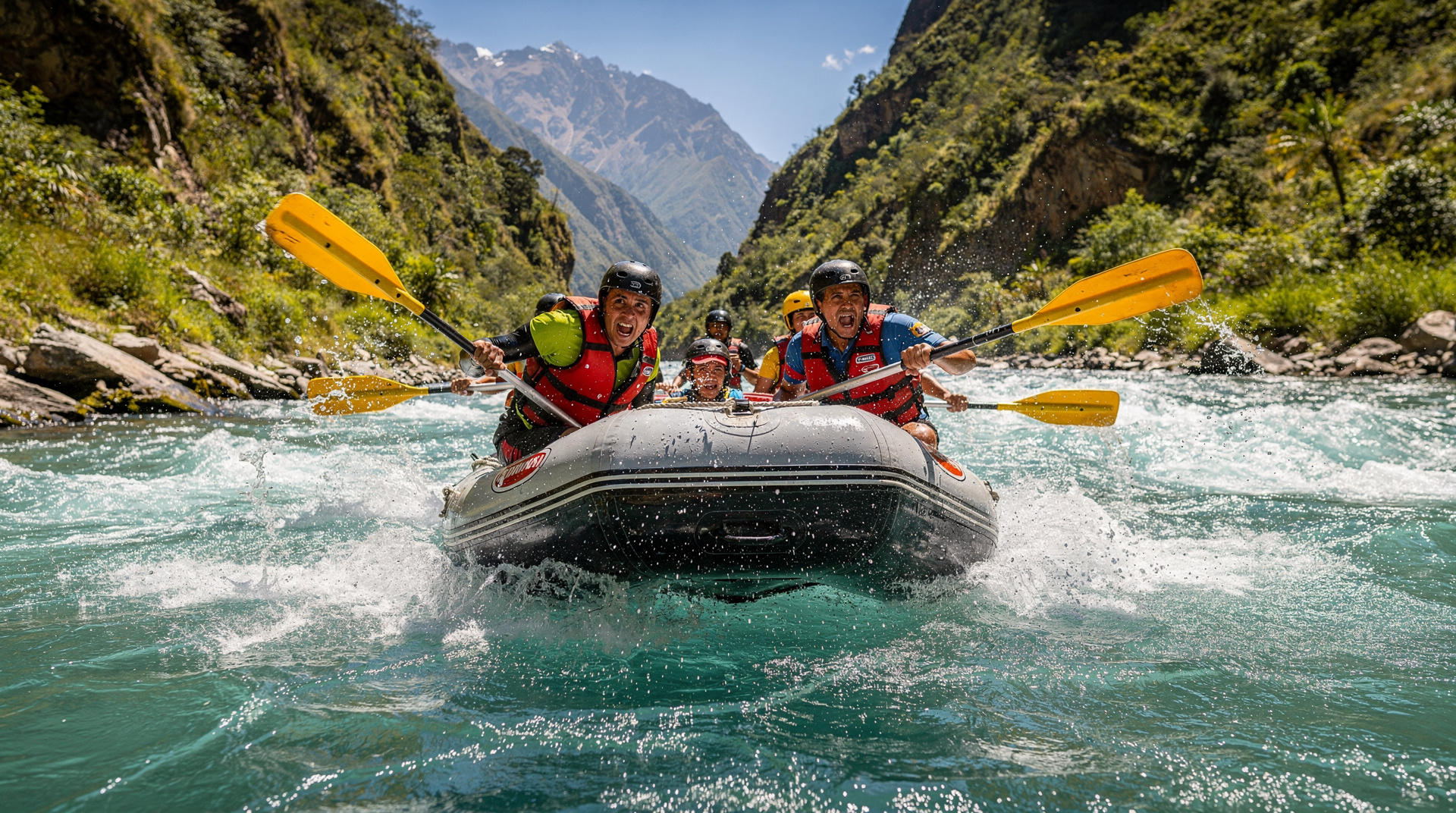
Zipline + rafting: The Urubamba rafting departure point at Huambutio is 45 minutes by car from the Ollantaytambo ziplines. A half-day zipline in the morning and an afternoon rafting session makes for a full adventure day with genuine contrast.
Zipline + Sacred Valley tour: Most operators running full Sacred Valley day tours (Pisac, Maras, Moray, Ollantaytambo) can add ziplining as a module. It typically extends the day by 2–3 hours but fits naturally at the Ollantaytambo stop.
The rafting guide and mountain biking guide cover the other main Sacred Valley adventure activities that combine well with ziplining.
What to know about the Ollantaytambo zipline specifically
Because the Ollantaytambo-area courses are the most recommended in this guide, some additional practical detail is useful.
Getting to the platform: The launch platforms above Ollantaytambo require a short ride by taxi or mototaxi from the town centre, followed in most cases by a 10–15 minute walk up a steep path to the platform level. Arrive at the operator’s base with at least 20 minutes before your scheduled slot. The walk up already starts at approximately 2,800 m and can be surprisingly tiring for visitors who have not fully acclimatised.
Photography: Most zipline platforms have exceptional views that are worth photographing before and after your run. Bring a compact camera or a phone with a secure case that can be pocketed mid-flight. Action cameras mounted to helmets are allowed by most operators but confirm this at briefing — some courses have restrictions at narrower cable sections.
Weather cancellations: Afternoon thunderstorms in the Sacred Valley during the rainy season (October–April) frequently cause cancellations of afternoon zipline slots. If you’ve booked an afternoon slot and see storm clouds building over the valley, contact your operator before travelling to the site. Reputable operators will cancel proactively; less organised ones may let you show up to a cancelled session.
Group size and wait time: In peak season, popular zipline courses can have groups of 8–12 people cycling through one at a time. The first person to fly waits the least; the last waits the most. Factor this into your half-day activity plan — a session advertised as 2 hours can run to 3 hours with a full group and extended briefing.
An honest comparison: zipline versus other Sacred Valley heights
For the “high-altitude vantage point” experience, the Ollantaytambo fortress terraces, reached by foot, provide one of the finest panoramic views in the Sacred Valley — free with a Boleto Turístico. The zipline provides that same view from 200 m higher and 20 seconds of freefall, which is a genuinely different experience but not strictly superior.
If your goal is views of the valley and the fortress, the ruins provide them at length. If your goal is the visceral experience of moving through that space at speed, the zipline provides something no static viewpoint can. Most visitors who do both in the same day report they complement each other well — morning in the ruins, afternoon in the air.
The sacred valley complete guide structures the valley’s major sites, activities and time requirements into a coherent visit plan that works whether you have one day or three.
Heights, speeds and what the run feels like
For visitors who want a specific physical picture before committing:
On a 400 m cable run at approximately 80 km/h, the transit takes around 18 seconds. You experience a short drop at launch as the trolley catches speed, then stable flight for the main cable length, then deceleration as the braking system applies. The sensation of speed is significant for the first few seconds; after that the movement feels smooth rather than fast. Height perception from the cable is marked — being 200 m above a valley floor that you can see in detail is vertiginous in a way that a mountain viewpoint is not, because you are moving through the space rather than standing above it.
For those who are nervous about heights: most visitors who describe themselves as “not great with heights” manage the zipline comfortably once they are actually in the harness. The fixed point of attachment to the cable creates a different psychological experience than standing on an edge. The harness feels secure. The briefing helps.
For those who want to know the most intense moment: it is the launch — the step off the platform. Once you’re moving, the experience is exhilarating rather than frightening for most riders.
Children on the Sacred Valley ziplines
Many of the Sacred Valley zipline operations accommodate children from approximately 12 years old on the full lines (height and weight dependent — verify with the specific operator). Some operations offer a shorter, lower, slower introductory cable for younger children.
For children who are keen on adventure and have some tolerance for heights, the zipline is one of the most memorable activities the Sacred Valley offers — the combination of altitude setting and speed is something genuinely unusual. Parents should run the safety checks described in this guide and ensure the harness fits correctly at the briefing rather than accepting a default fitting.
The cusco with kids guide covers family-specific logistics and activity recommendations across the broader Cusco region.
Booking directly versus through a Cusco travel agency
Most visitors book Sacred Valley ziplining either directly with the operator (by phone, WhatsApp, or walk-in at their office in Ollantaytambo or Urubamba) or through a Cusco-based travel agency that bundles it with transport and other Sacred Valley stops. Direct booking can be marginally cheaper if you already have your own transport to the launch point, but the agency route is usually more convenient for visitors without a rental vehicle, since it removes the need to arrange a taxi to a specific rural platform. Whichever route you choose, confirm the safety questions in this guide directly with whoever is running the actual cable — a travel agency booking does not exempt the underlying operator from proper equipment and training.
How Sacred Valley ziplining compares to other Peru zipline destinations
Visitors who have ziplined elsewhere in Peru — the longer, faster courses near Ica’s coastal desert, or the jungle canopy lines in the Amazon lowlands near Puerto Maldonado — sometimes arrive expecting a similarly long, high-speed experience.
The Sacred Valley courses are shorter individually (250–600 m runs versus over 1 km lines elsewhere) and the appeal is different: it is about the Inca archaeological setting and Andean backdrop rather than raw cable length or speed. If length and speed are your priority, the coastal or Amazon options may suit better. If the setting itself — flying above a functioning 500-year-old agricultural valley with a still-standing Inca fortress below — is the draw, the Sacred Valley is unmatched in Peru.
Fitting the zipline into a wider Sacred Valley trip
A zipline session rarely stands alone in a trip, and the way you place it changes how much you enjoy it. If you are still deciding how to structure your days, the one-day Sacred Valley itinerary and the Sacred Valley day trip show how the main stops follow one another, while getting around the Sacred Valley explains the practical side of moving between towns without a rental vehicle.
Many visitors ask whether to base themselves in the valley or in the city. The Sacred Valley versus Cusco base comparison and the note on Cusco altitude versus the Sacred Valley both argue for sleeping lower first, which also makes the walk up to a launch platform less punishing. Staying a night in the village is easy to justify: the Ollantaytambo village guide and the Ollantaytambo ruins guide give you plenty to do once your harness is off.
If you are also heading to Machu Picchu, the valley is where most routes pass through anyway. Ollantaytambo is the usual departure point for the train, so the Machu Picchu by train guide is worth reading before you decide whether the zipline goes before or after the rail leg. A longer plan, such as the Cusco, Sacred Valley and Machu Picchu 7-day itinerary, leaves room for an adventure morning without rushing the main sites.
For a family or a group with mixed appetites for adrenaline, the family-friendly day trips from Cusco and the Cusco with kids 6-day itinerary show gentler alternatives that sit alongside the cable runs. Those who want something other than cables can look at horseback riding or ATV and quad tours, both of which share the same landscape from a different angle.
Finally, remember that adventure days are best placed after you have settled in. The Cusco acclimatization plan and the best day trips from Cusco help you decide which day of your stay suits an activity like this, and the Pisac market and ruins guide is a good companion if you want a calmer half of the day.
Pairing the cables with a guided valley day
If you would rather not organise transport between the cable platform and the other stops, a guided day is the simplest way to see the rest of the valley around your adventure slot. A group outing such as a small-group Sacred Valley tour through Pisac, Maras, Moray and Ollantaytambo covers the main sites in one go, and you can then keep a separate morning or afternoon free for the zipline. Travellers who prefer a more relaxed pace can look at a full-day Sacred Valley excursion from Cusco and decide on the day whether the cables fit before or after the ruins.
Whichever format you choose, the same logic applies: keep the zipline for a day when you are already comfortable with the altitude, and read the Sacred Valley complete guide and the Machu Picchu complete guide to see how the days fit together.