White-water rafting near Cusco — grades, operators and honest advice
Cusco: Pisac, Maras, Moray, Ollantaytambo Small Group Tour
Where can I go white-water rafting near Cusco?
The Urubamba River in the Sacred Valley is the primary rafting destination from Cusco — accessible within 90 minutes. The main sections range from Grade II–III (beginners, family-friendly) near Huambutio to Grade III–IV (experienced paddlers) through the Chuquicahuana canyon. Full-day rafting trips cost approximately S/180–280 (~$55–85) per person including transport, equipment, and lunch. Best in the dry season (May–September) when water levels are stable.
Rafting near Cusco: the honest overview
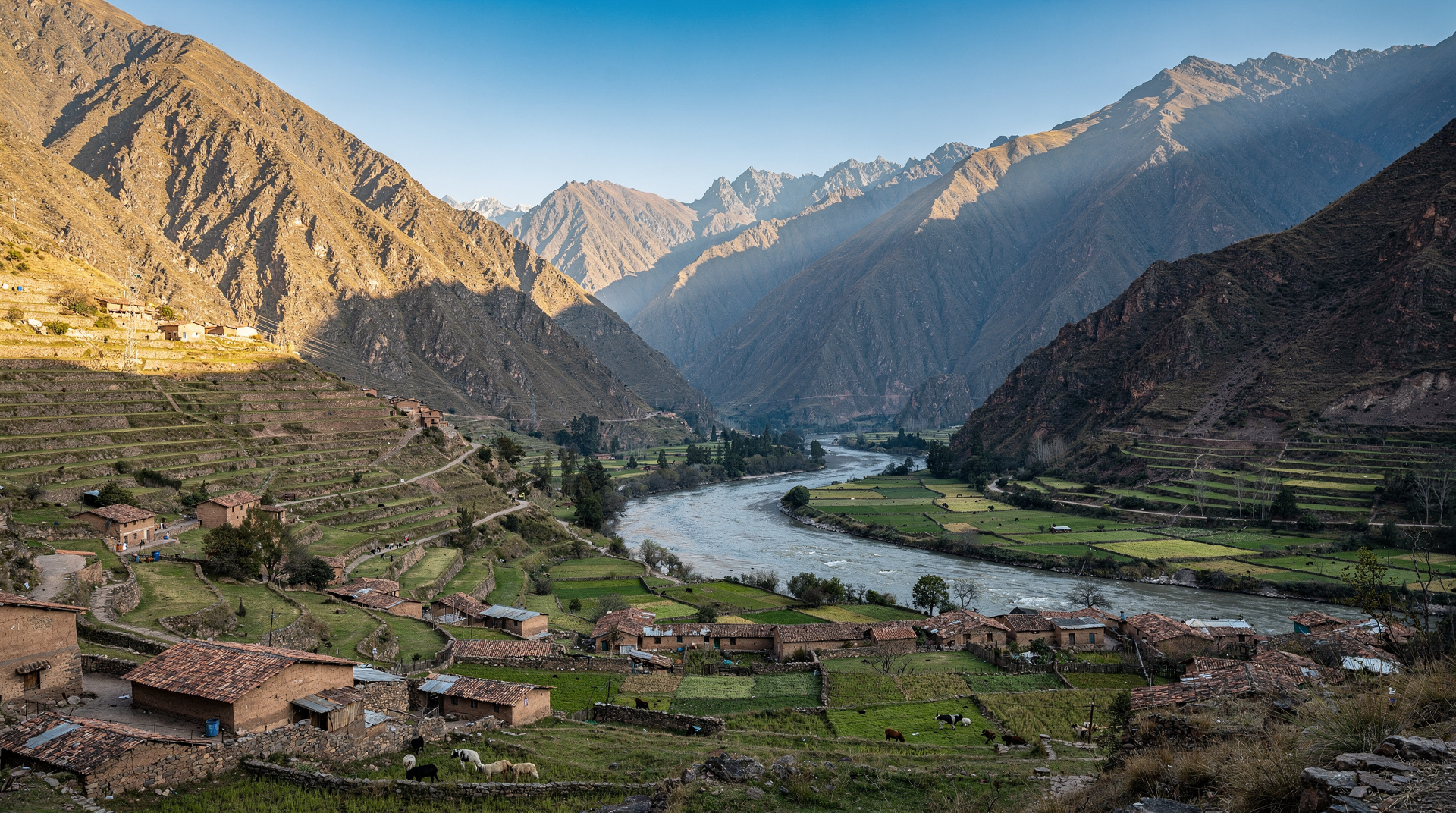
The Urubamba River — the “Sacred River” of the Inca, flowing through the length of the Sacred Valley and eventually past Aguas Calientes on its way to Machu Picchu — offers the most accessible white-water rafting from Cusco. Within 90 minutes of driving, you can be in a raft on one of Peru’s most scenically striking rivers.
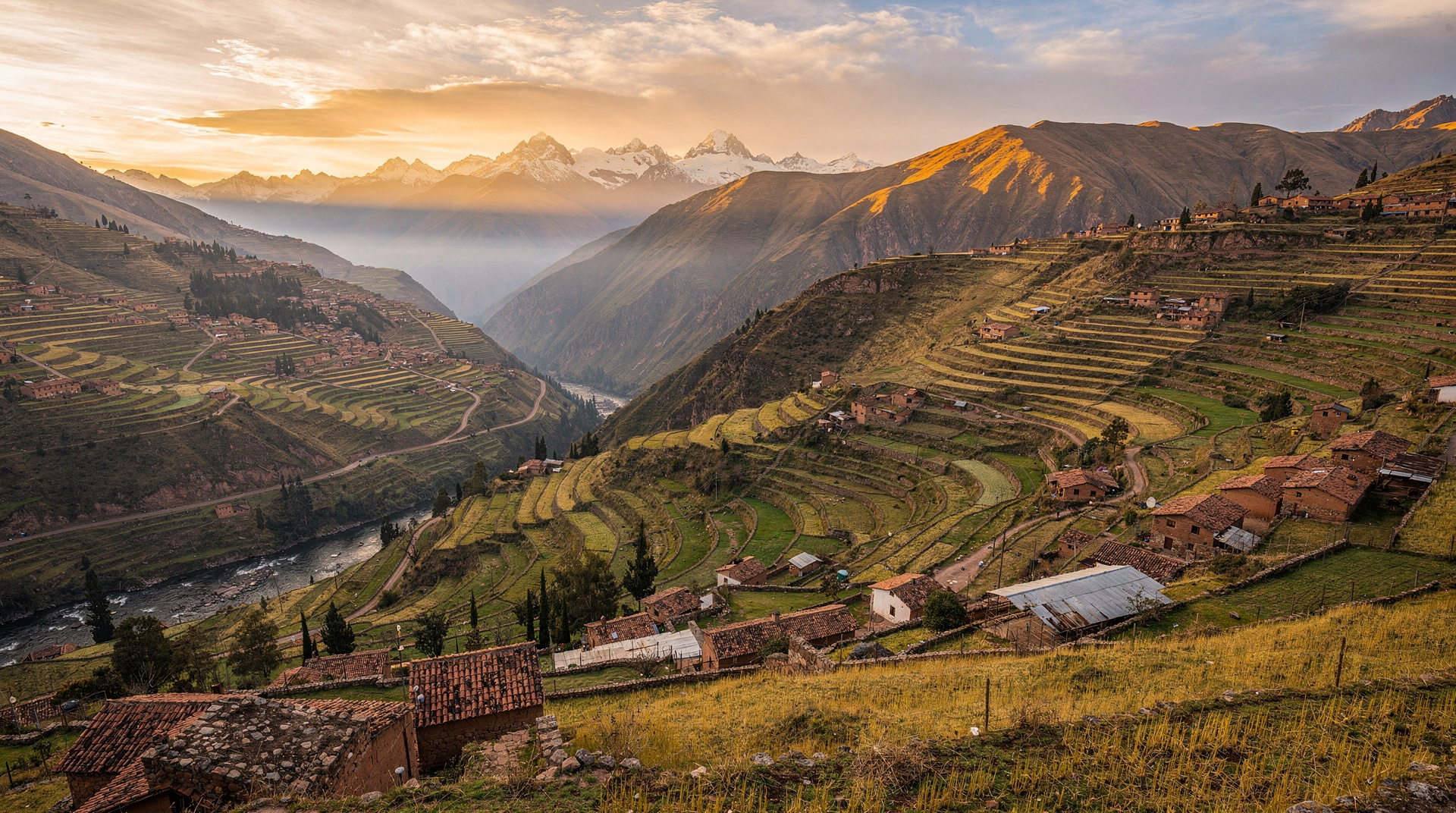
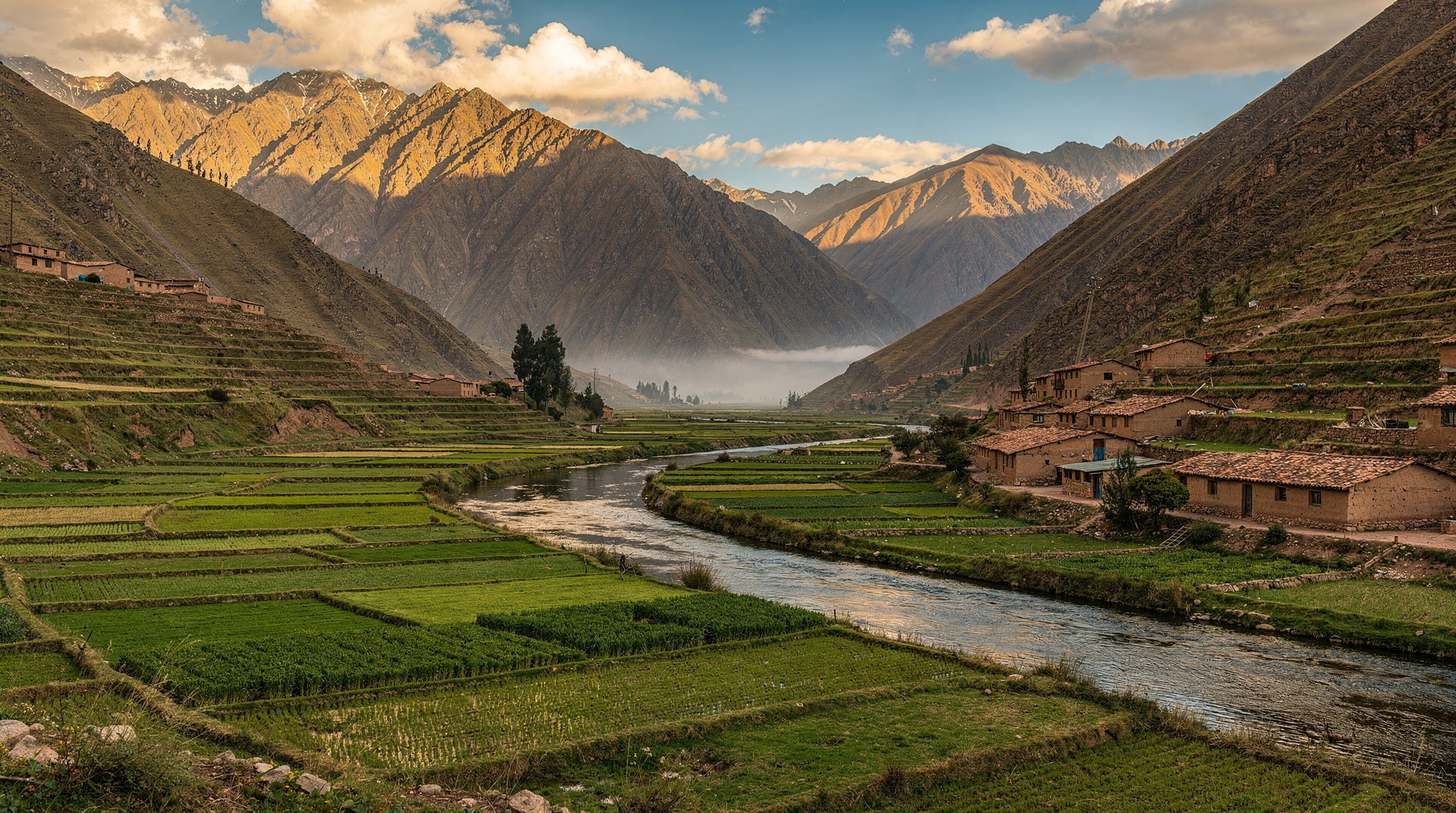
The honest context: this is not the Zambezi or the Futaleufú. The standard Urubamba day-trip sections are genuine Grade III white water with proper rapids, real paddling, and a real chance of swimming if you fall out of the raft — but they are not technically extreme. What makes the Urubamba experience distinctive is the combination of accessible white water and genuinely spectacular Andean scenery: colonial villages perched above canyon walls, Inca terracing on the hillsides, the valley opening and narrowing through different geological sections.
The altitude adds a physiological dimension that sea-level rivers do not: paddling at 3,100–3,200 m is meaningfully more tiring than at sea level, and getting back into a raft after a swim requires significantly more effort. This is not a reason to avoid rafting; it is a reason to be properly acclimatised before you go.
| Where | Urubamba River, Huambutio to Pisac (90 min from Cusco) |
| Grade | II–III standard section; IV–V at Chuquicahuana/Apurímac |
| Cost | Around S/180–250 (~$55–75) full day, group tour |
| Time needed | Full day, ~10–11 hours door to door |
| Best season | May–September (dry season, stable water) |
The main rafting sections
Huambutio to Pisac — the standard day trip
The most commonly offered section. Approximately 14 km on the river, taking 2–3 hours of actual paddling time. Departure point is Huambutio village, reached in about 1 hour from Cusco by minibus.
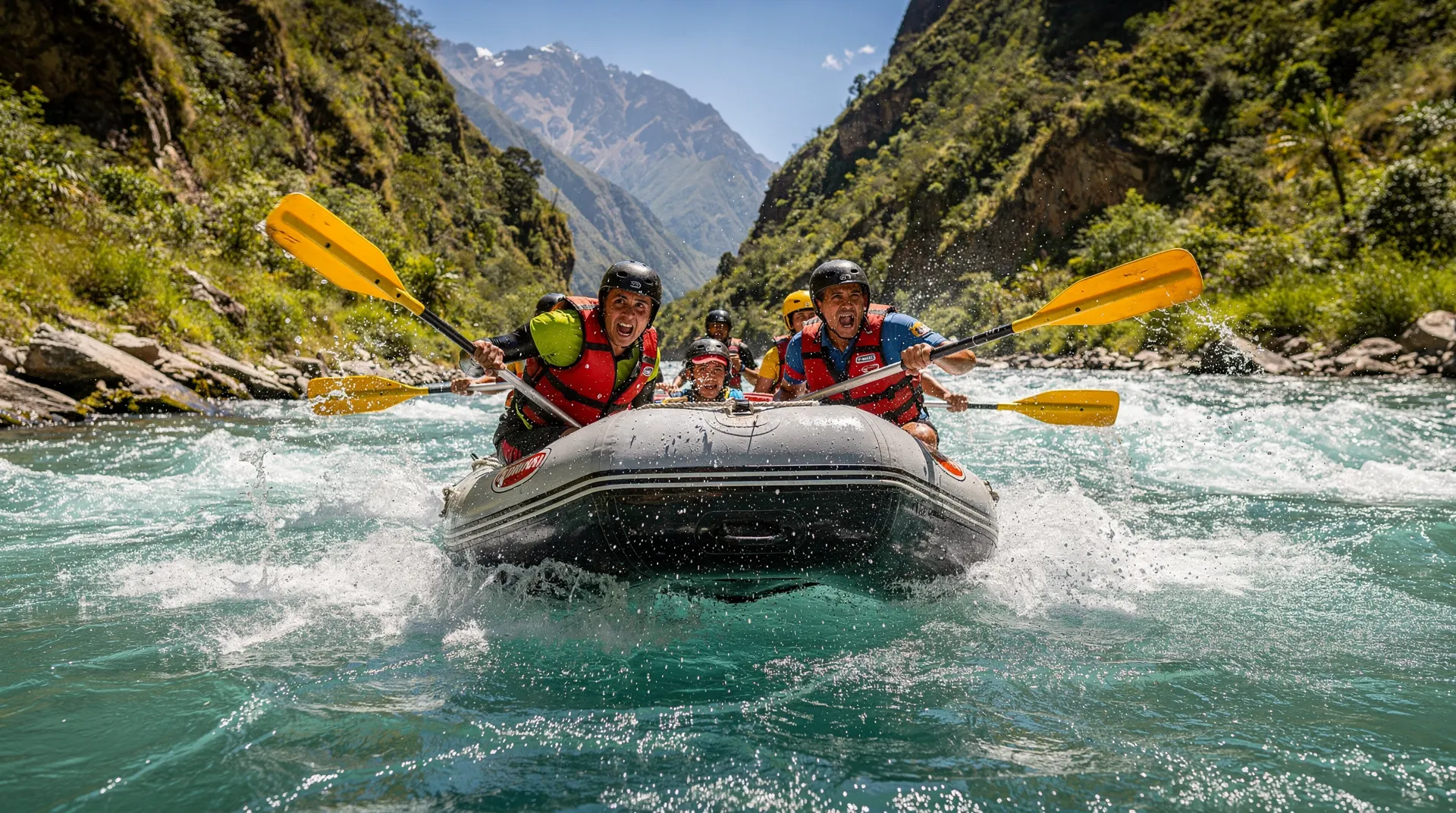
The rapid character on this section: the Urubamba at this stretch has a series of named Grade II–III rapids interspersed with flat sections that allow the scenery and the group to recover. The Grade III sections involve waves of 1–2 m, some lateral currents, and require active paddling. Grade II sections are easier, suitable for straightforward paddle strokes. The river valley at this elevation is in the lower Sacred Valley — dry scrub hillsides, pre-Inca carved faces in rock outcrops, the occasional Andean condor riding thermals overhead.
Suitable for: adults and teenagers with basic swimming ability and no specific fear of water. Minimum age is typically 12–14 depending on the operator. No prior kayaking or rafting experience required.
Water temperature: Cold — the Urubamba at this elevation runs at approximately 14–18°C. Wetsuits provided by operators are genuinely necessary for comfort, not just precautionary.
Chuquicahuana canyon section
A more demanding section downstream from the standard day-trip route, entering a narrower canyon with Grade III–IV+ rapids depending on water level. Less commonly offered by casual day-trip operators but available from specialist white-water companies. Requires genuine prior rafting experience — at least several days of guided rafting at Grade III minimum.
In the dry season, this section offers Class IV paddling in a dramatic canyon environment. In the rainy season (November–March), water levels can raise the grade to IV+ with features that require competent group management.
Multi-day Apurímac alternatives
For serious white-water enthusiasts, the Apurímac River offers Grade IV–V rafting through one of Peru’s deepest canyons. It requires a 3–4 day commitment minimum and is operated by specialist companies rather than general day-trip operators. The Apurímac is among the best multi-day raft expeditions in South America — genuinely world-class water in extreme scenery. It is mentioned here so visitors know the option exists; it belongs in its own dedicated guide.
Choosing a reputable operator: specific checks
White-water rafting with an unlicensed or under-equipped operator carries real risk. The checks that matter:
MINCETUR registration. As with all Cusco tour operators, licensing is the baseline. The unlicensed agencies guide explains how to verify this. For any adventure activity, licensing means liability insurance — which matters if you’re injured on the river.
River guide qualification. Ask whether guides have ACA (American Canoe Association) or equivalent international river certification, or a recognised Peruvian river guide credential. A guide with a letter-quality Spanish paddle technique qualification who has run this specific section 200+ times is more valuable than a certificate alone, but the credential signals baseline training.
Swift-water rescue capacity. Ask whether guides are trained in swift-water rescue. A reputable operator will have at least one person in the group with active rescue training who is prepared for a swimmer incident.
Equipment inspection. Before you launch: check that your helmet fits without wobbling, that your life jacket is properly snug (not just zipped — buckle all cinch points), and that the raft is in reasonable condition. Raft patching is normal; a raft with multiple large repairs or soft sections is not safe.
Safety briefing. Any legitimate operator runs a pre-launch safety briefing covering paddle commands, what to do if you swim, how to assume the river swimming position, and how to re-enter the raft. If an operator skips this, that is a serious warning sign regardless of how experienced the group is.
Costs and what is included
Standard full-day Urubamba rafting from Cusco in 2026:
- Group tour (6–10 people): approximately S/180–250 (~$55–75) per person
- Private tour (2–4 people): approximately S/300–380 (~$90–115) per person
What should be included at these prices: return transport from Cusco, full equipment (wetsuit, helmet, life jacket, paddle jacket, paddle), safety briefing, guide, and lunch. If a quoted price excludes equipment or lunch and the actual total rises significantly, recalculate.
Prices meaningfully below S/150 for a “full-day” tour almost always mean equipment is shared without sizing consideration, no wetsuit is provided, or the “full day” is shorter than advertised. White-water rafting without a wetsuit at 3,100 m is genuinely uncomfortable — it is not a cost-saving worth making.
What to bring
- Swimwear worn under the wetsuit provided by the operator
- Old trainers or sandals with straps that won’t come off in water (flip-flops are not suitable)
- A change of dry clothes for after
- Sunscreen applied before suiting up (reapplication mid-river is difficult)
- A waterproof bag for your phone and valuables — reputable operators provide dry bags, but your own is useful insurance
- Water bottle (some operators include this, others don’t)
Do not bring: any jewellery that could be caught in current, loose-fit clothing that will weigh heavily when wet, expensive sunglasses without a retention strap.
Combining rafting with other Sacred Valley activities
The Urubamba rafting departure point at Huambutio is on the same route that most Sacred Valley day trips use. Some operators combine a half-day rafting session with a visit to the Pisac market or ruins in the afternoon, or include rafting as part of a Sacred Valley full-day itinerary.
The Sacred Valley complete guide covers the valley’s full range of activities. The one-day Sacred Valley itinerary offers a structure for combining multiple activities including rafting in a single day.
For visitors wanting additional adventure activities from the same base: ziplining in the Sacred Valley is the most convenient combination, with several zipline courses located within 30 minutes of the rafting takeout point near Ollantaytambo.
The dry-season recommendation
For first-time Urubamba rafters, May through September is decisively better. Clear water allows you to see the riverbed and read the rapids more easily. The air temperature is cool but not cold, reducing the wetsuit-dependent discomfort factor. The scenery — snowy peaks visible in the distance from the valley floor — is at its best in this period.
If you’re visiting in the rainy season and want to raft, book only with an established operator who runs the Chuquicahuana section or higher-grade alternatives appropriate for elevated water levels, and be honest about your experience level. A beginner on Grade IV+ water in a flood-season Urubamba is in a genuinely dangerous situation.
Pricing honesty: what a rafting tour should cost
Rafting is one of the activity categories where pricing transparency is weakest in Cusco. Tour companies quote varying prices for ostensibly similar products, and the cost difference often reflects real differences in equipment quality, guide qualification, and group size — not just margin.
A full-day group Urubamba rafting tour (Huambutio–Pisac section) with a licensed operator, including: transport from Cusco, wetsuit, helmet, life jacket, briefing, guide, packed lunch, and return transport runs approximately S/180–250 (~$55–75) per person in 2026. This is the correct reference price.
What the gap below this range usually means:
- S/120–150: Equipment is basic (no wetsuit, mechanical or missing brakes on life jacket clips), guide may not have formal certification, group size may be larger (10–14 people rather than 6–8)
- S/80–100: Red flag. Either the tour is very short (1 hour on flat water sold as “rafting”), equipment is borderline unsafe, or the quote excludes items stated as included
What the gap above S/280 usually means:
- S/300–380: Small private group, premium equipment (newer rafts, better wetsuits), sometimes includes a professional photographer on the river
Price differences in adventure activities frequently reflect real quality differences. For an activity that involves moving water and real physical risk, this is not a domain for choosing the cheapest option without scrutiny.
Children and family rafting
The Huambutio–Pisac beginner section is suitable for children aged approximately 12 and above who are confident swimmers. Some operators accept children as young as 10 for lower-flow conditions (dry season, morning departures). Always ask specifically about minimum age — it varies by operator and reflects their judgement about their own equipment and guides’ child-management capability.
For families with younger children who still want a water experience, Humantay Lake offers a beautiful high-altitude lake walk — physically demanding but with no water-safety concerns. The humantay lake day trip guide covers the accessible route options.
The best day trips from Cusco guide compares the full range of day-trip options including both adventure and gentler alternatives, useful for families or mixed-experience groups planning activities together.
What to expect at the put-in and take-out
For first-timers on the Urubamba, the logistics at both ends of the river section are worth knowing.
Put-in (Huambutio): A basic concrete ramp down to the river, surrounded by other operators’ minibuses and groups suiting up. There is usually a small stall selling breakfast and drinks. The briefing typically takes place on a flat section of grass near the ramp. Allow 45–60 minutes from the minibus arrival to actually launching.
Take-out (near Pisac): The river is pulled out at a calm section downstream, typically by dragging the raft up a cobbled bank. From here, the operator’s support vehicle collects equipment and takes the group for lunch at a nearby restaurant (usually simple but good: sopa, pollo, chicha morada). The return to Cusco by minibus takes approximately 1.5 hours.
The whole day from Cusco departure to return is approximately 10–11 hours. This is genuine day-trip length — not a quick morning activity.
Urubamba ecology: what you’re rafting through
The Urubamba at the Huambutio section flows through the lower Sacred Valley’s arid transition zone — a different ecosystem from the humid cloud forest lower down toward Aguas Calientes. The riverbanks have terraced smallholdings, casuarina and eucalyptus trees planted as windbreaks, and occasional heron (Andean white heron is common at this elevation). The geology visible in the canyon walls — tilted and folded metamorphic rock — has been shaping this valley for millions of years before the Inca began terracing it.
Understanding the ecological context makes the river feel like more than a series of rapids. The Sacred Valley complete guide and the Pisac guide give the cultural and archaeological context for the landscape you’re floating through.
Solo travellers and joining a group
Rafting is one of the easier adventure activities to do solo in Cusco, since most operators run daily group departures that mix travellers into a shared raft rather than requiring a pre-formed group. Solo bookings typically pay the same per-person group rate as parties who book together, and the shared-raft format means you spend the day paddling alongside other travellers you would not otherwise have met — a genuine social upside of the activity beyond the water itself.
Operators generally balance rafts by rough size and fitness rather than leaving solo travellers to fend for themselves, and guides brief the whole boat as a unit regardless of who arrived together. If you would prefer a smaller, more controlled group, ask specifically about maximum group size when booking — some operators run 10-plus person day trips while others cap at six to eight.
First-time nerves: what actually happens if you fall out
Falling out of the raft is common on the Grade III sections and is not, in itself, dangerous with a properly fitted life jacket and a competent guide. The standard drill, covered in every reputable operator’s safety briefing: float on your back, feet pointing downstream (this protects your head and lets your feet absorb impacts with rocks), keep your paddle if you can but let go of it if holding on interferes with getting into the swimming position, and swim diagonally toward the raft or the nearest calm eddy rather than fighting directly against the current.
Guides and other paddlers pull swimmers back into the raft using the shoulder straps of the life jacket — a technique demonstrated in every briefing, and one worth paying attention to even if you assume you personally will not need it. The water is cold (14–18°C) and the shock of falling in is more startling than dangerous for a few seconds; the group’s job is to get you back in the raft promptly, and a well-run trip does this within a minute in most cases.
Insurance and medical considerations
White-water rafting is specifically named in the exclusions of many standard travel insurance policies, so confirm before you travel that your policy covers adventure sports at altitude, or purchase a specific add-on if it does not. Existing shoulder, back or cardiac conditions are worth discussing with a doctor before signing up, given the combination of paddling exertion and 3,100 m of altitude.
Contact lens wearers should be aware that a face full of river water is a realistic possibility on the Grade III sections; prescription sports goggles or simply accepting the risk are the two practical choices. None of this is intended to alarm — serious injuries on the standard Huambutio–Pisac section are uncommon with a licensed operator — but going in with realistic expectations about what “getting wet” actually involves helps you enjoy the day rather than being caught off guard by it.
Where rafting fits in a Cusco trip
Rafting works best as a mid-trip activity, once your body has settled into the altitude and before the big physical days. The Cusco acclimatization plan shows how to sequence easy days first, and the altitude sickness guide explains the symptoms worth watching for before you commit to a day of paddling. Travellers who sleep in the valley rather than the city often feel better on the water; the comparison in Cusco altitude vs the Sacred Valley helps you decide where to base yourself.
If you are building a longer itinerary, a rafting day slots naturally between cultural days. A rest day after a demanding trek is a sensible place for it, whereas the morning before an early train is not. The Cusco, Machu Picchu and Sacred Valley 7-day itinerary and the Cusco 3-day short itinerary show how adventure days can be balanced against sightseeing, and the Cusco with kids 6-day itinerary suggests gentler pacing for mixed-age groups.
Choosing between adventure activities
Rafting is only one of several ways to get active in the region. If the cold river puts you off, mountain biking around Cusco and horseback riding offer different ways to see the landscape, and ATV and quad tours suit travellers who want speed rather than paddling effort. Each has its own risks and its own operator checks, so read the relevant guide before booking. For a wider view of how these options sit alongside cultural excursions, the Sacred Valley day trip guide is a useful companion.
Filling the days around your river day
Rafting rarely needs a whole trip built around it. Most travellers pair it with cultural days on either side, and a guided outing is an easy way to cover the ground the river skips. If you want the valley’s ruins and viewpoints explained by a guide, a small-group day taking in Pisac, Maras, Moray and Ollantaytambo with a small-group tour of the Sacred Valley highlights pairs well with a rafting day earlier in the week, since both use the same valley road. For travellers who prefer a single, unhurried outing, a full-day guided tour of the Sacred Valley covers the main stops without any paddling.
Back in the city, a gentler rest day works well after the river. a walking tour of the city centre and the San Blas quarter keeps the pace slow while you recover from the cold water and the altitude effort; the San Blas neighbourhood guide and the historic centre of Cusco explain what you will be passing. Whatever you book, apply the same operator checks described above, and keep the afternoon after rafting free in case you are more tired than expected.
Booking sensibly
Whatever the season, ask the operator to confirm in writing what the price includes, the maximum group size and the minimum age. Compare at least two licensed companies rather than accepting the first quote, and remember that reviews describing the guide’s briefing and rescue competence tell you more than reviews praising the scenery. If a seller on the street pushes a same-day deal, treat it with the caution described in the Cusco tourist traps guide. Keep your plans flexible for the first day or two in the city, so that if the weather or your energy changes you can move the rafting day without losing a booking.