Humantay Lake day trip from Cusco
Humantay Lake Tour from Cusco
How do you do the Humantay Lake day trip from Cusco?
Tours leave Cusco around 4–5 am, drive 3 hours to the Mollepata trailhead (~3,000 m), then hike 4 km return with 450 m gain to the lake at 4,200 m. Total cost S/100–140 ($27–38 USD) including transport, breakfast and lunch. Allow at least two days of acclimatisation first.
Why Humantay Lake deserves its reputation
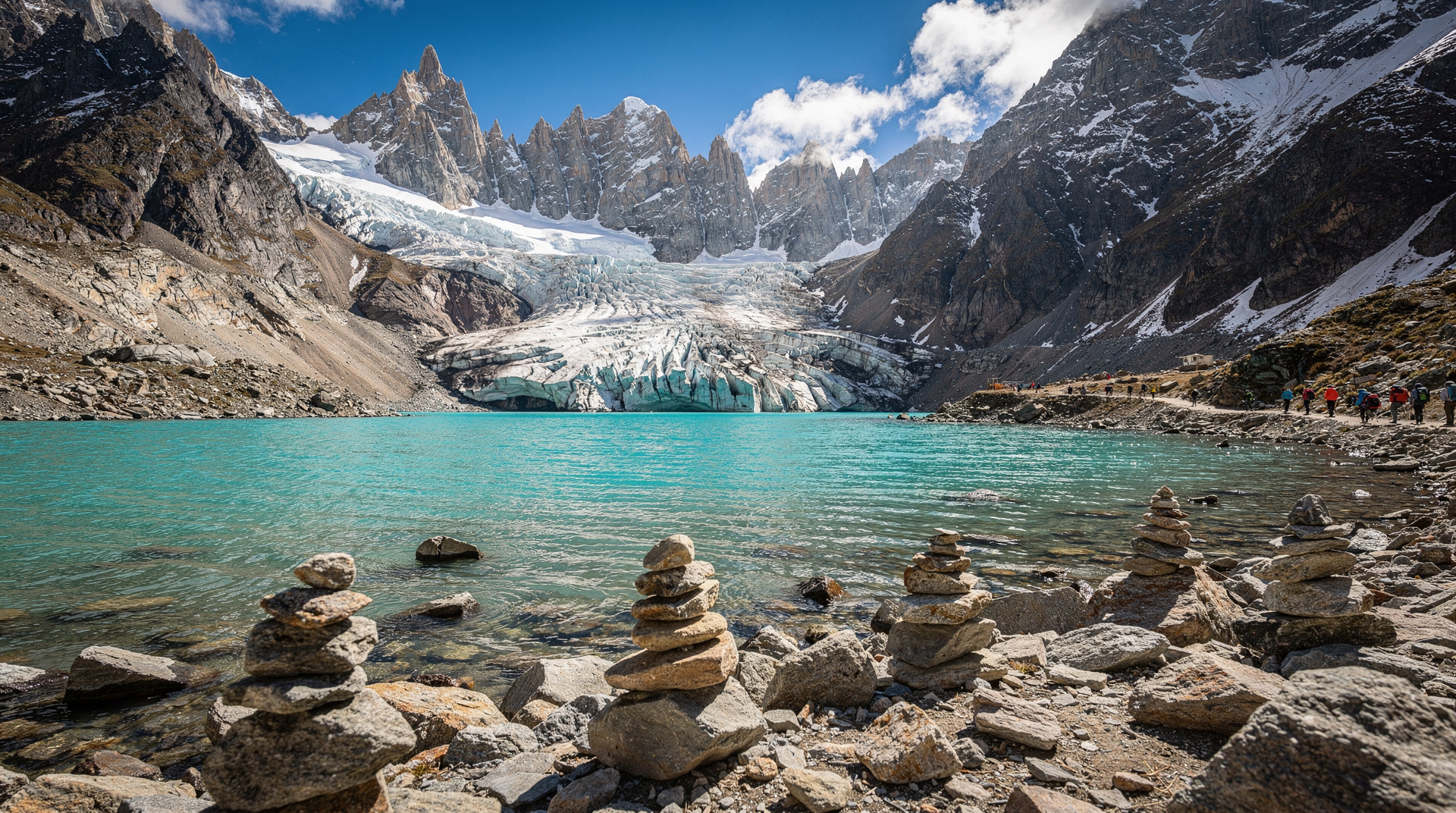
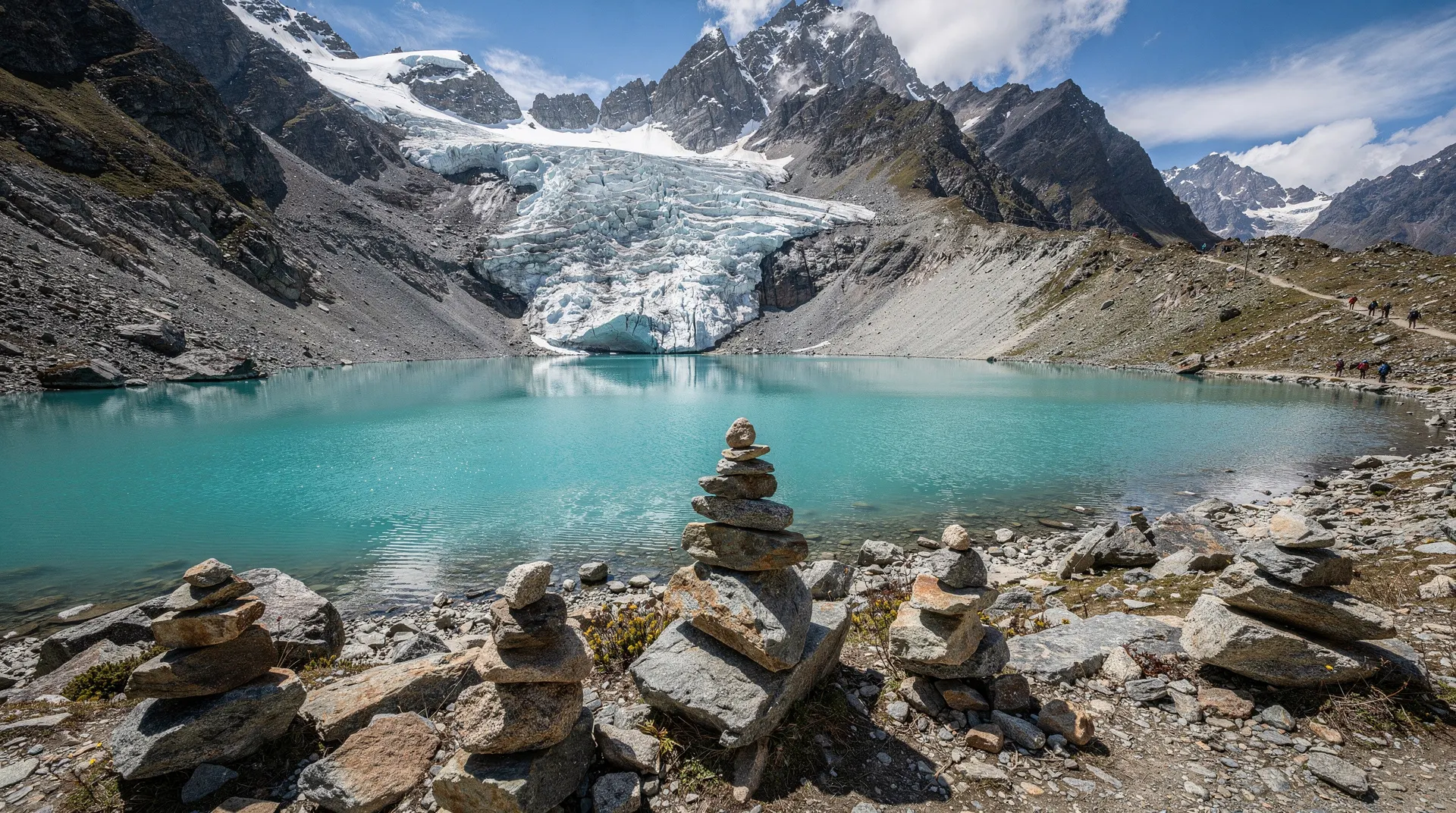
Humantay Lake is one of those places that still surprises visitors who arrive with reasonable expectations. Photographs circulate online, but they consistently fail to capture the particular shade of the water — an electric turquoise fed by meltwater from the Humantay glacier above, so vivid it looks doctored when it is not. The glacier itself forms the dramatic backdrop, and the surrounding cirque of bare rock creates an atmosphere of genuine remoteness, even though hundreds of people visit each week.
The lake sits at 4,200 m at the foot of the Salkantay massif, 105 km west of Cusco. It marks the end of day one on the classic Salkantay trek, but is equally accessible as a standalone day trip — and the day-trip version is what this guide covers.
| Where | Soraypampa, 105 km west of Cusco |
| Cost | Around S/100–140 per person, guided tour |
| Time needed | Full day (around 12 hours door to door) |
| Altitude | 4,200 m at the lake, 3,800 m at the trailhead |
| Best time | May–September (dry season) for clear views |
Getting to Humantay Lake
All day trips from Cusco follow the same route: south along the main highway toward Abancay, then turning north up the Mollepata valley to the high-altitude plateau of Soraypampa. The drive takes 2.5–3 hours.
Organised tour: The most practical option for most visitors. A Humantay Lake day tour from Cusco includes hotel collection (typically 4:00–5:00 am), the drive, a packed breakfast eaten en route, a guide for the hike, a packed lunch eaten at the trailhead on the way back, and return transport to Cusco. Cost: S/100–140 per person ($27–38 USD). This represents genuinely good value given the distance involved.
Private transport: Hire a taxi or minivan from Cusco for around S/180–250 ($50–70 USD) for the vehicle. For groups of three or four, this is cost-competitive and allows a more flexible schedule.
Public transport: There is no direct public service. Buses to Mollepata village (the town before the trailhead) run from Cusco’s Terminal Terrestre, but the final stretch to Soraypampa requires a separate vehicle. This option adds complexity without significant cost savings and is not recommended.
The hike from Soraypampa
The trailhead at Soraypampa sits at approximately 3,800 m. A small community checkpoint here collects an entrance fee of around S/10 per person. The path to the lake is 2 km one way, gaining 450 m to reach the shore at 4,200 m.
What the trail is like: The lower section crosses open grassland (puna) before beginning a steady climb over loose stone and earth. The final 500 m approaches the lake on a steep zigzag. The surface is well-trodden but uneven — proper walking shoes or trekking boots are strongly advised over trainers.
Time to summit: Allow 60–90 minutes going up if you are acclimatised. 90–120 minutes if this is your first high-altitude hike. The trail is well-marked and a guide is not strictly necessary, though guides on organised tours add context about the glacier, Andean cosmology around mountain spirits (apus), and practical safety advice.
Horse hire: Horses and mules are available for hire at Soraypampa for S/40–60 per person per way. The animals carry you to the lake shore — they do not go beyond. This is worth considering if you have any knee concerns or doubt your altitude fitness. The track is wide enough for animals throughout.
At the lake: The shore is reached via a final rocky scramble. The usual visit is 30–45 minutes, enough time to take in the views, take photographs, and rest before descending. There are no facilities at the lake itself; the toilet block is at Soraypampa.
Altitude: being honest about 4,200 m
Humantay Lake is significantly lower than Rainbow Mountain (5,200 m) but still well above Cusco (3,400 m). The exertion of the uphill walk at altitude will be felt by most visitors, regardless of fitness level. Symptoms — headache, shortness of breath, mild nausea — are common and normal in the first 20 minutes of climbing. They usually ease once you stop ascending.
The minimum preparation is two nights in Cusco or the Sacred Valley before attempting this hike. If you arrived in Cusco yesterday, postpone this trip by 24 hours. The lake is not going anywhere.
The Cusco acclimatisation plan has a day-by-day guide. The altitude sickness guide covers what to watch for and when to turn back — turn back early if symptoms deteriorate rather than hoping they improve with altitude gain.
Humantay Lake compared to Rainbow Mountain
The question comes up constantly, so here is a direct answer:
Choose Humantay Lake if: you want a shorter day (back by 4–5 pm versus 6–7 pm for Rainbow Mountain), prefer lower altitude exposure, value dramatic glacial scenery over mineral colours, or are less confident about a 5,200 m summit.
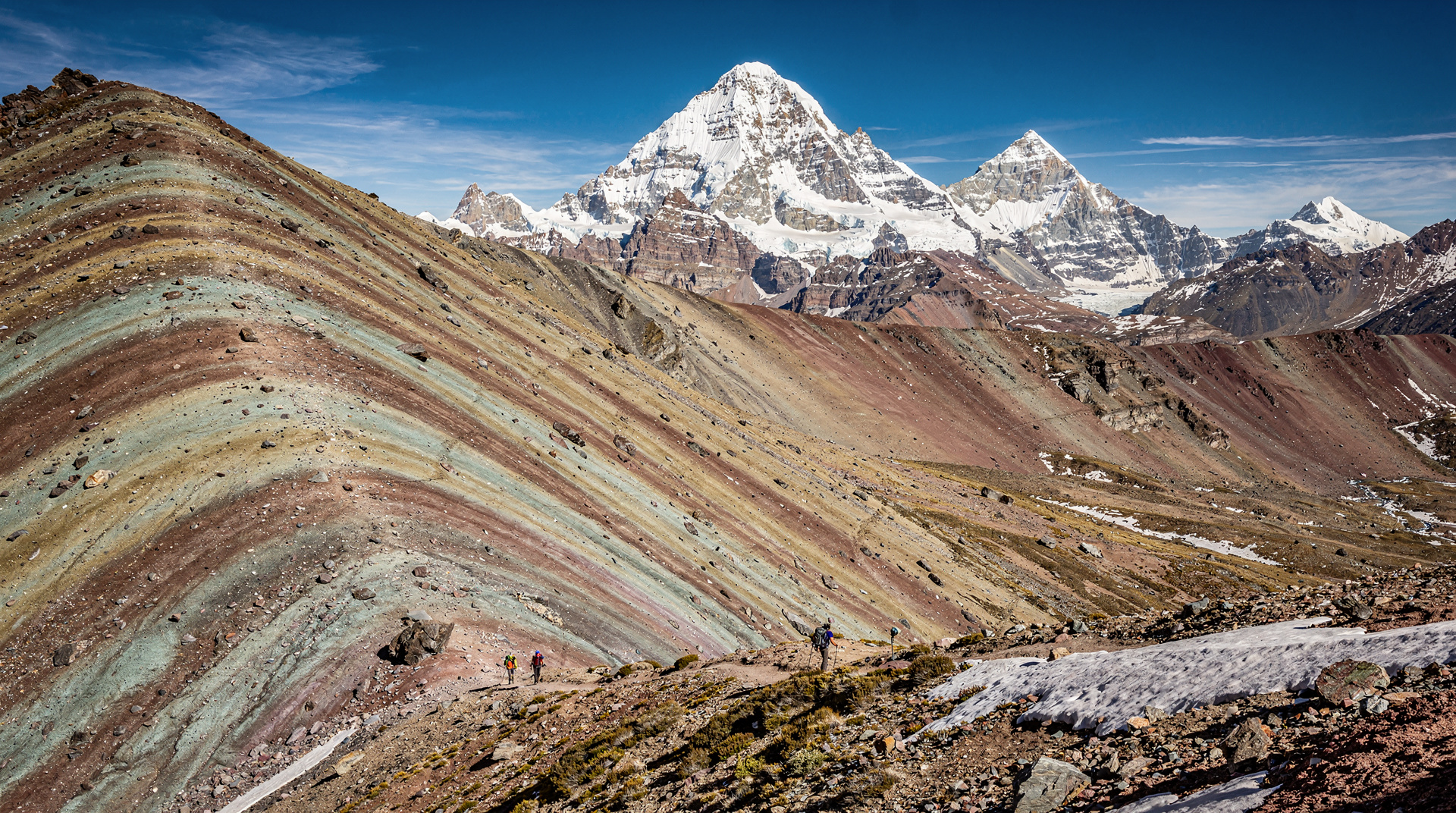
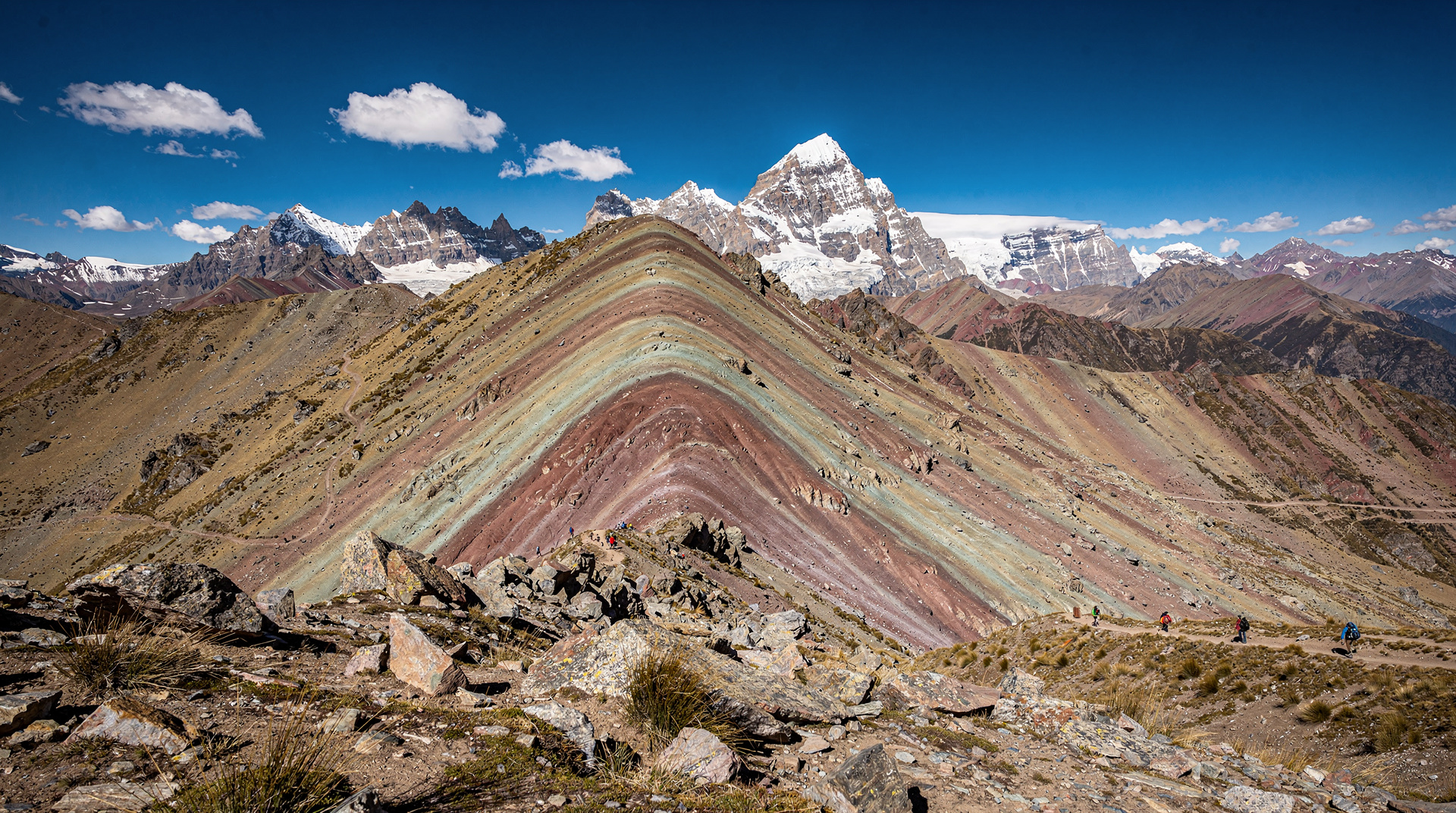
Choose Rainbow Mountain if: you specifically want the colour-streaked ridge photographs, you are well-acclimatised and confident at altitude, and you are prepared for a longer day.
Do both if: you have four or more days in Cusco and enjoy active hiking. They are genuinely different experiences and complement each other well in a longer itinerary.
The day trips overview has the full comparison with all options including Palccoyo and the Ausangate lakes.
What to pack
The packing list for Humantay Lake is the same as for any high-altitude Andean day:
- Warm mid-layer and windproof outer (temperature at the lake is often 5–10°C even in dry season)
- Waterproof jacket in a daypack
- Trekking poles if available
- Sun protection: SPF 50+, sunglasses with UV protection, a hat
- At least two litres of water — three is better
- High-energy snacks in addition to the tour food
- Trekking boots or sturdy walking shoes
- Small soles in cash for the entrance fee, tips and horse hire
The Humantay Lake hiking tour option
Some operators offer a longer version of this trip that extends into the Salkantay valley, visits a hot spring at Cocalmayo, and includes more time at higher elevation. These tours typically combine Humantay Lake with the first section of the Salkantay trek and are aimed at more active visitors. If you are interested in the full Salkantay trek, spending a day on this route first is an excellent way to assess conditions and acclimatisation before committing.
Costs at a glance
| Item | Cost (S/) | Cost (USD approx.) |
|---|---|---|
| Guided group day tour | S/100–140 | $27–38 |
| Private vehicle hire | S/180–250 | $50–70 |
| Trailhead entrance fee | S/10 | $3 |
| Horse hire (one way) | S/40–60 | $11–16 |
| Tips for guide | S/20–30 | $5–8 |
Returning to Cusco
Standard tours return to central Cusco between 4:00 pm and 6:00 pm. The drive back along the valley roads is peaceful, and most people sleep for part of it after the exertion of the morning. A meal in the historic centre or San Blas is the sensible end to the day.
For those planning to sequence Humantay Lake with other excursions, the Cusco 5-day itinerary suggests placing it on day three, after two nights of acclimatisation and a gentler Sacred Valley day on day two.
The Salkantay glacier and what you are seeing
Humantay Lake is fed by meltwater from the Humantay glacier, which drapes the northwest face of the Humantay peak (5,473 m). The particular turquoise of the water comes from glacial flour — fine mineral particles ground from the bedrock by the glacier’s movement and suspended in the meltwater. The same phenomenon produces the turquoise lakes of the Canadian Rockies and the Ötztal Alps; at Humantay the effect is concentrated in a bowl of bare rock that has no other colour to compete with.
This is also, it is worth saying quietly, a reminder of climate change. The Humantay glacier has retreated significantly over the past three decades and the rate of loss is accelerating. The lake itself has grown as the glacier retreats. Photographs taken in the 1990s show substantially more glacier above the lake than is visible today. This is worth knowing not to dampen the experience but to add context to what you are looking at: a beautiful lake that is partly the product of disappearing ice.
On the trail: practical notes
The trail from Soraypampa to the lake is shared by hikers completing day one of the Salkantay trek to Machu Picchu. If you are on the trail on a busy day, you will encounter groups with large backpacks and camping gear heading deeper into the valley. These trekkers have the right of way when the path narrows; step aside and let them pass.
The track is generally wide enough for two people side by side but narrows in the steeper sections. In wet season, mud can be a factor; gaiters or waterproof boots are advisable after October. In dry season (May–September), the path is generally firm and the sky reliably clear.
At the lake shore there are occasional offerings left by local communities — bundles of flowers, candles, or figurines — near a small cairn. These are ceremonial offerings to the apu (mountain deity) associated with Humantay. Respect them and do not disturb or photograph them without thought.
Food and drink on the tour
Standard tours include a packed breakfast eaten in the vehicle or at the trailhead — usually bread, cheese, fruit and a thermos of coca or herb tea. Lunch on the return is typically served at a small restaurant between the trailhead and Cusco: expect a set menu of soup, a main course (chicken, trout or alpaca steak), and a soft drink or juice. Both are included in the S/100–140 tour price.
The lunch stop is usually 30–45 minutes. If you have specific dietary requirements (vegetarian, vegan, gluten-free), inform your operator when booking — most can accommodate with notice.
Altitude blunts appetite. Force yourself to eat at breakfast and lunch even if you are not hungry; dehydration and low blood sugar at altitude amplify headaches and fatigue significantly.
Families and children at Humantay Lake
The Humantay hike is not suitable for young children under 8–10 years. The altitude and the length of the climb make it demanding for small bodies. For older, active children (10+) who have spent two or three days acclimatising in Cusco, the hike is possible with horse support available for the steeper sections. The lake itself is completely safe and the return descent is easier than the ascent.
The family day trips guide has full recommendations for Cusco excursions with children, including the Sacred Valley full-day tour as the primary family-friendly option.
Photography tips for the lake
The light at Humantay changes quickly through the morning, and it genuinely affects the photographs you come away with. The earliest arrivals, on tours leaving Cusco before 5 am, typically reach the lake between 8 and 9 am, when the water is at its most saturated turquoise and the glacier above still holds crisp morning light before cloud starts to build against the peak.
By late morning, haze and rising cloud from the valley below can soften the contrast between the water and the surrounding rock, and by early afternoon the summit is often obscured. If a specific photograph matters to you, ask your operator whether their departure time targets the earlier arrival window — not all tours leave at the same hour, and a 30-minute difference in departure can mean a meaningfully different quality of light at the lake.
A polarising filter, or simply shooting at an angle that avoids direct glare off the water’s surface, brings out the colour saturation considerably compared to a flat, glare-heavy shot taken at midday.
Comparing the standard tour to the Salkantay-adjacent option
Because Humantay Lake sits on the first day of the Salkantay trek route, some operators sell it as an easier taste of that trek rather than as a pure day trip. The core hike is identical either way; the difference is in framing and sometimes pace — a “Salkantay day one” branded tour may include a longer village stop or additional context about the trek route ahead, while a standard “Humantay Lake day trip” is optimised purely for the round trip to the lake and back. Neither is objectively better; choose based on whether you want the extra trekking context or a tighter, more efficient day.
Frequently asked questions about Humantay Lake day trip from Cusco
How hard is the Humantay Lake hike?
What altitude is Humantay Lake?
Is Humantay Lake better than Rainbow Mountain?
What does the Humantay Lake tour include?
Can I visit Humantay Lake independently?
Top experiences
Bookable activities with verified prices and instant confirmation on GetYourGuide.