Boleto Turístico explained — is it worth buying in 2026?
Cusco: Half-Day City Tour with Sacsayhuaman and Q’enco
Is the Boleto Turístico worth it?
For most visitors spending 2–3 days in Cusco and at least half a day in the Sacred Valley, yes — the full pass pays for itself if you visit three or more sites. The key facts: it costs S/130 for the combined pass, it is sold at the COSITUC central counter (Av. El Sol 103, Galerías Turísticas, Cusco) and at most of the covered sites, and agents who charge more are adding an unauthorised margin. Machu Picchu is not included and requires a completely separate ticket.
The straightforward truth about the Boleto Turístico
The Boleto Turístico (Cusco Tourist Ticket) is one of those products that tour agencies have a financial interest in keeping opaque. They sell it, they add margins, and they benefit from visitors not knowing the base price. This guide removes that opacity.
The Boleto Turístico is a legitimate, useful pass for visiting Cusco’s Inca sites. It covers 16 locations across three circuits. The full combined pass costs approximately S/130 per adult and is valid for 10 days from the day you buy it. It is issued by COSITUC — the autonomous organisation that manages the covered sites — and is sold at a fixed, published price through the official central counter: COSITUC’s office at Av. El Sol 103 (Galerías Turísticas), Cusco, open daily. It is also sold at most of the sites it covers.
Any price you see above S/130 from any agent or agency is a margin on top of the official price. This is not necessarily fraudulent — agency service fees for the convenience of bundling transport, guide and pass are legitimate — but you should know the difference between the base cost and the agency surcharge. Some agents around Plaza de Armas claim the official price has recently increased or that they have a special allocation. These claims are not accurate.
| Where to buy | COSITUC, Av. El Sol 103, Cusco, or at most covered sites |
| Cost | Around S/130 combined pass |
| Validity | 10 days from the day of purchase |
| Covers | 16 sites across 3 circuits |
| Does NOT cover | Machu Picchu (separate ticket) |
| Getting there | Taxi or the city bus route between sites |
What the three circuits cover
The Boleto Turístico is divided into three circuits that can be purchased individually or together. The combined pass is the best value for most visitors staying 3+ days.
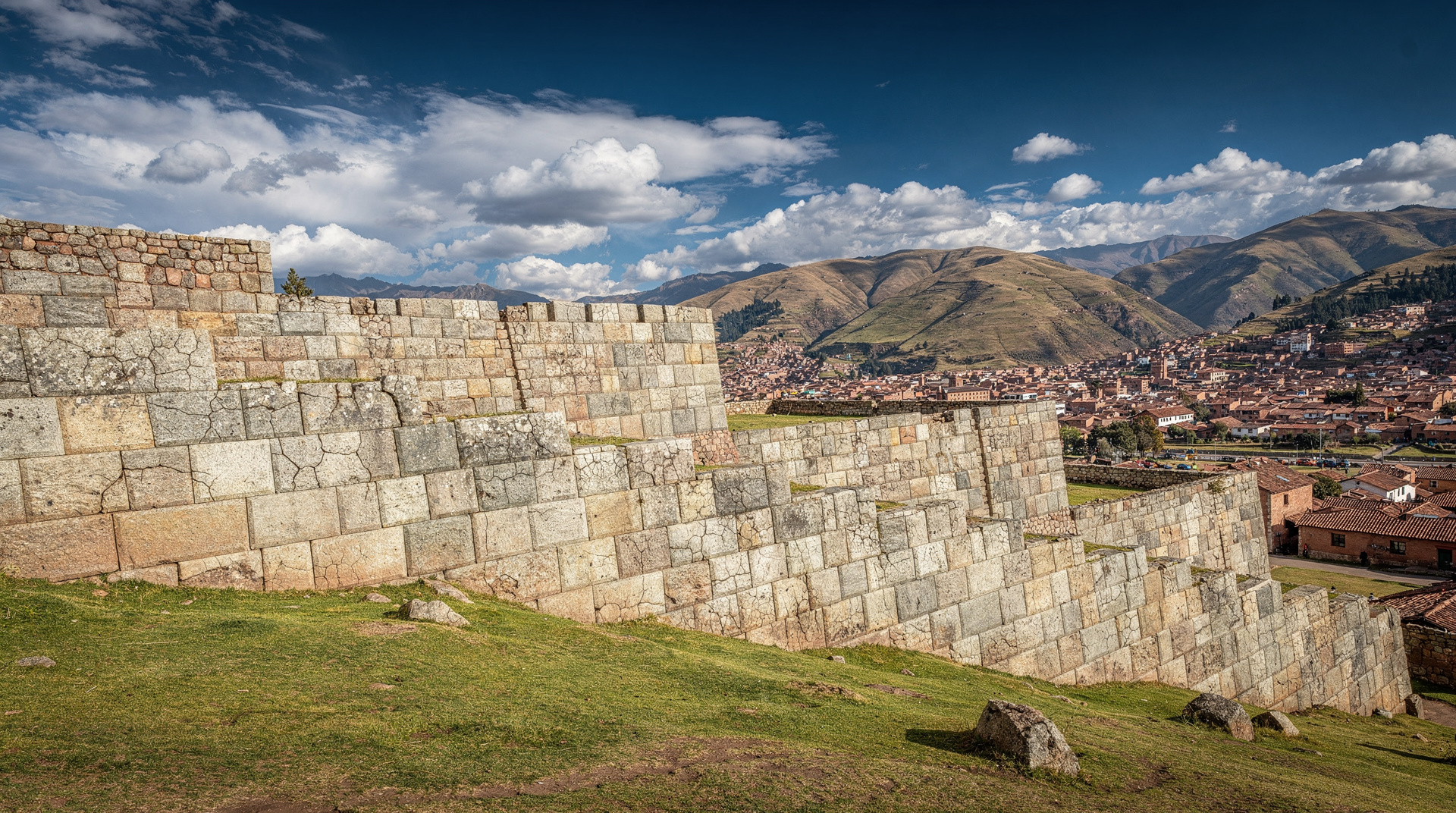
Circuit I — Sacsayhuamán: Covers the four Inca sites above the city: Sacsayhuamán (the massive fortress above the city), Qenqo (carved ceremonial limestone), Puka Pukara (a small military post) and Tambomachay (water ritual site). A morning is typically sufficient. Sacsayhuamán alone justifies the cost of Circuit I — the Inca stonework is extraordinary and the views over Cusco from the upper terraces are the best available.
Circuit II — City and south valley: Covers the Qorikancha site museum, the Regional History Museum, the Popular Art Museum, the Contemporary Art Museum, the Centro Qosqo de Arte Nativo, the Pachacútec monument, and the Inca terraces of Tipón and the Wari city of Pikillaqta in the south valley. The south-valley sites need a separate half-day trip and are often skipped by shorter-stay visitors. The Andahuaylillas church (called the “Andean Sistine Chapel” by some guides) and Raqchi are not part of the Boleto and charge their own entry.
Circuit III — Sacred Valley: This is where the value-per-site calculation becomes obviously favourable. Circuit III covers Pisac ruins (an Inca citadel above the market town), Ollantaytambo fortress (one of the finest surviving Inca military/religious complexes), Chinchero (colonial church built on Inca foundations, active weaving community) and Moray (the circular Inca agricultural terraces). Each of these charges individual entry without the pass. If you plan a full Sacred Valley day, Circuit III saves you a significant amount even at individual site prices.
The Machu Picchu disconnect — the most important fact
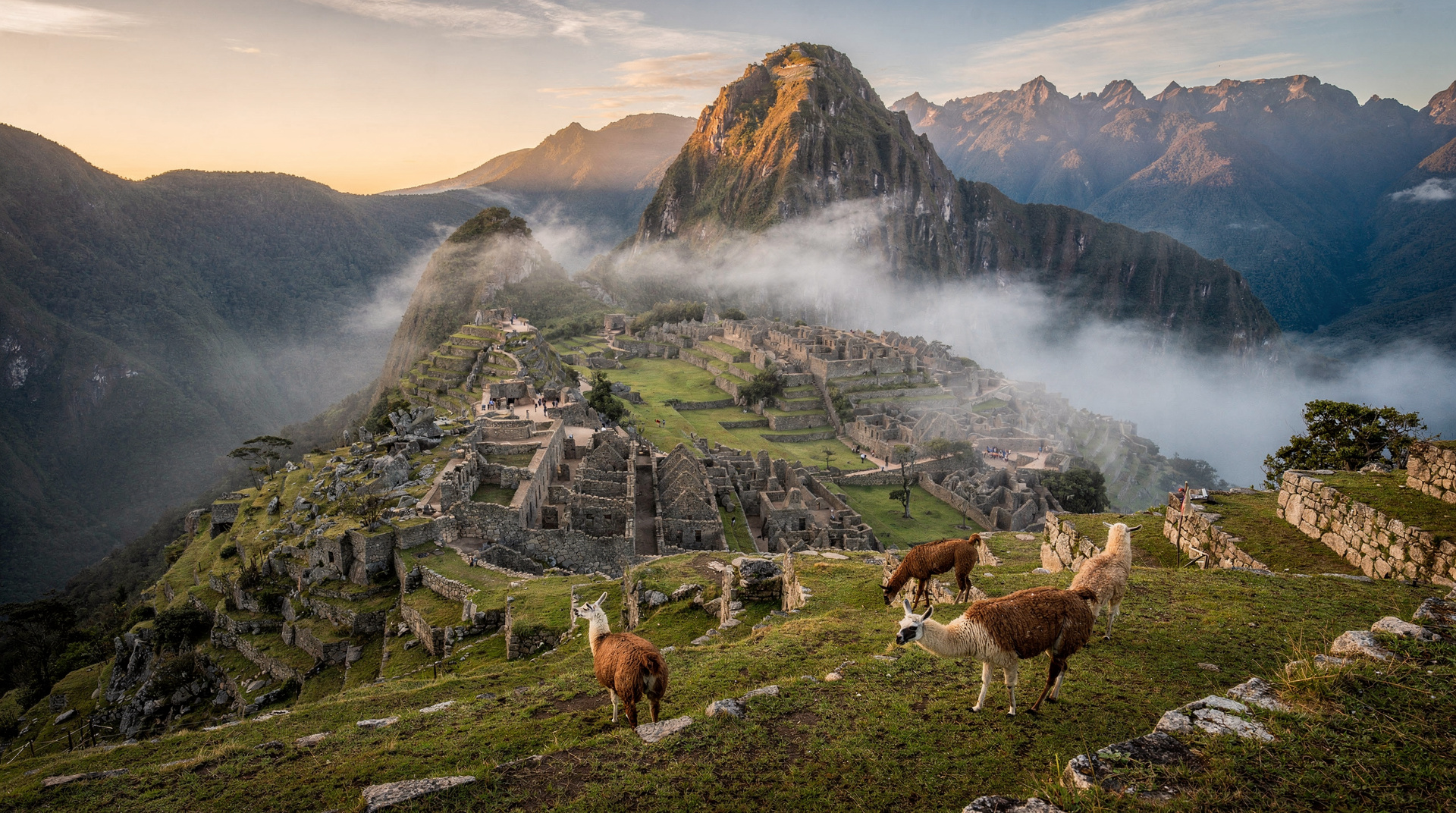
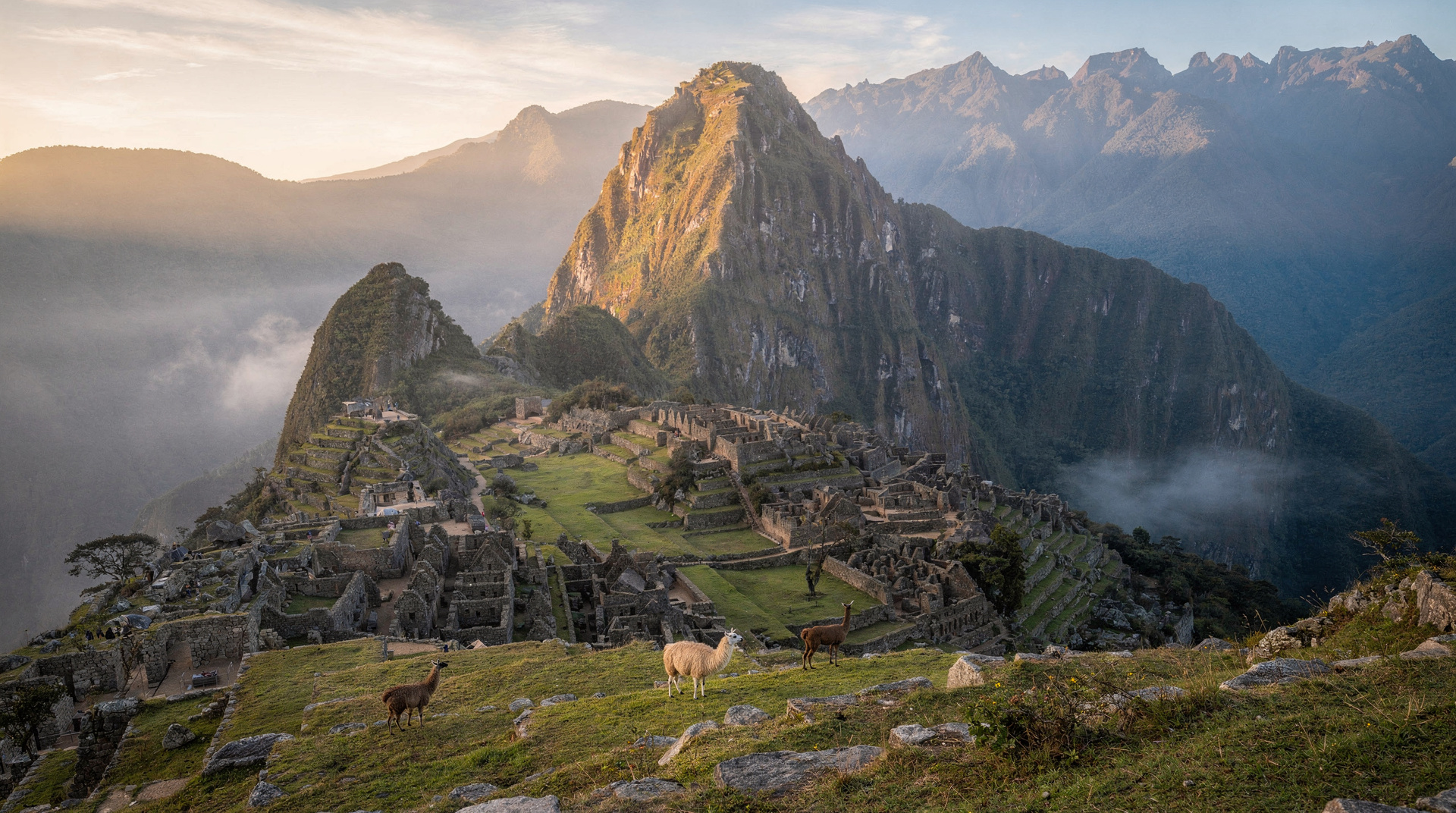
No guide covering the Boleto Turístico can pass over this: Machu Picchu is not included in the Boleto Turístico. This is a genuine source of confusion, deliberately amplified by some sellers.
The Boleto Turístico is issued by COSITUC and covers Ministry of Culture sites within the Cusco region — but not the Machu Picchu Historical Sanctuary, which is managed under a separate national park and heritage framework with its own ticketing through tuboleto.cultura.pe.
Agents who sell the Boleto Turístico sometimes word their pitch in ways that imply broad coverage: “the official tourist ticket for Cusco-area sites.” This is accurate but must not be confused with Machu Picchu entry. You need a completely separate ticket and a completely separate booking process for Machu Picchu. The Machu Picchu tickets explained guide covers this in full.
Is the full combined pass worth it? A practical calculation
At S/130 for the combined pass and S/70 for each partial circuit (foreign adults, per the COSITUC tariff), the calculation is fairly quick. There is no ticket for a single site: Circuit I covers Sacsayhuamán, Tambomachay, Qenqo and Puka Pukara; Circuit III covers Pisac, Ollantaytambo, Chinchero and Moray. Two partial circuits cost S/140, so the full pass is the cheaper option as soon as you want to use two circuits, and it also adds the Circuit II museums and the south-valley sites of Tipón and Pikillaqta.
If you are in Cusco for only one or two days and focusing on the city only (not the Sacred Valley), Circuit I at a lower price than the full pass may be the more targeted option. Verify current circuit prices at COSITUC before deciding.
Who is exempt or eligible for reduced rates?
- Children up to 9: free entry
- Ages 10–17: student ticket with an identity document only
- Students aged 18–25: student ticket with a valid student card or ISIC (S/70 for foreign students)
- Peruvian nationals and permanent residents: promotional ticket (S/70 full pass); bring national ID or residence card
- Andean Community nationals: no discount, only the promotional and foreign rates exist
Agencies offering fake ISIC cards as a shortcut to student discounts are running a scam. The student discount for ages 18–25 requires a genuine, current student card or ISIC. Gate staff check it. The cusco tourist traps guide covers the fake student card operation in more detail.
Where agents add margin — and when it is acceptable
Some Cusco agencies include the Boleto Turístico in their tour packages. A Sacred Valley full-day tour that bundles transport, guide and Boleto Turístico entry for around S/180–220 is often genuinely convenient and saves you queuing separately at COSITUC. Booking a Cusco half-day city tour that includes guided access to Circuit I sites is a reasonable way to see the main city ruins with context rather than wandering independently.
What is not acceptable is an agent charging S/160–180 for just the pass with nothing else included, implying the official price is higher than S/130. Always verify the current COSITUC rate before buying from any intermediary.
Practical logistics for the Boleto Turístico
Opening hours at the COSITUC central counter: every day, 7:30 am–6 pm. Allow 15–30 minutes for queuing in peak season (June–August). Come with exact change if possible.
What to bring: Cash in soles is the safest option. Passport for student/concessionary rates. If buying for multiple people, bring everyone’s identification.
The 10-day clock: Starts the day you buy the pass, not the day of your first site visit. Plan your itinerary around this window.
Sacred Valley day trips: Most organised Sacred Valley tours either include the Boleto Turístico in their price or note that you need it. Check before booking — paying for the pass separately plus a tour that also charges for entry is a duplication. The Sacred Valley complete guide and one-day Sacred Valley itinerary both note which sites require the pass.
The Qorikancha footnote
Qorikancha (the Temple of the Sun) is a special case. The Boleto Turístico includes the Qorikancha site museum (Museo de Sitio), not the Santo Domingo convent built over the original Inca temple — which includes the most intact Inca stonework visible in Cusco — is a different site.
This confuses many visitors who expect the whole Qorikancha to be included in their pass. Ticket prices and opening hours for the convent are best checked on the official Qorikancha website before you go. The visit is absolutely worth it. The Qorikancha guide provides the full history and what to see inside.
Using a guided tour to see Circuit I sites
While it is perfectly possible to visit Boleto Turístico sites independently — buy the pass at COSITUC, take a taxi to Sacsayhuamán, work through the sites at your own pace — a guided tour adds meaningful context that a solo walk does not.
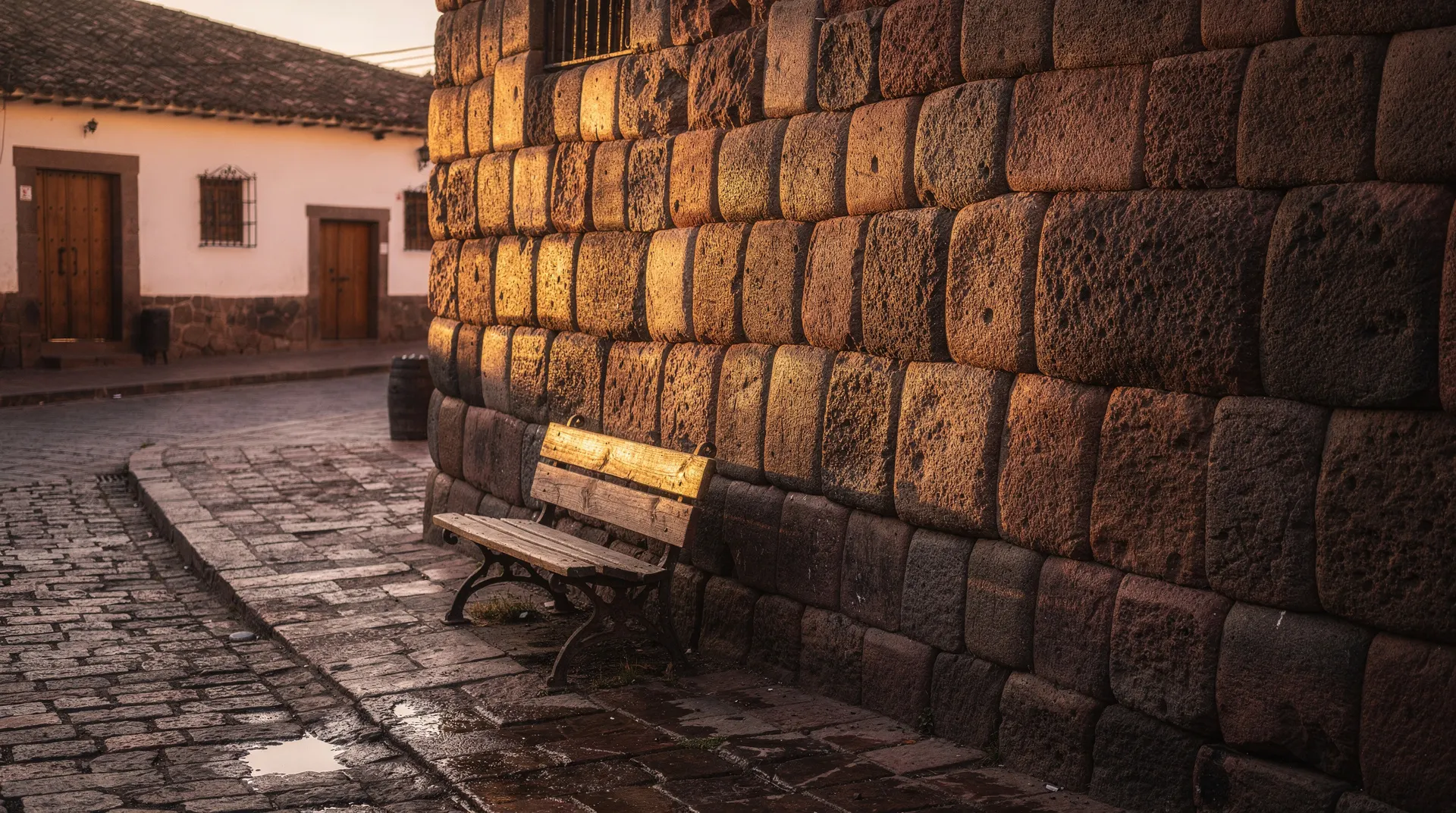
The Inca stonework at Sacsayhuamán is genuinely more interesting once you understand the building techniques: how the irregular polygonal stones were fitted without mortar to tolerances of less than a millimetre, what the three parallel zigzag walls were used for (debate continues), and how the complex was damaged during the Spanish siege of 1536. A licensed guide with genuine archaeological knowledge transforms a walk among impressive rocks into a coherent story.
Booking a half-day Cusco city tour that includes Circuit I Boleto Turístico sites with a licensed guide is the most efficient way to cover the main ruins in a single morning. Verify that the tour price includes Boleto Turístico entry or clarifies that you need to buy the pass separately — some operators quote the tour cost without the pass entry, which is a hidden additional cost.
What a typical two-day Boleto Turístico itinerary looks like
For visitors with 3–4 days in Cusco plus a Sacred Valley day, the pass usage typically falls naturally across your itinerary:
Day 1 (arrival/rest day): No site visits yet — use this day to acclimatise at lower intensity. Do not buy the pass yet, because the 10 days count from the day of purchase.
Day 2 (city ruins): Buy the pass at COSITUC in the morning, then use Circuit I — Sacsayhuamán in the morning (allow 2–3 hours; the site is large), Tambomachay and Qenqo in the afternoon (45–60 minutes each). Puca Pucara can be combined with Tambomachay on the same taxi route.
Day 3 (Sacred Valley): Use Circuit III sites included in any Sacred Valley full-day tour — Pisac ruins, Chinchero, Moray, Ollantaytambo. One long day covers all or most of these.
Day 4+ (optional): The south-valley sites of Circuit II (Tipón and Pikillaqta) require a separate half-day. For visitors with 5+ days, they are worth combining with the Andahuaylillas church, which charges its own entry.
The cusco archaeological sites guide maps the city’s Inca monuments in detail and helps prioritise if time is short.
Final recommendation
If your Cusco itinerary involves any Sacred Valley day (which it almost certainly should) and at least one city site, buy the combined pass. Do it at COSITUC on Av. El Sol 103 directly — it takes 20 minutes and you pay the correct price with no intermediary margin.
The cusco tourist ticket guide cross-references the pass against individual site tickets for every common itinerary type. The honest overview of tourist traps in Cusco covers the broader landscape of pricing and scam operations.
What the pass genuinely does not cover
Beyond Machu Picchu, several Cusco-area attractions that visitors sometimes assume are included in the Boleto Turístico are, in fact, separate. The Cusco Cathedral on the Plaza de Armas has a separate religious-art circuit ticket.
Private museums, including several in the historic centre showcasing pre-Columbian ceramics and colonial art, charge independently and are not part of COSITUC’s network. The pattern to remember: the Boleto Turístico is specifically a Ministry of Culture / municipal heritage-site pass for the 16 archaeological and cultural sites in its remit — not a general “Cusco attractions” pass, and treating it as one leads to confusion at ticket booths that do not accept it.
Combining the pass with a self-guided San Blas walk
Not every part of a Cusco visit runs on the Boleto Turístico. The San Blas artisan neighbourhood and the San Pedro Market are both free to wander and pair naturally with a Circuit I morning — walk down from Sacsayhuamán into San Blas’s cobbled streets for lunch, then finish at San Pedro Market for a late-afternoon look at local produce and prepared food stalls. Building a free stop like this around your paid Circuit I morning stretches the day without adding to the pass cost.
Buying for a group or family
Groups and families buying the Boleto Turístico together should bring identification for every member, since children’s and student discounts are checked at the COSITUC counter and again at each site gate. Buying as a group at COSITUC is straightforward — a single visit can process multiple passes — but the reduced-rate categories (children aged 10–17, students, Peruvian and Andean Community nationals) each require the relevant document at the point of purchase, not just at the gate. If your group has mixed eligibility, expect the COSITUC transaction to take slightly longer than a single adult purchase, and bring exact-denomination soles if possible to speed up the queue during the June–August peak.
What happens if you lose the physical ticket
The Boleto Turístico is checked at every site gate and the physical card (or the QR-code version for online purchases) is your only proof of payment — COSITUC does not maintain an easily searchable database for on-the-spot replacement at each site. If you lose it, you will generally need to return to the COSITUC office in person with your original purchase receipt to request a reissue, which can take time you may not have mid-itinerary. Photograph both sides of the ticket as soon as you buy it, and keep it in the same place you keep your passport during site visits.
Frequently asked questions about Boleto Turístico explained — is it worth buying in 2026?
What sites does the Boleto Turístico cover?
Does the Boleto Turístico include Machu Picchu?
Where is the only place to buy the official Boleto Turístico?
How long is the Boleto Turístico valid?
Are there reduced-price Boleto Turístico options?
Do I need the Boleto Turístico for a Sacred Valley day trip?
Top experiences
Bookable activities with verified prices and instant confirmation on GetYourGuide.