Coca tea and altitude remedies: what actually works in Cusco
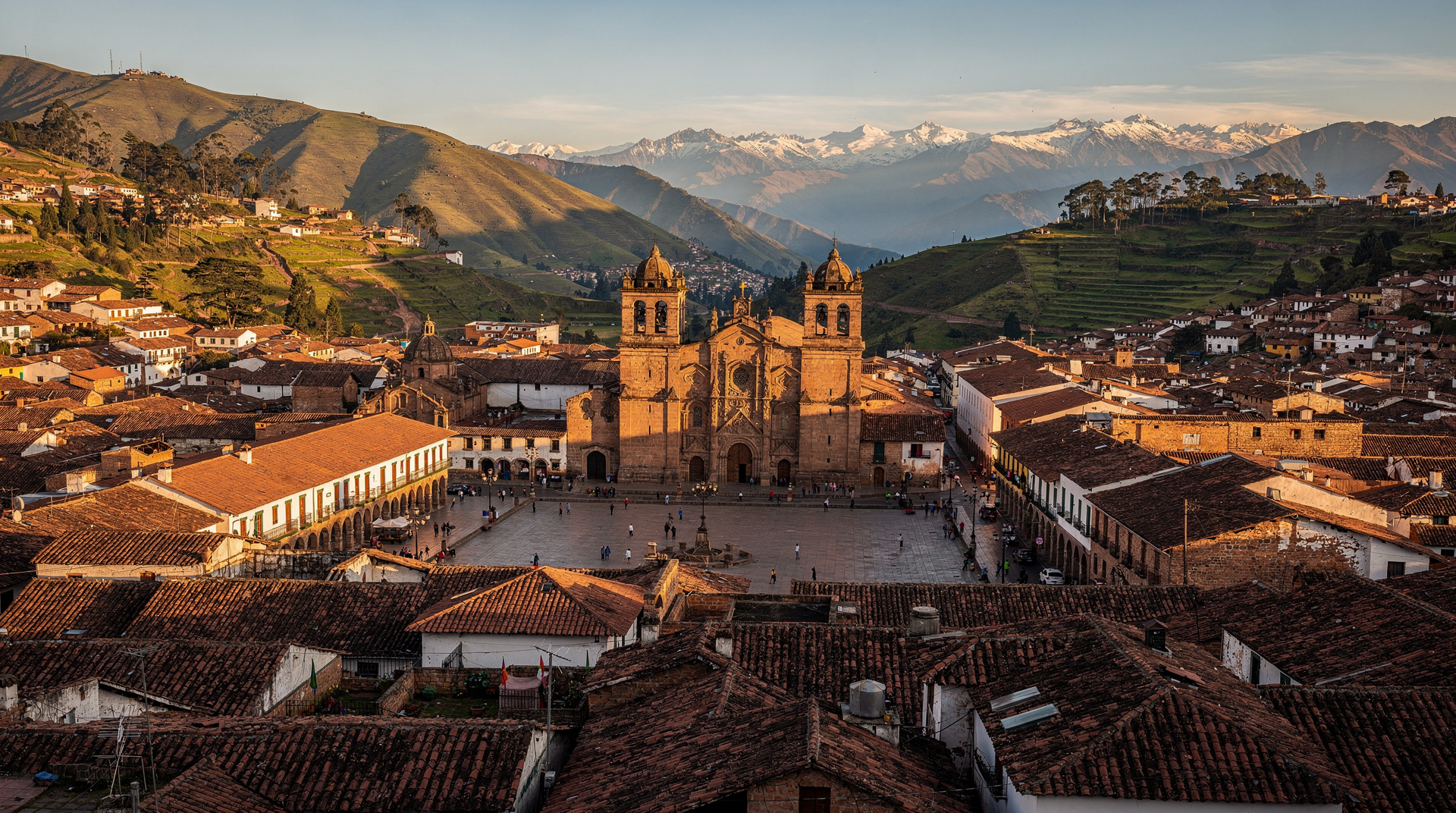
Cusco: Half-Day City Tour with Sacsayhuaman and Q’enco
Does coca tea help with altitude sickness?
Coca tea (mate de coca) genuinely eases mild soroche symptoms for most people — mild vasodilation, reduced nausea, slight analgesic effect. It does not cure or prevent AMS, and it does not substitute for acclimatisation rest. Drink it freely. Also useful: sorojchi pills (over-the-counter at Inkafarma), ibuprofen for headache, and supplemental oxygen for temporary relief. Only Diamox has strong preventive evidence, but it requires a prescription.
The full menu of altitude remedies in Cusco — and what each one actually does
Walk through central Cusco and within an hour you will have been offered coca tea in your hotel lobby, seen sorojchi pills behind a pharmacy counter, passed a stall selling canisters of oxygen, and potentially encountered someone near Plaza de Armas promoting altitude supplements of uncertain provenance.
This is not a problem in itself — altitude sickness is common at 3,400 m and there are genuine remedies available. The problem is that very few of the people offering these remedies will explain clearly which ones address symptoms (they ease your discomfort while your body adapts), which ones genuinely accelerate acclimatisation (only Diamox has that evidence), and which are somewhere in between.
This guide goes through every commonly encountered altitude remedy in Cusco, what the evidence says, how to use each one correctly, and where to get the legitimate version.
| Remedy | Cost | Prevents AMS? | Where to get it |
|---|---|---|---|
| Coca tea | Free–S/2 | No, symptom relief only | Hotel lobby, any market |
| Sorojchi pills | Under S/5 | No, symptom relief only | Inkafarma, Mifarma |
| Supplemental oxygen | Hotel-provided/free | No, temporary relief | Hotel reception, clinics |
| Diamox (prescription) | Varies | Yes, genuinely preventive | Prescribed before travel |
Coca tea: what it is and why it is genuinely useful
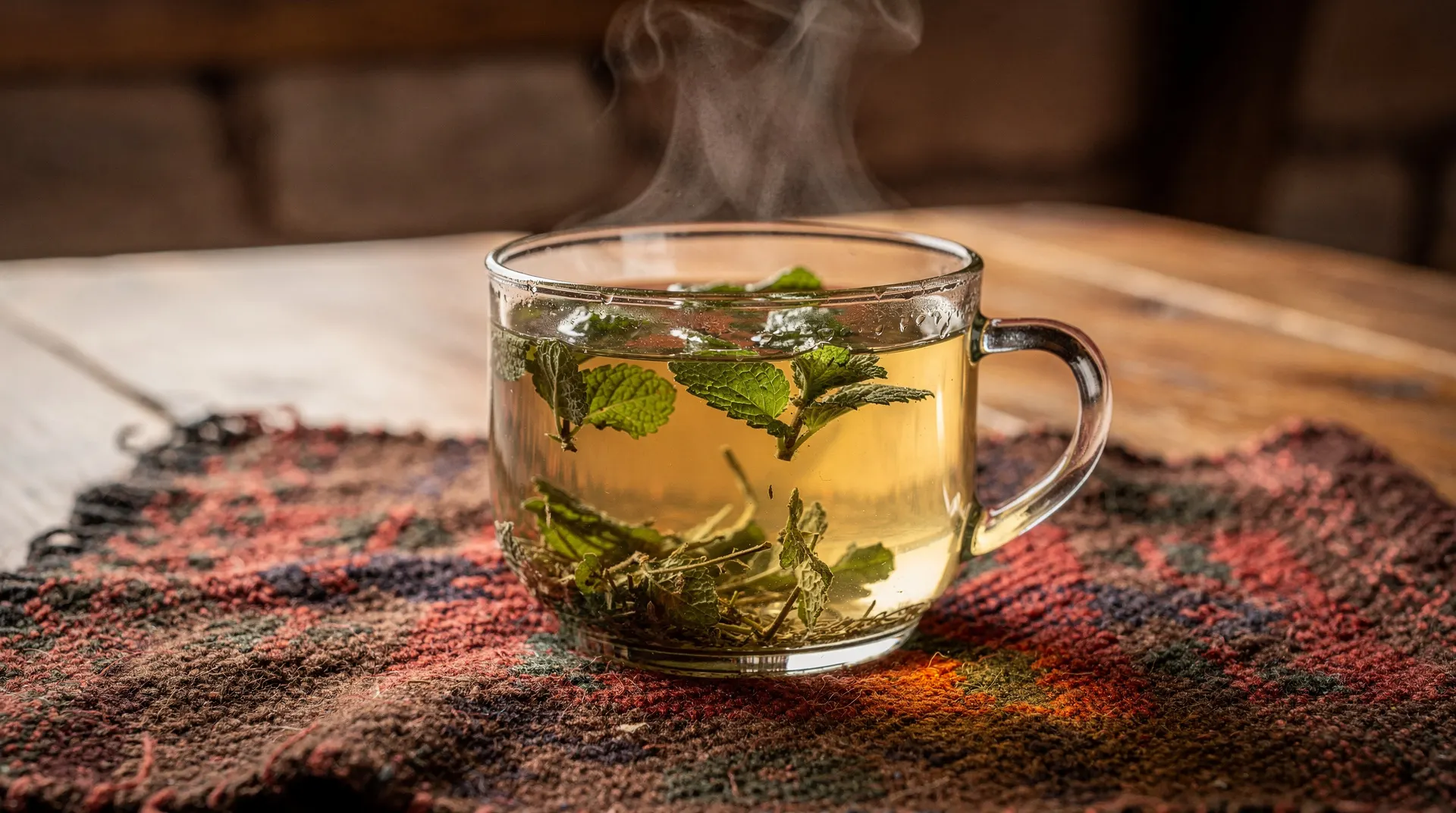
Coca tea (mate de coca in Spanish, mamakoka infusion in Quechua contexts) is made by steeping dried or fresh coca leaves in hot water. It has been used in the Andes for centuries for altitude-related complaints, fatigue, hunger suppression, and mild stimulation.
What is actually in it: The coca leaf contains around 14 alkaloids, the most relevant being cocaine (in very small concentrations) and the related compounds ecgonine methyl ester and benzoylecgonine. A cup of coca tea made with one or two standard commercial tea bags contains roughly 5–20 mg of these alkaloids combined — a fraction of the concentration in processed cocaine, and delivered through the digestive tract rather than by insufflation or intravenous route.
What it does at Cusco altitude:
- Mild vasodilation — opens blood vessels slightly, which can ease headache
- Mild analgesic effect from the alkaloid compounds
- Mild stimulant effect, which counteracts the fatigue component of mild AMS
- Antiemetic (nausea-reducing) properties
- Promotes gentle hydration (it is mostly water)
What it does not do: Coca tea does not accelerate acclimatisation. It does not prevent AMS. It will not fix moderate or severe altitude sickness. Think of it the way you think of ibuprofen for a headache — genuinely helpful for mild symptoms, not a cure.
The drug test issue: This is real and worth knowing before you drink your first cup. Cocaine metabolites from coca tea will show up on standard urine drug screens. The standard immunoassay tests used by employers and sports authorities cannot distinguish between coca tea consumption and cocaine use — they detect the metabolite benzoylecgonine in both cases. Metabolites typically clear in 3–7 days for a casual visitor consuming two or three cups a day.
If you are tested routinely (professional athlete, certain job roles), the safest approach is to stop consuming coca products at least a week before any scheduled test and to be aware that traces can persist.
Where to get it: Every hotel in Cusco will offer you coca tea on arrival. Dried coca leaves are sold openly in San Pedro Market and most food markets. Commercial tea bags are available in supermarkets. There is no shortage.
Our honest take: Drink it freely. It helps, it is culturally meaningful, it is safe, and it is pleasant. Do not expect miracles; expect mild relief and warm comfort.
Muña tea: the lesser-known Andean remedy
Muña (Minthostachys mollis) is an Andean aromatic herb that resembles wild mint and has been used in traditional medicine for digestive complaints and altitude-related nausea. It is not as well known internationally as coca tea but is widely available in Cusco’s markets and some cafes.
What it does: There is limited formal research on muña for AMS, but the anecdotal consensus among long-term residents and guides in Cusco is that it eases nausea reliably. The aromatic compounds have mild antiemetic and digestive properties similar to peppermint. If coca tea is not working for your nausea, muña tea is worth trying.
Where to get it: San Pedro Market, herbal stalls in the historic centre, some health-oriented cafes in San Blas.
Sorojchi pills: Cusco’s over-the-counter standard
Sorojchi Pills are the product you will see behind the counter at Inkafarma and Mifarma pharmacies throughout Cusco. They are inexpensive, effective for what they do, and a standard purchase for many visitors.
What they contain: The standard Peruvian sorojchi pill formula includes analgin (dipyrone) — a potent analgesic with mild anti-inflammatory properties — caffeine (mild stimulant), and sometimes aspirin. Some formulations vary slightly. The analgin component is the most effective element for altitude headache.
What they do: They address the headache and fatigue components of mild to moderate AMS. The headache relief is usually noticeable within 30–45 minutes. They do not accelerate acclimatisation and do not help with severe AMS.
Side effects: Analgin can very rarely cause allergic reactions. It is contraindicated with blood-thinning medications. Do not take on an empty stomach. The caffeine component can interfere with sleep if taken late in the day.
Where to buy: Any Inkafarma or Mifarma pharmacy in Cusco. Both chains have multiple branches in the historic centre and around Plaza de Armas. Ask by name at the counter. Price: typically under S/5 (around $1.30–1.50 USD).
Our honest take: One of the most practical things you can buy in Cusco for your first days. Not a substitute for rest and hydration, but a reliable companion to them.
Supplemental oxygen: useful in the right context
Oxygen canisters (small portable units containing approximately 95% oxygen) are available in many Cusco hotels, at tourist-oriented pharmacies, and — at greater concentration — at the city’s medical clinics. Some high-end hotels maintain oxygen rooms.
What it does: Breathing supplemental oxygen at altitude raises your blood oxygen saturation rapidly and provides genuine relief from headache, nausea, and breathlessness. The effect is usually felt within a few minutes.
What it does not do: It does not accelerate acclimatisation. When you stop breathing the supplemental oxygen, your body returns to adapting at the rate it would have without the oxygen. It is a temporary relief intervention, not a treatment.
When it is useful: For severe headache that is not responding to sorojchi pills and ibuprofen; for significant nausea and distress; for guests who need to function for a few hours before they can rest. It is also appropriate as a first-response measure while deciding whether to descend or seek medical help for more serious symptoms.
Where to get it: Hotel reception can usually provide a canister or mask. For concentrated medical-grade oxygen therapy, Clínica Pardo and Clínica Mac Salud in Cusco are equipped.
Ibuprofen and paracetamol
Standard over-the-counter analgesics work for the headache component of mild AMS, and there is reasonable evidence that ibuprofen specifically has some modest effect on the inflammatory mechanisms of altitude headache. Take standard doses as directed. Ibuprofen should be taken with food (the stomach is already stressed at altitude). Both are available in all pharmacies.
Ginkgo biloba: modest prevention evidence
Ginkgo biloba has been studied as an AMS preventive agent and the results are mixed but modestly positive. The proposed mechanism is improved circulation and oxygen delivery to tissue. Studies suggest that taking 80–120 mg twice daily, starting 1–2 days before ascent, may reduce the incidence of mild AMS.
It is low-risk (mild blood-thinning properties — avoid if you are on anticoagulants), available in health shops and most pharmacies, and cheap. Whether to take it is a reasonable individual decision based on your history with altitude and your risk tolerance.
Honest expectation: It might reduce your chances of a headache. It will not prevent significant AMS in susceptible individuals.
Diamox (acetazolamide): the only drug with strong preventive evidence
Diamox is a prescription diuretic that works by acidifying the blood, which stimulates increased breathing rate, which in turn accelerates the acclimatisation process. Unlike every other remedy on this list, it genuinely prevents AMS rather than just treating symptoms.
Who it is for: People with a documented history of severe AMS; travellers on very tight itineraries with no time for gradual acclimatisation; anyone ascending rapidly to very high altitudes (4,500 m+ within 24 hours). Occasionally recommended for the Cusco–Puno route (ascending from 3,400 m to 3,830 m, which can trigger a fresh bout of symptoms).
Who it is not for: Most Cusco visitors with normal itineraries. The standard Cusco trip (1–2 rest days, then activities) does not require Diamox for the majority of healthy adults. It is over-prescribed and over-sold in some Cusco tourist contexts.
Side effects: Tingling in hands, feet, and face (very common); increased urination; metallic or altered taste of carbonated drinks; occasional nausea or dizziness. Rare but serious: sulpha allergy reaction (Diamox is sulpha-based — do not take if you have a sulpha allergy).
How to get it legitimately: Obtain a prescription from your own doctor before travelling. Do not buy from street vendors or pharmacy counters without prescription in Cusco — not because Diamox purchased this way is necessarily fake, but because starting a new prescription drug at altitude, without knowing your own medical history, without medical supervision, is a poor choice.
Dosage: Typically 125–250 mg twice daily, started 1–2 days before ascending. Discuss the specific protocol with your prescribing doctor.
Remedies that do not work or that we cannot recommend
“Altitude sickness shots” from unlicensed clinics or market sellers: Some informal sellers near tourist areas in Cusco offer injections they describe as altitude remedies. These are unregulated, unverified, and potentially dangerous. Avoid entirely. The altitude medicine scams guide covers this territory directly.
Heavy herbal supplements with unverified claims: A range of supplements are marketed in Peru for altitude. Some are benign and potentially mildly helpful; others are simply expensive placebos. The ones with the most genuine backing are coca tea, ginkgo biloba, and muña — none of which requires a special supplement purchase.
Alcohol “to take the edge off”: Alcohol is directly contraindicated for altitude acclimatisation. It suppresses breathing drive, dehydrates, and degrades sleep quality. The pisco sour tradition is real and wonderful — observe it on day three, not day one.
The practical shopping list for a Cusco visit
Before or just after arrival, pick up the following:
From Inkafarma or Mifarma (widely available in historic centre Cusco):
- Sorojchi Pills (by name, S/4–5)
- Ibuprofen (if not already packed)
From your hotel:
- Coca tea — ask for it on arrival
From a market stall or health shop:
- Muña tea bags (optional but pleasant)
From your doctor at home (if applicable):
- Diamox prescription if your history warrants it
That is the complete and honest altitude-remedy toolkit for Cusco. No special Peruvian supplement packages are needed, no expensive private altitude clinics, and no street sellers outside Plaza de Armas.
The altitude sickness guide gives the complete picture of soroche symptoms and the full strategic framework. The acclimatisation plan puts the remedies into the day-by-day context where they work best.
A note on the “altitude doctor” situation in Cusco
Cusco has genuine excellent medical facilities and legitimate doctors who understand altitude medicine. It also has a small industry of informal operators who advertise as “altitude specialists” and target tourists for unnecessary consultations and prescribed supplements.
Signs of legitimate altitude medical care: based in an established clinic, able to provide a standard consultation receipt, prescriptions written on proper headed paper, treatments backed by conventional medical evidence.
Signs of a scam: approached on the street; supplements sold directly by the “doctor”; high-pressure urgency about your “dangerous” condition; cash only. The altitude medicine scams guide is the full version of this warning.
For genuine medical concerns at altitude — symptoms that are getting worse rather than better, anything beyond mild AMS — Clínica Pardo and Clínica Mac Salud are reputable options in Cusco.
How Cusco’s altitude compares to other stops on a Peru trip
The remedies covered above are calibrated to Cusco’s 3,400 m, but a typical Peru itinerary moves through several different altitudes, and it is worth knowing how the picture shifts. Puno, on Lake Titicaca, sits at approximately 3,830 m — noticeably higher than Cusco, and travellers who felt fine in Cusco sometimes experience a fresh round of mild symptoms on arrival in Puno, particularly if they travel there directly by overnight bus without an intervening rest day.
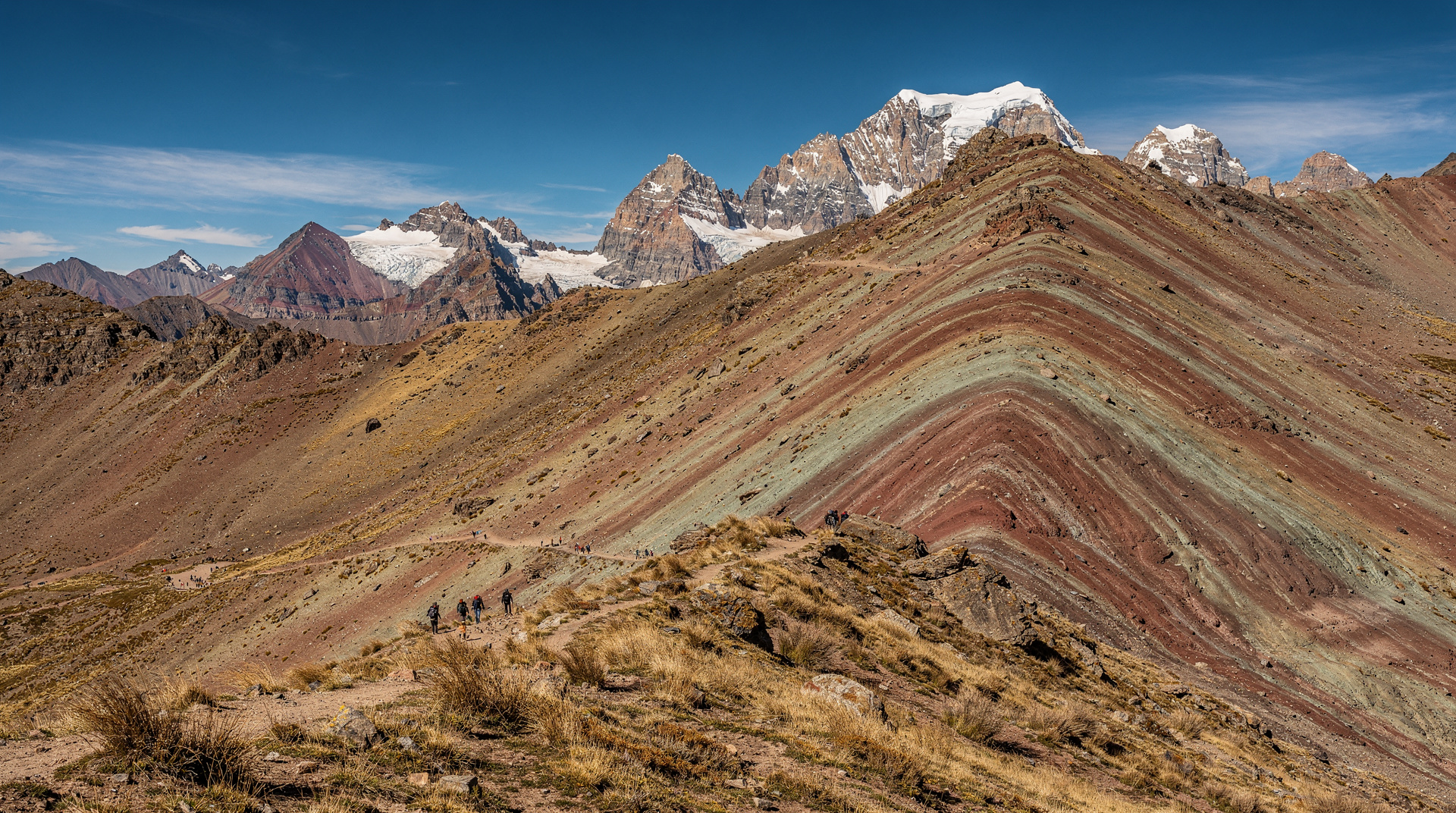
Machu Picchu itself, by contrast, sits at only 2,430 m — meaningfully lower than Cusco — and most visitors find altitude symptoms ease noticeably once they descend to Aguas Calientes, even after a difficult first day or two in Cusco. Rainbow Mountain’s viewpoint at over 5,000 m is the highest point most travellers reach on a standard Cusco itinerary, and the short, sharp exertion at that altitude can trigger symptoms even in travellers who had no issues at Cusco’s lower elevation — carrying sorojchi pills and coca leaves on that specific excursion is a sensible precaution covered in the Rainbow Mountain altitude tips guide.
Combining remedies safely
Most visitors end up using two or three of these remedies together, and that is generally fine — coca tea, sorojchi pills and rest is the standard, safe combination for mild symptoms. What to avoid combining: analgin-based sorojchi pills with blood-thinning medication or alcohol; Diamox with alcohol (both affect hydration and kidney function); and any combination with the unregulated “altitude shots” sold informally, since their contents are unverified and could interact unpredictably with anything else you have taken. If you are already taking a prescribed Diamox course, sorojchi pills and coca tea alongside it for breakthrough symptoms are not contraindicated, but check with your prescribing doctor if you have any doubt.
What hotels typically offer versus what you should bring yourself
Most mid-range and upmarket Cusco hotels offer coca tea on arrival as a standard courtesy, and many maintain small oxygen canisters for guest use on request. What hotels generally do not stock: sorojchi pills, ibuprofen in useful quantities, or muña tea. Building your own small kit in the first hour after arrival — a pharmacy stop for sorojchi pills and painkillers, plus whatever coca tea your hotel offers — is more reliable than assuming a given property will have everything covered, particularly at budget accommodation where the oxygen and remedy amenities common at higher price points are less consistently available.
Timing your remedies around your itinerary
The remedies that matter most shift depending on where you are in your trip. On arrival day and day two, coca tea plus deliberate rest matter more than any pill — this is when your body is doing the actual acclimatising, and no remedy substitutes for that. From day three onward, once you are moving to activities, sorojchi pills and ibuprofen become more relevant for managing exertion headaches. If you are heading to Rainbow Mountain or Puno (which sits even higher than Cusco), carry sorojchi pills and coca tea leaves with you rather than relying on availability at the destination — Rainbow Mountain in particular has limited services at altitude.
Where remedies fit into the wider trip plan
Remedies work best when the itinerary around them is sensible. If you are still deciding how to structure your first days, the Sacred Valley versus Cusco comparison and the guide to choosing a base explain why many travellers sleep lower first and visit the city afterwards. The Sacred Valley and Ollantaytambo are the usual lower-altitude options, and the how many days in Cusco guide helps you leave room for a rest day at the start.
Your packing list matters too. The what to pack for Cusco guide covers the practical kit, and a small pouch with your painkillers, coca leaves and tea bags fits easily in a daypack for day trips.
If you are heading to higher ground, the remedies above come along with you. The Humantay Lake day trip, the Salkantay trek guide and the Inca Trail complete guide all involve long days at altitude, so think about your kit before you leave Cusco rather than at the trailhead. For a first-hand account of how it feels, the blog post altitude sickness: my story is a candid read, and the Cusco 3-day short itinerary shows how a gentle start can be paced.
Easing into activities while your body adapts
The best use of any remedy is to pair it with a gentle first few days. Once you have rested, a relaxed introduction to the city, such as a half-day city tour that takes in Sacsayhuamán and Q’enco, lets you see the sights at a slow pace without a long walk at altitude. Keep your coca tea and sorojchi pills in a daypack and sip water as you go.
When you feel settled, a full-day tour of the Sacred Valley takes you to lower ground, where many travellers say they breathe more easily. If Machu Picchu is the main goal, a Machu Picchu day trip by tourist train with the entrance ticket included keeps the logistics simple, so you can spend your energy on the ruins instead of on organising transport. The Machu Picchu altitude explained guide shows why the descent usually feels like relief.