Peru 10-day itinerary: Cusco, Machu Picchu & Lake Titicaca
From Cusco: Machu Picchu Day Trip with Train Tickets
The classic Peru circuit, planned properly
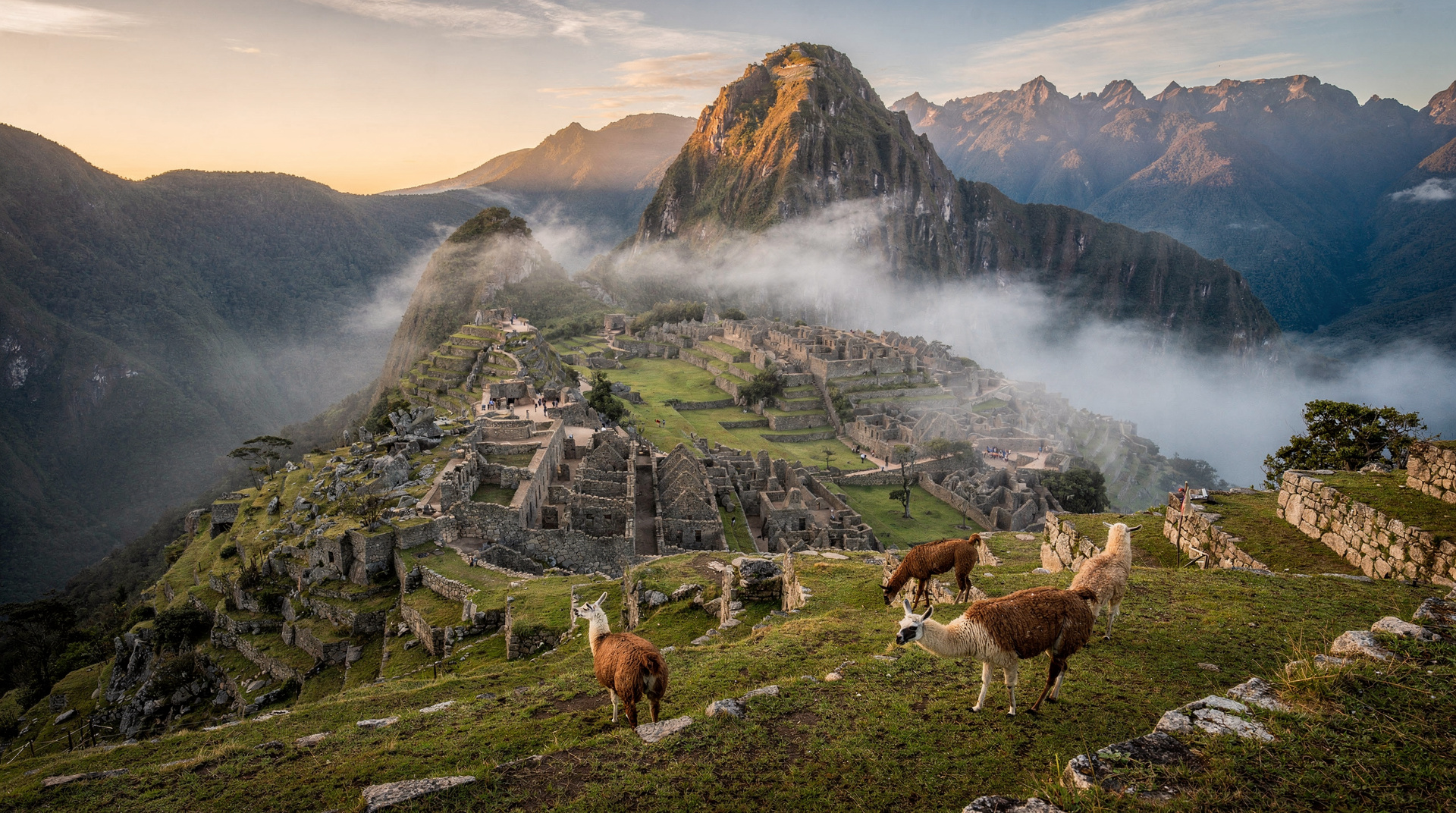
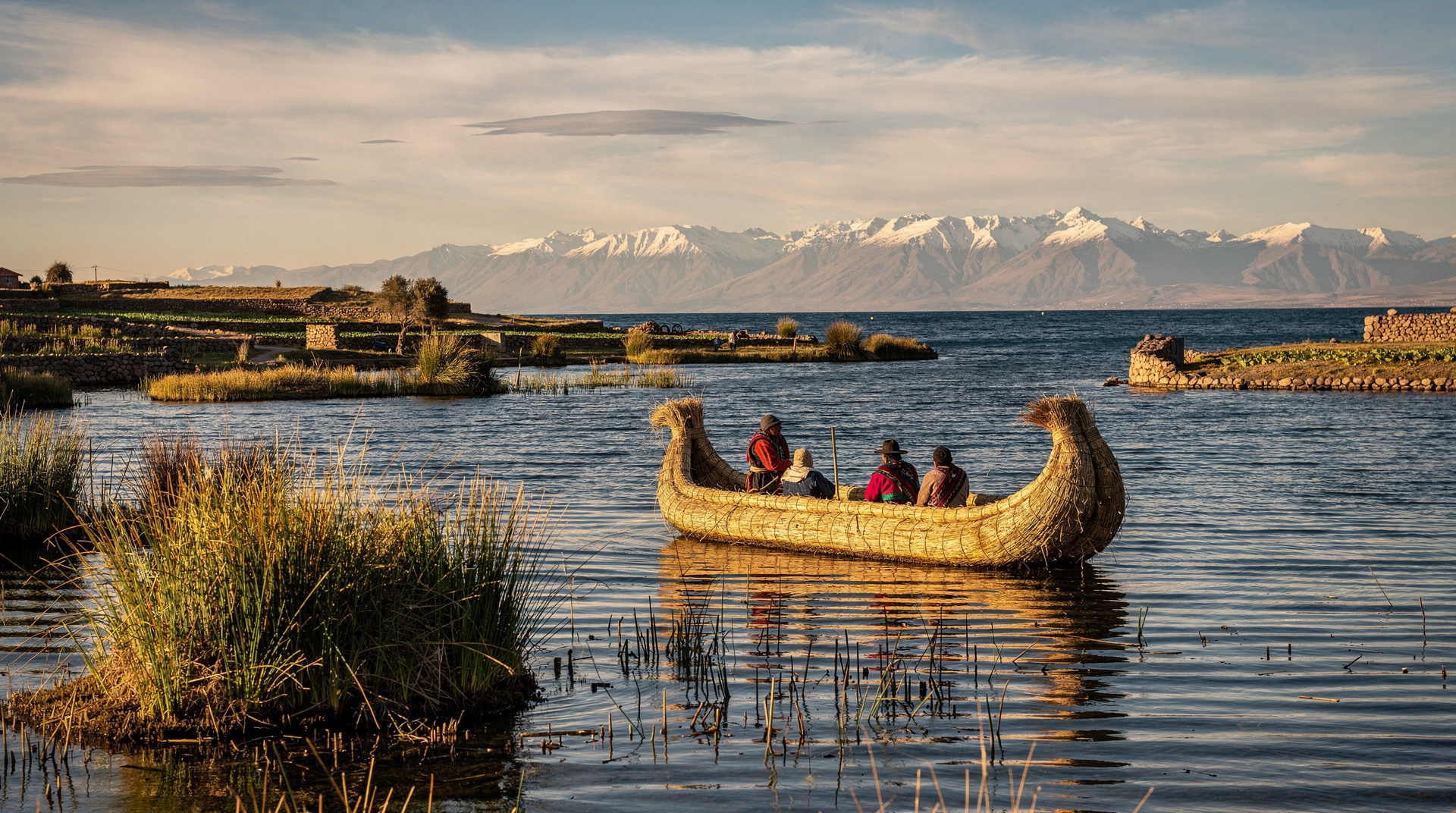
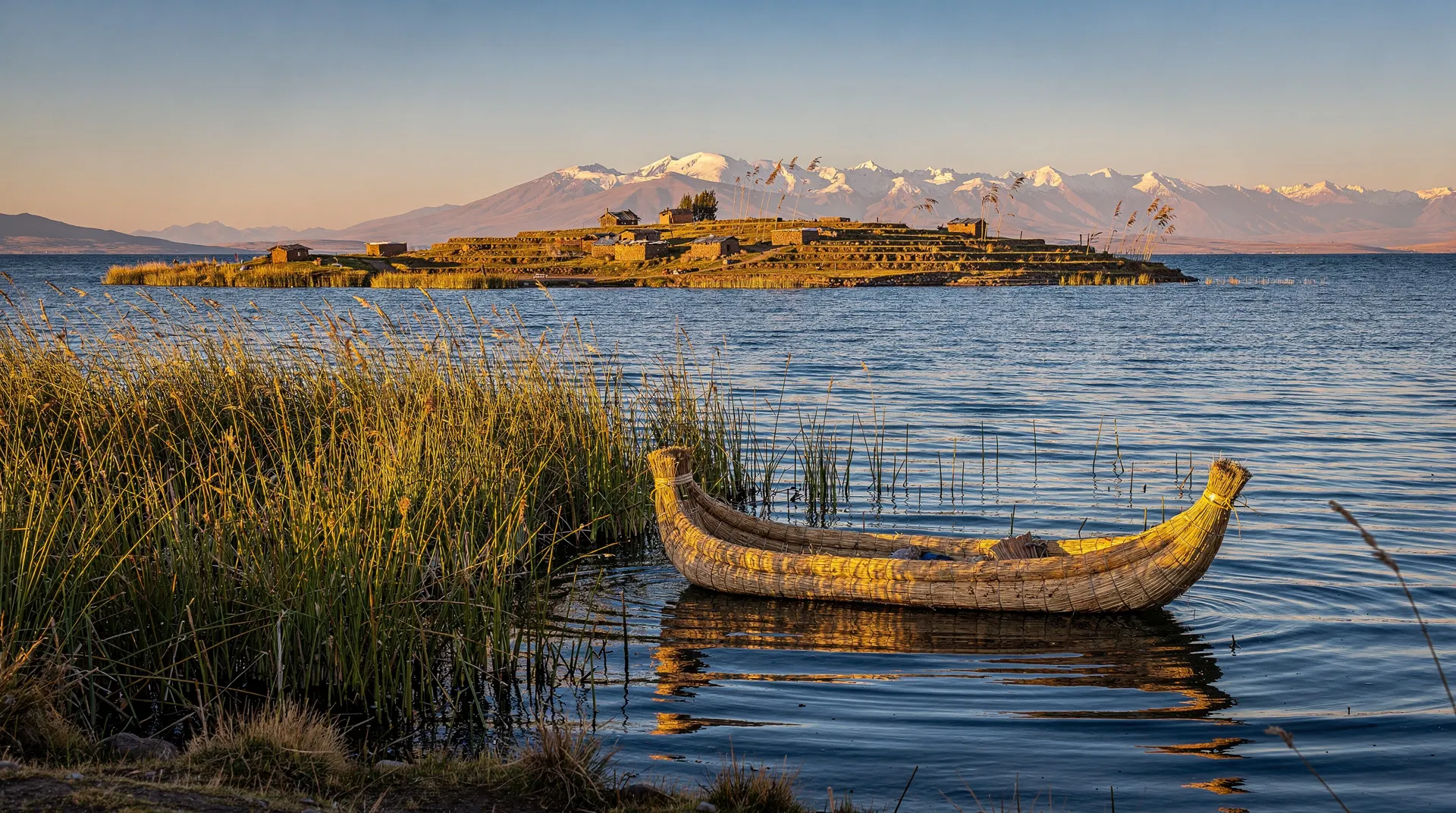
Ten days is the minimum that allows a first-time visitor to cover Lima, the Sacred Valley, Machu Picchu, Cusco and Lake Titicaca without feeling permanently rushed or altitude-wrecked. This is the circuit that defines Peru tourism and for good reason — the range of experience is extraordinary. High-rise Lima’s ceviche culture; the dusty air of 15th-century stone-paved Inca streets; the citadel hanging off a ridge above cloud forest; and the highest navigable lake on earth, where Uros islanders still build floating reed islands exactly as their ancestors did.
The altitude sequence in this itinerary matters. Lima sits at sea level, giving your body a 24-hour reset before flying to Cusco (3,400 m). Within the Andes section, the first night is in the Sacred Valley at 2,800 m, not in Cusco — the standard structural adjustment that prevents the majority of first-day soroche (altitude sickness). Titicaca comes last, at 3,820 m — by that point in the itinerary you have been in the Andes for several days, and the additional 400 m above Cusco will be significantly easier to handle.
International arrivals: Most long-haul flights into Peru land at Lima’s Jorge Chávez International Airport (LIM). From Lima, fly to Cusco on the domestic carriers (LATAM, Sky, Avianca); flights take 70 minutes and depart throughout the day. Book your Lima–Cusco flight at the same time as your international ticket; last-minute availability can be tight in high season.
Before you book Machu Picchu: Tickets sell out weeks to months in advance in high season. Book at tuboleto.cultura.pe as soon as your dates are firm. See Machu Picchu tickets explained.
| Where | Lima (1 night) + Sacred Valley (3 nights) + Cusco (3 nights) + Puno (2 nights) |
| Cost | around $1,141–1,936 mid-range per person, excl. int’l flights |
| Time needed | 10 days for Lima + Cusco + Machu Picchu + Titicaca comfortably |
| Getting there | International flight to Lima (LIM), domestic connection to Cusco (CUZ) |
| Best time | May–September dry season, book Machu Picchu and Lima–Cusco flights early |
Flying vs the Ruta del Sol bus to Puno
The single biggest routing decision on this circuit is how you get from Cusco to Puno. Flying (via Juliaca, roughly 50 minutes) is fast and simple but skips the sites along the route entirely. The Ruta del Sol tourist bus takes a full day (8–9 hours) but stops at Andahuaylillas church, the Temple of Wiracocha at Raqchi, and the La Raya pass — genuinely worthwhile sites that most flying travellers never see. This itinerary uses the bus because the ten-day timeframe has room for it; if your schedule is tighter, flying frees up almost a full day that can be spent instead in Cusco or at Titicaca.
Day 1: Lima — arrive, Miraflores/Barranco
Altitude: Sea level
Arrive in Lima. Most long-haul flights land in the evening or overnight; the city’s persistent Pacific grey (garúa) is omnipresent from May to November but rarely causes rain. Transfer to Miraflores or Barranco — these two coastal barrios are the best base for a short Lima stay. Taxi from the airport to Miraflores costs S/50–70 (45–60 minutes); use the official taxi desks in arrivals or pre-book.
Lima has some of the best restaurants in South America — Astrid y Gastón, La Mar, Maido are the famous names, but excellent ceviche and causas are available across Miraflores at a fraction of those prices. If your flight arrives in time for dinner, eat in Barranco or Miraflores and sleep well. Tomorrow’s Cusco flight requires an early departure from the airport.
Where to stay: Miraflores has the full range from hostels (S/80–120 dorms) to Marriott and Orient-Express properties. For one night, a mid-range guesthouse or boutique hotel (S/250–450) near the Larcomar cliff walk is entirely adequate.
Day 2: Lima — fly to Cusco — Sacred Valley
Altitude: 2,800 m (Sacred Valley) by evening
Morning domestic flight Lima–Cusco (LIM–CUZ, 70 minutes). Most morning departures from Lima leave 6–9 a.m.; arrive at the airport 2 hours before. On arrival in Cusco, resist the temptation to stay in the city and transfer immediately to the Sacred Valley. Shared shuttle: S/25–35. Private taxi airport to Ollantaytambo: S/100–140.
The structural logic is the same as for all Cusco itineraries — first night at 2,800 m, not 3,400 m. Sleep quality, morning energy, and the absence of a throbbing headache on day three are the reward.
Arrive in Ollantaytambo, walk gently through the Inca street grid, eat lightly, drink plenty of water, avoid alcohol. The Ruta del Sol bus from Cusco to Puno later in the itinerary passes through sites near here — you will see Raqchi and Andahuaylillas on that journey.
Day 3: Sacred Valley — Pisac and Maras-Moray
Altitude range: 2,800–3,500 m
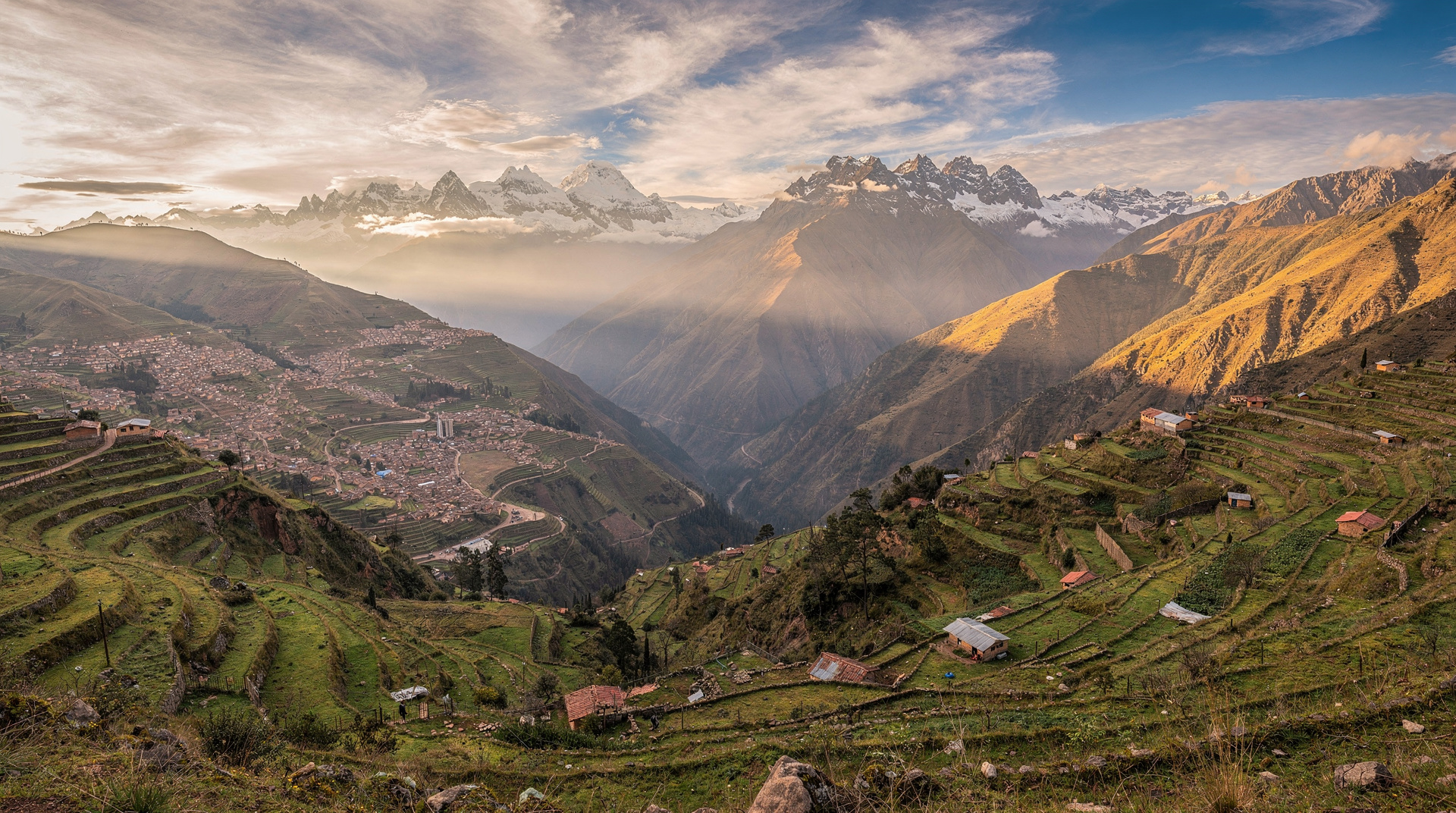
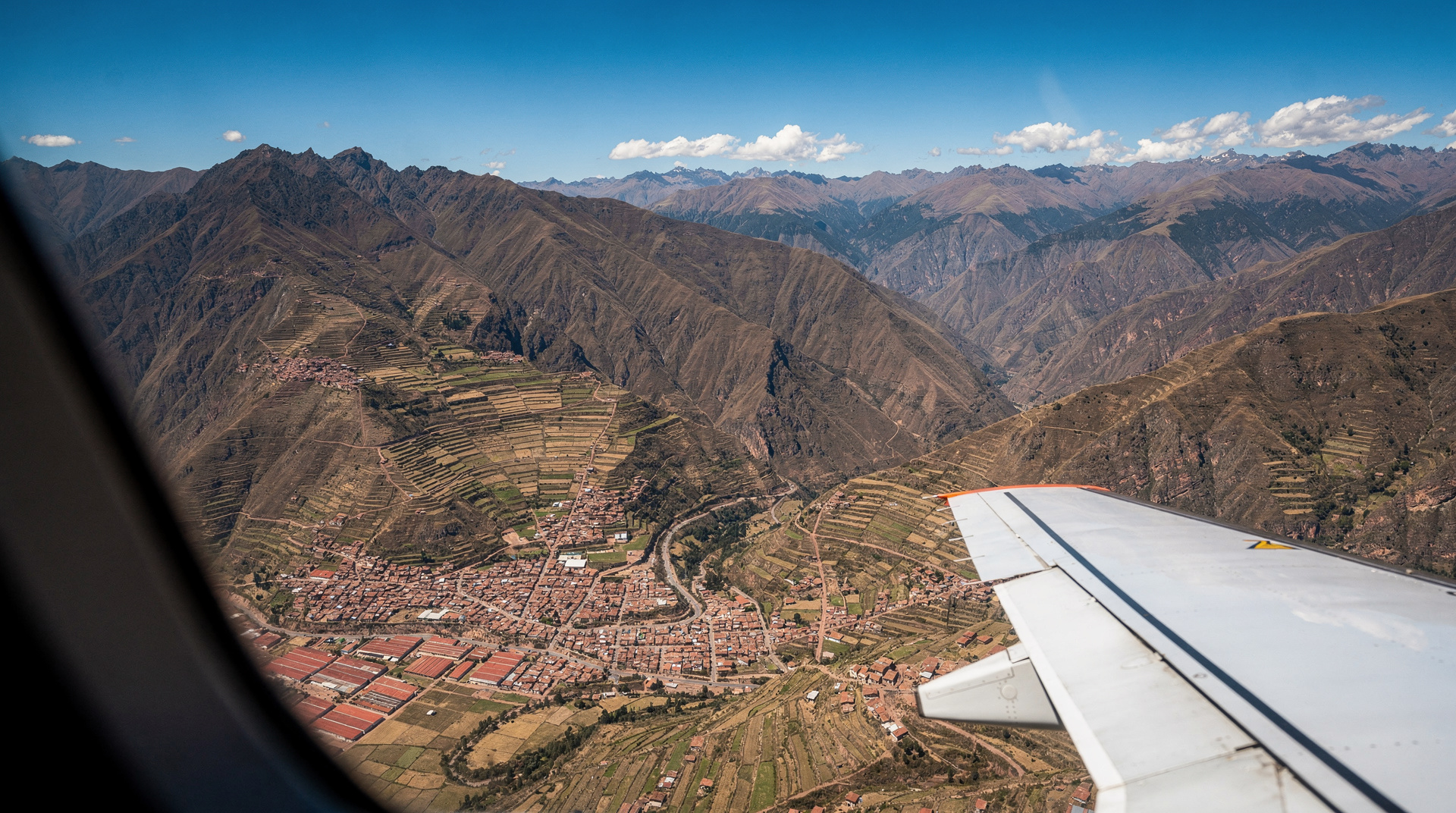
A full day in the valley. The Sacred Valley full-day tour combines Pisac (ruins and/or market), Maras salt mines, and Moray’s circular terraces in one efficiently routed day with a guide and transport. All three sites in a private taxi is also viable (budget S/120–180 for the taxi for the day).
Ollantaytambo fortress in the afternoon if you return before 4 p.m. — or save it for a morning slot the day you transfer to Cusco. The fortress deserves 90 minutes; do not attempt it on the same day as the full valley circuit if you are altitude-cautious.
Second night in the valley. Body settling to altitude; sleep should be better than night one.
Day 4: Ollantaytambo — Machu Picchu — Aguas Calientes
Altitude: 2,040 m (Aguas Calientes)
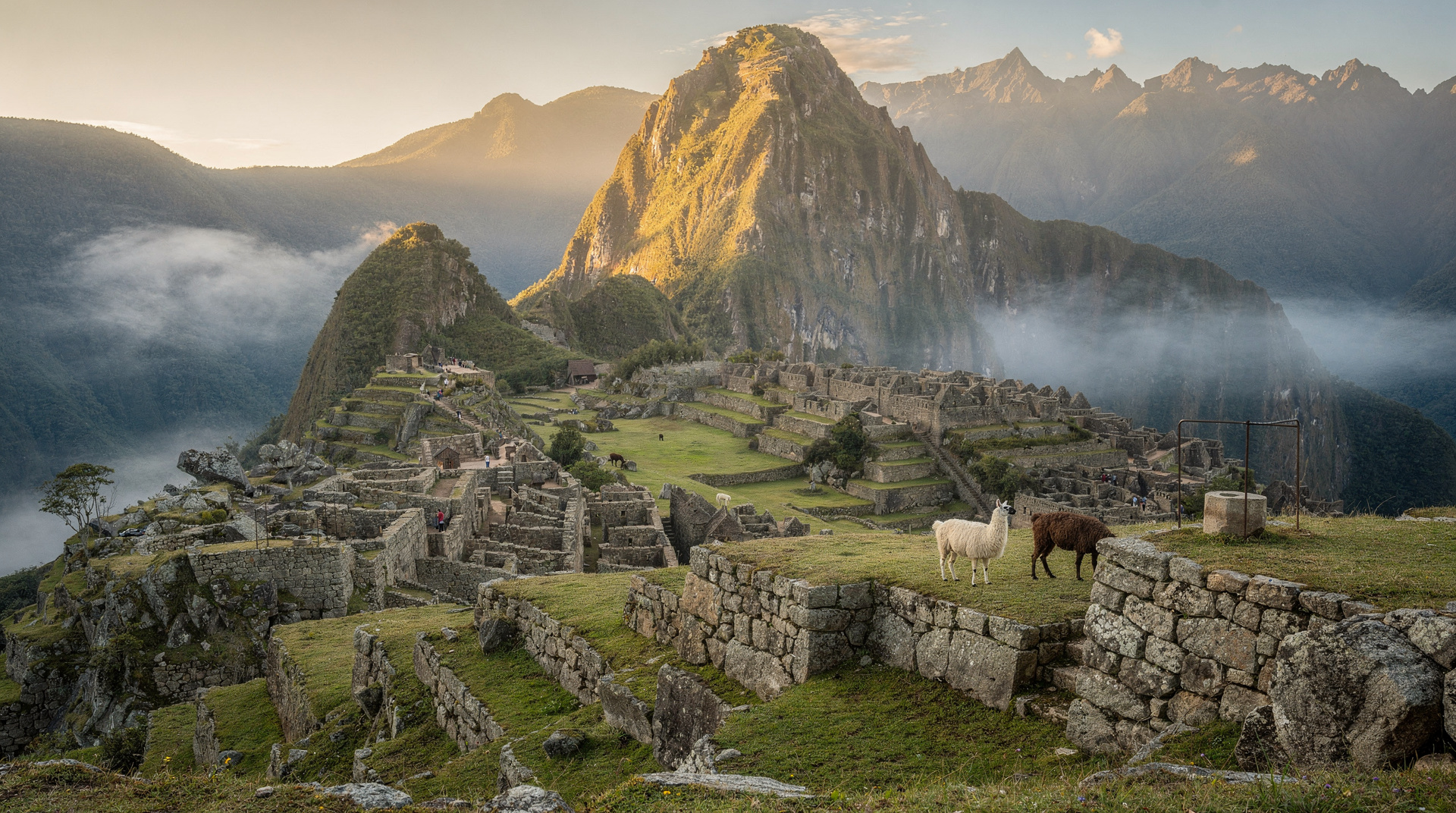
Early train from Ollantaytambo to Aguas Calientes — the first departures leave around 5 a.m., though 6–7 a.m. trains allow a reasonable morning. The 90-minute journey through the deepening Urubamba gorge and into cloud forest is one of the finest rail experiences in the Andes. Book your Machu Picchu ticket and train together; the train and entrance combination covers both cleanly.
Full afternoon at Machu Picchu. Circuit 2 is the best single-visit circuit — 2.5–3 hours, covering the central sector, the Temple of the Sun, the Intihuatana stone, and the Sun Gate approach. Timed entry since 2024 means you enter at your booked slot and follow the marked circuit; backtracking between numbered circuits is not permitted.
Return to Aguas Calientes by late afternoon. Sleep here tonight — a second morning at the citadel tomorrow (day five) is available if you book a separate entrance ticket.
Day 5: Machu Picchu or transfer to Cusco — Cusco overnight
Altitude: 2,430 m to 3,400 m
Optional second morning at the citadel (separate entrance ticket required). Or take the first train back to Ollantaytambo (9–10 a.m.) and arrive in Cusco by early afternoon via the 90-minute bus.
Afternoon in Cusco: Qorikancha (Temple of the Sun; check rates and opening hours on the official Qorikancha website, and adjust timing based on arrival), a walk through the historic centre and up to San Blas. The body will feel the altitude of Cusco more keenly after two days at lower elevation in the valley and Aguas Calientes; take the afternoon gently.
First night in Cusco. Good dinner near the plaza; the streets around Plazoleta Regocijo have excellent contemporary Andean restaurants at mid-range prices (S/60–120 per person with a drink).
Day 6: Cusco city — Sacsayhuamán and centre
Altitude: 3,400 m
Full day in Cusco. Morning at Qorikancha and the Cathedral (fares to check on the official sites); afternoon on the half-day city ruins tour covering Sacsayhuamán, Q’enqo, Puca Pucara and Tambomachay. The four Cusco-area ruins on the Boleto Turístico (S/70 for the partial circuit) take 3–4 hours with a guide.
Evening: San Pedro Market winds down by 6 p.m. but is worth a visit in the morning if you prefer to swap the order. Dinner in the historic centre. This is your last full night in Cusco.
Day 7: Cusco — Puno by tourist bus (Ruta del Sol)
Altitude range: 3,400 m to 3,827 m (La Raya pass) to 3,820 m (Puno) Travel time: 8–9 hours
The Ruta del Sol tourist bus from Cusco to Puno departs early morning (around 7–8 a.m.) and includes stops at Andahuaylillas church, Raqchi (Temple of Wiracocha), the La Raya pass (the Andean watershed at 4,335 m), and Pukara museum along the way. The journey covers 400 km and takes 8–9 hours. It is the scenic alternative to flying (50-minute flight, no stops) and is genuinely worthwhile if you have the day available. The bus arrives in Puno by late afternoon.
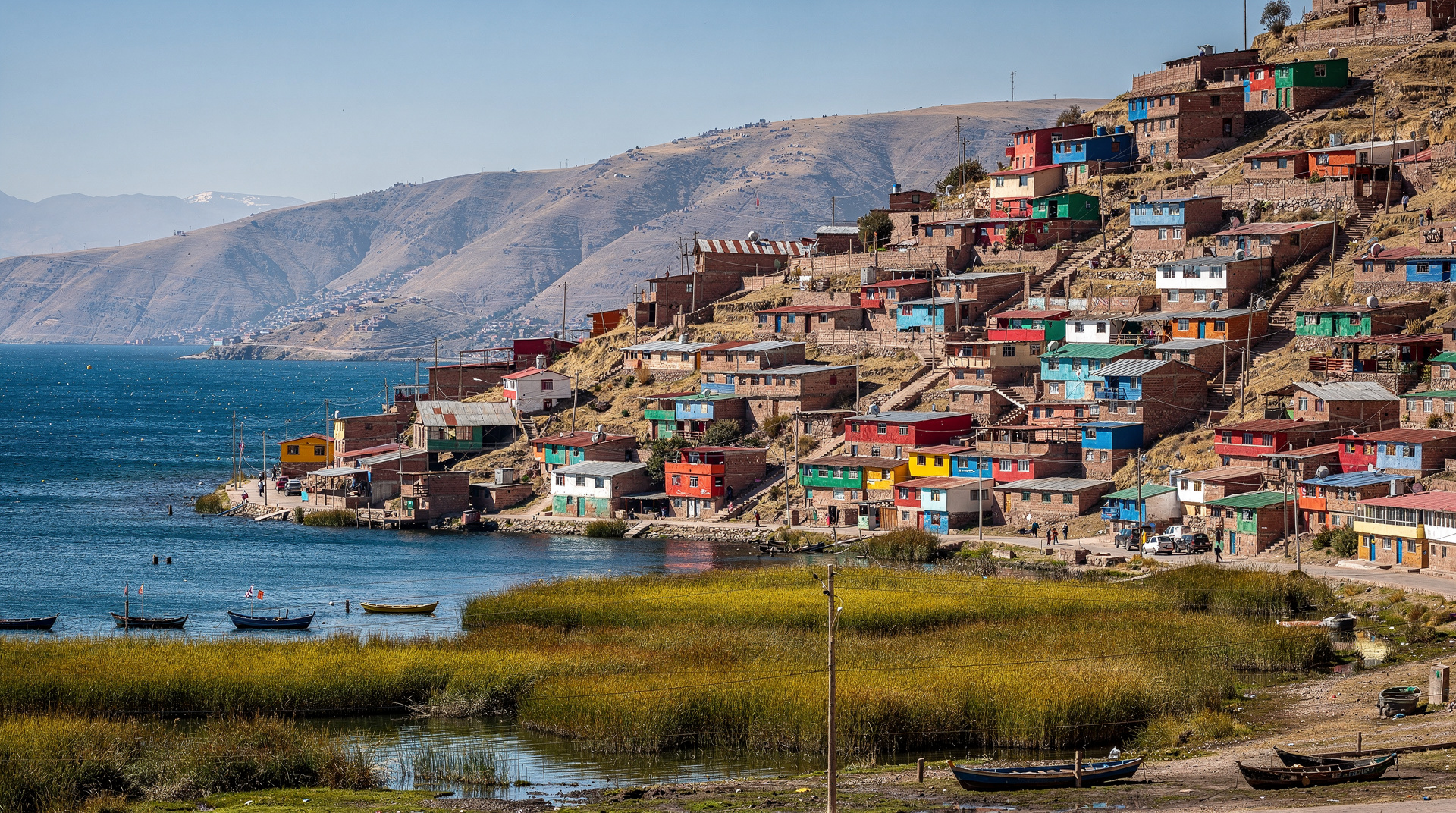
Puno (3,827 m) is the Lake Titicaca gateway city — functional rather than beautiful, but the lakefront promenade and the Malecon are pleasant in the evening. Dinner in Puno; local trout (trucha) from the lake is the dish to order. The altitude step from Cusco (3,400 m) to Puno (3,827 m) is modest if you have been acclimatising through the itinerary; most visitors feel it minimally after a week at altitude.
Day 8: Lake Titicaca — Uros islands and Taquile
Altitude: 3,820 m
Early morning departure from Puno port on the full-day Titicaca islands tour. The Uros and Taquile full-day tour covers both islands in a single day on a motorised boat. The Uros floating islands — genuinely constructed from dried totora reeds, renewed constantly as the base rots — are 30–45 minutes from Puno port. Allow an hour on the islands. The families here live between tourism and traditional fishing and farming; treat it with appropriate respect rather than as a theme park.
Taquile Island (4–5 hours from Puno) is a different encounter: a highland Quechua community where the men famously weave using techniques unchanged for centuries, and where the textiles are UNESCO-listed. The climb from the port to the village (about 30 minutes on stone steps) is steep at this altitude; pace yourself. Lunch at a family-run restaurant on the island is typically included in the tour package.
Return to Puno by 5–6 p.m. If you want a more immersive experience, the 2-day Amantani homestay extends the Titicaca experience with a night on Amantani island in a local family home — a genuinely different kind of travel that several visitors rate as the highlight of their entire Peru trip.
Day 9: Puno — fly Lima — onward international
Altitude: 3,820 m to sea level
Fly from Juliaca airport (JUL, the closest airport to Puno, 45 minutes by taxi from the city centre) to Lima (LIM), then connect to your international departure. LATAM operates Juliaca–Lima flights; book in advance as capacity is limited. The taxi from Puno to Juliaca airport costs approximately S/50–80; allow 90 minutes including check-in.
Alternatively, fly from Puno/Juliaca back to Cusco (30 minutes) for a night in Cusco before an early-morning Lima connection on day 10. This is the more relaxed routing if your international departure is evening or night.
Homestay option: Travellers with an extra day to spare should seriously consider swapping the standard Uros-and-Taquile day trip for the 2-day Amantani homestay instead. Sleeping in a local family’s home on Amantani island, eating a home-cooked dinner, and joining an evening dance in traditional dress is consistently rated by returning travellers as more memorable than the standard day tour — though it does require restructuring days eight and nine of this itinerary and adding one extra day overall.
Day 10: Lima — final day before international departure
Altitude: Sea level
Lima has more than enough to fill a final day: the historical city tour of the Plaza Mayor, the San Francisco Catacombs (S/20), and the Larco Museum (S/40, outstanding pre-Columbian collection on a clear day) are the main options. Miraflores’s Larcomar cliff mall has fine dining and Pacific views for a last lunch. Jorge Chávez Airport requires 2–3 hours before international departures; taxi from Miraflores S/50–70.
Budget summary (per person)
| Category | Mid-range (USD approx.) |
|---|---|
| Accommodation (9 nights) | $450–800 |
| Lima–Cusco domestic flight | $60–120 |
| Train Ollantaytambo–Aguas Cal. return | $65–85 |
| Machu Picchu entrance | $41 |
| Ruta del Sol bus (Cusco–Puno) | $35–50 |
| Titicaca day tour | $30–50 |
| Guided tours (Sacred Valley, Cusco ruins) | $80–150 |
| Juliaca–Lima flight | $80–140 |
| Meals (10 days) | $300–500 |
| Total per person | $1,141–1,936 |
Tips for this circuit
Train bookings: PeruRail and Inca Rail both serve the Ollantaytambo–Aguas Calientes route. Book at least 4–6 weeks ahead in high season (June–August). See trains to Machu Picchu compared.
Altitude throughout: Puno at 3,820 m is the highest point in this itinerary. By day seven, after a week ascending gradually from sea level, the Puno altitude should be manageable. If you develop symptoms in Puno, descend towards the lake (the port is slightly lower) and rest. See altitude sickness guide.
14-day extension: Add Arequipa, the Colca Canyon, and the Nazca lines to extend this into the full southern Peru grand tour. See the two-week grand tour itinerary for the complete route.
Frequently asked questions about Peru 10-day itinerary
Should I fly or take the bus from Cusco to Puno? The Ruta del Sol bus is worth it if you have the full day to spare — the stops at Andahuaylillas, Raqchi and La Raya pass are genuinely rewarding. If your ten days are already tight elsewhere, flying via Juliaca saves most of a day at the cost of those roadside sites.
Is Puno’s altitude (3,820 m) dangerous after a week in Cusco? For most travellers, no — by day seven you have been acclimatising gradually since Cusco (3,400 m), and the additional 400 m to Puno is usually manageable. If you do develop symptoms, descend towards the lake and rest; see the altitude sickness guide.
Top experiences
Bookable activities with verified prices and instant confirmation on GetYourGuide.