Cusco off the beaten path: the places most visitors never find
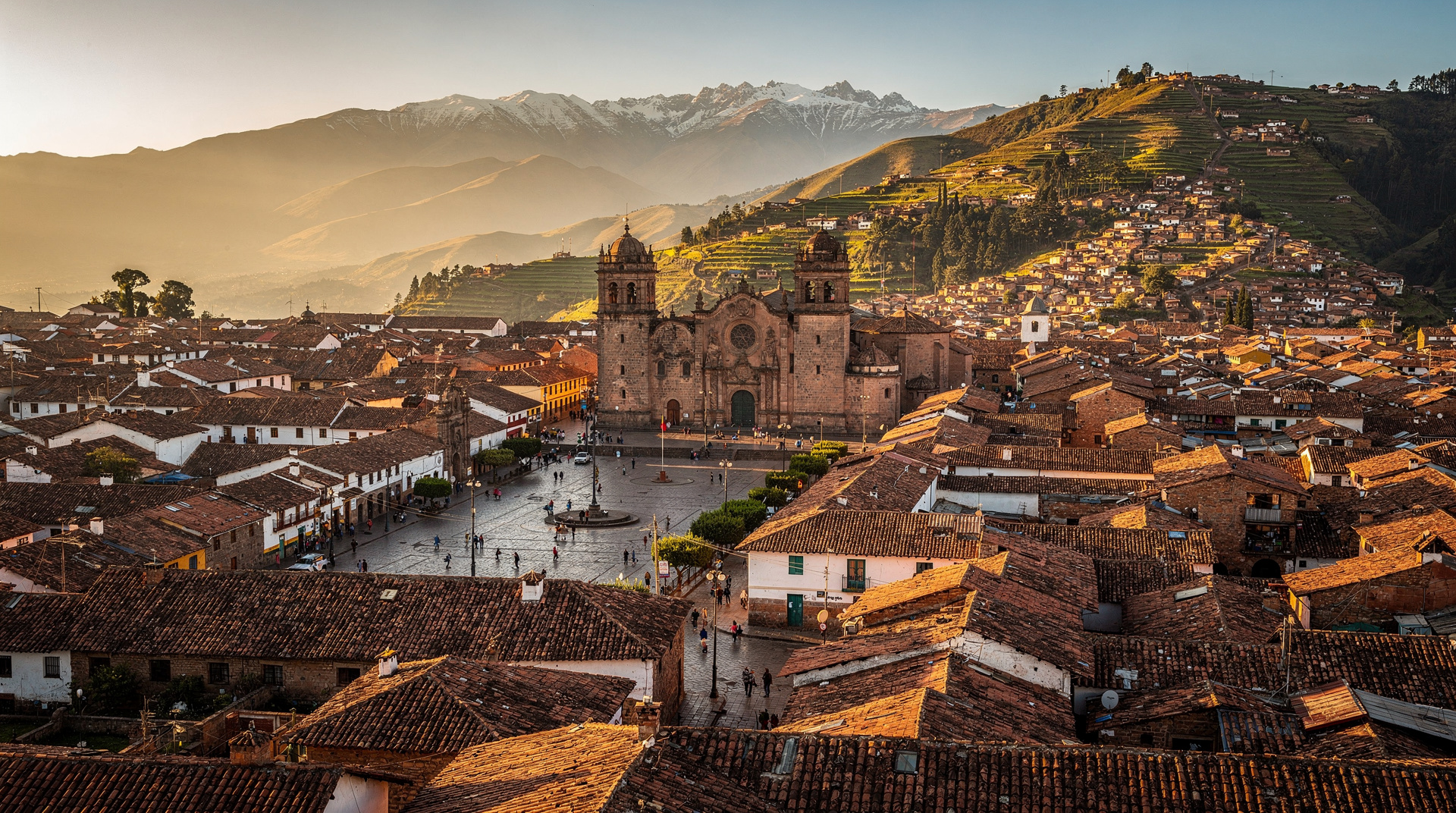
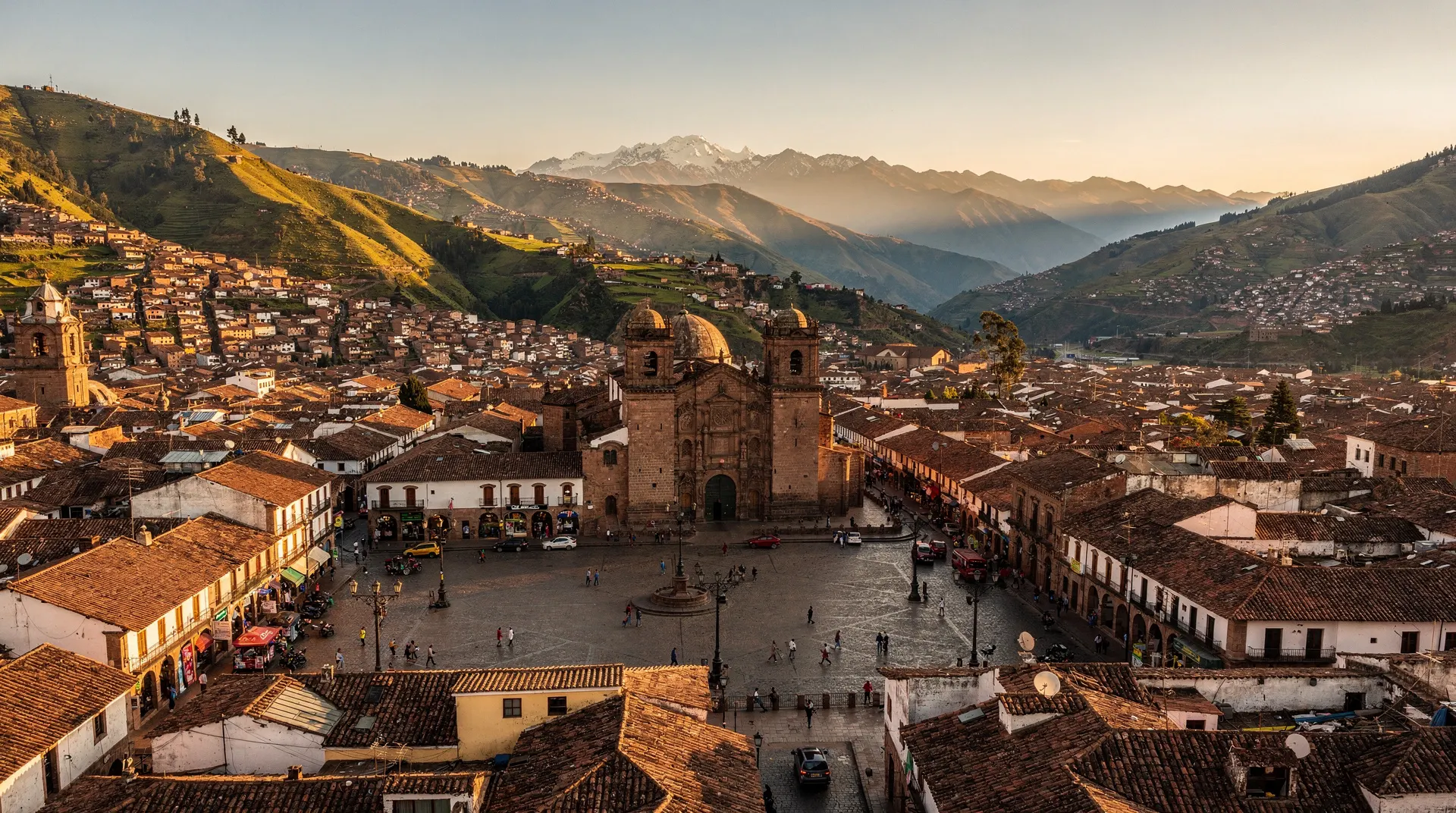
Beyond the Plaza de Armas and the Machu Picchu queue, a second Cusco exists — found on a third visit, mostly by accident. Here are the neighbourhoods, ruins and rituals that most first-time visitors walk straight past.
| Best for | Repeat visitors, slow travellers, anyone with 5+ days |
| Cost | Mostly free; the ruins fall under the Boleto Turístico (S/130 full, S/70 for one circuit) |
| Getting around | Walking + short taxis (S/5–15) |
| Best time | Weekday mornings, shoulder season for fewest people |
| Time needed | Half a day to a full extra day |
There are two versions of Cusco
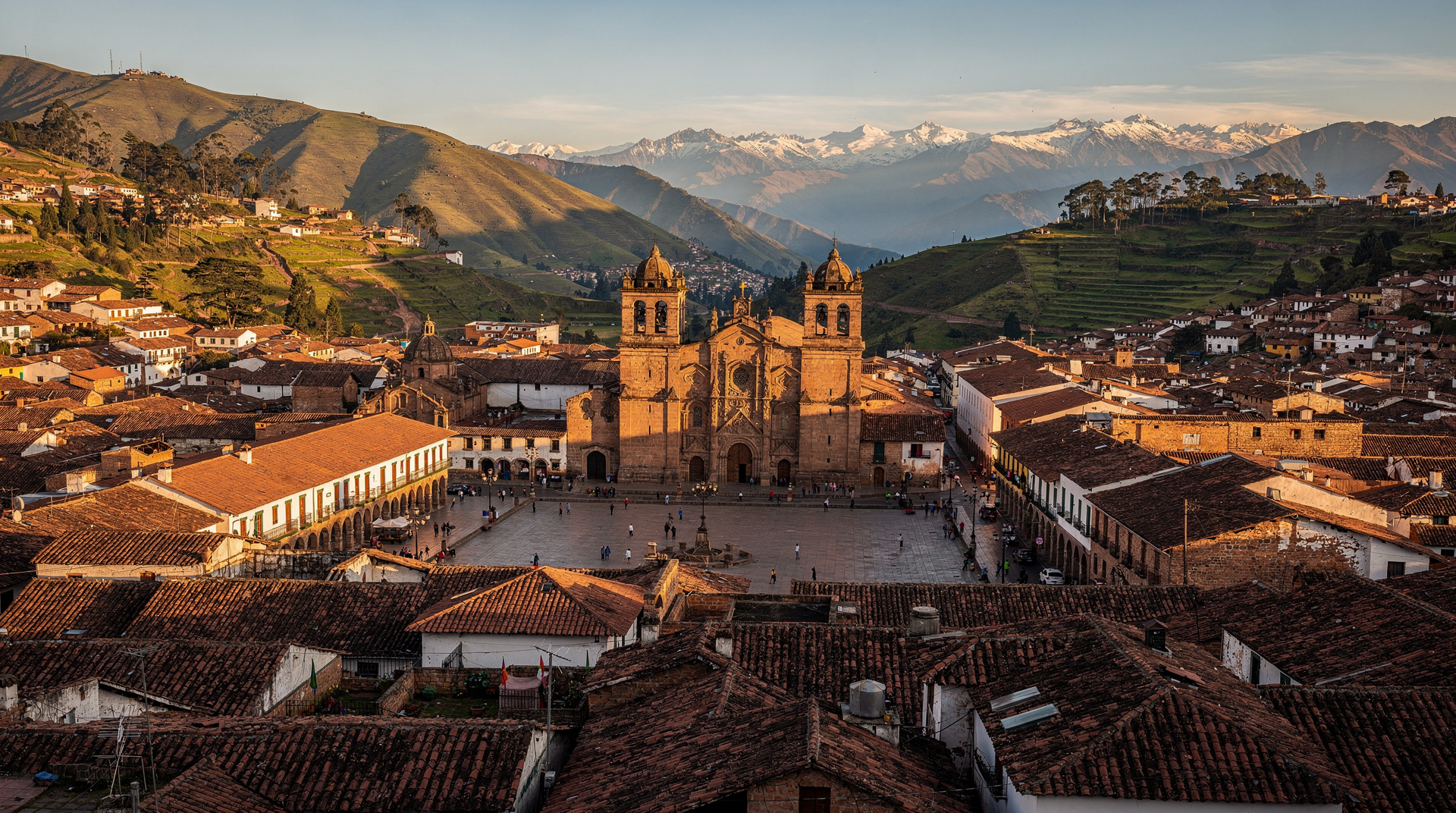
The first version is the one that everyone gets: the Plaza de Armas, the cathedral, the queue for the train to Machu Picchu, the restaurants on Plateros Street, the textiles shops in San Blas. This version is not bad — it exists because it is genuinely good — but it is also the version that roughly two million people per year experience in roughly the same order.
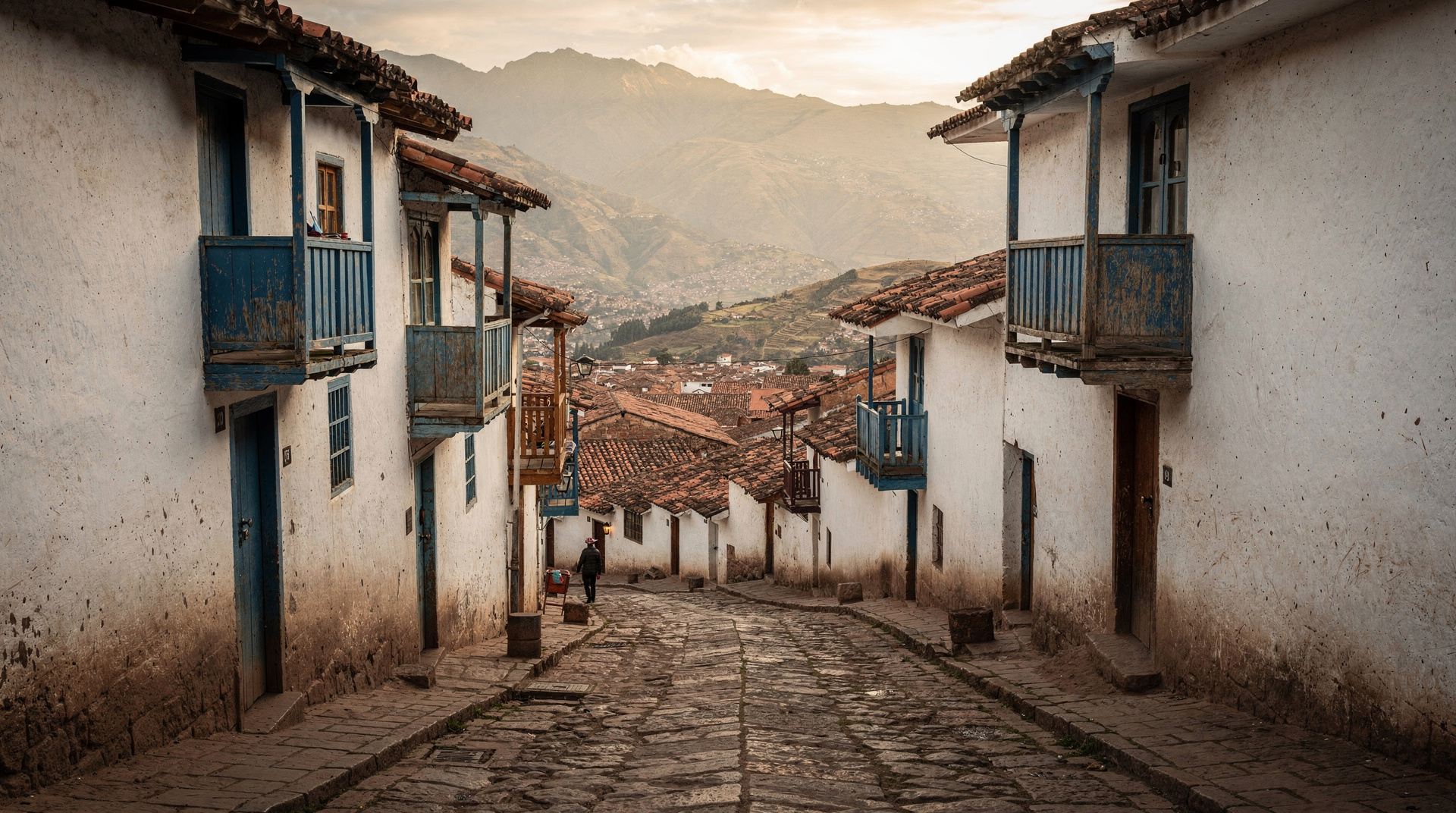
The second version requires a little more time and a willingness to walk into streets that do not appear on the standard itinerary. I found it by accident on my third visit, when I had already done the usual circuit twice and started filling in mornings with random walking. What I found surprised me.
If you are still deciding how much time the city deserves, the how many days in Cusco guide and the Cusco acclimatization plan are worth reading first: wandering is far more pleasant once your body has stopped complaining about the altitude, and the historic centre of Cusco makes a good home base for all of it.
The Almudena cemetery
Most visitors to the San Pedro market are so focused on the market itself that they never notice what lies ten minutes uphill: the Almudena cemetery, one of the most atmospheric spaces in Cusco and almost entirely free of tourists.
The cemetery occupies a hillside above the Belén neighbourhood and is structured in vertical layers — at the centre, the old colonial burial section with carved headstones and baroque chapels; at the edges, long walls of niche tombs stacked six or seven high, many decorated with photographs, plastic flowers and hand-painted names. On Sunday mornings, families come to clean and repaint the niches, burning incense and leaving food offerings. The whole place is a living overlay of Catholic and Andean ritual and it is more genuinely Cusqueño than anything happening near the Plaza.
Entry is free and there are no guides to hire and no signs warning you to be respectful. Just be respectful.
Qenqo: the carved limestone outcrop
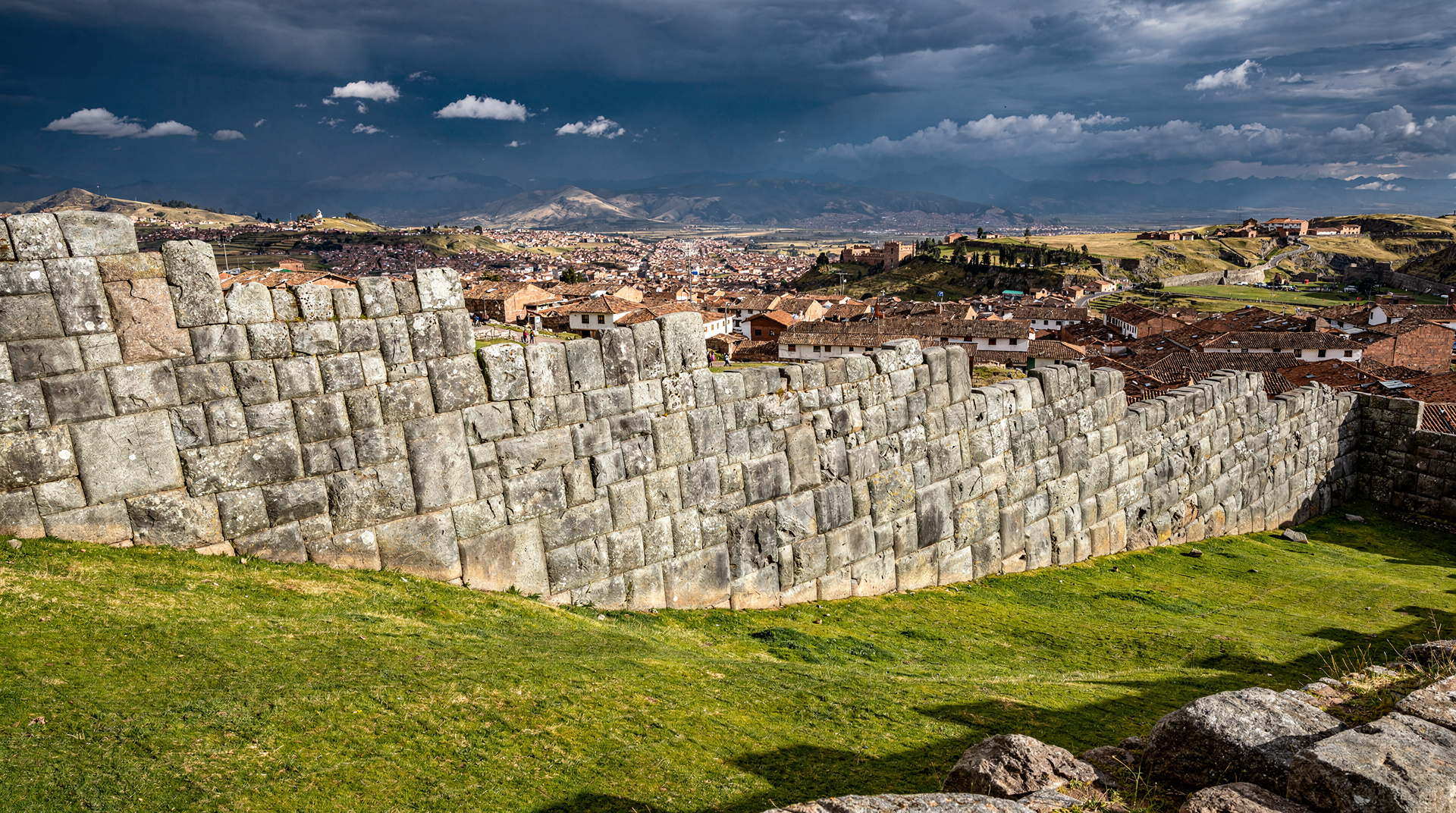
Most visitors who take a city tour stop briefly at Sacsayhuamán and move on without visiting the three smaller sites a few kilometres up the Pisac road. Of those three — Tambomachay, Puca Pucara and Qenqo — it is Qenqo that rewards the most time.
Qenqo is a natural limestone outcrop that the Inca carved into a ceremonial site: channels cut into the rock for liquid offerings (probably blood and chicha), a cave chamber beneath the main outcrop with a carved altar, niches for idol placement, and a carved puma outline that only resolves when you know to look for it. The interpretations are disputed — the channels may have been for water, for blood, for chicha — and that uncertainty is part of what makes it interesting.
Go on a weekday morning in shoulder season and you may have twenty minutes alone with it. The same site on a Saturday afternoon in July will have three tour groups arriving simultaneously.
Qenqo sits alongside its neighbours on the same road, all covered in the Tambomachay, Qenqo and Puka Pukara destination page. Entry is normally handled through the tourist ticket, so the Cusco tourist ticket guide and the Boleto Turístico explained will tell you what is covered before you pay at a gate. If you are weighing whether the pass is worth it for a slow trip like this, the Boleto Turístico blog verdict gives a personal view.
Join a guided San Blas walking tour if you want a local’s context on the barrio before exploring it alone at night.
The San Blas barrio at night
San Blas is on the standard tourist map, but the version that appears there is the daytime version: workshops, galleries, the famous carved wooden pulpit in the chapel. The night-time version is different.
On evenings — especially Thursday through Saturday — the neighbourhood becomes one of the most relaxed places to eat and drink in the city. A cluster of small restaurants on Carmen Bajo and the streets running off it operate without menus pinned outside and without English-language signage. The food is Andean rather than tourist-Peruvian: estofado, timpo, puchero, soups made with chuño (freeze-dried potato). Prices are around 12–18 PEN for a main course.
I had one of the best meals of that entire trip — a bowl of chairo (a thick Andean soup with chuño, beef, vegetables and toasted wheat) — in a room that seated perhaps twelve people and had a television in the corner showing Peruvian football. Nobody in that room was a tourist except me.
The same logic applies to the rest of the local food scene: the Peruvian food guide and the Cusco and Andean food guide explain the dishes you will meet on those small menus, and the San Pedro market food guide is the daytime companion to an evening in San Blas. For a more formal meal on another night, the best restaurants in Cusco cover the other end of the spectrum.
The south valley: Tipón and Pikillacta
Most Sacred Valley day trips go northwest from Cusco towards Pisac and Ollantaytambo. Very few go southeast, where the south valley contains two sites that are, in different ways, more interesting than anything on the standard circuit.
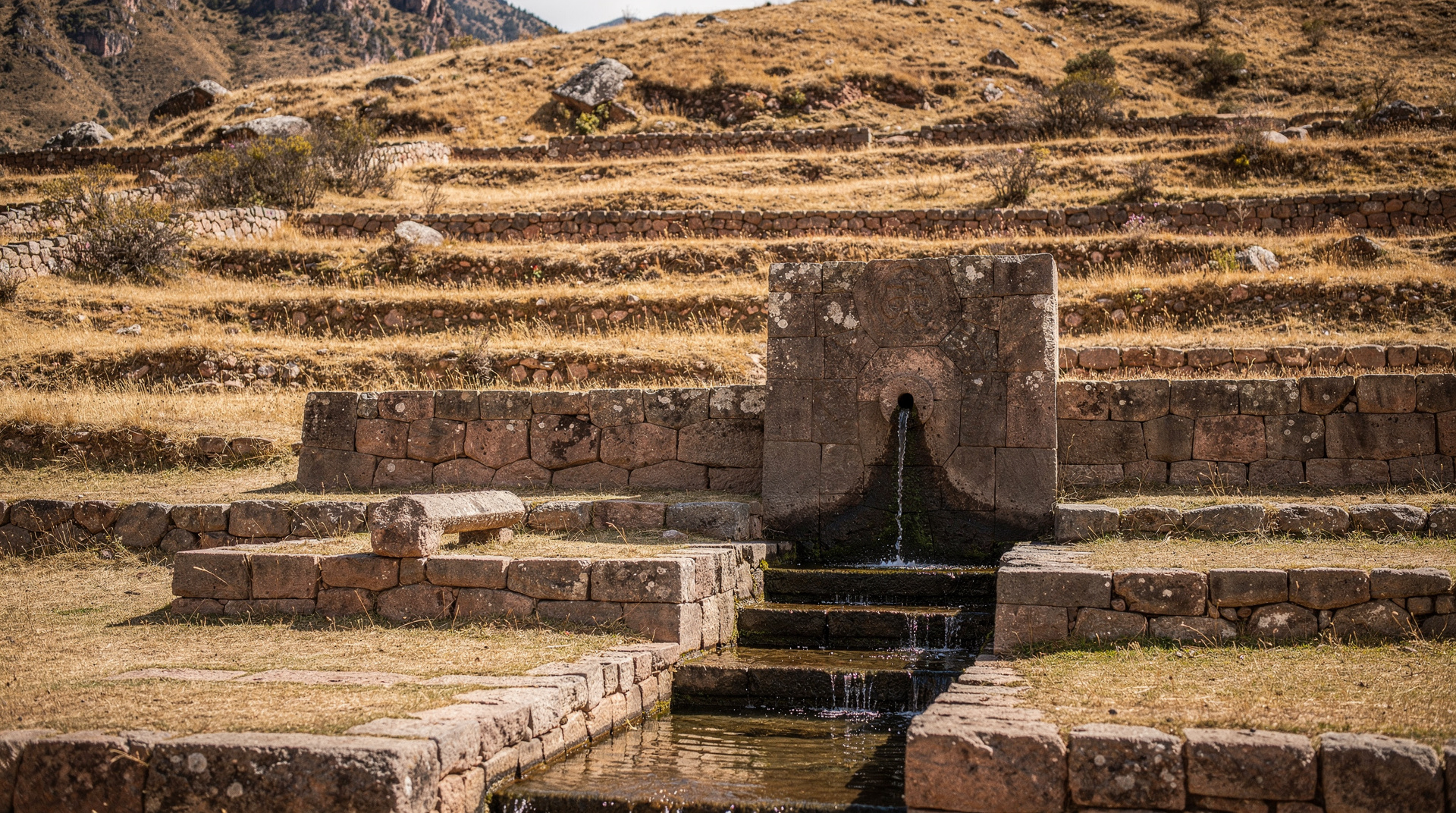
Tipón is an Inca agricultural and hydraulic complex about 24 kilometres from Cusco. The terracing is intricate and well-preserved, but the reason to go is the water: channels and fountains engineered to carry water from a spring at the top of the site down through the terraces in a continuous visible flow. The hydraulic engineering is precise enough that the water still runs today. I was there for ninety minutes and saw three other visitors.
Pikillacta, a few kilometres further, is pre-Inca: a Wari city from the 8th-9th century, one of the few significant pre-Inca sites in the Cusco region. It is partly unexcavated and partly unrestored — walled compounds of pale stone that feel genuinely remote rather than curated.
The easiest way to reach both is to hire a taxi in Cusco for a half-day, which costs around 80–100 PEN return.
The south valley day trip guide lays out the route in more detail, and the Sacred Valley complete guide is a useful contrast if you want to compare the quiet southeast with the busier northwest. Before you negotiate with a driver, the Cusco taxi and money tips are worth a read.
Chinchero on a non-market day
Chinchero is on the standard Sacred Valley tour circuit, and on market days it is deservedly popular: the market is genuine (textiles, vegetables, local commerce), the Inca terracing above the village is dramatic, and the colonial church built on top of the Inca palace has murals worth seeing.
What fewer visitors know is that Chinchero on a non-market day is a completely different experience. The weaving cooperatives that demonstrate Andean textile techniques still operate throughout the week, and without the tour bus crowd you can spend an hour with a weaver who will show you the entire process — from raw alpaca fleece through to natural dyeing with plants and insects and cochineal — without being hurried along. The Chinchero weaving guide explains what you will see in detail.
The cooperatives do not charge entry and do not require you to buy anything, though the textiles are beautiful and fairly priced. I bought a small naturally-dyed tapestry on my second visit and it is still on my wall.
The walk from Sacsayhuamán to Q’enqo along the ridge
This is not a trail that appears in any guidebook I have consulted. It is, however, a walk I have done twice and which offers the best elevated views of Cusco with almost no other people on it.
After visiting Sacsayhuamán, instead of returning to the city, walk east along the ridge above the site towards the Inca ceremonial areas. The path is informal — livestock track more than tourist trail — but clear enough. Within thirty minutes you reach the plateau above Qenqo and can descend to the site from above, giving you a perspective on the carved limestone landscape that you cannot get from the main entrance.
Allow three hours for the full loop, wear good footwear, and bring water. The cusco-archaeological-sites guide has a full map of the surrounding area.
If you would rather keep the trip varied, other quieter corners are covered elsewhere on the site: the Red Valley guide, the Palccoyo day trip and Palccoyo itself, and the account in Palccoyo, the quiet rainbow. For a slower pace in the valley, Sacred Valley slow travel is the closest companion to this page.
The real lesson
Cusco rewards slowness. The city that reveals itself to someone who spends ten days and walks without purpose is genuinely different from the city seen in three rushed days between airport and Machu Picchu. The famous sites are worth visiting. But the second layer — the one you find by following a street you have not tried before — is the one that stays with you.
When to actually go looking for this
None of this works well on a first, tightly-scheduled visit — you need the standard circuit done first, both because the famous sites genuinely deserve the time and because you need a baseline to recognise what’s different about the second layer. If you’re planning a longer stay, the best day trips from Cusco guide and the Cusco archaeological sites guide both have more structured versions of some of what’s here, useful if you want a plan rather than pure wandering.
If the standard circuit is still ahead of you, it is worth settling it first. A trip such as a multi-day itinerary combining the Sacred Valley and Machu Picchu covers the headline sites in a single booking, which leaves your free mornings in Cusco for the quieter corners described above. The Machu Picchu complete guide explains how to fit the citadel around everything else.
A note on respect, not just novelty
A few of these places — the Almudena cemetery above all — are not tourist attractions in the way Sacsayhuamán or the Plaza is. They are places where Cusqueños practice ordinary life and ritual. Visiting with curiosity is welcome; visiting as if it were a photo backdrop is not. The same applies to the family restaurants in San Blas at night and the weaving cooperatives in Chinchero — buy something if you can, ask before photographing people, and follow the pace the place sets rather than your own itinerary.