Why I keep coming back to Cusco
The city that sits at the centre of everything
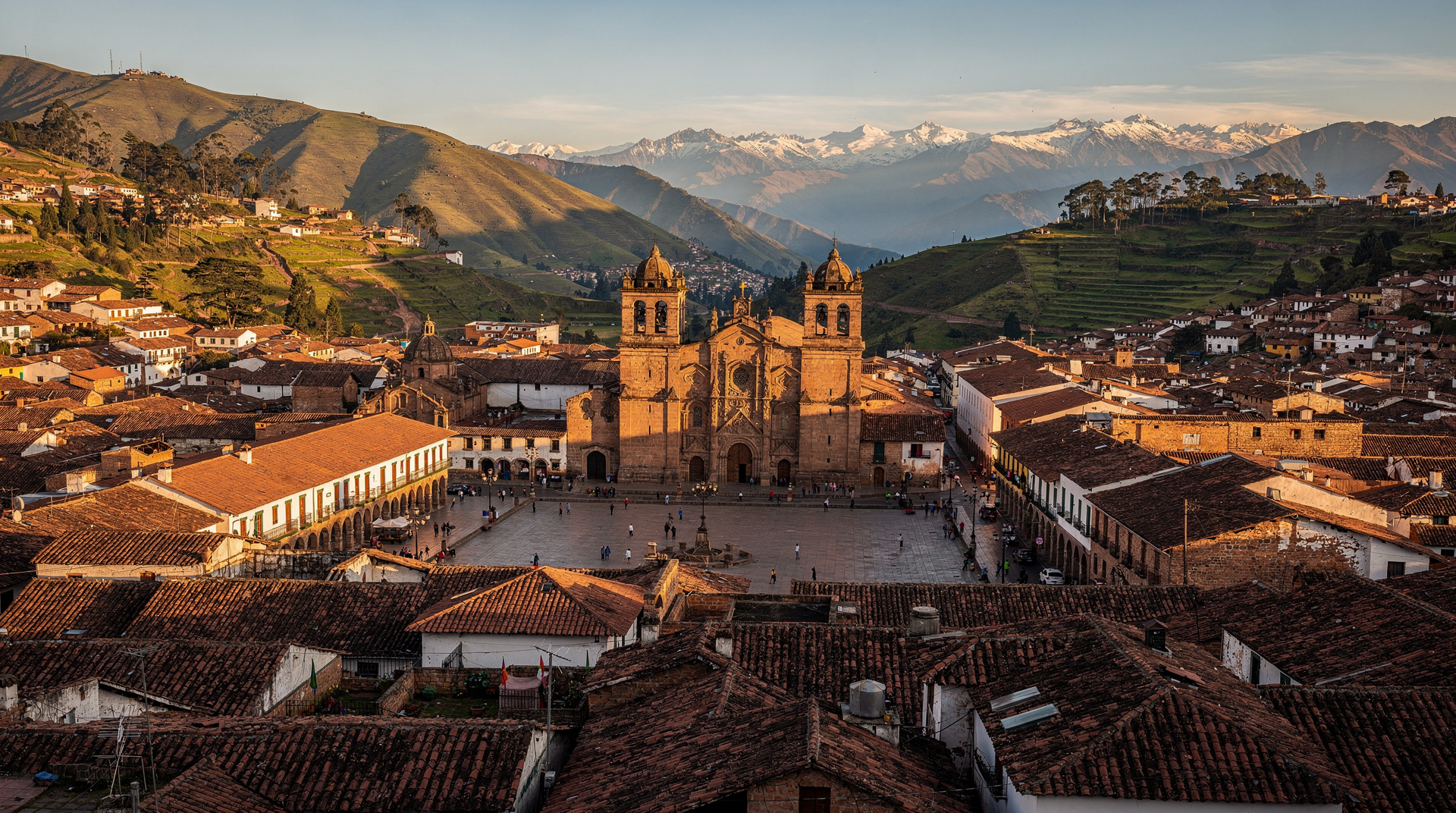
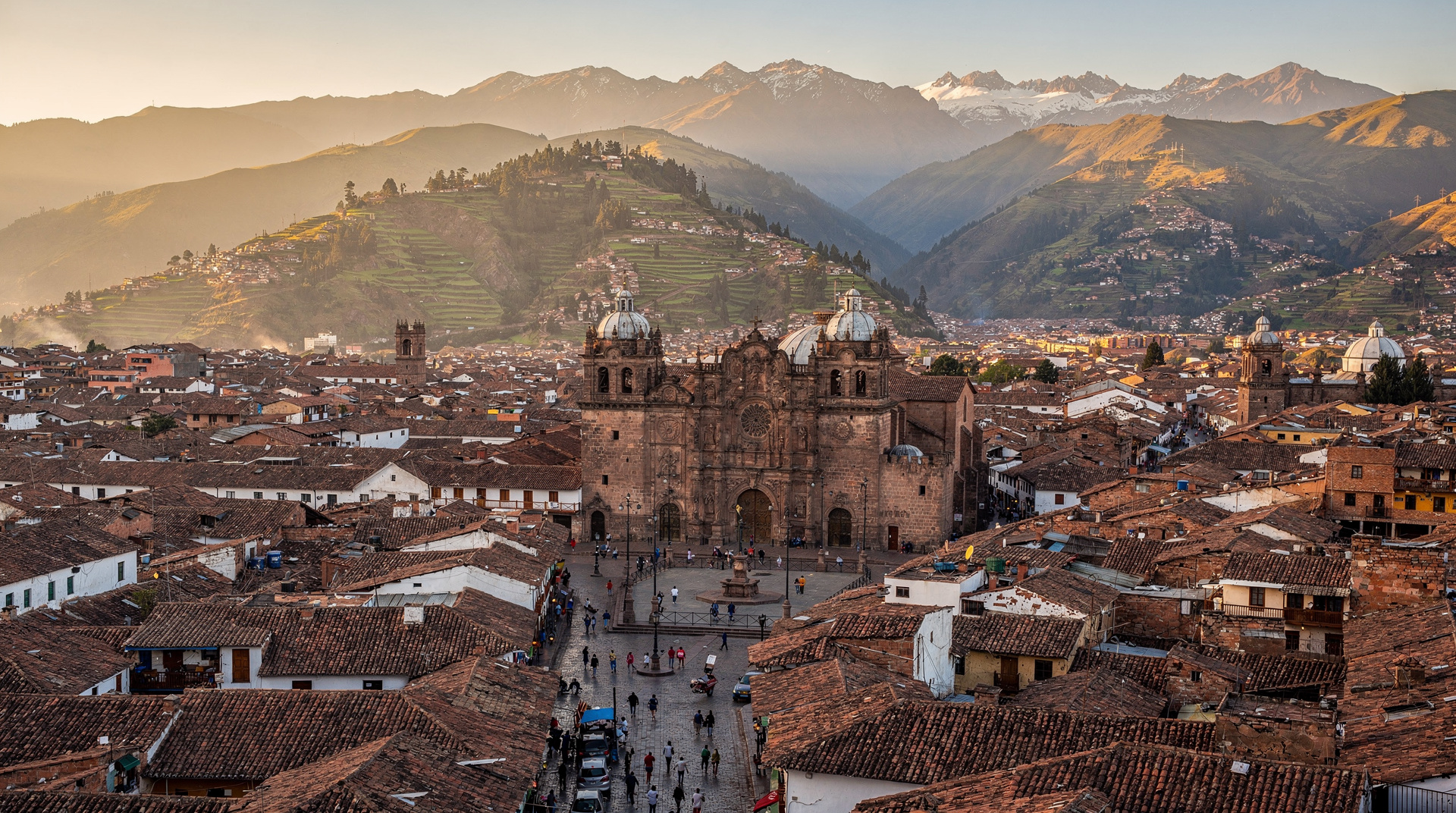
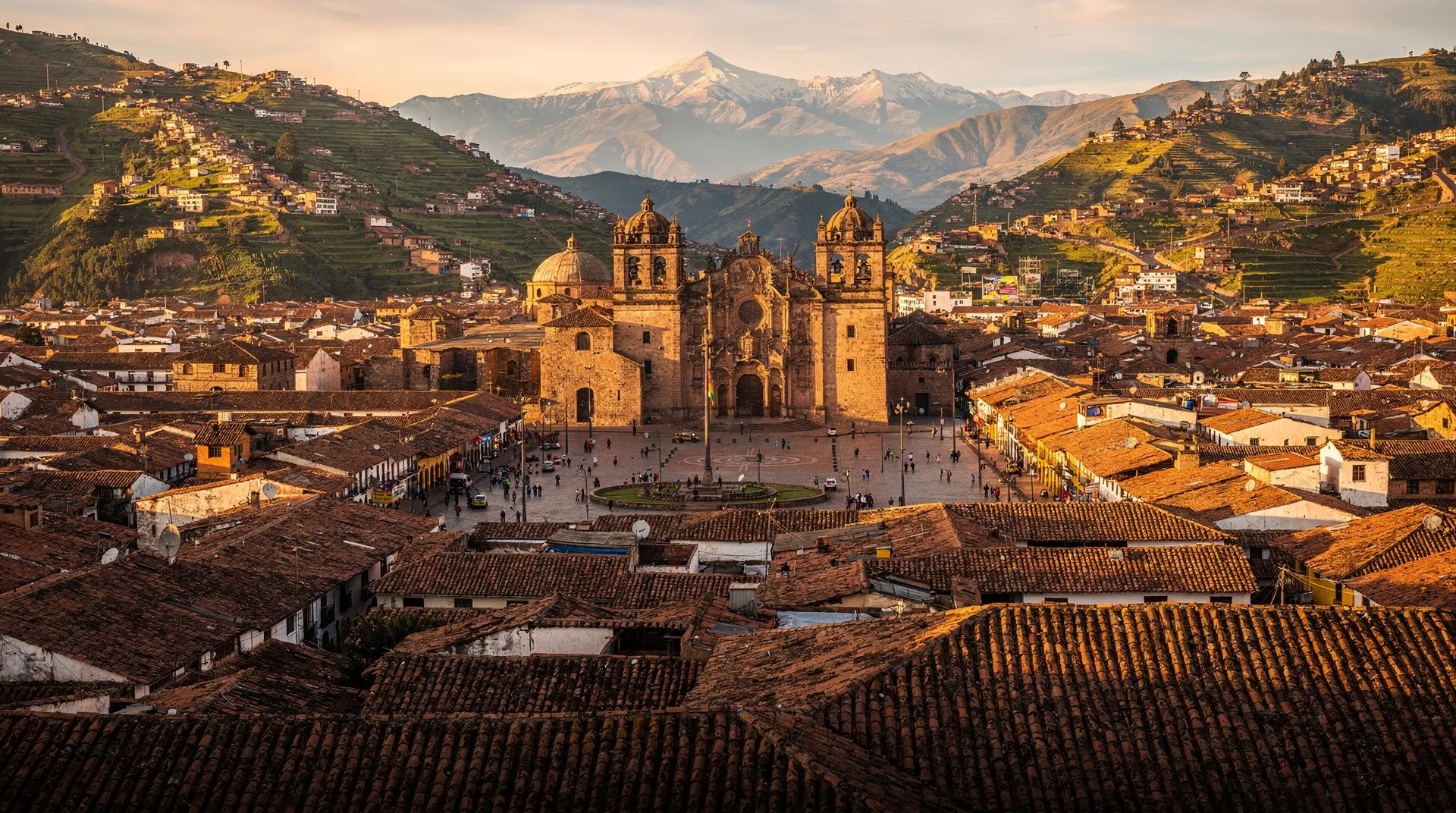
I did not expect to love Cusco. I had read the usual warnings — thin air, tourist traps, queues at Machu Picchu — and arrived with tempered expectations. That first afternoon, stepping out of a taxi into the Plaza de Armas at 3,400 metres above sea level, I felt the altitude like a slow fist to the chest and thought: this might be a mistake.
| Where | Cusco, Peru, 3,400 m in the Andes |
| Time needed | Minimum 4 days; a week or more with Machu Picchu |
| Getting there | Flight from Lima (~1.5hrs) |
| Best time | May–September (dry season) |
| Altitude adjustment | 2–3 days for most healthy adults |
It was not a mistake. By the third day I was extending my stay. By the sixth I was looking at Spanish classes and wondering how complicated a two-month rental would be. I have been back three times since that first visit, and the city has never disappointed me in the ways I feared it would.
This is my honest account of what makes Cusco worth the journey — and why, if you are sitting on the fence about whether Peru is worth the airfare and the acclimatisation headache, the answer is yes.
The weight of the place
Cusco was the capital of the largest empire the Americas ever produced. At its peak in the 15th century, the Inca Empire — Tawantinsuyu, “the four parts of the world” — stretched 4,000 kilometres along the Andean spine, from what is now southern Colombia to central Chile, and was administered from this city at altitude.
You feel that history in the stonework more than anywhere else I have been. The Spanish colonial churches and mansions are built directly on top of Inca foundations, and those foundations are still standing while the colonial structures above them have cracked and shifted in earthquakes. The great 1950 earthquake that damaged much of the Spanish city left the Inca walls largely intact. This is not a heritage-board talking point; you can put your palm against an Inca wall on Hatunrumiyoc Street and feel the extraordinary precision of the construction — stones fitted without mortar to tolerances that are difficult to explain even now.
Sacsayhuaman, the ceremonial complex above the city, takes this further. Stones weighing hundreds of tonnes, transported from quarries kilometres away, arranged in zigzag battlements. No written record survives explaining how the Inca built what they built. That gap in human knowledge, that enormous question mark hovering over the stones, is genuinely exciting in a way that tidy historical narratives rarely manage.
The food is better than you think
Before my first visit, nobody told me that Peru would change how I thought about food. I had vague awareness of ceviche. I had no idea about ají amarillo, about the native potato varieties that come in colours you do not expect from a potato, about the way altitude and Amazonian chillies interact in traditional Andean stews.
Cusco is not Lima — the coastal food capital — but it has its own culinary identity that rewards serious attention. The market at San Pedro is the fastest education: two hours in the fresh produce and prepared food sections will teach you more about Andean ingredients than any guidebook can. The restaurants in San Blas do things with alpaca and native tubers that you cannot eat anywhere else because the raw materials are not available anywhere else.
There is a cooking class that stays with me years later — a morning starting in San Pedro market with a guide explaining the chillies, then two hours cooking lomo saltado and ají de gallina in a proper kitchen. A market and cooking class like this is one of the better half-days I have spent in any city anywhere.
Machu Picchu is real
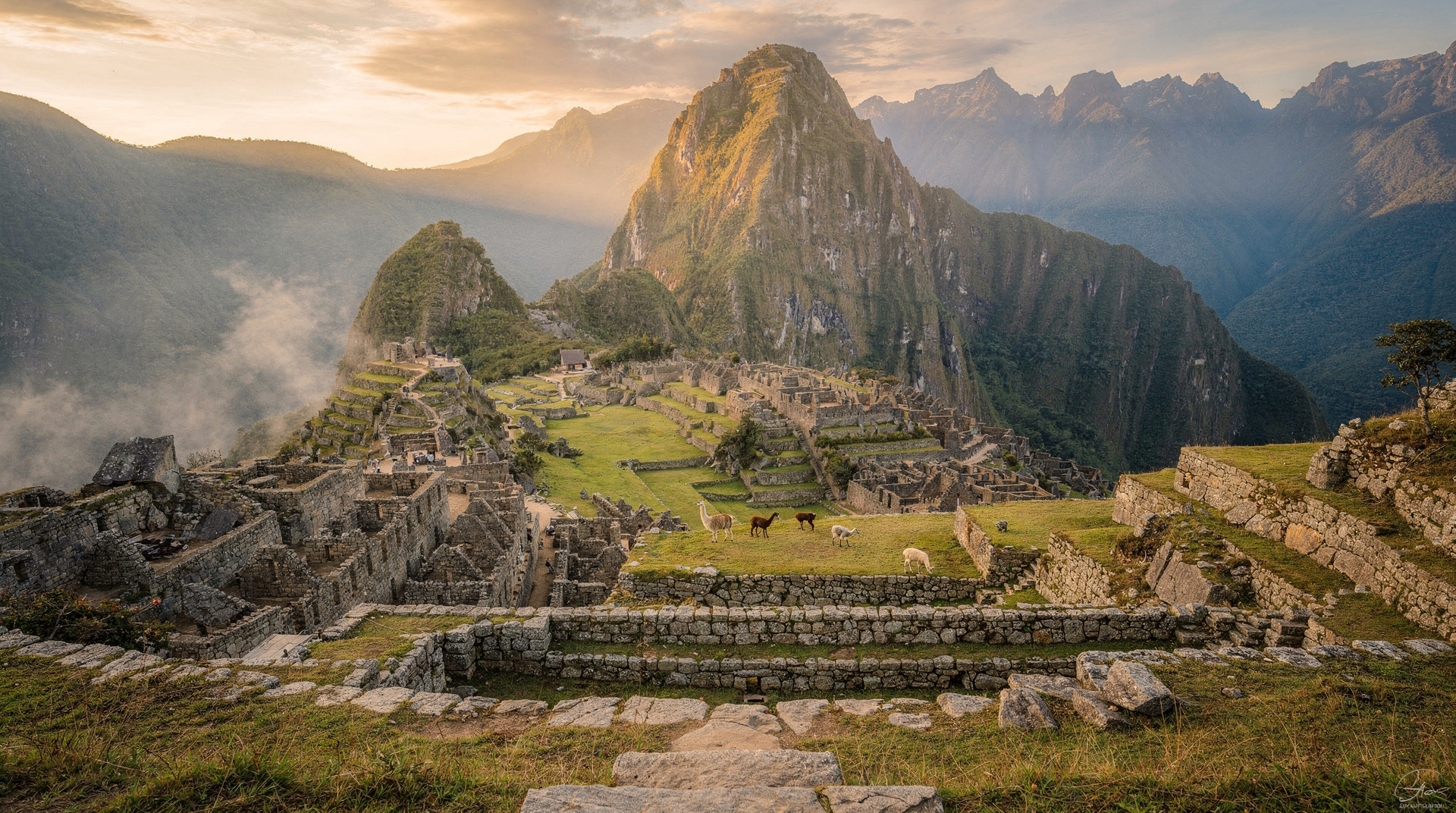
The photographs of Machu Picchu have been so thoroughly reproduced — on calendars, in bank adverts, as screensavers — that it is reasonable to wonder whether the real thing can possibly match the image. It can. There are few places on earth where the physical reality exceeds the expectation formed by photographs.
Part of this is the approach: arriving by train through the Sacred Valley, the river beside the track, the mountains pressing in, you have time to understand the scale of what the Inca built within this geography. Part of it is the clouds, which move through the ruins throughout the day and occasionally clear to reveal the full site in sharp Andean light. And part of it is simply the engineering — terraces carved from a mountain ridge at 2,430 metres, hydraulic systems that still function, temples aligned to astronomical events, all built in the 15th century and abandoned within a century of construction, then forgotten until 1911.
A day trip to Machu Picchu by train is the most efficient way to see it from Cusco, and genuinely one of the great day trips in world travel. I have done it twice and would do it again without hesitation.
The altitude is manageable
I want to be honest here because the altitude is real and it affects people differently. At 3,400 metres, Cusco sits higher than most of the European Alps. The thin air means less oxygen per breath, which means your body works harder to do ordinary things: walking upstairs, carrying a bag, talking while walking.
For most healthy adults, the adjustment takes two to three days. The first day may involve headaches, mild nausea, unusual fatigue, or some combination of all three. The acclimatisation guide covers the practical steps — arriving without rushing, drinking plenty of water, taking coca tea, avoiding alcohol for the first 48 hours, ascending in stages if possible.
The point I want to make here is that manageable is the right word. Thousands of people of all ages and fitness levels visit Cusco every year and adjust without serious difficulty. It is not a reason to avoid the city; it is a reason to plan your first two days thoughtfully and not, as I did on my first visit, attempt a full site tour on arrival day.
The Sacred Valley changes the picture
Most visitors treat Cusco as a base for Machu Picchu and move on. This is understandable but it misses something important. The Sacred Valley of the Incas — the river valley between Cusco and Aguas Calientes — has its own claim on your time.
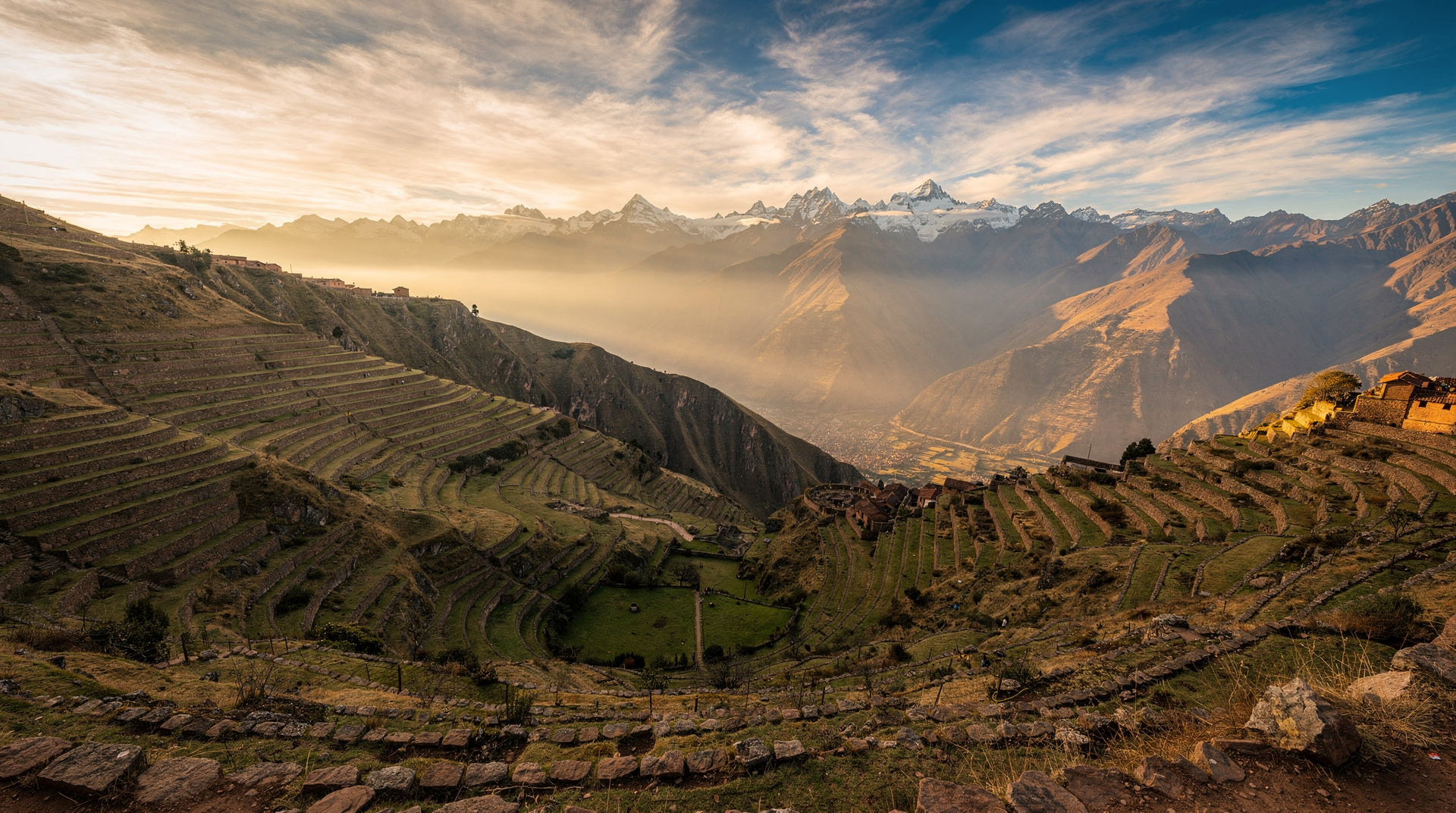
Pisac market on a Sunday morning is extraordinary: terraced Inca ruins above a colonial village, the market below selling everything from vegetables to textiles, the altitude lower than Cusco and the air correspondingly easier to breathe. Ollantaytambo has a living Inca town grid still inhabited and Inca fortress terraces that are more dramatic than anything at Machu Picchu in terms of sheer scale. Maras and Moray — the salt pans that have produced salt since before the Inca and the circular agricultural terracing that may have functioned as a crop laboratory — are genuinely odd and beautiful.
The Sacred Valley full-day tour that takes in Pisac, Maras, Moray and Ollantaytambo gives a complete picture in a single day. I would recommend at least one slow night in Ollantaytambo itself — sleeping at lower altitude means better rest, and the morning before the tourist coaches arrive is unlike the experience you get as a day tripper.
What Cusco gives you that nowhere else does
There are historical cities with better-preserved centres. There are Andean towns with cleaner air and fewer tourists. There are food destinations with higher restaurant counts and tighter quality control. Cusco does not win any single category outright.
What it does is combine: the most significant archaeological site in South America within a day trip, a city whose colonial centre contains Inca stonework beneath every street, a food culture that is genuinely distinctive and improving, access to landscapes — rainforest, high altiplano, salt plains, glacial lakes — that few destinations can match in variety within a week’s radius.
The how many days in Cusco question that every visitor asks has a real answer: a minimum of four days in the city and valley, a week if you are adding Machu Picchu and Rainbow Mountain, ten days to two weeks if you are including a trek. See the full Cusco destination guide for the planning detail.
I came for the ruins. I stayed for the food, the air, the strangeness of the light at altitude, the particular quality of silence that high mountains impose. I keep coming back because Cusco does not become ordinary. After several visits it still surprises me, and cities that can still surprise you after repeat visits are worth a great deal.
Beyond the well-known highlights
Cusco’s archaeological sites don’t stop at Sacsayhuaman and Machu Picchu. Qorikancha, the Temple of the Sun, sits right in the city centre with a colonial church built directly on top of Inca gold-lined walls — a shorter, easier visit than Sacsayhuaman that packs in an enormous amount of history in under an hour. San Blas, the artisan neighbourhood above the Plaza de Armas, has steep cobbled streets, workshops, and some of the best small restaurants in the city, and rewards an unhurried wander far more than a rushed checklist visit.
If you have time beyond the standard week, Rainbow Mountain and its quieter cousin Palccoyo offer a completely different Andean landscape — striped mineral slopes at over 5,000 metres — while multi-day treks like the Inca Trail or Salkantay turn the journey to Machu Picchu into the point of the trip rather than a means to an end.
Who Cusco is genuinely a good fit for
Cusco rewards curiosity and a reasonable tolerance for slowing down — physically, because of the altitude, and mentally, because rushing tends to produce a worse trip here than almost anywhere else I’ve travelled. It’s a strong fit for people interested in history, food, and landscape who don’t mind a few days of adjustment before the trip really opens up. It’s a harder fit for anyone with serious cardiovascular or respiratory conditions that make altitude genuinely risky, or for travellers who want a fast-paced, single-destination city break with no logistical complexity — Cusco asks a little more of you than that.
Frequently asked questions about Why I keep coming back to Cusco
Is Cusco worth visiting if I’m not doing Machu Picchu? Yes. The city itself — Inca stonework, San Blas, Qorikancha, the Sacred Valley — is a genuinely rich few days even without the trek to Machu Picchu, though most visitors do combine the two given how close they are.
How many days should I plan for Cusco alone, without extensions? A realistic minimum is four days: enough for acclimatisation, the main city sites, and at least a partial look at the Sacred Valley. A week lets you add Machu Picchu without feeling rushed.