Two weeks in Cusco on an honest budget — what I actually spent
A real spreadsheet from 14 nights in the Cusco region, including Machu Picchu and a full Sacred Valley circuit — where the money actually went, and where I’d cut it further.
| Total (14 nights) | ~S/4,300 (~USD 1,132), incl. flights |
| Daily average | ~USD 70–90/day excl. international flights |
| Biggest single cost | Machu Picchu all-in, ~S/543 |
| Biggest savings lever | Dorm vs private room, Hidroeléctrica vs train |
| Season | Booked and travelled in early 2022 (shoulder pricing) |
The number everyone asks about
Before I landed in Lima, every traveller forum I’d visited was full of the same question: how much does Cusco actually cost? The answers ranged wildly — from breathless backpacker posts claiming you could manage on USD 25 a day to travel-writer pieces implying you’d need USD 200. Two weeks later, back at my kitchen table with a full spreadsheet and slightly sore knees, I can give you an honest answer.
My total for 14 nights in the Cusco region, including a day at Machu Picchu and a full Sacred Valley circuit, came to roughly S/3,800 — around USD 1,000 at the early-2022 exchange rate. That works out to about USD 70 a day. Not backpacker-rock-bottom, not luxury. Comfortable, conscious spending.
Here’s exactly how it broke down.
Getting there and away
I flew Lima–Cusco on LATAM, booked three weeks out: S/310 each way, so S/620 return. If I’d booked two months out I could probably have paid S/180–220. Lesson noted. The taxi from Cusco airport to the San Blas neighbourhood was S/25 fixed rate from the official taxi booth inside arrivals — do not accept the touts outside who will quote you S/50. The airport guide covers this well.
Accommodation: the sweet spot
I stayed in three different places across the fortnight. Two nights in a hostel private room near the Plaza de Armas (S/75/night, included breakfast), five nights in a guesthouse in San Blas (S/110/night, excellent breakfast), and the remaining time split between Ollantaytambo (S/90/night at a family guesthouse) and Aguas Calientes (S/130/night, because there is nothing cheap near Machu Picchu once you’re down there — more on this below).
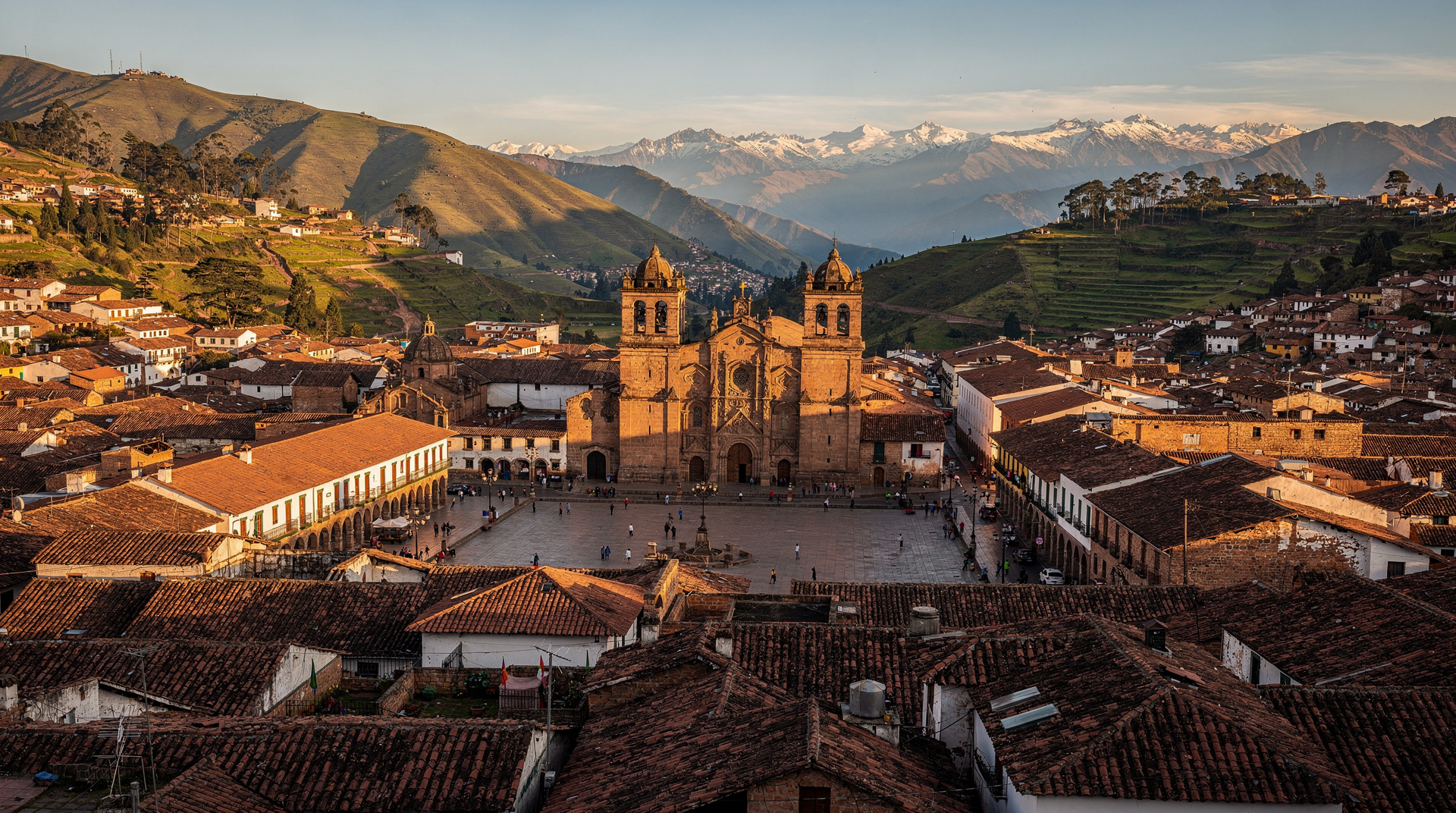
Average accommodation: around S/95 per night, totalling roughly S/1,330 across the trip. The San Blas guesthouse was the best value by a distance — proper beds, proper hot water, a terrace with views of the terracotta rooftops, and a cook who turned out a breakfast of pan de yema, fresh fruit, and café pasado that I still think about. The San Blas neighbourhood is also a 15-minute walk from everything in Cusco’s historic centre, which saved me on taxis.
Food: eating well without the tourist restaurants
This is where Cusco rewards the curious eater. The set-lunch menus — menú del día — available at local restaurants and comedores from noon to around 3 pm are extraordinary value. For S/10–15 you typically get a starter soup, a main of rice, potato and protein (chicken, trout, or something more adventurous), a small dessert and a drink. I ate this way for most lunches and spent very little.
Breakfasts at the guesthouses were covered. Dinners varied: market stalls in San Pedro Market for S/8–12, occasional mid-range restaurants in the S/35–50 range when I wanted a proper sit-down meal. Total food spend: approximately S/900 for 14 days, or around S/64/day — roughly USD 17.
Ceviche and lomo saltado in Cusco cost somewhere between S/22 and S/45 depending on where you eat. The tourist strip along Plateros serves perfectly decent versions for S/40+. The residential streets behind San Blas have places where locals eat for S/22–25. Learn to walk an extra five minutes.
The Machu Picchu question
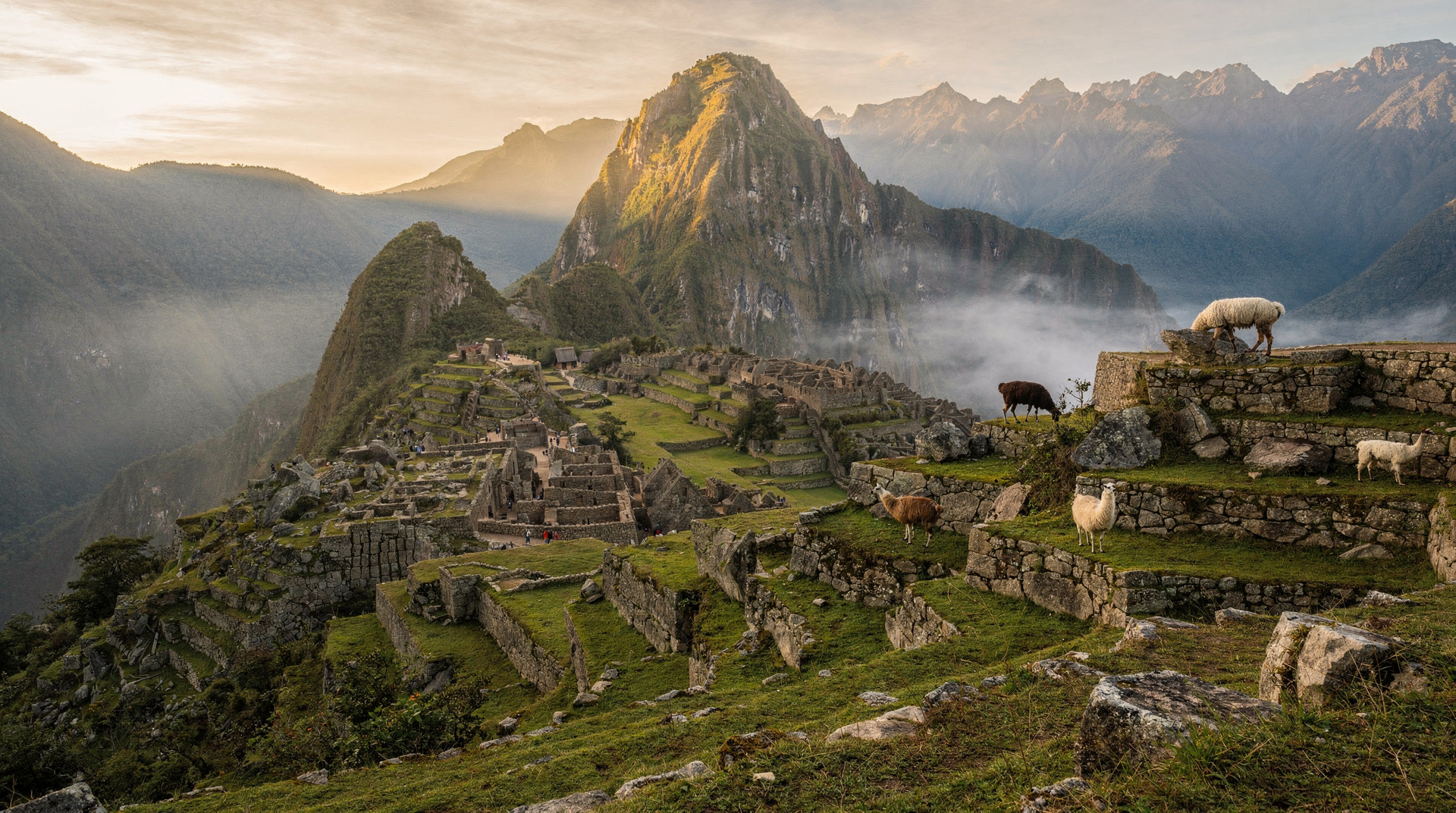
This is where the budget bites. I did not take the budget Hidroeléctrica route because I only had one day at Machu Picchu and didn’t want the logistics of an early bus, a five-hour car ride and a 3-km walk in the heat to eat into my time at the site. I took the train.
The train (Inca Rail, Expedition class) from Ollantaytambo to Aguas Calientes and back: S/235. The entrance ticket to Machu Picchu (Circuit 2, morning session): S/152. The bus from Aguas Calientes up the switchbacks to the citadel entrance: S/26 return. One night in Aguas Calientes: S/130. Total for the Machu Picchu component: S/543.
That’s the honest price of doing Machu Picchu comfortably in 2022. Anyone quoting you less is either taking the Hidroeléctrica budget route (which is legitimate and saves around S/200 but takes most of a day to get there) or not counting everything.
Book a guided Machu Picchu day trip from Cusco if you want everything sorted — entrance, train, bus, and a guide — in one booking. The convenience premium is real but so is the peace of mind, especially if this is your only day there.
If you have an extra day and want the cheaper overland logic without organising every leg yourself, a packaged option such as a two-day budget tour by minivan bundles the transport and the night near the site. I did not test it, so compare what it includes against the line items above before you decide. The point of this report is the method: price each leg, then see whether a bundle really beats your own sheet.
The Sacred Valley and other activities
I bought a partial Boleto Turístico — the S/70 partial circuit rather than the S/130 full version — because I wasn’t visiting all 16 sites on the full pass. The Boleto Turístico guide explains which circuit covers what; read it before deciding what to buy, because the upselling at the COSITUC office is gentle but real.
A full day in the Sacred Valley — Pisac ruins, Maras salt mines, Moray agricultural terraces, then Ollantaytambo fortress — ran me S/180 including transport (shared minivan between sites, not a private taxi). The independent route takes planning but is entirely doable.
Rainbow Mountain was S/90 for the guided day trip from Cusco, which is standard for the group tours that leave at 3 am. The Rainbow Mountain guide is honest about the realities of that 5,200 m summit.
Other activities across the fortnight: free walking of Sacsayhuamán exterior (S/0, you can walk the walls without the Boleto), Qorikancha entry (S/15 without Boleto), cooking class at a San Blas school (S/90, thoroughly worth it). Total activities: approximately S/600.
The altitude medicine trap
I spent S/0 on altitude medicine from a “doctor” and S/0 on overpriced prescription remedies. I drank coca tea from the guesthouse, rested for two days before doing anything strenuous, and took an over-the-counter ibuprofen when I had a headache on day one. Total altitude health spend: about S/15 for tea and paracetamol from a farmacia.
The altitude sickness guide is blunt about the fact that the fake “altitude doctors” operating near the Plaza de Armas are a scam. You do not need prescription medication from a street-side consultation. Basic acclimatisation and common sense costs almost nothing.
The honest total
| Category | Spend (PEN) | Approx USD |
|---|---|---|
| Flights Lima–Cusco return | S/620 | USD 163 |
| Accommodation (14 nights) | S/1,330 | USD 350 |
| Food and drink | S/900 | USD 237 |
| Machu Picchu (all-in) | S/543 | USD 143 |
| Other activities | S/600 | USD 158 |
| Local transport | S/180 | USD 47 |
| Miscellaneous | S/130 | USD 34 |
| Total | S/4,303 | USD 1,132 |
I’ve been slightly rounder in my text intro than the full spreadsheet number — the real figure came to S/4,303 all-in over 14 days. That includes flights. Without flights it’s S/3,683, or roughly USD 970 — USD 69 per day.
Where the budget flex lives
If I were doing this trip on a tighter budget, the biggest savings are: dorm accommodation instead of private rooms (saves S/50–70 per night, total saving S/700+), the Hidroeléctrica route to Machu Picchu instead of the train (saves roughly S/200), eating lunch exclusively from the menú del día (already quite cheap), and skipping Rainbow Mountain in favour of Palccoyo which is shorter, lower altitude and cheaper to organise (S/60–70 for a guided trip vs S/90 for Vinicunca).
If I were spending upward: the Sacred Valley luxury lodges run S/800–1,500 a night, private guided tours of the sites add S/200–400 per day, and there are restaurants in Cusco’s historic centre where dinner comfortably reaches S/200 per person. The infrastructure for spending lavishly in the Cusco region is very well developed.
For most independent travellers visiting Cusco, I’d budget USD 70–90 per day excluding international flights. That covers you for comfortable accommodation, good food, and all the major experiences without pinching.
Travellers who would rather spend days than money can also look at a guided Salkantay trek ending at Machu Picchu, which replaces the train and the hotel in Aguas Calientes with a multi-day walk. The Salkantay trek guide explains what that trade involves.
The Peru trip cost guide goes deeper on budgeting for a longer trip including Lima, Arequipa and the northern circuit.
What I’d change if I did it again
Looking back at the spreadsheet, the two biggest inefficiencies were the flight booking (three weeks out instead of two months, costing me roughly S/300–400 extra) and one impulse mid-range dinner in the historic centre that alone cost more than a full day’s food budget elsewhere. Neither was a disaster, but they show where a budget trip actually leaks money: not the big-ticket items like Machu Picchu, which are fixed costs you can plan around, but the small decisions made in the moment.
Reading this report alongside the rest of the site
A personal spreadsheet is one traveller’s trip, not a quote. If you are building your own budget, start with the broader Cusco on a budget guide and check how many nights you really need in the how many days in Cusco guide, since accommodation is the line that scales most with trip length. For the Machu Picchu line, the choice between train and the cheaper overland route is laid out in train vs trek to Machu Picchu, and the ticket side is explained in Machu Picchu tickets explained. Avoid overpaying at the source by reading about where to buy tickets in Cusco and the common tourist traps before you hand over any cash.
Your own numbers will move with the season, your room choices and how early you book, so treat the table above as a method for building your own sheet rather than a promise. Our Cusco trip planning guide is a good place to turn it into a day-by-day plan, and the Machu Picchu 2-day budget itinerary shows how the cheaper route fits into a real schedule.
Where the real value sits
If I had to rank the trip’s cost-to-experience ratio, the menú del día lunches (S/10–15 for a full meal) and the free walk around Sacsayhuamán’s exterior walls were the best value in the entire two weeks. The historic center of Cusco itself costs nothing to wander and rewards a full unhurried day. At the other end, the Aguas Calientes accommodation (S/130/night for what would be a S/60 room anywhere else) was the worst value, purely because of the location monopoly — there’s no way around it if you’re doing Machu Picchu by train.