Cusco airport guide — arriving, transfers and everything in between
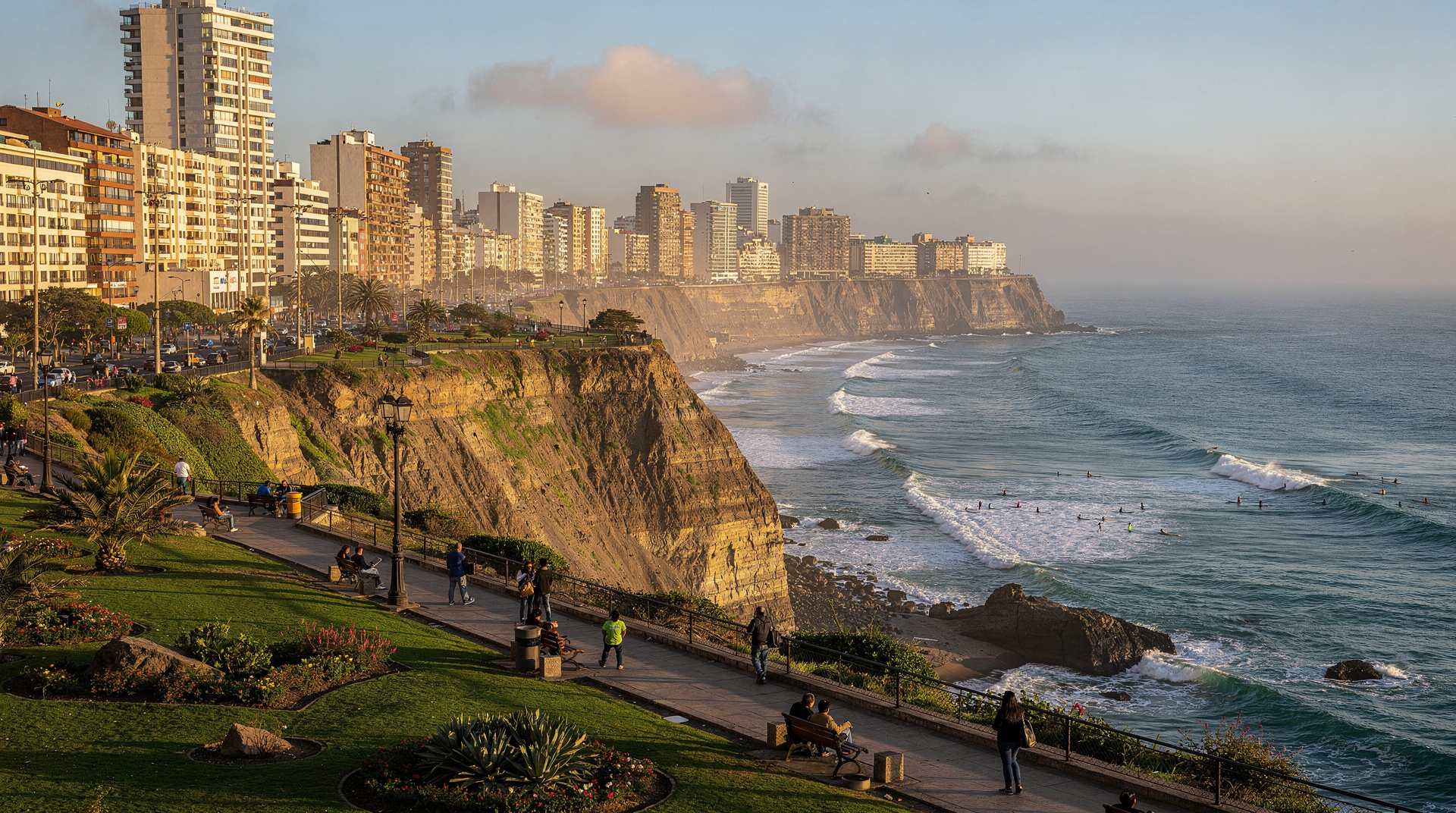
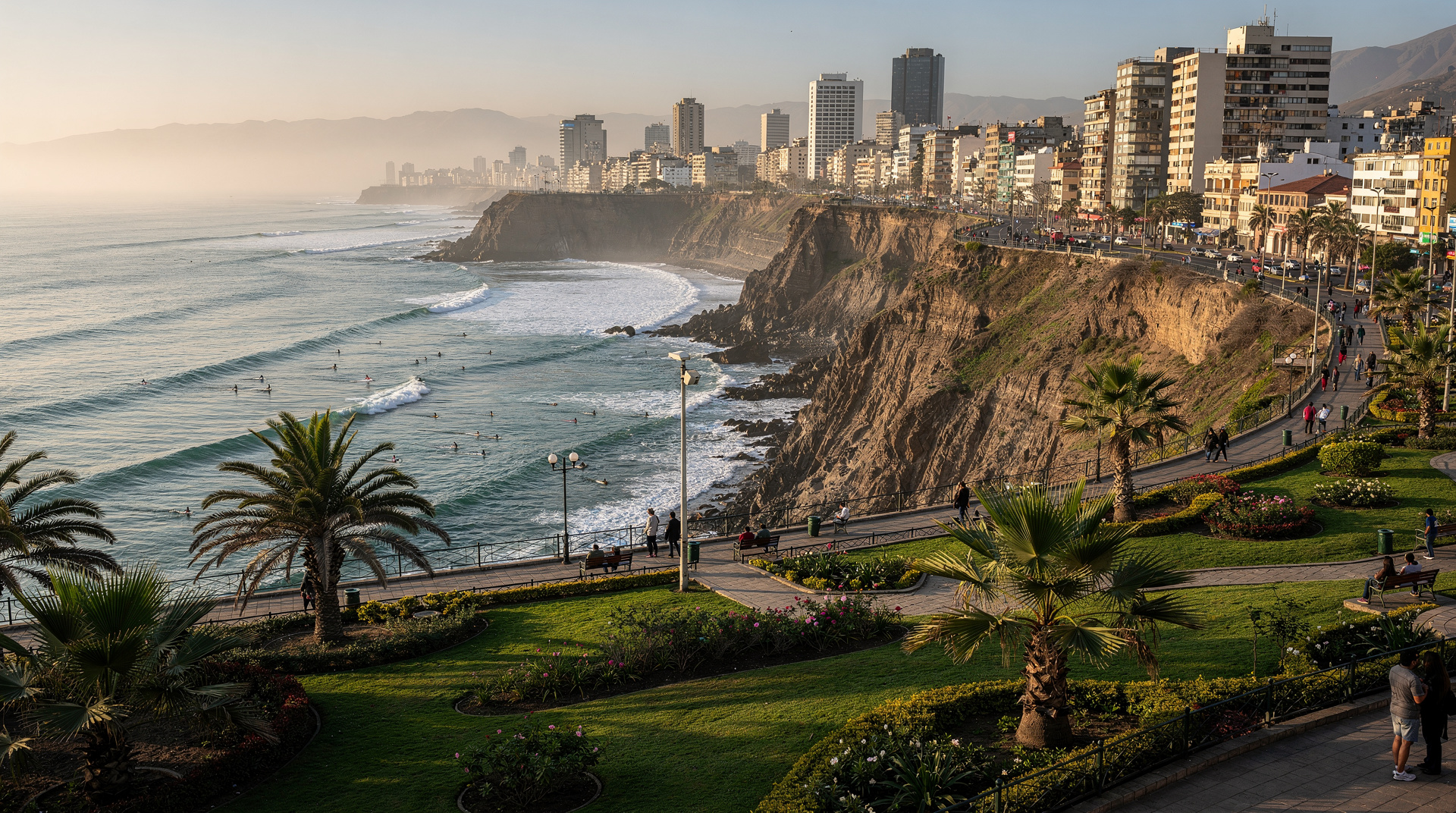
Lima: Historical, Colonial, and Modern City Tour
How do I get from Cusco airport to the city centre?
The standard option is a taxi or private transfer. Official airport taxis charge S/25–35 (approximately $7–9 USD) to the Plaza de Armas area; the ride takes 15–20 minutes. Uber also works from Cusco airport and typically costs slightly less. Agree on the fare before getting in any taxi. There is no direct bus service from the terminal to the centre. Walk slowly out of arrivals — you have just landed at 3,400 m and your body needs a moment to adjust.
The world’s highest-pressure arrivals hall
Very few airports in the world greet you at 3,399 metres above sea level. Cusco’s Alejandro Velasco Astete International Airport (CUZ) is one of them, and the altitude is the first thing you notice — not the terminal architecture, not the queue at baggage claim, but the air. Thinner than anything you have breathed at sea level in Lima 80 minutes ago. If you came straight from an intercontinental flight through Lima and onto the first morning Cusco service, you have moved from near sea level to high Andes in under two hours. Your body has not caught up yet.
This guide covers the practical side of CUZ: the layout, transfer options, what each costs, where the pitfalls are, and how to handle the first 30 minutes after landing sensibly.
| Where | CUZ airport, Wanchaq district, ~4 km from Plaza de Armas |
| Cost to centre | Around S/25–35 taxi, S/18–28 Uber |
| Time needed | 15–20 min transfer, 2 hrs total gate-to-arrivals |
| Getting there | Official taxi rank, Uber, or pre-booked hotel transfer |
| Best time to land | Morning flights — fewer weather delays than afternoon |
About the airport
Cusco’s airport occupies a compact site in the Wanchaq district, roughly 4 km southeast of the Plaza de Armas and 5 km from the San Blas neighbourhood. This proximity to the city centre is an advantage — the transfer time is short, the road is a straightforward urban route, and you are in your accommodation within 20–30 minutes of leaving the arrivals hall.
The terminal is a single building with a small domestic arrivals area, a similarly compact international arrivals section (used mainly for technical stops and occasional regional services), and the standard retail and food concessions beyond security on the departures side. Do not expect a large international airport experience — this is a functional Andean hub that handles a high daily volume of domestic traffic.
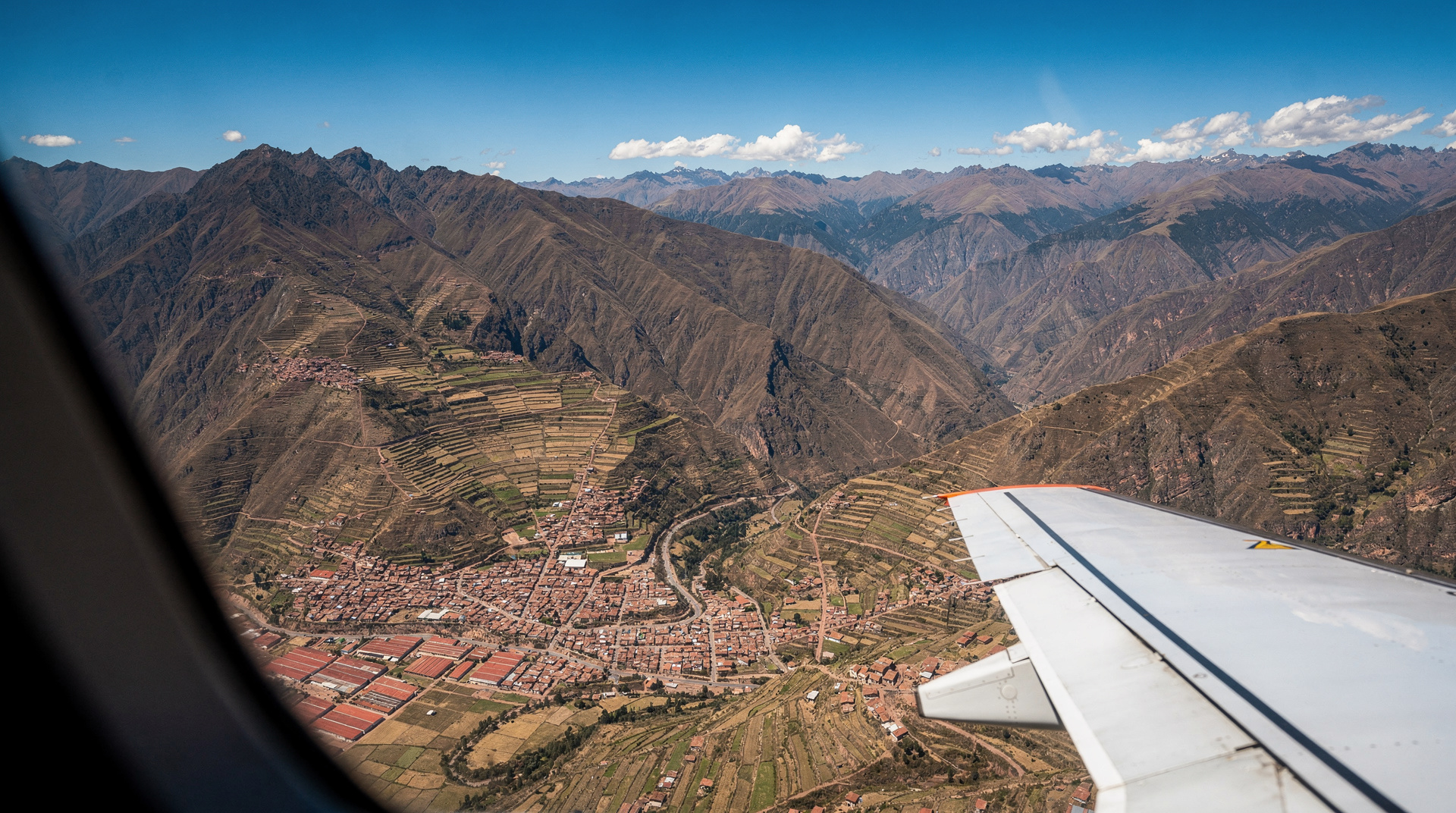
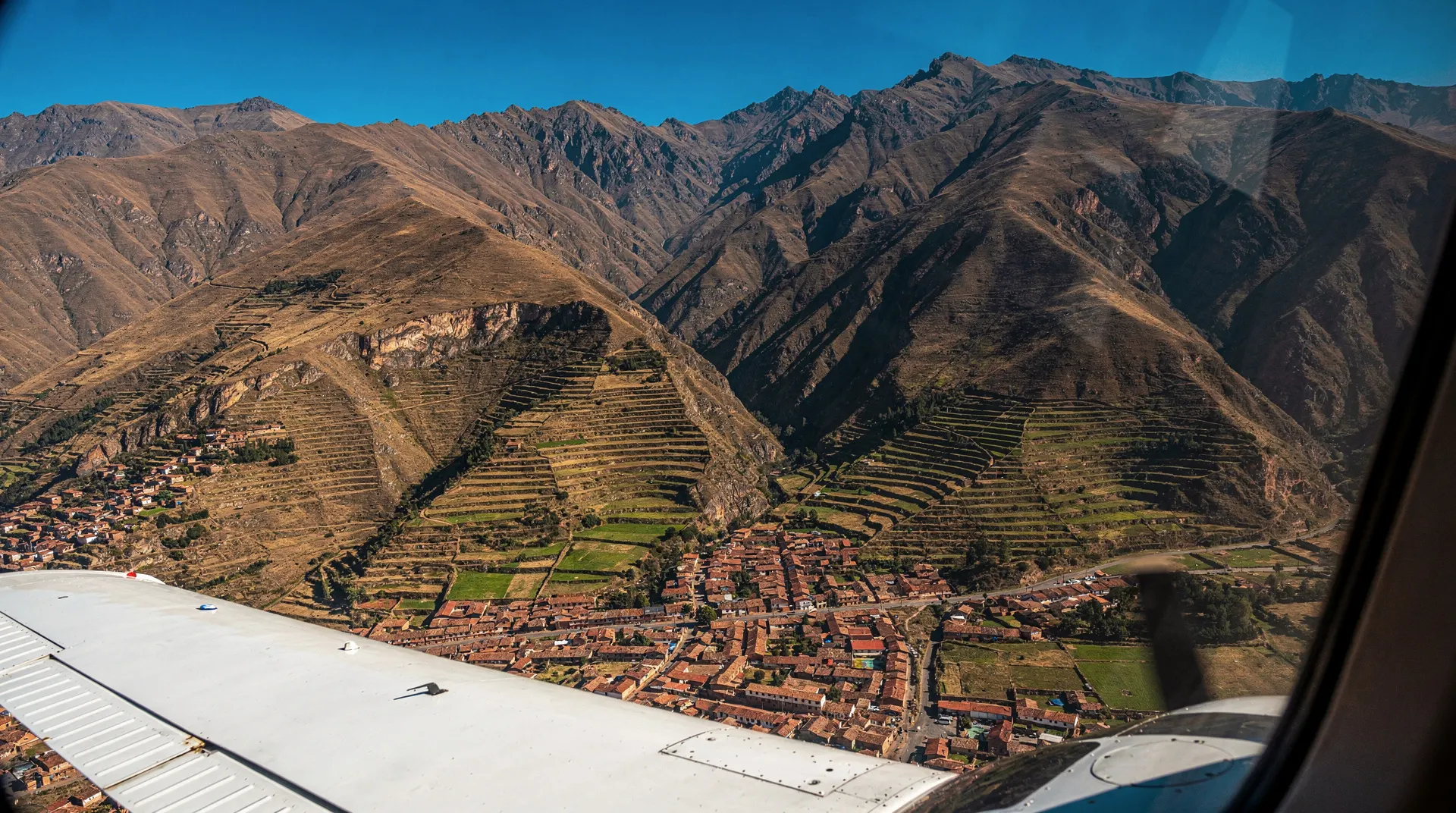
The runway at CUZ is notable: it runs at 3,399 m, is surrounded by the Andean terrain on three sides, and requires specific approach procedures that Cusco-rated pilots practice extensively. LATAM and other carriers flying this route use aircraft optimised for high-altitude short-field operations. The technical competence required to operate here routinely is high; the airlines covering this route maintain Cusco-specific training requirements for their flight crews.
Getting from the airport to the city centre
Option 1: Official airport taxis
This is the standard choice for most arrivals. A row of official taxis operates from the clearly marked zone immediately outside the arrivals exit. Fares to common destinations:
- Plaza de Armas / historic centre: S/25–35 (approximately $7–9 USD)
- San Blas neighbourhood: S/30–35 (approximately $8–9 USD)
- Bus terminals (Terminal Terrestre or Av. Huáscar): S/25–30 (approximately $7–8 USD)
- Sacred Valley (Pisac, Urubamba, Ollantaytambo): negotiate in advance; expect S/80–130 depending on destination
Always agree on the fare before getting in. Metres are uncommon in Cusco taxis. The driver may suggest a higher initial figure; S/25–35 for the centre is the going rate and most drivers will accept it.
Do not accept unsolicited offers from people approaching you inside the terminal before you exit to the taxi zone. These are touts, and the fares they quote — or the services they offer — are reliably worse than what you will find at the official rank.
Option 2: Uber
Uber operates in Cusco and typically costs S/18–28 for a standard car to the city centre — marginally less than a street taxi. The app works at the airport. Request from the departures-level exit or the general pick-up area. Response times are a few minutes longer than a rank taxi during busy arrival periods, but the app-based pricing provides transparency.
Option 3: Pre-arranged hotel transfer
Most accommodation in Cusco offers or can arrange an airport pickup. Prices range S/30–60 depending on whether it is a shared or private vehicle. This option is worth arranging in advance if you are arriving early morning (the 6:00–7:00 am LATAM arrivals), travelling with substantial luggage, or simply want the certainty of a named driver holding a board with your name on it when you exit into the noise of the arrivals hall.
Contact your accommodation 24–48 hours before arrival to arrange. Many boutique hotels in the San Blas and historic centre areas include transfers in higher-tier room rates.
Option 4: Colectivos (shared minibuses)
Not formally organised from the airport, but colectivo services pass the airport perimeter road and can be flagged from the street. Not recommended on arrival day when you are carrying luggage and adjusting to altitude; better suited to the return journey.
Altitude: the immediate priority
Landing in Cusco from Lima, the altitude change is abrupt. Lima is at sea level. Cusco is at 3,399 m. The flight takes 1 hour 20 minutes, which means your body has had less than two hours to respond to the change in partial oxygen pressure. For most people, this results in mild to moderate symptoms: light-headedness, breathlessness during movement, headache beginning within 1–2 hours of arrival. For some, symptoms are stronger.
The correct approach in the airport:
- Move through the terminal at a deliberate, unhurried pace
- Do not sprint for taxis or rush through baggage claim
- Drink a full glass of water before getting in your transfer vehicle
- Accept coca tea if it is offered at your accommodation on arrival
- Resist the temptation to treat arrival day as a full itinerary day
The acclimatisation guide covers the first 48 hours in full. The key principle: you are not ill, you are adjusting. Rest, hydrate, eat lightly, and save the vigorous activity for day two.
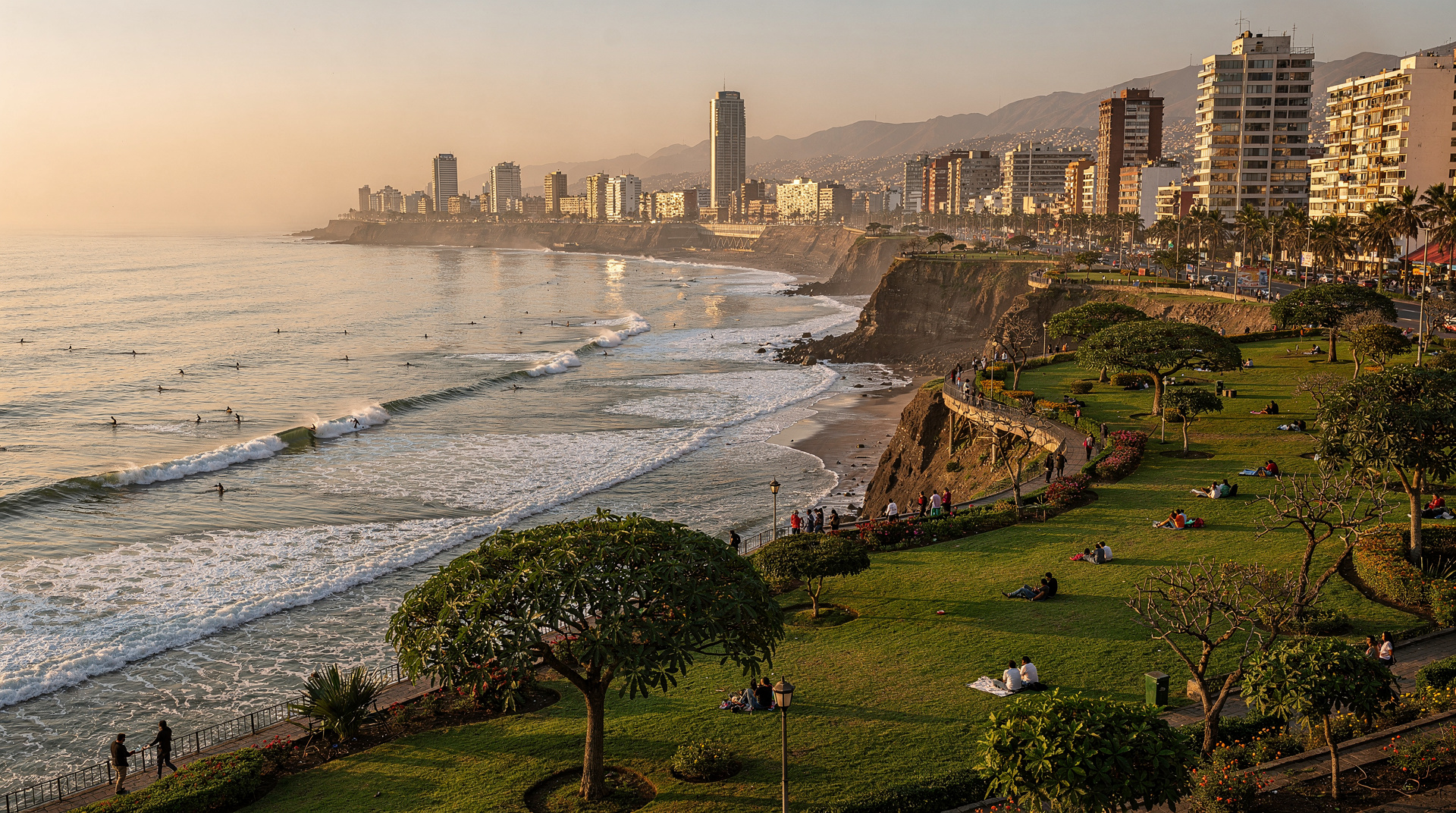
If you have time in Lima before flying to Cusco, a guided morning tour of the historic centre gives you an excellent introduction to Peruvian history and architecture before the Inca complexity of Cusco. The Lima historic centre is UNESCO-listed and the Larco Museum is one of South America’s finest archaeology collections.
The departures experience at CUZ
For your return flight, arrive at the airport at least 90 minutes before departure. Security processing at Cusco is slower than Lima’s Jorge Chavez airport, and the single security lane can build queues during coinciding departures. Check-in counters open 2 hours before departure.
There are food outlets beyond security — a café, a restaurant, and a few retail concessions selling alpaca goods, local chocolate and souvenirs at elevated prices compared to the city centre markets. If you want genuine artisan products at fair prices, San Pedro Market and the San Blas neighbourhood are the right places to shop before heading to the airport.
Flights: what actually operates from CUZ
The Lima–Cusco corridor accounts for the overwhelming majority of traffic at CUZ. LATAM operates 8–10 daily services, Sky Airline, Avianca and JetSmart also serve the route. Morning departures from Lima to Cusco are preferable: afternoon services face higher risk of weather-related delays and diversions due to Andean afternoon convective activity.
The Cusco–Lima return flights in the early afternoon (12:00–2:00 pm) and late afternoon (4:00–6:00 pm) are the standard departure windows for visitors completing their Cusco portion and returning to Lima for international connections. Book your Lima–Cusco and Cusco–Lima flights together, verify the Cusco arrival time is before midday if possible, and ensure you have at least a 4-hour buffer at Lima for international connections to account for domestic delays.
Seasonal note: November through March (wet season) brings the highest rate of afternoon weather disruptions at CUZ. If you are flying into Cusco during this period, morning arrival is even more important than in the dry season. The rainy season guide covers what to expect weather-wise.
Getting to key destinations from the airport
From the airport, the main onward connections visitors need:
City centre / hotel: as above, 15–20 minutes by taxi (S/25–35).
Sacred Valley: Private transfer from the airport to Urubamba takes approximately 1.5 hours and costs S/90–130 for a private vehicle. This is worth considering if you are following the acclimatise-in-the-valley strategy — going directly from the airport to Ollantaytambo or Pisac at lower altitude (2,800–3,000 m) rather than to Cusco at 3,400 m.
Machu Picchu direction: There is no direct service from Cusco airport to Aguas Calientes. The route involves: taxi to the city or to Ollantaytambo bus stop, then colectivo or private car to Ollantaytambo (~1.5 hours), then train to Aguas Calientes (~1.5 hours). It is not advisable to attempt this on arrival day — altitude adjustment first, Machu Picchu the following day or later. The how to get to Machu Picchu guide explains the full logistics.
Puno / Lake Titicaca: Buses to Puno depart from Cusco’s Terminal Terrestre or various agency offices. The journey is 6–7 hours on the Ruta del Sol route. If you are heading to Puno on departure day, a taxi from the airport to the bus terminal (S/20–25) connects you to the Ruta del Sol services. The Cusco to Puno transport guide covers the options.
Practical details: money, luggage, communications
Money: ATMs in arrivals dispense Peruvian soles. Withdraw S/200–400 for immediate needs (taxi, first meals, tips). Better rates are available in town.
SIM cards: Available in the city centre (Claro, Movistar and Bitel have stores near the Plaza de Armas). Not sold at the airport. If you need connectivity on arrival for Uber or maps, use Wi-Fi at your accommodation.
Luggage storage: A small left-luggage service operates within the terminal. Not needed by most visitors but useful if you have a late afternoon flight and want to spend the morning sightseeing without carrying bags.
Medical assistance: The airport has a basic first-aid station. For serious altitude symptoms, the nearest hospital with an altitude-medicine unit is Hospital Regional del Cusco, approximately 10 minutes by taxi from the centre. Clinica Suiza and Clinica Pardo are private options with English-speaking staff.
Accessibility and travelling with reduced mobility
CUZ is a small, single-level terminal, which is generally an advantage for travellers with limited mobility — there’s little distance between the gate and arrivals, and jet bridges or ground-level boarding are standard. Wheelchair assistance can be requested through your airline at booking or check-in; it is a routine service on this route given how many older travellers fly it specifically for Machu Picchu.
The taxi rank and Uber pickup point are both a short, flat walk from the arrivals exit. The altitude itself, however, is the real accessibility consideration for everyone regardless of mobility — even fit travellers feel it, so build in extra time and avoid stairs-heavy routes (like the climb up to San Blas) on arrival day.
What comes next
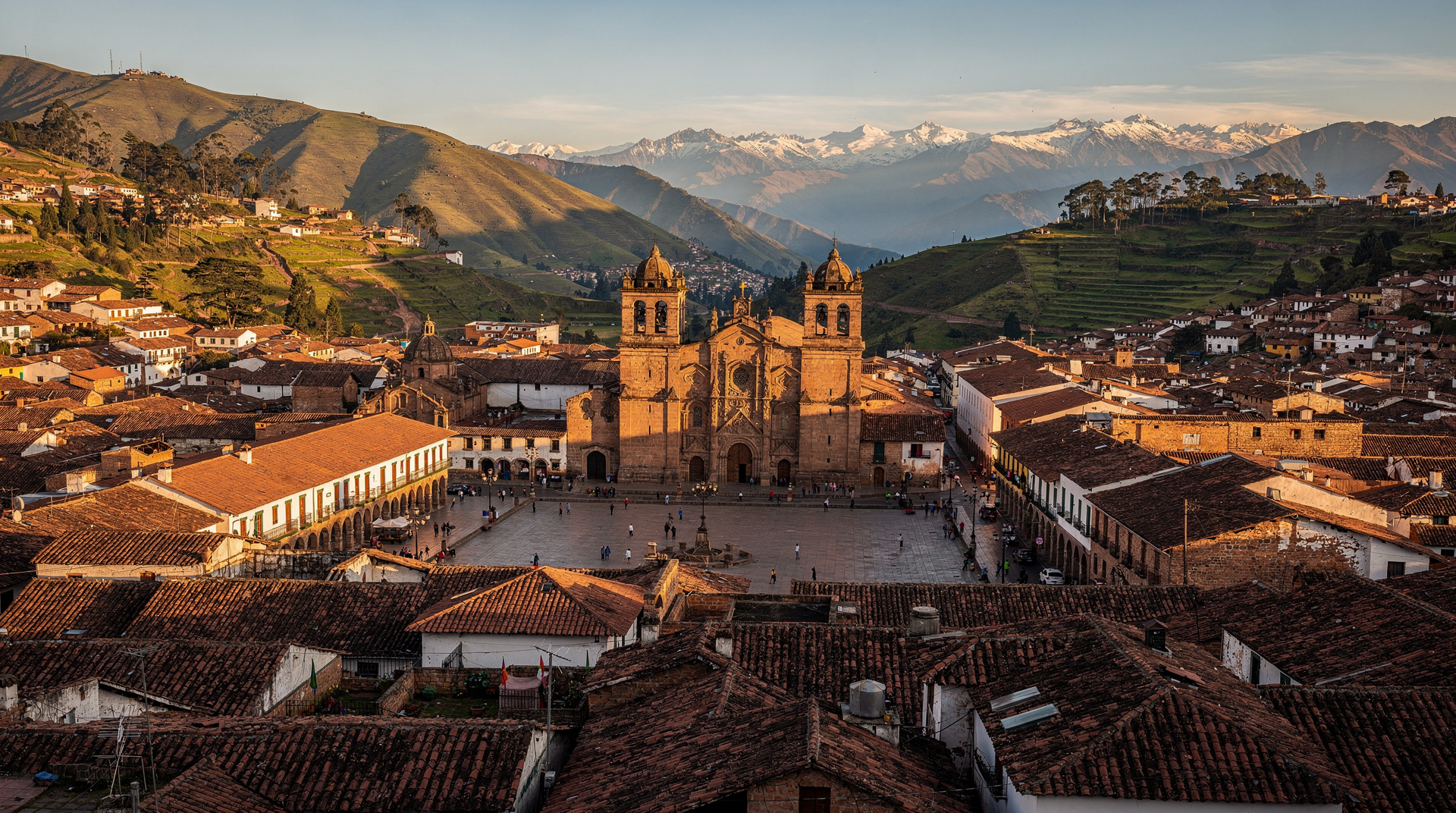
The airport is the entry point; Cusco is the base. The destinations hub introduces the city’s key sites, from Qorikancha and the Cathedral on the Plaza to the hilltop fortress of Sacsayhuaman and the bohemian workshops of San Blas. The things to do hub organises activities by interest. And the travel tips hub covers money, safety, altitude and the practical questions that come up in the first few days.
The airport at CUZ is not where you will spend your time in Peru. But how you handle the first 30 minutes there — slowly, calmly, hydrated, with a fair-price taxi already negotiated — sets the tone for the entire trip.
Time-of-day arrival patterns worth knowing
Most Lima–Cusco flights land between 6:00 a.m. and midday, since airlines schedule the route to avoid the afternoon convective weather that builds over the Andes. An early-morning arrival (6:00–8:00 a.m.) means cooler air, quieter arrivals, and a full rest-of-day to begin acclimatising gently — genuinely the best slot if you can choose it. Midday arrivals (10:00 a.m.–1:00 p.m.) are also reliable and still leave a useful afternoon for a slow walk once you’ve settled in. Avoid booking a Lima–Cusco connection that only has a late-afternoon option if you have any flexibility; delays and diversions to Arequipa or back to Lima become measurably more common after about 2:00 p.m. as cloud builds over the mountains.
If your flight is delayed or diverted
Weather diversions are not rare on this route, particularly in the wet season. If your flight is diverted to Alejandro Velasco Astete’s backup options (typically Arequipa) rather than landing at CUZ, airlines will normally either wait out the weather on the ground and attempt again, or bus/re-route passengers once conditions clear — this can add several hours. Build a buffer into your first day: avoid booking a same-day Sacred Valley tour or train connection immediately after landing, since a delay would cascade into a missed booking. If you do get diverted, your airline is responsible for rebooking; keep your onward accommodation informed by phone or WhatsApp so they know to expect a late arrival.
A half-day Lima city highlights tour is a practical way to fill a long layover in Lima if your Cusco connection isn’t until later in the day, covering the historic centre and Miraflores without needing a full extra night.