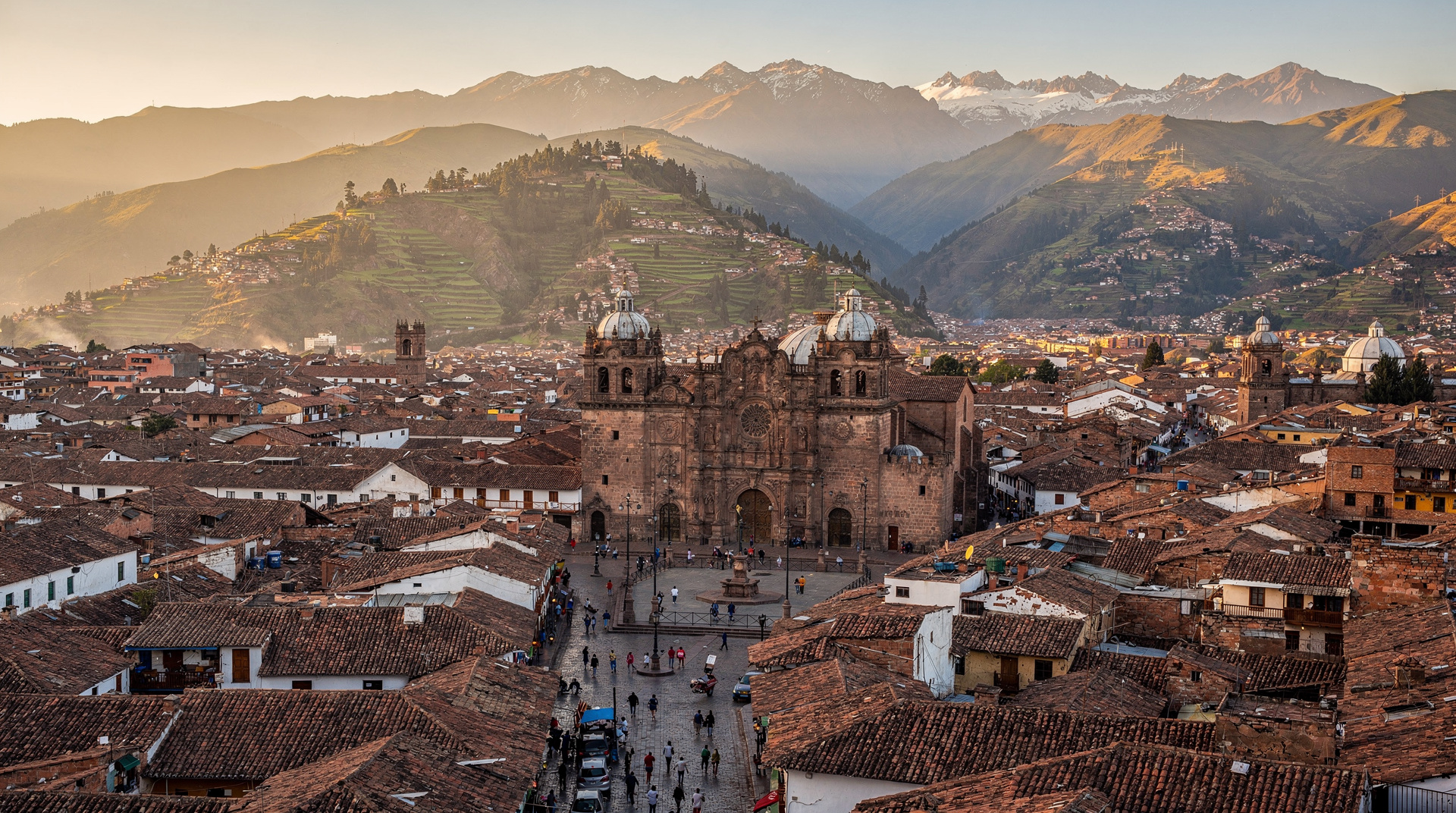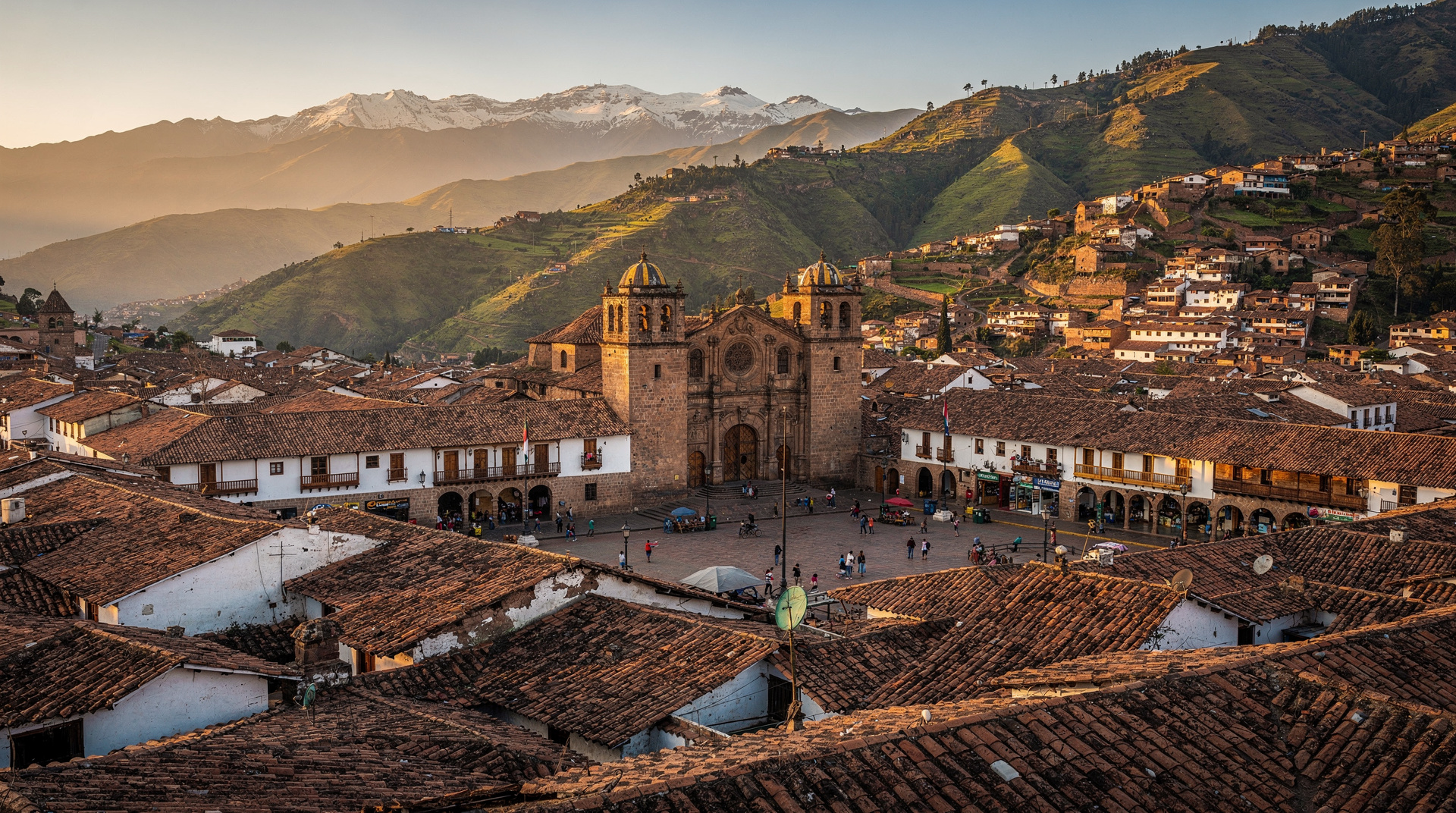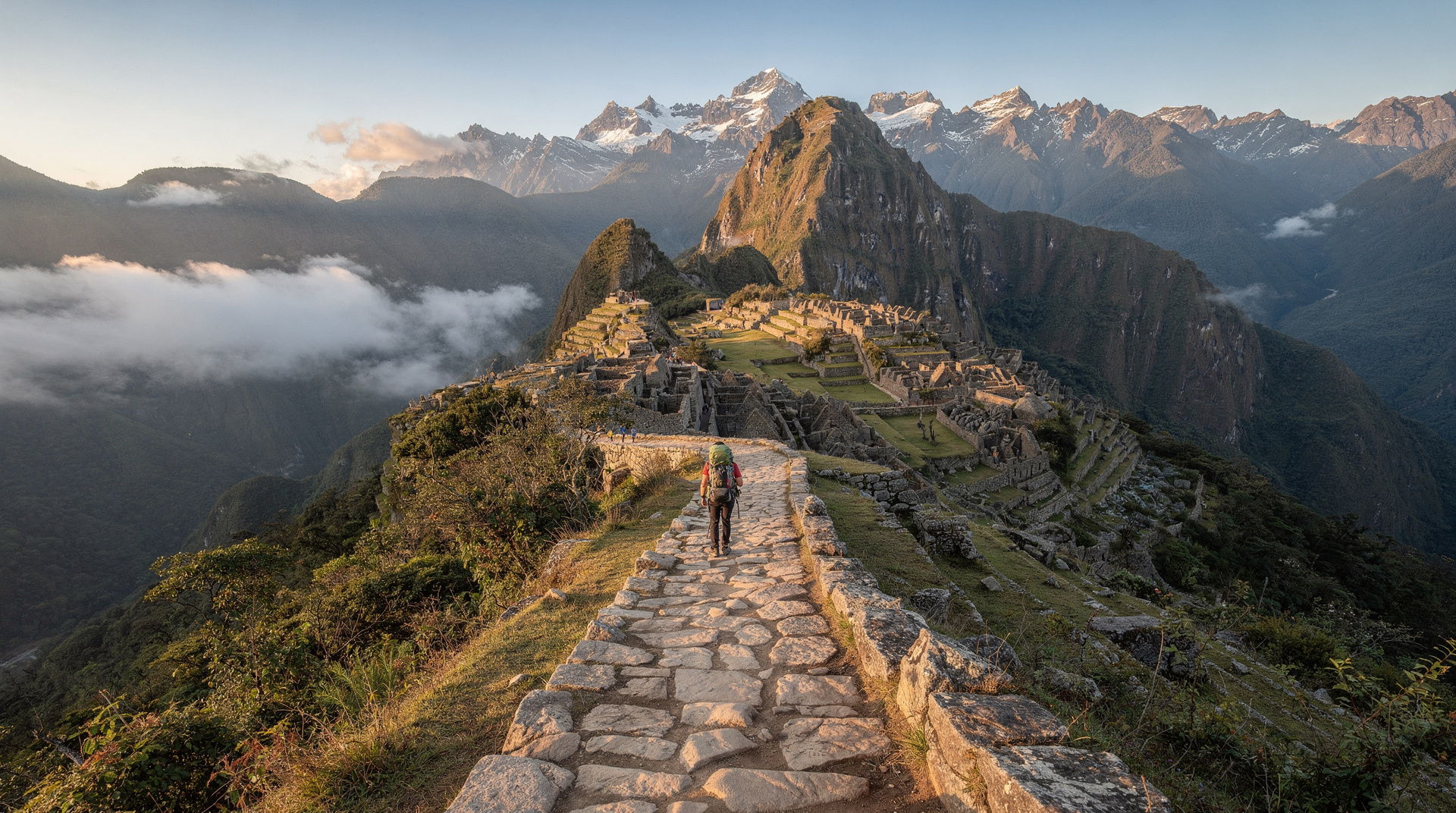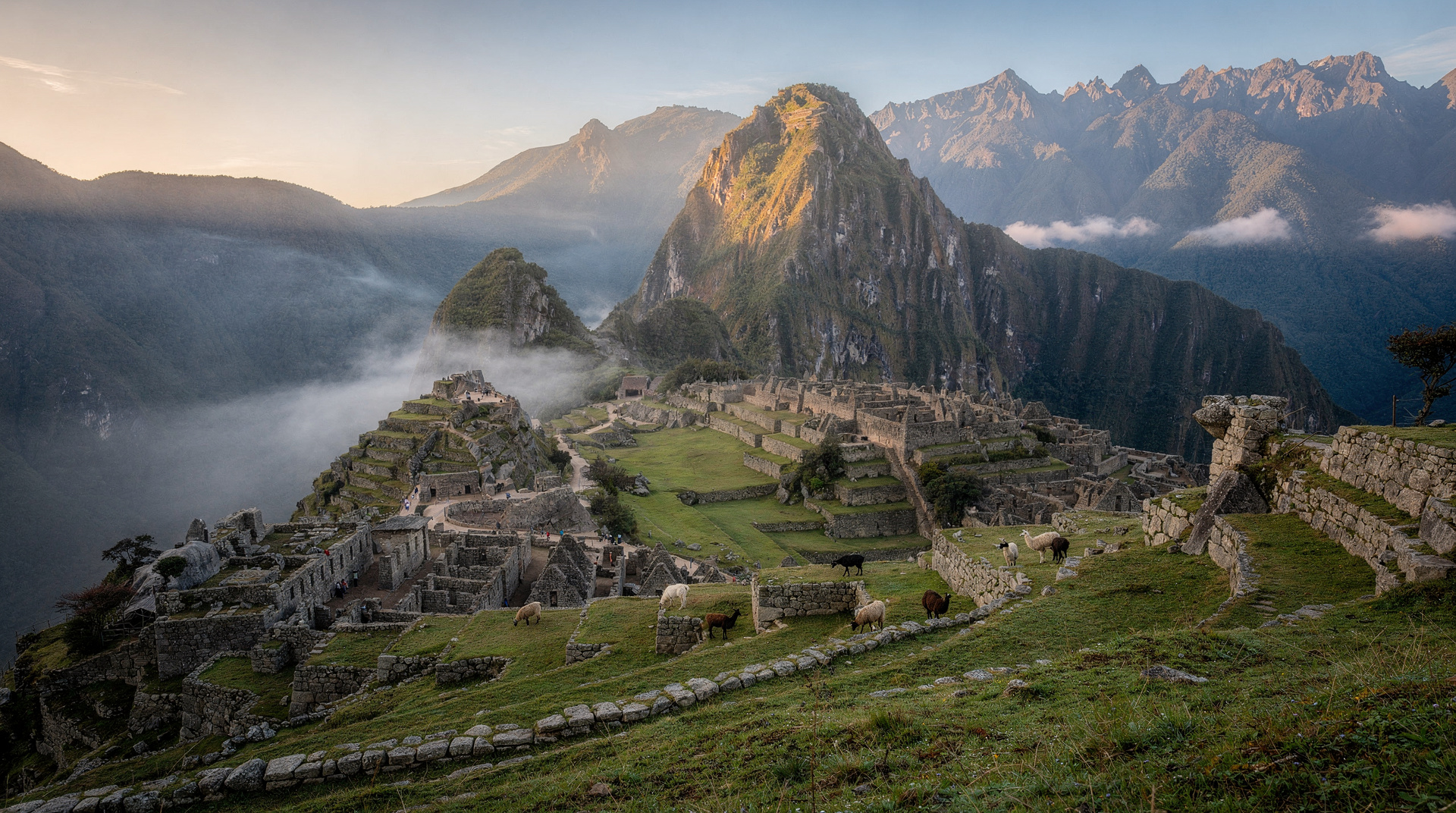
Cusco in the rainy season — what to expect November to March
From Cusco: Machu Picchu Day Trip with Train Tickets
What is Cusco like in the rainy season?
The rainy season runs November through March, with January and February the wettest months. Afternoons bring regular showers or sustained rain; mornings are often clear or partly cloudy. Landscapes are vividly green, crowds are at their lowest, and accommodation prices drop 20–40% from peak season. Machu Picchu remains open year-round but the cloud forest setting is mistier. The Inca Trail closes for the entire month of February for maintenance. For budget-conscious visitors and those who prefer quiet sites, the wet season is underrated.
The season most visitors misunderstand
The rainy season in Cusco has a reputation problem. It is the season that travel guides warn about, the reason most visitors target June–August, and the period when search volumes for Cusco holiday planning drop sharply. None of this reputation is entirely wrong. It rains in the wet season. Some trails become difficult. January and February are genuinely wet.
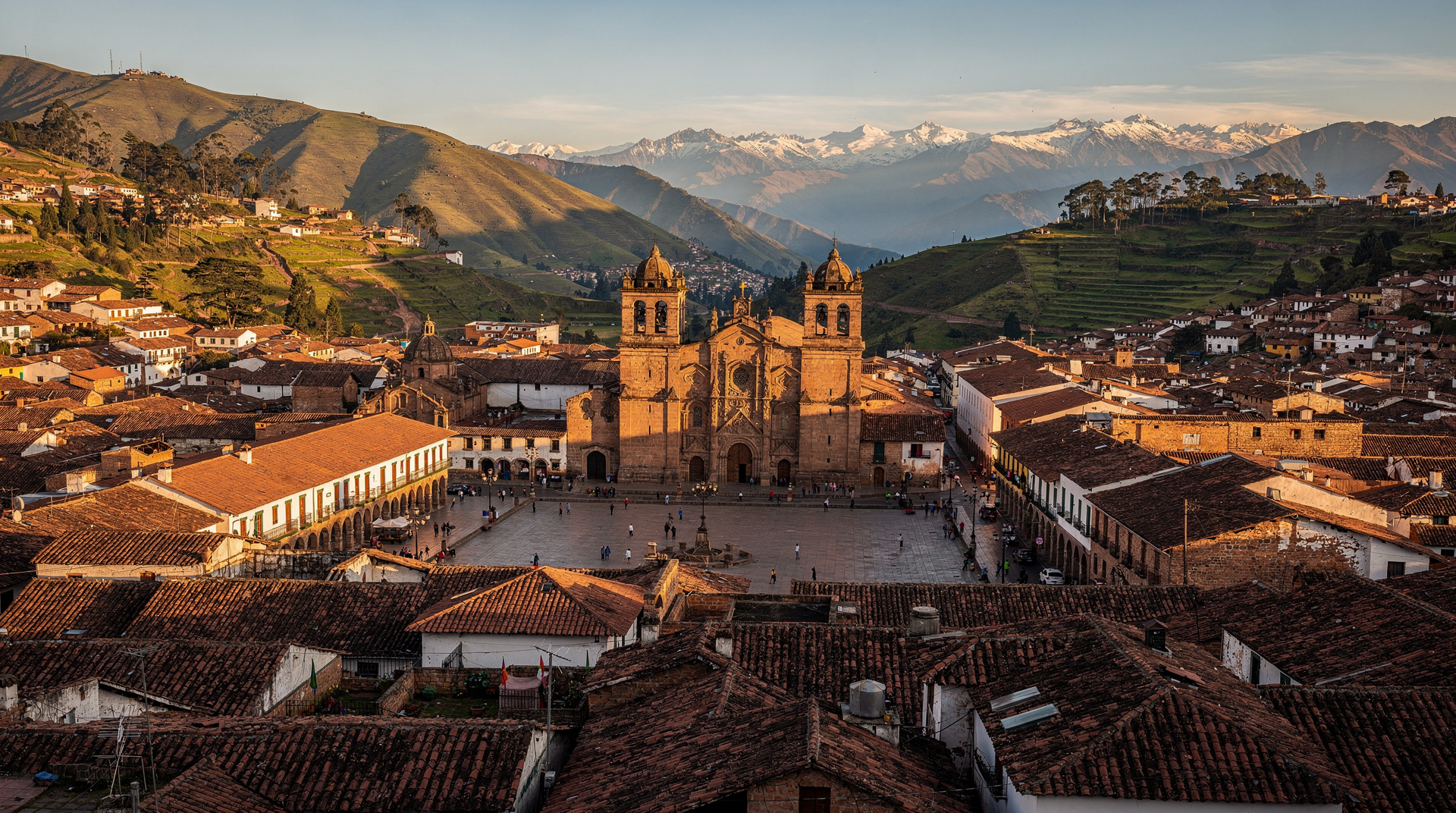
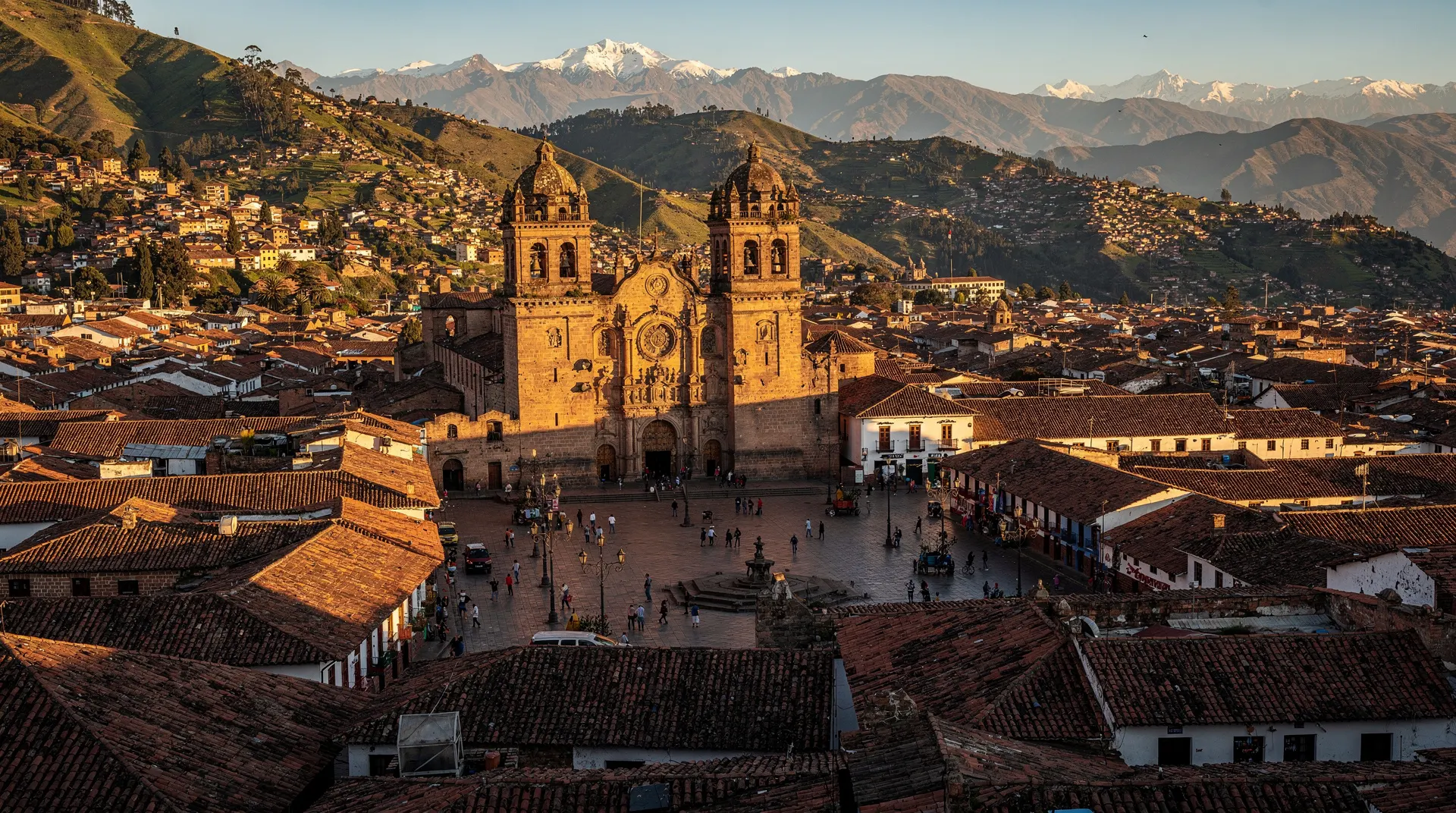
But the picture is more nuanced than the reputation suggests. The wet season in Cusco is not the continuous grey misery of a Northern European November. It has a pattern — clear mornings, afternoon showers, lush green landscapes — that is entirely workable for intelligent travellers. It produces a quieter, cheaper, more locally authentic experience than the height-of-summer crush. And Machu Picchu in mist, to those who have seen it both ways, has an atmospheric quality entirely absent from the clear-sky photographs that have saturated the internet.
This guide covers the wet season honestly: what the weather is actually like, month by month, what you gain and what you give up, and how to plan an excellent November-to-March trip.
| When | November–March, wettest January–February |
| Daily pattern | Clear or partly cloudy mornings, rain from early afternoon |
| Savings vs. dry season | Around 20–40% lower accommodation prices |
| Inca Trail | Closed entirely in February; open the rest of the season |
| Best for | Budget travellers, quieter sites, lush green photography |
The pattern: mornings are the key
The most important single fact about Cusco’s wet season is the daily pattern of rainfall. The showers are predominantly convective — built by solar heating of the Andean terrain during the morning, releasing in the afternoon and evening. The consequence: mornings in the wet season are frequently clear or only partly cloudy. The sky over the Sacred Valley at 7:00 am in January is often blue.
This morning window is the traveller’s friend. Plan all outdoor activities — archaeological sites, hiking, visits to Machu Picchu — for the morning. By noon, clouds are building. By 2:00–3:00 pm, rain is common. By 5:00 pm, a shower or sustained rain is likely in January or February. By 7:00 pm, it may have cleared. Evenings are sometimes clear again.
Working this pattern — morning outdoor activity, afternoon indoor sites (museums, Qorikancha, the Cathedral interior, cooking classes, local market visits), rain gear from noon — makes the wet season entirely manageable.
Month-by-month: November to March
November
The wet season begins. The first rains typically arrive in Cusco in November — intermittent at first, becoming more regular by mid-to-late November. Visitor numbers are at their lowest (post-Semana Santa low, pre-Christmas low). The landscape begins its green transformation within days of the first substantial rains. Accommodation prices are at their lowest of the year.
November has the fewest rain days of the wet season and is a good month for budget travellers or those who want to experience the early freshness of the post-dry season. The Inca Trail operates in November (no February closure applies).
December
Rain increases through December. The first two weeks can still be relatively dry; by Christmas the full wet-season pattern is established. Christmas week (22–30 December) is an exception in terms of crowds and prices — a mid-season spike as domestic and international holiday travellers arrive. Cusco’s Christmas and Corpus Christi celebrations have genuine character. Outside Christmas week, December is quiet and reasonably priced.
Machu Picchu in December has long days (closer to the summer solstice), lush vegetation, and lighter morning cloud than January. It is a pleasant month to visit the citadel.
January
Peak of the wet season. January and February are the wettest months, and January brings the most sustained rainfall. Morning windows of clarity are shorter and less reliable than in November or December. The Sacred Valley is intensely green — almost tropically lush — and the Urubamba River runs fast and brown with sediment. Waterfalls appear on valley walls that are dry for nine months of the year.
Tourist volumes are at their absolute minimum in January. Machu Picchu operates with plentiful entry slot availability. Accommodation prices are the lowest of the year. For the visitor who genuinely does not mind getting wet occasionally and is primarily interested in the cultural and archaeological experience (rather than landscape photography), January is an excellent value month.
The Inca Trail operates in January (the closure is February only). Conditions are muddy and demanding but the trail is open. Most agencies run smaller groups in January by default.
February
The wettest month and the most restricted. The Inca Trail is closed for the entire month of February — enforced by Peruvian government regulation with no exceptions, for annual trail maintenance and ecological recovery. Permits are not issued for any February departures. The Salkantay Trek, Lares Trek, and Choquequirao approaches are not affected by this closure and operate in February.
Machu Picchu remains open and accessible via the train route. The citadel in February is at its most mystical — cloud wrapping through the terraces, occasional rainfall creating temporary waterfalls on the hillsides, the cloud-forest vegetation at maximum lushness. It is the most challenging photographic month (getting a clear full-citadel view requires timing and patience) and the most atmospheric.
Carnaval in late February is a genuine Cusqueñan celebration — not put on for tourists. Water-balloon fights in the streets, regional dances, parades, and street parties. An authentic local experience for visitors who enjoy festivals. Date varies each year (Shrove Tuesday weekend).
Budget-wise, February is the cheapest month of the year in the Cusco region, often by a considerable margin.
March
Rain begins to ease. March has a transitional character: the first two weeks still wet-season (rain daily), the second two weeks beginning the shoulder. The landscape retains its maximum green of the whole year. The Inca Trail reopens at the start of March after the February closure — the first March permits are snapped up quickly by trekkers who specifically want the trail in peak green condition.
March is a sleeper month. Prices are still lower than the dry season, crowds have not built, and by mid-to-late March the conditions are often very good. Machu Picchu in March has morning clarity improving week by week through the month.
Machu Picchu in the rainy season: an honest assessment
The citadel (Machu Picchu) is open year-round and receives visitors every day of the year except for a small number of emergency closures. Visiting in the wet season involves different conditions but not necessarily a worse experience.
What you gain in the rainy season at Machu Picchu:
- Entry slot availability (book 1–3 weeks ahead rather than months)
- Significantly fewer people on site
- Lush green vegetation in every corner of the terraces
- Cloud and mist effects that create genuinely dramatic atmosphere
- The sound of rain on Inca stone, without tour group chatter
What you lose:
- The clear-sky postcard views with all mountains visible
- The certainty of a sunny, warm day for the visit
- The ability to plan photography around guaranteed blue sky
The practical strategy: book the earliest entry slot available (6:00 am opening) to maximise the morning clarity window before cloud builds. Arrive wearing waterproof gear. If cloud is heavy in the morning, wait — conditions at Machu Picchu can shift remarkably quickly. Many visitors who arrived at 6:00 am in low cloud have clear views by 8:00 or 9:00 am.
Book your Machu Picchu day trip from Cusco — available year-round. In the wet season, book 1–3 weeks ahead for entry slots; train tickets should still be booked 2–3 weeks ahead as the train corridor is popular even in the low season.
The Sacred Valley in the rainy season
The Sacred Valley is arguably more beautiful in the wet season than in the dry. The terraces at Pisac, Ollantaytambo and Chinchero — some of the finest Inca agricultural engineering visible anywhere — are backed by green hillsides and dramatic clouds rather than brown-and-gold dry-season terrain. Pisac market still runs Tuesday, Thursday and Sunday regardless of season (the vendors are pragmatic about weather). The ruins at Pisac and Ollantaytambo operate every day.
Getting around the valley in the wet season: the main road is fully paved and reliable. The unpaved tracks to Moray and Maras can be muddy and slow but are not impassable except in the heaviest downpours. Allow extra time for these sections. Colectivos run normally throughout the wet season on the main valley road.
What to pack for the wet season
Waterproof jacket: Non-negotiable. A proper waterproof with sealed seams, not a light wind-jacket. You will be wearing this in afternoon rain at altitude.
Layers still needed: Cusco is cold at night year-round. Wet-season nights are slightly warmer than the dry season (8–12°C versus 2–8°C) but still require warm layers in the evening.
Waterproof bag cover or dry bags: Particularly important for camera equipment. The rain at Machu Picchu can be sudden and heavy.
Sturdy waterproof footwear: Trails in the wet season are muddy. Waterproof hiking boots or trail shoes with good grip. Cusco’s cobblestoned streets are slippery when wet — rubber-soled shoes rather than leather.
Quick-dry clothing: Cotton clothing stays damp for hours in wet-season conditions. Synthetic base layers and quick-dry trousers are practical.
Rainbow Mountain and alternatives in wet conditions
If Rainbow Mountain’s colours are a priority and your trip falls in January or February specifically, it’s worth setting expectations honestly: snow cover and cloud frequently obscure the mineral stripes at Vinicunca’s 5,200 m summit during the wettest weeks.
Palccoyo, a lower-altitude alternative rainbow mountain, holds up better in wet-season conditions and involves a gentler walk, making it a sensible substitute if the weather forecast for Vinicunca looks poor on your available dates. Tour operators generally know the week’s conditions and can advise which site is more likely to deliver a clear view — ask your agency directly rather than booking blind, and build in flexibility to switch sites at short notice if you can.
Rainy afternoons in Cusco: where to go indoors
Because the weather turns after midday, the city itself becomes your afternoon plan. The historic centre of Cusco is compact enough to walk between covered stops, and Qorikancha is a natural first choice when the sky closes in; the Qorikancha guide explains what to look for. The bohemian lanes of San Blas suit a slow afternoon of workshops, cafés and small galleries, and the San Pedro market is largely under cover, which makes it a good place to eat while a shower passes. For a food-led afternoon, the San Pedro market food guide, the best restaurants in Cusco and the cooking classes compared all give you something warm and dry to do.
Treat the rain as a reason to slow down. A bowl of soup, a cup of coca tea and an unhurried lunch are part of the experience here, and the coca tea and altitude remedies guide is worth reading before you order your first cup.
Planning a wet-season trip around the weather
The wet season rewards flexible itineraries. If you are still deciding how long to stay, the how many days in Cusco guide helps you build in a spare day for the weather, and the Cusco acclimatization plan shows how to use your first days gently while your body adjusts. The Cusco 3-day short itinerary is a good template to rearrange so that outdoor stops fall in the morning and indoor ones in the afternoon.
For a longer trip, the Cusco, Sacred Valley and Machu Picchu 7-day itinerary leaves room to shuffle days if a storm settles in. Travellers who want a trek can compare the Salkantay trek guide and the Lares trek guide, and the Salkantay 5-day itinerary shows how that route unfolds day by day. For packing, the what to pack for Cusco checklist complements the list above, and the Machu Picchu in each month guide lets you compare the citadel across the whole year.
If you are travelling with children, the Cusco with kids guide has ideas that work when the weather turns, and the personal account in Cusco in the rainy season gives a first-hand feel for how the days actually unfold.
The budget case for the wet season
The price differences between dry and wet season in the Cusco region are significant. Some examples of typical wet-season savings:
- Cusco hostel dorm: S/50–70 versus S/90–120 in peak season
- Mid-range Cusco hotel: S/280–380 per night versus S/480–680 in July
- Sacred Valley luxury lodge: major price drops in January–February from peak rates
- Guided tours: broadly similar prices year-round (tour costs are mainly guide wages and entrance fees, which do not vary with season)
- Machu Picchu train: similar prices to dry season (PeruRail and Inca Rail do not offer wet-season discounts)
For a 10-night trip, accommodation savings alone can reach S/1,500–2,500 (about $400–670 USD) compared to July. This is not insignificant, and it funds extra nights, better accommodation at the same budget, or higher-tier tours.
Photography in the wet season: managing gear and expectations
Wet-season photography rewards patience over persistence. Rather than chasing a single perfect clear shot, plan to shoot in short windows — the 20–30 minutes after a shower clears often produces the most dramatic light of the whole day, with wet stonework, rising mist and a freshly washed sky combining in a way dry-season photographers rarely see.
Protect gear with a simple rain cover or even a large ziplock bag with a hole for the lens; humidity, not just direct rain, is the bigger long-term risk to camera electronics, so use silica gel packets in your bag overnight. At Machu Picchu specifically, arriving at the 6 a.m. opening and simply waiting at a fixed viewpoint for 20–30 minutes as cloud moves through often produces a better set of images than rushing between viewpoints trying to beat the weather.
Inca Trail closed in February: what to do instead
The February Inca Trail closure is enforced, definitive, and not negotiable. The trail will not open and no operator will run it in February regardless of what is offered. Full details on why and what the alternatives are in the dedicated guide.
The main alternatives for Machu Picchu trekkers in February:
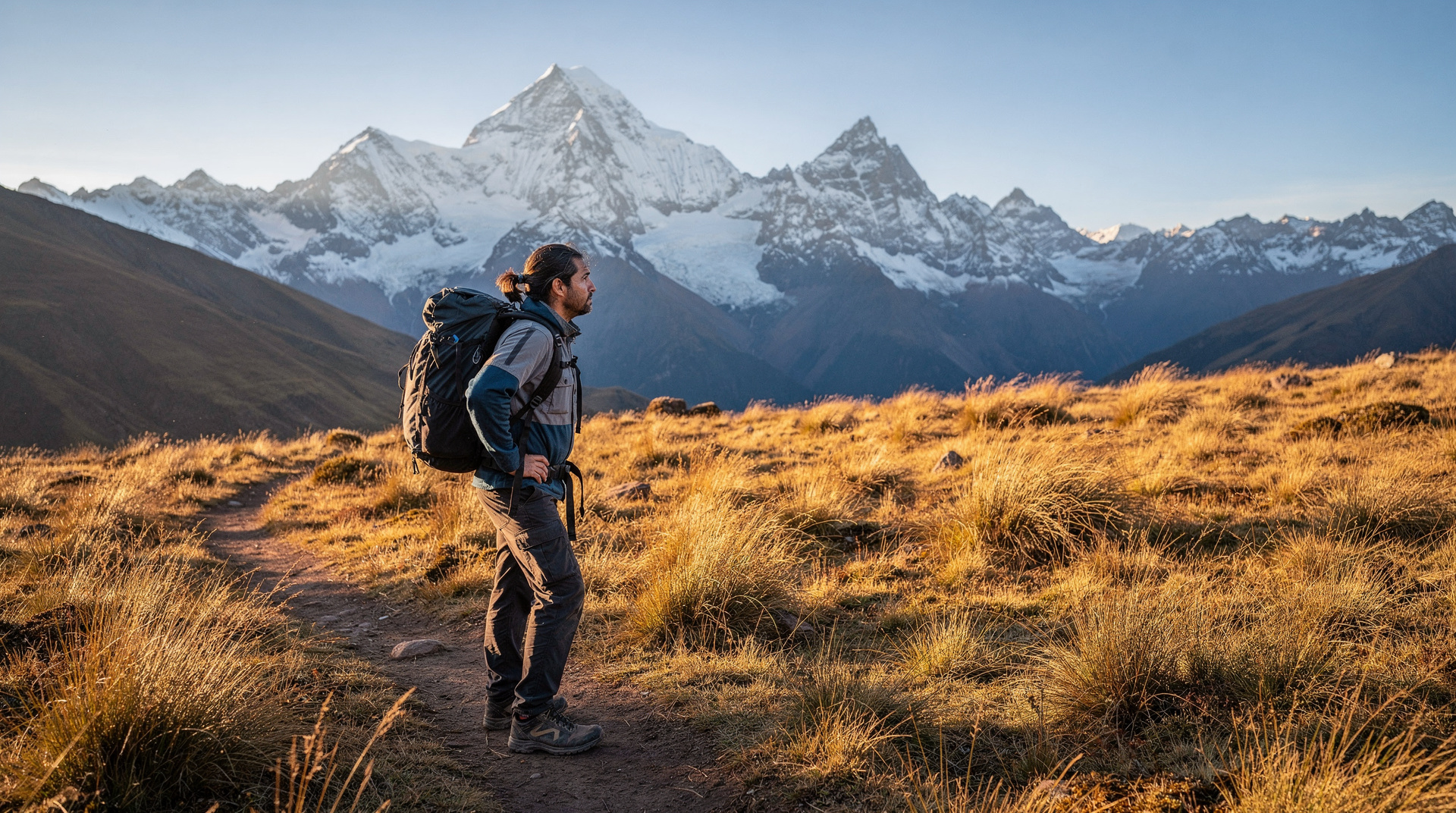
Salkantay Trek (5 days): Not subject to the February closure. Passes over the dramatic 4,630 m Salkantay Pass and descends through the cloud forest to Aguas Calientes. Arguably more spectacular scenery than the Inca Trail in sections. In wet season, the high pass section requires good rain gear and cold-weather kit.
Lares Trek (3–4 days): Also not restricted in February. A cultural route through high Andean communities with textile traditions. Lower altitude than Salkantay but still demanding in wet conditions.
Train route: The most practical option for February visitors. Ollantaytambo → Aguas Calientes by PeruRail or Inca Rail, bus to the citadel. Fully operational year-round.
If you want a guided trek that is still open when the classic trail is shut, a guided multi-day Salkantay trek ending at Machu Picchu is the usual choice, and a shorter two-day Inca Trail route combined with a panoramic train ride suits travellers who prefer less time camping in wet conditions. Check with the operator which dates the route runs, as trail rules and weather can change what is offered.
The best treks to Machu Picchu guide covers all alternatives in full with wet-season assessments for each.
The honest case for visiting in the wet season
After everything: the wet season is a legitimate alternative for the right traveller. The visitor who values cultural depth over Instagram photography, who appreciates less-crowded sites, who prefers spending S/150 per night on accommodation rather than S/500, and who can adapt a schedule to take advantage of morning weather windows — this visitor often reports that their wet-season Cusco trip exceeded expectations.
The best time to visit guide puts the entire year in context. The dry season remains better in objective conditions for outdoor activities and certain treks. But the wet season, understood on its own terms, is not the avoidable failure of timing that its reputation implies.
Rain, mist, green valleys, a half-empty Machu Picchu at 7:00 am with cloud moving through the terraces — these are not consolations for poor planning. For some travellers, they are the point.
Wet season month-by-month at a glance
| Month | Rain level | Crowds | Landscape | Inca Trail |
|---|---|---|---|---|
| November | Low-moderate, building | Very low | Green transformation begins | Open |
| December | Moderate, spike at Christmas | Low (except Christmas week) | Lush, lengthening days | Open |
| January | High, most sustained rain | Lowest of the year | Intensely green, rivers full | Open |
| February | Highest, most restricted | Lowest, plus Carnaval crowds | Most mystical, cloud-wrapped | Closed all month |
| March | Easing through the month | Low, building late | Peak green of the year | Reopens early March |
Health and comfort considerations in wet conditions
Humidity and dampness bring their own minor annoyances that are worth planning for. Clothes and hiking boots that get wet on an afternoon outing often don’t fully dry overnight in an unheated guesthouse room; packing one spare pair of dry socks and rotating footwear (rather than relying on a single pair to dry between wearings) avoids starting each day in damp shoes.
Colds and minor respiratory bugs circulate more in the wet season, compounded by altitude — the usual altitude precautions (hydration, rest, avoiding overexertion) apply just as much as in dry season, alongside basic cold-and-wet-weather sense: dry off promptly after a shower, and don’t linger in wet clothes once you’re back indoors. A lightweight travel towel and a dry bag for electronics are small additions that solve most of the day-to-day friction of wet-season travel.