Why the Inca Trail closes in February — and what to do instead
From Cusco: 4-Day Inca Trail Guided Trek to Machu Picchu
Why is the Inca Trail closed in February?
The Peruvian government mandates an annual closure of the entire Inca Trail for the whole of February for maintenance, conservation, and ecological recovery. No permits are issued for any February departures — not for the classic 4-day route, not for the 2-day route, not for any licensed operator. The closure is absolute. Machu Picchu itself remains open year-round via the train route. The best alternatives are the Salkantay Trek (5 days, no closure), the Lares Trek (3–4 days, no closure), and the Inca Jungle Trek — all of which operate normally in February.
The most misunderstood restriction in Peru travel
Every year, travellers arrive at the entrance to the Inca Trail in February and find it closed. Every year, others book with agencies that promise February departures and are let down at the last moment (or, more often, long before when the agency explains the situation). The February closure of the Inca Trail is one of the most consistent and well-documented facts in Peruvian tourism, and it is also, somehow, one of the most reliably missed pieces of information in trip planning.
This guide explains the closure fully: why it exists, what it covers, what is not closed (Machu Picchu, the alternative treks), and how to plan an excellent trek-focused trip to the Machu Picchu region if February is your only available month.
| Closed | Classic 4-day and 2-day Inca Trail, all of February |
| Open | Machu Picchu (via train), Salkantay, Lares, Inca Jungle treks |
| Reopens | 1 March, best condition of the year |
| Best alternative | Salkantay Trek (5 days, no permit) |
| Cusco prices | Lowest of the year in February |
Why the trail closes in February
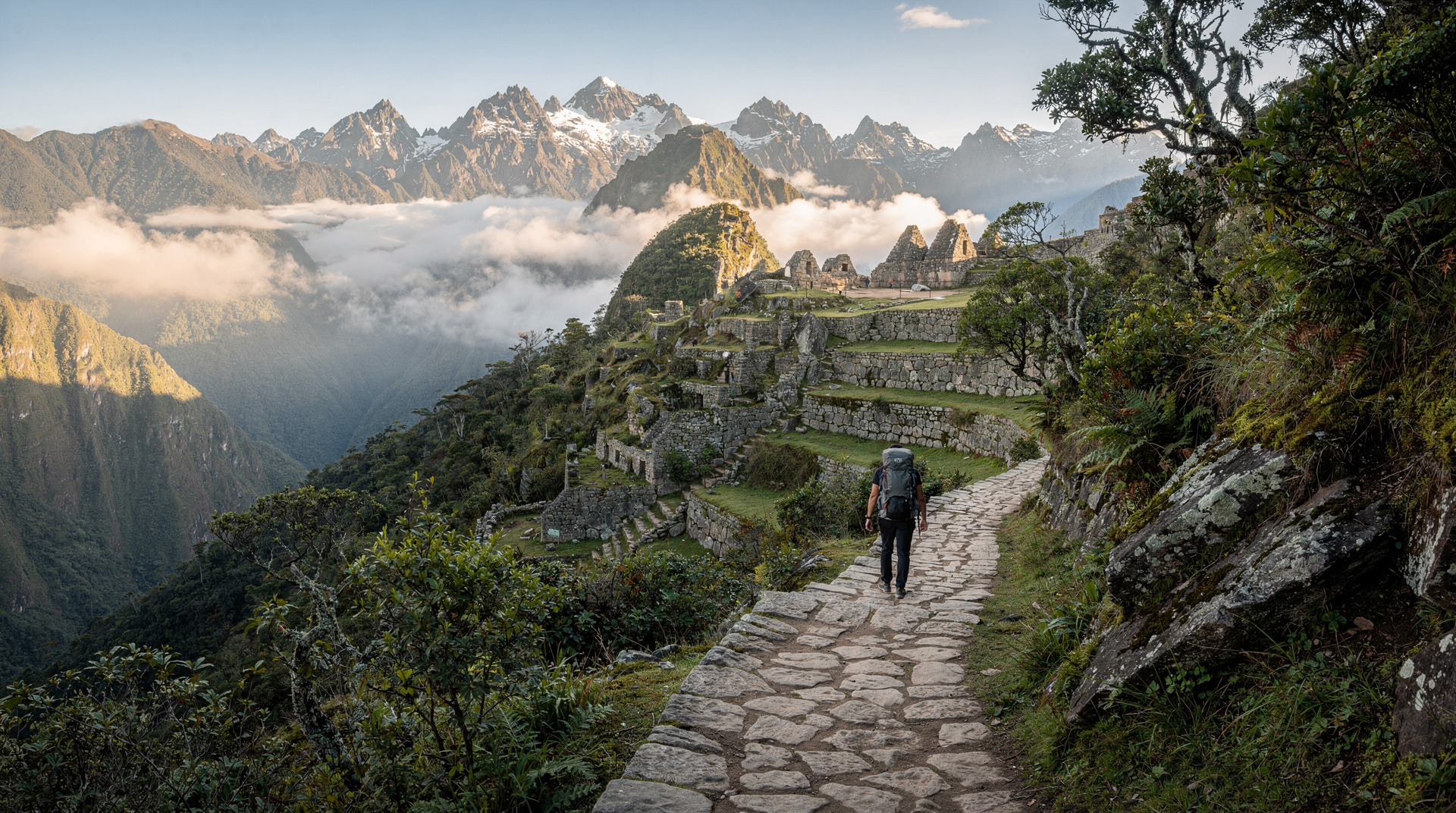
The Inca Trail — the 43 km route from km 82 to Machu Picchu via the Sun Gate — passes through a UNESCO World Heritage buffer zone containing some of the most significant Inca archaeological sites outside the citadel itself. Chachabamba, Runkurakay, Sayacmarca, Phuyupatamarca, and the spectacular Wiñay Wayna are all on this trail. The 200 or so permitted trekkers per day (across all agencies and including guides and porters — the individual tourist component is around 500 per day total in the group), multiplied by the months the trail is open, represents substantial foot traffic on an ancient stone route.
The Peruvian Ministry of Culture, which manages the Inca Trail permits system, mandates the February closure for three reasons:
Ecological recovery: The wet season is when vegetation grows fastest and trail margins recover from footfall. Closing the trail for its wettest month allows ground cover, banking and vegetation to repair.
Archaeological maintenance: February is the month when INC (the Institute of National Culture) and Ministry teams conduct maintenance on the trail’s archaeological components — clearing vegetation from walls, assessing drainage structures, reinforcing stone sections. This work is more practical without visitors on the trail.
Drainage and trail surface: The stone paving of the Inca Trail is remarkable engineering but not immune to the effects of heavy rainfall. February maintenance includes drainage clearing and assessment of sections vulnerable to water damage.
The closure is not symbolic — real conservation work happens, and the trail is noticeably in better condition on its 1 March reopening than it would be without the break.
What the closure covers
The February closure applies to:
- The classic 4-day Inca Trail (km 82 to Machu Picchu)
- The 2-day Inca Trail (km 104 to Machu Picchu)
- The 1-day Inca Trail where it still operates
- Any access to the Inca Trail protected corridor, regardless of whether you plan to camp or day walk
It does not apply to:
- Machu Picchu citadel (open every day of February via the train route)
- The Salkantay Trek (entirely separate route, no permit cap, no closure)
- The Lares Trek (separate route through the Lares valley, no closure)
- The Inca Jungle Trek (Cusco → Santa María → Santa Teresa → Aguas Calientes, no closure)
- The Choquequirao Trek (different region entirely)
There is no way around the closure. The entry points at km 82 and km 104 are staffed by rangers. No permits exist for February. No operator — regardless of how they present themselves — can legally run the Inca Trail in February.
The 4-day classic Inca Trail is available March through January. Permits for the peak months (June–August) sell out months ahead — book through a licensed operator as early as January for that year’s peak season. The Inca Trail permits guide covers the booking process in full.
If February is your only option: the alternatives
The closure does not mean you cannot have a trekking experience to Machu Picchu in February. It means you take a different route.
Salkantay Trek (5 days)
This is the primary alternative and, in the views of many trekkers who have done both, the more spectacular in terms of mountain scenery. The route goes:
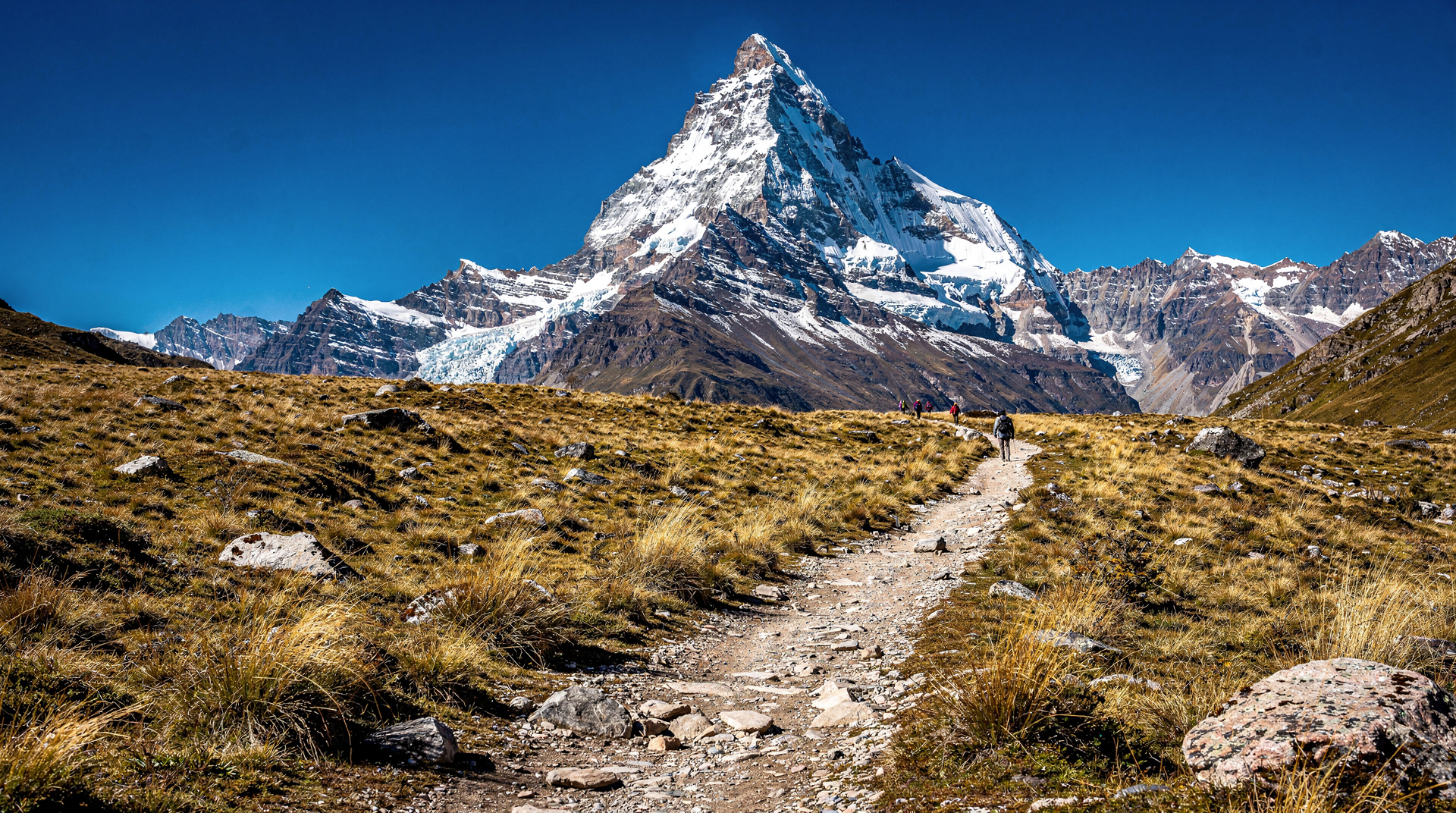
Day 1: Cusco → Mollepata or Soraypampa (via road), camp at the base of the Salkantay glacier Day 2: Salkantay Pass (4,630 m), one of the most dramatic high mountain crossings available to non-technical trekkers in South America. The Salkantay glacier and the peak of Salkantay (6,271 m) rise directly above the pass. Descend to camp at Huayracpampa or Chaullay. Day 3: Descend through the cloud forest zone, passing through increasingly lush vegetation. Camp at La Playa or Lucmabamba. Day 4: Final cloud forest descent to Aguas Calientes. Hot springs in the evening. Day 5: Machu Picchu, return train to Ollantaytambo.
The Salkantay in February: the pass at 4,630 m requires serious cold-weather and waterproof gear. Temperature at the high camp (night two, ~4,200 m) drops to 0 to -5°C. Rain on the pass is common. The descent through the cloud forest in wet season is spectacularly green and lush — many photographers prefer this version to the drier dry-season descent.
The Salkantay Trek has no permit cap — agencies book the available camping spots and guide their own groups. Advance booking 4–8 weeks ahead is advisable even in February, though last-minute spaces are sometimes available.
Book the Salkantay Trek for a Machu Picchu approach with no permit constraints — available year-round including February, with agencies that operate year-round even in the wet season.
Lares Trek (3–4 days)
A cultural route through high Andean communities in the Lares valley north of Ollantaytambo, ending with a train connection to Aguas Calientes. The trail passes through villages with strong weaving traditions, hot springs, and high passes (maximum approximately 4,600 m). Cultural engagement — visits to weavers, encounters with Quechua-speaking communities — is the focus alongside the trekking.
The Lares Trek in February: similar wet-season conditions to Salkantay in terms of rain and mud. The community visits and textile traditions are more accessible in the wet season than the landscape views (which are sometimes obscured by cloud). A good option for visitors who prioritise cultural encounters over mountain panoramas.
Inca Jungle Trek (4 days, adventure-oriented)
This route takes a very different approach: the first day involves cycling downhill from Abra Málaga (4,316 m) to Santa María, followed by hiking days through the Cusco-Santa Teresa-Aguas Calientes corridor. Zip lines, white-water rafting, and hot springs at Santa Teresa are part of the experience on many operators’ versions. The altitude profile is much lower than the Salkantay — maximum elevation is the Abra Málaga road pass, not a trekking pass.
For visitors who want adventure activities incorporated into their Machu Picchu approach and are less focused on high-mountain trekking, the Jungle Trek is a genuinely enjoyable format. Available year-round with no closure.
Train-only route (no trekking)
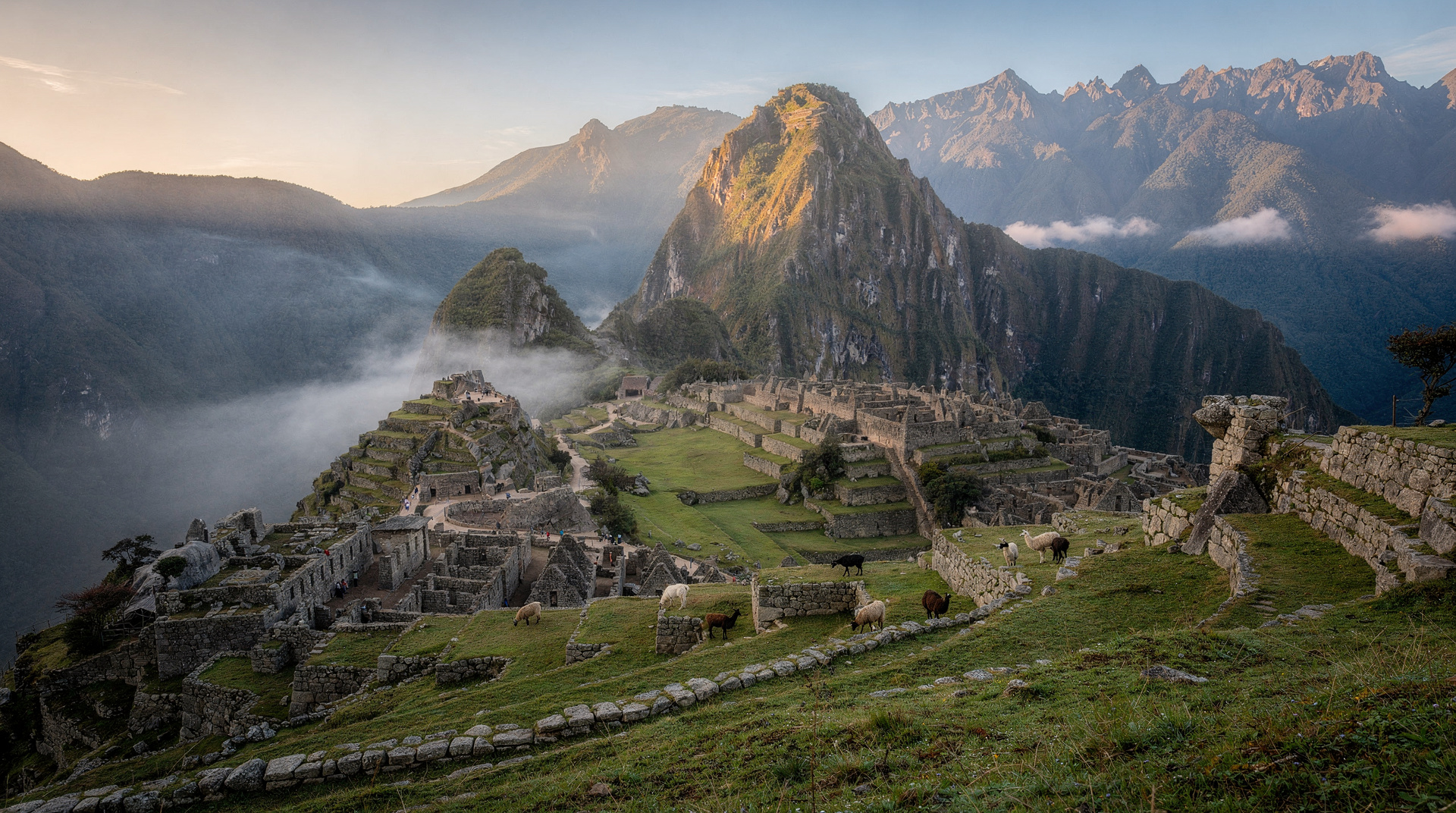
If your visit to Machu Picchu is primarily about the citadel and not the approach, the train route remains the most practical option. Cusco → Ollantaytambo by road (1.5 hours), PeruRail or Inca Rail to Aguas Calientes (1.5 hours), bus to the citadel gate. February is one of the quietest months at the citadel — the combination of wet season and no Inca Trail trekkers arriving through the Sun Gate means the site is genuinely spacious.
If you are weighing the train against a trek, the train versus trek comparison lays out the trade-offs, and the how to get to Machu Picchu guide covers every route in one place. For a deeper look at the walking options, see the Inca Jungle trek guide and the Lares trek guide, and compare the two big names in Inca Trail vs Salkantay.
Planning a March visit: taking advantage of the post-closure opening
If you have timing flexibility, March 1 is an interesting target. The Inca Trail reopens after its maintenance month, the trail is in its post-maintenance best condition, the vegetation is at maximum green (all the wet season growth, none of the dry season’s fading), and visitor volumes are still well below peak levels.
March Inca Trail permits release when the permit system opens for the year — typically in January. The first available March permits sell quickly, as there is a community of trekkers who specifically plan for early March to get the trail in post-closure condition. If March is your target: watch the permit release date and book through a licensed agency on the day permits open.
Managing expectations for February trekking
Whatever alternative route you choose for February, be honest with yourself about the wet-season conditions:
Mud: All routes to Machu Picchu traverse mountain terrain that becomes muddy in sustained rain. The Inca Trail has well-maintained stone paving that drains better than dirt trails; the Salkantay has mixed terrain including sections that are genuinely difficult in wet conditions.
Cold: The high passes (Salkantay at 4,630 m, Lares passes at ~4,400 m) are cold in February and frequently cloudy. The dramatic mountain panoramas that make dry-season pass-crossing photographs so striking may be invisible in February cloud.
Rain gear: Waterproof jacket with sealed seams, waterproof trousers or packable over-trousers, waterproof pack cover, waterproof hiking boots. These are not suggestions — in February at altitude, they are necessities.
Reward: The cloud forest in February is extraordinary. The vegetation at full wet-season height, the waterfalls that only exist from November to April, the birdlife (including quetzal and cock-of-the-rock) at its most active, the sound of rain in the forest canopy — these are genuine rewards for the February trekker that the dry-season visitor does not experience.
The permit system on the Inca Trail
The Inca Trail uses a permit cap of approximately 500 people per day total (trekkers plus guides and porters). Individual tourists account for roughly 200 places. Permits are allocated by calendar day and cannot be transferred or rescheduled. They are issued through licensed operators — not directly to individuals.
The permit release for each year typically happens in January for March–December of that year. January and February are off-permit-calendar entirely (January has permits available; February does not). If you want the trail in June, July or August, book in January when permits release or as soon after as possible — those months sell out within days.
The Inca Trail complete guide covers permit logistics, licensed operators, what to pack, and day-by-day trail descriptions. The Inca Trail permits guide focuses specifically on the booking process.
The broader February picture in Cusco
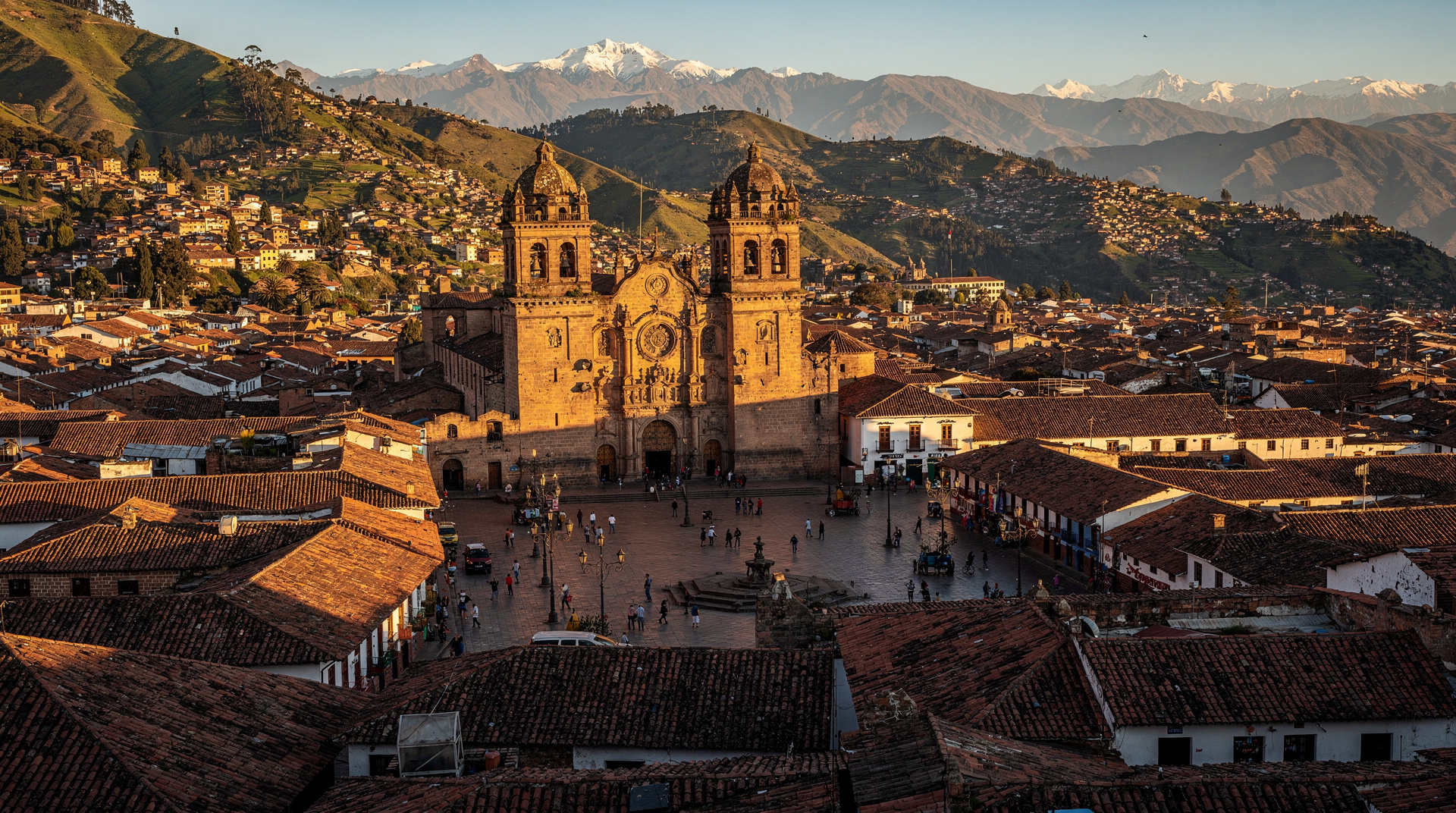
February in the Cusco region is not just about the Inca Trail closure. The city and its surroundings operate normally — restaurants, museums, markets, day trips to the Sacred Valley and Rainbow Mountain (conditions permitting) — and two things in particular make February distinctive:
Carnaval: Cusco’s Carnaval festivities (date varies, Shrove Tuesday weekend) are a genuine local celebration. The tradition involves elaborately organised water fights (the targets include unsuspecting tourists on the street — treat it as part of the experience), regional dances, and late-night street parties. Not everyone’s cup of tea, but unmistakably authentic.
Lowest prices of the year: February combines the Inca Trail closure (which removes a segment of the visitor market) with the wettest weather and the middle of the low season. Accommodation prices in Cusco, the Sacred Valley and Aguas Calientes are at their annual minimum. For budget-focused visitors who are flexible about trekking format, February offers extraordinary value.
If you plan to keep your itinerary light on trekking, the Machu Picchu in each month guide shows how February compares with the rest of the year at the citadel.
The Cusco rainy season guide covers February’s character in the broader wet-season context. The best time to visit Cusco sets February in the full annual calendar.
Packing differently for a wet-season alternative trek
Whichever alternative you choose, February packing differs from a dry-season Inca Trail kit list in a few specific ways. Prioritise a genuinely waterproof (not just water-resistant) outer shell with sealed seams over a heavier insulated jacket — you will be shedding and adding layers constantly as rain starts and stops, and a soaked insulated layer is worse than useless at altitude. Pack everything inside your duffel in a heavy-duty liner bag or dry sack, since porters’ packs get wet even under rain covers on multi-day routes.
A spare pair of dry socks sealed in a zip bag for each remaining day is a small addition that meaningfully changes trail morale. Trekking poles with wide mud baskets help on the Salkantay’s descent, where dry-season poles sink less predictably in soft ground. The Cusco acclimatisation plan is worth reading alongside your packing list, since wet-season cold at altitude makes acclimatisation days feel harder than the same days would in the dry season.
A dry bag for your phone and camera is worth adding even if your daypack has a rain cover — condensation inside a covered pack in sustained rain is a common way electronics get damp without a single drop of direct rain touching them. Gaiters, often skipped by dry-season trekkers, earn their place in February on any muddy trail section; they keep water and grit out of boots on the wetter descents far more effectively than boots alone.
What locals do differently in February
Cusco residents and long-term guides treat February as a genuinely different month rather than a lesser version of the dry season. Restaurant reservations are easier, popular ruins are calmer, and guides who normally spend June–August fully booked often have more availability for private, unhurried tours — a good month to secure a highly rated independent guide who is fully booked the rest of the year.
Locally, February is also associated with Carnaval water fights and a generally more relaxed civic mood before the ramp-up to the dry season’s tourist volume. Travellers who embrace this rather than fighting it — treating February as a quieter, cheaper, culturally distinct month rather than a compromise — tend to report the most satisfying trips.
February is not when most people should visit Cusco if they have any flexibility. But if February is what you have, it is far from impossible — and with realistic expectations and good waterproofs, genuinely rewarding.
Frequently asked questions about Why the Inca Trail closes in February — and what to do instead
Is the February Inca Trail closure every year?
Can I walk part of the Inca Trail in February without a permit?
Can I still reach Machu Picchu in February?
What is the Salkantay Trek and is it as good as the Inca Trail?
Do Inca Trail permit allocations release at a fixed time each year?
How cold is the Salkantay Trek in February?
Top experiences
Bookable activities with verified prices and instant confirmation on GetYourGuide.