Getting around the Sacred Valley — transport options between sites
From Cusco: Sacred Valley of the Incas Full-Day Tour
How do I get around the Sacred Valley?
Colectivos (shared minibuses) are the backbone of transport between valley towns — cheap (S/5–15 per leg), frequent, and how locals travel. For visiting sites off the main road (Moray, Maras, Pisac ruins above town), taxis or private cars are necessary. A hired driver for the day (S/200–300 including fuel) is excellent value for groups of 3–4. Guided day tours from Cusco are the easiest option if you prefer not to self-manage. The main route runs along the Urubamba River through Pisac–Urubamba–Ollantaytambo.
The valley and its roads
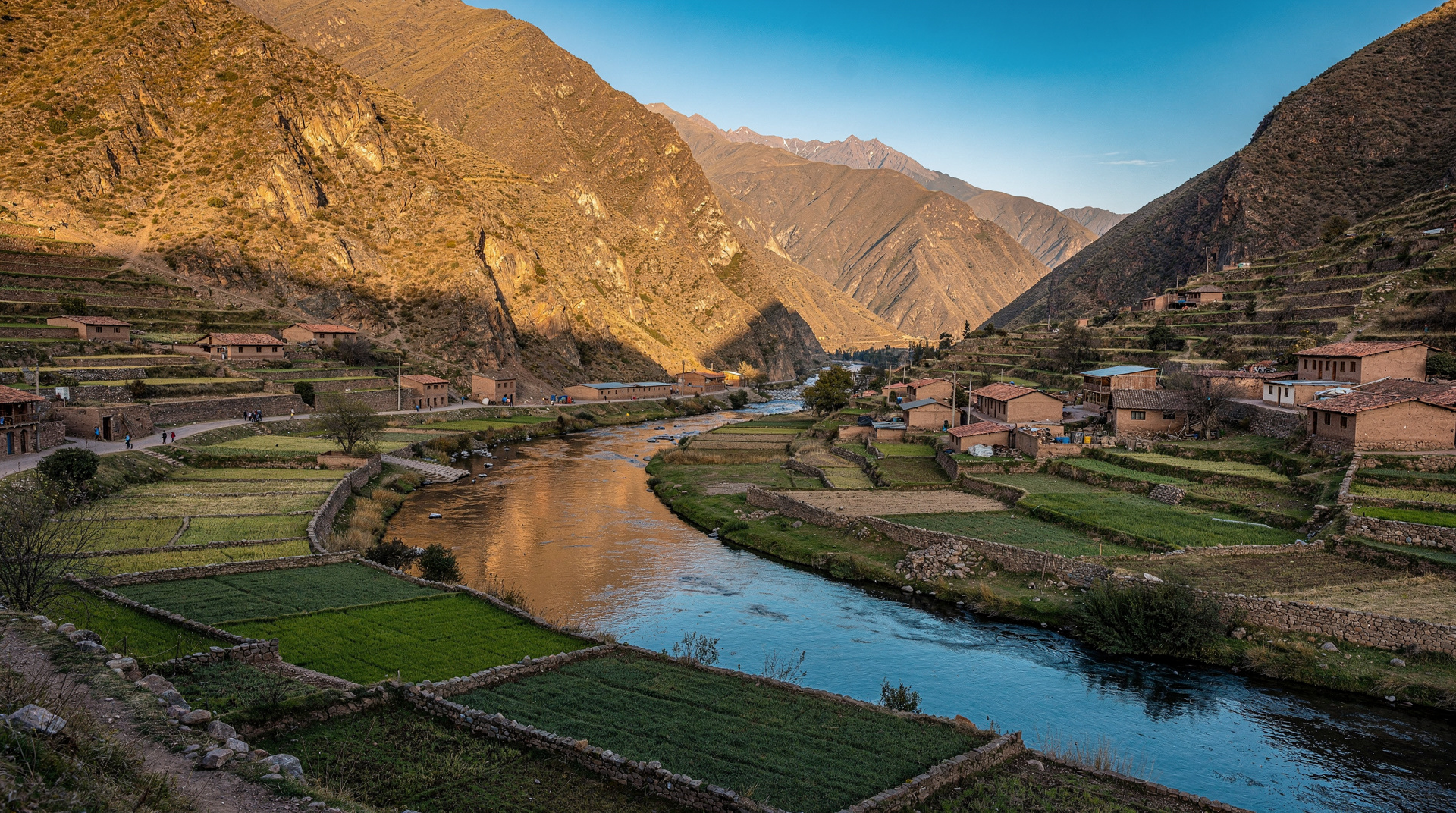
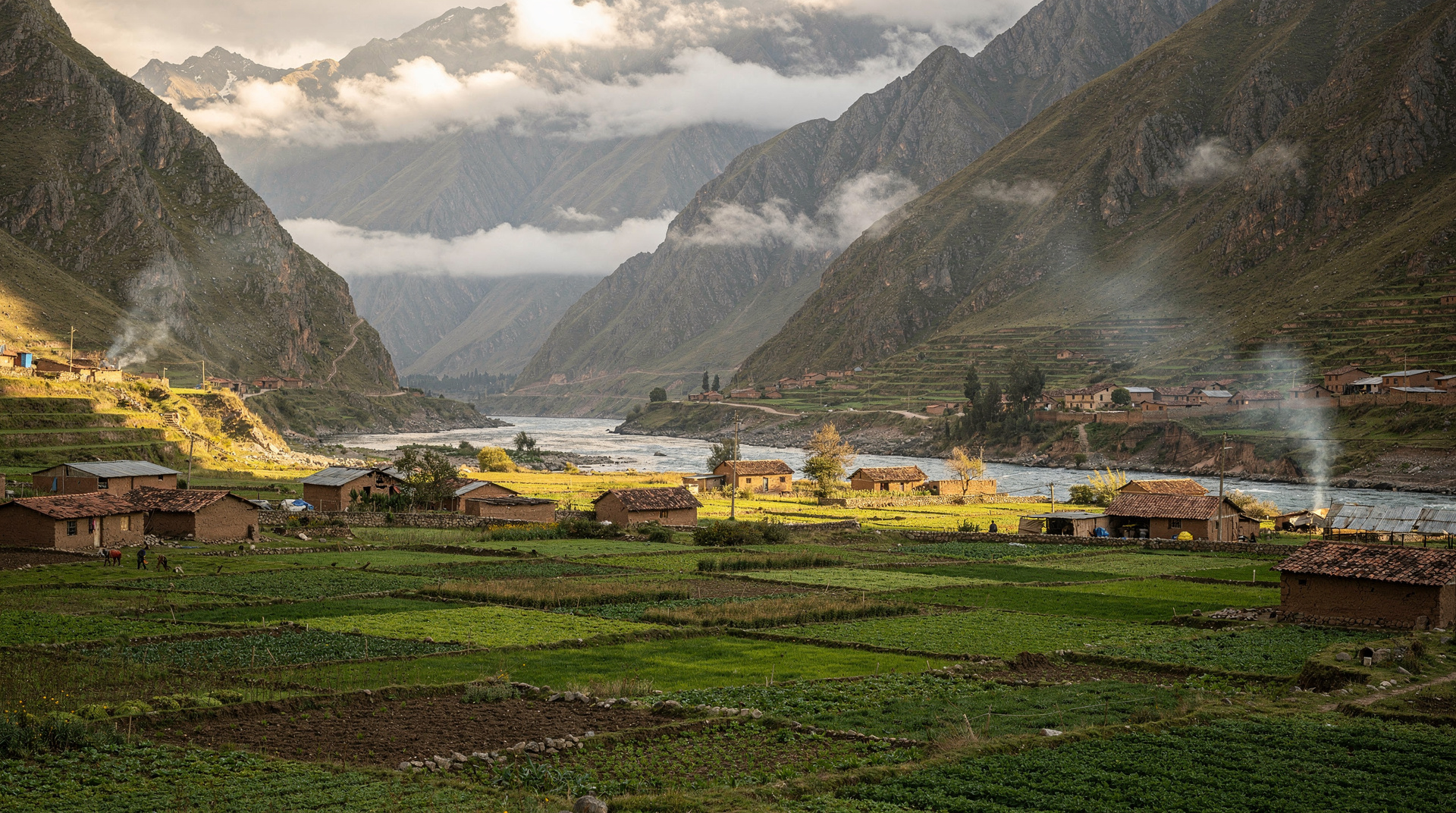
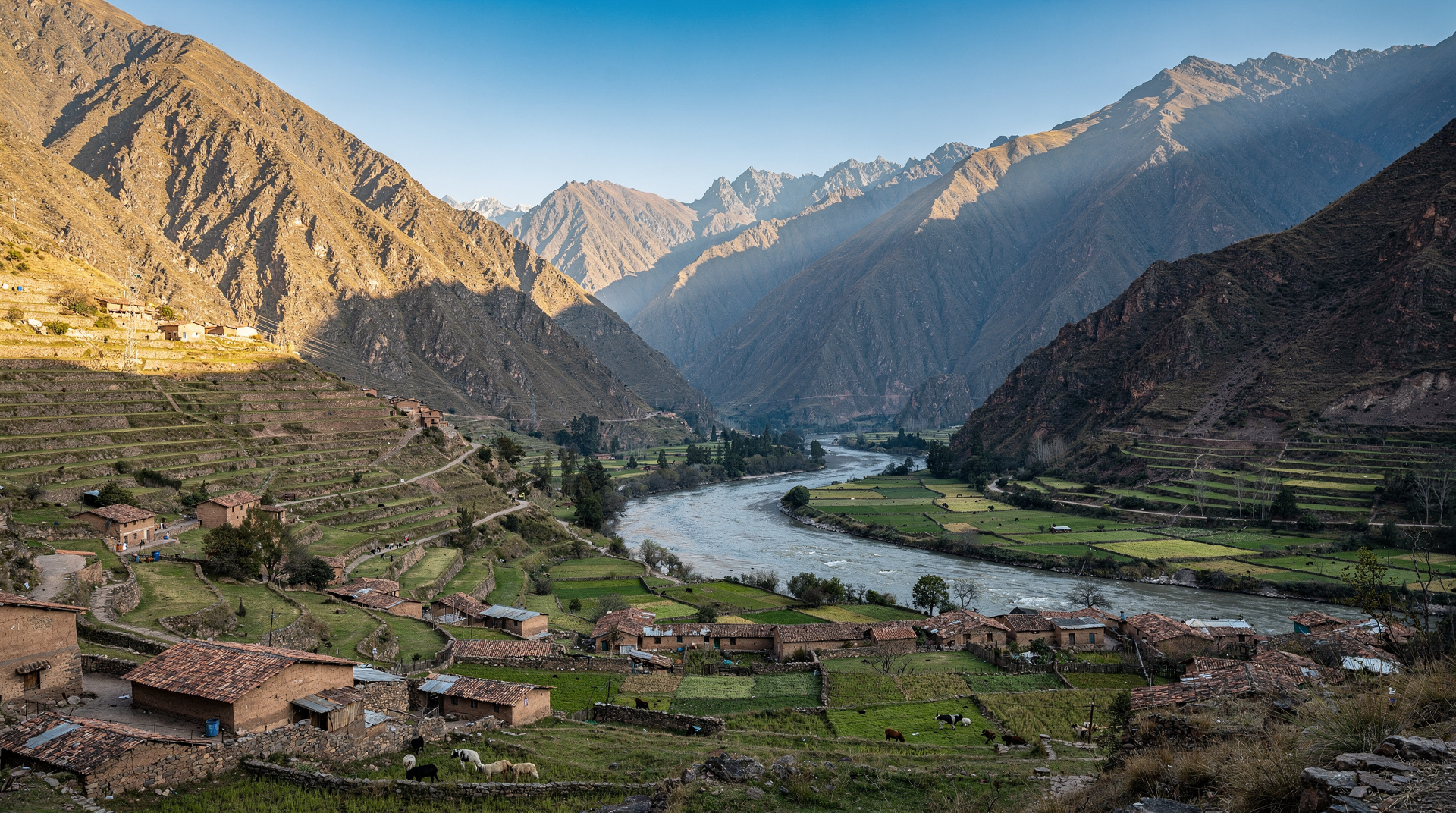
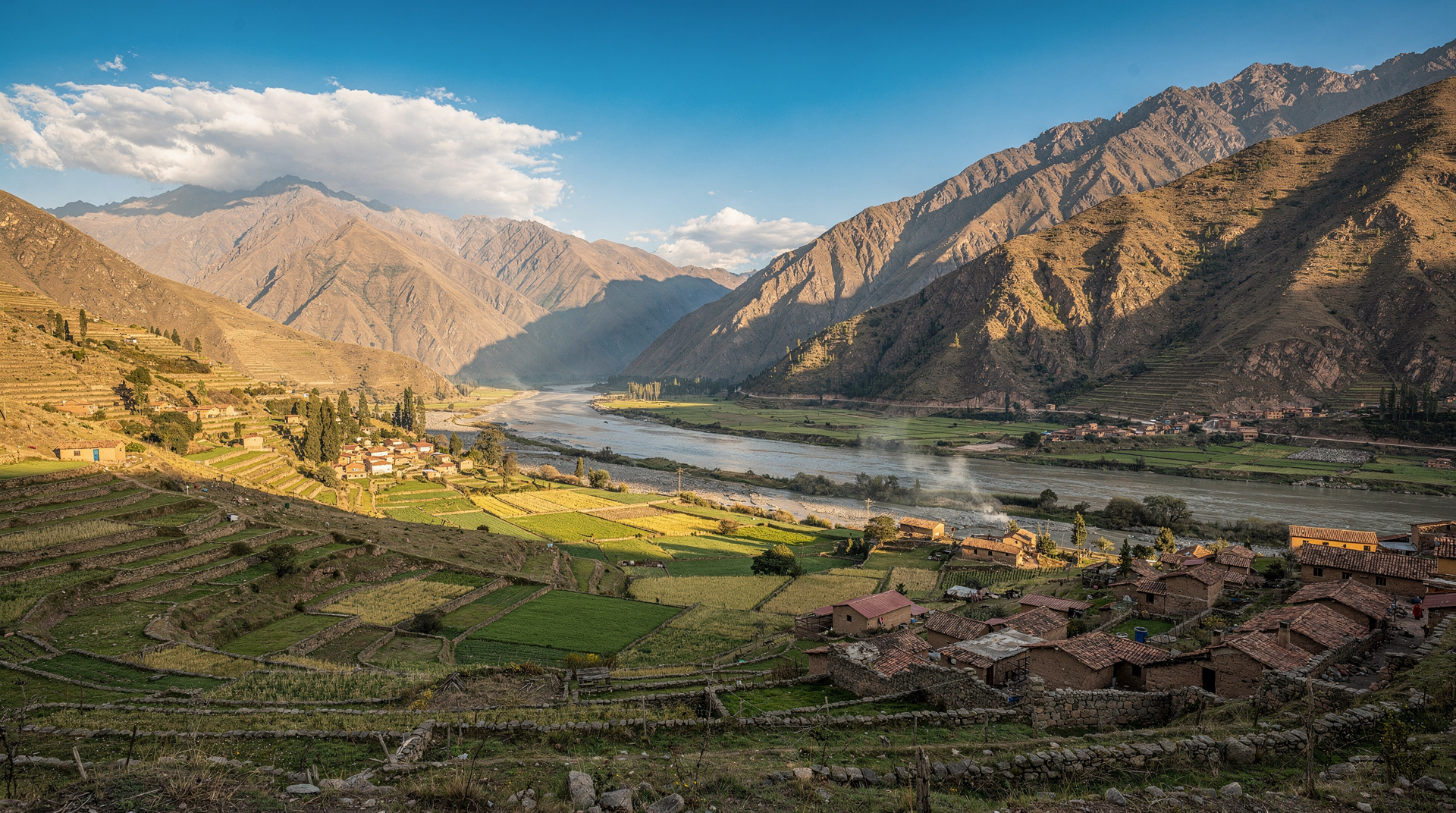
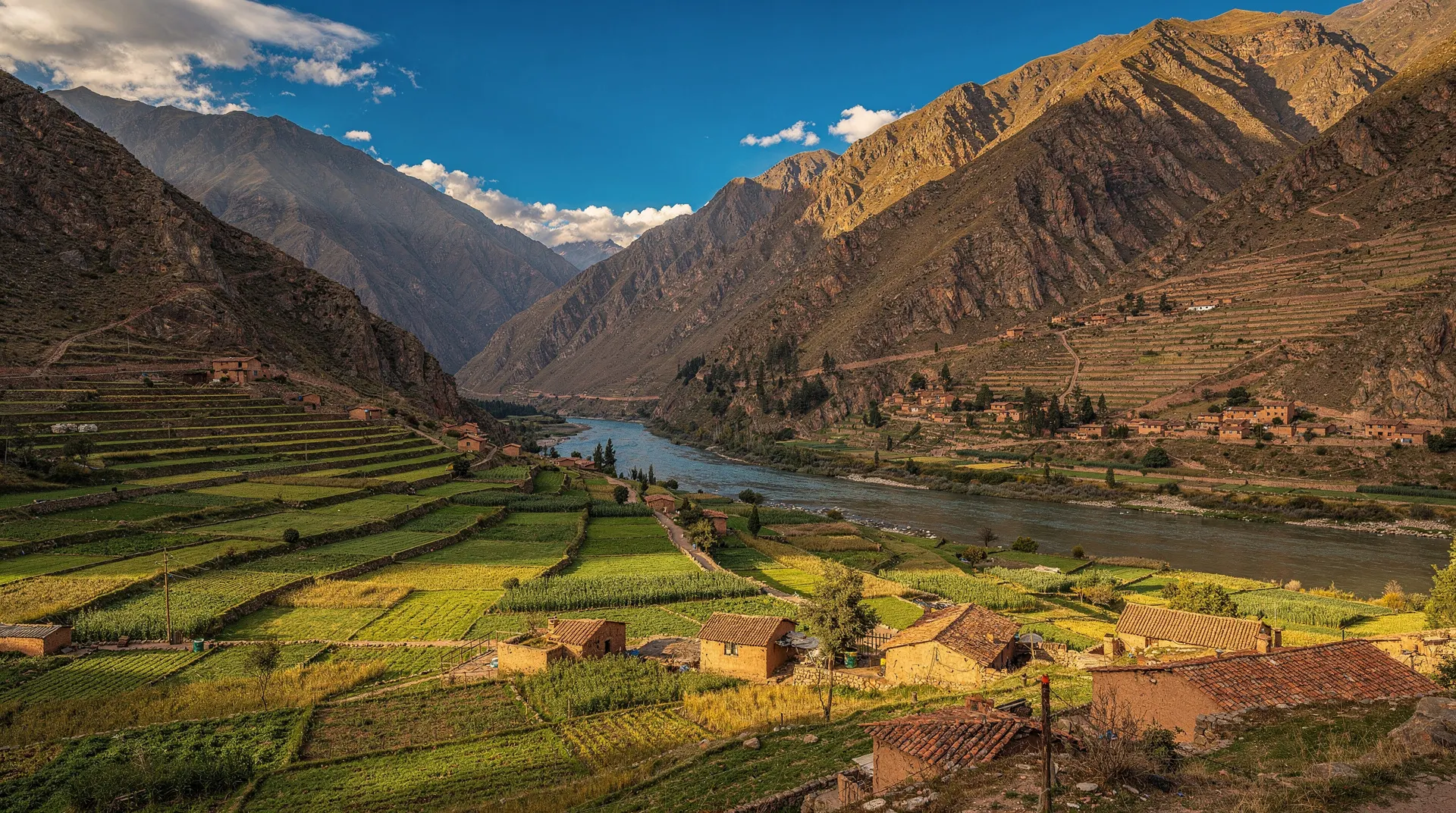
The Sacred Valley runs east–west for approximately 80 km along the Urubamba River, from Pisac in the east to Ollantaytambo and beyond in the west. A paved two-lane road follows the river through Pisac, Calca, Yucay, Urubamba, Maras and Ollantaytambo, connecting the main towns. Off this spine, unpaved or semi-paved tracks lead to specific sites: the Pisac ruins above the town, the Moray terraces, the Maras salt mines, and the smaller villages that see fewer visitors.
| Backbone transport | Colectivos (shared minibus), around S/4–15 per leg |
| Off-road sites | Taxi or private driver needed (Moray, Maras, Pisac ruins) |
| Private driver, full day | Around S/200–320 for a group of 2–4 |
| Best base towns | Urubamba or Ollantaytambo |
| Cash needed | Yes — soles for colectivos and most taxis |
Understanding this basic geography matters for transport planning. The valley floor road is easy and well-served by colectivos. The sites above the valley floor — the ruins at Pisac, Chinchero, the Moray circuit — require either a taxi, a private driver, or a tour. Self-navigating the full valley in a single day without a vehicle involves some walking, some waiting, and several transfers. It is doable but requires more time than most visitors expect.
Colectivos: the essential transport
Colectivos are shared minibuses that run along fixed routes between valley towns, picking up and dropping off passengers at roadside or informal stops. They are how local people move around the valley, they run from early morning until late afternoon, and they cost S/4–12 per leg depending on distance. For independent travellers on a budget, they are the backbone of Sacred Valley transport.
Key colectivo routes and approximate fares
Cusco → Pisac: Leaves from Calle Puputi (near Av. Huscar in Cusco). Journey approximately 45–50 minutes. Fare S/5–8.
Pisac → Urubamba: Flagged from the road in Pisac or at the main square. Approximately 35–40 minutes. Fare S/5–7.
Urubamba → Ollantaytambo: Leaves from Urubamba’s main market area. Approximately 30–35 minutes. Fare S/4–6.
Cusco → Urubamba (direct): Leaves from Av. Grau or Calle Puputi area. Some take the Pisac route; faster services take the Chinchero road. Approximately 1–1.5 hours. Fare S/8–12.
Ollantaytambo → Urubamba/Cusco: Same return logistics — flag from the road or at Ollantaytambo’s main square. Less frequent in the afternoon; aim to start your return before 4:00 pm.
Practical notes on colectivos
Colectivos leave when full, not on a fixed schedule. At popular times (market days, morning) this means leaving every 15–20 minutes. At quieter afternoon times, waits can be 30–45 minutes. Asking locally — at your accommodation, at the colectivo stop — gives the current estimate.
Luggage goes either in the back of the minibus (if a hatchback or wagon format) or on your lap. Backpacks larger than 40L are awkward in a full colectivo. If you are moving with significant luggage, a private taxi or transfer is more practical.
Colectivos do not go up to Pisac ruins. They stop at the town. The ruins are approximately 4 km uphill from the town centre — reachable by taxi (S/20–30 for the round trip with waiting time) or by a 1.5-hour uphill walk if you have the fitness and altitude tolerance.
Taxis: point-to-point flexibility
Taxis cover the valley extensively and are the right option when colectivos are inconvenient, infrequent, or when you need to reach a site off the main road.
Approximate taxi fares in the valley
The fares below are estimates; negotiate before getting in:
- Cusco to Pisac: S/80–100 private
- Pisac to Ollantaytambo: S/100–130
- Cusco to Urubamba: S/90–120
- Urubamba to Ollantaytambo: S/40–55
- Urubamba to Moray/Maras circuit: S/70–90 (driver waits approximately 2 hours)
- Pisac to Pisac ruins and back: S/25–35 with 1 hour waiting
- Ollantaytambo to Machu Picchu train station (same town, short ride): S/8–12
How to find taxis
Every valley town has taxi drivers at the main square or near the market. In Urubamba and Ollantaytambo, taxi drivers meet arriving colectivos. In Pisac on market days (Tuesday, Thursday, Sunday), taxis cluster near the market entrance. Uber operates in Cusco but does not extend into the Sacred Valley — you are in cash-taxi territory once outside the city.
Negotiate the fare before getting in, not after arriving — this is standard practice throughout the valley and drivers expect it. The Cusco taxi and money tips guide covers the same negotiation habits that apply in the city, and they carry over directly to valley taxis: agree the total price, confirm whether waiting time is included, and have small denomination notes ready since change can be scarce away from the main towns.
Hiring a private driver for the day
For groups of 2–4 people, a hired private driver is excellent value and arguably the best way to cover multiple Sacred Valley sites in a single day.
A driver with a standard saloon car (4 passengers maximum) charges approximately S/200–280 for a full day (8–9 hours), which includes fuel, waiting time at sites, and getting you between locations efficiently. An SUV suitable for unpaved roads (necessary if visiting Moray/Maras or Chinchero off the main road in the rainy season) costs S/240–320.
What a private driver provides that tours do not: flexibility in timing, the ability to linger at sites you find interesting and move quickly through those you do not, the option to add or drop stops on the day, and no group dynamics to manage. Your driver typically has good local knowledge — ask about smaller sites, local lunch spots and current road conditions.
To find a reputable driver: ask your accommodation in Cusco or the valley for their recommendation. Most hotels and hostels have drivers they trust and use regularly. Alternatively, the major Sacred Valley hotels have driver lists. Agree on the price, the itinerary and the departure time in writing or via WhatsApp message — this avoids misunderstandings later.
Guided day tours from Cusco
A guided full-day Sacred Valley tour from Cusco covers Pisac market and ruins, Ollantaytambo fortress, and typically the Maras/Moray combination, with transport, entrance fees and lunch included. This is the easiest option for first-time visitors who do not want to manage colectivo connections and site logistics independently.
Group tours typically run S/120–200 per person including transport, guide, and some entrance fees. Private tours run S/400–700 for a couple, all-inclusive. The guided tour format works well for a first Sacred Valley overview; a second visit with more time allows the self-directed approach.
The Chinchero connection
Chinchero is not in the main valley floor but on the plateau between Cusco and Urubamba, at approximately 3,762 m. It is famous for its weaving tradition and its colonial church built on Inca foundations. Colectivos to Chinchero depart from Cusco’s Pavitos area (S/5–8, approximately 30–40 minutes). From Chinchero, colectivos continue down to Urubamba (25–30 minutes, S/4–6). Chinchero sits on the faster direct route between Cusco and Ollantaytambo and is worth an hour if passing through on your way to the valley.
Moray and Maras
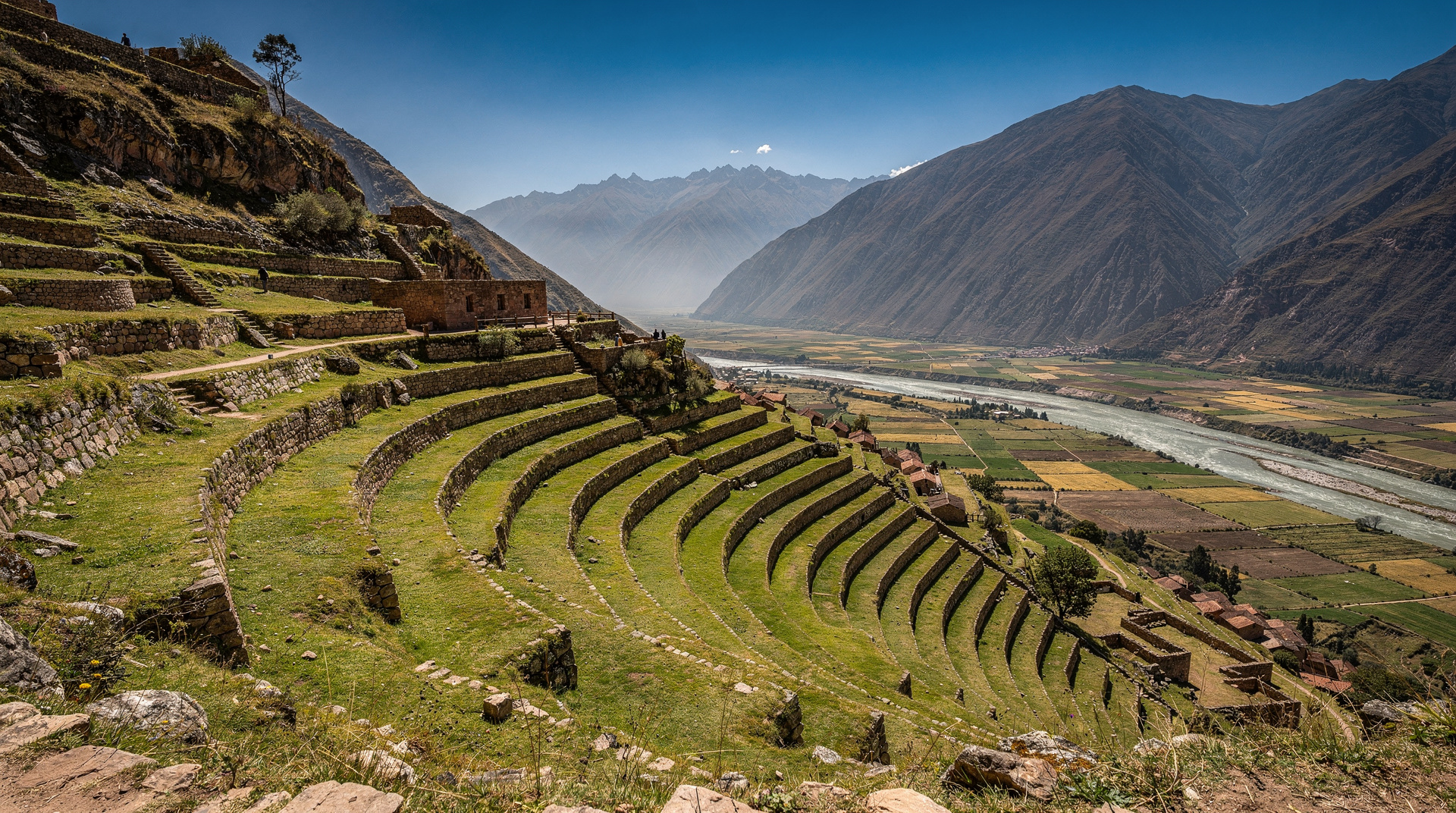
These two sites are located above the valley floor west of Maras village, accessed by an unpaved road. Maras Moray — the extraordinary circular Inca agricultural terraces — and the Maras salt pans are both here. The combination is best done with a taxi or private driver from Urubamba or Ollantaytambo (S/80–100 for a half-day circuit), or as part of a guided tour. No regular colectivo runs to either site. Walking from Urubamba to Moray and Maras and back is possible (approximately 3 hours round trip to Moray, longer to include Maras salt pans) but requires good fitness and a clear day.
The Maras Moray day trip guide covers the sites in detail and explains the logistics of combining both in a half-day.
Maras and Moray half-day tour with transport included removes the transport puzzle entirely for this specific off-road combination — useful if you would rather not negotiate a taxi wait-time arrangement yourself.
Ollantaytambo: the valley’s western anchor
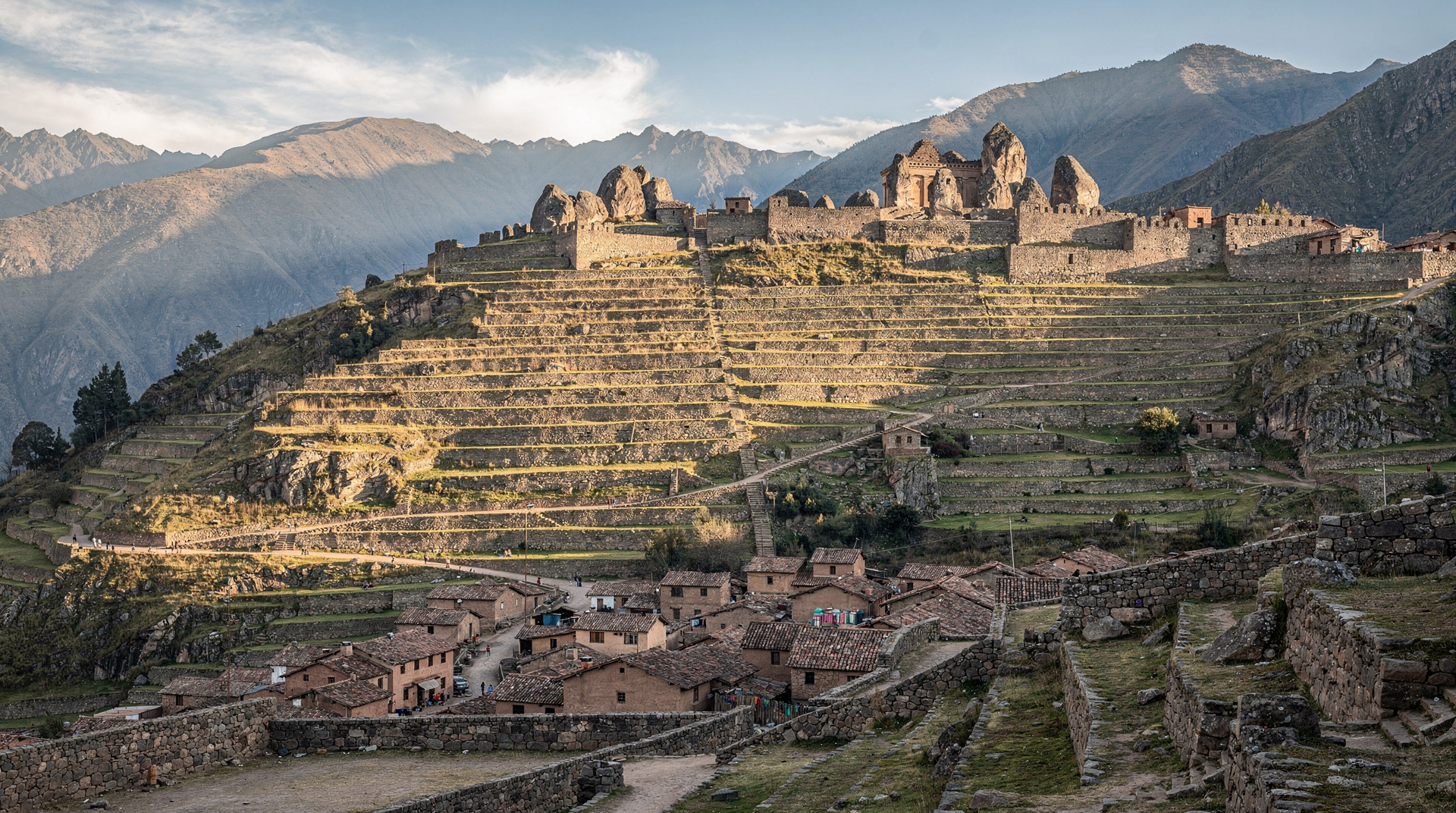
Ollantaytambo is the final major stop before the train to Aguas Calientes and Machu Picchu. The town sits at 2,792 m — noticeably lower than Cusco (3,400 m), which makes it an excellent acclimatisation base for visitors heading to Machu Picchu. The train station is a 10-minute walk from the plaza.
Getting from Cusco to Ollantaytambo: colectivos (approximately 1.5–2 hours via the Sacred Valley road, or 1 hour via Chinchero), private taxis (S/80–130), or agency transfers (S/60–100 per person shared). The direct Cusco–Ollantaytambo colectivo via Chinchero takes approximately 1 hour and is considerably faster than the full valley road.
Staying overnight in Ollantaytambo before a Machu Picchu train: sensible and increasingly popular. The 5:00 am train to Aguas Calientes is a 10-minute walk from most Ollantaytambo accommodation; from Cusco it requires departing by 3:30 am. The Ollantaytambo village guide covers accommodation and the town itself.
Pisac on market days
The Pisac market runs Tuesday, Thursday and Sunday, with Sunday being the main artisan market. On these days the town is substantially busier — transport from Cusco is more frequent in the morning, and colectivos fill faster than on quiet days. The market itself is in the lower town plaza area; the archaeological site (the ruins above) is a separate 4 km uphill.
The combination of Pisac market plus ruins on the same day is achievable: arrive early (8:30–9:00 am) for the market, browse until midday, take a taxi up to the ruins (S/20–25, driver waits), spend 2 hours on site, and catch a colectivo back to Cusco or onward to Urubamba by late afternoon. The Pisac market and ruins guide covers both in full.
Timing considerations across the year
In the dry season (May–September), the Sacred Valley road is in good condition, unpaved tracks to Moray and side villages are accessible, and afternoon colectivos run until approximately 6:00–7:00 pm. Plan arrival in valley towns before 5:00 pm to ensure return transport availability.
In the rainy season (November–March), the main valley road is unaffected (paved throughout), but unpaved approaches to Moray, Maras and the Pisac ruins road can be muddy. Afternoon downpours are common — schedule outdoor site visits for the morning. The rainy season guide covers how the valley looks and operates in the wet months.
Summary: the right approach for different travellers
First-time, limited time: Guided full-day Sacred Valley tour from Cusco. Everything organised, entrance fees included, no navigation stress.
Independent, flexible: Hire a private driver from Cusco for S/200–280 per day. Covers all the sites, maximum flexibility.
Budget conscious, time-rich: Colectivos between main towns (S/15–25 total for a full valley traverse). Taxi to specific sites off the main road (S/20–40 each). Requires more time and some waiting but is very inexpensive.
Staying in the valley: Base in Urubamba or Ollantaytambo, use colectivos for daily movement between towns, hire driver for Moray/Maras circuit. This is how the valley works at its most relaxed.
The Sacred Valley complete guide provides the full cultural and historical context for each site. The one-day itinerary gives a practical schedule for visitors with only a day to spend in the valley.
Connecting onward to Machu Picchu
For most visitors, moving around the Sacred Valley is not an isolated exercise — it connects directly to the Machu Picchu leg of the trip. Ollantaytambo is the main train departure point for Aguas Calientes, so a common pattern is to spend a day working through Pisac and the Sacred Valley sites, overnight in Ollantaytambo or Urubamba, and catch an early train the next morning. The how to get to Machu Picchu guide covers the full range of train and combined transport options from the valley.
If time is tight, some visitors skip the standalone Sacred Valley day entirely and instead route through Chinchero, Moray and Maras on the way from Cusco to Ollantaytambo, arriving in time for an afternoon or evening train. This compresses two days into one at the cost of a longer, more tiring travel day — reasonable for a short trip, less comfortable for families or anyone prone to altitude fatigue.
Cost comparison across the main approaches
| Approach | Typical cost (2–4 people) | Flexibility | Best for |
|---|---|---|---|
| Colectivo + taxi self-managed | S/60–120 total | Low–medium | Budget travellers, time-rich |
| Private driver, full day | S/200–320 total | High | Independent travellers wanting ease |
| Guided group tour | S/120–200 per person | Low | First-timers, no self-navigation |
| Private guided tour | S/400–700 total | High | Couples/small groups wanting context + ease |