Sacred Valley slow travel: what happens when you stop rushing
Most people see the Sacred Valley from a minibus window
The standard Sacred Valley day trip — leaving Cusco at eight, Pisac market by nine-thirty, Maras and Moray by midday, Ollantaytambo fortress by three, back to Cusco by seven — is a perfectly reasonable way to tick the major sites. I know because I did it on my first visit, and I thought I had seen the Sacred Valley.
| Where | Ollantaytambo, Pisac, Maras-Moray, Sacred Valley |
| Cost | ~50–250 PEN/night accommodation, day tour ~S/varies |
| Time needed | A week for slow travel; one day for the highlights |
| Getting there | Local bus or train from Cusco (~1–1.5hrs) |
| Best time | Dry season for firm trails; Feb is rainy but green |
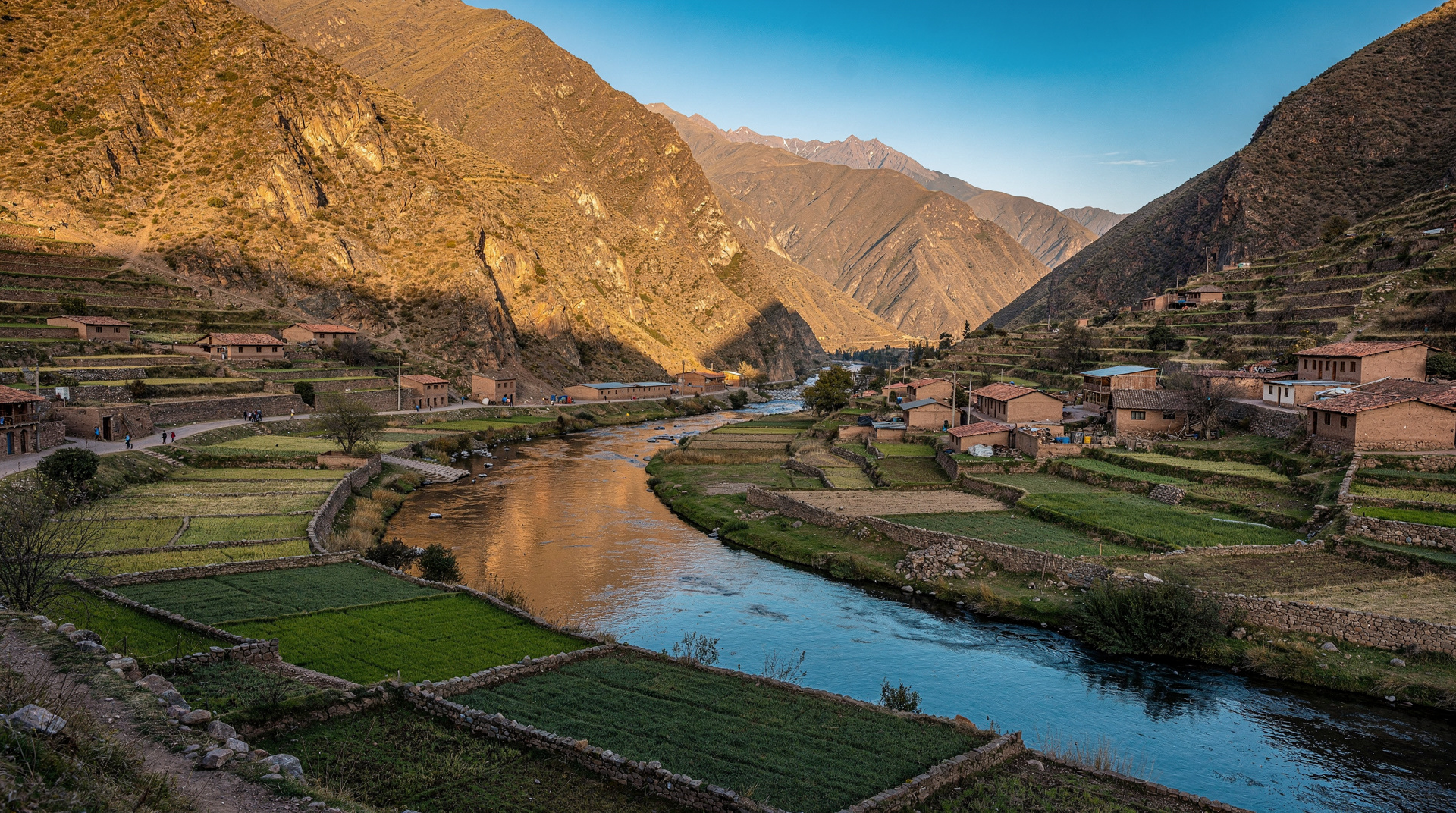
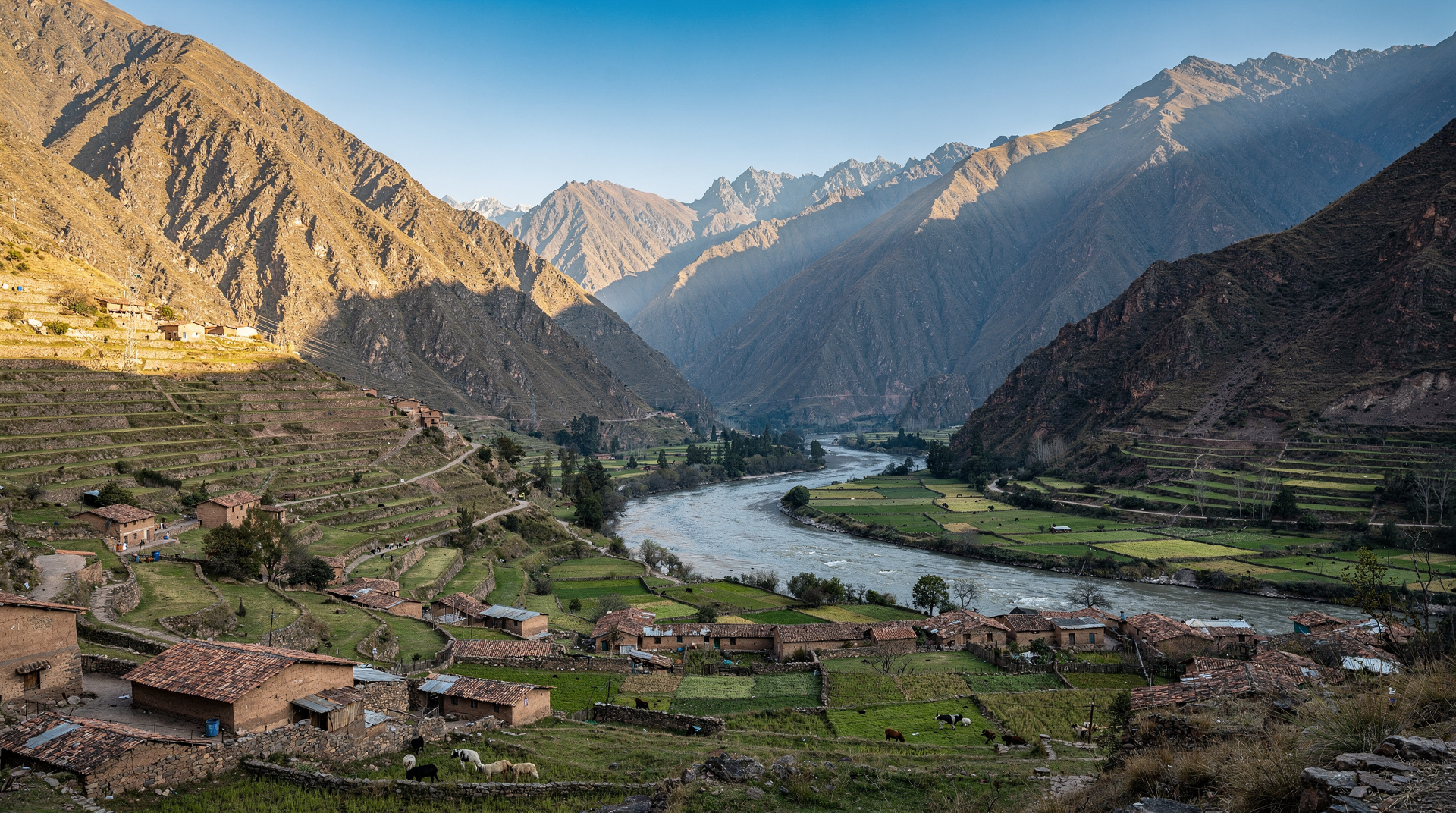
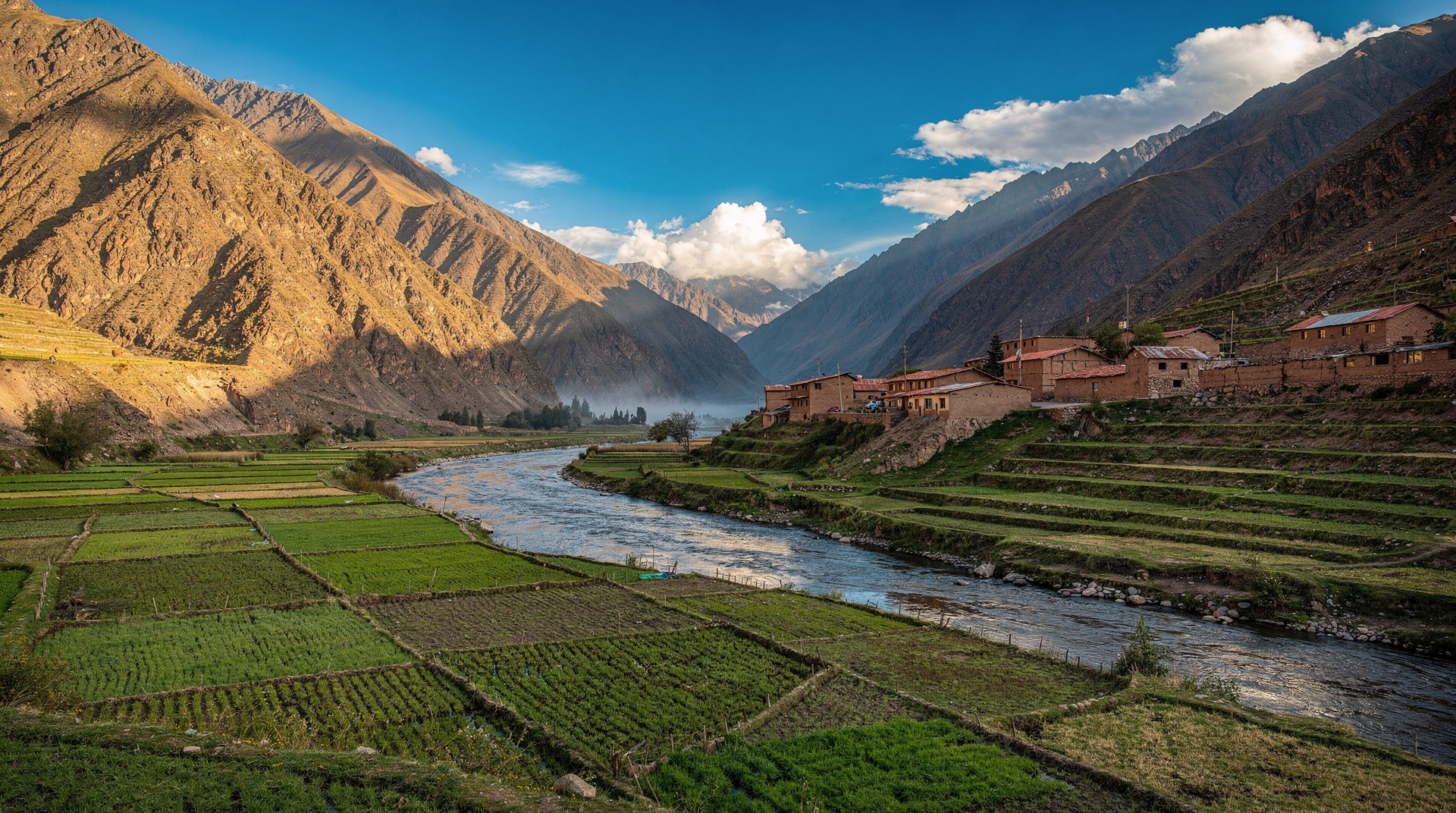
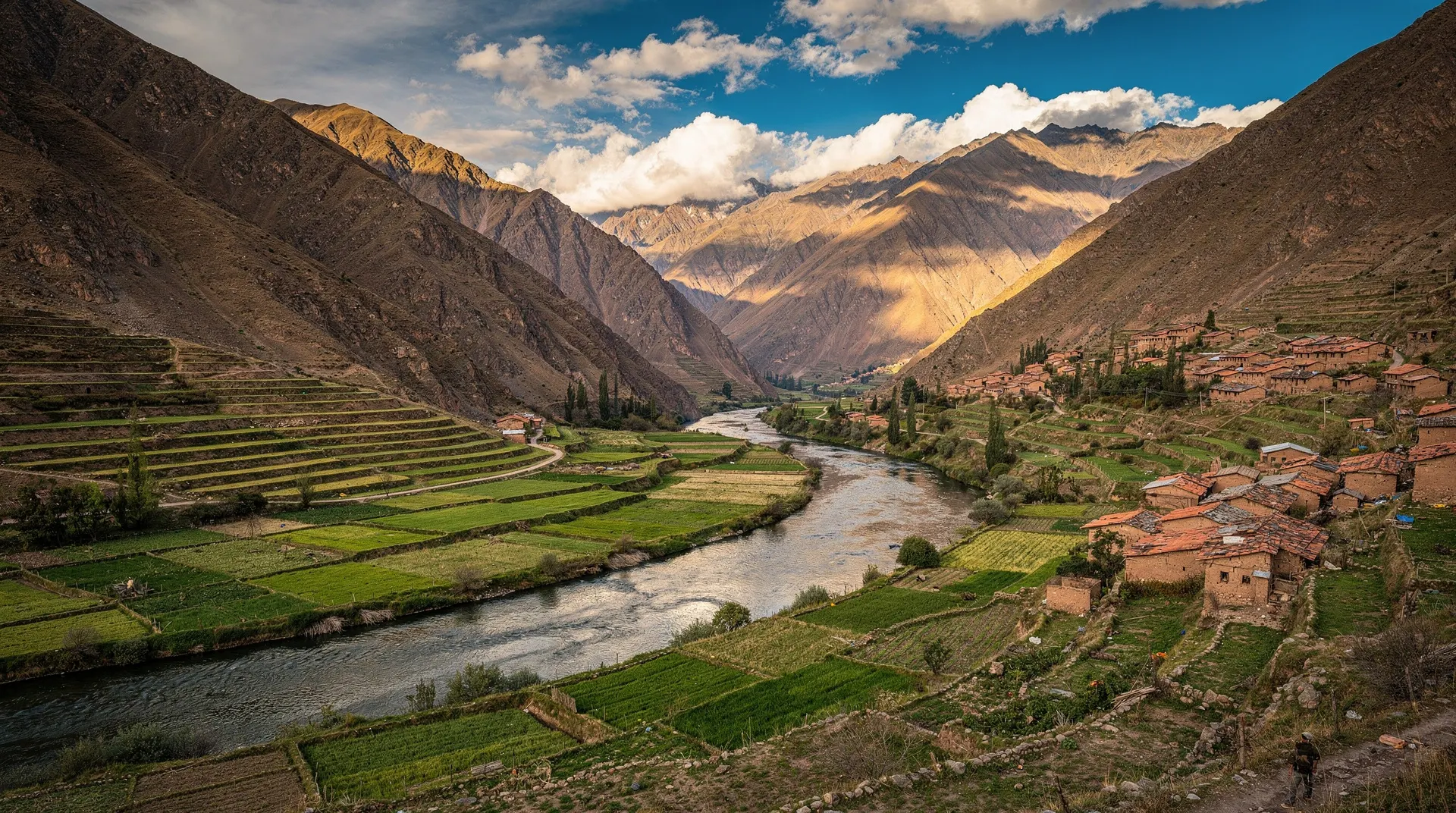
On my third trip to the Cusco region, I did something different. I based myself in Ollantaytambo for a week and used it as a starting point for exploration rather than a box to check. What I found, by slowing down, was that the Sacred Valley is not a collection of sites connected by roads. It is a living landscape, and you only understand it by being in it long enough for the days to have a rhythm.
Why Ollantaytambo works as a base
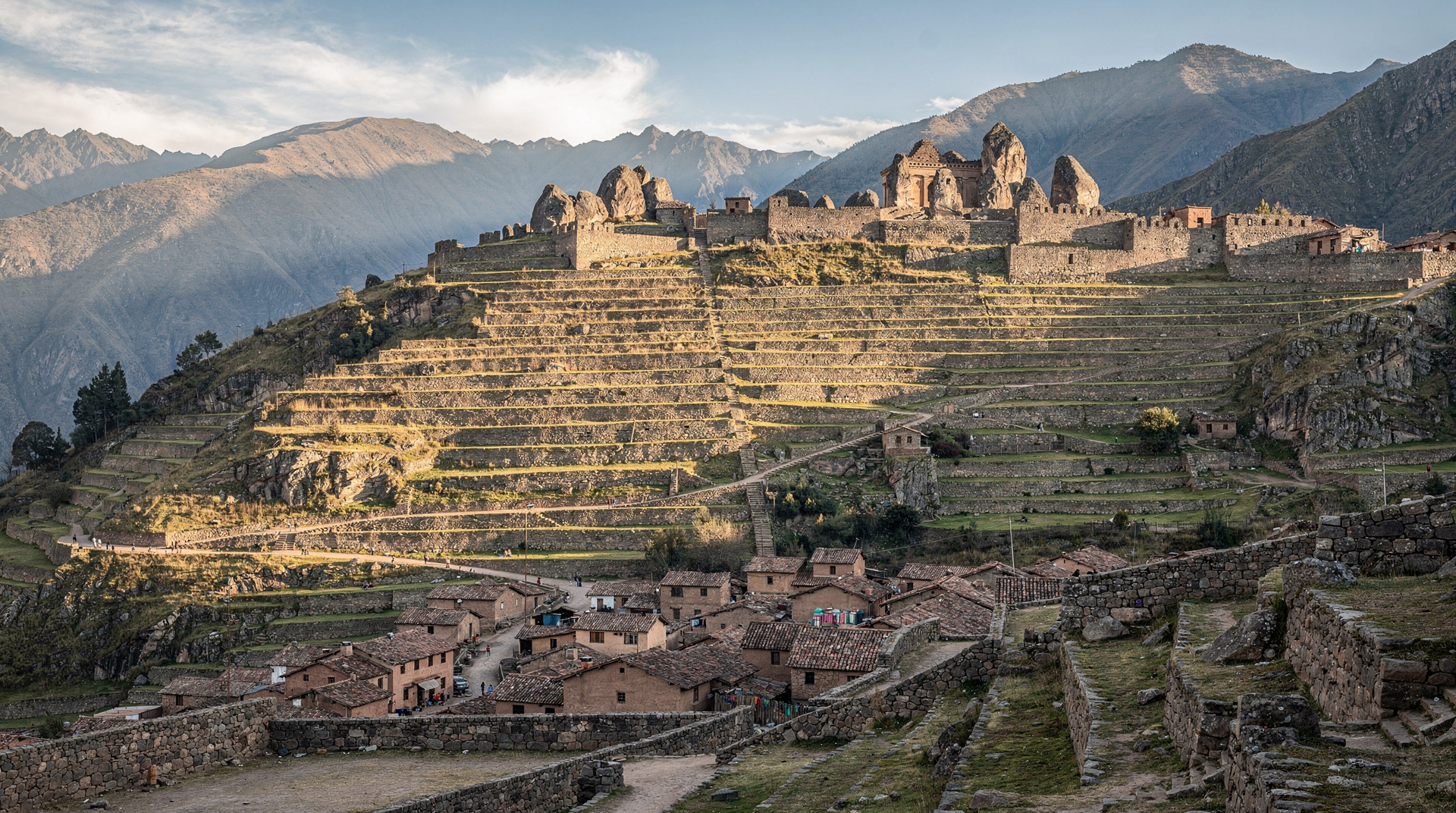
Ollantaytambo is, on the standard itinerary, a two-hour stop. The fortress terraces above the town are dramatic — steeper and more vertically impressive than anything at Machu Picchu — and the living Inca town grid below them is the only continuously inhabited Inca town in Peru, meaning people actually live in houses built on Inca foundations and channelled through Inca-engineered water channels in the streets.
As a base, it has several practical advantages. The altitude (2,800 metres) is significantly more comfortable than Cusco’s 3,400 metres, which means better sleep, easier walking, and no headaches by day two. There are good small hotels and rental apartments on the streets surrounding the main square. The train to Aguas Calientes (for Machu Picchu) departs from here, which means you can do the Machu Picchu day without the very early departure from Cusco. And it is quiet at night in a way that Cusco, with its clubs and its crowds, simply is not.
The Ollantaytambo fortress at 7 a.m.
The main reason to stay in Ollantaytambo overnight is the fortress at seven in the morning, before the day-trip coaches arrive from Cusco. I walked up on three consecutive mornings in near-complete silence — birds, the sound of the river below, the wind across the terraces — and had the upper levels to myself each time.
The terraces rise in six major tiers above the town, and at the top are the remains of the Temple of the Sun, its massive monolithic doorways and wall panels visible from the valley floor. The quality of the stonework here is different from the Cusco sites: larger blocks, more precisely fitted, more ambitious in scale. The archaeologists believe the site was unfinished when the Spanish arrived in the 1530s — which makes it both more poignant and more strange.
By nine-thirty, the first buses were arriving and the entrance queue had formed. I was already eating breakfast in the square.
Pisac on a Sunday
Pisac without a tour group is a different experience. I arrived on a Sunday morning — the main market day — on the local Cusco bus, which costs about 3–4 PEN and takes an hour from the terminal at Pavitos Street. The market in the lower part of the village is, for the first hour, a genuine local affair: bread, potatoes, fresh herbs, second-hand tools, livestock changing hands at the edge of the car park.
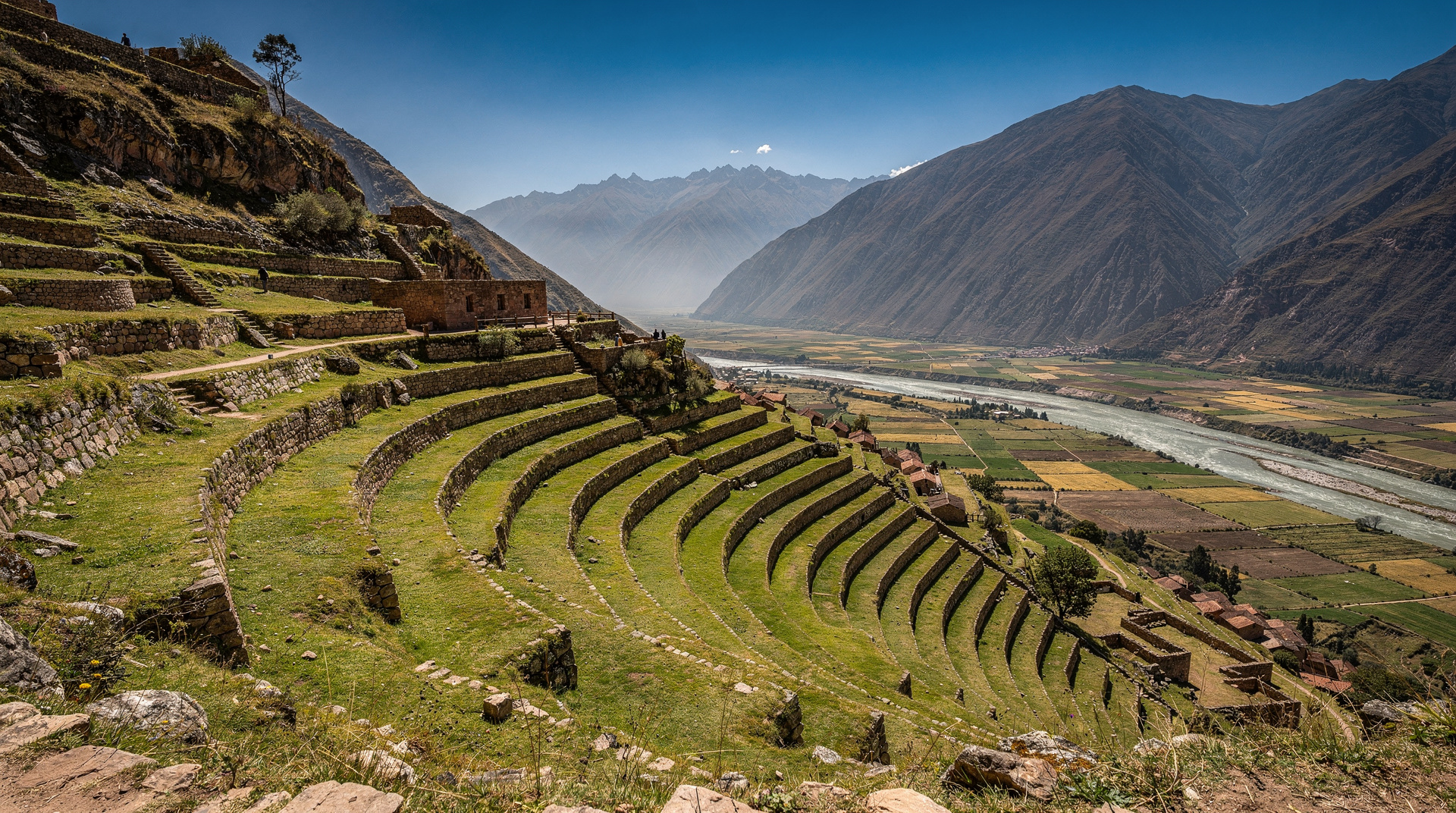
The tourist textile market opens later and occupies the main plaza, and by ten it is busy. But arrive at seven-thirty and walk straight past the market stalls to the Inca ruins above the town, and you will find terracing that covers an entire mountain ridge — agricultural terraces, residential sectors, ceremonial plazas, a solar observatory — spread over three kilometres with views down the full length of the valley.
I spent three hours up there and descended to find the market in full swing. Bought a small bag of dried Andean chillies for 3 PEN. Had caldo de gallina (hen broth with chilli and potato) at a counter in the market for 7 PEN. Caught the bus back to Ollantaytambo in the early afternoon.
Maras on a bicycle
The Maras salt pans are one of those sites that photographs cannot quite convey: terraced pools of evaporating saline water running down a hillside, each family’s plot in a slightly different shade of white or pink depending on the mineral content of that particular spring-fed channel. There are perhaps three thousand individual pools, and the whole system has been producing salt in this way since before the Inca.
I hired a bicycle in Ollantaytambo for 25 PEN for the day and rode the thirty kilometres to Maras via the backroads through Chinchero — a route that climbs to about 3,600 metres before descending to the salt pans. The cycling is not easy at altitude but it is beautiful: open altiplano, views of Nevado Chicon to the north, almost no traffic.
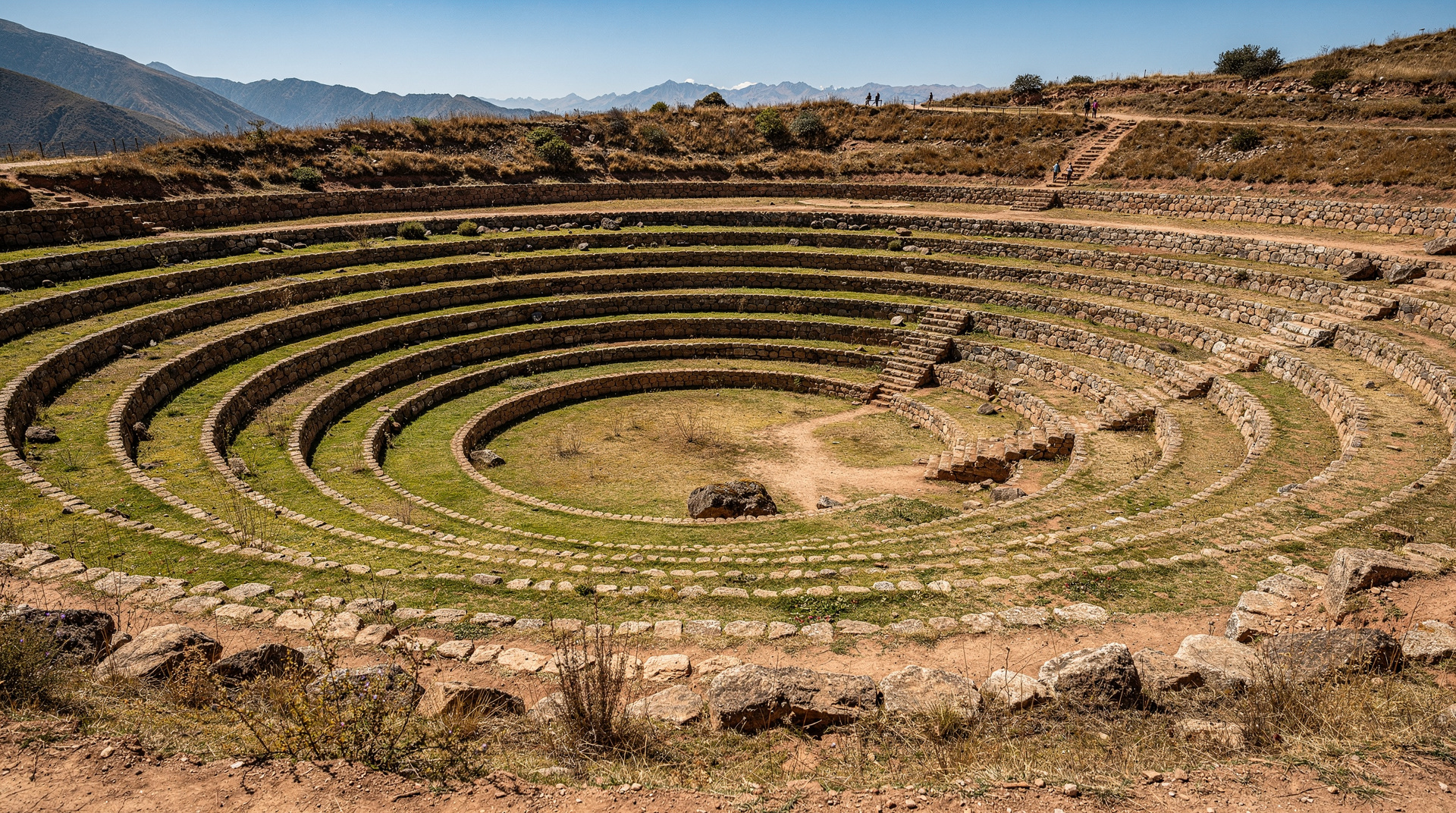
Arrive at Maras mid-morning, before the day-trip coaches from Cusco, and you can walk the perimeter path above the pans at your own pace. Entry costs around 10 PEN. A kilometre or two further is Moray — the circular terracing — which is included in the same ticket.
The thing about slow travel at altitude
There is an argument for slow travel everywhere, but altitude makes it especially compelling. The standard tourist schedule — arrive Cusco, rush to Machu Picchu, rush to Rainbow Mountain, leave — does not give the body time to adapt. Everything is harder than it needs to be: walking, carrying, sleeping.
A week in the Sacred Valley at 2,800 metres does two things. It gives your body the acclimatisation it actually needs before you attempt anything strenuous. And it gives you time to see the landscape as landscape rather than as a series of sites connected by a minibus route.
I spent one morning just sitting above the Urubamba River watching the water. I found a café in Ollantaytambo where the owner made chicha de jora from the maize she grew herself and served it cold in a clay cup for 3 PEN. I walked a trail above Pisac that I had found on a hand-drawn map posted in my hotel and seen no other person on.
The Sacred Valley vs Cusco as base guide covers the practical arguments. My argument is simpler: slow down, and the valley will show you what it actually is.
Practical notes
The local bus between Ollantaytambo and Cusco runs regularly (around 3–4 PEN, one hour). The train to Aguas Calientes from Ollantaytambo station takes ninety minutes and connects with the bus to Machu Picchu. Accommodation in Ollantaytambo ranges from around 50 PEN for a basic room to 250 PEN for a good mid-range hotel. February, when I visited, is technically rainy season — I had afternoon rain most days, but mornings were clear, and the valley was green in a way that it is not in dry season.
The Sacred Valley full-day tour is the right option if you have one day. If you have a week, stay here.
If the slow week ends with Machu Picchu and you would rather not organise the logistics yourself, a two-day guided trip combining the valley and Machu Picchu by train is a sensible bridge between the unhurried version and the rushed one. And for travellers who want a longer, pre-arranged route that still includes time in the valley, a multi-day trip through the Sacred Valley and Machu Picchu removes the booking work while leaving the valley more than a single afternoon.
A slower one-week rhythm, if you want to try it
If you’re tempted but not sure how to structure a week without a schedule feeling directionless, here’s roughly how mine settled:
| Day | Focus |
|---|---|
| 1–2 | Arrive Ollantaytambo, rest, walk the fortress at dawn |
| 3 | Pisac on a Sunday — ruins early, market late morning |
| 4 | Cycle or drive to Maras and Moray via Chinchero |
| 5 | Do nothing in particular; find your own café, your own trail |
| 6 | Train to Aguas Calientes, Machu Picchu the following morning |
| 7 | Return to Cusco, or extend further into the region |
This isn’t a rigid plan — the point of slow travel is that it bends around what you find, not the other way round. The Sacred Valley complete guide and one-day Sacred Valley itinerary are useful references if you want the more conventional structure to compare against.
Where to stay if you’re doing this properly
Ollantaytambo is the obvious base for the reasons above — lower altitude, direct train access, and a town that’s genuinely pleasant to wake up in. Urubamba is a reasonable alternative if you want something slightly larger with more restaurant choice, still at comfortable altitude. Either works better than commuting daily from Cusco, which erases most of the benefit of slowing down in the first place. The getting around Sacred Valley guide covers the practical transport links between the valley towns if you want to base-hop rather than stay put.
Pairing the slow valley with the rest of your trip
A slow week in the valley does not have to stand alone. It works well as the opening chapter of a longer journey, because the body settles in before the demanding parts begin. If you plan to walk later, the Salkantay trek guide and the Inca Trail complete guide both assume you arrive acclimatised, and a quiet week beside the Urubamba is about the kindest preparation there is. The Cusco acclimatization plan explains the reasoning in more detail, and Cusco altitude vs Sacred Valley compares the two bases honestly.
Think about what you want from the days themselves. Some travellers want ruins at dawn and nothing else; others want a market, a long lunch and a short walk. The Ollantaytambo ruins guide and the Ollantaytambo village guide help with the first kind of day, while the Pisac market and ruins guide suits the second. For the salt pans and terraces, the Maras salt mines guide and the Moray terraces guide give the background that makes a slow visit richer.
Weaving is another reason to linger. Chinchero rewards an unhurried morning, and the Chinchero weaving guide and Andean textiles guide explain what you are looking at before you sit down with the weavers. My own account is in weaving with Chinchero women.
When it is time to move on, the options are open. You can reach Machu Picchu by the train described in the Machu Picchu by train guide, or head back to the city and explore Cusco with fresh legs. If you want a ready-made route that includes a valley stay, the Cusco, Sacred Valley and Machu Picchu 7-day itinerary is a good starting point, and what to pack for Cusco covers the layers you will want for cool mornings and warm afternoons.
Frequently asked questions about Sacred Valley slow travel
Is a week in the Sacred Valley too much time for most travellers? Not if you enjoy slower travel — most people who try it come away wishing they’d allotted more, not less. If a week isn’t realistic, three days split between Ollantaytambo and Pisac captures much of the benefit.
Do I need a car to travel the Sacred Valley slowly? No. Local buses connect the main towns cheaply and regularly, and a bicycle is a genuinely good way to cover the shorter distances between Ollantaytambo, Chinchero and Maras if you’re reasonably fit and acclimatised.