Luxury Cusco and Machu Picchu: the complete high-end guide
Machu Picchu: Entry & Exclusive Guided Experience
What does a luxury Cusco and Machu Picchu trip cost?
Budget S/1,000–2,000 ($300–600) per person per day for premium accommodation, private guiding, and high-end dining. A four-night luxury itinerary — Belmond Monasterio or Inkaterra La Casona in Cusco, Inkaterra Machu Picchu Pueblo or Belmond Sanctuary Lodge at the citadel — runs approximately $2,500–4,500 per person excluding flights.
| Daily budget | around $300–600/person all-in |
| 4-night itinerary | around $2,500–4,500/person excl. flights |
| Top Cusco hotels | Belmond Monasterio, Inkaterra La Casona |
| At Machu Picchu | Belmond Sanctuary Lodge (at the gate) |
| Best spend | Private guiding at heritage sites |
Cusco’s luxury offering is more exceptional than most people realise
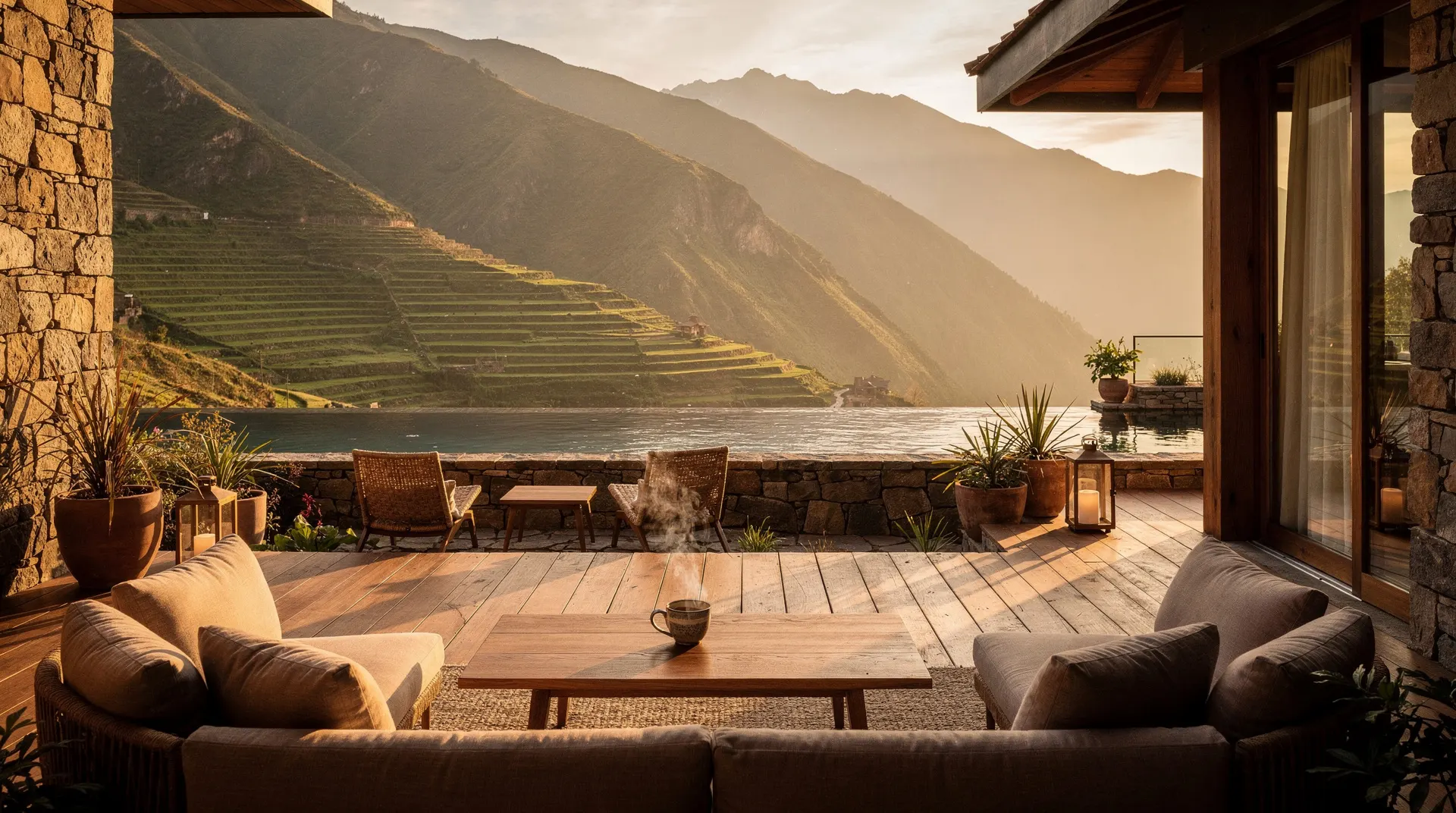
The assumption that luxury travel in Peru is a compromise — colonial charm but unreliable infrastructure, beautiful settings but inconsistent service — is outdated. Cusco and the surrounding region now houses some of the most compelling luxury properties in South America: converted Inca palaces and colonial monasteries, a world-class restaurant scene rooted in Andean ingredients, and private guiding experiences that transform heritage sites from photo opportunities into genuine encounters with history.
What the luxury tier in Cusco cannot offer is what makes it interesting: altitude still affects everyone regardless of room rate, the approach to Machu Picchu still requires a 3 am start or an overnight in Aguas Calientes, and the sites themselves are the same for everyone. What changes at the premium end is the recovery quality between experiences, the depth of interpretation at each site, and the degree to which logistics are handled invisibly.
This guide covers where the premium spend is genuinely worth it and where it is not, along with honest price benchmarks for 2026.
The luxury hotel landscape
In Cusco: four genuine contenders
Belmond Hotel Monasterio. The most storied luxury address in Cusco, occupying a seminary built in 1592 on Inca foundations. The supplemental oxygen service (available in standard rooms for approximately $60 per night supplement) genuinely helps altitude adjustment. Rooms vary significantly in quality and outlook; request the original colonial courtyard wing rather than the newer extension. Rates: $420–700 per night in high season.
Inkaterra La Casona. Eleven suites in a 16th-century colonial mansion in the San Blas neighbourhood. The property is deliberately intimate — the antithesis of the grand hotel — with a level of personal service that reflects the scale. A working kitchen garden supplies the restaurant. Rates: $500–800 per night.
Palacio del Inka (Luxury Collection). Positioned directly opposite Qorikancha, the Temple of the Sun — guests look out from their rooms onto the curved Inca foundation walls. A strong architectural choice and excellent for location convenience. Service quality is consistent at Marriott Luxury Collection standard. Rates: $280–480 per night.
Casa Andina Private Collection. A tier below the above three but worth naming: reliable, well-managed, and often available when the prestige properties are full during festival weeks (particularly Inti Raymi in June). Rates: $180–280 per night.
At Machu Picchu: two options at very different prices
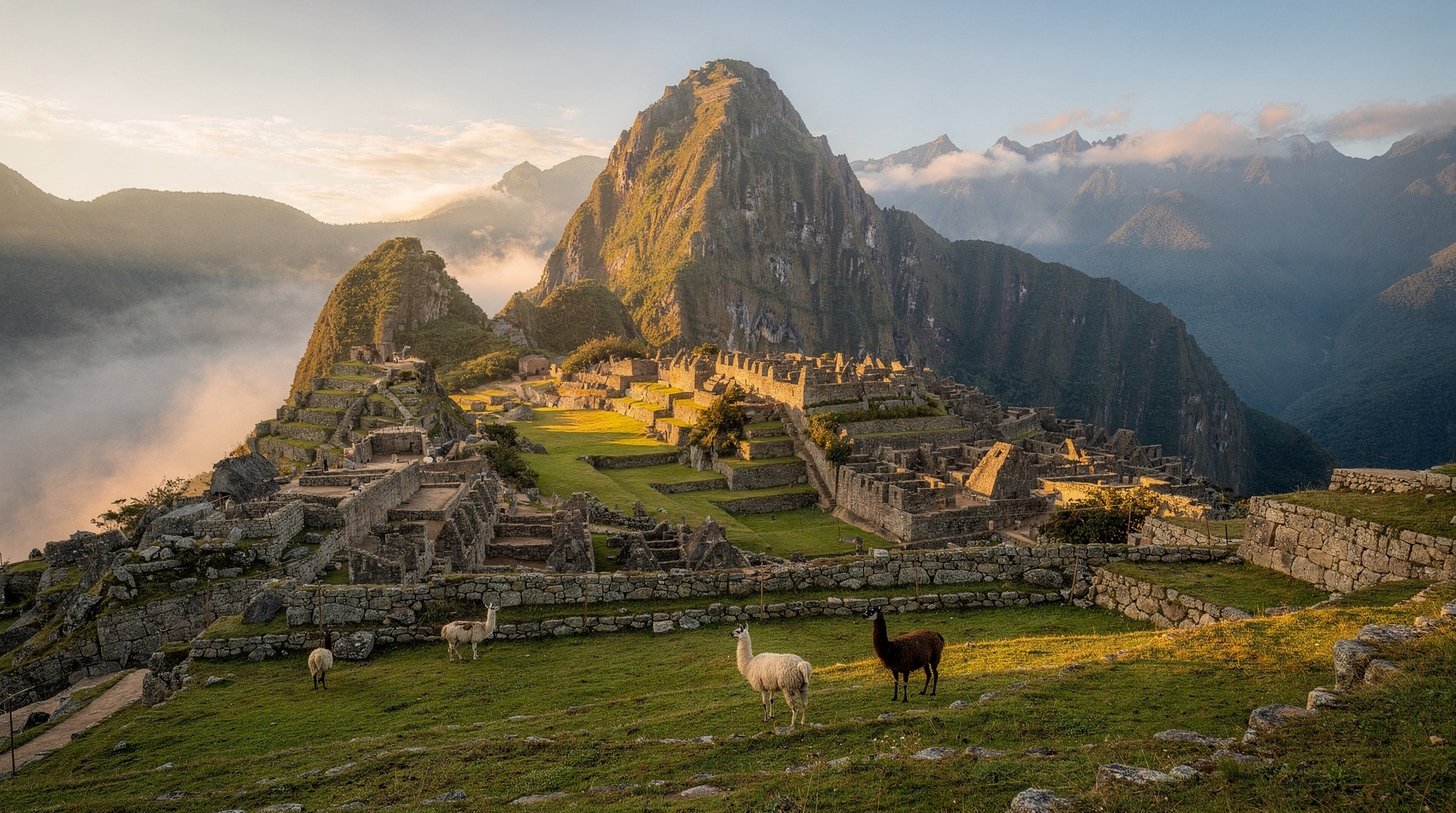
Belmond Sanctuary Lodge. Literally at the citadel gate. There is no comparable location in Peruvian tourism. Guests have access to the site before the first public buses arrive in the morning — typically 45 minutes to an hour of near-solitude at one of the most visited sites on Earth. The lodge is compact (31 rooms), the food is genuinely good, and the experience of quiet evening ruins is extraordinary. Rates: $900–1,400 per night. Bookings often required 3–6 months ahead in dry season.
Inkaterra Machu Picchu Pueblo Hotel. Set in a cloud-forest botanical garden fifteen minutes’ walk from Aguas Calientes, with over 200 orchid species on the grounds and a private trail network. The quality of the setting is exceptional. Their guided morning birdwatching walks (departing 5:30 am, led by resident naturalists) are one of the best-value inclusions in Peruvian luxury travel. Rates: $350–600 per night.
Private guiding: the highest-return luxury spend
Of all the premium upgrades available in Cusco, private guiding at heritage sites delivers the most proportional return on spend. The difference between a private licensed guide and a 20-person group tour at Sacsayhuamán, Qorikancha, or Machu Picchu is not marginal — it is the difference between understanding what you are looking at and not.
Private guides at Machu Picchu typically charge S/400–600 ($120–180) for a full morning. An excellent guide knows which sections of the site to linger in during which light conditions, understands the latest archaeological interpretations (which differ meaningfully from the popularised accounts), and adjusts the depth and focus of commentary in real time based on your engagement. Book through your hotel concierge or a vetted agency — not from the individuals soliciting work at the gate, who may or may not be licensed.
A premium guided Machu Picchu experience with a licensed guide included is the most direct way to secure this from outside Peru — the guide quality is vetted and the logistics are pre-arranged, which matters when your window for the citadel is a single morning.
The dining scene: an underestimated asset
Cusco’s restaurant scene in 2026 punches significantly above its weight. This is not incidental — the city is the geographic origin of many of the Andean ingredients that have made Peruvian cuisine internationally celebrated, and proximity to raw materials makes a material difference.
Mil Centro (Sacred Valley, near Moray). Virgilio Martínez’s research and restaurant project is set at 3,500 m on the plateau above the valley, with an 11-course tasting menu designed around altitude-specific ingredients (cushuro algae, kaniwa, native potatoes, highland herbs unavailable elsewhere). A reservation requires planning months ahead and the drive from Cusco takes 45 minutes. One of the most extraordinary restaurant experiences in the Americas. Approximately $150 per person for the tasting menu excluding drinks.
MAP Café. Inside the courtyard of the Museo de Arte Precolombino — a Rafael Moneo-designed interior, showcasing pre-Columbian artefacts, with a kitchen that applies modern technique to Andean ingredients. Mains from S/80–130 ($24–39). The most elegant lunch in the city.
Limo. Elevated ceviche and Nikkei cuisine directly overlooking Plaza de Armas. Mains S/65–95 ($19–29). Excellent pisco sour list.
Chicha. Gastón Acurio’s Cusco flagship: regional Andean ingredients cooked with serious culinary intent, more relaxed atmosphere than the prestige options, consistently reliable. Mains S/55–85 ($16–26).
The Sacred Valley at the luxury level
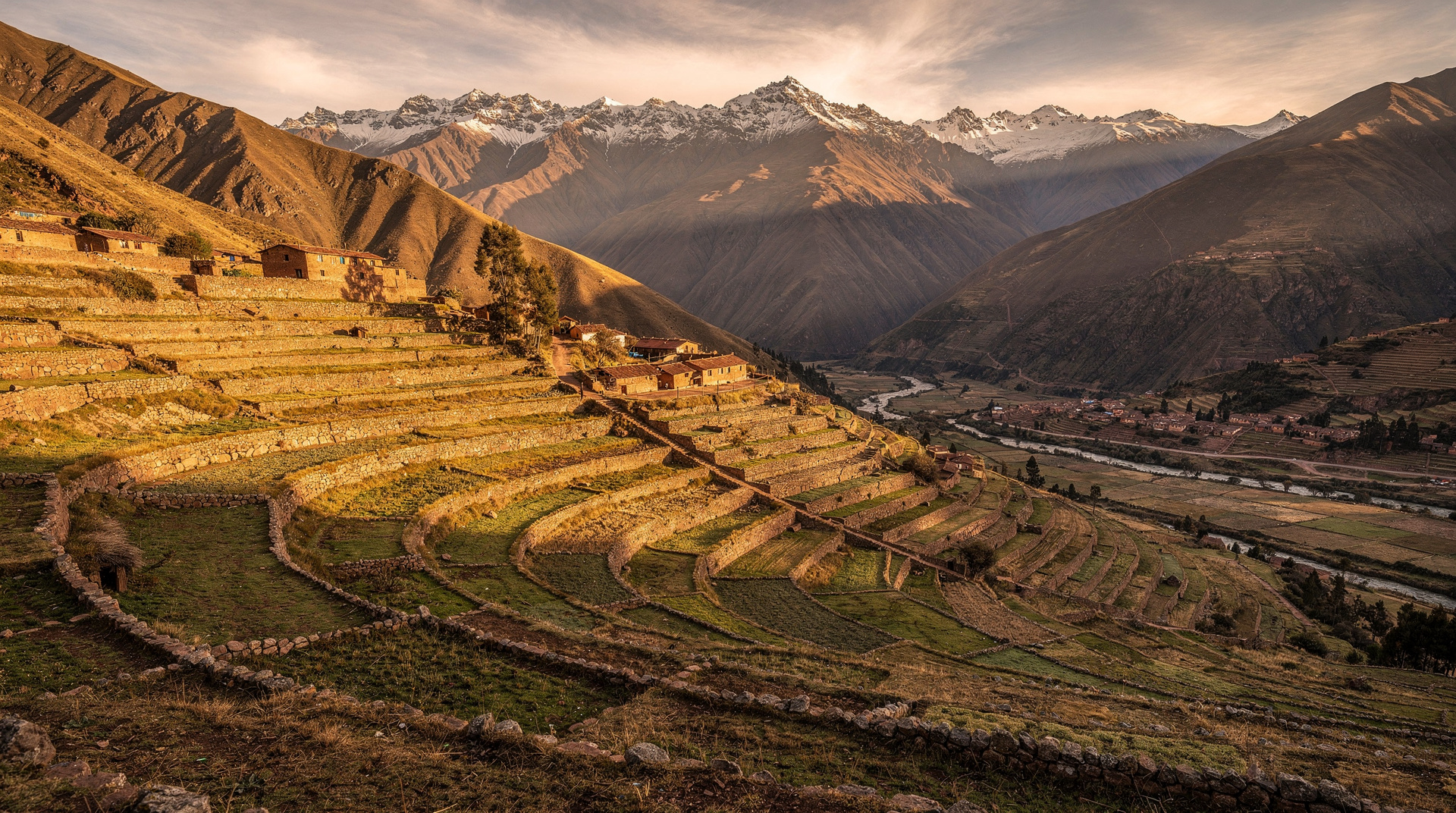
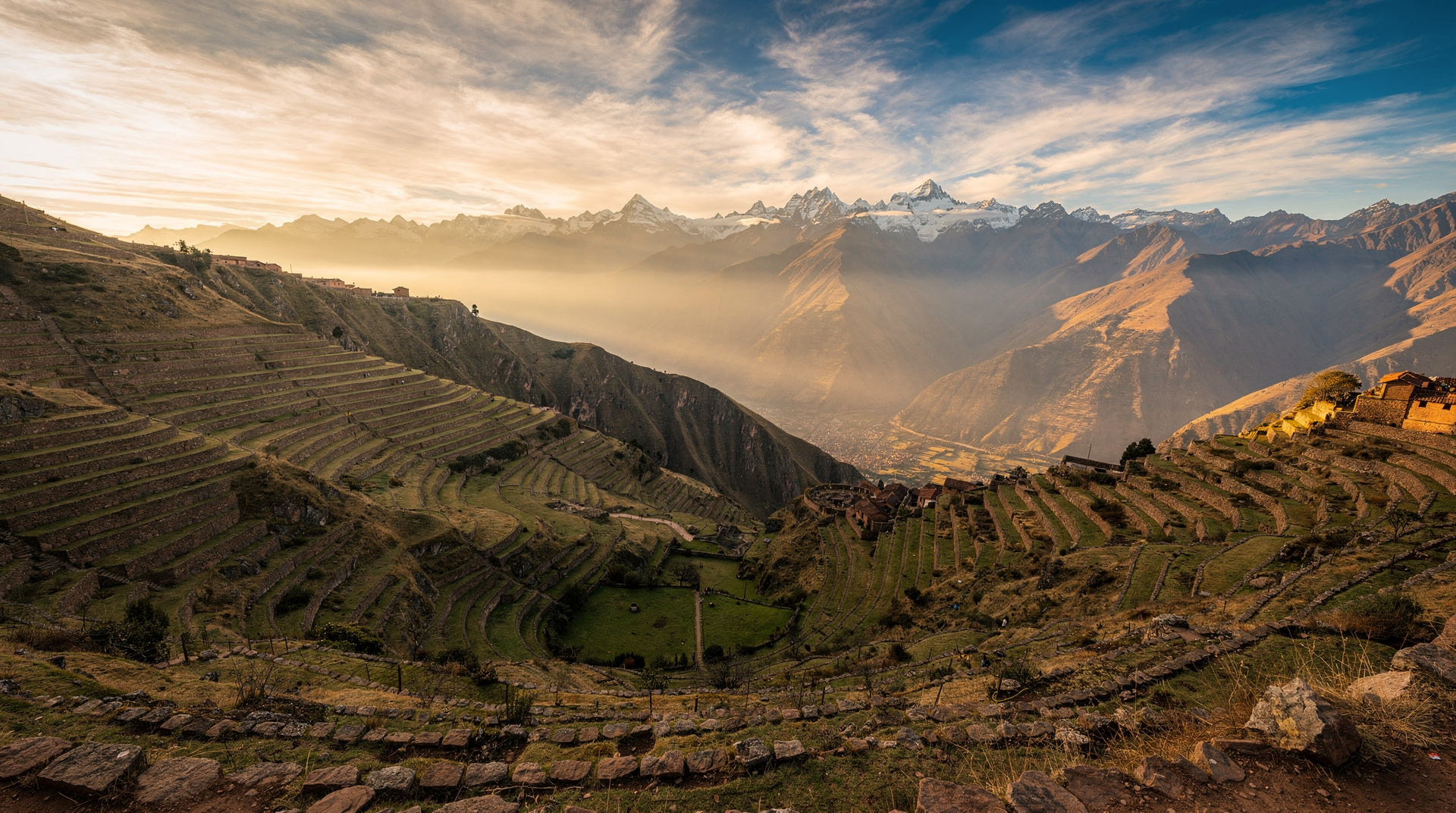
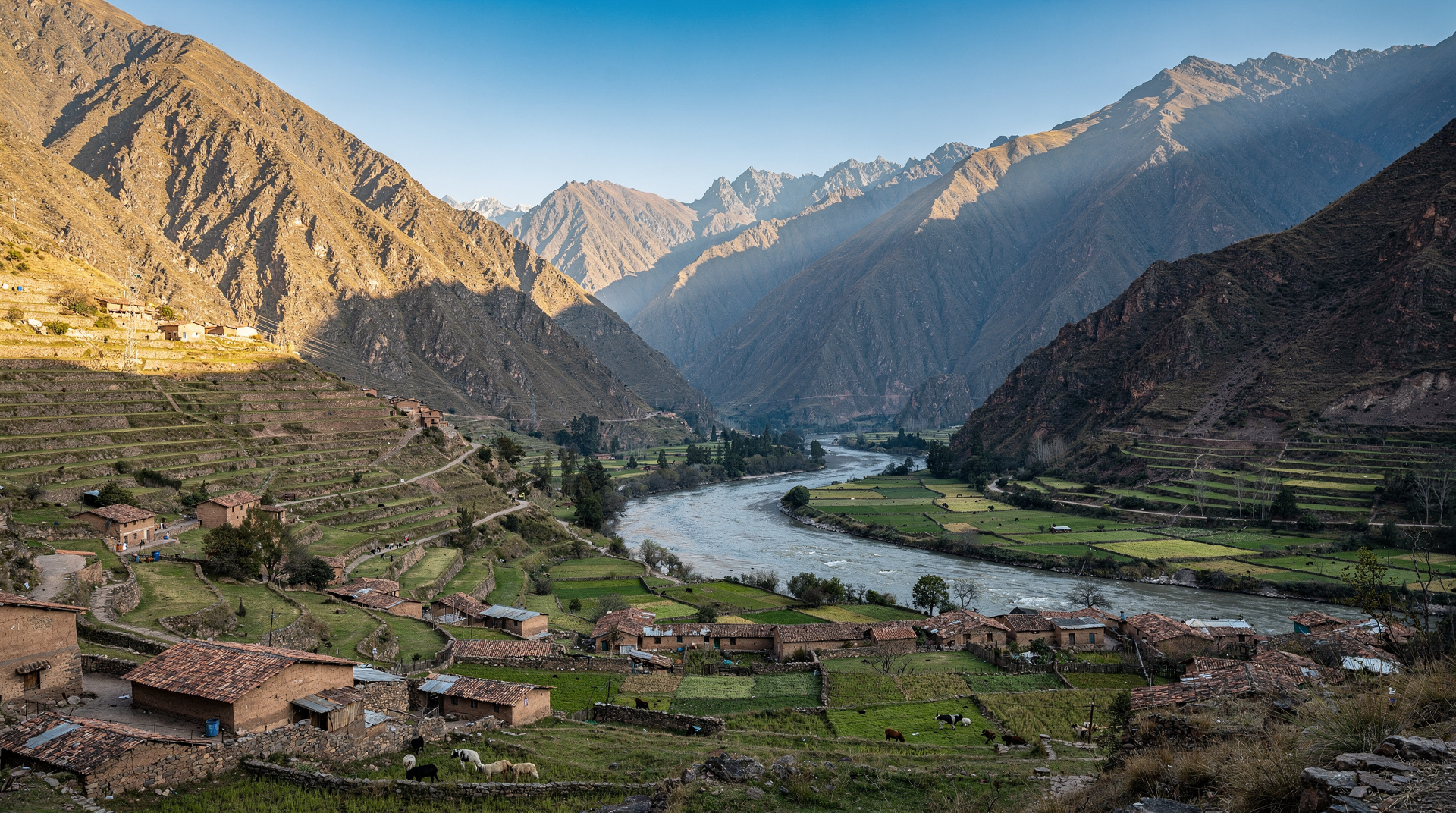
The Sacred Valley has developed its own luxury accommodation tier independent of Cusco, which enables a different kind of itinerary: fly into Cusco, transfer immediately to the valley (at 2,800 m, easing the altitude adjustment), acclimatise in comfort over two nights, then move to Cusco properly acclimatised.
Explora Valle Sagrado and Inkaterra Hacienda Urubamba are the principal luxury options in the valley itself, both offering genuine spa facilities and private trail access. The latter sits on a working farm with mountain views that make it hard to leave.
A full-day guided Machu Picchu experience booked from Ollantaytambo rather than Cusco reduces the overall journey time on the day itself — worth considering if your programme has the Sacred Valley as a stopping point.
Inca Trail and trekking at the premium end
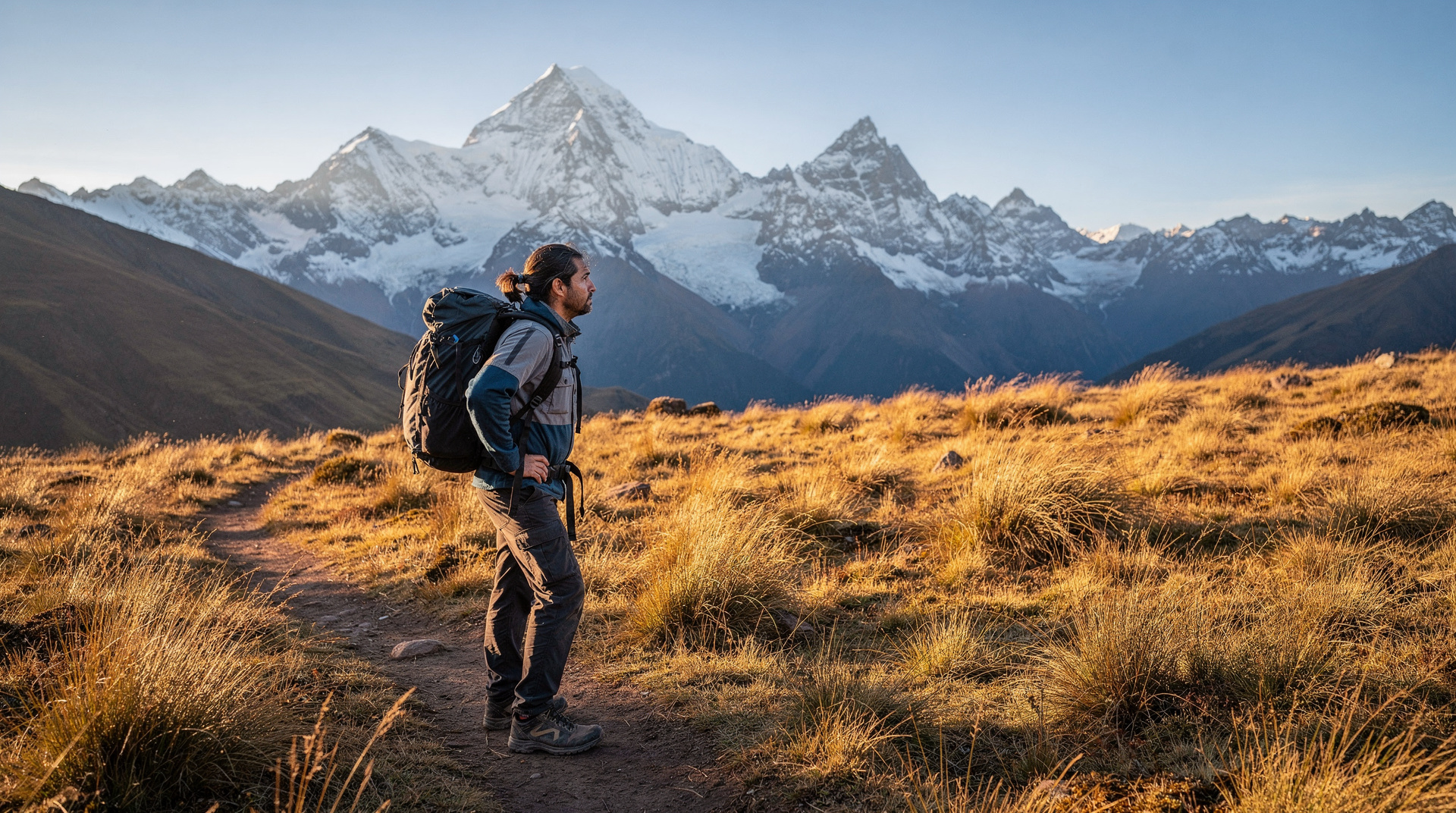
The 4-day Inca Trail can be done at genuine luxury level. A small number of licensed operators run premium departures with private campsites, proper beds rather than mats, portable flush toilets, a dedicated chef producing restaurant-quality food at altitude, and smaller group sizes (8–10 rather than 14–16). Prices for premium Inca Trail run $1,200–1,800 per person versus the standard $650–800. The experience is materially different — not in the trail or the scenery (identical for everyone) but in the quality of the camp experience over four days.
The Salkantay trek similarly has premium operators running glass-dome lodge alternatives to camping: a series of purpose-built mountain lodges, each with private rooms, hot showers, and evening meals, covering the same route as the standard camping trek. Approximately $1,100–1,500 per person.
Altitude and luxury: what the premium tier can and cannot fix
Supplemental oxygen (Monasterio), immediate access to altitude medication through hotel medical staff, coca tea on arrival, and a concierge who can manage the pacing of your itinerary to respect acclimatisation — these are genuine luxury-tier advantages. They do not eliminate the physiology of altitude adjustment, but they make it significantly more comfortable.
What they cannot do: guarantee that you will not feel the altitude on day one, prevent headaches on sudden exertion, or substitute for the one actual solution to altitude adjustment, which is time. Allow two proper rest days before any high-altitude excursion regardless of where you are staying. The altitude sickness guide covers the pharmacology and the practical management approach.
A sample luxury four-night itinerary
Night 1 — Arrival. Transfer direct to Belmond Monasterio or Inkaterra La Casona. Supplemental oxygen room if Monasterio. Light dinner at the hotel restaurant or MAP Café. Rest.
Day 2 — Cusco acclimatisation with private guide. Qorikancha, Cathedral, San Blas workshops, artisan studios. Private guide for 4 hours (S/300–450/$90–135). Lunch at Chicha. Afternoon rest. Dinner at Limo.
Day 3 — Sacred Valley private day. Private vehicle and guide from the hotel: Pisac ruins and market at 9 am before crowds, Maras salt mines at noon, Moray terraces in the afternoon, Ollantaytambo fortress before closing. Lunch packed by the hotel or at a restaurant in Urubamba. Return to Cusco. Dinner at MAP Café or Mil Centro with reservation (if available).
Day 4 — Machu Picchu overnight. Morning train from Ollantaytambo on the Vistadome (approximately $90 one way). Afternoon arrival in Aguas Calientes, check into Inkaterra Pueblo Hotel. Late afternoon guided walk in cloud-forest botanical grounds. 5 am birdwatching walk next morning.
Day 5 — Machu Picchu with private guide. First bus to citadel gate (Sanctuary Lodge guests walk directly in). Private guide for the morning visit, on the circuit and entry time shown on your ticket (check the options on tuboleto.cultura.pe). Lunch at Sanctuary Lodge or on site. Return train to Cusco or onward travel.
Concierge services and what they actually deliver
At the top three Cusco properties, the concierge function goes significantly further than standard hotel concierge. They maintain relationships with licensed guides at Machu Picchu, can arrange private cooking experiences with local chefs in hotel kitchens, have connections with artisans in San Blas who can arrange private studio visits, and understand the Inca Trail permit system well enough to advise on realistic booking windows. For the Belmond Monasterio specifically, their concierge has historically been able to secure last-minute Sanctuary Lodge reservations for existing guests — not guaranteed, but a genuine advantage of the Belmond network.
For Rainbow Mountain and Humantay Lake at the luxury level, arranging a private vehicle with a driver and a private guide (rather than a shared minibus) transforms the experience substantially — the departure is at a time that suits your schedule, the pace on the trail is entirely your own, and the guide can focus entirely on your party. The premium over a shared tour is roughly three to four times the group rate — approximately $180–280 per person versus $50–80 — but the experience quality difference is proportional.
Luxury versus value: where the spend is actually worth it
Not every luxury upgrade in Cusco delivers proportional value. The honest assessment:
Worth the premium: The two top-tier Cusco hotels (Monasterio, Inkaterra La Casona). Private licensed guides at Machu Picchu. High-end restaurants including Mil Centro if you can get a reservation. The Vistadome train rather than Expedition class.
Marginal value: The absolute top-floor suite at any property — Cusco’s views are beautiful but not dramatically superior from an extra S/1,000 per night. Helicopter transfers to the Sacred Valley — convenient but removes one of the best scenic journeys in the region (the road through the mountains to Pisac is genuinely beautiful by private car).
Not worth it: First-class train to Aguas Calientes with the Hiram Bingham dining train — a beautiful concept that involves arriving at Aguas Calientes in the afternoon and competing for a late entry slot at the citadel. The train experience is excellent; the timing does not serve the Machu Picchu visit well.
The honest assessment
The return on premium spend in Cusco is unusually high by the standards of heritage tourism destinations worldwide. The hotels are architecturally exceptional. The guiding at this level is genuinely excellent. The restaurant scene is more serious than most visitors expect. And the altitude — the great equaliser — gives everyone, regardless of budget, a shared experience of arriving somewhere genuinely remote and demanding.
The gap between a well-planned budget trip to Cusco and a well-planned luxury trip is mostly about recovery quality and guiding depth. The sites themselves are the same. The approach road is the same. And the moment of walking through the Sun Gate at dawn, or rounding the corner at Machu Picchu to see the full ridge for the first time, is available to everyone.
The Cusco trip planning guide covers logistics for all budget levels. The how many days guide helps structure the itinerary.
Shopping and artisan experiences at the luxury level
Beyond dining and accommodation, Cusco’s luxury tier extends into genuinely worthwhile shopping and artisan experiences that go well beyond the standard tourist-market souvenirs. Private studio visits with established weavers in San Blas, arranged through a hotel concierge rather than walked into cold, typically include a proper explanation of natural dyeing techniques and backstrap loom weaving, with the option to commission a custom piece. Fine alpaca and vicuña textile houses in the historic centre — distinct from mass-market alpaca shops — sell genuine high-grade pieces at prices that reflect the fibre quality; vicuña, in particular, is strictly regulated and genuine pieces carry documentation.
Silver jewellery from established Cusco ateliers, often incorporating pre-Columbian design motifs, is another category where the difference between a tourist-market piece and an atelier piece is substantial in both craftsmanship and price. A hotel concierge can generally arrange a private viewing or a small commissioned piece with a turnaround of a few days, which suits a multi-night stay far better than a single rushed market visit on a departure morning.
Private transport and the case for a dedicated driver
For a multi-day Cusco and Sacred Valley itinerary at the luxury level, a private driver retained for the duration (rather than booked per excursion) is a meaningfully different experience from repeated one-off transfers. A dedicated driver learns your pace and preferences after the first day, can adjust timing around light conditions for photography or crowd avoidance at sites like Pisac or Ollantaytambo, and removes the friction of re-briefing a new driver each morning.
Rates for a private vehicle and driver across a multi-day Sacred Valley programme are typically bundled into a premium day-rate tour package rather than priced as a standalone service — ask your hotel concierge or tour operator whether continuity of driver and vehicle is possible across your stay.
A VIP private Sacred Valley tour is the most direct way to book this continuity from outside Peru, pairing a dedicated vehicle and guide with a flexible pace across Pisac, Maras-Moray and Ollantaytambo in a single day, rather than the fixed-schedule stops of a shared group tour.