Eating at San Pedro market: the Cusco food guide
Cusco: San Pedro Market and Peruvian Cooking Class
What should I eat at San Pedro market in Cusco?
Freshly squeezed juice (S/2–3), caldo de gallina (hen broth with noodles, S/5–8), anticuchos from the grill stalls (beef heart skewers, S/5–8), and the set lunch menu (two courses for S/8–12). The food section is at the back and sides of the main hall. Arrive by 7:30am for breakfast or at midday for lunch; by 2pm the best stalls have run out.
The most honest food in Cusco is also the cheapest
San Pedro market — Mercado Central de San Pedro — is a 1925 covered market hall one block west of the Plaza de Armas, serving Cusco’s resident population rather than its tourists. This distinction matters enormously for food quality: the market’s food stalls are calibrated to satisfy local palates on local budgets, which produces cooking that is honest, flavourful and unadorned in the way that food made for paying regulars usually is.
| Where | 1 block west of Plaza de Armas, Calle Santa Clara |
| Cost | S/2–25 per item; full lunch around S/15 |
| Time needed | 45–90 minutes |
| Best time | 7–9 am breakfast, 12–1:30 pm lunch |
| Payment | Cash only |
The market is not undiscovered — it has been on every Cusco guide for years, and the craft section near the entrance is fully tourist-facing. But walk past the craft stalls, continue into the main hall and toward the rear, and the cooking smells and the crowd change character. The women behind the food counters are serving office workers, market vendors, students and families, not travellers on a culinary adventure. The food they produce costs S/8–15 and is as good as food at those prices gets anywhere in South America.
This guide covers what to eat, when to arrive, how to navigate the stalls, and what the ingredients in the produce section actually are.
Getting oriented
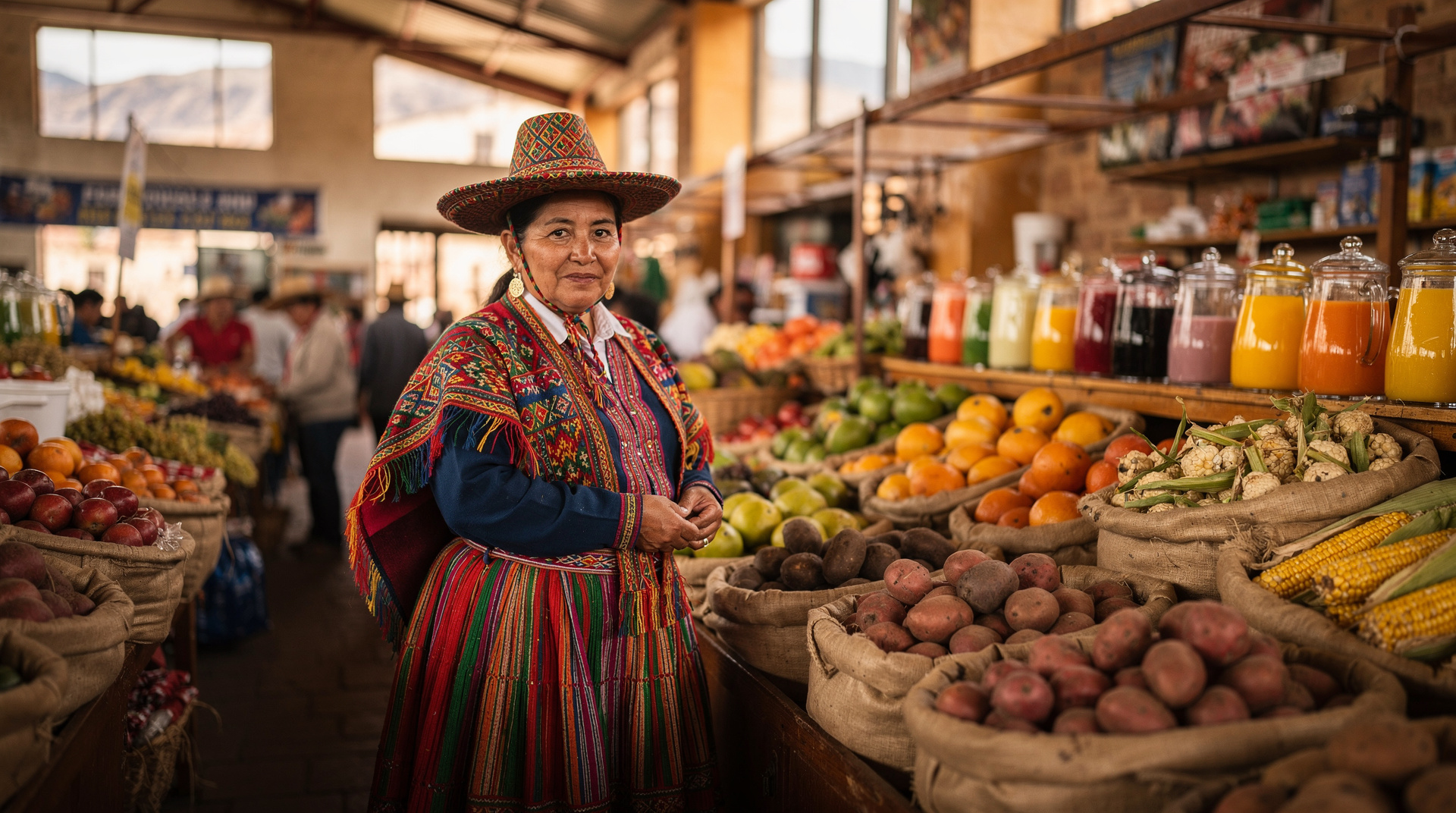
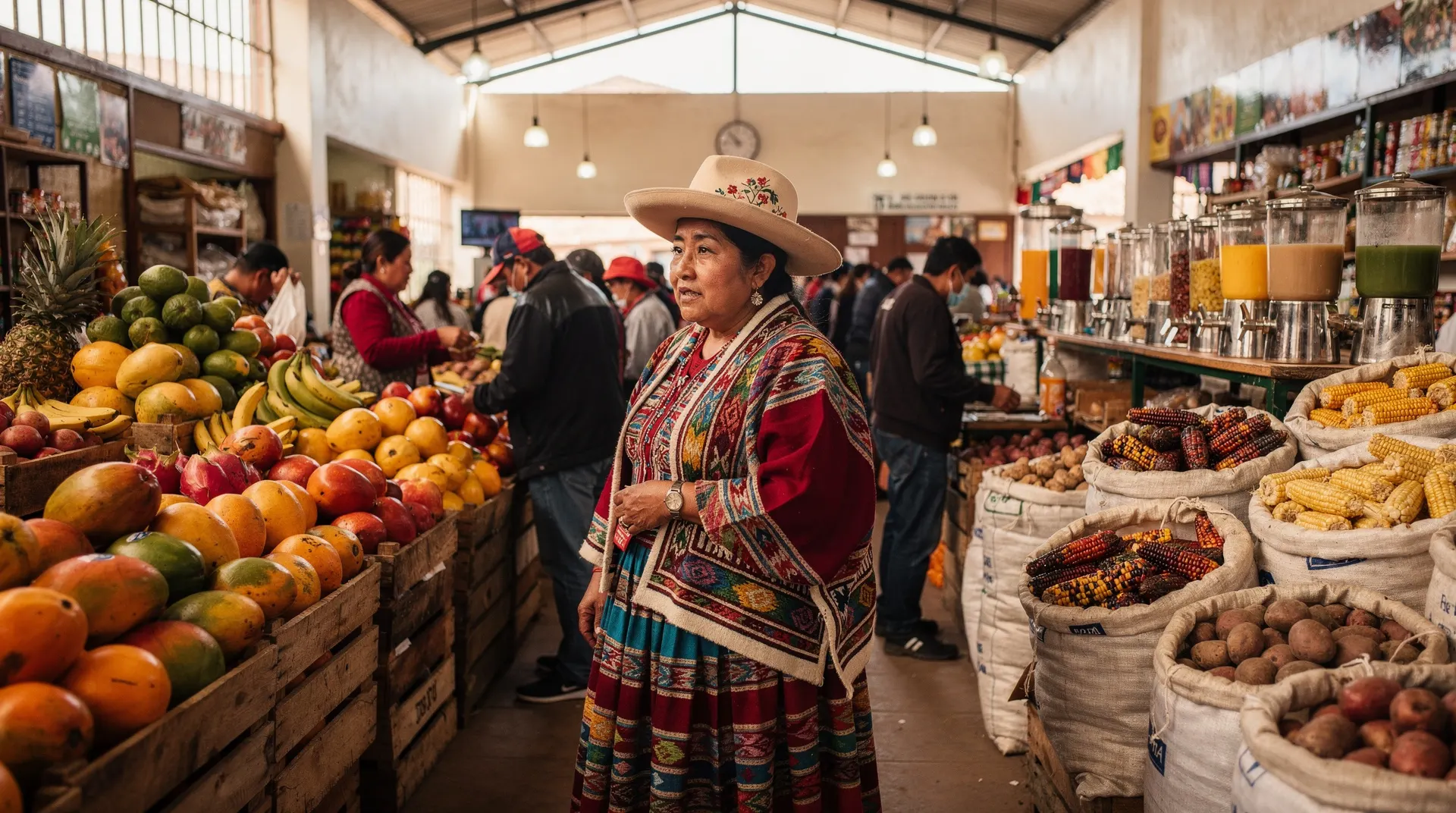
San Pedro market occupies a single large hall with the main entrance on Calle Santa Clara. The hall is roughly rectangular, with the main produce stalls — vegetables, fruit, potatoes, chillies, grains, meat, dairy — occupying the central grid of permanent counters. The food preparation stalls (where cooked food is served) line the rear wall and both side aisles. The juice stalls cluster near the main entrance.
The tourist-facing craft section is in a separate annex near the main door — textiles, alpaca knitwear, silver jewellery, carved gourds. Prices here are negotiable and higher than at Pisac market but lower than in the Plaza de Armas shops. You need not engage with it at all if food is your reason for visiting.
Market hours: approximately 6am–7pm Monday to Saturday, with reduced stalls on Sunday. The produce section is busiest early morning (6–9am) when traders and households are shopping. The food stalls do their biggest business for breakfast (7–9am) and lunch (noon–2pm). Arrive during those windows for the best-quality, freshest food.
Breakfast at the market
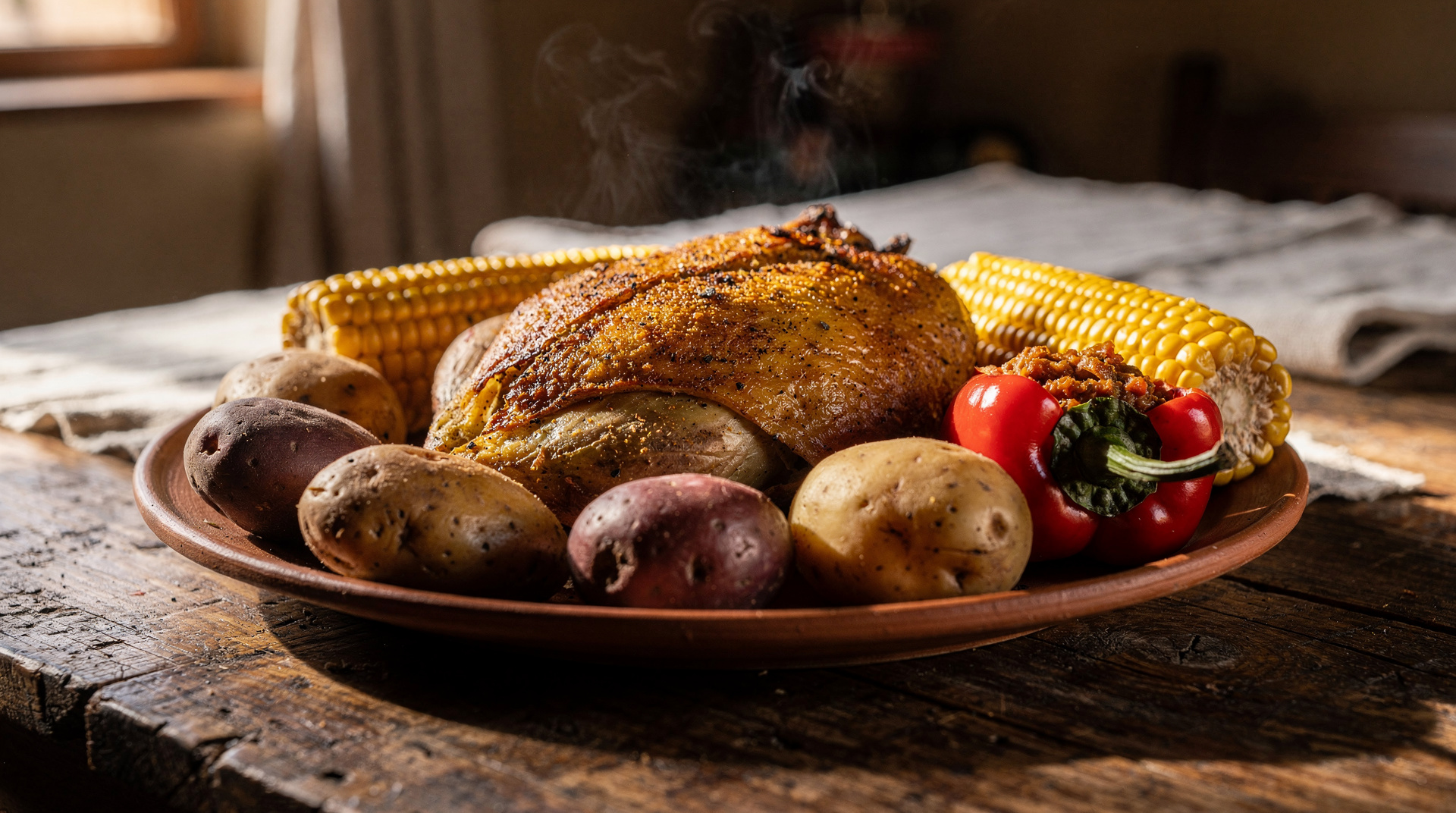
Caldo de gallina (hen broth): The best breakfast in Cusco for altitude management — a deep, clear broth made from a whole hen simmered for hours, served over noodles with boiled potato, a piece of hen meat and a scattering of herbs. The broth is genuinely restorative; the warmth, the protein and the saline content help with altitude adjustment in a way that matters on your first or second morning. S/5–8 per bowl. Available from the broth stalls near the rear, which are open from 6am and run until midday.
Fresh juice: The juice stalls near the main entrance run banks of manual juicers for orange, carrot, beetroot, mango, passionfruit (maracuyá), pineapple and mixed combinations. A single juice is S/2; a combination is S/3. The pineapple-ginger combination is excellent. These stalls have been operating in the same position for decades and their hygiene record is good.
Tamales and humitas: Steamed corn-based preparations sold from trays or baskets — tamales are made with masa corn dough filled with chicken or cheese and steamed in corn husks; humitas are sweeter and simpler, made from fresh ground corn. Both are S/3–5 each. Available early morning before the main lunch service.
Bread and pastries: A section of the market sells fresh bread — large round loaves, rolls and a few sweet pastries — from S/0.50. The large Andean flatbread, pan chapla, is baked on a clay surface and has a dense, slightly chewy crumb. Eat it warm with a fresh cheese (queso fresco, S/4–8 from the dairy section) and you have an honest Andean breakfast.
Lunch at the market
Set lunch menu (menú): The best food value in Cusco. Market lunch stalls offer a two-course menú — soup and a second course — for S/8–12. The soup is typically a substantial broth or cream soup (quinoa soup, potato cream, caldo de res). The second course is a grilled or braised protein — chicken thigh, fried fish, beef stew — with boiled rice and one or two side vegetables. You choose by pointing at what is in the pots; no menu card is necessary or common. The women serving speak Quechua and Spanish; a pointing-and-nodding transaction works fine.
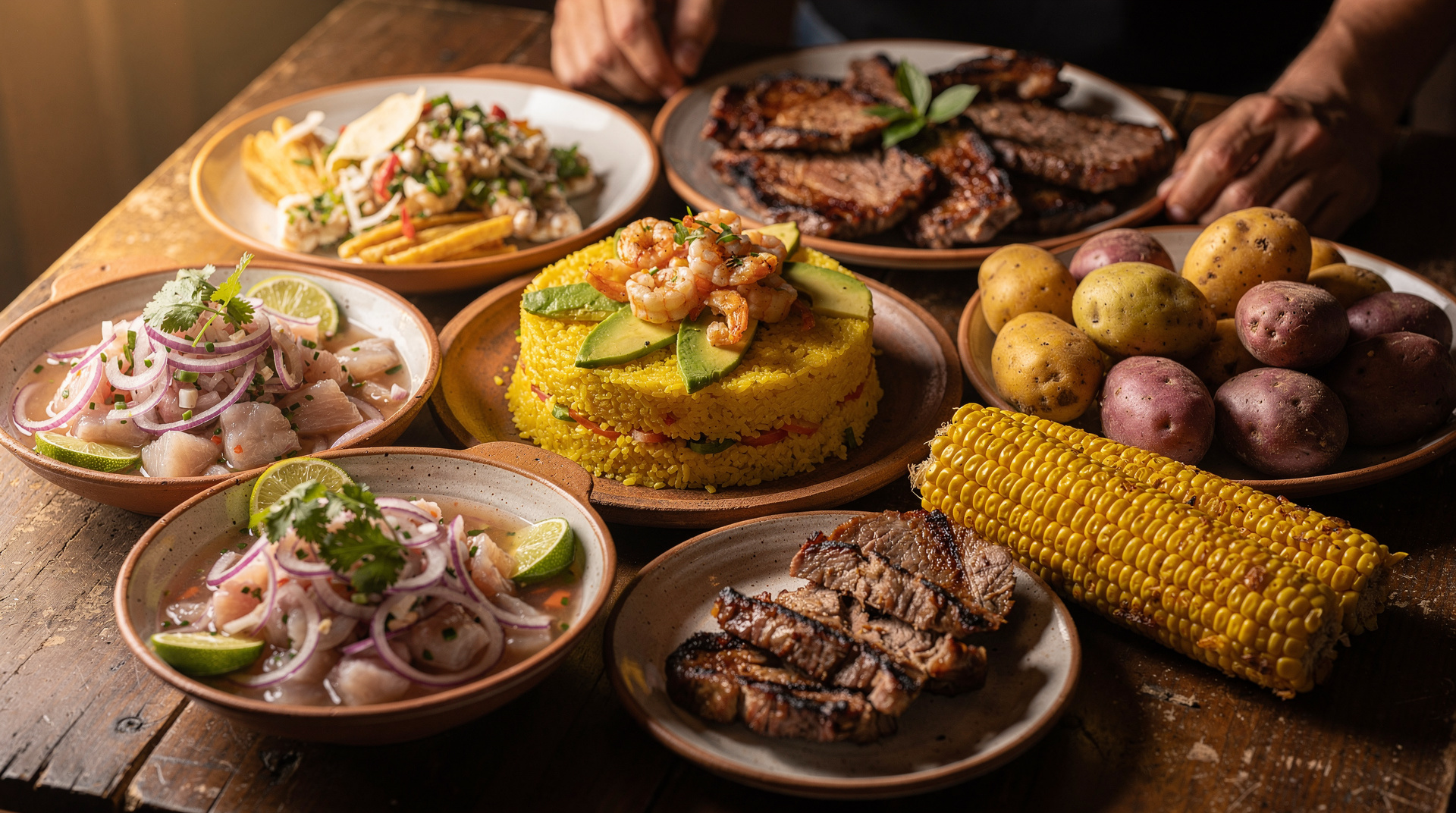
Anticuchos (grilled beef heart): The market’s grill stalls operate charcoal fires specifically for anticuchos throughout the day, with peak service at breakfast and lunch. Beef heart is marinated in ají panca paste (mild, smoky red chilli), cumin and red wine vinegar, skewered and grilled over charcoal. The exterior chars slightly; the interior stays tender and juicy. Served with a boiled potato and a small cup of spiced huancaína sauce for dipping. S/5–8 per skewer.
The anticucho stalls are among the most atmospheric spots in the market — the smell of charcoal and caramelising chilli marinade, the rhythm of the women turning skewers over the grill, the queue of local workers waiting with their plates. This is the dish and the setting that most travel writers reach for when they describe San Pedro market, and the cliché is earned.
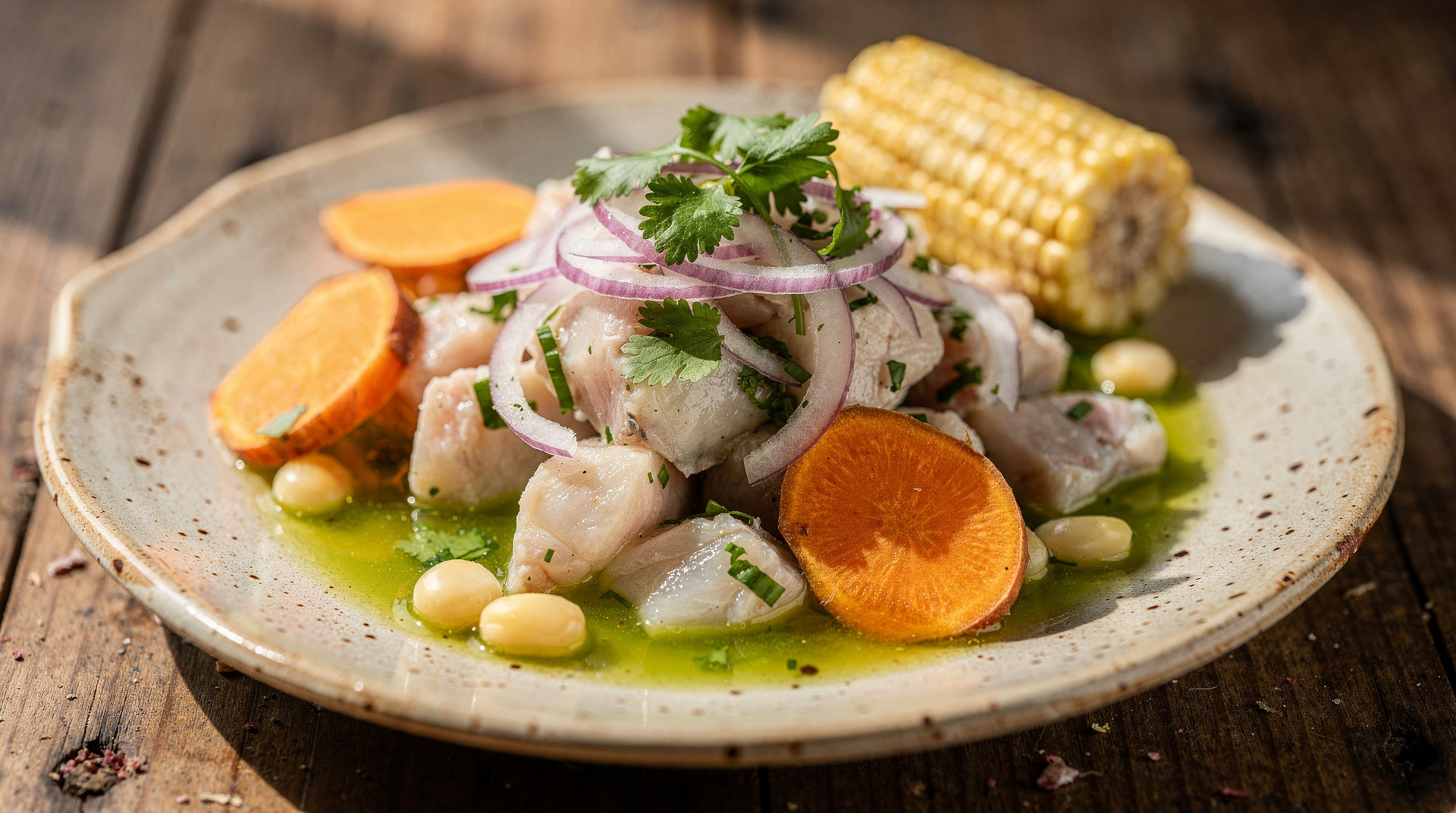
Ceviche at the market: Some stalls sell ceviche made with trout (trucha) or mixed seafood. Market ceviche is cheaper (S/12–20) than restaurant versions and varies in quality. Eat only at stalls with visible fresh fish turnover — the whole fish on display, not pre-cut pieces sitting in citrus. Avoid if altitude has upset your stomach; the acid load of ceviche plus the rawness is a poor combination when your digestive system is adjusting.
Chicharrón: Fried pork belly or shoulder, available from dedicated chicharrón stalls. Served with mote (boiled large-kernel corn), sarsa criolla (onion relish) and potato. S/15–25. The best versions are cooked fresh; arrive early enough in the lunch period to get a stall where the pork has just been removed from the frying vessel.
The produce section: a short education
The vegetable and grain stalls in the interior are worth a slow walk even if you are not buying, because what you see here will appear on menus for the rest of your trip and is easier to understand when you have seen it raw.
Potatoes: Peru has over 3,000 native potato varieties, and the San Pedro market displays perhaps 30–50 at any given time. The colours range from white through yellow, orange, purple, red and spotted combinations. Varieties include papa amarilla (yellow-fleshed, buttery, used in causa), papa morada (purple, for chicha morada and soups), papa huayro (elongated, dense, good for stewing), and papa canchan (common red). The stalls selling mixed small native varieties (papa nativa surtida) give the clearest sense of the range.
Chillies: The main varieties are ají amarillo (yellow-orange, fruity-hot, used in sauces and marinades), ají panca (dark red, dried or in paste, smoky and mild, for anticuchos and stews), rocoto (round, meaty, very hot, stuffed and baked in rocoto relleno) and ají mirasol (dried ají amarillo with a more concentrated flavour). Stalls sell the fresh and dried versions separately.
Grains: Quinoa in multiple colours (white, red, black), kiwicha (amaranth, tiny seeds), cañihua (similar to quinoa, slightly smaller), dried corn in multiple varieties, and chuño (freeze-dried potato, a remarkable pre-Columbian technology using the Andean diurnal temperature range to extract water from potatoes). The chuño is the most alien-looking product in the market: small, black, rock-hard, concentrated starch and protein — a product designed for multi-year storage at altitude.
Herbs: Huacatay (Tagetes minuta, Andean black mint) is a pungent green herb used in marinades for cuy and as a sauce component. The smell is strong and unfamiliar — slightly anise-forward with camphor notes. Muña is an Andean mint used in teas. Palillo (turmeric relative) colours soups and stews yellow.
Guided market tour and cooking class
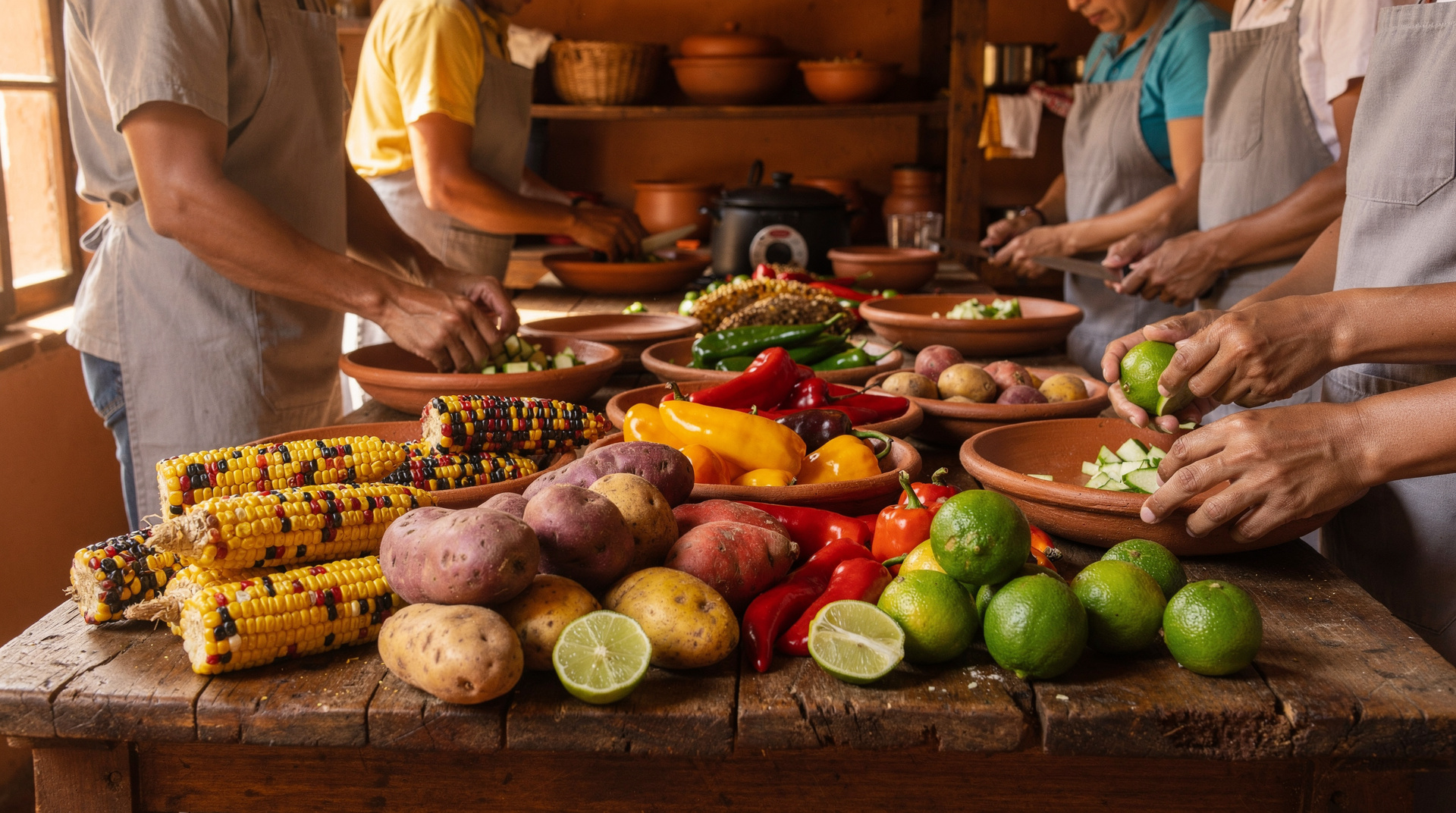
A San Pedro market and cooking class starts with a guided walk of the market, typically 45–60 minutes, with a local guide explaining the produce section in the context of the dishes you are about to cook. This is more informative than reading this guide: hearing the name and use of huacatay while standing in front of a stall of the fresh herb, rather than reading about it, is a more durable learning experience.
If you prefer the full version, a market tour and full cooking class adds a longer kitchen session with more dishes. Both formats give you context for the market that transforms it from a place you walk through to one you understand. The cooking class comparison guide explains the formats in detail.
The craft section: honest advice
The craft stalls at the front of the market and in the annex sell textiles, silver, ceramics and alpaca knitwear at tourist prices. This section of the market is legitimate and the quality of goods is comparable to what you will find in the streets around the Plaza de Armas, usually at marginally lower prices if you negotiate.
What San Pedro market does not offer in its craft section is the quality of handwoven textiles available at the cooperatives in Chinchero. The market textiles are predominantly machine-made using acrylic fibres. Genuinely hand-dyed, backstrap-loom woven alpaca pieces are not commonly found here at honest prices. For those, the weaving cooperatives in Chinchero and the better artisan shops in San Blas are the right destinations.
Practical details
When to arrive: 7–9am for breakfast (caldo, juice, tamales); noon–1:30pm for the best lunch service. By 2pm many stalls have finished serving.
Payment: Cash only throughout the market. ATMs are available on the surrounding streets.
Language: Spanish works everywhere; some vendors speak Quechua primarily. Pointing and smiling works perfectly at food stalls — there is no complex ordering required.
Hygiene: Eat at busy stalls, eat hot food, avoid raw preparations if your stomach is adjusting. The established stalls are fine; the issue is with stalls that have low turnover and sitting food. Use your nose: a stall that smells of fresh charcoal, active soup and cooked food is good. One that smells of nothing is less reassuring.
San Pedro market is the most honest introduction to Cusco’s food culture available. Before you eat at a restaurant, before you take a cooking class, before you discuss Peruvian cuisine with authority — walk through here, eat a bowl of caldo and watch the anticucho grill. It will recalibrate your reference point for everything that follows.
What to skip and why
Not every stall is worth your time, and being honest about that matters as much as the recommendations above. Prepared juices with fruit already blended and sitting in unrefrigerated pitchers near the front should be skipped in favour of juice made to order in front of you at the main stalls. Pre-cut ceviche sitting in citrus for an unknown amount of time is a genuine stomach risk, particularly in your first few days at altitude when your digestive system has enough to manage.
Souvenir food items marketed at tourists — packaged “traditional” snacks near the craft section — are marked up considerably and rarely as good as the fresh stalls further in. None of this is unique to San Pedro; it is the same commonsense filtering that applies to any working market anywhere in the world, but it is worth stating plainly for first-time visitors who may not have market-shopping instincts yet.
Comparing San Pedro to Cusco’s restaurant scene
San Pedro market and Cusco’s celebrated restaurant scene are not competitors so much as complementary experiences that serve different purposes on the same trip. The market gives you unfiltered, cheap, authentic daily food; the city’s restaurants — from ceviche specialists to contemporary Peruvian tasting menus — give you refined technique and presentation at considerably higher prices.
A sensible trip includes both: a market breakfast or lunch on two or three mornings, balanced against one or two memorable restaurant dinners. Travellers on a tight Cusco budget can comfortably eat most meals at the market and reserve restaurant spending for a couple of standout dinners, which is exactly how many long-stay expats and guides eat day to day.
Fitting the market into the rest of your trip
The market works best as part of a food-minded day rather than an isolated stop. If you want to go deeper into Andean cooking, the guide to cuy and Andean food and the wider Peruvian food guide explain the dishes you will meet on menus once you leave the market. For something to drink after a market lunch, the pisco sour guide covers the national cocktail.
Eating hot, simple food here also pairs well with altitude care. If you have just arrived, the Cusco acclimatization plan and the notes on coca tea and altitude remedies help you decide how adventurous to be on day one. A bowl of broth and a juice is a gentle start, and the produce walk gives you something to do at an easy pace.
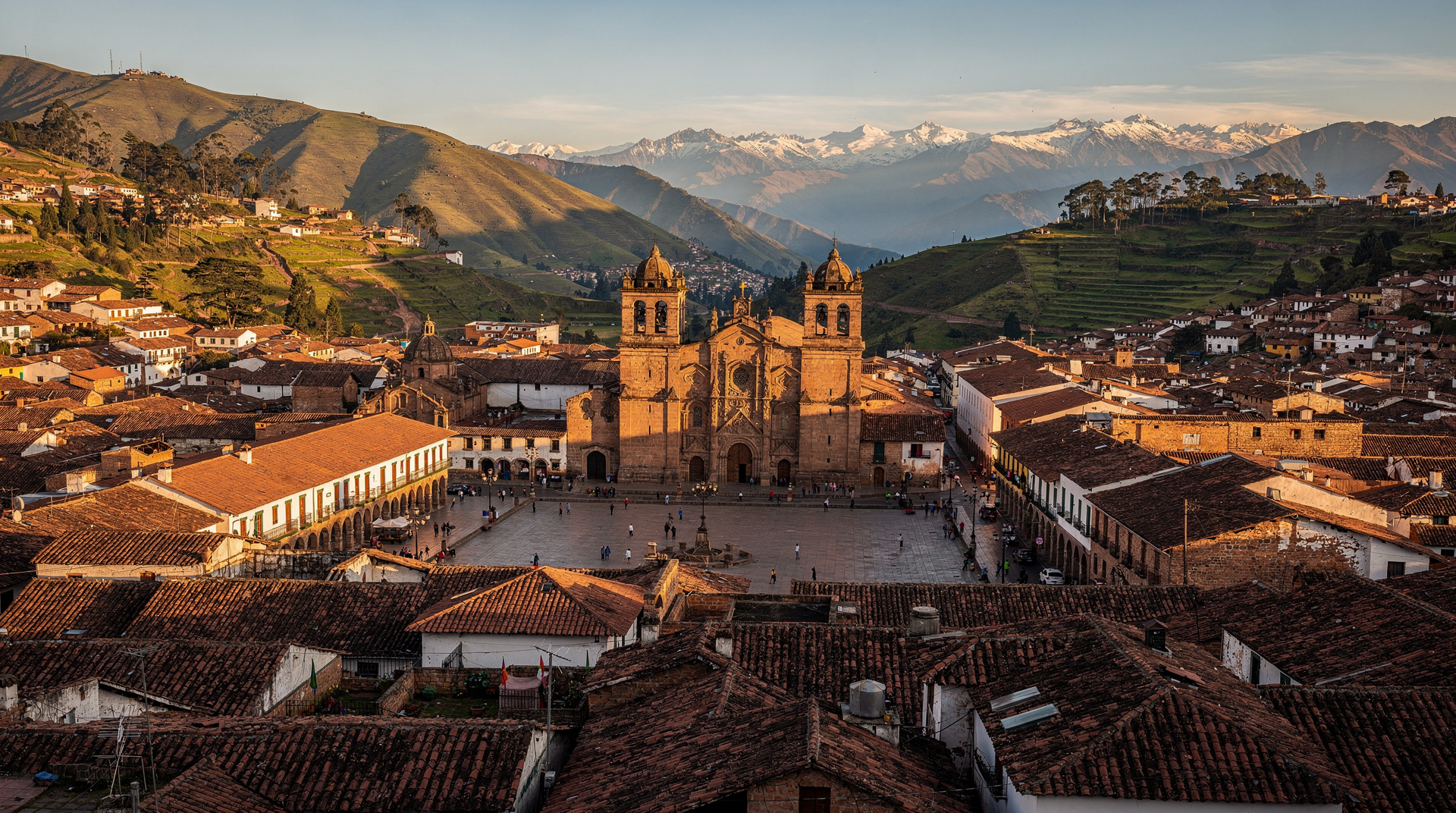
Because the market sits in the heart of town, it combines naturally with a stroll through the historic center of Cusco. Travellers who like to plan around food can slot a market breakfast into a three-day short itinerary or keep it for a slower morning, and the first-time in Cusco diary and the San Pedro market morning account give a personal feel for how a visit unfolds.
Frequently asked questions about Eating at San Pedro market: the Cusco food
Where is the food section in San Pedro market?
Is the food safe to eat at the market?
What is the tourist section of San Pedro market?
How much does a meal at the market cost?
Should I take a guided market tour or go independently?
Top experiences
Bookable activities with verified prices and instant confirmation on GetYourGuide.