Cusco cooking classes compared: which one is worth booking?
Cusco: Peruvian Cooking Class & Market Tour
Which is the best cooking class in Cusco?
The market tour plus cooking class combination (half-day, ~$35–45) gives the best value: a San Pedro market walk contextualises the ingredients before you cook three dishes in a home kitchen. The three-hour class is better for tight schedules. Both are worth booking; neither is a gimmick.
The case for a cooking class in Cusco
Half-day cooking classes are among the most booked activities in Cusco, and it is not hard to understand why. They are accessible to every fitness level, they work regardless of weather, they cost less than a restaurant dinner, and they leave you with a recipe you can reproduce at home for the rest of your life. Unlike a city tour, the experience is participatory rather than observational — you are making something, not just looking at it.
That said, not all Cusco cooking classes are the same thing. The format, focus, group size, location and quality of instruction vary considerably. This guide compares the main options honestly so you can choose the one that matches your time, budget and expectations.
| Where | San Pedro market + a teaching kitchen in central Cusco |
| Cost | Around S/100–165 (~$27–45) depending on format |
| Time needed | 2–4 hours depending on format |
| Getting there | Usually a short walk or included pickup from your hotel |
| Best time | Day two or three, once you’re eating normally at altitude |
Format one: market tour combined with cooking class
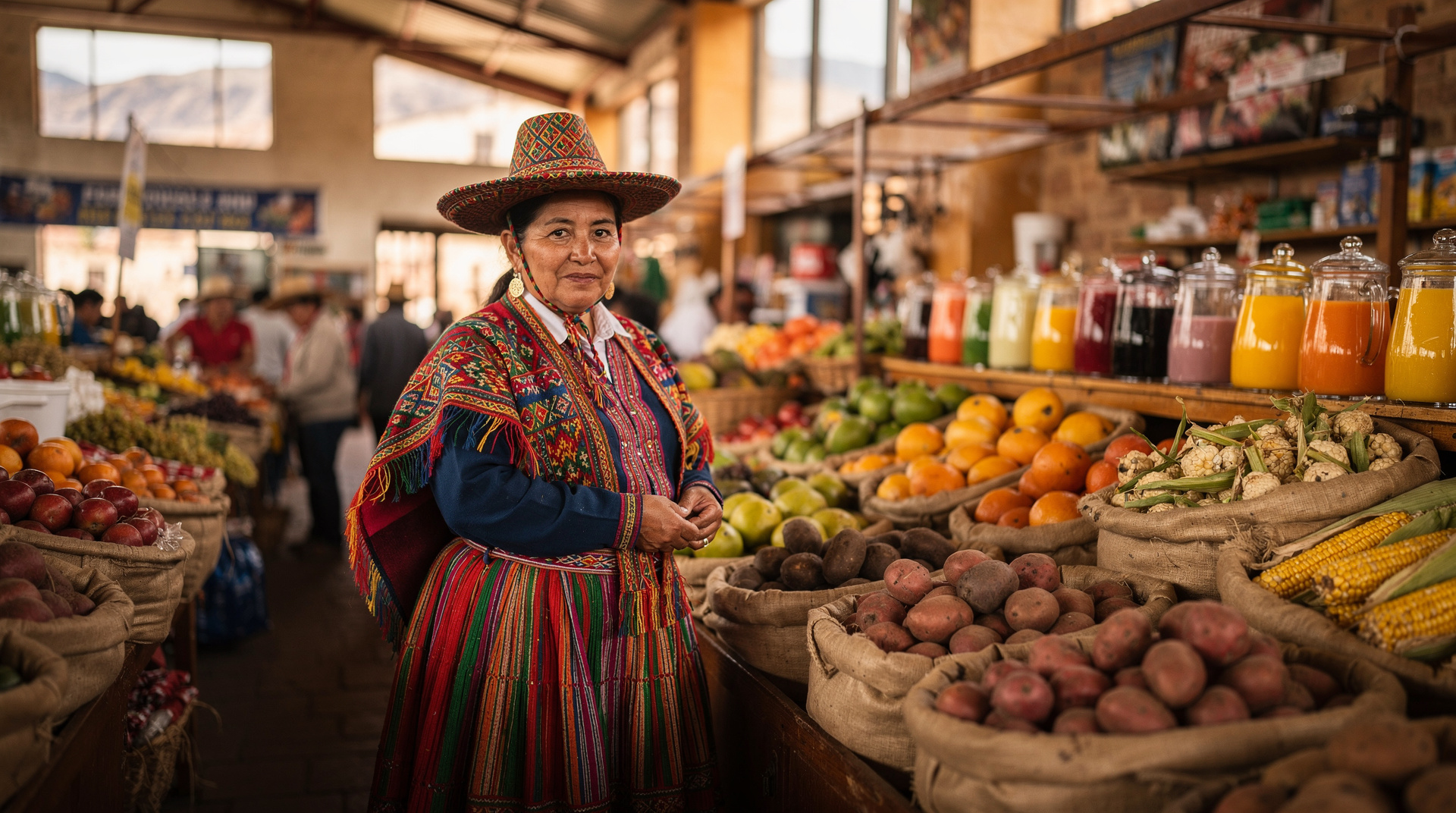
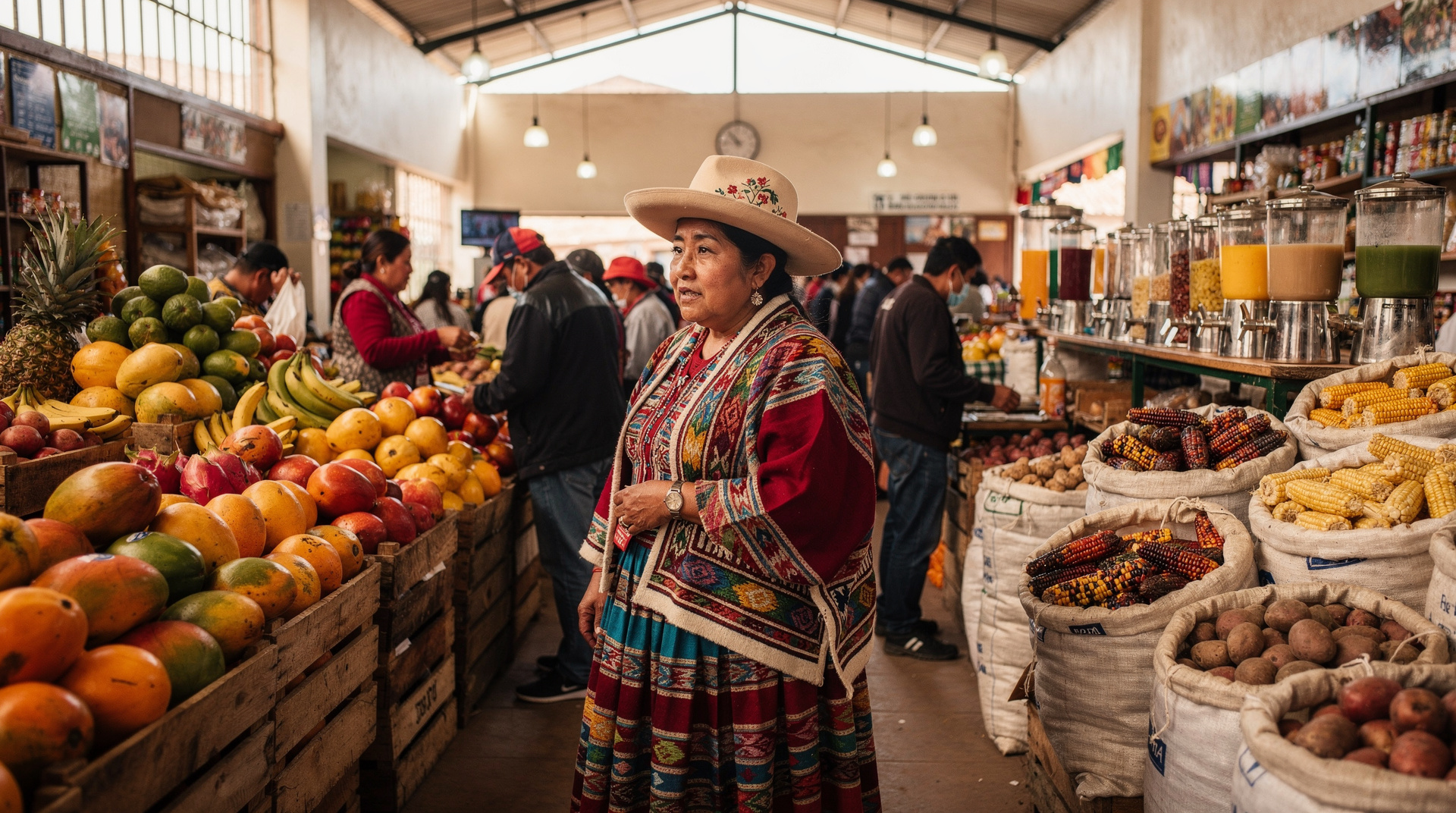
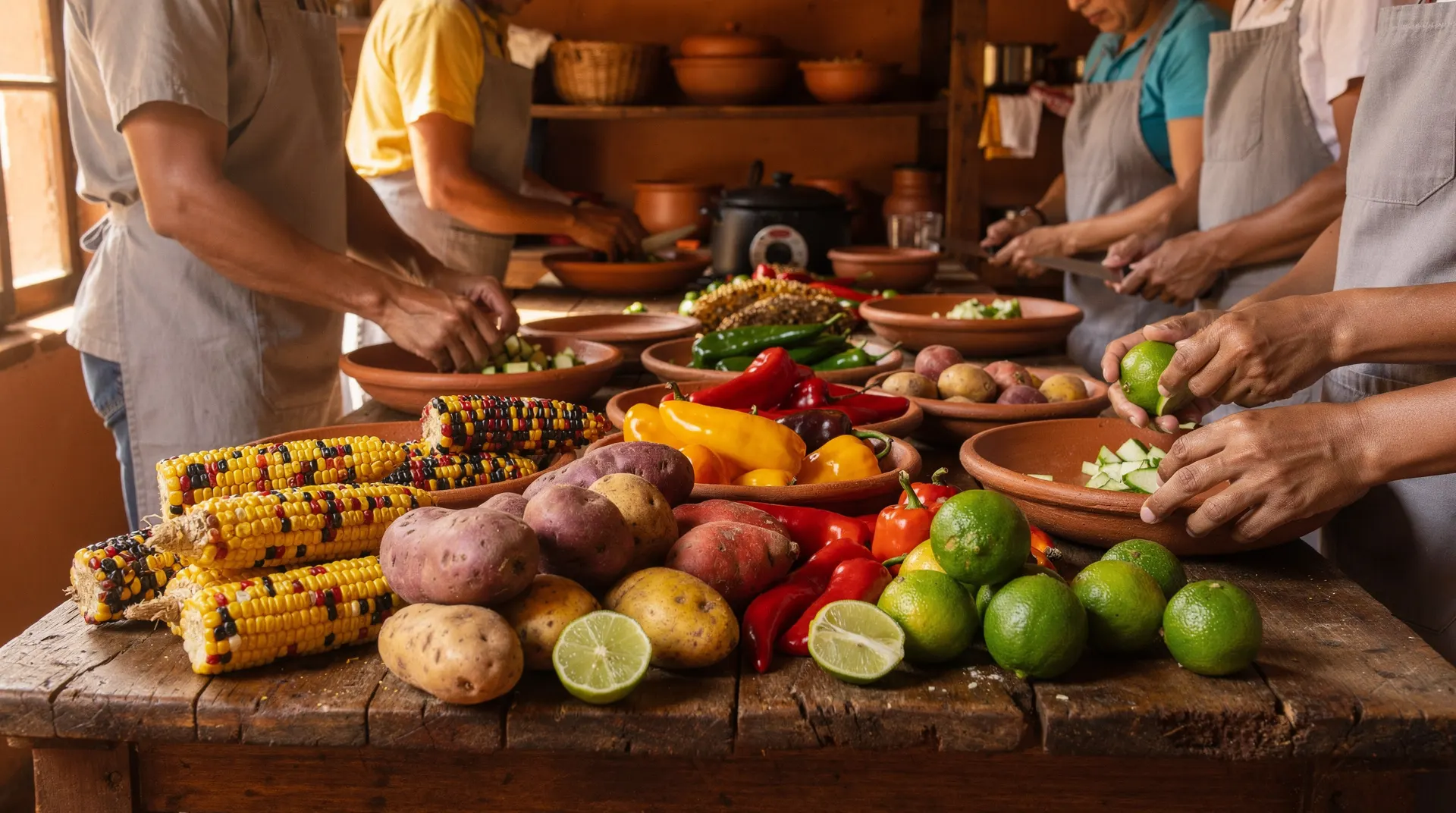
This is the flagship offering and the one most visitors default to — with good reason. The session starts at San Pedro market with a guided walk of 40–60 minutes, during which the instructor (or a separate market guide) leads you through the main sections of the hall explaining the ingredients: the difference between ají amarillo, ají panca and rocoto chillies; the extraordinary range of native potato varieties; how to choose a good chirimoya; what kiwicha and quinoa actually look like before they are processed. The market section converts a building full of unfamiliar produce into an understandable ingredient list.
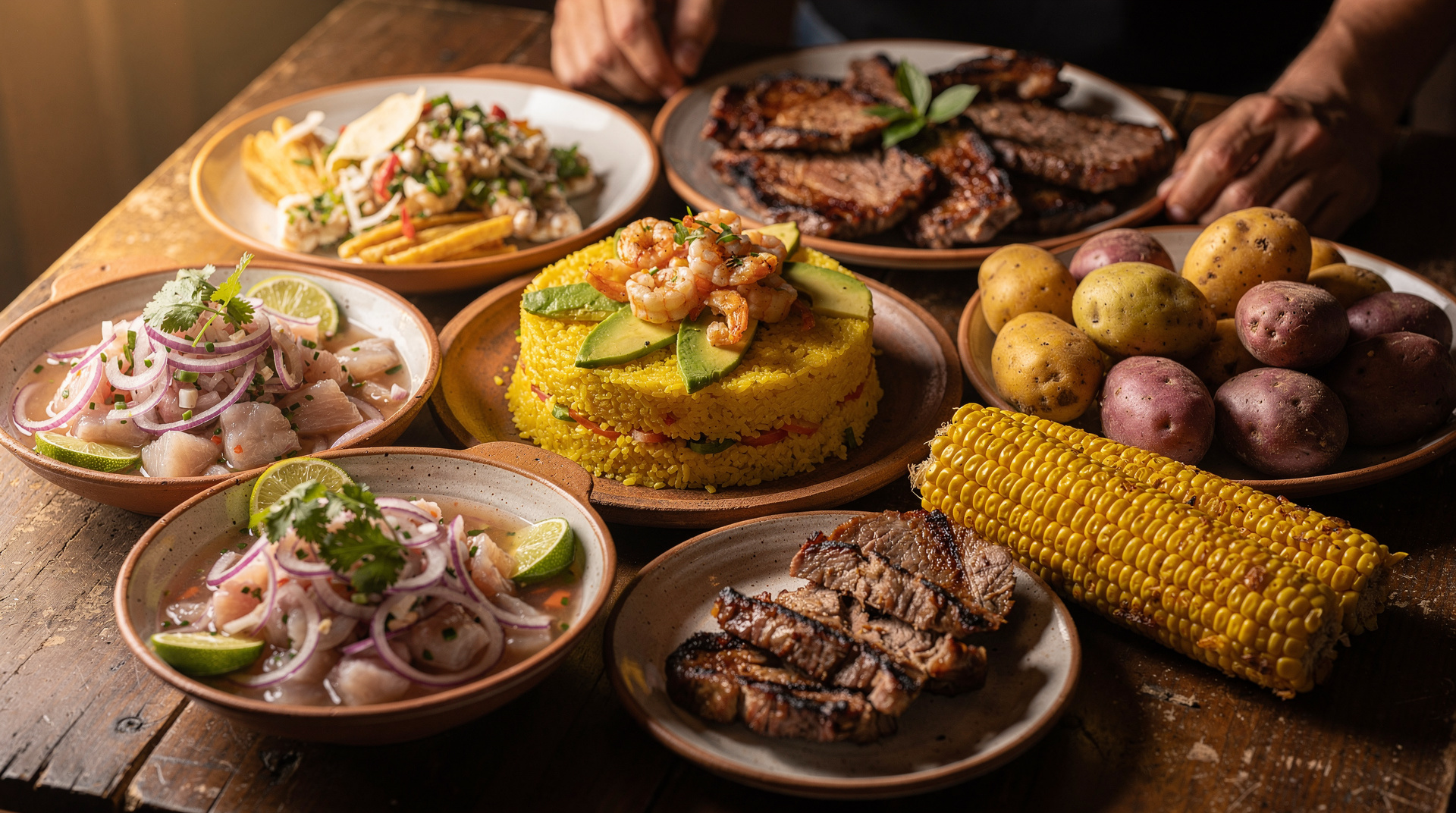
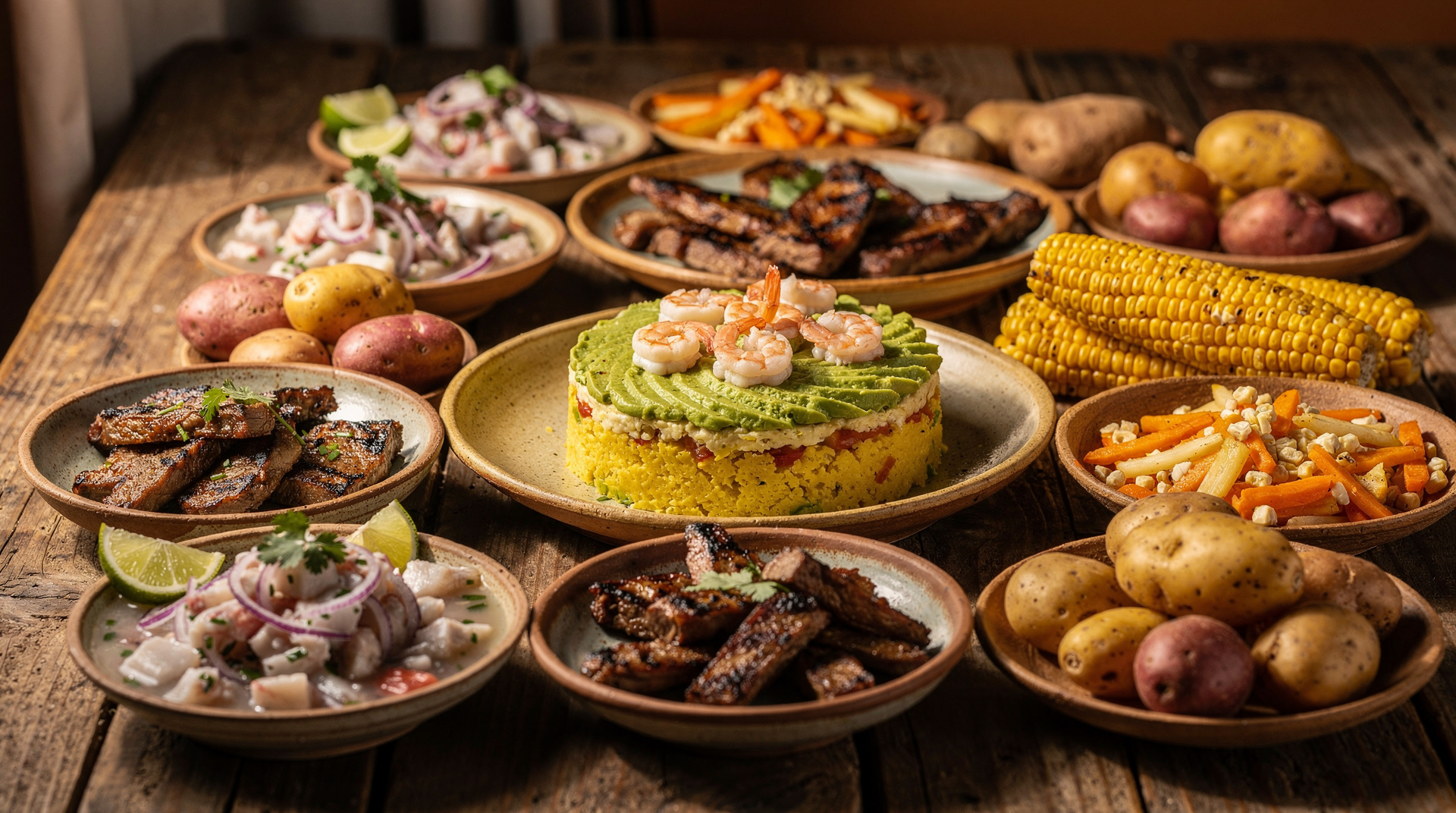
After the market the group moves to a teaching kitchen — usually a home kitchen or a purpose-built demonstration space attached to a local family’s house — and cooks three or four dishes. The standard curriculum is: a light starter (potato causa or quinoa soup), lomo saltado, ají de gallina, and a pisco sour. Some classes also demonstrate ceviche preparation.
The total session is three to four hours and finishes with a shared meal of what has been cooked. Group sizes are typically four to ten people.
A market tour and full cooking class following this format costs S/130–165 ($35–45) per person. The price includes all ingredients, equipment, the shared meal and the guide for both market and kitchen sections.
Best for: First-time visitors to Peru who want to understand Andean ingredients; anyone spending three or more days in Cusco; food-interested travellers who will actually use what they learn.
Not ideal for: Very tight schedules (under 3 hours available); travellers who have already visited San Pedro market independently and want to focus on the cooking.
Format two: San Pedro market and cooking class (shorter variant)
A variant on the above that emphasises the market visit and the cooking in roughly equal proportions, with a slightly tighter kitchen session. This format tends to run two to three hours and cover two main dishes rather than three.
A San Pedro market and cooking class in this format is marginally cheaper (S/110–140, $30–38) and slightly less demanding in terms of time commitment. The market walk is the stronger component of this format; the kitchen session is briefer and covers less technique than the full class.
Best for: Travellers with three to four hours available; those more interested in the market experience than in extended kitchen time; visitors staying two nights who want one structured culinary activity.
Not ideal for: Anyone who wants to come away with detailed technique on multiple dishes.
Format three: three-hour cooking class (kitchen only)
The kitchen-focused format skips the market walk and devotes the full two to three hours to cooking. This is the right choice if you have already visited San Pedro market — either independently or on a separate tour — and do not want to repeat the experience, or if your time is genuinely limited.
A three-hour cooking class covers two main dishes (typically lomo saltado and ají de gallina, or lomo saltado and ceviche) plus a pisco sour, runs S/100–130 ($27–35), and is the most focused of the three formats on hands-on cooking technique.
Best for: Return visitors; experienced cooks who want technique without the market orientation; travellers with under three hours available; anyone doing a second cooking activity in the city.
Not ideal for: First-time visitors who benefit from the market context.
What you actually learn: technique breakdown
Regardless of format, a Cusco cooking class teaches three pieces of technique that are genuinely useful and not obvious without instruction:
Lomo saltado: The key is wok temperature. A domestic hob does not generate the heat a Chinese wok hei requires, and most home-cooked versions of lomo saltado fail because the wok is not hot enough and the beef steams rather than sears. Cusco cooking classes typically cook the dish in a carbon-steel wok over very high gas heat, demonstrating the correct seasoning sequence (soy sauce and vinegar added in quick succession off direct heat). The potato and meat are cooked in separate steps before combining. This technique is transferable; it is the right way to make the dish.
Ají de gallina: The challenge is the sauce. Ají amarillo paste must be cooked out in oil before the liquid is added to drive off the raw capsaicin edge and develop the fruity sweetness underneath. Adding milk-soaked bread too early tightens the sauce prematurely. The ratio of walnut to bread to evaporated milk is learnable by taste rather than by measurement. Classes demonstrate this ratio and explain why the sequence matters.
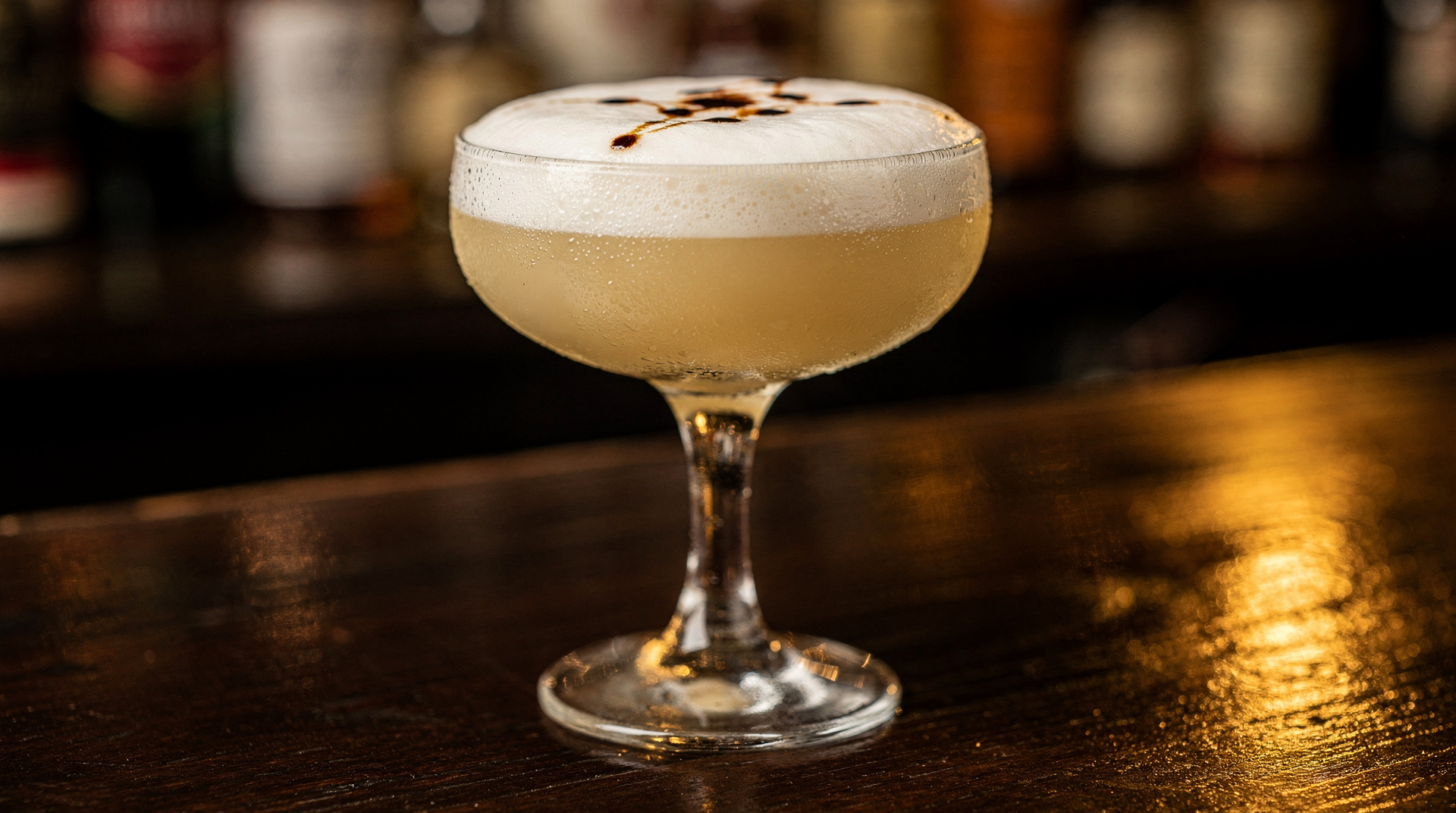
Pisco sour: Technique is the egg white — the pisco sour only gets its characteristic foam if the egg white is added first and shaken dry before the pisco, lime and syrup are added. Most bars get this right; most home cooks do not. Learning the correct sequence once fixes the problem permanently.
Taking the recipes home
Most classes send participants away with a printed or digital recipe card covering the dishes made that day, which is genuinely useful — the ratios for ají de gallina’s sauce and the seasoning sequence for lomo saltado are easy to forget without a written reference.
Sourcing ají amarillo paste outside Peru is the main obstacle to recreating the dishes at home; it freezes well if you want to bring a jar back in checked luggage (check your destination country’s food import rules first), and reasonable substitutes using red bell pepper and a touch of cayenne exist if fresh or frozen ají amarillo isn’t available. The pisco sour technique — egg white shaken dry before the spirit goes in — travels perfectly regardless of where you are, since the only ingredient you actually need to source specially is the pisco itself.
Choosing a class: practical criteria
Group size: Classes of four to eight work well — enough to share work, small enough for the instructor to give individual attention. Classes above twelve become demonstration-only rather than hands-on. Ask before booking.
Language: All reputable Cusco cooking classes operate in English; most also offer Spanish instruction. Bilingual classes where the group is mixed language can lose time on translation. If your group is all English-speaking, a dedicated English class is faster.
Kitchen location: The teaching kitchen matters. A clean, well-equipped domestic kitchen with a gas hob capable of high heat is what you want. Some classes run in converted community spaces with electric hobs that cannot reach the temperatures needed for proper lomo saltado. It is worth asking.
What is included: Confirm whether the price includes the market tour, all ingredients, the shared meal, and the pisco sour. The cheapest-looking classes sometimes charge separately for the meal or the market entry.
Cusco cooking classes and altitude
One practical note that is rarely mentioned in booking descriptions: cooking on the first day in Cusco, when many visitors are managing altitude symptoms, is rarely a good idea. The smell of chilli being cooked at altitude can be intense; moving around a busy market on a fragile stomach is unpleasant. If you are acclimatising on day one, book the class for day two or three.
The altitude acclimatisation guide covers the first 24 hours in detail. Most visitors are eating normally and feeling capable by day two, which is the right time to do an active half-day activity involving cooking and tasting.
After the class
A cooking class is a natural entry point into Cusco’s food scene. Once you understand how lomo saltado is supposed to taste when made correctly, you will be a more critical and better-rewarded restaurant visitor. The best restaurants in Cusco guide recommends where to compare your class experience against a professional kitchen’s version — and the gap is sometimes smaller than you expect.
The San Pedro market food guide covers the market in more depth if you want to return and eat there independently after the class. The experience of eating anticuchos at the market grill after you have spent a morning cooking in a Cusco kitchen is a pleasingly complete loop.
What a good cooking class teaches you about the city
The knowledge you gain in a cooking class extends further than the recipes. Understanding the ingredients — what ají amarillo tastes like raw versus cooked out in oil, what papa amarilla’s dense buttery flesh looks like before it is mashed into a causa, how quinoa grains behave in a hot broth — gives you a reference point that transforms your experience of Cusco’s markets and restaurants.
Visitors who arrive at San Pedro market having already spent a morning in a teaching kitchen recognise what they are looking at at the produce stalls. The native potato varieties are no longer an undifferentiated pile of unfamiliar root vegetables; they are ingredients you have handled, cooked and tasted. The chilli stalls are not a bewildering range of similar-looking peppers; they are the ají amarillo you put in the lomo saltado and the ají panca you might use in a stew.
This contextual knowledge pays forward for the rest of your trip. At restaurants, you will know what properly seasoned ají de gallina tastes like and whether what you are served meets that standard. At market food stalls you will know which dishes you want to try and roughly what they should cost. At souvenir stalls, when someone tells you that a product is made from locally sourced Andean ingredients, you will have enough kitchen experience to ask the right questions.
Cooking classes and the food scene together
The three-hour and half-day class formats work best as part of a broader engagement with Cusco’s food culture. The ideal sequence for a visitor spending three days in the city:
Day two morning: Market visit and cooking class. This covers San Pedro market in context and gives you a full morning of hands-on food experience. By midday you have eaten three Peruvian dishes you cooked yourself and had a guided introduction to Andean ingredients.
Day two evening: Cicciolina or Chicha for dinner. Now you eat professionally made versions of the same or similar dishes and can make comparisons. The gap in technique and ingredient quality between a good restaurant and a teaching kitchen is informative.
Day three: San Pedro market independently for breakfast anticuchos and fresh juice, using the navigation knowledge from the class.
The ceviche and peruvian dishes guide provides deeper reading on the individual dishes before or after the class. The pisco sour guide explains the altitude consideration for the cocktail you will make at the end of the session.
Cusco’s cooking classes cost less than a restaurant dinner, teach skills you will use and provide three to four hours of genuine engagement with the city’s food culture. At that price-to-value ratio, they are one of the easier activity decisions to make.
A quick comparison of the three formats
| Format | Time | Price (approx.) | Market included | Dishes |
|---|---|---|---|---|
| Market tour + full class | 3–4 hrs | S/130–165 | Yes, 40–60 min | 3–4 dishes + pisco sour |
| Market + shorter class | 2–3 hrs | S/110–140 | Yes, briefer | 2 dishes + pisco sour |
| Kitchen-only class | 2–3 hrs | S/100–130 | No | 2 dishes + pisco sour |
Fitting a class into your wider plans
A cooking class is easiest to place when you already know how long you are staying. If you are still deciding, the how many days in Cusco guide helps you see where a slow, indoor morning fits between the bigger outings. It works particularly well after an early start elsewhere, or on a day when the weather turns and open-air plans lose their appeal.
Travellers watching their spending will find that a class is one of the more predictable costs in town, since the price usually covers ingredients and a full meal. The Cusco on a budget guide shows how to balance one paid food experience against cheaper market meals and simple lunches.
If your body is still adjusting to the height, read the Cusco acclimatization plan before choosing your date, and keep the coca tea and altitude remedies guide in mind for the morning of the class. A light breakfast and plenty of water make the tasting at the end far more enjoyable.
Finally, if the class leaves you curious about the more traditional end of highland cooking, the cuy and Andean food guide goes into the dishes that rarely appear in a beginner’s curriculum, and gives you a sense of what to look for once you start eating independently.
Dietary requirements and substitutions
Most Cusco cooking classes are used to accommodating vegetarian requests — ají de gallina can be made with mushrooms or hearts of palm instead of chicken, and lomo saltado adapts reasonably well to seitan or extra vegetables, though the texture contrast is different from the beef version. Vegan requests are workable but usually mean skipping the evaporated milk in ají de gallina sauce, which changes the dish more noticeably; ask what substitution the kitchen actually uses rather than assuming it will taste the same.
Gluten-free is straightforward since none of the core dishes rely on wheat, though be specific about soy sauce (which typically contains wheat) if that matters to you. Flag dietary needs when booking rather than on arrival — a good instructor will adjust the shopping list, but only if they know in advance.
Booking timing and group considerations
Classes fill up fastest in the June–August dry season, when Cusco is at peak capacity across every activity. Booking two to three days ahead is usually enough outside peak months, but during July and August, a week’s notice is safer if you have a specific date in mind. If you’re travelling as a couple or solo, ask whether the class is a private session or joins a mixed group — mixed groups of four to eight are the norm and are genuinely more fun, giving you people to compare notes with over the shared meal at the end. Private sessions cost more but suit anyone wanting a slower pace or a very specific dietary conversation with the instructor.
Frequently asked questions about Cusco cooking classes compared: which one is worth booking?
How long does a Cusco cooking class last?
What dishes do I learn to cook?
Do I need any cooking experience?
Is the market tour part of every cooking class?
When should I book a cooking class?
Top experiences
Bookable activities with verified prices and instant confirmation on GetYourGuide.