Best restaurants in Cusco: an honest guide for 2026
Cusco: Peruvian Cooking Class & Market Tour
Where should I eat in Cusco?
For the best overall experience: Cicciolina (mid-range, very reliable), Chicha on Plaza Regocijo (contemporary Andean), MAP Café (special occasion). For budget eating: San Pedro market lunch stalls (S/8–12), or the set-lunch restaurants on streets away from the Plaza. Avoid the S/20 tourist menus on the main square — they are consistently bad.
The honest picture of eating in Cusco
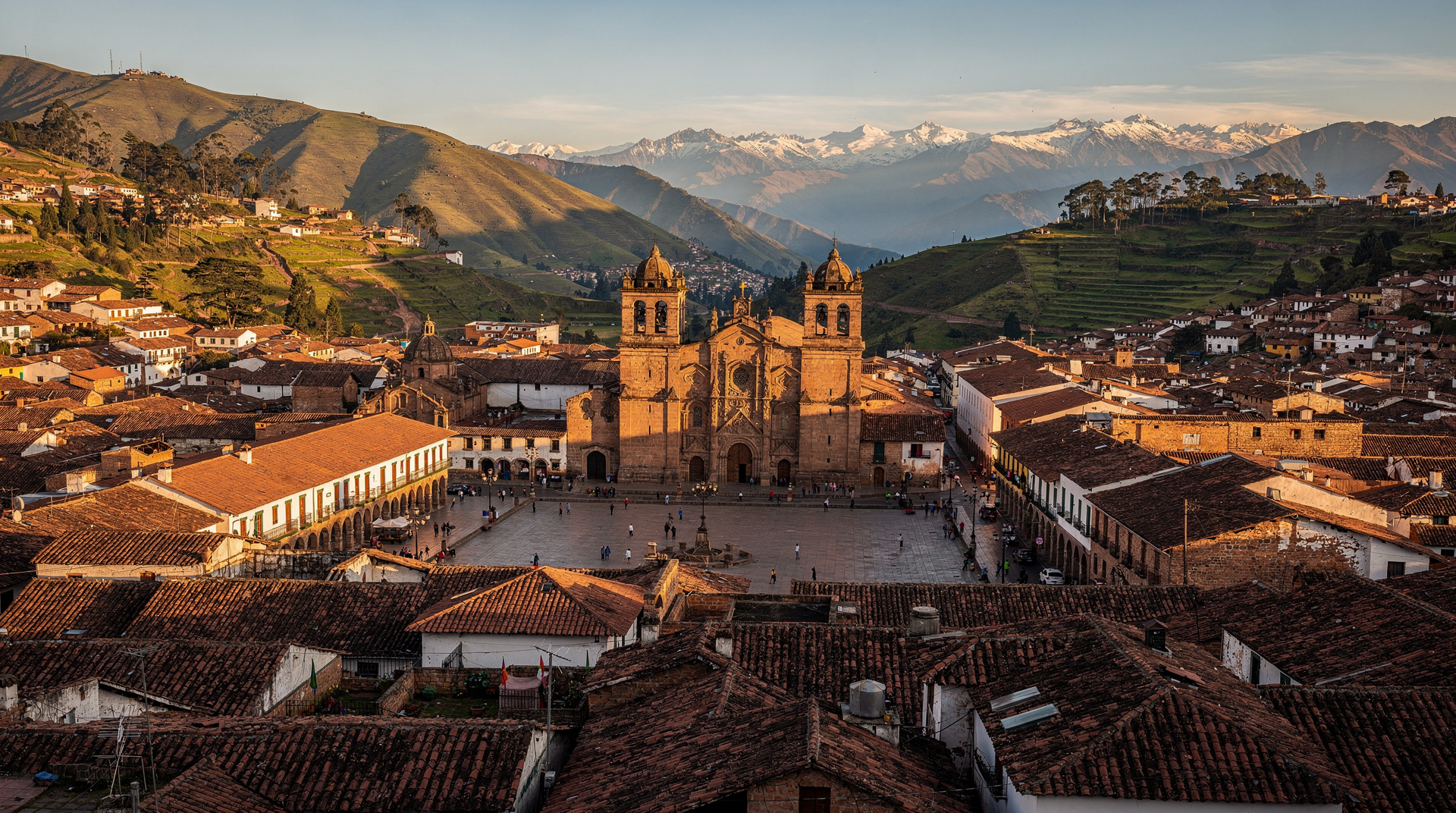
Cusco has two distinct food scenes operating simultaneously in the same streets. The first is the tourist-facing circuit of restaurants around the Plaza de Armas and Calle Procuradores that sell expensive, mediocre food to travellers who have not figured out where else to go. The second is the genuine Cusco food scene — the market lunch stalls, the neighbourhood huariques, the mid-range places where chefs are cooking properly, the handful of restaurants that have built reputations on merit rather than location. The gap between these two circuits in terms of quality and price is large enough to matter.
This guide covers the second category. It does not pretend to be comprehensive — restaurants open and close, chefs change — but the recommendations below have been consistent enough over time to be reliable starting points.
| Budget | S/5–15 (market stalls, set lunches) |
| Mid-range | S/30–80 per person (Cicciolina, Chicha, Green Point) |
| Special occasion | S/80–150 per person (MAP Café, Pachapapa) |
| Best area | San Blas and streets off Plaza de Armas |
| Avoid | S/20 tourist menus directly on the Plaza |
Market and street food: S/5–15
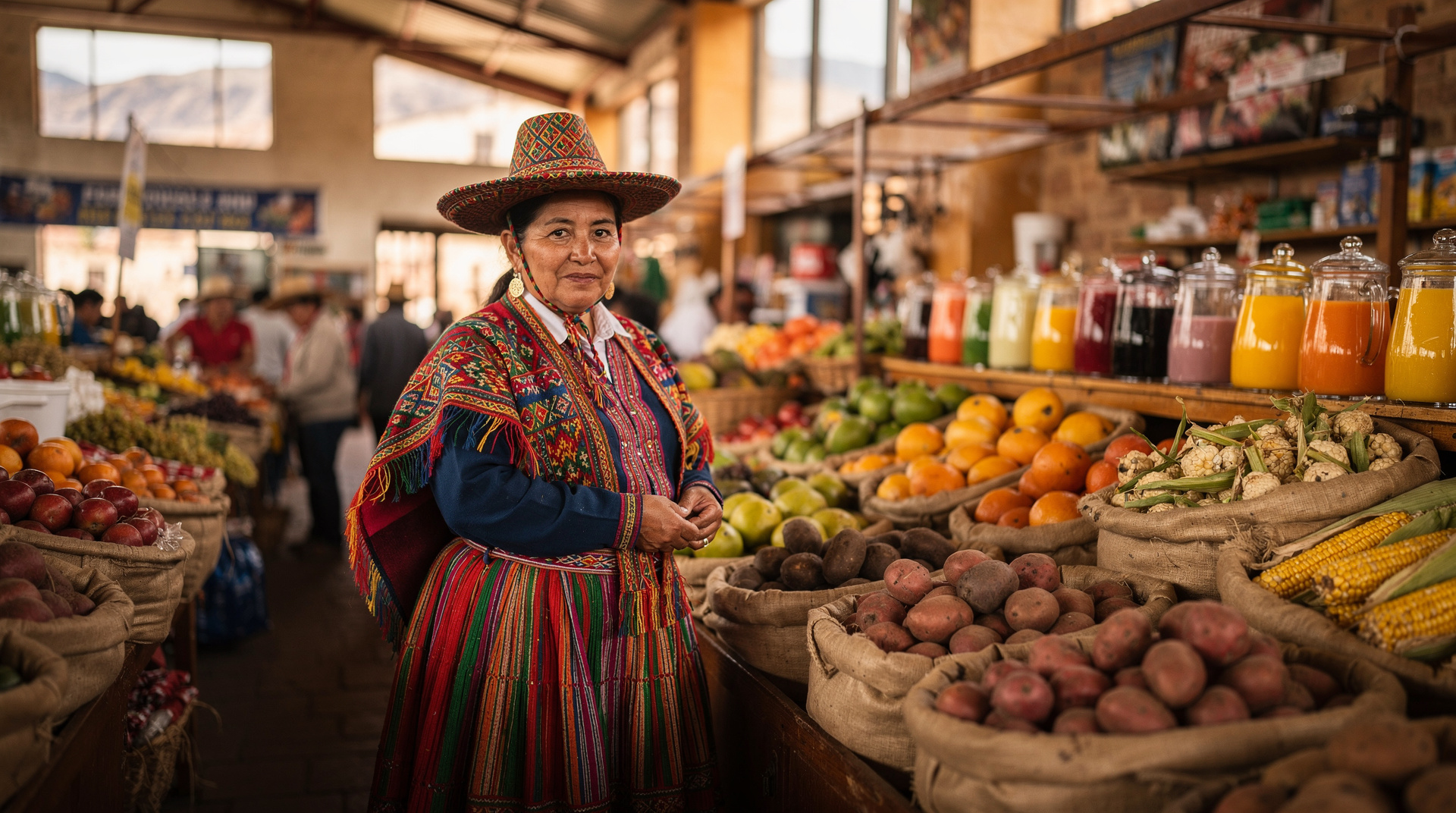
San Pedro market food stalls are the best cheap eating in Cusco. The prepared food section offers caldo de gallina (hen broth) for S/5–8, anticuchos (grilled beef heart) for S/5–8 per skewer, two-course set lunches for S/8–12 and fresh juices for S/2–3. None of these require advance knowledge or language — point at what you want, pay what the person next to you pays, eat well.
For the most efficient introduction to the market’s food section, a guided market tour and cooking class walks you through the stalls with explanation before moving to a kitchen. The San Pedro market food guide covers the navigation in detail if you prefer to explore independently.
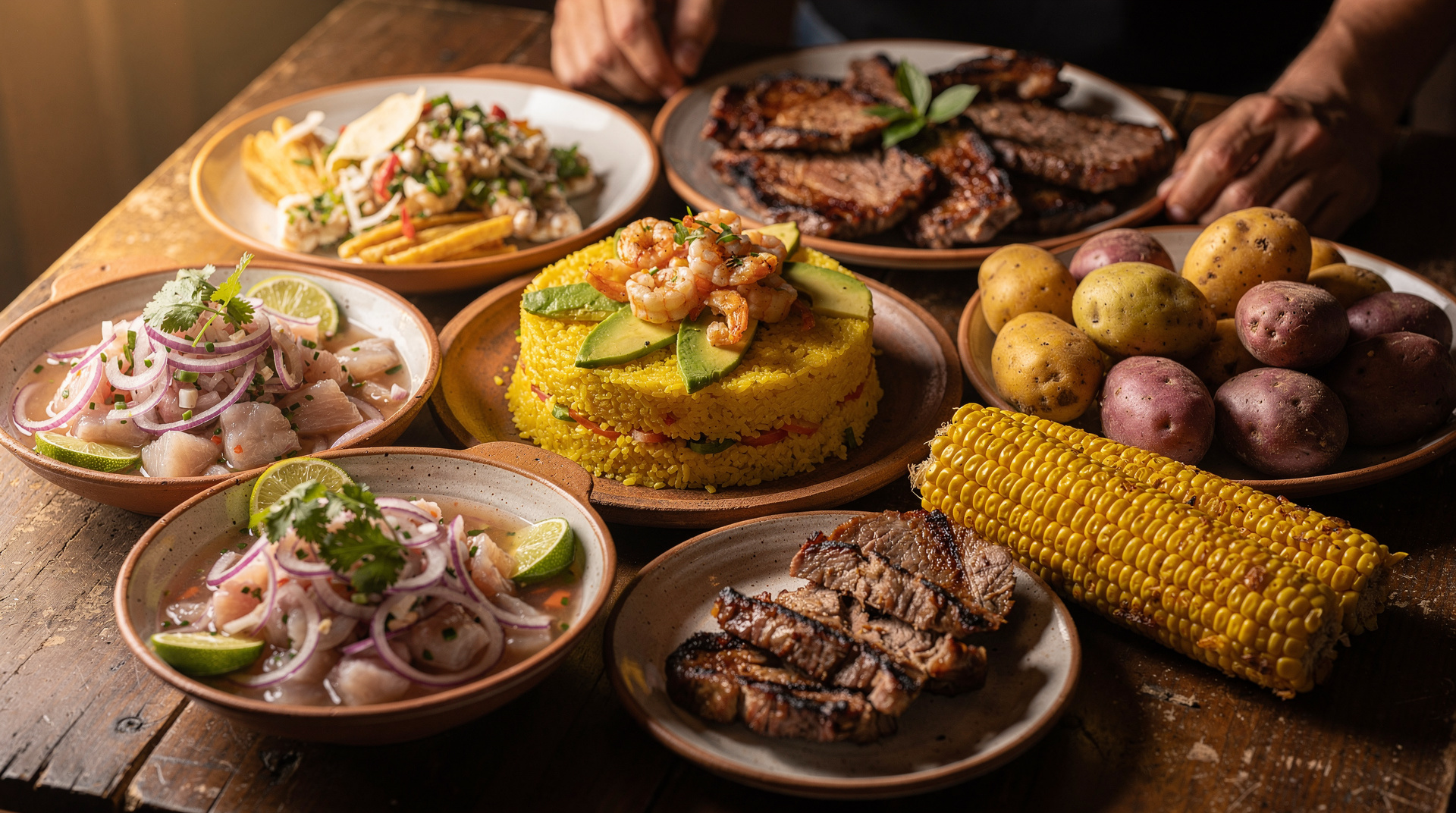
Set lunch restaurants on Calle Amargura and side streets: These operate as lunch-only establishments, opening at noon and running until the food is sold (usually 2–3pm). A chalkboard lists the day’s two or three options; the format is soup plus a second course with rice for S/10–15. The cooking is honest home-style Peruvian: stewed beef, grilled chicken, a rotating vegetable guiso, quinoa soup to start. These are not exciting in the way a contemporary restaurant is exciting — they are good in the way your best regular lunch spot is good: reliable, filling, honest.
Mid-range: S/30–80 per person
Cicciolina
Address: Calle Triunfo 393, second floor (staircase off the street, easy to miss — look for the sign and the narrow door).
Cicciolina is the most consistent restaurant in Cusco for visitors spending three nights and wanting one reliable dinner out. The format is a short menu combining Italian culinary technique with excellent Peruvian ingredients — the kitchen sources alpaca, trout, native potatoes and Andean herbs and applies European cooking methods that respect rather than obscure them.
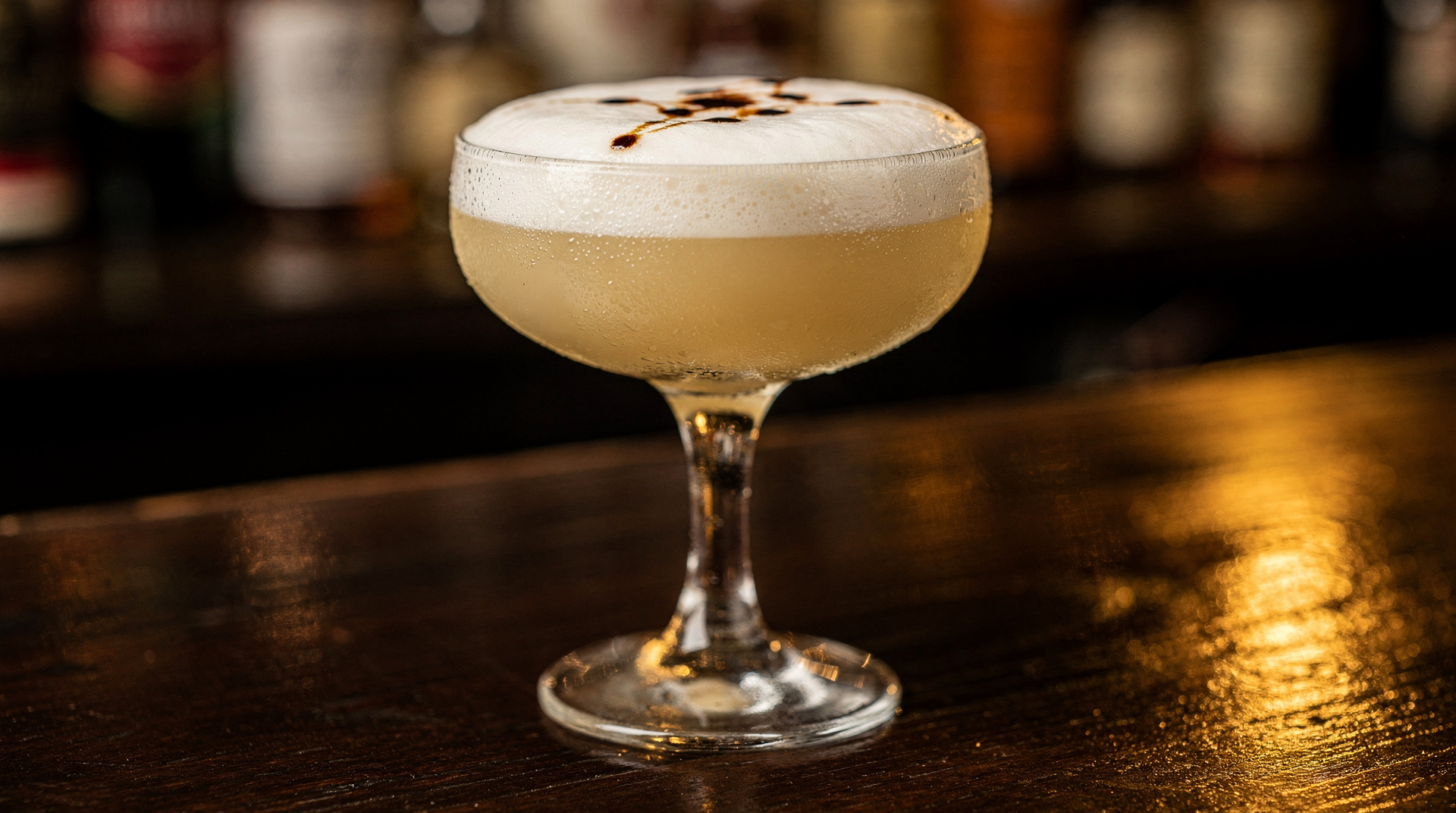
The alpaca carpaccio is precise and well-seasoned. The pasta dishes rotate and have been consistently better than tourist restaurants in this price range charge for them. The wine list is reasonable for Peru (domestic wines are variable; Chilean and Argentine imports are more reliable). The bar serves one of the best pisco sours in the city.
Mains: S/55–90. Two courses with a glass of wine: S/100–130 per person. Book for dinner in June–August; lunch walk-ins are usually possible.
Honest note: Cicciolina prices itself above equivalent cooking in other Peruvian cities. The setting (a converted colonial building, second-floor dining room with wooden beams and stone walls) and the consistency of execution justify this. If you are on a strict budget, lunch here is more accessible than dinner.
Chicha
Address: Plaza Regocijo 261.
Gastón Acurio’s Cusco restaurant chain is the most commercially successful expression of contemporary Andean cooking at the mid-range price point. The food is better than it needs to be for a branded chain — the lomo saltado is made with a properly hot wok and decent beef, the ají de gallina sauce is correctly textured, and the Andean causa starters are more carefully assembled than at most competitors.
The dinner menu is stronger than the lunch menu; the lunch set (S/45–65 for two courses) is the better value. The space is well-managed, the service professional, and the menu changes seasonally to reflect what is genuinely fresh.
Honest note: Chicha benefits from the Acurio brand association more than from exceptional individual cooking. It is a very good chain restaurant in the way that a very good chain restaurant can be — consistent, well-managed, never quite transcendent. For Cusco’s mid-range tier it is among the better options.
Green Point
Address: Calle Heladeros 149.
The best vegetarian restaurant in Cusco and one of the most reliable budget-mid options for any visitor. Green Point operates a lunch menu of S/20–35 covering quinoa dishes, vegetable stews, stuffed peppers and fresh salads. The kitchen takes the native grain and tuber tradition seriously rather than producing generic “healthy” food.
Useful for: vegetarians and vegans (the vegan options are clearly marked); anyone whose altitude-reduced appetite needs lighter food; a compensatory meal after too much market anticucho. Open for lunch and early dinner.
Special occasion: S/80–150 per person
MAP Café
Address: Inside the Museo de Arte Precolombino, Plazoleta Nazarenas 231.
The setting is extraordinary: a glass-walled restaurant inside the courtyard of a 17th-century colonial mansion that now houses one of the finest pre-Columbian art collections in Peru. Tables look into the courtyard and toward the softly lit display cases. The museum admission is separate from the restaurant and worth combining with a dinner reservation.
The cooking is accomplished Peruvian-contemporary — not as formally ambitious as the Lima institutions that have defined the category, but significantly better than anything else in Cusco at this price point. The menu changes seasonally and includes Andean ingredients cooked with French-influenced technique: a native potato preparation that works as a refined starter, main courses built around trout, alpaca and highland vegetables.
Mains: S/70–110. A full dinner with wine: S/150–200 per person. The value is in the setting as much as the plate — dining inside a museum-quality space with pre-Columbian gold pieces visible through the glass is a Cusco-specific experience that cannot be replicated anywhere else.
Book at least two days in advance in peak season. Confirm the museum’s opening hours separately if you plan to visit before dinner.
Pachapapa
Address: Plazoleta San Blas 120.
The San Blas neighbourhood’s most recognised traditional restaurant. Pachapapa occupies a stone courtyard and serves traditional Andean food — cuy roasted to order, alpaca steak, chicharrón, corn-based dishes — in a setting that is authentic without being uncomfortable. It is more tourist-facing than the market alternatives but priced more honestly than the Plaza de Armas restaurants.
A whole roasted cuy (ordered at least 15–20 minutes in advance) costs S/55–70 and is reliably well-executed. The alpaca steak is consistent. Service is efficient without being rushed.
Honest note: The Cusco destination guide notes Pachapapa as “mixed reviews and overpriced” — this is slightly unfair. The prices are fair for the location and quality. “Mixed reviews” reflects the fact that it is a genuinely tourist-facing restaurant in a tourist neighbourhood; expectations vary. For a sit-down traditional cuy experience in a more atmospheric setting than a market, it is the right choice.
What to avoid
The S/20 tourist menus on the Plaza de Armas and Calle Procuradores: These boards — offering three courses and a pisco sour for S/20 — are a consistently bad deal. The ingredients are inferior (frozen imported beef, instant potato, farmed salmon in a city that has excellent native trout), the cooking is rushed, and the pisco sour is sometimes made with an inferior spirit. No reputable Cusco restaurant operates at this price point. If you see a tourist menu with photographs on the outside of the restaurant, proceed to the next street.
Restaurant scouts: Men and women on the tourist streets near the Plaza who direct you toward a specific restaurant receive a commission. The restaurants they recommend are those with the largest commissions, not the best food. Follow a recommendation from another traveller or a guide before following a street tout.
“Alpaca” without verification: A number of tourist restaurants in Cusco serve beef or veal labelled as alpaca, which is a direct fraud. The tell: genuine alpaca steak is very lean and dark, closer to venison in colour than beef. If your “alpaca” steak looks like a pale sirloin, it is not alpaca. The reputable restaurants (Cicciolina, MAP Café, Chicha, Pachapapa) source what they say they source.
Eating with children and managing altitude and appetite
A practical note for family visitors and for anyone whose appetite is affected by altitude: Cusco’s food culture is not uniformly manageable for younger children or for people whose stomach is adjusting to 3,400 m. Lomo saltado is generally child-friendly once you confirm the chilli level; ají de gallina is mild enough for most palates. Cuy and other whole-animal presentations will test some children and some adults. The market has plenty of plain options: boiled potato, corn, fresh cheese, bread, fresh juice.
The altitude’s effect on appetite is real — many visitors find their appetite is reduced in the first 24 hours and recovers by day two. Eating lightly on day one is genuinely the right call: quinoa soup, mild broth, plain carbohydrates. Forcing a full restaurant meal on arrival night when altitude has reduced your appetite and disrupted your digestion is unnecessary discomfort. By day two you will be eating normally.
For vegetarians and vegans, see the Green Point entry above — but also note that the market is excellent for plant-based eating. The Andean food tradition is grain- and tuber-heavy; quinoa soup, corn preparations and fresh vegetables are widely available. Vegan options at mid-range restaurants are limited but improving.
The broader drinking context
Cusco’s bar scene is smaller and simpler than Lima’s, but several bars serve drinks well enough to be worth mentioning. The bar at Cicciolina makes one of the best pisco sours in the city. Museo del Pisco on Calle Santa Catalina Ancha is dedicated specifically to pisco — it serves multiple varieties alongside cocktails and has an educational approach that includes tasting notes and comparative options. Several small bars in San Blas serve decent pisco sours for S/18–25 in a more casual atmosphere.
Chicha de jora — the traditional Andean fermented maize beer — is available at some traditional restaurants and at festival events. It is mildly alcoholic, cloudy and slightly sour. Drinking it in a traditional context (from a shared vessel at a festival, with a Quechua-speaking host) is a genuinely different experience from the tourist-restaurant presentation; if the opportunity arises, take it. Chicha morada (the non-alcoholic purple maize drink) is the standard table drink at every level of restaurant and should be ordered wherever you sit down — see the pisco sour guide for the full drinks picture, including the critical altitude warning about alcohol.
Putting it together: a three-day eating plan
Day one (altitude recovery): Market caldo for breakfast, a light set lunch at a local restaurant (quinoa soup and grilled chicken), dinner at Green Point. No alcohol.
Day two (cooking and eating): Book a market and cooking class for the morning — this covers breakfast and lunch. In the evening, dinner at Cicciolina with a pisco sour at the bar. One is enough at this altitude.
Day three (traditional and special): Market anticuchos for breakfast. Lunch at Pachapapa for cuy (allow 20 minutes lead time for the roasting). Evening at MAP Café for a special-occasion dinner.
The peruvian food guide covers the context behind all these dishes. The pisco sour guide explains the altitude-and-alcohol relationship that makes the evening’s single pisco sour the wise choice.
Cusco eats well. The effort required to find good food here is lower than in most Peruvian cities — the concentration of quality at all price points is unusual. The main mistake is eating in the wrong places because they are convenient. This guide exists to prevent that.
Coffee and breakfast in Cusco
Cusco’s breakfast scene is smaller than its dinner scene but improving steadily. Most hotels serve a standard continental breakfast (bread, eggs, fruit, coffee), which is fine for an early departure day but not worth going out of your way for. For a proper coffee, La Bodega 138 near the Plaza and several small specialty cafés in San Blas serve genuinely good Peruvian single-origin coffee — Peru grows excellent beans that rarely make it into hotel breakfast buffets. Expect S/8–15 for a proper flat white or pour-over.
For a heartier breakfast before a long day trip, the market’s caldo de gallina (hen broth, S/5–8) is the local choice — warming, filling, and considered a genuine hangover and altitude remedy by locals. It is a better pre-dawn Rainbow Mountain breakfast than a hotel pastry.
Fitting meals around your Cusco days
Good eating in Cusco works best when it follows the shape of your sightseeing rather than fighting it. Early departures for the mountains or the ruins mean a market breakfast and a packed lunch; the evenings are when the sit-down restaurants earn their place. If you are still deciding how long to stay, the how many days in Cusco guide helps you see how many dinners you actually have to plan, and the Cusco 3-day short itinerary shows where a long lunch fits between the major sights.
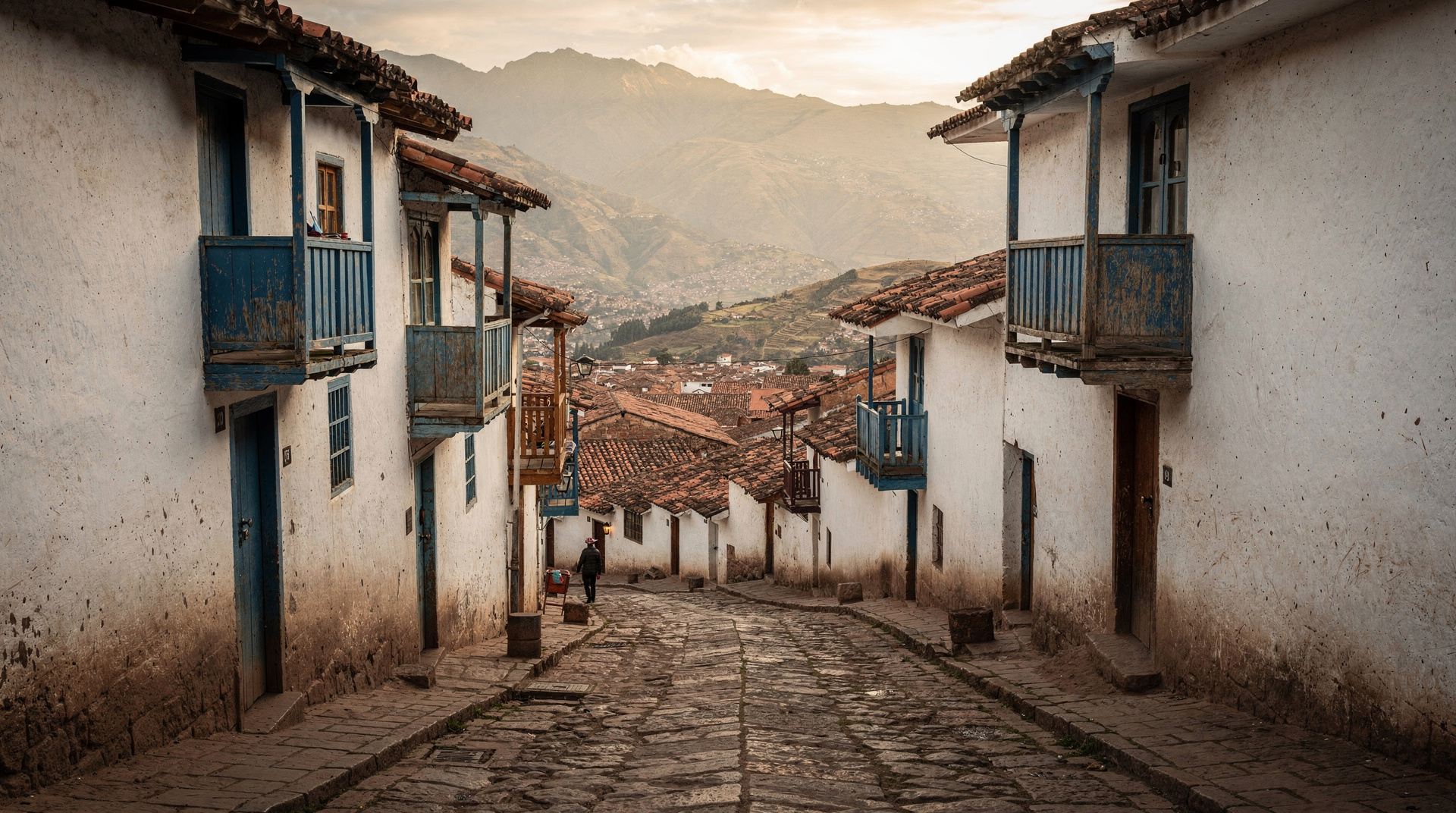
Staying near the centre makes the restaurants in this guide easy to reach on foot. The historic centre of Cusco packs most of the recommended addresses into a few steep streets, and the walk from the Plaza de Armas to San Blas is an enjoyable after-dinner stroll, though the hills feel longer than they look on the map. Take it slowly, especially in your first days; the Cusco acclimatization plan explains how to pace yourself, and the coca tea and altitude remedies guide covers the warm drinks that many visitors reach for at the end of a meal.
Eating well also connects to the wider region. If you are heading to the Sacred Valley after Cusco, the Sacred Valley complete guide helps you plan meals there, and the Cusco on a budget guide shows how the market and set-lunch habits described above can stretch a tight daily spend without sacrificing a proper dinner now and then. For a deeper look at how Peruvian cooking fits together, the Cuy and Andean food guide is a natural companion before you order your first roasted guinea pig, and the Cusco cooking classes compared guide helps you choose between formats if you want to learn the dishes yourself.
Frequently asked questions about Best restaurants in Cusco: an honest guide for 2026
Are there good vegetarian restaurants in Cusco?
What is the best time for lunch in Cusco?
How do I find good local restaurants away from tourist areas?
Is it worth booking in advance?
Which restaurants are worth the price premium?
Top experiences
Bookable activities with verified prices and instant confirmation on GetYourGuide.