The pisco sour: Peru's national cocktail explained
Cusco: 3-Hour Peruvian Cooking Class
What is the pisco sour?
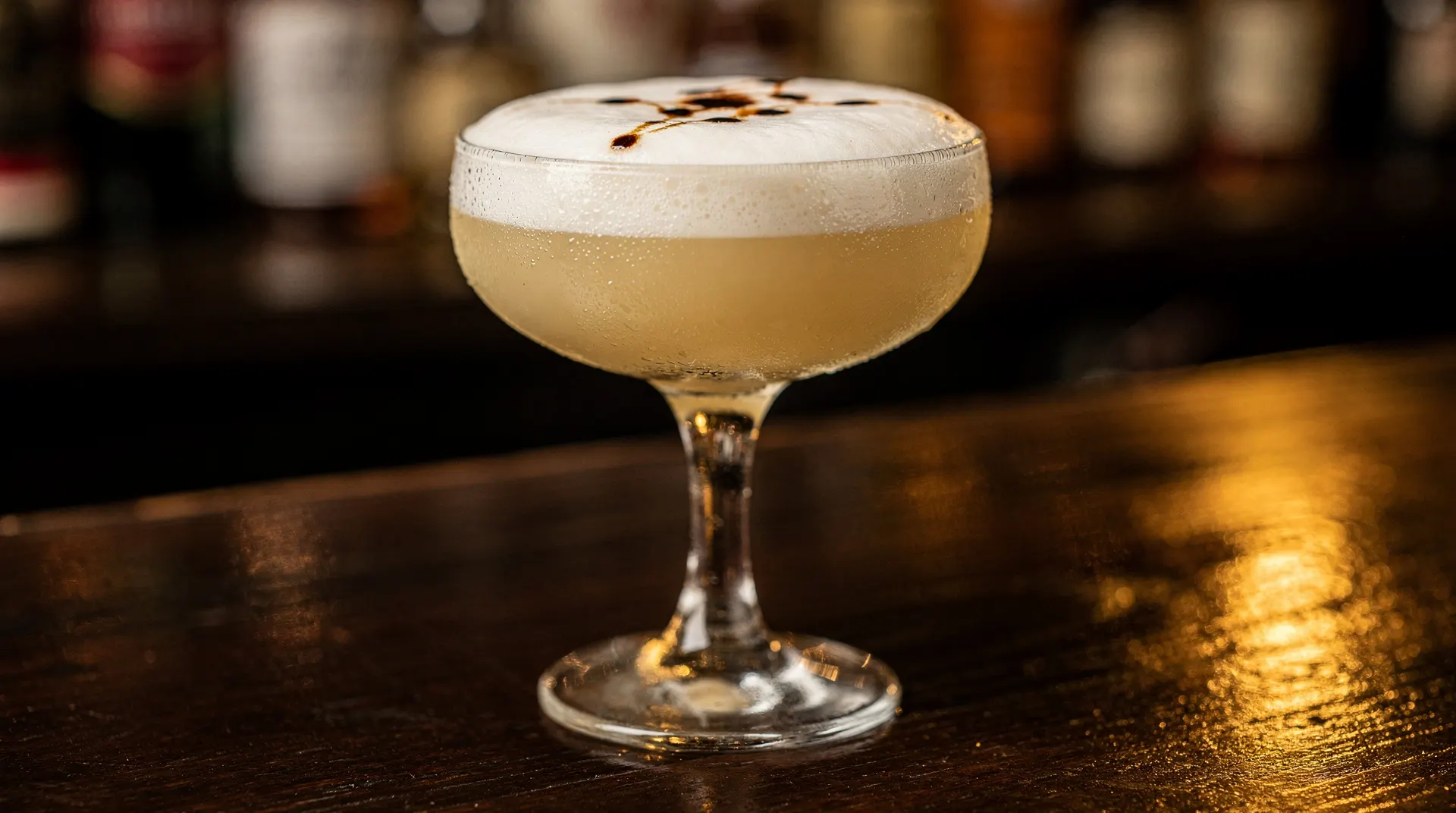
The pisco sour is Peru's national cocktail: pisco (a grape brandy distilled without ageing in oak), fresh lime juice, syrup, egg white for foam and a few drops of Angostura bitters. It is drunk at every price point across Cusco — from S/15 at a market-adjacent bar to S/45 at a rooftop venue. One note: alcohol hits harder at altitude, so drink slightly less than you would at sea level.
Peru’s drink, not just a cocktail menu item
The pisco sour is Peru’s national cocktail by presidential decree (a distinction that reflects how seriously Peruvians take it). It is consumed across every social class, at every hour of day that a Peruvian considers appropriate for drinking, and at every price point from neighbourhood bar to world-class restaurant. Understanding it means understanding something real about contemporary Peruvian culture, which has made the rehabilitation and celebration of the pisco industry into a genuinely national project over the past thirty years.
| Where | Any bar or restaurant in Cusco, from San Blas to Plaza de Armas |
| Cost | S/15–25 informal bars; S/28–45 mid-range; S/30–45 Museo del Pisco |
| Time needed | One drink, or a full tasting flight (~30–45 min) |
| Getting there | Walkable across the historic centre and San Blas |
| Best time | Early evening; go easy on day one or two at altitude |
Cusco is not the cocktail capital of Peru — that is Lima, where the bartending culture is world-class. But every restaurant and bar in Cusco worth visiting serves a pisco sour, and several serve it very well. This guide explains the drink, the spirit, the technique and where to find the best version in the city.
A pisco sour also fits naturally into a wider day of eating and drinking. If you are building your first days around the historic center of Cusco, the drink slots in easily after a visit to the Qorikancha or a walk up through the lanes toward the viewpoints. For the bigger picture of how the city works as a base, the Cusco trip planning guide is the place to start.
What is pisco?
Pisco is a clear grape brandy produced in five coastal regions of Peru: Ica, Lima (southern valleys), Arequipa, Moquegua and Tacna. The legal definition under Peruvian Denominación de Origen rules is specific: the grape must be one of eight varieties (Quebranta, Negra Criolla, Mollar, Uvina, Albilla, Moscatel, Italia or Torontel); distillation must be in pot stills or hybrid stills (not continuous column stills); the distillate must be brought to its final proof during distillation rather than by subsequent water addition; and no ageing in wood is permitted, which keeps the spirit clear.
The result is a spirit that retains the aromatic character of the grape more directly than a wood-aged brandy, and that varies considerably depending on the grape variety:
Quebranta: Non-aromatic grape producing a full-bodied, neutral spirit with earthy and slightly herbaceous notes. This is the backbone of most pisco sours — its neutrality lets the lime and egg white character of the cocktail come through without grape aromatics competing.
Acholado: A blend of aromatic and non-aromatic varieties. More complex on the nose, slightly floral. Common in cocktails and in straight drinking.
Mosto verde: Made from partially fermented grape must (the fermentation is interrupted before all sugar converts to alcohol), then distilled. The resulting spirit retains residual sugars and aromatics that give it a richer, sweeter, more complex character. Best drunk straight rather than in cocktails — the complexity is worth not mixing. More expensive: S/80–150 for a bottle.
Aromatic varieties (Italia, Moscatel, Torontel): Highly perfumed spirits with strong grape-varietal character. Drunk straight as a digestivo or in cocktails that feature them specifically. Italia pisco in a pisco sour is a legitimate option but less common than Quebranta.
The pisco sour: technique and ingredients
A correctly made pisco sour consists of:
- 60 ml pisco (Quebranta or Acholado for balance)
- 30 ml fresh lime juice (Peruvian limes are smaller, more acidic and more aromatic than most imported limes)
- 20 ml simple syrup (2:1 sugar:water)
- One fresh egg white (approximately 30 ml)
- Two to three dashes of Angostura bitters, dotted on the foam
The critical technique detail is the dry shake: egg white alone in the shaker, no ice, shaken hard for 15–20 seconds to build the foam proteins before ice and the remaining ingredients are added. Adding ice before the egg white is whipped shortens the foam structure. Bars that do not dry-shake produce a pisco sour with a flat, watery surface and none of the characteristic stiff white foam that the drink should have.
After the dry shake, ice is added with the pisco, lime and syrup; the whole shaker is shaken again for 10 seconds; the drink is strained into a chilled coupe or old-fashioned glass; the bitters are dotted on the surface using a dropper or the bottle’s dash top.
A correctly made pisco sour should be: sour-forward with pronounced lime, balanced sweetness, a stiff foam that holds the bitters drops without sinking, and the grape aromatics of the pisco running underneath everything. It is a well-balanced cocktail. It should not be primarily sweet.
Variations: some bars use passion fruit (maracuyá) juice in place of lime, producing a maracuyá sour that is sweeter and tropical; others use chicha morada for a purple-hued variant. Neither is wrong; neither is a pisco sour in the traditional sense.
Altitude and the pisco sour: a genuine warning
At 3,400 m, alcohol is metabolised more slowly and absorbed more quickly. The physiological mechanism is straightforward: at altitude your blood vessels dilate to compensate for reduced oxygen availability, increasing circulation and speeding alcohol absorption. Simultaneously, your liver’s enzyme activity is slightly reduced by hypoxia. The net effect is that one drink at Cusco altitude feels like 1.3–1.5 drinks at sea level.
This is not trivial. On your first or second day in Cusco, when you may already be experiencing mild altitude symptoms (headache, mild nausea, fatigue), adding even one pisco sour can tip these symptoms into genuine discomfort. The conventional Cusco advice is: one pisco sour with lunch on day two is fine; multiple drinks on day one is a reliable way to feel unwell overnight.
On day three and beyond, when acclimatisation is largely complete, drink normally — but “normally” still means slightly less than your sea-level norm if you plan to move around the next morning. The altitude guide covers this and other adjustment strategies in detail.
If you are still settling in, the Cusco acclimatization plan explains how to pace your first days, and the guide to coca tea and altitude remedies covers what to sip instead on the evenings you decide to skip the cocktail. Some travelers also choose to sleep lower first; the comparison of Cusco altitude versus the Sacred Valley helps with that decision.
Where to drink a pisco sour in Cusco
Cicciolina bar and restaurant (Calle Triunfo 393, second floor): Has one of the best bars in Cusco. The pisco sour here is well-made — proper dry shake, house-squeezed lime, Quebranta base. S/28–35. The bar is a good size for one or two; the restaurant upstairs fills up, but bar seating is usually available.
Inka Grill (Portal de Panes 115, Plaza de Armas): On the Plaza and therefore priced accordingly. The pisco sour is competent and the location watching the Cathedral at night is hard to argue with. S/35–45. Go once.
Museo del Pisco (Calle Santa Catalina Ancha 398): Specifically dedicated to pisco education — the menu lists multiple pisco varieties with tasting notes, and the cocktail list extends beyond the sour to other pisco-based drinks. Good for learning the differences between grape varieties side by side. S/30–45.
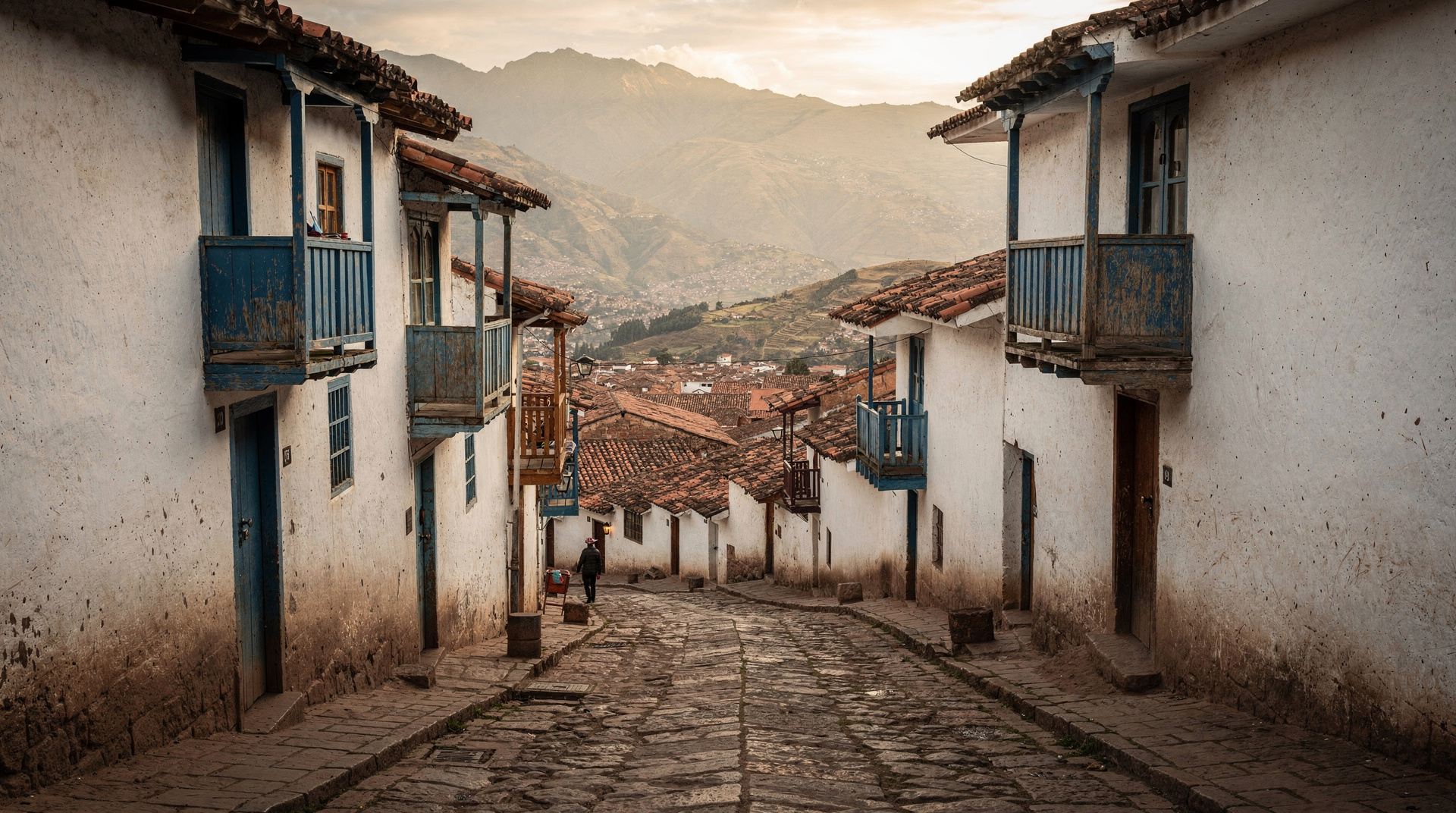
Bars in San Blas: Several small bars on the streets around San Blas neighbourhood serve pisco sours for S/18–25 in less formal settings. Quality varies but the best are as good as anywhere. Walk the streets at around 7pm and look for somewhere with a crowd of locals. The narrow alleyways here are more atmospheric than the Plaza de Armas for an early evening drink.
At a cooking class: Most Cusco cooking classes finish with a pisco sour demonstration and tasting. A three-hour cooking class typically ends with making and drinking one or two pisco sours, which gives you the technique knowledge (the correct dry shake, the lime-syrup ratio) in an immediately practical format. The cooking classes compared guide covers how the various class formats differ if you want to choose between them.
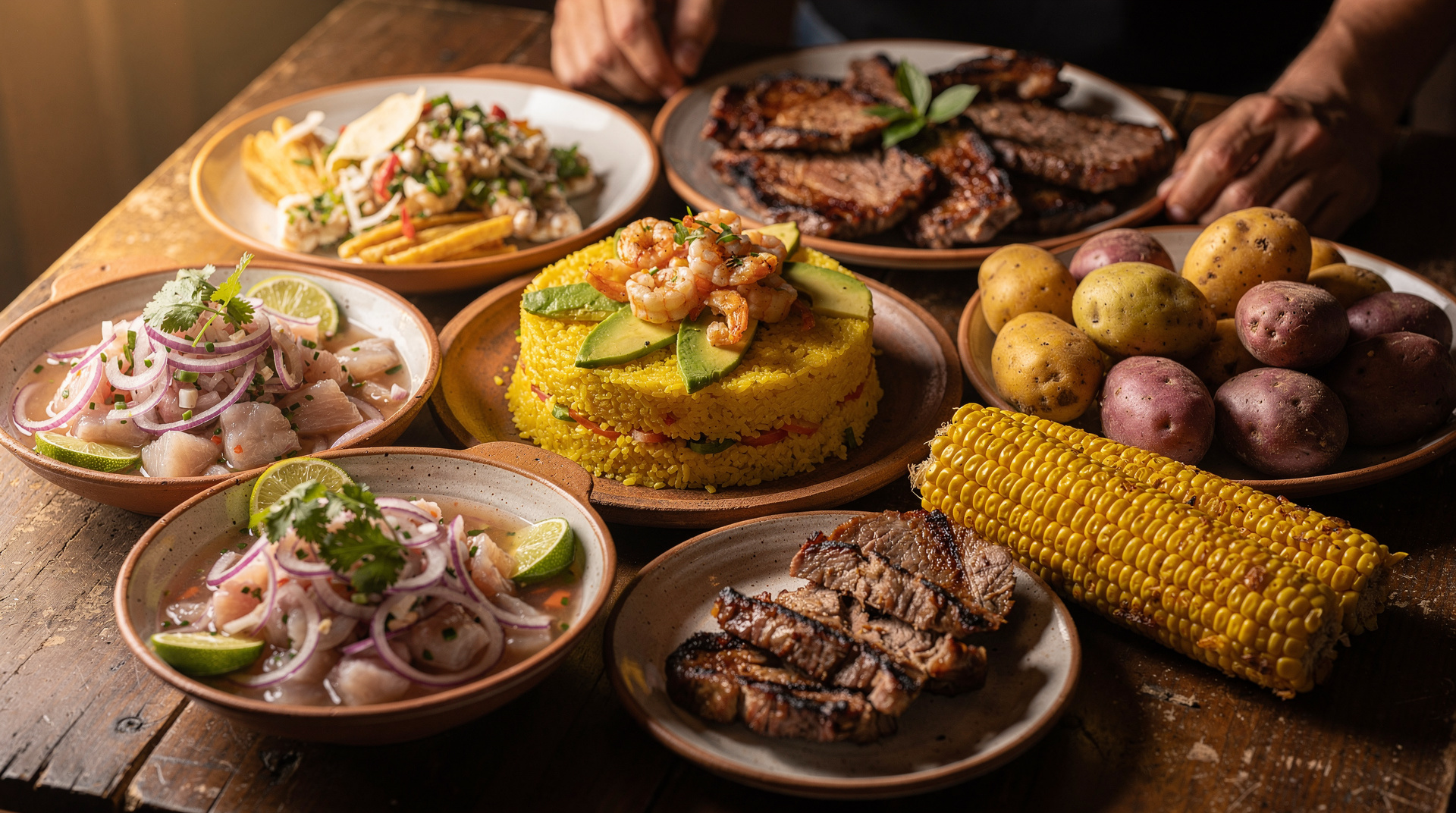
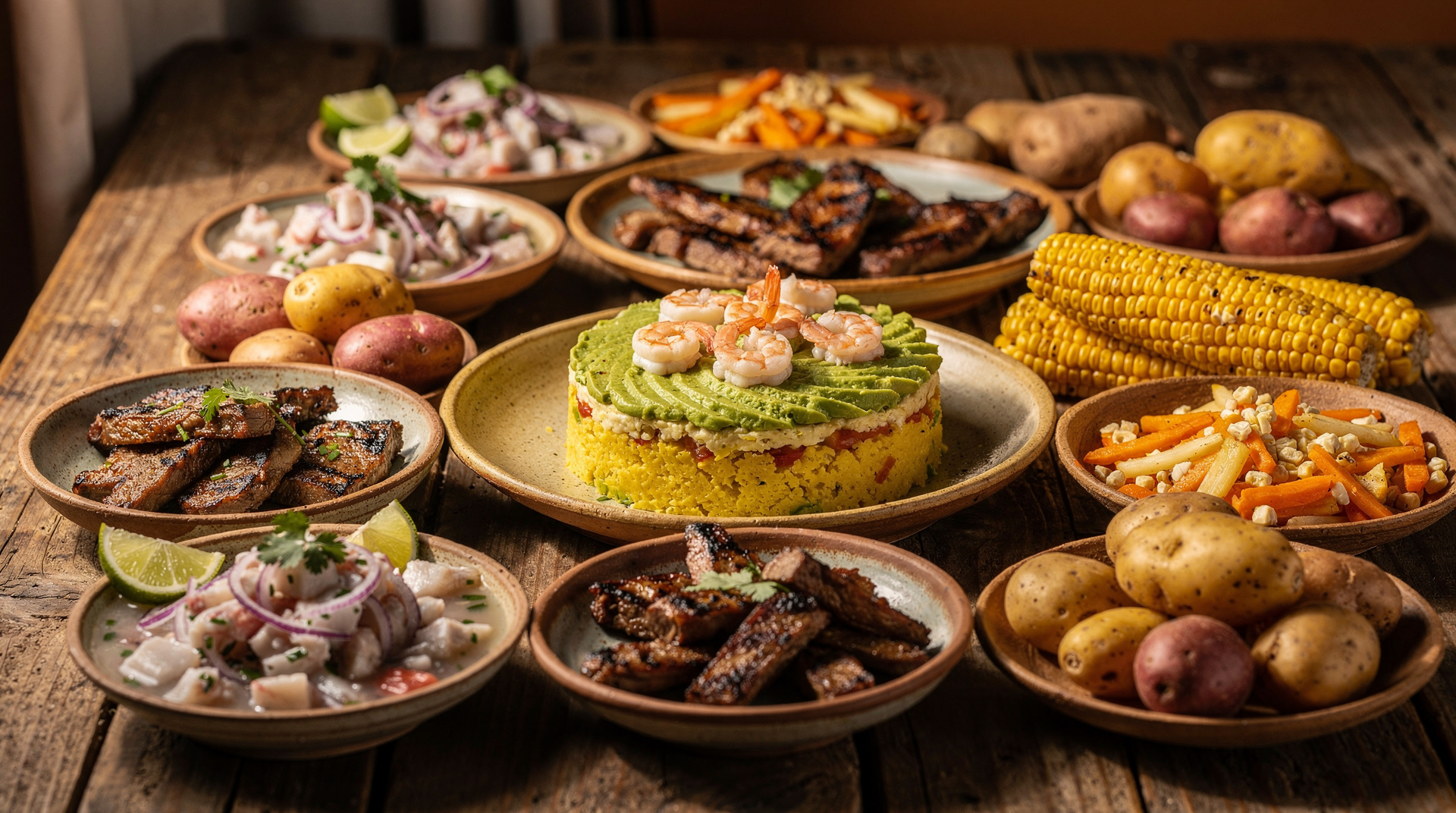
Whichever bar you choose, treat the drink as part of an evening rather than the whole plan. Pair it with dinner using the best restaurants in Cusco as a shortlist, and keep a little room for the local dishes described in the guide to cuy and Andean food and the ceviche and Peruvian dishes guide. A morning stroll through the San Pedro market is a good way to see the limes and fresh juices that sit behind the bar menus, and the San Pedro market food guide shows what to try there.
Making it at home: what changes
Replicating a Cusco pisco sour at home requires sourcing the right pisco (increasingly available in UK, US and European specialist off-licences and online) and accepting that your limes are different. Peruvian limes (limón sutil) are smaller, thinner-skinned, more aromatic and more acidic than Mexican or Persian limes available internationally. The cocktail made with non-Peruvian limes is similar but not identical — use slightly more juice to compensate for lower acidity.
Genuine Peruvian pisco is preferable to Chilean pisco for this cocktail (the undiluted character of Peruvian distillation gives more structure), but if Peruvian pisco is genuinely unavailable, a good Chilean pisco works. The distinction matters to Peruvians considerably more than it will affect the cocktail in your kitchen.
The Peru–Chile pisco dispute
There is a genuine geopolitical dispute about whether pisco is a Peruvian or Chilean product, rooted in the fact that both countries produce it, both countries have towns called Pisco, and the trade and migration history of the 19th-century Pacific coast means the exact national origin of the spirit’s development is contested.
The summary version: both countries make pisco under their own regulations; both are legitimate; they produce noticeably different products (see above); neither side concedes the original claim. The dispute surfaces most visibly on aeroplane menus (whether the listed pisco is Peruvian or Chilean is a live issue on South American airlines) and in any Peruvian bar when you ask where pisco comes from.
In Cusco, you are in Peru, and everything you drink will be Peruvian pisco. The dispute is mentioned because you will hear about it from Peruvian locals if the subject arises, and because understanding why they feel strongly about it makes the conversation more interesting than pretending the question does not exist.
Other pisco cocktails worth knowing
The pisco sour is Peru’s flagship but not the only well-made pisco cocktail in Cusco’s better bars:
Chilcano: Pisco, ginger ale, lime juice and a dash of Angostura bitters, served over ice in a tall glass. Simpler than the sour, more refreshing in warm weather, and slightly more forgiving at altitude because the ginger ale dilutes the alcohol more than the sour’s format does. The ginger also has a mild anti-nausea property that is useful if altitude has not entirely settled.
Pisco tonic: A straightforward combination gaining popularity in Cusco bars — pisco over ice with high-quality tonic water and a lime wedge. The bitter quinine character of the tonic cuts the spirit differently from lime juice alone. Less traditional than the sour but a perfectly competent drink.
Capitan: A Peruvian take on the classic Manhattan format — pisco stirred with sweet vermouth and Angostura bitters, served up. The drink highlights the spirit’s character more directly than the sour and is the best option if you want to evaluate a specific pisco’s quality without citrus and egg white masking it.
These are secondary to the pisco sour on any Cusco visit but are worth knowing at a bar like Museo del Pisco, where the range allows meaningful comparison between formats.
How to spot a properly made pisco sour
The foam is the tell. A correctly dry-shaken pisco sour has a stiff, dense white foam that sits proud of the glass rim and holds the Angostura bitters drops on its surface without them sinking or bleeding out immediately. If the foam is thin, flat, or the bitters sink straight through, the bar has skipped or shortened the dry shake — a common shortcut when a bar is busy or simply does not prioritise the drink. Taste-wise, a well-made version is sour-forward with the lime doing most of the work, balanced rather than sweet, and the pisco’s grape character audible underneath rather than masked. If a pisco sour tastes primarily sweet, the syrup ratio is off or the bar is compensating for a lower-quality pisco.
A short pisco tasting flight, if you want to go deeper
For visitors who want more than a single cocktail, several venues — Museo del Pisco being the most structured — offer a flight of two or three piscos side by side, typically Quebranta, Acholado and a mosto verde, served neat in small pours. Tasting them this way makes the differences described earlier in this guide immediately concrete: Quebranta’s neutral, earthy backbone; Acholado’s added floral complexity; mosto verde’s residual sweetness and richness. This is a genuinely useful hour for anyone planning to buy a bottle to take home, since it clarifies which style you actually prefer before committing to a purchase.
Pisco in the food guide context
The peruvian food guide covers the full picture of eating and drinking in Cusco. Pisco is one element of a broader drinks culture that also includes chicha morada (non-alcoholic), chicha de jora (fermented maize beer, traditionally served in communities), excellent fresh juices at the market, and mate de coca for altitude management.
At a cooking class like the market tour and cooking class, the pisco sour is usually the punctuation at the end — a celebration of the dishes you have just cooked. It is the right context for a first encounter with the drink.
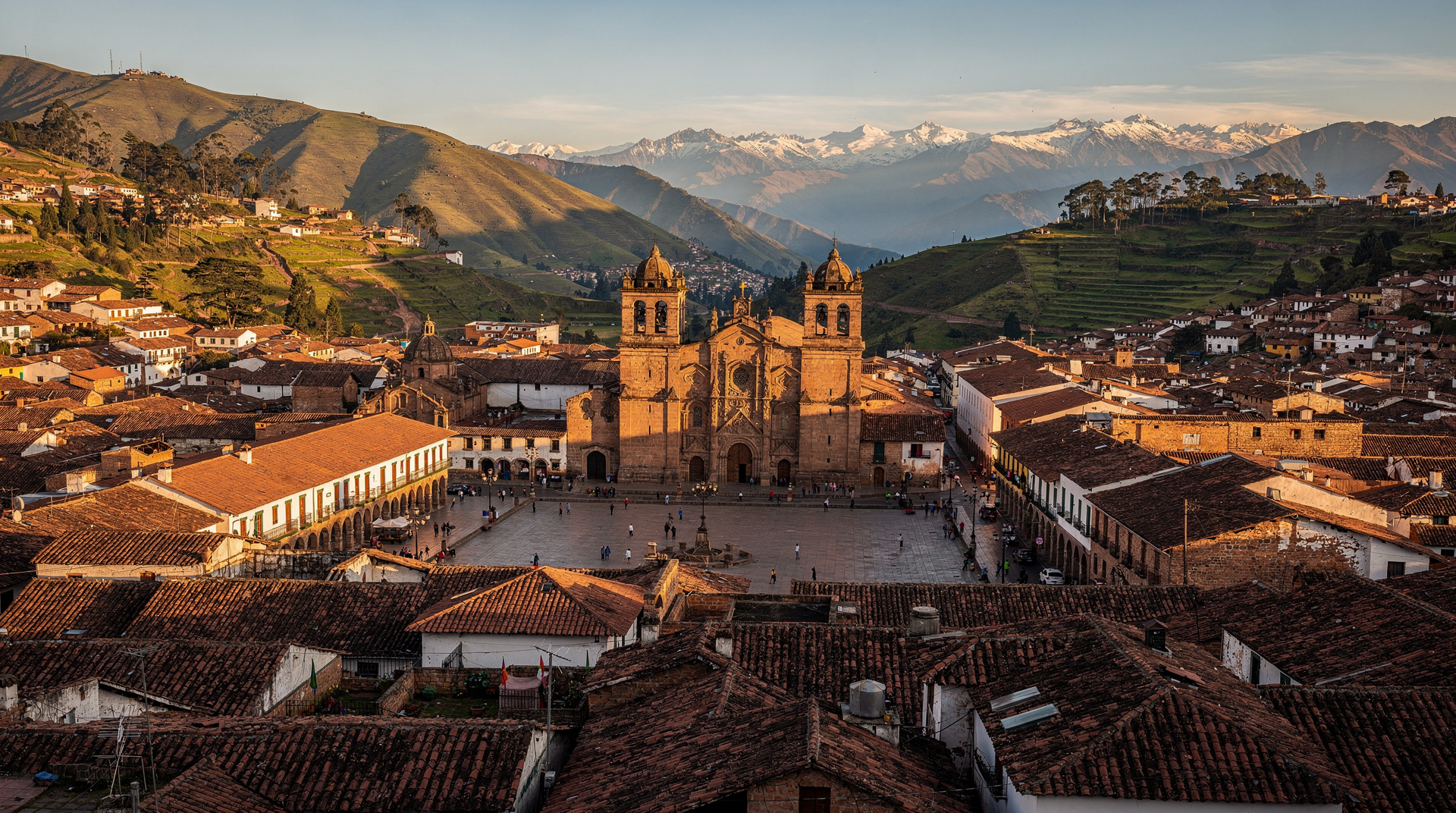
Cusco at altitude, with a well-made pisco sour in hand and a view of colonial stone lit by the late afternoon sun, is one of those combinations that makes the city memorable. Drink it slowly. One is enough.
Frequently asked questions about The pisco sour: Peru's national cocktail explained
What is pisco, exactly?
Is there a difference between Peruvian and Chilean pisco?
Does altitude affect alcohol strength?
What is the difference between a pisco sour and a pisco punch?
Can I take pisco home?
Can I take a pisco-tasting or cooking class in Cusco?
How do I know if a pisco sour was properly dry-shaken?
Top experiences
Bookable activities with verified prices and instant confirmation on GetYourGuide.