I finally ate cuy in Cusco — here is my completely honest review
A first-person, no-flinching account of finally trying cuy in Cusco after three trips of avoiding it — what it costs, what it looks like, what it tastes like, and an honest answer on whether you should order it.
| Cost | S/38 half cuy (local comedor) to S/90 (tourist restaurant) |
| Where | Belén neighbourhood comedores, San Blas restaurants |
| Best preparation | Al horno (oven-roasted) or on a spit |
| Serving | Whole animal, head and feet on, traditional presentation |
| Alternative if unsure | Lomo saltado, chicharrón de chancho |
The conversation every traveller to Cusco has
At some point in your first 24 hours in Cusco, someone will ask: are you going to try cuy? It might be your guesthouse host, a fellow traveller, or the waiter at the restaurant who smiles knowingly when your eye lingers on the menu. Cuy — guinea pig, roasted whole — is the single most iconic food of Andean Peru, present at every major celebration and family gathering, depicted in Marcos Zapata’s famous version of the Last Supper in the Cusco cathedral (where the central dish is unmistakably cuy), and the source of the most anxious food decision most visitors will make in Peru.
I spent three trips avoiding it. On my fourth, I decided the avoidance was sillier than the eating.
The context, before the judgment
Cuy has been raised and eaten in the Andes for at least 5,000 years. The earliest archaeological evidence comes from Andean sites dating to roughly 3,000 BCE. In Inca society it was a ritual food — prepared for festivals, offered to the gods, used in divination. In contemporary Andean communities, a roasted cuy served at a family gathering is the equivalent of a roast lamb in Wales or a turkey at Thanksgiving: a special-occasion dish that marks celebration, family, and abundance.
Cusco’s restaurants serve it as a point of pride. The best preparations are in the traditional Andean style — al horno (oven-roasted) or on a spit — with accompanying chiri uchu (a cold festival platter with cuy, cheese, toasted maize, and herbs) being the most traditional presentation. The guide to Andean food and cuy covers the cultural context properly.
Where I ate it
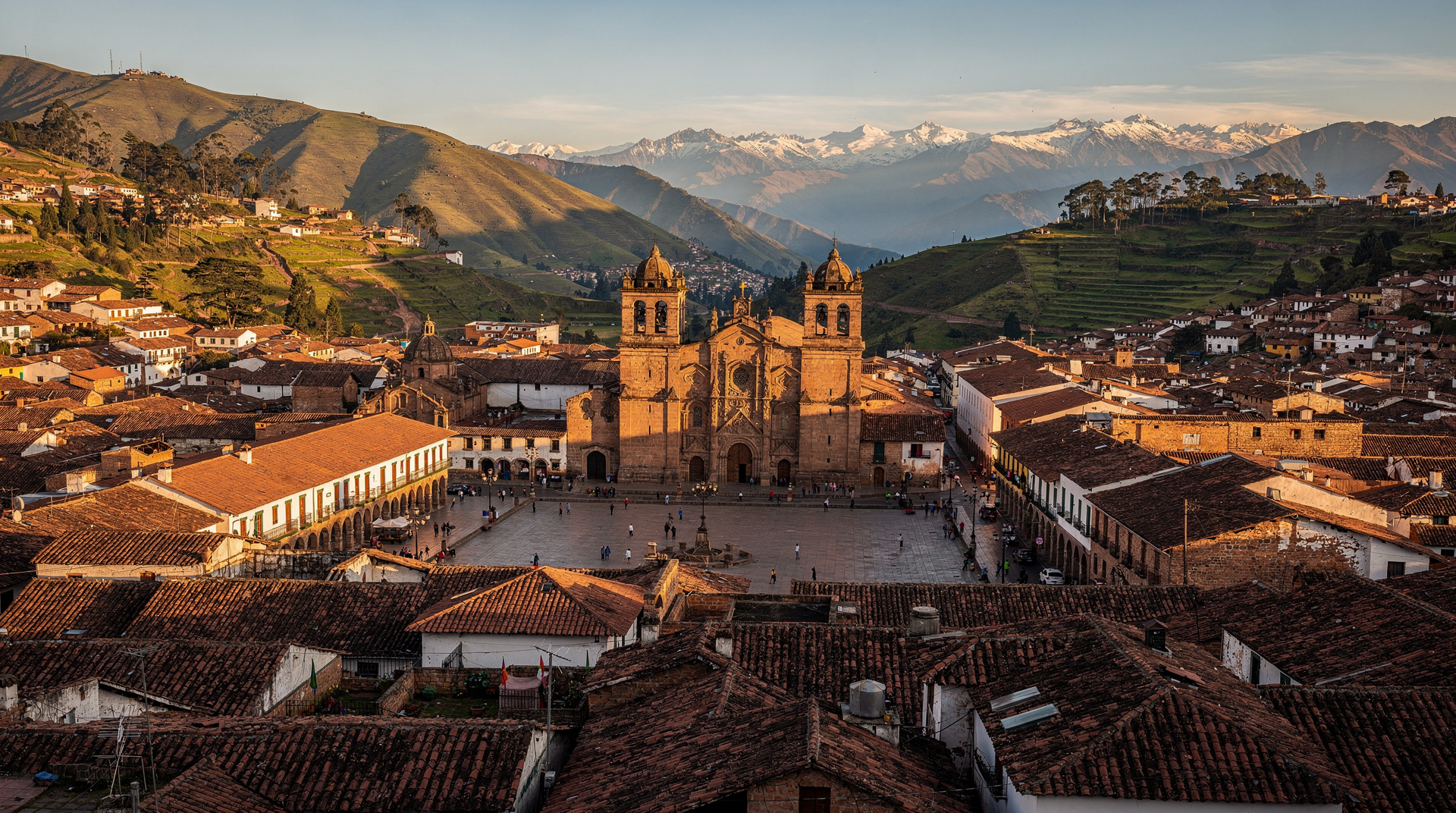
I went to a restaurant in the Belén neighbourhood, about ten minutes’ walk from the Plaza de Armas. Not a tourist restaurant — a proper local comedor with handwritten menus on a chalkboard, plastic chairs, and the smell of woodsmoke coming from somewhere in the back. My guide had recommended it, specifically because they do cuy al horno daily rather than as a special order.
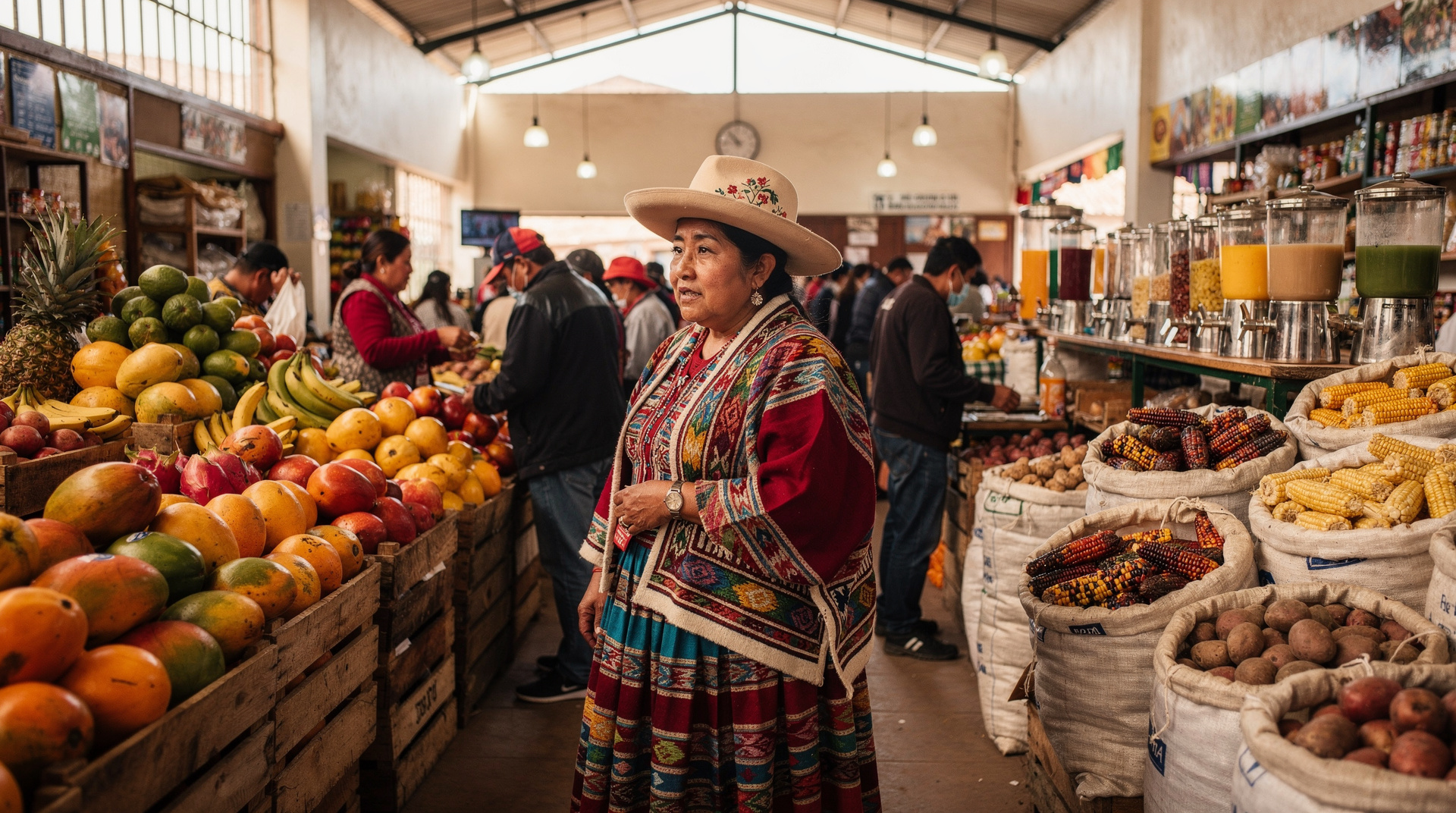
The price: S/38 for a half cuy, which is the standard portion for a single person. A whole cuy runs S/65–80 at most traditional restaurants. In the tourist restaurants near the historic centre you’ll pay S/55–90 for a half. The San Pedro Market food guide mentions a couple of market stalls that serve it even cheaper, but the quality is more variable.
I ordered the half cuy with boiled potatoes and uchucuta — a traditional Andean sauce of toasted peanuts and ají peppers, thick and smoky.
What it actually looks like
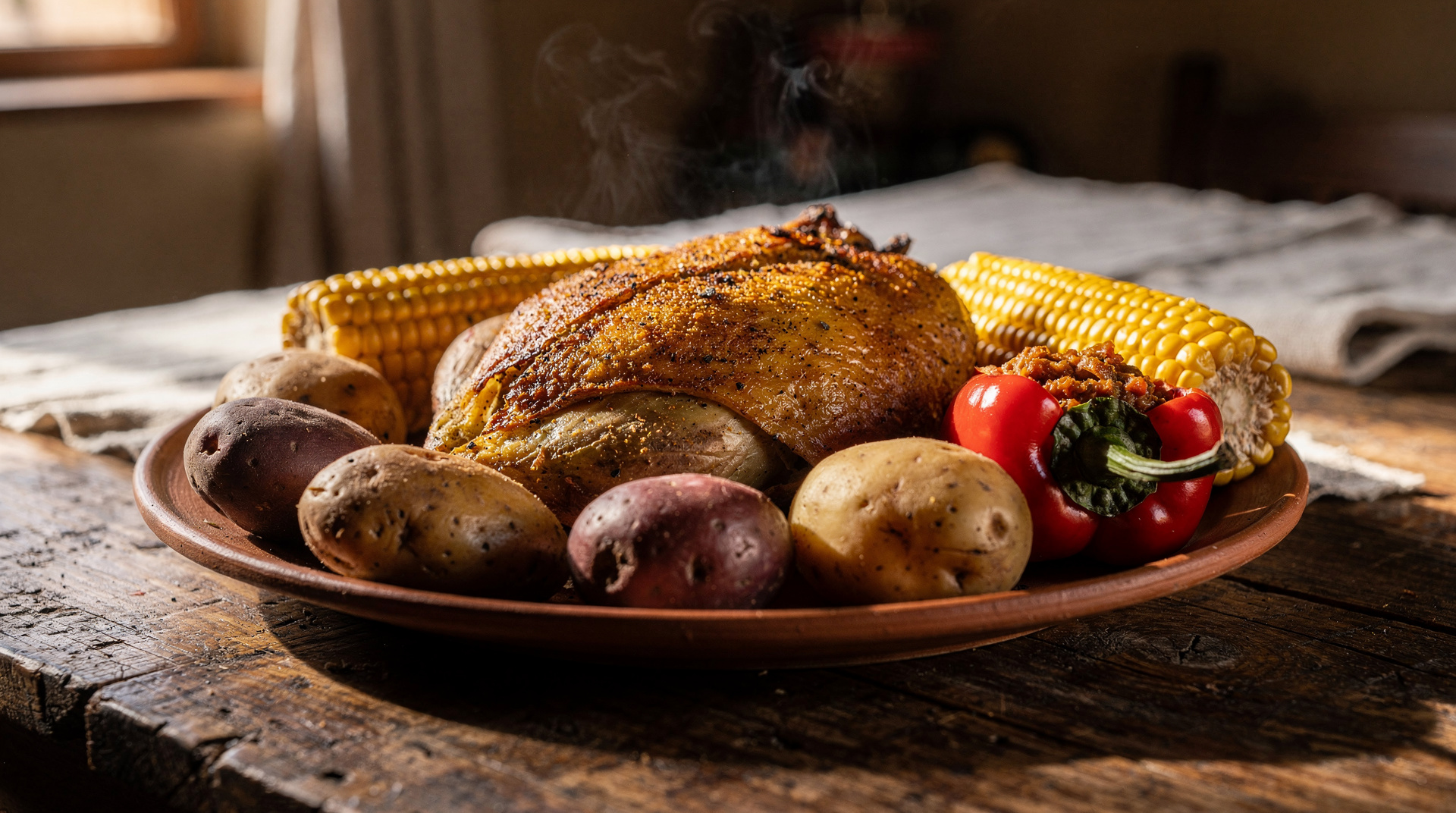
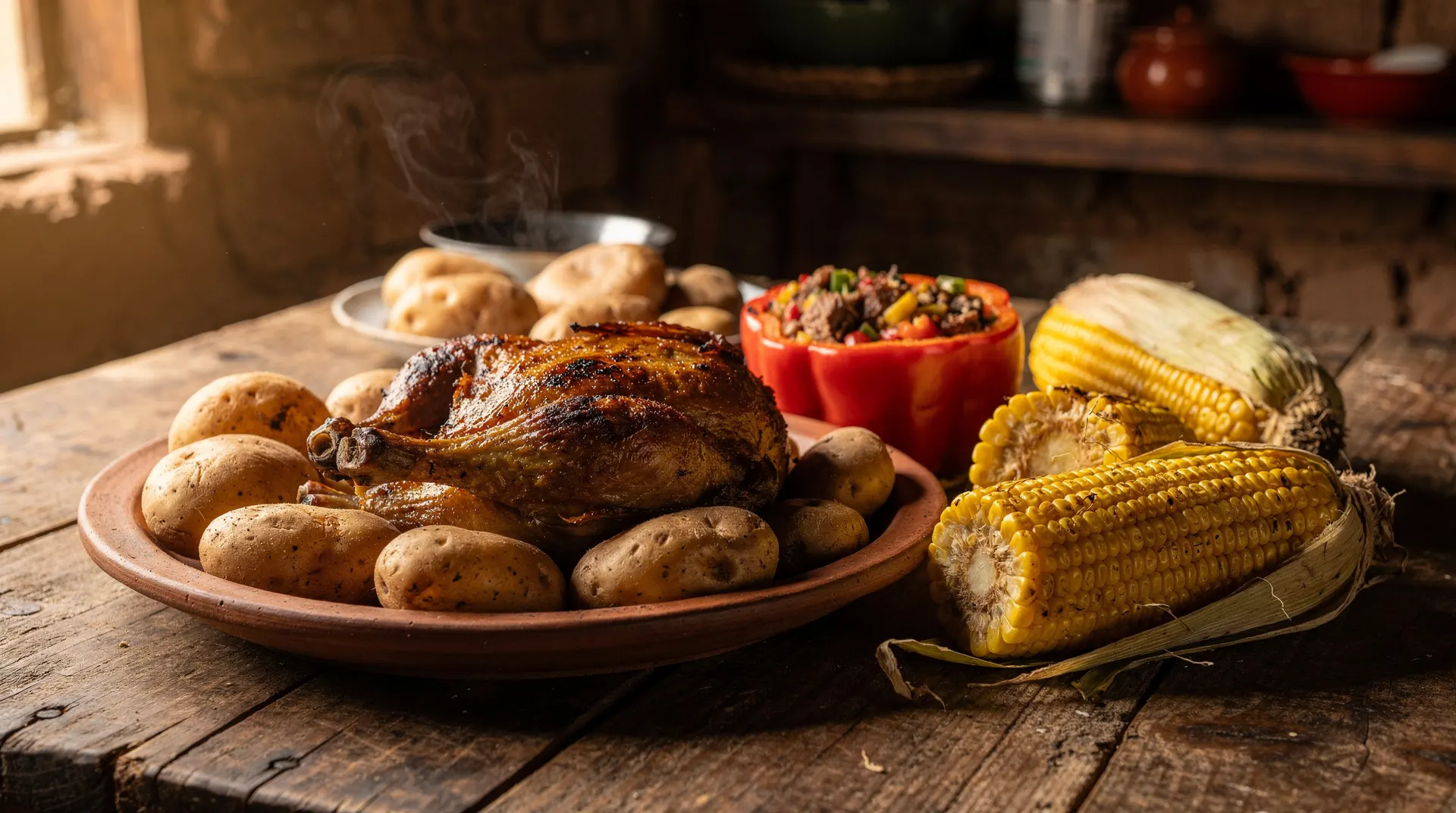
Here is where I must be honest with you. The cuy arrives whole. Head on, feet on, recognisably the animal it was. The presentation is traditional and carries no apology. If you have a strong reaction to the visual, this will be a difficult few seconds. The animal is small — a prepared half is roughly the size of a flattened chicken thigh — and the skin is golden-dark and crispy from the oven.
I stared at it for a moment. I then stopped looking at the whole and looked at the individual pieces, which helped.
What it tastes like
Rabbit, primarily. The meat is dark, lean, and strongly flavoured — more gamey than chicken, more substantial than rabbit. The skin, where it’s properly done, is genuinely delicious: crackling-crisp, fatty in a way that contrasts with the lean meat underneath, with a slightly smoky char. The flavour reminded me of duck leg — the same depth of flavour you get from an animal that has spent its life being active.
The texture is the challenge for most people. Cuy has very little meat relative to bone. You spend a significant amount of the meal working around small bones to reach portions of meat. It’s a food that rewards patience and rewards eating with your hands. My neighbour at the next table — a Peruvian family in their Sunday best — was eating cuy with cheerful efficiency, cracking the bones for the marrow with a casual confidence that I envied.
I ate most of it. I left some of the smaller back sections where the meat-to-bone ratio was discouraging. I ate all the skin. The uchucuta sauce was exceptional.
The honest verdict
I enjoyed it more than I expected and less than the most enthusiastic advocates suggested I would. It is a genuinely interesting food experience — culturally significant, texturally distinctive, and in the right preparation (al horno, with good sauce) quite delicious. The crackling skin is the best part. The gamey depth of the meat is either appealing or off-putting depending on your general relationship with strongly-flavoured proteins.
Join a Cusco cooking class that visits the market if you want to engage with Andean food in a more hands-on way — some of the cooking classes include cuy preparation, which is illuminating even if you’d rather cook it than eat it.
Should you try it? If the visual presentation of a whole animal doesn’t unsettle you and you’re curious about what the Andes has been eating for five millennia, yes. If the visual is a genuine barrier rather than a mild one, there’s no shame in ordering the lomo saltado instead. No one in Cusco will think less of you.
Other Andean foods worth prioritising
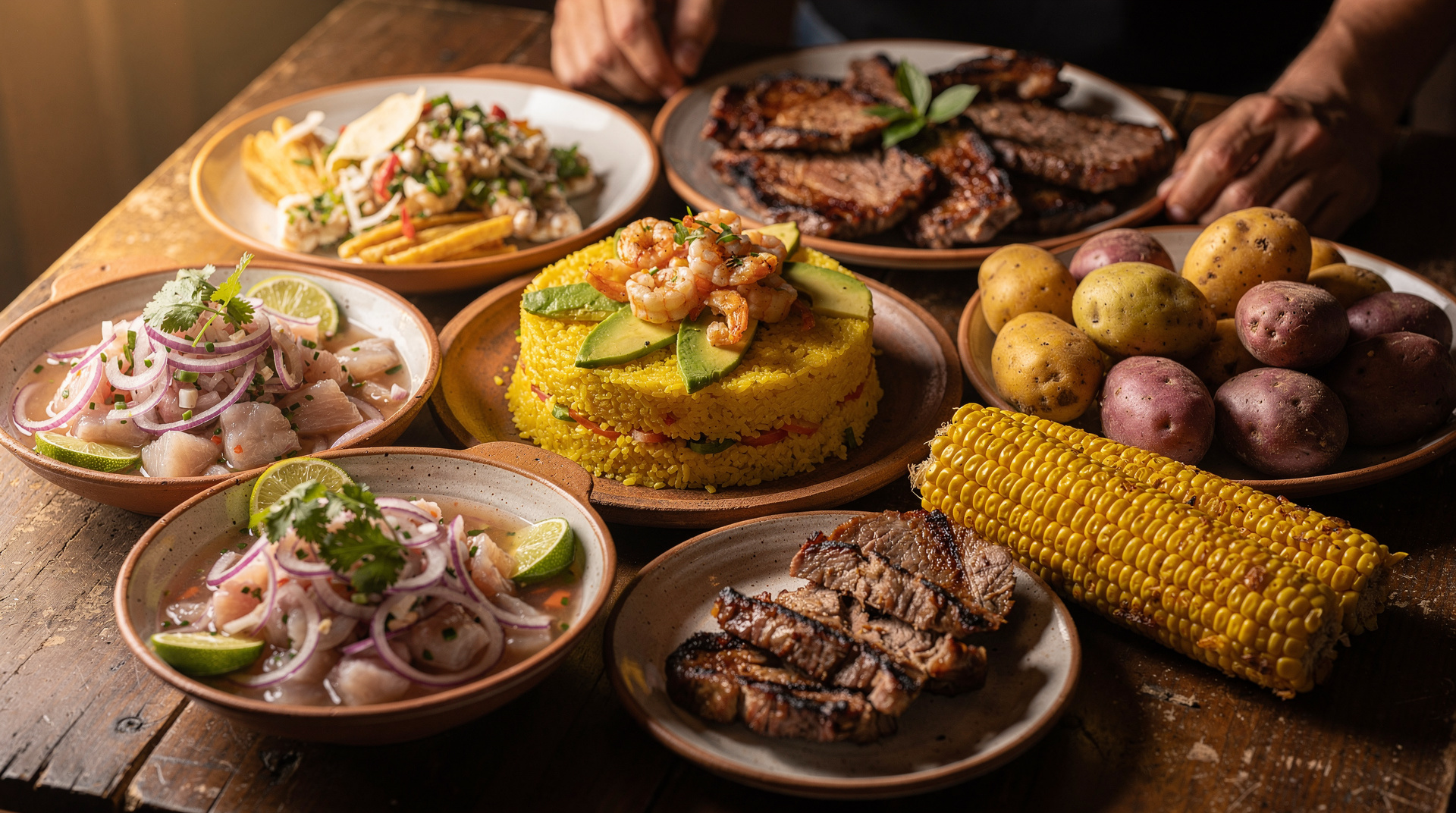
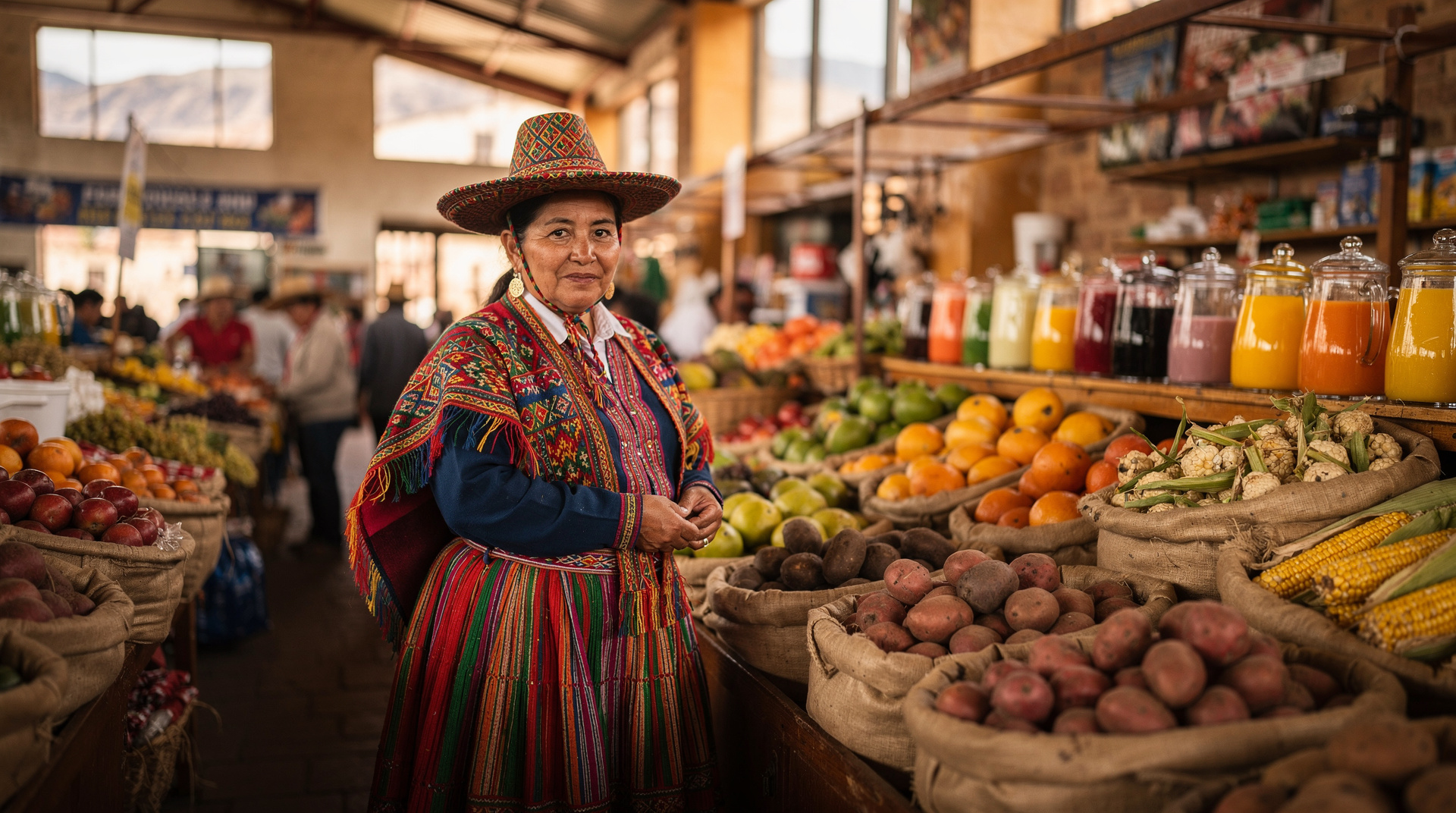
Cuy gets all the attention but the Peruvian food guide makes the case that it’s not even close to the best food in Cusco. The things I’d tell every visitor to prioritise: the fresh trout from Titicaca-region suppliers (try it grilled with uchucuta or in the escabeche style at local restaurants); chicharrón de chancho — fried pork with mint and onion relish — which is technically a Lima dish but done extremely well in Cusco; and the choclo con queso (enormous Andean corn with fresh cheese) sold from baskets by women near the market, which costs S/3 and is one of the best quick snacks in South America.
The food in Cusco is genuinely excellent at all price points. The San Pedro Market is worth an entire morning for the lunch alone.
Fitting cuy into the rest of your trip
Cuy is a dish that rewards a slow, unhurried meal, so I would not schedule it on the evening before an early start. If you are still settling in, the Cusco acclimatization plan is worth reading first: a heavy, rich meal feels different when you are adjusting to the altitude, and the altitude sickness guide explains why many visitors prefer lighter food in the first day or two. A sit-down cuy lunch also pairs well with a slow afternoon around San Blas or the historic centre.
If you want more of the city’s food scene around it, the best restaurants in Cusco guide and the Cusco cooking classes compared guide help you decide where to eat and which class suits you. And if you are building a longer itinerary, my week in Cusco trip report shows where a meal like this fell in the rhythm of the days, while the pisco sour guide covers what to drink alongside it.
Where to actually order it
The best cuy I’ve had in Cusco has always come from small, unglamorous comedores rather than the restaurants aimed squarely at tourists — the giveaway is usually a handwritten menu and cuy listed as a daily dish rather than something requiring advance order. If you’re nervous about picking blind, asking your guesthouse host for a recommendation tends to work better than a guidebook list, since the good comedores rarely bother with an online presence. The Peruvian food guide has a short list of vetted options if you’d rather not gamble.
Should you order it as part of a cooking class instead?
If eating a whole animal feels like too big a first step, preparing it is a gentler way in. Cusco’s market-based cooking classes sometimes include a cuy-preparation segment alongside more approachable dishes like lomo saltado or causa, which lets you engage with the ingredient and the tradition without committing to a full plate. It’s also genuinely educational — seeing how a dish that looks intimidating on a plate is actually prepared reframes it for a lot of people.
If you like the idea of starting at the stalls, a morning that combines a San Pedro market visit with a hands-on Peruvian cooking class is the format that suits this best, because you meet the ingredients before you cook them. For a shorter commitment, a compact cooking class in the city also works. Our cooking classes comparison explains how the formats differ, and the San Pedro Market morning diary shows what the stalls feel like.