Cuy and Andean food: what to know before you eat
Cusco: Peruvian Cooking Class & Market Tour
Should I try cuy (guinea pig) in Cusco?
Yes, if you are curious and not squeamish about a whole-roasted animal. Cuy is a genuine Andean food tradition going back 5,000 years, not a novelty dish invented for tourists. The flavour is mild, slightly fatty and comparable to rabbit. Budget S/40–70 for a whole roasted cuy and eat it at a traditional lunch restaurant rather than a tourist-facing spot.
Cuy in context: 5,000 years of Andean food culture
The first thing to understand about cuy is that it is not a novelty item. Guinea pig (cavia porcellus) has been farmed and eaten in the Andes since approximately 3,000 BCE, which makes it one of the oldest continuously consumed domesticated food animals in the Americas. The Inca raised cuy in large numbers as a primary protein source for a highland population that had limited access to large domesticated animals — no cattle, no pigs, no horses before the Spanish. Cuy was practical: it requires no grazing land, reproduces quickly, needs minimal feed and can be raised in a small corner of a house.
The most famous visual confirmation of this deep cultural integration is in the Cusco Cathedral, where the “Last Supper” painting attributed to Marcos Zapata (circa 1753) shows a cuy on the table as the central dish at the meal — a deliberate local adaptation by the colonial-era Andean painter that places the most valued Andean food at the most important meal in the Christian iconographic tradition. It is one of the most striking examples of cultural translation in colonial religious art, and it makes a clear statement: cuy at the Andean table is not just acceptable but honoured.
This context does not make cuy taste better. But it does shift the experience from “novelty eating” to “eating something with a genuinely long history in the place you are visiting,” which is a more interesting proposition.
| Where | San Blas and San Pedro market, Cusco |
| Cost | Around S/40–70 for a whole roasted cuy |
| Time needed | 30–45 minutes for a sit-down meal |
| Best format | Roasted (al horno) at a local lunch restaurant |
| Booking | Walk-in for market stalls; reserve ahead for Pachapapa in high season |
If you are still settling in at altitude, read the altitude sickness guide before planning a heavy meal on your first day; appetite is often low early on, and a lighter dish is a sensible start. Travellers who want the full story of the culture behind these dishes will also enjoy the Quechua culture guide and the Inca empire guide for travelers.
What cuy actually tastes like
The flavour of roasted cuy is mild, slightly fatty and faintly gamey. It is closer to rabbit than to chicken — the dark leg meat has the density and depth of slow-cooked rabbit; the belly is richer and more unctuous. The skin, when roasted properly at high heat, crisps to a savoury crackle that is genuinely good. The overall impression is lighter than duck, less strongly flavoured than rabbit, and more interesting than chicken.
The main challenge for most Western visitors is not the flavour but the presentation: a whole roasted animal, recognisably a guinea pig, on a plate. The eyes are typically present, the head intact. This is standard across the region and is not considered unusual by local diners. The psychological adjustment takes a few minutes and then the eating begins, which is straightforward.
The bones are small and numerous — cuy is eaten with the hands rather than cutlery for the leg sections, pulling the meat from the bones. The quantity of meat on a whole cuy is less than you might expect from the size of the animal; budget for one cuy per person as a generous main course rather than a shared appetiser.
Preparation methods
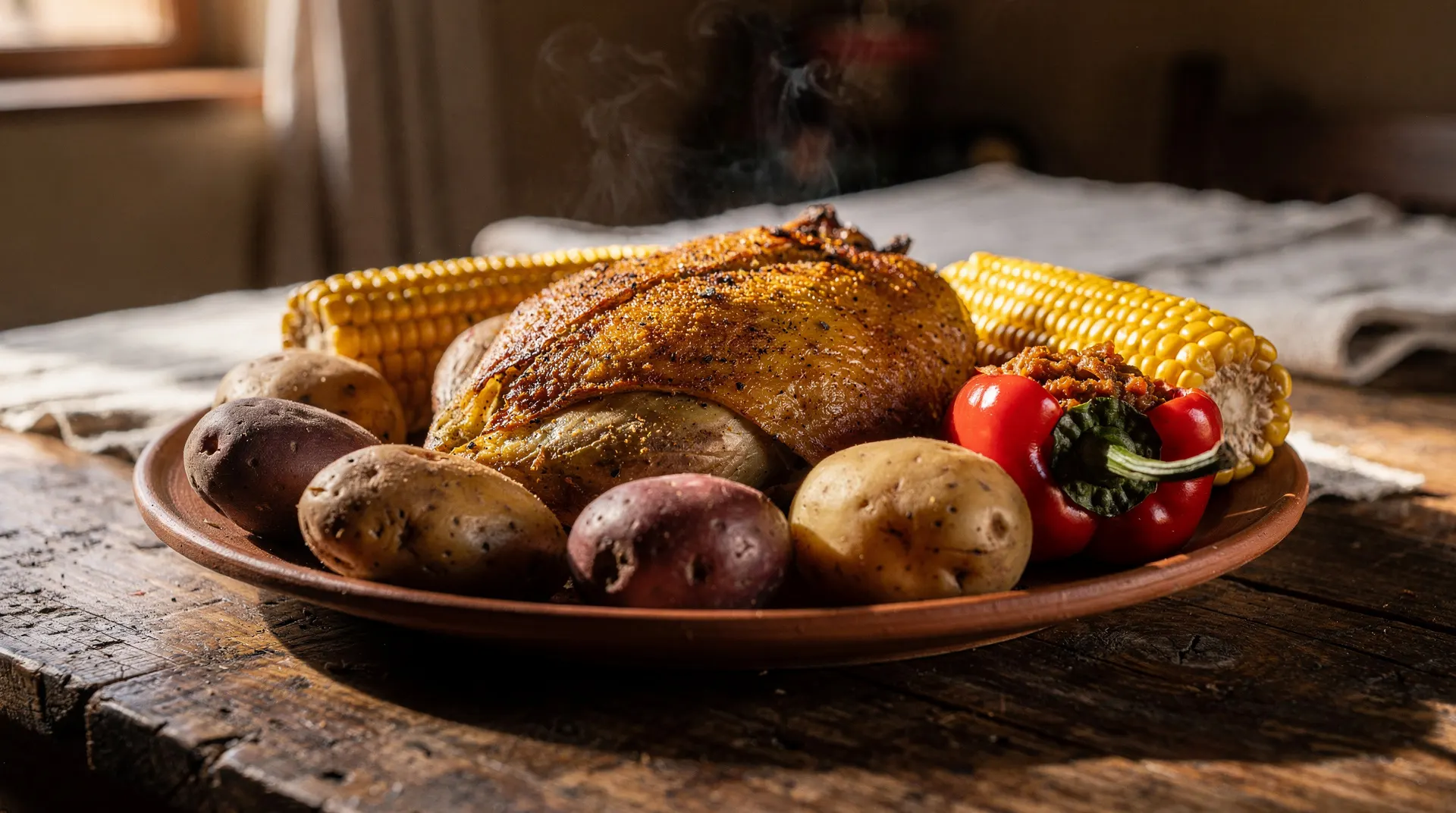
Roasted (al horno): The most common preparation. The cuy is rubbed with cumin, salt, garlic and sometimes huacatay (Andean black mint), then roasted whole at high heat until the skin crisps. Served with boiled potato, a simple salsa criolla of onion and tomato, and sometimes fried potato strips. This is the best way to eat cuy for flavour and skin quality.
Fried (frito): Deep-fried rather than roasted, producing an even crispier skin. Less common in Cusco’s tourist restaurants but found at market stalls and informal lunch spots. The frying seals the meat faster; the result is juicier than poorly roasted versions but less complex in flavour than a well-roasted one.
In stew (guiso): Cuy cooked in a broth with potato, chilli and herbs. Less photogenic, more common in home cooking, and a way to use the animal that does not require the whole-presentation approach. Rarely on restaurant menus but sometimes available at market food stalls.
Where to eat cuy in Cusco
Pachapapa (Plazoleta San Blas 120): One of the most known traditional-food restaurants in the San Blas neighbourhood, with a courtyard setting and a menu that covers cuy, alpaca, chicharrón and other Andean standards. The cuy is reliably well-roasted. Cost: S/55–70 for a whole cuy. Bookings recommended for lunch in high season.
Local lunch restaurants near San Pedro market: The streets immediately south and east of San Pedro market have family-run lunch operations that serve cuy alongside standard menu items. These are S/40–55 per animal, smaller spaces, no concessions to tourism. The cooking quality varies but the honest environment and local prices make these worth knowing.
Chicha (Plaza Regocijo 261): The more upmarket option — Gastón Acurio’s Cusco restaurant serves a contemporary version of cuy that is precisely roasted and better plated than the traditional lunch-spot versions. S/75–90. Worth ordering here if you want to try cuy in a more managed setting with reliable quality.
Market food stalls at San Pedro: The main market has stalls that sell cuy at various stages of preparation, including roasted portions. A half-cuy at a market stall costs S/25–35. This is the cheapest and least theatrical way to eat it.
Whichever place you choose, a few habits help. Go at lunchtime, when traditional kitchens are at their busiest and the food moves quickly. Ask how the cuy is prepared before you order, since roasted, fried and stewed versions are very different plates. For the neighbourhood itself, the historic center of Cusco is a pleasant walk between meals, and the wider Cusco destination page helps you plan the rest of the day. The Pachapapa-style courtyard meal is also described first-hand in our trip diary, if you would like to read what a first cuy actually feels like.
What to avoid: tourist-restaurant menus near the Plaza de Armas that charge S/80–100 for cuy presented as a spectacle. The cooking quality at these spots is often inferior to local alternatives at lower prices. Look for restaurants where cuy is on the regular menu rather than highlighted as a “specialty” for visitors.
Alpaca and llama: the other Andean proteins
Alpaca and llama are the large camelids of the Andes. Neither was used as a beast of burden by the Inca (that role fell to llamas for light loads and people for heavy ones); both were raised for fibre and meat. On the contemporary Cusco restaurant menu, alpaca is the protein you will encounter most often.
Alpaca steak: Dark, lean meat with a slight gamey note — closer to venison or bison than to beef. Very low in fat and cholesterol. Best cooked medium-rare; the leanness means it dries and toughens quickly when overcooked. On a good restaurant menu, alpaca steak is served S/45–85. The lean quality makes it a genuinely different eating experience from beef, worth trying as an honest example of Andean protein rather than a substitute for a sirloin.
Alpaca burger: Common on tourist menus and a more accessible format. The meat is mixed with fat for moisture (alpaca alone is too lean for a burger) and seasoned conventionally. A competently made alpaca burger is good; a badly made one is dry and bland. In the S/30–50 range.
Charqui: Dried and salted alpaca or llama meat — the Andean version of jerky, and the ancestor of the word “jerky” (Spanish charqui via the Quechua ch’arki). Available at San Pedro market. Intensely flavoured, very salty, useful as a trail food and interesting to taste as the original form.
Comparing the four main Andean proteins
| Protein | Flavour | Typical price | Best for |
|---|---|---|---|
| Cuy | Mild, fatty, rabbit-like | S/40–70 whole | Curious first-timers, cultural context |
| Alpaca steak | Lean, gamey, venison-like | S/45–85 | Diners wanting a distinct red meat |
| Alpaca burger | Milder, moister (fat added) | S/30–50 | Easier introduction to alpaca |
| Charqui | Intensely salty, dried | S/10–20 per portion | Trail snacking, tasting the original form |
Other Andean foods worth knowing
Olluco (Ullucus tuberosus)
A native Andean tuber with a bright yellow-orange colour, slightly mucilaginous (slippery) texture and earthy, mild flavour. Used most commonly in olluco con charqui — a stew of ollucos and dried alpaca meat that is one of the oldest documented Andean dishes. The texture is unfamiliar to most non-Andean visitors; think of a very tender potato that releases a little starch when cooked. S/15–25 as a side dish.
Papa a la huancaína
Boiled potato (usually a yellow native variety) in a sauce of ají amarillo, fresh cheese (queso fresco) and evaporated milk, served cold with a black olive and hard-boiled egg. The sauce is mild, creamy and bright yellow. It appears as a starter on most traditional menus and is an easy, pleasant introduction to Andean chilli cooking for those uncertain about heat levels.
Chicharrón
Fried pork belly or pork shoulder — crispy skin, unctuous fat, tender meat — served with mote (boiled white corn) and sarsa criolla (a pickled onion and tomato relish with lime). Available at San Pedro market and at traditional restaurants. S/20–35. The best versions are made with fresh pork cooked to order; mediocre versions have been sitting under a heat lamp.
Quinoa soup
Thick, warming, genuinely nutritious — a broth of vegetables, potato and quinoa grain, seasoned simply with salt, cumin and herbs. One of the most affordable and honest dishes at the market for S/4–8, and exactly the right food for altitude adjustment on day one. The grain provides complete protein and complex carbohydrates, which is useful when appetite is reduced by altitude.
Cooking class and Andean ingredients
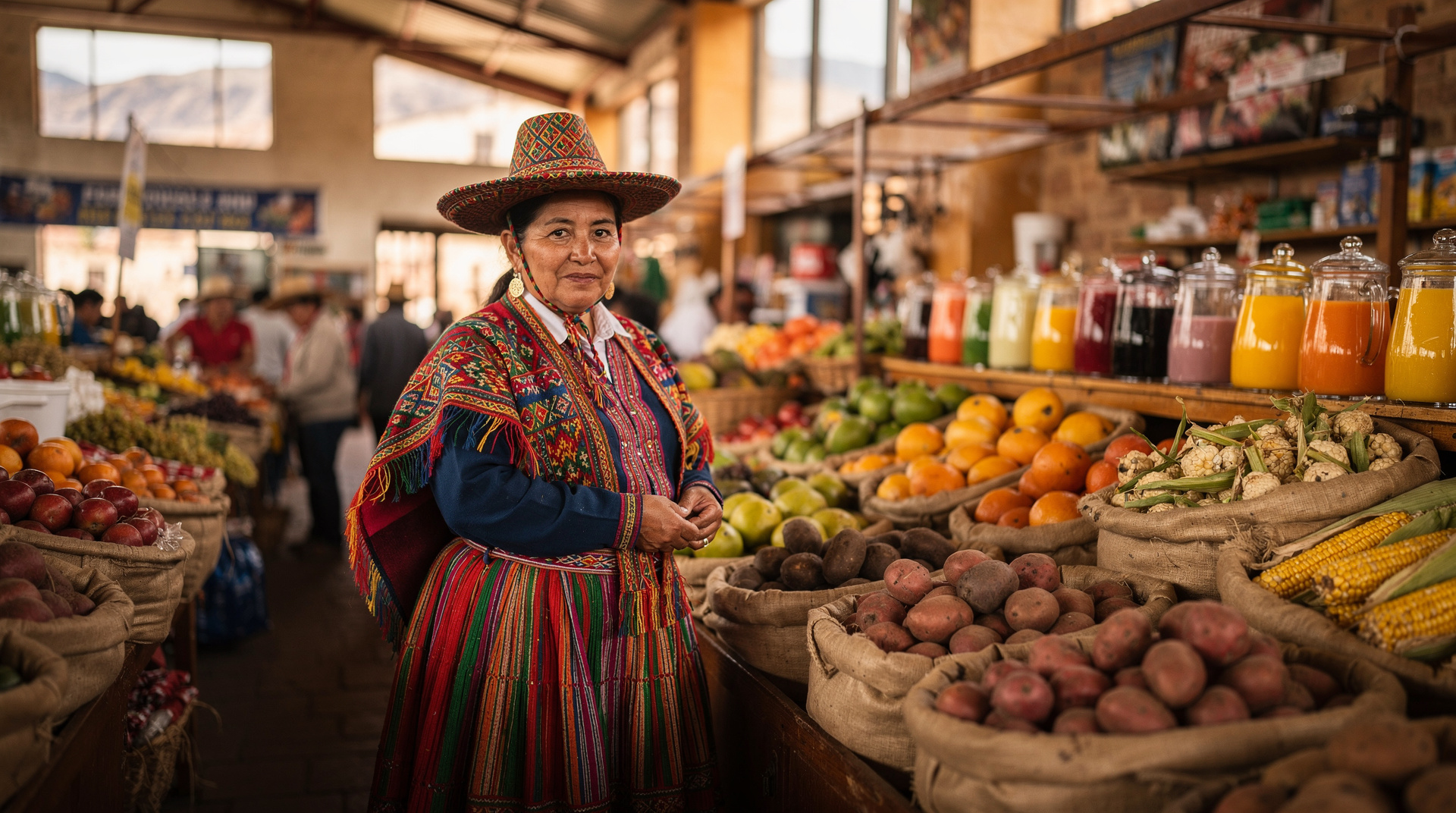
A market tour and cooking class that starts at San Pedro market will walk you through the native potato varieties, chilli diversity, native grains and other Andean ingredients in their unprepared form — which is more informative than reading about them and significantly better preparation for understanding what you are ordering in restaurants. The cooking class comparison guide explains the formats available.
If you would rather learn by cooking than by watching, a morning among the market stalls followed by a hands-on Peruvian cooking session lets you handle the ingredients yourself and sit down to what you have made. And since San Blas is where several of the restaurants above sit, a guided walk through the city centre and the San Blas lanes pairs naturally with a lunch stop.
For a wider view of the market itself, the San Pedro market food guide and the first-hand San Pedro market morning diary show what to look for at each stall.
Pisco sour and pairing Andean food with drinks
No Andean meal is complete without at least trying the pisco sour, Peru’s national cocktail — pisco brandy, lime, egg white and bitters shaken to a frothy finish. Its bright acidity cuts well against the richer, fattier dishes on this list, particularly roasted cuy and chicharrón. The pisco sour guide covers where to find a well-made one in Cusco and what distinguishes a good version from a syrupy tourist-menu one. Chicha morada (a sweet, non-alcoholic purple corn drink) is the standard alternative for anyone skipping alcohol, and pairs just as well with the same dishes.
Fitting Andean meals into your days
Food is easier to enjoy when it fits the rest of the plan. In the Sacred Valley, lunch stops on a day tour often showcase the same ingredients described here; the Sacred Valley complete guide and the Sacred Valley destination page show where those days take you, and Pisac is known for its market. If you are weighing where to base yourself, the Cusco acclimatization plan explains why lighter meals suit the first days, and the Cusco festivals calendar is worth checking, since festival days bring special dishes and busy restaurants. For a story-led look at the same table, read the Cusco trip diary and the first time in Cusco notes, and keep the Cusco tourist traps guide in mind when a menu looks too theatrical.
If cuy is not for you
There is no obligation to eat cuy to have a genuine Andean food experience in Cusco. Alpaca steak, papa a la huancaína, chicharrón and quinoa soup are all part of the same food culture and none require the whole-animal presentation. The best restaurants in Cusco guide and the Peruvian food guide both cover a fuller range of dishes for travellers who want to eat well without feeling pressured into a specific plate.
Eating out is easier when the rest of the trip is planned too. The Cusco trip planning guide and the Cusco on a budget guide help you decide how much of your budget to give to meals, and the Peru trip cost guide puts it in a wider context.
Honest advice: who should try cuy
Try cuy if: You are genuinely curious about Andean food culture and not strongly squeamish about whole-animal presentation. The eating is not difficult; the cultural context is interesting; and you will have eaten something with a 5,000-year history in the specific landscape you are visiting.
Skip cuy if: The whole-animal presentation is going to ruin the experience — forcing yourself through a meal you find distressing is pointless. There are many other excellent Andean foods that do not require the same psychological adjustment. The peruvian food guide covers the full range.
A note on the broader Andean food system
The dishes covered in this guide — cuy, alpaca, olluco, quinoa, chicharrón — are fragments of a much larger Andean food system that was designed to feed large populations at extreme altitudes without access to the crops and animals that supported agricultural civilisations elsewhere in the world.
The Inca’s agricultural engineers developed terracing systems, irrigation networks and freeze-drying technology (chuño and moraya for potato, charqui for meat) that allowed food to be stored for years and transported across thousands of metres of altitude difference. The specific animals and crops they developed — guinea pig for protein in small households, potato in 3,000 varieties calibrated for different altitudes, quinoa and kiwicha as high-altitude grains — were the biological solutions to the challenge of high-altitude agriculture.
Eating cuy, or alpaca, or a bowl of quinoa soup from a market stall in Cusco is a minor encounter with this much larger story. The ingredient on your plate was domesticated and cultivated over millennia specifically for the conditions you are currently struggling to acclimatise to. There is something fitting about eating the food of an altitude civilisation at altitude.
The ceviche and peruvian dishes guide covers the full range of Peruvian cuisine including the coastal and fusion traditions. The peruvian food guide gives the practical restaurant recommendations for eating all of this well.
Cusco’s food culture is not contingent on whether you eat cuy. It is one tradition among many, and the most interesting thing about it is not whether you can stomach it but the 5,000-year relationship between a highland population and an animal that sustained them through millennia before refrigeration, global trade and food systems made the question irrelevant.
Frequently asked questions about Cuy and Andean food: what to know before you eat
What does cuy taste like?
Is cuy farmed or wild-caught?
Where should I eat cuy in Cusco?
Are there other Andean foods I should try besides cuy?
Is alpaca meat the same as llama?
Top experiences
Bookable activities with verified prices and instant confirmation on GetYourGuide.