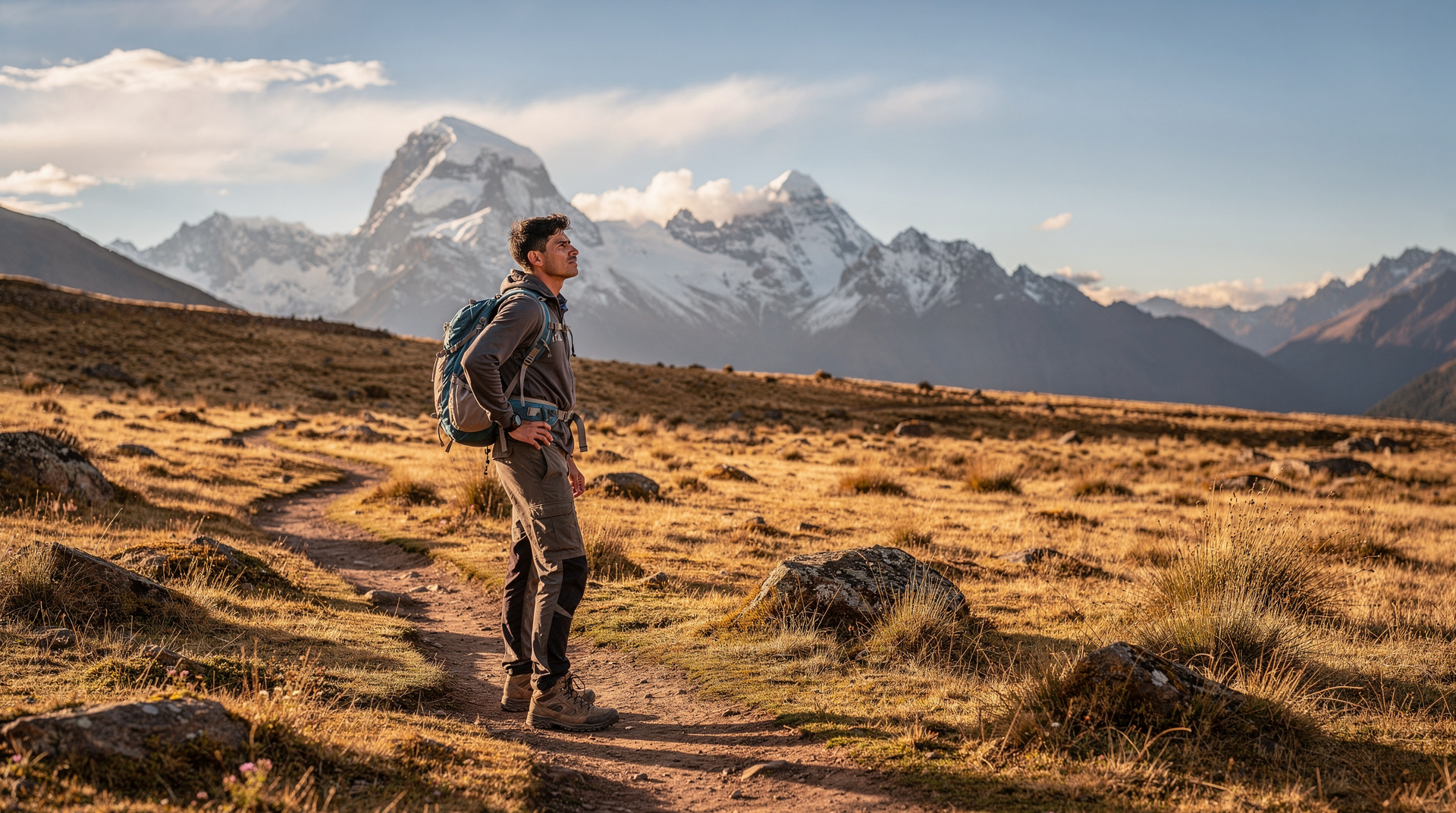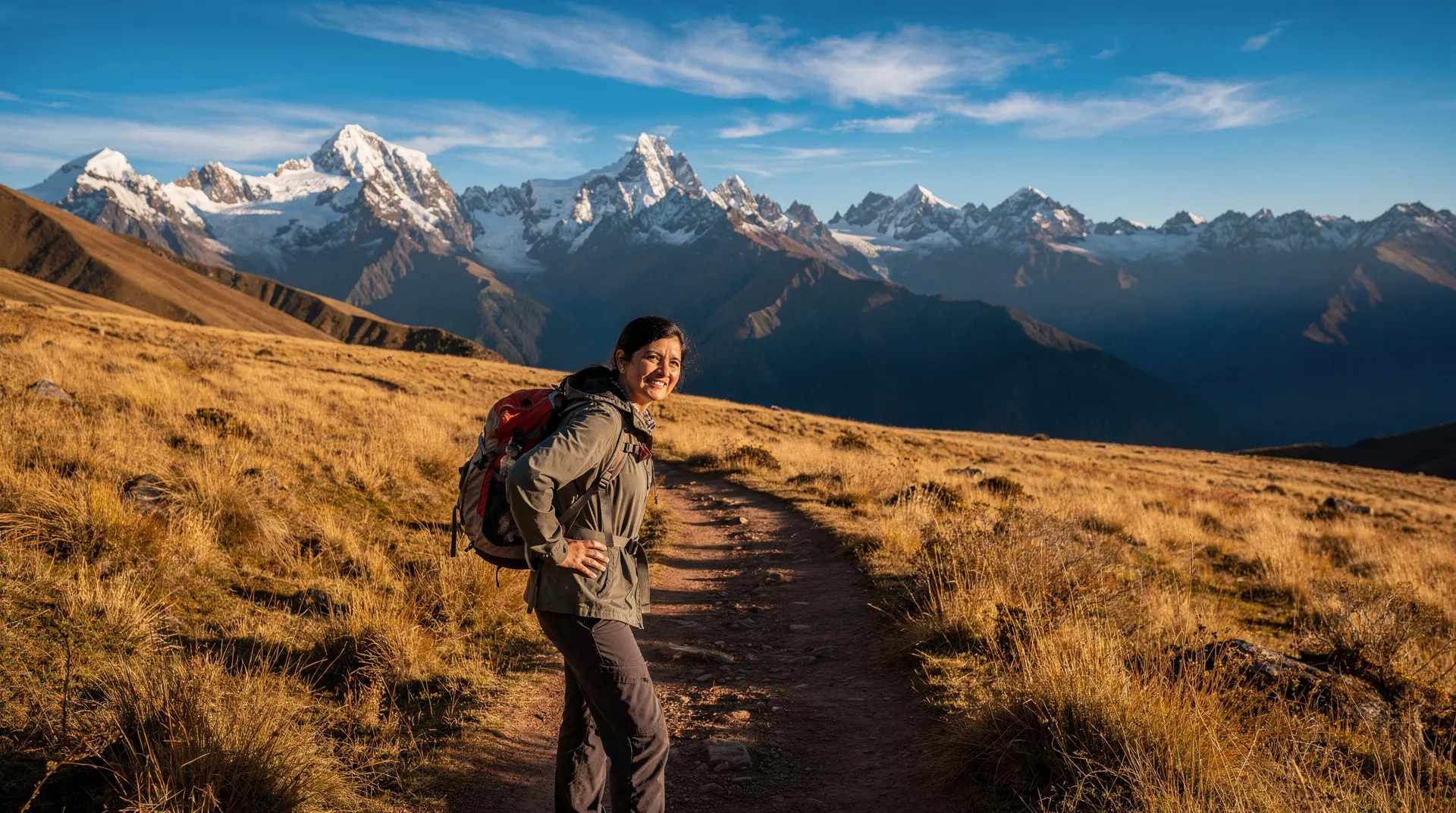
Altitude sickness in Cusco: my personal story
Altitude sickness is the one thing that can derail a Cusco trip regardless of how well you’ve planned the rest of it. This is a first-person account of getting it wrong, what actually helped, and what I’d do differently.
| Where | Cusco, 3,400m above sea level |
| Risk window | First 24–48 hours after arrival |
| What helped | Rest, ibuprofen, hydration, arriving slowly |
| Prevention | Diamox (acetazolamide), started 24hrs before ascent |
| Red flags | Confusion, breathlessness at rest, worsening symptoms after 2 days |
It started on the second day
The first day in Cusco had been manageable. A dull headache, some unusual tiredness, nothing dramatic — I put it down to the flight and the time change and told myself the acclimatisation was going well. My travel companion was fine. We had arrived at similar times, stayed in the same hotel, eaten the same meals.
On the morning of the second day I woke with a headache that was categorically different from the one the day before. Behind my eyes and pressing outward, worsening when I moved my head quickly, made worse by the low morning light. I felt slightly nauseated. When I sat up too fast the room appeared to move briefly.
This was altitude sickness. Not the severe, hospitalisation-requiring version, but more than the mild adjustment headache that most people experience and push through. It put me in bed for most of a day that I had planned to spend at Sacsayhuaman. This is my account of what happened, what I did, and what I would do differently.
What was actually happening in my body
At 3,400 metres, Cusco’s air contains roughly 65 per cent of the oxygen density at sea level. The body responds to this reduced oxygen availability by breathing faster, producing more red blood cells over time, and increasing blood pressure to push more blood through the system. These are normal and healthy adaptations.
Altitude sickness — acute mountain sickness (AMS) in the medical terminology — occurs when the body’s adaptation is outpaced by the rate of ascent or the altitude reached. The brain and surrounding tissues can swell slightly in response to reduced oxygen. This is what causes the characteristic headache, the nausea, the disorientation.
Most cases of AMS in Cusco are mild to moderate — manageable with rest, hydration and time. Severe cases involving pulmonary oedema (fluid in the lungs) or cerebral oedema are medically serious and require immediate descent and evacuation. I did not have either of these. But I mention them because the internet can be cavalier about altitude sickness in a way that is not helpful for people travelling to Cusco for the first time.
The full altitude sickness guide covers the medical detail properly, including the warning signs that indicate serious illness and require action beyond rest and ibuprofen.
What I did (and whether it helped)
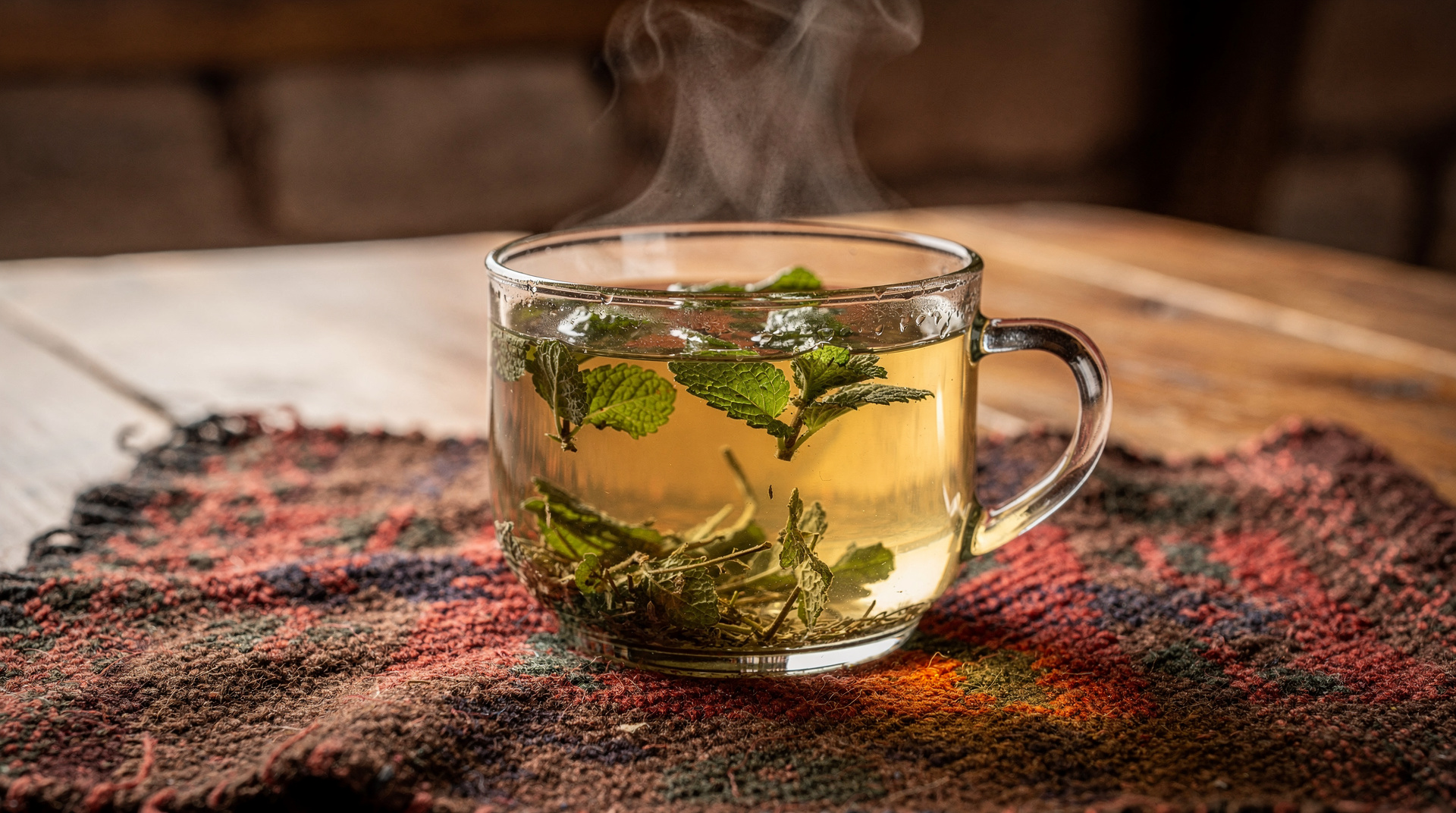
I took ibuprofen. This is standard advice and it worked — the headache reduced from a seven to a four on whatever subjective scale those numbers refer to. I lay still, which meant the nausea stayed manageable. I drank water steadily through the morning — more than felt natural, more than thirst demanded. The hotel sent up coca tea twice, which I drank without much belief in its pharmacological effect but without the energy to argue.
By early afternoon I felt well enough to sit in the courtyard. By evening I was eating a small meal. The next morning I was recovered to approximately 90 per cent — functional, manageable headache, no nausea. By the following day I felt completely normal.
What helped most, in order: rest, ibuprofen, hydration. The coca tea I am genuinely uncertain about. The coca tea guide explains the actual chemistry — the alkaloid content in a cup of mate de coca is low and the mechanism by which it might help is not fully established. It may help through mild stimulant effect on breathing; it may help because hot liquid and lying still are helpful regardless of the specific tea; it may be placebo. I drank it anyway.
What I did not do, and should have: I had not taken acetazolamide (Diamox) before arriving. Diamox is a prescription medication that reduces the risk and severity of altitude sickness by encouraging faster acclimatisation; taken 24 hours before ascent, it is well-supported by clinical evidence. I had read about it, decided I was “probably fine” and not consulted a doctor before travel. This was a poor decision. A 20-minute consultation with a travel medicine clinic before flying would have resulted in a Diamox prescription and quite possibly a full second day in Cusco rather than one spent horizontal.
What my travel companion did right
My companion had taken Diamox. She had a mild headache on day one and nothing after that. She visited Sacsayhuaman without me, reported it was extraordinary, and showed me photographs that I looked at from my bed with a mixture of admiration and regret.
She had also, before arriving, read about altitude acclimatisation seriously and followed the recommendations: no alcohol for 48 hours, light meals on arrival day, early bedtime, awareness of her breathing rate. I had read the same material and made the decision that it was probably excessive for a healthy adult. It was not excessive.
The Cusco-specific context
One thing worth understanding about Cusco is that the altitude affects people unpredictably and without clear relationship to fitness. Highly fit marathon runners sometimes experience worse AMS than sedentary office workers. Previous tolerance at lower altitudes does not guarantee tolerance at 3,400 metres. Previous good performance at Cusco does not guarantee the same on a return visit.
The acclimatisation planning guide recommends, among other things, arriving in Cusco two to three days before any strenuous activity — trekking, high-altitude day trips to Rainbow Mountain at 5,200 metres, or the Inca Trail. This buffer exists for good reason. I arrived one day before my planned Sacsayhuaman visit. That was not enough buffer.
There is also a harder point about the travel industry around Cusco. Some tour agencies are not rigorous about pre-screening participants for altitude-related conditions, and some sell trek packages to people who have not acclimatised at all. The altitude medicine scams guide addresses the other end of this — vendors near the Plaza selling overpriced “altitude remedies” of dubious value. The honest position is: real medical advice before you travel is worth more than any supplement sold at a pharmacy in the San Blas.
What I would tell someone planning their first visit
Consult a travel medicine doctor or your GP at least six weeks before your trip and discuss Diamox. It is not for everyone — there are contraindications — but the conversation is worth having. Do not self-select out of it on the assumption that altitude sickness is something that happens to other people.
Arrive in Cusco at least two days before you plan to do anything physically demanding. If you can arrive three or four days before, better still. The Sacred Valley at 2,800 metres is a lower-altitude acclimatisation option — some travellers go there before Cusco and find it significantly easier.
Do not drink alcohol for the first 48 hours. This is not cautious advice designed for fragile people — it is practical advice that will determine whether your first week in Peru is enjoyable or not.
Rest when you need to rest. The altitude is not something to prove a point about. I lost a day to stubbornness and bad preparation. The day I recovered was fine; the half-day I missed is not recoverable. These are the stakes, and they are modest enough that the precautions are entirely worth taking.
The full trip that followed — the Inca Trail, the Sacred Valley, Machu Picchu, Rainbow Mountain — was one of the best I have taken. The altitude sickness was a manageable setback that I caused by not preparing properly. That is the honest version of the story.
What I’d tell a first-timer to actually do
Arrive at least two full days before anything strenuous — the acclimatisation planning guide gives a day-by-day plan that I now follow every time I come back. If your itinerary allows it, consider spending your first night or two in the Sacred Valley at 2,800m rather than Cusco itself — it’s a genuinely easier way in. And have the Diamox conversation with a doctor before you fly, not after you land with a headache.
How this compares to a bad trekking day
Altitude sickness in the city is uncomfortable but manageable with rest. It is a different matter entirely on a multi-day trek like the Inca Trail or Salkantay, where descent isn’t always immediate and porters and guides are trained to recognise the warning signs that mean “turn back now.” If you’re considering either trek, read the acclimatisation guide properly and build in the buffer days — the mountain will still be there next week; your lungs need to catch up first.
Planning the arrival so the first days are gentle
Looking back, most of what went wrong was a planning problem rather than a medical one. I had built an itinerary that put a major site on the second day, with no slack. If I were drawing it up again I would start from the how many days in Cusco guide and add buffer rather than squeeze, and I would read the broader Cusco trip planning guide before booking a single activity. The first-time visitor diary and the 2026 planning post show how other travellers sequenced their first days.
Getting to the city matters too. The getting to Cusco guide and the airport guide explain how the arrival works, and it is worth knowing that you step off the plane straight into thin air with no gradual ascent. That abruptness is exactly why the first hours deserve a slow pace: walk gently, carry your own bag only if you must, and resist the urge to drop your luggage and head straight out sightseeing.
If you want a very short stay to be workable, the three-day short itinerary is a sensible template, because it keeps the early days light. Whatever route you pick, check the best time to visit Cusco so the weather is not adding cold and fatigue on top of the altitude, and use the packing guide to bring layers, a water bottle and any medication you have agreed with your doctor.
Choosing where to sleep
The question of where to base yourself deserves more attention than I gave it. The Cusco altitude versus Sacred Valley comparison and the Sacred Valley versus Cusco base guide lay out the trade-offs honestly: the valley is gentler on the body, while the city puts the historic sights on your doorstep. A village such as Ollantaytambo is a calm place to spend the first nights, and many travellers find that sleeping lower makes the whole adjustment easier. Neither choice is wrong, but making the choice deliberately beats stumbling into it.
Altitude beyond the city
Cusco is only the first step. The Machu Picchu altitude explained guide is reassuring in one respect, since the citadel sits lower than the city, while the Rainbow Mountain altitude tips are essential reading before anything that climbs higher. My own account of the mountain, in the Rainbow Mountain reality check, only made sense because I had already recovered and acclimatised by then.
The multi-day walks demand the same respect. The Inca Trail trip report and the Salkantay trek diary both describe how much better the days feel when you start them acclimatised. For general wellbeing on the road, the Peru travel safety guide puts health risks alongside the other practical precautions.
A gentle first week, if I did it again
If I could rewrite that second day, I would not have lain in bed regretting Sacsayhuaman. I would have planned the sightseeing to start light. A guided outing such as a half-day city tour that takes in Sacsayhuaman and Q’enco lets someone else handle the logistics while you move at a slow pace and stop when your body asks. Before going, read the Sacsayhuaman guide so you know what you are looking at, and the Boleto Turístico explained so you do not overpay at the gate.
Wandering the old quarter is another forgiving option once the headache has gone. The historic centre and the steep lanes of San Blas reward slow walking, and a guided walking tour of the city centre and San Blas keeps the pace deliberately easy, with plenty of reasons to stop and breathe. Take the hills one street at a time; the climbs feel longer than they look.
Food is part of recovery. Light meals suit the first days, and the San Pedro market food guide and the best restaurants in Cusco are good places to find something gentle on the stomach. Keep an eye out for the tourist traps that target newly arrived, slightly dazed visitors.
If you are travelling alone, the solo travel guide matters more than usual here: tell someone at your hotel when you feel unwell, because nobody else will notice if you do not surface from your room.
Letting the valley help
When I came back to the region later, I spent time lower down first, and the difference was obvious. The Sacred Valley complete guide, the one-day Sacred Valley itinerary and the notes on getting around the Sacred Valley show how easy it is to build a gentle start there. For a first look without the planning effort, a full-day tour of the Sacred Valley keeps most of the day at a lower altitude than the city, which many travellers find a kinder way to begin.
Once you feel settled, the bigger objectives become realistic. The Humantay Lake day trip is a sensible test of how your body is coping before a longer trek, and the Machu Picchu complete guide will help you plan the main event. If you are heading for the trail, check why the Inca Trail closes in February and the Inca Trail packing list so nothing catches you out on top of the altitude.