Train vs trek to Machu Picchu: which approach suits your trip?
From Cusco: Machu Picchu Day Trip with Train Tickets
Should I take the train or trek to Machu Picchu?
Take the train if time is limited, fitness is a factor, or you want the most comfortable experience ($60–130 USD return from Ollantaytambo). Trek if you want the multi-day mountain experience — Inca Trail (4 days, Sun Gate arrival, $650–800, permits needed) or Salkantay (5 days, no permit, $350–500). The budget train alternative — walking via Hidroeléctrica — costs around $25–30 in transport each way and suits fit, independent travellers on a tight budget.
The first decision every Machu Picchu visitor faces
Before permits, circuits, or entry-ticket categories — before any of the subsequent decisions that visiting Machu Picchu involves — there is the fundamental question of how you will get there.
| Train cost | $110–190 round trip from Cusco |
| Inca Trail cost | $650–800, 4 days |
| Salkantay cost | $350–500, 5 days |
| Hidroeléctrica cost | $40–60, 2 days |
| Best for most visitors | Train (comfort, flexibility, time) |
The options divide into three broad approaches: the train (comfortable, quick, expensive); multi-day trekking routes (demanding, longer, unforgettable); and the Hidroeléctrica route (slow, budget, independent). Each suits a different type of traveller and a different kind of trip.
This guide maps out the real trade-offs honestly, so you can make the decision that matches your priorities rather than the one that happens to be most prominently advertised.
The train: the standard approach
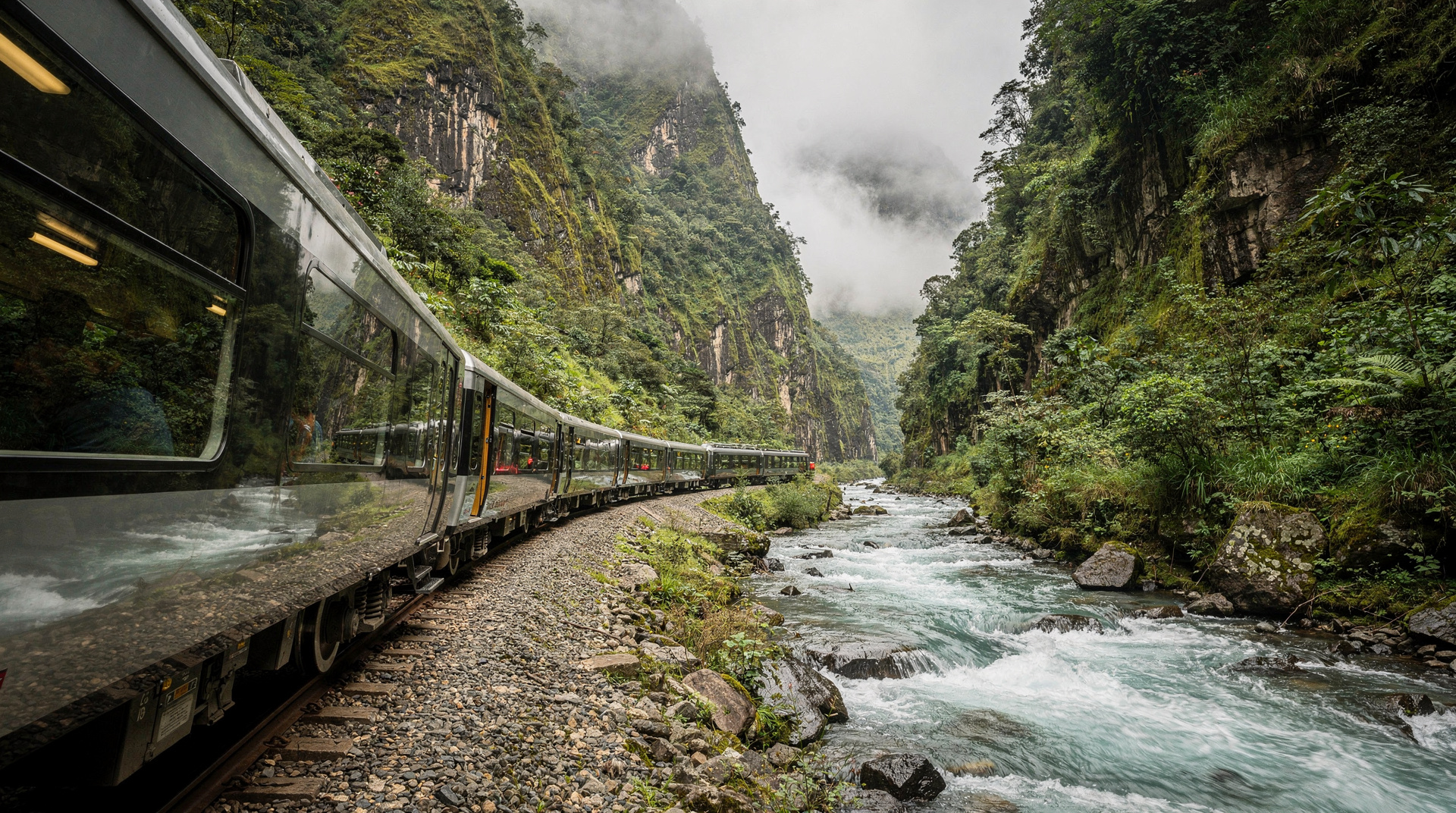
Taking the train to Machu Picchu is how the majority of visitors arrive, and it is an excellent option. The journey from Ollantaytambo to Aguas Calientes runs alongside the Urubamba River through progressively dramatic gorge scenery, descending from 2,792 m to 2,040 m over 1.5 hours. By the time you arrive in Aguas Calientes, you have watched the Andean highland give way to cloud forest and the vegetation has changed completely.
The logistics:
- Cusco to Ollantaytambo: 1.5 hours by shared taxi or tourist bus (S/25–60 / $7–17 USD)
- Ollantaytambo to Aguas Calientes: 1.5 hours by train (PeruRail or Inca Rail, $60–130 return)
- Aguas Calientes to Machu Picchu entrance: 25 minutes by official bus ($24 return from the company booths in town, or around $12 each way)
Total return transport cost from Cusco via Ollantaytambo: roughly $110–190 USD per person depending on service class, not including the Machu Picchu entry ticket (S/152 / approximately $41 at current exchange for the main citadel circuit).
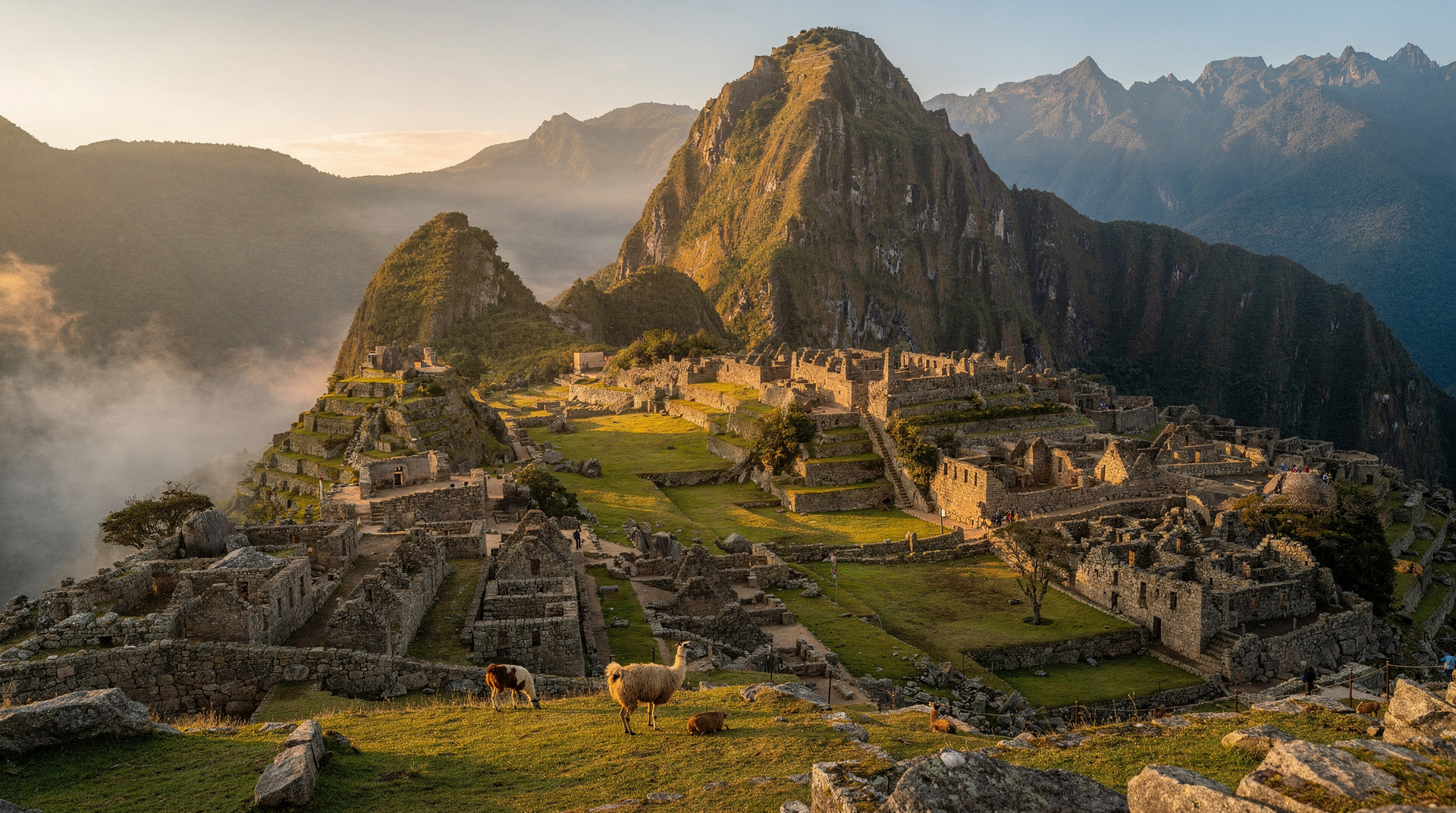
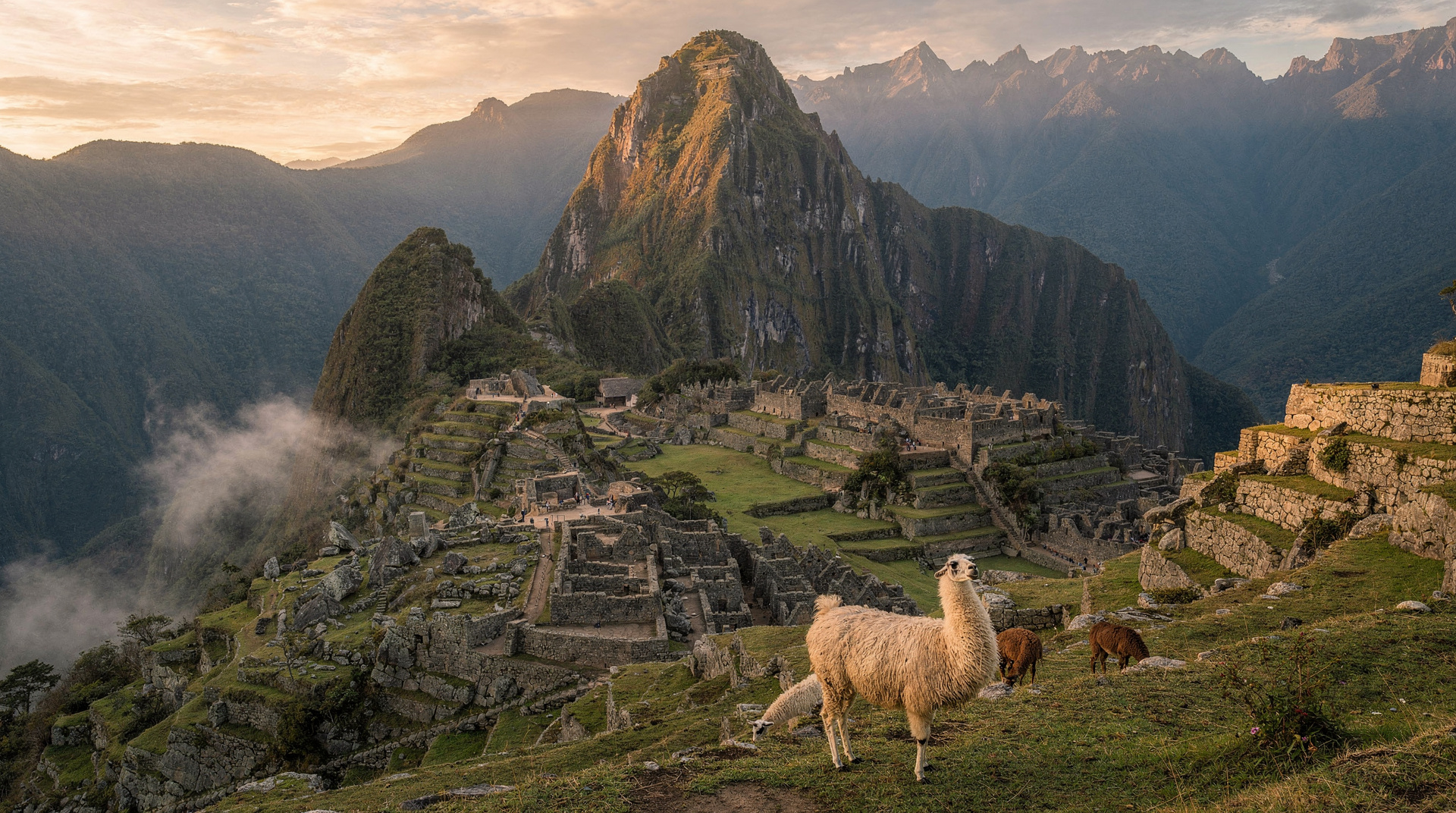
A Machu Picchu day trip by train from Cusco is the cleanest option for most visitors: organised transport, guided tour, and a single price point. The train portion of the journey is handled for you.
When the train makes sense:
- Time is limited (one or two days for Machu Picchu)
- You are not interested in multi-day trekking
- Physical fitness or health conditions make extended walking impractical
- You have children, elderly companions, or family members with mixed fitness levels
- You want maximum comfort and minimum planning complexity
The limitations:
- The most expensive approach per day of experience
- You arrive the same way as every other day-tripper — no earned arrival
- The train schedule is fixed; sold-out trains are a real problem in peak season
Book train tickets well ahead of your visit. PeruRail and Inca Rail are both legitimate operators; tickets are available directly on their websites. The PeruRail vs Inca Rail comparison covers the differences between the two operators in detail.
Multi-day trekking: earning the arrival
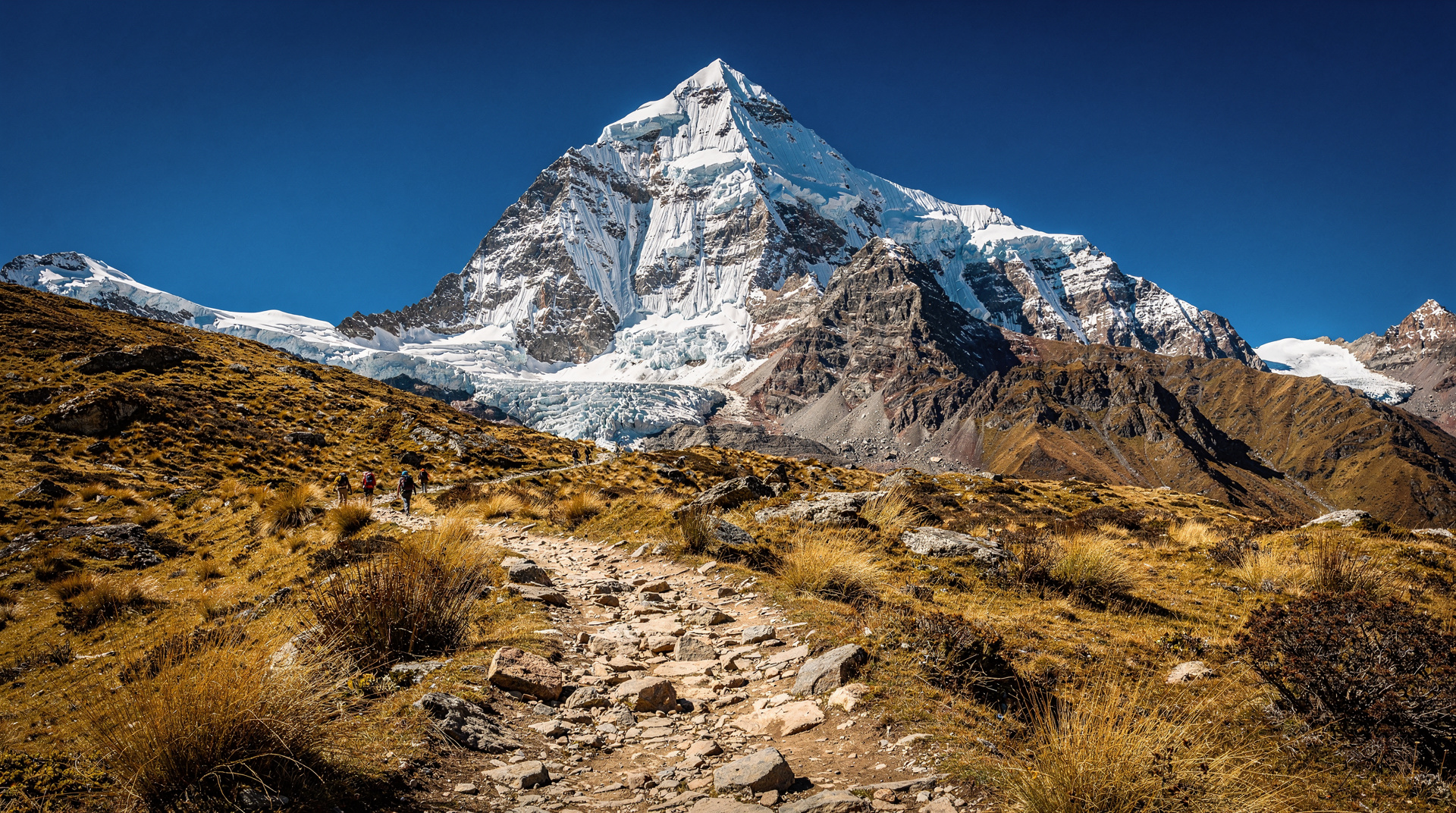
The alternative to the train is arriving at Machu Picchu on foot via one of the multi-day trekking routes. The two main options relevant to this comparison:
Classic 4-day Inca Trail:
- Government-permitted, sells out months ahead
- Maximum altitude: 4,215 m (Dead Woman’s Pass)
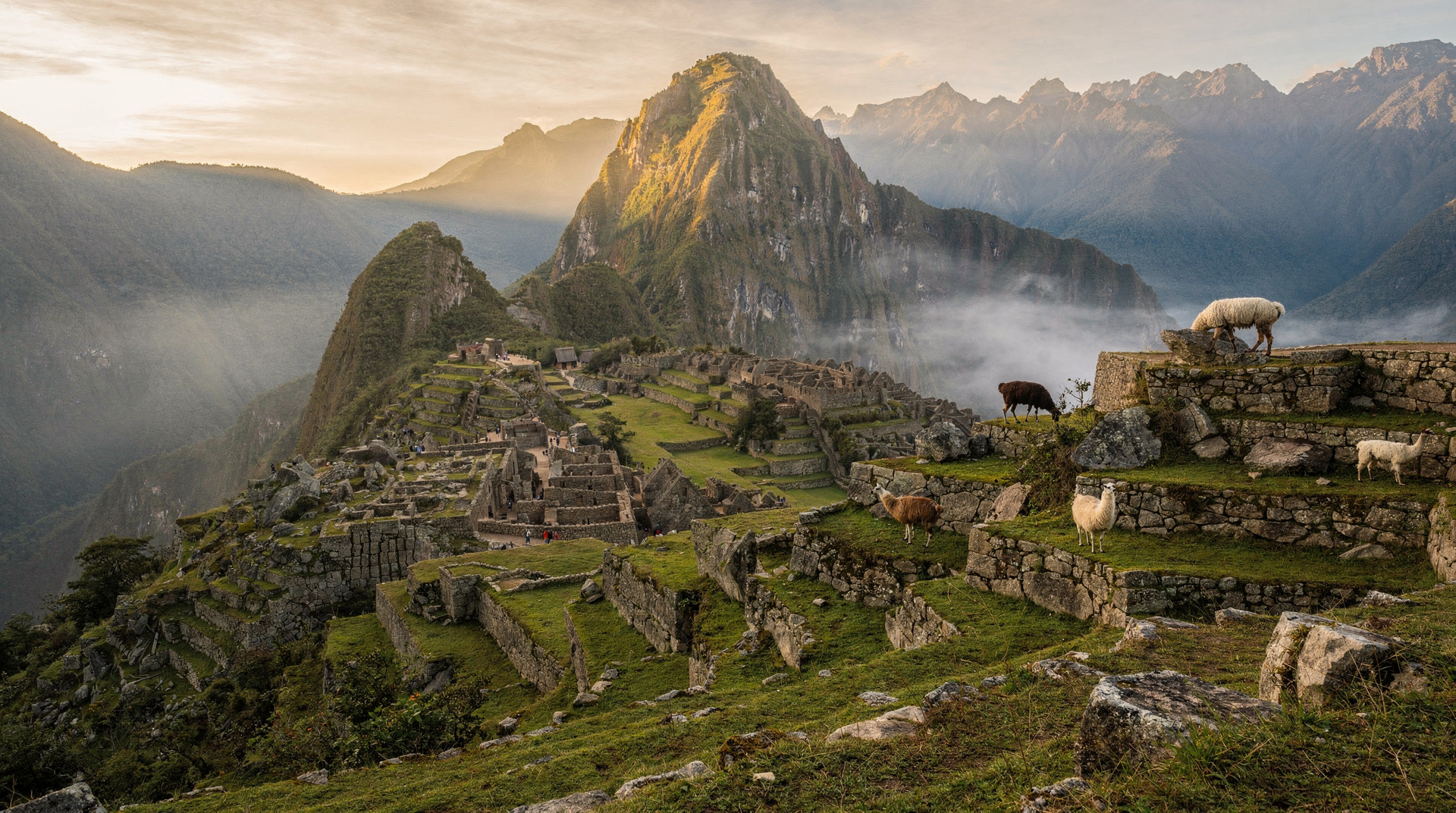
- Arrives through the Sun Gate — a view of Machu Picchu from above that is genuinely transformative
- Cost all-inclusive: $650–800 / S/2,350–2,900
- Duration: 4 days, cannot be shortened
5-day Salkantay trek:
- No government permit, bookable 1–4 weeks ahead
- Maximum altitude: 4,630 m (Salkantay Pass)
- Arrives via Aguas Calientes (same as train visitors)
- Cost all-inclusive: $350–500 / S/1,275–1,820
- Duration: 5 days
Both are described in full in the Inca Trail vs Salkantay comparison and the best treks to Machu Picchu guide.
When trekking makes sense:
- Multi-day walking experience is the main point of the trip
- You specifically want the Sun Gate arrival (Inca Trail only)
- You have a week or more in the region and want to spend it actively
- Fitness is high and altitude acclimatisation is planned
- Budget is less of a constraint than experience
The limitations:
- Requires significant advance planning (especially for Inca Trail permits)
- 4–5 days of physical commitment to a single activity
- Weather can be challenging, particularly in rainy season
- Unsuitable for visitors with limited time or mixed-fitness travel groups The 4-day Inca Trail is the gold standard of Machu Picchu approaches — but it demands more than any other option.
The Hidroeléctrica route: the budget independent option
The Hidroeléctrica (Hidroeléctrica station / Santa Teresa approach) is the cheapest way to reach Aguas Calientes and Machu Picchu. It is not glamorous, it is slow, and it involves walking along active train tracks — but it is legitimate, widely used by budget travellers, and costs roughly S/70–100 ($20–28 USD) each way in transport rather than $60–130 for the train.
How it works:
- Take a shared van from Cusco (departs from near Wanchaq market) to Santa Teresa via Mollepata — approximately 5–6 hours, often on rough road sections
- From Santa Teresa, connect to the Hidroeléctrica station by mototaxi or second van (15–20 minutes)
- Walk the 10–11 km along the train tracks from Hidroeléctrica to Aguas Calientes — approximately 2.5–3 hours, flat, alongside the Urubamba River
- Spend the night in Aguas Calientes or return the same route
Total cost: S/70–100 each way in transport + your own food and accommodation in Aguas Calientes + Machu Picchu entry ticket. Significantly cheaper than train approaches for visitors with time and independence.
The honest caveats:
- The van journey is long and can be uncomfortable on rough sections
- You are walking on active train tracks — stay alert and give way to trains
- There is no formal path alongside the tracks in all sections
- This route is best in dry season; in rainy season the track can be hazardous
- It is not appropriate for anyone with limited mobility, young children, or those uncomfortable with narrow track walking
The Hidroeléctrica budget guide covers the full logistics, including finding the van departure, what to bring, and how to arrange the return.
Side-by-side comparison: what to prioritise
| Consideration | Train | Trekking | Hidroeléctrica |
|---|---|---|---|
| Total transport cost | $110–190 USD | Included in trek price | $40–60 USD total |
| Travel time from Cusco | 3–4 hours each way | 4–5 days | 6–8 hours each way |
| Physical demand | Minimal (walking within site only) | High (multi-day, high passes) | Moderate (3-hour track walk) |
| Requires advance booking | Yes (train + entry ticket) | Yes (permits for Inca Trail) | No (entry ticket only) |
| Sun Gate arrival | No | Yes (Inca Trail only) | No |
| Best for | Most visitors | Trekkers / dedicated adventurers | Budget/independent travellers |
| Best season | Year-round | May–September | May–September (strongly preferred) |
The entry ticket: the one non-negotiable
Regardless of which approach you choose — train, trek, or Hidroeléctrica — you need a Machu Picchu timed-entry ticket booked through the official government platform tuboleto.cultura.pe.
Entry tickets are capacity-limited and sell out for peak dates. Daily capacity in 2026 is 5,600 visitors from 19 June to 2 November and 4,500 on most other days, so peak dates can fill up; check availability on tuboleto.cultura.pe. Book this as a priority before you arrange transport. An expensively booked train with no entry ticket is a problem; it happens to travellers every peak season.
The Machu Picchu tickets guide covers the ticket types, circuits, and booking process in full.
Altitude: how it affects the train vs trek decision
Machu Picchu at 2,430 m is substantially lower than Cusco at 3,400 m, which means the train route is actually more altitude-friendly than staying in Cusco. If you are particularly concerned about altitude, a Machu Picchu day trip by train early in your stay (days two or three) combines sightseeing with a day at lower altitude — physiologically helpful and practically excellent.
Multi-day trekking routes reach significantly higher altitudes: the Inca Trail crosses Dead Woman’s Pass at 4,215 m and the Salkantay Pass at 4,630 m. Both require thorough acclimatisation in Cusco or the Sacred Valley before starting — minimum three nights, ideally four. Do not begin a trek on your third day in Cusco; this is the most common cause of serious altitude trouble on the trail.
The Hidroeléctrica route does not involve high-altitude trekking — the walk from Hidroeléctrica to Aguas Calientes runs at approximately 1,900–2,100 m, lower than Cusco. From an altitude standpoint, it is less demanding than either of the main trekking alternatives.
For families and mixed-fitness groups: train is almost always right
If you are travelling with children, older adults, or companions with significantly different fitness levels, the train is the clear choice. A day at Machu Picchu by train involves the site walking (manageable for most ages at the 2,430 m altitude) and nothing more demanding. Multi-day trekking with 4,000 m+ passes is not appropriate for children under around 12–13 years of age, and unsuitable for many adults without high-altitude hiking experience.
The Cusco with kids guide and Machu Picchu with kids guide cover the family-specific logistics in detail. The train approach to Machu Picchu is fully family-accessible; the main challenges are the early start and ensuring children stay within the marked site paths.
The question underneath the question
The train-vs-trek decision is actually about the kind of trip you want to have.
If Machu Picchu is the destination and the experience of being at the site is the point, the train is efficient and excellent. If the journey to Machu Picchu is as much the point as the destination — if you want the Andes on your feet, the high passes, the earned arrival — then trekking is not merely a transport alternative but a fundamentally different experience.
Most visitors who have done multi-day trekking in the Cusco region say that the trek is the part they remember most vividly, and Machu Picchu itself was the culmination rather than the entire point. That is the genuine difference the comparison captures.
For those with limited time, limited fitness, or travelling with mixed-ability companions, the train delivers Machu Picchu without compromise. For those with a week and two good legs, the case for walking to the world’s most famous Inca site rather than merely arriving at it is compelling.
A middle path: the short 2-day Inca Trail
Between the train and the full multi-day treks sits a fourth option that many first-time visitors do not know exists: the short 2-day Inca Trail. It starts at Km 104, walks through Wiñay Wayna, and arrives at the Sun Gate on day two — delivering the single most significant experiential element of the classic trek (the Sun Gate arrival) without the 4,215 m Dead Woman’s Pass or the four-day time commitment.
At $350–500, it costs roughly the same as the Salkantay but requires only one overnight rather than four or five. For travellers who specifically want the Sun Gate moment but cannot justify a full multi-day trek in their itinerary, this is often the best-value option of all four, and it deserves more consideration than it usually gets in the train-versus-trek framing.
Deciding with a specific trip length in mind
The abstract trade-offs above become concrete once you attach them to your actual itinerary length. With 3 days or fewer for the whole Cusco region, the train is close to the only realistic option — even the short Inca Trail’s two days would consume most of that time. With 5–7 days, the short Inca Trail or the Salkantay both fit comfortably alongside city and Sacred Valley time. With 8 or more days, the classic 4-day Inca Trail becomes realistic without crowding out everything else. The how many days in Cusco guide and the Cusco trip planning guide both help translate this decision into a full itinerary rather than a single day’s choice.
Frequently asked questions about Train vs trek to Machu Picchu: which approach suits your trip?
How long does the train take to Machu Picchu?
How much does the train to Machu Picchu cost?
What is the Hidroeléctrica route and how much does it cost?
Do I still need to buy a Machu Picchu entry ticket separately from the train?
Can I visit Machu Picchu without any trekking at all?
Which is more eco-friendly — train or trek?
Top experiences
Bookable activities with verified prices and instant confirmation on GetYourGuide.